
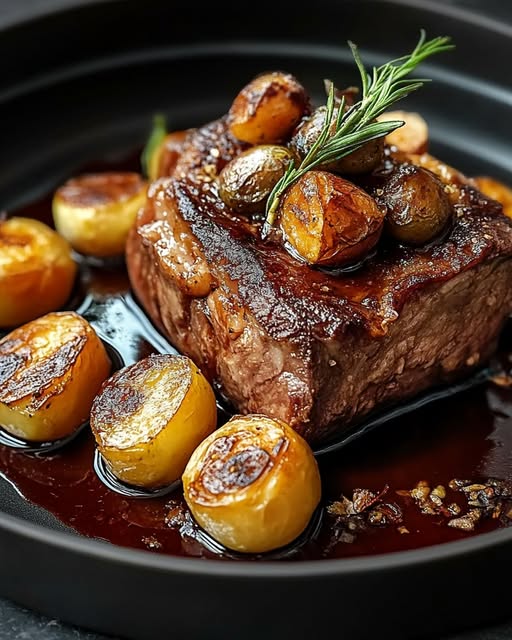
Slow-Roasted Lamb for a Melt-in-Your-Mouth Moment
Have you ever opened your oven to be greeted by a smell so good, your whole family magically appears in the kitchen? That’s the power of slow-roasted lamb. This isn’t just cooking; it’s a promise of comfort. Let me tell you about my foolproof recipe for “S dAgneau Confites au Four.” It’s a French classic that sounds fancy but is secretly simple. All it asks for is a little patience. The reward? Lamb so tender, it falls off the bone with a gentle nudge of your fork. It’s my go-to dish for Sunday dinners and special gatherings. It never fails to gather everyone around the table with happy, hungry faces.
From Rustic French Kitchens to Yours
The term “confit” might make you think of duck, but the method is pure French countryside wisdom. Traditionally, confit means slowly cooking meat in its own fat to preserve it. My oven-roasted version captures that slow-cooked, luxurious spirit without needing a pantry full of fat. Early shepherds would slow-cook tougher cuts over wood fires for hours. This transformed humble ingredients into something magical. My modern take uses a snug, covered pot and a low oven to achieve that same incredible tenderness. It’s less about precise technique and more about letting time do the delicious work. This recipe is a bridge between rustic tradition and your busy, modern kitchen.
Why You’ll Fall in Love With This Easy Lamb Recipe
Let me count the ways! First, the flavor of roasted lamb is out of this world. Garlic and herbs perfume the meat from the inside out. Second, it’s incredibly forgiving. Once you pop it in the oven, you can relax. The low temperature ensures it’s hard to dry out. Third, your house will smell like a professional chef lives there. That aroma is pure happiness. Finally, it makes you look like a culinary rockstar with minimal active effort. It’s the ultimate “set it and mostly forget it” centerpiece for a memorable meal.
When to Whip Up This Show-Stopping Main Course
This dish shines for any occasion where you want to make an impression without stress. It’s perfect for:
- Cozy Sunday Suppers: Nothing beats a relaxing weekend meal shared with loved ones.
- Holiday Feasts: Easter, Christmas, or a celebratory dinner. It’s a stunning alternative to ham or turkey.
- Dinner Parties: Prepare it ahead of time! You can reheat it gently, freeing you up to chat with your guests.
- A Special “Just Because” Dinner: Sometimes, a Tuesday night deserves something extraordinary.
Gathering Your Ingredients for Tender Lamb Shanks
Here’s what you’ll need for this simple, flavor-packed dish:
- 4 lamb shanks (“souris d’agneau”)
- 8 garlic cloves, unpeeled (in their “shirt”)
- 3 tablespoons of olive oil
- 1 sprig of fresh rosemary
- 2 sprigs of fresh thyme
- 250 ml (about 1 cup) of chicken stock
- 100 ml (about 1/3 cup) of dry white wine (optional, but lovely)
- Salt and freshly ground black pepper
- 1 tablespoon of honey (optional, for a sweet note)
Ingredient Swaps: No Stress Substitutions
Don’t have every ingredient? No problem! Cooking should be flexible.
- Lamb Shanks: You can use lamb shoulder chops or even chicken thighs (adjust cooking time down).
- Fresh Herbs: Use 1 teaspoon each of dried rosemary and thyme if fresh isn’t available.
- Chicken Stock: Vegetable or beef broth works great too.
- White Wine: Just replace it with an extra 100 ml of stock. The flavor will still be wonderful.
- Honey: Maple syrup or a spoonful of brown sugar are fine substitutes.
Mastering the Art of Slow-Roasted Lamb
Follow these simple steps for absolute perfection. I promise, it’s easier than it sounds!
Step 1: The Low and Slow Oven Start
First, preheat your oven to 150°C (300°F). This low temperature is the secret key. It gently breaks down the tough fibers in the lamb without squeezing out all the juices. Think of it like a cozy, long nap for the meat. While the oven warms up, take your lamb shanks out of the fridge. Letting them sit for 20 minutes helps them brown better later.
Step 2: Searing for Maximum Flavor
Generously season all sides of your lamb shanks with salt and pepper. Heat the olive oil in a large, heavy oven-proof pot or Dutch oven over medium-high heat. Carefully add the shanks. You’ll hear a satisfying sizzle. Let them sear undisturbed for a few minutes per side until they develop a deep, golden-brown crust. This isn’t just for looks! It builds a rich, savory base of flavor for your entire dish. Pro tip: Don’t crowd the pot. Sear in batches if needed for the best color.
Step 3: Building the Aromatic Bed
Take the beautifully browned shanks out and set them aside on a plate. In that same pot, with all those tasty brown bits, toss in the unpeeled garlic cloves and the herb sprigs. The garlic will sweeten as it roasts. Now, nestle the lamb shanks back in on top of this fragrant bed. Pour in the chicken stock and wine, and drizzle the honey if using. The liquid will bubble and steam, releasing incredible scents. You’ve just created the braising liquid that will keep everything moist and flavorful.
Step 4: The Patient, Magic Cook
Cover the pot tightly with its lid or a double layer of heavy-duty aluminum foil. Place it carefully in your preheated oven. Now, walk away for about 2.5 to 3 hours. The magic happens here. If you want to check, you can baste the shanks with the juices halfway through. For extra color, remove the lid for the last 30 minutes and increase the heat to 180°C (350°F). Chef’s tip: The true test of doneness is when the meat pulls easily away from the bone. If it resists, give it a little more time.
Step 5: The Grand Finale & Serving
Once out of the oven, let the lamb rest in the pot for 10-15 minutes. This lets the juices settle back into the meat, making it even more succulent. To serve, place a shank on each plate. Spoon over the rich, glossy cooking juices, making sure to include the soft, sweet garlic cloves. Squeeze the garlic out of its skin onto the meat—it’s like butter! This beautiful dish pairs perfectly with creamy mashed potatoes or buttery polenta.
Your Recipe Timetable
Good food takes time, but most of it is hands-off!
- Prep Time: 15 minutes
- Cook Time: 3 hours
- Resting Time: 15 minutes
- Total Time: About 3 hours 30 minutes
The One Secret for the Best Roasted Lamb
My biggest secret? Do not skip the sear. I know it’s tempting to just throw everything in the pot. But those browned bits, called “fond,” are pure flavor gold. They dissolve into your braising liquid, creating a sauce that’s complex and deeply savory. It’s the single step that lifts this dish from “good” to “restaurant-quality.” Trust me on this one!
A Little Extra: The “Shirt” on the Garlic
Why leave the garlic unpeeled? It’s called “en chemise” in French, meaning “in its shirt.” This little jacket protects the cloves from burning in the hot oven. It lets them steam and roast gently inside. The result is a sweet, mellow, spreadable paste. It’s a world away from the sharp bite of raw garlic. It’s a classic French technique for good reason!
Your Kitchen Tool Checklist
You don’t need fancy gear for this recipe. Here’s the short list:
- A large, heavy-bottomed Dutch oven or oven-proof pot with a tight-fitting lid.
- Tongs for turning the lamb shanks.
- A wooden spoon for scraping up browned bits.
- Measuring cups and spoons.
Storing Your Delicious Leftovers
Let the lamb and its juices cool completely to room temperature. You can then transfer it to an airtight container. The flavorful fat that rises to the top actually helps preserve the meat.
It will keep in the refrigerator for up to 3-4 days. The flavors will meld and become even richer overnight, making fantastic leftovers!
To reheat, place the lamb and juices in a covered oven dish. Warm it gently in a 160°C (325°F) oven until heated through. You can also reheat single portions gently in the microwave.
My Best Tips for Guaranteed Success
- Season well: Don’t be shy with salt and pepper on the raw meat. It seasons from the inside out.
- Low and slow is key: Rushing with higher heat will give you tough meat. Patience is your best ingredient.
- Use a good pot: A heavy enameled cast iron Dutch oven distributes heat evenly and holds moisture perfectly.
- Let it rest: Cutting into the meat right away lets all the precious juices run out. A short rest changes everything.
Making Your Dish Look as Good as It Tastes
- Serve the lamb shanks on a bed of creamy white beans or parsnip puree for contrast.
- Garnish with a final sprinkle of finely chopped fresh rosemary or parsley for a pop of color.
- Serve the soft, roasted garlic cloves right on the plate. Let your guests squeeze them out—it’s fun!
- Pour the rich cooking juices into a small gravy boat for guests to help themselves.
Play With Your Food: 6 Delicious Variations
Once you master the basic method, try these tasty twists!
- Mediterranean Magic: Add a handful of pitted Kalamata olives and sun-dried tomatoes in the last hour of cooking.
- French Bistro Style: Stir a tablespoon of Dijon mustard and a dash of cream into the juices just before serving for a tangy sauce.
- Moroccan Spiced Lamb: Rub the shanks with cumin, coriander, paprika, and a pinch of cinnamon before searing.
- Spring Herb Garden: Use tarragon, chervil, and chives in place of rosemary and thyme for a lighter, fresher flavor.
- Root Vegetable Harvest: Add chunks of carrot, parsnip, and potato around the lamb for a complete one-pot meal.
- Lighter Lemon & Artichoke: Use lemon juice and zest in the braise, and add drained artichoke hearts for the last 30 minutes.
Common Mistakes to Avoid
Avoid these simple pitfalls for the most tender lamb every single time.
Mistake 1: Skipping the Sear
Putting un-seared lamb straight into the braising liquid is a major flavor miss. The sear creates the Maillard reaction. That’s the chemical process that gives meat its rich, browned, and complex taste. Without it, your sauce and meat can taste flat and boiled. Always take the extra 10 minutes to get a good, deep color on all sides of the shank. It makes all the difference.
Mistake 2: Cooking at Too High a Temperature
If your oven is too hot, the muscle fibers in the lamb will contract violently and squeeze out all the moisture. You’ll end up with dry, tough meat, even though it’s sitting in liquid. The collagen needs a long, gentle heat to slowly melt into gelatin, which is what makes the meat so tender and juicy. Stick to the low temperature recommended. Your patience will be rewarded.
Mistake 3: Not Letting the Meat Rest
You’ve waited hours! Don’t ruin it now by cutting in immediately. When meat is hot, the juices are rushing around inside. Slicing it right away lets all those flavorful juices escape onto the plate. Letting it rest for 10-15 minutes allows the fibers to relax and reabsorb the juices. This means every single bite will be moist and delicious. Cover it loosely with foil while it rests to keep it warm.
Mistake 4: Using a Pot That’s Too Small
Cramming lamb shanks into a small pot means they steam instead of braise properly. They need a little space for the hot air and steam to circulate. They should fit snugly but not be jammed in. Using a pot that’s the right size ensures even cooking and better browning. If the shanks are piled on top of each other, they won’t cook evenly.
Your Slow-Cooked Lamb Questions, Answered
Can I make this with a different cut of lamb?
Absolutely! Lamb shoulder chops are a great alternative to shanks. They are from the same general area of the animal and have good marbling for tenderness. Just keep in mind they may cook a bit faster than the larger shanks. Start checking for tenderness after about 2 hours. Boneless lamb shoulder, cut into large chunks, also works beautifully for a “stew-like” version of this dish.
What if I don’t have an oven-proof pot?
No worries! You can brown the lamb shanks in any large skillet or frying pan. Then, transfer them to a deep baking dish. Pour over the juices and aromatics. Cover the baking dish very tightly with a double layer of heavy-duty aluminum foil. This will trap the steam just like a lid would. The cooking time and temperature will stay the same. The key is making sure the seal is tight.
Can I prepare this dish a day ahead?
You can, and it’s a fantastic idea for easy entertaining! In fact, the flavors often improve overnight. Let the cooked dish cool completely, then cover and refrigerate it. The next day, the fat will have solidified on top. You can skim some off if you like. Reheat it, covered, in a 160°C (325°F) oven until piping hot throughout. This can take 45 minutes to an hour. Add a splash of water or stock if the sauce looks too thick.
Is the optional white wine really necessary?
It’s not strictly necessary, but it adds a wonderful layer of flavor. The alcohol cooks off, leaving behind a bright acidity that balances the richness of the lamb. If you prefer not to use wine, you can substitute it with more chicken stock. To mimic that little bit of acidity, try adding a tablespoon of red or white wine vinegar or even a squeeze of fresh lemon juice to the stock instead. It will lift the sauce perfectly.
My sauce is too thin. How can I thicken it?
You have a few easy options. First, you can remove the cooked lamb and boil the juices on the stovetop for 5-10 minutes. This reduces and concentrates the sauce. Second, you can mix a teaspoon of cornstarch with a tablespoon of cold water. Whisk this slurry into the simmering sauce until it thickens. A third, French-inspired method is to mash a few of the soft, cooked garlic cloves into the sauce. This thickens it and adds incredible flavor.
What are the best side dishes to serve?
You want sides that can soak up that amazing sauce! Creamy mashed potatoes or potato gratin are classic and perfect. For something lighter, try polenta, couscous, or white beans. Roasted root vegetables like carrots and parsnips cook right in the same pot. For a fresh contrast, a simple green salad with a sharp vinaigrette or some steamed green beans work beautifully. It’s all about balancing the rich, hearty lamb.
How do I know when the lamb is perfectly done?
For slow-roasted lamb shanks, you don’t use a thermometer. You use the “fork test.” Take a regular dinner fork and try to pull a piece of meat away from the bone. If it comes away easily and feels tender, it’s done. If there’s any resistance, if the meat seems to cling to the bone, it needs more time. The low temperature means you can’t really “overcook” it in the dry sense; you just make it more and more tender.
I’m not a fan of rosemary. What herbs can I use instead?
You can absolutely customize the herbs! Thyme on its own is lovely. A combination of savory and oregano gives a different character. For an Italian twist, use fresh oregano and a little sage. For a more aromatic, floral note, try marjoram. You can even use sturdy herbs like bay leaves (remember to remove them before serving). The point is to use herbs you enjoy. Start with a couple of sprigs and adjust to your taste next time.
Can I cook this faster at a higher temperature?
I really don’t recommend it. The entire point of this recipe is the slow-roasted lamb method. Higher heat will cause the outside of the meat to toughen before the inside becomes tender. The connective tissue needs time at a low temperature to break down. If you’re in a rush, a different cooking method like grilling or pan-frying a quick chop would be a better choice. This dish is about planning for comfort, not speed.
Can I freeze the cooked lamb shanks?
Yes, they freeze beautifully! Let the lamb and its gravy cool completely. Place them in a freezer-safe, airtight container or a heavy-duty freezer bag. Squeeze out as much air as possible. They can be frozen for up to 3 months. To serve, thaw them overnight in the refrigerator. Reheat gently, covered, in the oven or on the stovetop until hot all the way through. You may need to add a little water or broth when reheating if the sauce seems too thick.
Ready to Create Your Own Kitchen Memory?
So there you have it. My beloved recipe for the most tender, flavorful slow-roasted lamb you’ll ever make. It’s a hug on a plate. Remember, it’s less about fancy skills and more about giving the ingredients time to become their best selves. This dish has filled my home with laughter and my family with happiness more times than I can count. I truly hope it does the same for you. Gather your ingredients, preheat that oven, and get ready for the compliments. You’ve got this. Now, go make something amazing!
Slow-Roasted Lamb
Ingredients
Equipment
Method
- Preheat your oven to 150°C (300°F).
- Let the lamb shanks sit for 20 minutes to reach room temperature.
- Season the shanks generously with salt and pepper.
- Heat the olive oil in a large, heavy oven-proof pot or Dutch oven over medium-high heat.
- Sear the lamb shanks on all sides until golden-brown, about a few minutes per side.
- Remove the shanks and set aside.
- In the same pot, add the unpeeled garlic and herb sprigs.
- Nestle the lamb shanks back into the pot.
- Pour in the chicken stock and white wine, then drizzle with honey if using.
- Cover the pot tightly and place it in the oven.
- Cook for 2.5 to 3 hours, checking and basting halfway through.
- For added color, remove the lid for the last 30 minutes and increase the heat to 180°C (350°F).
- Let the lamb rest in the pot for 10-15 minutes before serving.