
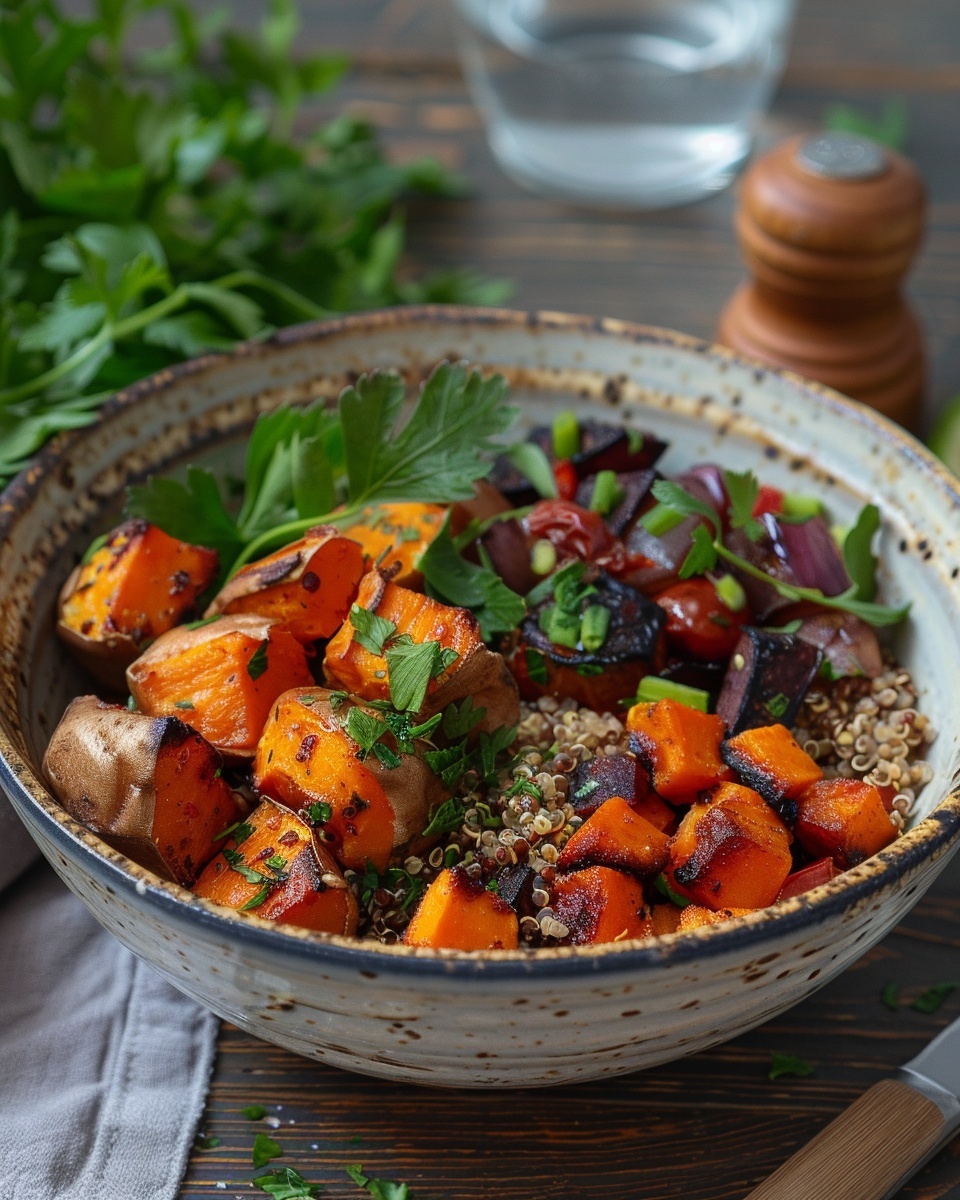
Introduction: My Sweet Potato Bowl Obsession
I’ll never forget the first time I threw together a sweet potato bowl on a busy weeknight. I had about twenty minutes before I needed to leave for yoga class, and my fridge looked like a sad collection of random vegetables. I roasted some diced sweet potatoes, tossed in whatever greens I could find, added a fried egg on top, and drizzled everything with tahini. That meal changed everything for me.
Since that night three years ago, sweet potato bowls have become my go-to meal when life gets hectic. They’re easy to customize, taste amazing, and somehow make me feel like I’m taking care of myself even when I’m rushing through dinner. The best part? You can eat them for any meal of the day.
These bowls have exploded in popularity lately, especially among people following vegan diets and anyone trying to eat healthier without sacrificing flavor. Walk into any trendy café these days and you’ll spot at least one bowl recipe featuring sweet potatoes on the menu. There’s a good reason for that trend.
In this guide, I’m going to share everything I’ve learned about building the perfect sweet potato bowl. You’ll discover how to layer flavors and textures like a pro, explore fun variations like sweet potato bowl breakfast options, and get answers to questions you might have about cooking with sweet potatoes. Whether you’re new to vegan bowls or just looking for fresh meal ideas, I’ve got you covered.
Why Sweet Potato Bowls Are My Weekly Staple
I eat some form of sweet potato meals at least four times a week. That might sound excessive, but once you understand what these orange beauties bring to your plate, you’ll get it.
Sweet potatoes pack serious nutritional value into every bite. They’re loaded with vitamin A, which keeps your eyes and skin healthy. They also contain plenty of fiber, which keeps you full for hours and helps your digestion run smoothly. One medium sweet potato gives you about 4 grams of fiber, which is more than you’d find in most grains.
For anyone eating plant-based meals, sweet potatoes are worth their weight in gold. They provide complex carbohydrates that give you steady energy throughout the day. Unlike simple carbs that spike your blood sugar and leave you crashed an hour later, sweet potatoes release their energy slowly. This makes them perfect for vegan bowls where you need substantial food that keeps you satisfied.
I love how versatile they are too. You can roast them, mash them, spiralize them, or cube them. Each cooking method gives you a different texture to work with. Roasted cubes get crispy on the outside and creamy inside. Mashed sweet potatoes create a smooth base for toppings. The options never get boring.
Is sweet potato ok for weight loss?
This question comes up constantly, and I get why people wonder about it. Sweet potatoes taste so good that they seem like they should be off-limits if you’re trying to lose weight.
Here’s the truth: sweet potatoes can absolutely support your weight management goals. The fiber content I mentioned earlier is key here. When you eat fiber-rich foods, you feel fuller longer. That means you’re less likely to raid the snack cabinet an hour after dinner.
Sweet potatoes also have a relatively low glycemic index compared to regular white potatoes. The glycemic index measures how quickly a food raises your blood sugar. Foods with a lower score cause a gentler, more gradual rise. This matters because stable blood sugar helps control hunger and cravings.
I’m not saying sweet potatoes are a magic weight loss food. No single ingredient works that way. But they’re a smart choice when you want filling, nutritious carbs that won’t leave you hungry again in an hour. I’ve maintained a healthy weight while eating them regularly, and many of my friends have had similar experiences.
The real secret is what you pair them with and how you prepare them. A sweet potato drowned in butter and brown sugar is a different story than roasted sweet potato cubes in a balanced bowl with protein and vegetables. Context matters.
Building Blocks of the Perfect Sweet Potato Bowl
Creating an amazing sweet potato bowl follows a simple formula. Once you understand the basic structure, you can mix and match ingredients based on what’s in your kitchen or what sounds good that day.
The concept comes from Buddha bowls, those beautifully arranged meals that look almost too pretty to eat. You might have seen the famous buddha bowl oh she glows recipes floating around online. Those recipes made this style of eating mainstream, and for good reason.
What are the 5 key components of a Buddha bowl?
Every great bowl needs five essential elements. Think of them as your building blocks. When you include all five, you create a complete meal that satisfies your taste buds and your nutritional needs.
1. The Base Layer
Your base provides the foundation that everything else sits on. I usually choose a grain like quinoa, brown rice, or farro. These grains add substance and make the bowl filling enough to count as a real meal.
Quinoa is my favorite because it cooks quickly and has a light, fluffy texture. Brown rice takes longer but has a nutty flavor that pairs beautifully with roasted sweet potatoes. Sometimes I skip grains entirely and use a bed of mixed greens for a lighter option.
Cook your base plain or add flavor with vegetable broth instead of water. A little salt and a bay leaf during cooking can make a big difference.
2. The Protein Component
Protein turns your bowl from a side dish into a complete meal. For a tofu sweet potato bowl, I cube extra-firm tofu and pan-fry it until the edges get crispy. The contrast between creamy sweet potato and crispy tofu is incredible.
If you eat eggs, try a sweet potato bowl with egg. I prefer mine fried with a runny yolk that acts as a built-in sauce when you break it open. Poached eggs work great too.
Other protein options include chickpeas (roasted until crunchy), black beans, tempeh, or leftover chicken if you’re not eating vegan. The key is getting at least 15-20 grains of protein to make the meal satisfying.
3. The Vegetable Selection
This is where you add color, crunch, and extra nutrients. I always include at least two different vegetables besides the sweet potato itself.
For a sweet potato broccoli bowl, I roast both vegetables together on the same sheet pan. The broccoli gets those crispy, almost burnt edges that taste amazing. Roasted Brussels sprouts, sautéed kale, raw shredded cabbage, or steamed green beans all work beautifully.
Mix different textures and temperatures. Warm roasted vegetables paired with cold, crunchy raw veggies create an interesting contrast that makes every bite different.
4. The Sauce or Dressing
Don’t skip the sauce. This is what brings everything together and prevents your bowl from tasting dry or boring.
My go-to is tahini sauce thinned with lemon juice and a splash of water. Peanut sauce works wonderfully if you want an Asian-inspired flavor. A simple balsamic vinaigrette adds tang. Creamy avocado dressing provides richness without dairy.
Make extra sauce and keep it in the fridge. Having dressing ready to go makes throwing together quick vegan sweet potatoes bowls during the week so much easier.
5. The Final Toppings
Toppings add the finishing touch. They provide extra texture and little bursts of flavor.
I keep toasted pepitas, hemp seeds, and sesame seeds in my pantry just for this purpose. Fresh herbs like cilantro or parsley add brightness. A sprinkle of nutritional yeast gives a cheesy flavor to vegan bowls. Sliced avocado adds creaminess. A squeeze of lime juice right before eating wakes up all the flavors.
The beauty of this formula is its flexibility. Once you know the five components, you can create endless variations. Your buddha bowls menu can change with the seasons, your mood, or whatever vegetables are on sale that week. The structure stays the same, but the flavors never get repetitive.


Creative Variations for Every Meal
Now that you’ve got the formula down, let’s talk about the fun part: mixing things up throughout the day.
I discovered the magic of a sweet potato bowl breakfast completely by accident. One morning I had leftover roasted sweet potatoes in the fridge and no time to make a proper breakfast. I reheated them, cracked an egg on top, and figured I’d at least get some protein before rushing out the door. That combination became my weekend breakfast ritual.
For morning bowls, I keep things simple but satisfying. The sweet potato bowl with egg works best when you build it on a bed of sautéed spinach or kale instead of grains. The greens wilt down in literally two minutes in a hot pan with a tiny bit of olive oil. Then I add warm sweet potato cubes and top everything with a fried egg. When the yolk breaks and runs into the sweet potatoes, it creates this incredible sauce that you can’t replicate any other way.
Sometimes I’ll add a dollop of Greek yogurt on the side and some everything bagel seasoning. Other days I go for hot sauce and sliced avocado. The beauty of breakfast bowls is that you can make them as simple or as elaborate as your morning schedule allows.
By the way, if you’re meal prepping for busy mornings, roast a big batch of sweet potato cubes on Sunday night. Store them in the fridge, and you can throw together a sweet potato bowl breakfast in under five minutes on weekday mornings. Just reheat the potatoes while you cook your egg, and you’re done.
When it comes to adapting your buddha bowls menu for lunch or dinner, the options expand exponentially. Lunch bowls need to be portable if you’re taking them to work, so I focus on ingredients that taste good at room temperature. A base of quinoa holds up well. Add cold roasted sweet potatoes, chickpea salad, and a tangy lemon-tahini dressing that you pack separately. Throw in some fresh cucumber and cherry tomatoes for crunch.
Dinner bowls are where I really experiment. Here’s one combination that I make at least twice a month: roasted sweet potatoes paired with massaged kale, sliced avocado, and tahini sauce. The key to the kale is massaging it with a pinch of salt for about a minute. This breaks down the tough fibers and makes it tender and almost sweet. It sounds weird if you’ve never tried it, but trust me on this one.
For the tahini sauce, I whisk together three tablespoons of tahini with the juice of one lemon, a minced garlic clove, a pinch of cumin, and enough water to make it pourable. Season with salt and pepper. This sauce keeps in the fridge for a full week and makes everything taste better.
What pairs well with a sweet potato?
I’ve spent three years experimenting with different combinations, and some pairings just work better than others.
Roasted chickpeas are phenomenal with sweet potatoes. The crispy, slightly salty chickpeas contrast perfectly with the creamy sweetness of the potatoes. I toss drained chickpeas with olive oil, smoked paprika, and a little salt, then roast them at 400°F for about twenty-five minutes. They get crunchy on the outside and stay a bit soft inside.
Sautéed greens are another winning combination. Steamed broccoli works if you want something quick, but I prefer the deeper flavor you get from sautéing kale, Swiss chard, or collard greens with garlic. The slight bitterness of dark leafy greens balances the sweetness of the potatoes beautifully.
Tangy sauces deserve special mention here. Sweet potatoes can handle bold flavors. A spicy peanut sauce brings Thai-inspired vibes. Balsamic reduction adds sophistication. Even a simple squeeze of lime juice with some cilantro transforms the whole bowl. I keep multiple sauce options in my fridge so I can change up the flavor profile without changing the base ingredients.
For a sweet potato broccoli bowl, I roast both vegetables on the same sheet pan. The broccoli cooks faster, so I add it about ten minutes after the sweet potatoes go in the oven. Both get caramelized edges that add a depth of flavor you can’t achieve with steaming. Add some crispy tofu on top and drizzle with a ginger-miso dressing for an Asian-inspired dinner that hits every flavor note.
Funny enough, my husband prefers his bowls with ingredients that remind him of Mexican food. For him, I’ll do sweet potatoes with black beans, corn, salsa, and a cilantro-lime dressing. It’s basically a deconstructed burrito bowl, and it proves that sweet potato meals can adapt to virtually any cuisine.
Step-by-Step Guide to Preparing Sweet Potatoes
Let me walk you through my actual process for cooking sweet potatoes, because getting this right makes all the difference.
Roasting is my preferred method about ninety percent of the time. I preheat the oven to 425°F, which is hot enough to caramelize the outside while keeping the inside tender. While the oven heats, I wash the sweet potatoes and cut them into uniform cubes, usually about three-quarter inch pieces. Uniform size matters because it means everything cooks at the same rate.
I spread the cubes on a large baking sheet in a single layer. Don’t crowd them, or they’ll steam instead of roast. Drizzle with olive oil, about two tablespoons for two medium sweet potatoes. Season with salt, pepper, and whatever spices sound good that day. Smoked paprika, cumin, and garlic powder make frequent appearances in my kitchen.
The sweet potatoes roast for about twenty-five to thirty minutes. I flip them once halfway through with a spatula. You’ll know they’re done when a fork slides through easily and the edges look golden brown.
For steaming, I use this method when I want a softer texture or when I’m making a detox soup that calls for sweet potatoes. Cut them into smaller chunks than you would for roasting. Place them in a steamer basket over boiling water and cover. They usually take about twelve to fifteen minutes to become fork-tender.
Mashing works great when you want sweet potatoes as a base layer instead of cubes. I boil them with the skins on until they’re very soft, then drain and let them cool just enough to handle. Peel off the skins, which slip right off after cooking, and mash with a fork. I add a tiny bit of salt and maybe a drizzle of olive oil, but they’re creamy enough that they don’t need much.
Why do you soak sweet potatoes in water before cooking?
Here’s the thing: I don’t always soak my sweet potatoes, but there are specific situations where it really helps.
Soaking removes excess starch from the surface of the potatoes. This makes a difference if you’re trying to get really crispy roasted cubes or if you’re making sweet potato fries. The starch on the outside can prevent proper browning and make the texture gummy instead of crispy.
When I do soak them, I cut the sweet potatoes first, then submerge the pieces in cold water for at least thirty minutes. Sometimes I’ll leave them for up to two hours if I’m meal prepping. After soaking, I drain them thoroughly and pat them completely dry with a kitchen towel. This step is crucial. Any water left on the surface will create steam in the oven, which works against the crispiness you’re trying to achieve.
Honestly though, if I’m making regular bowl recipes where the sweet potatoes don’t need to be super crispy, I skip soaking entirely. It’s an extra step that matters most for specific preparations like fries or hash.
One tip I learned the hard way: don’t soak them too long. I once left sweet potatoes soaking overnight and they got waterlogged and mushy. Stick to one to two hours maximum.
Vegan-Friendly Sweet Potato Bowl Ideas
The plant-based crowd really embraced vegan sweet potatoes as a bowl base, and it makes perfect sense.
For a hearty vegan bowl, I start with vegan sweet potatoes as the star ingredient, then build around them with protein-rich plants. Lentils are incredible here. I cook brown or green lentils in vegetable broth with a bay leaf, and they come out with this earthy, satisfying flavor that grounds the whole meal.
A combination I keep coming back to features roasted sweet potatoes, warm lentils, sautéed spinach, and cashew cream. The cashew cream is ridiculously easy: blend raw cashews with water, lemon juice, garlic, and salt until smooth. If you don’t have a high-powered blender, soak the cashews in hot water for thirty minutes first. This cream adds richness that makes the bowl feel indulgent even though it’s completely plant-based.
Tempeh works beautifully in vegan bowls too. I slice it thin and marinate it for at least twenty minutes in a mixture of soy sauce, maple syrup, and rice vinegar. Then I pan-fry the slices until they’re crispy and caramelized on both sides. The savory-sweet flavor complements the natural sweetness of the potatoes without competing with it.
The buddha bowl oh she glows cookbook really popularized these types of combinations. Angela Liddon’s recipes focus on whole food ingredients and big flavors without relying on meat or dairy. Her approach inspired a lot of my own experimentation. If you’re looking for more structured recipes to start from, that cookbook is worth checking out. I’ve adapted several of her ideas to match what I keep in my pantry, kind of like how I modified techniques from turkey lettuce wraps to make plant-based versions.
For another variation, try a Middle Eastern-inspired bowl: roasted sweet potatoes with crispy falafel, cucumber-tomato salad, hummus, and a drizzle of tahini. This one transports me straight to the Mediterranean every single time.
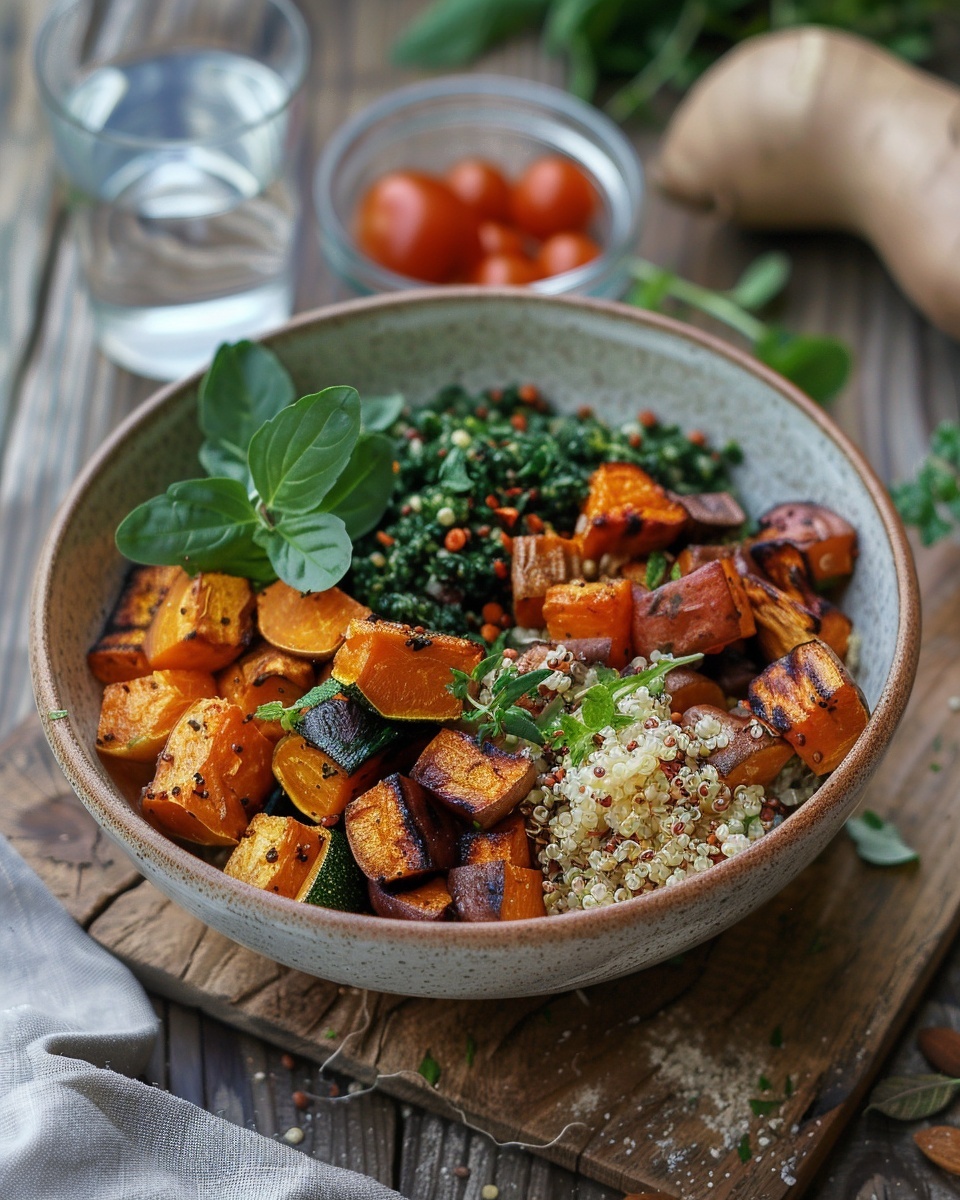


Meal Prep Tips for Busy Weekdays
Sunday afternoons are sacred in my house. That’s when I batch-cook ingredients for the week ahead, and bowl recipes have completely transformed how I approach this ritual.
I used to stress about cooking fresh meals every single night. Then I realized that prepping components separately gives me the flexibility to mix and match throughout the week without eating the exact same thing five days in a row. Game changer.
Here’s my typical Sunday routine: I roast three medium sweet potatoes, cook a big pot of quinoa, prepare two different proteins, and chop raw vegetables. The whole process takes maybe ninety minutes while I’m listening to a podcast or catching up on a show. Then I have everything I need to assemble quick sweet potato meals on those nights when I get home exhausted.
For storage, I keep the components in separate containers instead of assembling complete bowls ahead of time. This matters more than you might think. When you store everything together, the hot ingredients make the cold ones soggy and everything kind of mushes together into one texture. Not appetizing.
The roasted sweet potatoes go in a glass container with a tight lid. They stay fresh in the fridge for five days, sometimes six if I’m pushing it. Grains like quinoa or brown rice keep well for about four to five days. I store them in a separate container and sometimes add a splash of water before reheating to bring back moisture.
Proteins get their own containers too. If I’ve made a tofu sweet potato bowl prep, I’ll cook the tofu until it’s crispy, then store it separately. Same with chickpeas or tempeh. The key is getting them crispy during the initial cooking, then reheating them quickly in a hot pan for just a minute or two before eating. This restores that textural contrast that makes bowls interesting.
Raw vegetables stay crisp longer when you prep them smartly. I wash and dry leafy greens thoroughly, then wrap them in paper towels before storing in containers or bags. The paper towels absorb excess moisture that would otherwise make the greens slimy. Cherry tomatoes, cucumbers, and shredded cabbage all keep well for several days when stored in airtight containers.
By the way, I’ve learned to keep sauces and dressings in small mason jars. Those four-ounce jars are perfect for a week’s worth of tahini sauce or peanut dressing. Store them in the fridge and just give them a good shake before using since ingredients often separate as they sit.
Reheating is where some people mess up their meal prep efforts. Microwaving everything together in one bowl turns your carefully prepared components into mush. Instead, I reheat only what needs to be warm. Sweet potatoes and grains go in the microwave for about sixty to ninety seconds. While those heat up, I arrange my cold components like fresh greens and raw vegetables in my serving bowl.
Then I add the warm ingredients on top and finish with my protein, sauce, and toppings. The contrast between warm and cool elements makes the bowl feel freshly made instead of like sad leftovers. This technique has seriously improved my relationship with meal organization and helped me stick to eating at home more consistently.
The customization aspect is what keeps me from getting bored. Monday might be a sweet potato broccoli bowl with tahini sauce. Wednesday I’ll use the same roasted sweet potatoes but pair them with black beans, salsa, and avocado for a Mexican-inspired version. Friday could be an Asian-style bowl with the same sweet potatoes, different vegetables, and a ginger-sesame dressing.
Same base ingredients, completely different meals. This is how vegan bowls became my solution to the “what’s for dinner” question that used to stress me out every single day.
One trick I discovered by accident: freezing cooked sweet potatoes actually works. I was skeptical at first, but when I had too many roasted cubes one week, I threw them in a freezer bag. A month later, I thawed them overnight in the fridge and reheated them in a hot oven for about ten minutes. They weren’t quite as perfect as fresh, but they were totally acceptable for a quick meal. This means you can prep even further in advance if you want to.
For mornings when I want a sweet potato bowl breakfast, having prepped components means I can throw something together in under five minutes. I reheat sweet potato cubes while frying an egg, pile everything on some greens, and I’m out the door with a real breakfast instead of grabbing something processed.
Honestly, bowl recipes saved my weeknight sanity. Before I figured out this system, I was either cooking from scratch every night (exhausting) or ordering takeout constantly (expensive and usually less healthy). Now I get the best of both worlds: homemade food that’s almost as convenient as takeout.
Making Sweet Potato Bowls Work for Your Lifestyle
Here’s something nobody tells you about healthy eating: it has to fit your actual life, not some idealized version of your life where you have unlimited time and energy.
I’m not one of those people who naturally loves spending hours in the kitchen. Cooking is fine, but I’d rather be doing other things most evenings. That’s exactly why these bowls became my staple. They let me eat well without turning meal preparation into a part-time job.
Start simple if you’re new to this whole buddha bowls menu approach. Pick one day this week to roast some sweet potatoes. Just do that one thing. Then tomorrow, when you’re figuring out dinner, you’ve already got a head start. Add some vegetables from your fridge, whatever protein you have on hand, and any sauce that sounds good. You’ve just made your first bowl without following a strict recipe.
That’s the freedom these meals offer. Once you understand the basic structure, you stop needing recipes for every single meal. You become more intuitive about throwing together balanced, delicious food based on what you have and what sounds appealing in the moment.
My friend Sarah was convinced she hated meal prep until I walked her through this component-based system. She thought meal prep meant eating identical meals seven days straight. When I showed her how to mix and match components into different combinations, she actually got excited about it. Now she texts me photos of her creations at least twice a week.
The cost savings are worth mentioning too. I spend about thirty dollars on ingredients that give me lunch and dinner for most of the week. That’s roughly three dollars per meal. Compare that to restaurant bowls that often run twelve to fifteen dollars, and the math makes sense pretty quickly.
Plus, when you make your own vegan sweet potatoes bowls at home, you control everything that goes into them. No hidden oils, no excessive salt, no mystery ingredients. Just real food that you chose and prepared yourself.
If you’re looking for even more ways to build nutritious, balanced meals without complicated recipes, browsing through some healthy recipes can spark fresh ideas and keep your weekly menu from falling into a rut.
Before I wrap this up, I want to address the biggest obstacle people mention when I talk about these bowls: the feeling that they don’t have time. I get it. But here’s my challenge to you: time how long it actually takes you to order food online, wait for delivery, and then deal with the containers and cleanup afterward. I bet it’s not that different from the time it takes to assemble a bowl from prepped ingredients. The perceived convenience of takeout is sometimes an illusion.
These sweet potato bowls have genuinely changed how I eat and how I feel about cooking. They’ve taken meals from a source of daily stress to something I actually look forward to creating. The flexibility means they work whether I’m cooking for just myself, for my husband and me, or for friends who come over. Scale up or down based on your needs.
I hope you’ll give this approach a try. Start with one bowl this week. Pay attention to what you love about it and what you’d change next time. Build your own rotation of favorite combinations. Make it work for your taste preferences, your schedule, and your budget. That’s the whole point of this flexible, forgiving way of eating.
FAQ Section
What are the 5 key components of a Buddha bowl?
Every complete Buddha bowl includes five essential elements that work together to create a balanced meal. First, you need a base layer, typically a grain like quinoa, brown rice, or greens. Second, add a protein source such as tofu, eggs, chickpeas, or tempeh. Third, include vegetables for nutrients and texture, using at least two different types. Fourth, add a flavorful sauce or dressing that brings everything together. Finally, finish with toppings like seeds, herbs, or avocado for extra texture and flavor. This structure ensures you get carbohydrates, protein, healthy fats, and plenty of vitamins in one satisfying meal.
What pairs well with a sweet potato?
Sweet potatoes pair beautifully with bold, contrasting flavors that balance their natural sweetness. Tangy sauces like tahini, balsamic vinaigrette, or lime-cilantro dressing work exceptionally well. Protein-wise, crispy tofu, roasted chickpeas, fried eggs, and black beans all complement sweet potatoes perfectly. Dark leafy greens like kale, spinach, and Swiss chard provide a slightly bitter contrast that enhances both ingredients. For additional vegetables, broccoli, Brussels sprouts, and cauliflower roast beautifully alongside sweet potatoes. The key is mixing different textures and temperatures to keep every bite interesting.
Is sweet potato ok for weight loss?
Sweet potatoes absolutely support weight management goals when prepared healthily and eaten as part of balanced meals. Their high fiber content keeps you fuller longer, reducing the likelihood of snacking between meals. They have a lower glycemic index than regular white potatoes, meaning they cause a gentler rise in blood sugar and help control cravings. One medium sweet potato provides about 4 grams of fiber and substantial nutrients for relatively few calories. The key is avoiding preparations with excessive butter, sugar, or oil, and instead focusing on roasting or steaming them as part of vegetable-forward bowls with lean proteins and healthy fats.
Why do you soak sweet potatoes in water before cooking?
Soaking sweet potatoes removes excess surface starch, which helps achieve crispier results when roasting or making fries. The starch can create a gummy texture and prevent proper browning during cooking. Soak cut sweet potatoes in cold water for 30 minutes to 2 hours, then drain and pat them completely dry before cooking. This step matters most when texture is crucial, like for crispy roasted cubes or sweet potato fries. For regular bowl preparations where you don’t need maximum crispiness, you can skip soaking entirely. Just avoid soaking longer than a few hours, as the potatoes can become waterlogged.
Can I eat sweet potato bowls every day?
Eating sweet potato bowls daily is perfectly healthy as long as you vary the other components to ensure nutritional diversity. The beauty of bowl meals is that you can change the proteins, vegetables, sauces, and toppings while keeping sweet potatoes as your base. This variety ensures you’re getting different vitamins, minerals, and nutrients throughout the week. Sweet potatoes themselves are nutritious enough to eat frequently without concern. I personally eat some form of sweet potato bowl at least four times weekly and have maintained excellent health. Just listen to your body and adjust based on how you feel.
How long do prepared sweet potato bowls last in the fridge?
Cooked sweet potatoes stay fresh in the refrigerator for 5 to 6 days when stored properly in airtight containers. However, I recommend storing bowl components separately rather than as assembled bowls. Keep sweet potatoes, grains, proteins, and vegetables in individual containers to maintain the best texture and freshness. Raw vegetables and leafy greens should be stored with paper towels to absorb excess moisture. Sauces and dressings keep well in small jars for up to a week. When you’re ready to eat, assemble your bowl fresh and only reheat the components that need warming.
What’s the best temperature for roasting sweet potatoes?
I roast sweet potatoes at 425°F for the perfect balance of caramelized exterior and creamy interior. This temperature is hot enough to create those delicious browned edges while cooking the inside through completely. Cut sweet potatoes into uniform pieces, about three-quarter inch cubes, to ensure even cooking. Spread them in a single layer without crowding, and roast for 25 to 30 minutes, flipping once halfway through. You’ll know they’re done when a fork slides through easily and the edges look golden brown. Lower temperatures work too, but they take longer and don’t achieve the same caramelization.
Can I freeze sweet potato bowls for later?
You can freeze cooked sweet potatoes, but I don’t recommend freezing fully assembled bowls. Frozen sweet potatoes maintain decent quality for up to three months when stored in freezer-safe bags or containers. Thaw them overnight in the refrigerator, then reheat in a hot oven for about 10 minutes to restore texture. Grains like quinoa and rice also freeze well. However, fresh vegetables, leafy greens, and sauces don’t freeze successfully and become watery or mushy when thawed. For best results, freeze only the sweet potatoes and grains, then add fresh vegetables and toppings when you’re ready to eat.
What’s the difference between a Buddha bowl and a regular bowl?
Buddha bowls specifically refer to plant-based or plant-forward bowls with a balanced combination of grains, vegetables, proteins, and healthy fats arranged beautifully in sections. The name supposedly comes from the round, full belly shape of the bowl resembling Buddha’s belly. Regular bowls might be any combination of ingredients without the emphasis on balance, presentation, or plant-based eating. Buddha bowls follow the five-component structure and typically showcase the ingredients in an aesthetically pleasing way. However, the terms have become somewhat interchangeable, and the most important aspect is creating a nutritionally complete, satisfying meal regardless of what you call it.
Do I need special equipment to make sweet potato bowls?
You need minimal equipment to create delicious sweet potato bowls at home. A baking sheet for roasting, a good knife for chopping, and basic pots for cooking grains and proteins are all you really need. I use glass storage containers for meal prep, but any airtight containers work fine. A small blender or food processor helps with making sauces, but you can also whisk dressings by hand in a bowl or jar. Wide, shallow bowls make eating more enjoyable and showcase your ingredients nicely, but regular bowls or plates work just as well. The simplicity of the required equipment is part of what makes these meals so accessible.