
Introduction
I still remember the first time I made a taco casserole for my family. It was a Tuesday night, and I was tired from work but wanted something better than plain tacos. I layered seasoned ground beef, cheese, and tortillas in a baking dish, popped it in the oven, and hoped for the best. When I pulled it out thirty minutes later, golden and bubbling, my kids went wild. That simple dinner became our new favorite, and I’ve been tweaking the recipe ever since.
What I love most about taco casserole is how it takes everything we adore about tacos and makes it easier to serve. No assembly line of toppings at the dinner table. No shells breaking apart in your hands. Just layers of comfort food that everyone can dig into without fuss. It brings together the bold, zesty flavors we crave in Mexican food while staying practical for busy weeknights.
This dish shines at family dinners and potlucks alike. Whether you’re feeding picky eaters or hosting a crowd, taco casserole adapts to what you need. You can make an easy taco casserole with five ingredients on a rushed evening, or create a healthy taco casserole packed with veggies and lean protein when you want something lighter. The possibilities stretch as far as your pantry allows.
What Makes Taco Casserole So Special?
The Basics of a Taco Casserole
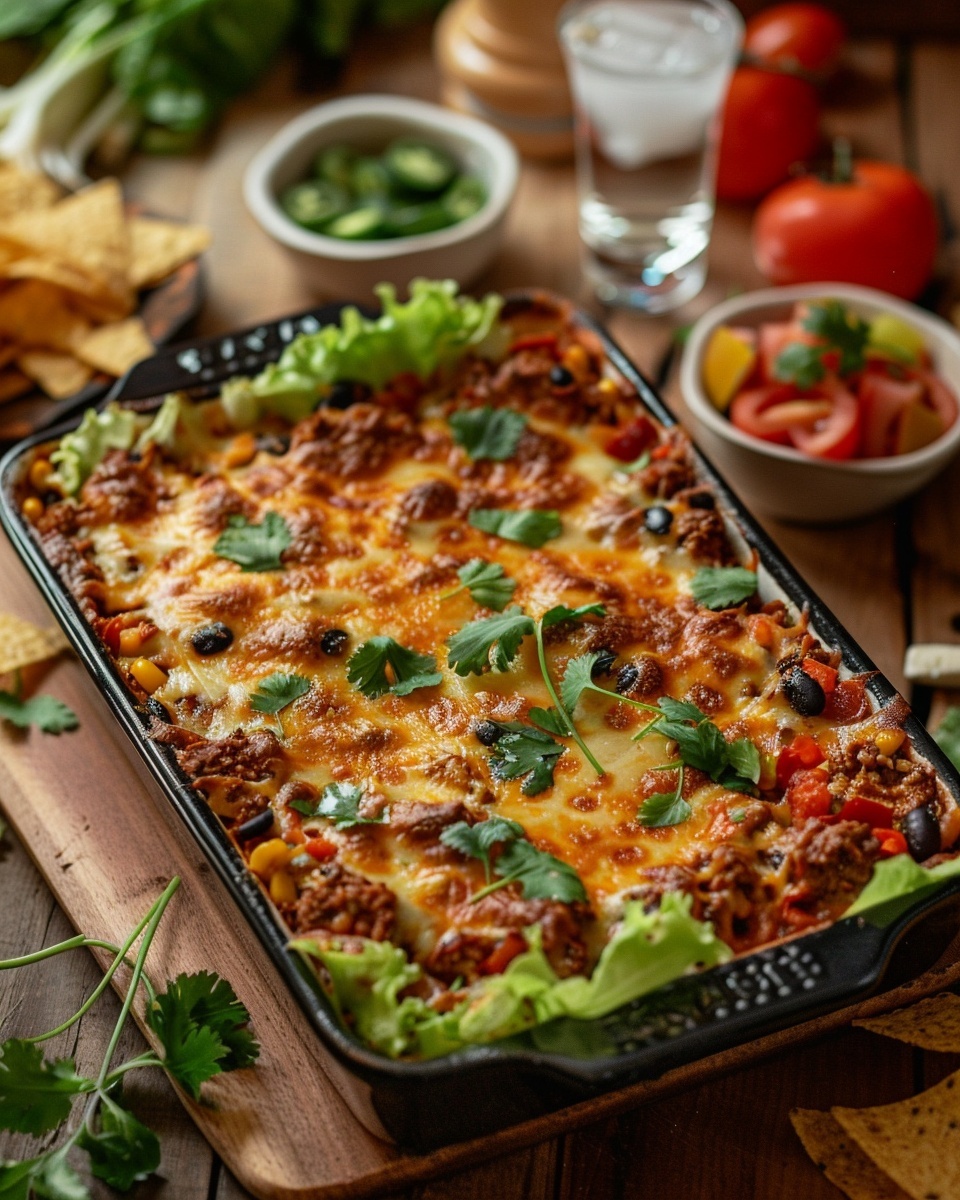
A taco casserole is a layered or mixed baked dish that combines the core flavors and ingredients of tacos into one pan. Think of it as deconstructed tacos that get baked together until everything melds into something even better than the sum of its parts. The beauty lies in how the flavors intensify in the oven while the cheese gets perfectly melted and gooey.
So what do you put in a taco casserole? The base usually starts with seasoned ground beef or another protein. You add cheese (lots of it), some form of tortillas or starch, and classic taco seasonings like cumin, chili powder, and garlic. Many versions include beans, corn, salsa, or diced tomatoes to build more flavor and texture. Some recipes call for sour cream or cream of mushroom soup to add creaminess between the layers.
The ingredient list stays flexible based on what you have and what your family enjoys. I’ve made taco casserole with tortillas countless times, cutting corn or flour tortillas into strips and layering them like lasagna noodles. My neighbor swears by her taco casserole with corn tortillas because she loves how they get slightly crispy at the edges. Both versions taste amazing.
You can also swap out the tortillas entirely. A taco casserole with noodles uses pasta (usually rotini or penne) mixed with the meat and cheese for a heartier texture. Kids especially love this version. A taco casserole with rice offers another great twist, turning the dish into something closer to a burrito bowl bake. And if you want something really different, try a taco casserole with biscuits where buttermilk biscuits top the meat mixture and bake into golden pillows.
Here’s a quick breakdown of common ingredients you might use:
- Protein: Ground beef, ground turkey, chicken, or black beans for vegetarian options
- Cheese: Cheddar, Monterey Jack, or Mexican blend
- Base layer: Corn tortillas, flour tortillas, pasta, rice, or crushed chips
- Seasonings: Taco seasoning, cumin, chili powder, garlic powder, onion powder
- Extras: Salsa, diced tomatoes, black beans, corn, bell peppers, jalapeños
- Creaminess: Sour cream, cream cheese, or canned soup
The adaptability makes taco casserole perfect for using what’s already in your kitchen. Running low on tortillas? Use chips. No ground beef? Shredded chicken works great. This flexibility explains why searching “taco casserole allrecipes” brings up dozens of variations, each with its own spin on the classic formula.
A layered taco casserole takes a more structured approach, similar to lasagna. You start with a base layer (often crushed chips or tortillas), add seasoned meat, spread beans or veggies, pile on cheese, and repeat. The layers create distinct textures in each bite. On the other hand, some recipes mix everything together before baking, creating a more uniform casserole where every scoop has a bit of everything.
One trendy version that went viral is the taco casserole with Doritos, sometimes called Dorito casserole. You crush the chips and use them as a crunchy base and topping. The cheese-flavored chips add an extra punch of flavor that kids go crazy for. I made this for a Super Bowl party once, and people asked for the recipe all night long.
Why Is It Called John Wayne Casserole?
You might have heard someone mention “John Wayne casserole” and wondered what that has to do with tacos. The name comes from a recipe that supposedly belonged to the famous Western actor, though stories about its true origin vary. According to legend, the recipe appeared in a cookbook compiled by his family or friends.
John Wayne casserole typically features layers of biscuits on the bottom, seasoned ground beef mixed with peppers and onions, cheese, and often sour cream and mayo mixed together. The result is rich, hearty, and filling – much like the tough cowboy characters John Wayne portrayed in movies. People started calling similar layered Tex-Mex casseroles by this name because they fit the same spirit: bold, substantial, and no-nonsense comfort food.
The nickname stuck around and now refers to various beefy, cheesy casseroles with Southwestern flavors. Some versions lean more toward biscuit-based recipes, while others resemble what we call a standard taco casserole. The connection highlights how these hearty casseroles became part of American home cooking, especially in regions where Tex-Mex cuisine took hold.
While we’re talking about famous casserole names, you might wonder about Jackie Kennedy’s casserole. That’s actually a completely different dish – an elegant seafood casserole with crabmeat that the former First Lady supposedly enjoyed. It has nothing to do with tacos or Mexican flavors, showing how casseroles span every cuisine and style.
Classic recipes like those found through “taco casserole allrecipes” searches often draw inspiration from these vintage casseroles. They take the comfort-food appeal of mid-century American cooking and update it with the bolder flavors we love today. The result bridges generations, pleasing both grandparents who grew up on casseroles and kids who want cheese and seasoning in every bite.


Exploring Variations of Taco Casserole
Now that you understand the basics, let’s talk about all the different directions you can take this dish. Every time I think I’ve tried every possible version, someone shares a new twist that surprises me.
Classic vs. Creative Twists
The traditional taco casserole recipe follows a pretty straightforward formula. You brown ground beef with onions, stir in taco seasoning, layer it with tortillas and cheese, then bake until everything bubbles. It’s reliable, comforting, and exactly what you want after a long day. My mom made this version throughout my childhood, and the smell alone brings back memories of sitting at our kitchen table doing homework while dinner cooked.
But here’s the thing – once you nail the classic version, the world of creative twists opens up in wild ways. The taco casserole with Doritos I mentioned earlier completely changes the game. Instead of plain tortilla chips or corn tortillas, you crush up a bag of Nacho Cheese Doritos and spread half on the bottom of your dish. Add your meat mixture and cheese, then top with the remaining crushed chips. The flavoring already on the chips intensifies everything, and the texture gets this perfect combination of crunchy and soft where the chips meet the cheese.
A taco casserole with biscuits goes in a totally different direction. You prepare your meat layer as usual, but instead of tortillas, you top everything with refrigerated biscuit dough cut into quarters. As it bakes, those biscuits turn golden brown and fluffy, soaking up the flavors from below while staying tender on top. My kids call this version “taco pot pie,” and honestly, they’re not wrong. It reminds me of how chili mac combines two comfort foods into something better than either one alone.
For an easy taco casserole that requires minimal effort, try the dump-and-bake method. Brown your meat, toss it directly in a casserole dish with a jar of salsa, a can of beans, some frozen corn, and uncooked minute rice. Top with cheese and bake covered for about 30 minutes. The rice cooks right in the dish, absorbing all the flavors. Zero prep work beyond browning meat. I made this version when we moved into our new house and all my kitchen stuff was still in boxes.
Another fun twist involves pasta instead of tortillas. When you make a taco casserole with noodles, you’re essentially creating a Tex-Mex baked pasta dish. Cook rotini or penne according to package directions, mix with your seasoned meat, salsa, and cheese, then bake. The noodles hold onto the sauce differently than tortillas do, creating pockets of flavor in every bite. This version appeals to people who might not usually go for Mexican food but love Italian casseroles like stuffed shells.
Funny enough, the creative versions often take less time than traditional ones. Pre-flavored ingredients like Doritos or pre-mixed taco seasoning packets speed up the process considerably. Some nights you want to measure out cumin and chili powder yourself, carefully building flavor. Other nights you just want dinner done.
Healthier Options for Taco Casserole
I’ll be honest – the classic taco casserole isn’t exactly diet food. All that cheese and sour cream adds up fast. But I’ve learned you can lighten things up without losing the flavors everyone loves.
Start by swapping ground beef for leaner proteins. Ground turkey or chicken breast work beautifully in a healthy taco casserole. They absorb seasonings just as well as beef but cut the fat content significantly. I’ve even used ground turkey so many times now that my family doesn’t notice the difference. The key is not skimping on seasoning – lean meat needs that extra flavor boost from spices.
A taco casserole with rice instead of tortillas or chips adds whole grains and fiber to your meal. Use brown rice for even more nutritional value. The rice stretches the dish further too, meaning you can use less meat overall while still feeding the same number of people. Cook the rice in low-sodium chicken broth instead of water for added flavor without extra calories. This approach reminds me of how we boosted the nutrition in our family’s chicken fajitas by loading up on peppers and onions.
Loading vegetables into your casserole makes a huge difference. Diced bell peppers, zucchini, mushrooms, and spinach all hide beautifully in the layers. My trick is chopping them small and mixing them right into the meat as it cooks. The veggies release moisture that keeps everything tender while adding vitamins and minerals. Sometimes I’ll use two pounds of vegetables to one pound of meat, essentially reversing the usual ratio.
For the cheese situation, try using a sharp cheddar instead of mild. You can use half the amount because the stronger flavor goes further. Or mix in some Greek yogurt where you’d normally use sour cream – it provides the same tangy creaminess with added protein and less fat. I do this swap in tons of recipes now, not just casseroles.
Corn tortillas versus flour makes a difference too. A taco casserole with corn tortillas has fewer calories and more nutrients than one made with flour tortillas. Corn tortillas also crisp up nicely at the edges, adding texture without needing chips. Plus they’re naturally gluten-free if that matters to your household.
By the way, beans deserve more credit in healthy casseroles. Black beans or pinto beans add protein and fiber while letting you reduce the meat amount. I’ve made completely vegetarian versions using just beans, and people who swear they need meat in every meal cleaned their plates without complaint.
Layered Taco Casserole: A Visual Delight
Here’s something I learned from taking my casseroles to potlucks – presentation matters more than you’d think. A well-constructed layered taco casserole doesn’t just taste good; it looks impressive when you scoop it onto plates.
Building distinct layers takes a bit more time than just mixing everything together, but the payoff is worth it. Start with your starch base – crushed chips, torn tortillas, or cooked rice – spread evenly across the bottom. Press it down gently so it forms a solid foundation. Next comes your seasoned meat in an even layer. Then beans if you’re using them, followed by any vegetables. Top with a generous layer of cheese.
Repeat these layers one more time, making sure each level stays distinct. The key is patience. Don’t rush through spreading each layer. Use the back of a spoon to smooth everything out before adding the next component. When you cut into a properly layered casserole, everyone can see the different stripes of ingredients, kind of like a savory rainbow.
The visual appeal actually affects how people taste the dish. When they can see all the components, they appreciate the variety more. It’s the same principle that makes shrimp scampi look so elegant even though it’s simple to make – thoughtful arrangement elevates the whole experience.
For maximum flavor impact, season each layer individually rather than just seasoning the meat. Sprinkle a little cumin or chili powder over the beans. Add a dash of garlic powder to the cheese layer. These small touches create complexity that builds with each bite.
One technique I picked up from a friend is saving some of your best-looking ingredients for the top. Reserve your prettiest cheese shreds, a few whole tortilla strips, or some colorful bell pepper pieces. Arrange them on top in the last five minutes of baking so they stay vibrant. When you bring the casserole to the table, people notice the care you put into it.
The edges of a layered casserole also develop the best texture. The corners get extra crispy while the center stays soft and gooey. I always fight with my husband over who gets the corner pieces. Sometimes I’ll use a smaller, deeper dish to create more edges relative to center space.
Don’t forget that letting the casserole rest for five to ten minutes after baking helps the layers set. I know it’s tempting to dig in immediately, but that cooling time lets everything firm up just enough that your layers don’t collapse into mush when you serve them. The wait makes slicing cleaner and presentation prettier.


Tips and Tricks for Perfecting Your Taco Casserole
Three Key Ingredients for Success
People always ask me what they absolutely need to make a great taco casserole. If I had to strip it down to essentials, I’d say you need three core components: a well-seasoned protein, quality cheese, and something with texture to hold it all together.
Let’s start with the protein. Whether you choose ground beef, chicken, turkey, or go vegetarian with beans, seasoning is everything. I can’t stress this enough. The biggest mistake I see people make is under-seasoning their meat. Don’t just dump taco seasoning on browned beef and call it done. Let the spices bloom in the fat for a minute or two before adding any liquid. This releases their essential oils and creates depth you can’t get otherwise. I also add a splash of beef broth or even coffee to my meat mixture – sounds weird, but that little bit of liquid helps distribute the seasonings evenly and keeps everything moist during baking.
Next comes cheese, and quality matters here more than you’d expect. Pre-shredded cheese contains anti-caking agents that prevent it from melting as smoothly as cheese you shred yourself. When I have time, I buy a block of sharp cheddar and Monterey Jack, then shred them together. The texture difference is noticeable. That said, I’m not going to pretend I always do this. Plenty of my casseroles use bagged cheese when life gets hectic. Just know that freshly shredded melts into those gorgeous stretchy strands you see in food photos.
The third critical element is your textural component – chips, tortillas, pasta, or rice. This ingredient defines your casserole’s character. Crushed tortilla chips create pockets of crunch throughout. A taco casserole with corn tortillas gets this wonderful chewy-crispy thing happening where the tortillas soak up moisture but crisp at the edges. Pasta in a taco casserole with noodles makes it heartier and more filling, perfect for feeding teenagers who eat everything in sight.
Here’s my personal recommendation for ingredient pairings that work brilliantly together. If you’re using ground beef, pair it with flour tortillas and a Mexican cheese blend. The mild flavors complement each other without fighting for attention. Ground turkey benefits from bolder choices – use corn tortillas and add some pepper jack cheese for heat. Chicken works beautifully with rice and a combination of cheddar and cream cheese stirred into the mixture for richness.
One trick I learned from my sister-in-law: toast your tortillas lightly before layering them in. Just a quick pass over a gas burner or a minute in a dry skillet. This step prevents them from getting soggy and adds a subtle smoky flavor that elevates everything. Takes an extra five minutes but makes a real difference.
The ratio between these three components matters too. I usually aim for about equal volumes of protein and cheese, with slightly less of the textural element. Too much rice or pasta overwhelms the taco flavors. Too little and your casserole falls apart when you try to serve it. Think of it like building a house – the protein is your foundation, cheese is the mortar holding everything together, and your starch provides structure.
Inspiration from History: Jackie Kennedy’s Casserole
This might seem like a random detour, but bear with me. When people ask about Jackie Kennedy’s casserole, they’re usually referring to a seafood dish made with crabmeat, mushrooms, and a cream sauce that was supposedly served at White House dinners. Nothing remotely taco-related there. But there’s an interesting connection to how we approach casseroles today.
Jackie Kennedy represented elegance and sophistication in American cooking during the 1960s. Her casserole recipes reflected that era’s approach to entertaining – rich, impressive dishes that could be prepared ahead and served to guests without fuss. The mentality was similar to what makes our modern taco casserole so practical. Both solve the problem of feeding people well without requiring constant attention in the kitchen.
What I find fascinating is how casseroles themselves evolved from fancy dinner party fare to everyday comfort food. Jackie Kennedy’s seafood casserole would have been considered quite upscale. Today, we’ve democratized the concept. A layered taco casserole serves the same make-ahead, crowd-pleasing purpose but with ingredients most families already have on hand.
The historical perspective reminds us that there’s no shame in casserole cooking. It’s not lazy or low-class despite what food snobs might say. It’s smart, practical cooking that respects both your time and your budget. When I discovered healthy food habits can absolutely include casseroles if you make thoughtful ingredient choices, it changed how I meal planned for my family.
Some modern takes on taco casserole with tortillas actually mirror the layered elegance of those vintage recipes. You’re building something thoughtful and composed, not just throwing ingredients together randomly. The technique matters. The presentation matters. Just because it’s dinner on a Tuesday doesn’t mean it can’t look beautiful.
I think about this whenever I’m assembling a casserole for company. Those mid-century hostesses knew something important – food that feeds many people efficiently doesn’t have to sacrifice quality or appeal. Our easy taco casserole recipes carry forward that same wisdom, adapted for flavors that speak to contemporary American tastes.
Final Tips for Your Best Casserole Yet
Before you head to your kitchen, let me share a few more insider tips that took me years to figure out. First, always let your meat cool slightly before assembling your casserole. Hot meat piled directly onto cheese makes it melt prematurely and can create a greasy layer at the bottom of your dish. Just five minutes of cooling time prevents this issue entirely.
Temperature matters more than you’d think. I bake most of my casseroles at 350°F, but for the last ten minutes, I crank it up to 400°F to get that golden, bubbly top everyone loves. Cover with foil for the first half of baking if your cheese browns too quickly. Every oven behaves differently, so pay attention to what works in yours.
Invest in a good quality casserole dish if you make these often. Glass dishes let you see what’s happening around the edges, which helps prevent burning. But ceramic dishes distribute heat more evenly and look pretty enough to bring straight to the table. I own both and choose based on the occasion.
Speaking of occasions, casseroles freeze beautifully. I often make two taco casseroles with rice or noodles at once, baking one for dinner and freezing the other for later. Wrap tightly in plastic wrap, then aluminum foil, and it’ll keep for three months. Thaw overnight in the fridge before baking. This strategy has saved me countless times when unexpected guests showed up or I just couldn’t face cooking.
Don’t forget about leftovers either. Cold taco casserole makes an excellent breakfast when you reheat it and top it with a fried egg. Sounds strange until you try it, then you’ll understand why I do this at least twice a month. The runny yolk mixing with the cheese and meat is basically heaven.
By the way, getting kids involved in casserole assembly is easier than other cooking projects. They can crush chips for a taco casserole with Doritos, sprinkle cheese between layers, or arrange toppings. It’s less risky than having them near hot stovetops, and they take more pride in eating something they helped create. My daughter now requests “casserole night” specifically because she likes being my sous chef.
When you’re browsing through main dish recipes for your weekly meal planning, remember that casseroles like these adapt to whatever your week demands – they’re just as appropriate for Monday meal prep as they are for Saturday entertaining.
Last thing – trust your instincts with seasonings and ingredients. Recipes are guidelines, not laws. If you think your taco casserole needs more cumin, add it. If you prefer black beans to pinto, swap them. The best version of any casserole is the one your specific family asks you to make again.
The beauty of mastering taco casserole is that it becomes your go-to solution for so many situations. Quick weeknight dinner? Done. Potluck contribution? Covered. Feeding a crowd affordably? Perfect. Using up random ingredients before they go bad? Absolutely. Once you understand the basic framework, you’ll find yourself reaching for a casserole dish more often than you ever expected.
FAQ
What do you put in a taco casserole?
The essential components include seasoned protein (ground beef, turkey, or chicken), cheese, and a base layer like tortillas, chips, rice, or pasta. Most recipes also incorporate taco seasonings, salsa or diced tomatoes, and often beans or corn for extra texture and flavor. You can add vegetables like bell peppers, onions, and jalapeños to boost nutrition and taste. The beauty of taco casserole is its flexibility – use what you have on hand and adjust ingredients to match your family’s preferences.
Why is it called John Wayne casserole?
John Wayne casserole gets its name from a recipe that reportedly came from the famous Western actor’s family cookbook. The dish typically features layers of biscuits, seasoned ground beef with peppers, cheese, and a sour cream mixture. The hearty, no-nonsense nature of the casserole matched the tough cowboy image John Wayne portrayed in movies. Over time, the name became attached to various Tex-Mex style casseroles with bold flavors and satisfying portions. The exact origin story varies, but the connection to American comfort food remains strong.
What are the three ingredients in taco casserole?
If you strip taco casserole down to its absolute essentials, you need three core elements: seasoned protein (meat or beans), cheese, and something for texture and structure like tortillas, chips, or pasta. These three components form the foundation that makes a taco casserole work. Everything else – salsa, vegetables, additional seasonings – enhances these basics but isn’t technically required. You can build countless variations around this simple framework, which is why taco casserole works so well for busy home cooks.
What is Jackie Kennedy’s casserole?
Jackie Kennedy’s casserole refers to an elegant seafood dish made with crabmeat, mushrooms, cream sauce, and sometimes breadcrumbs, supposedly served at White House dinners during the 1960s. It has nothing to do with Mexican flavors or tacos. The dish represented the sophisticated entertaining style of that era. The connection to modern taco casseroles lies more in the concept of make-ahead, crowd-pleasing dishes that let hosts spend time with guests rather than the specific ingredients.
Can I make taco casserole ahead of time?
Absolutely, and this is one of the best features of casseroles. You can assemble your taco casserole completely, cover it tightly with plastic wrap or aluminum foil, and refrigerate for up to 24 hours before baking. When ready to cook, let it sit at room temperature for about 20 minutes, then bake as directed, adding an extra 5-10 minutes to the cooking time since it’s starting cold. You can also freeze unbaked casseroles for up to three months. This makes meal planning so much easier during busy weeks.
How do I keep my taco casserole from getting soggy?
Sogginess usually comes from excess moisture, so drain your meat thoroughly after browning and pat it with paper towels if needed. If using salsa or canned tomatoes, drain some of the liquid before adding them. Toasting tortillas lightly before layering prevents them from absorbing too much moisture. Another trick is to add a thin layer of crushed chips or breadcrumbs as your bottom layer to absorb any liquid. Finally, let the casserole rest for 10 minutes after baking so liquids can redistribute and settle.
What can I substitute for ground beef in taco casserole?
Ground turkey or chicken work beautifully as leaner alternatives to beef. For vegetarian options, try black beans, pinto beans, or a meat substitute like crumbled tempeh or textured vegetable protein. Shredded rotisserie chicken makes a quick option when you’re short on time. Even lentils work surprisingly well when seasoned properly with taco spices. Each protein absorbs seasonings differently, so taste as you go and adjust spices accordingly. The casserole structure works with virtually any protein you prefer.
How long does taco casserole last in the refrigerator?
Properly stored in an airtight container, taco casserole stays good in the refrigerator for 3-4 days. Make sure to cool it to room temperature before covering and refrigerating to prevent condensation that can make it watery. Reheat individual portions in the microwave or warm the whole dish covered in a 350°F oven until heated through. The flavors often meld and improve after a day, making leftovers sometimes even better than the original. If you notice any off smells or colors, discard it to be safe.
Can I use flour tortillas instead of corn tortillas?
Yes, flour tortillas work perfectly in taco casserole. They create a softer, more tender layer compared to the slightly chewier texture of corn tortillas. Flour tortillas also tear more easily, which can be helpful when you want to fit them into odd-shaped dishes. They absorb more moisture than corn tortillas, so they’re ideal if your meat mixture is on the wetter side. Some people prefer corn tortillas for their authentic flavor and slightly crispy edges, but it truly comes down to personal preference.
What’s the best way to reheat taco casserole?
For best results, reheat taco casserole in the oven at 350°F, covered with foil to prevent the top from drying out. This takes about 20-30 minutes depending on portion size. For quicker reheating, the microwave works fine – just cover your portion with a damp paper towel to maintain moisture. If the casserole seems dry after storing, add a tablespoon of salsa or broth before reheating. The oven method preserves texture better, especially if your casserole has a crispy chip topping. Individual portions reheat faster than a whole dish.
Conclusion
The real magic of a great taco casserole isn’t just in following a recipe perfectly – it’s in making it your own. Start with the basics, then let your kitchen instincts and your family’s preferences guide you toward your signature version. Whether that ends up being an easy taco casserole you can throw together in twenty minutes or an elaborate layered taco casserole that impresses dinner guests, you’re creating something that brings people together around good food. That’s what matters most.
Taco Casserole
Ingredients
Equipment
Method
- Preheat your oven to 350°F (175°C).
- Brown ground beef in a skillet over medium heat, adding taco seasoning as it cooks.
- Layer crushed chips, tortillas, or cooked pasta/rice in a baking dish.
- Add a layer of the seasoned ground beef on top of the starch layer.
- Spread a layer of black beans, corn, and diced peppers and onions if using.
- Spread salsa over the layer, followed by a generous amount of shredded cheese.
- Repeat the layers until all ingredients are used, finishing with cheese on top.
- Cover the dish with foil and bake for about 30 minutes.
- Remove foil and increase oven temperature to 400°F (205°C); bake for an additional 10 minutes until golden and bubbly.
- Let it rest for 5-10 minutes before serving to allow layers to set.