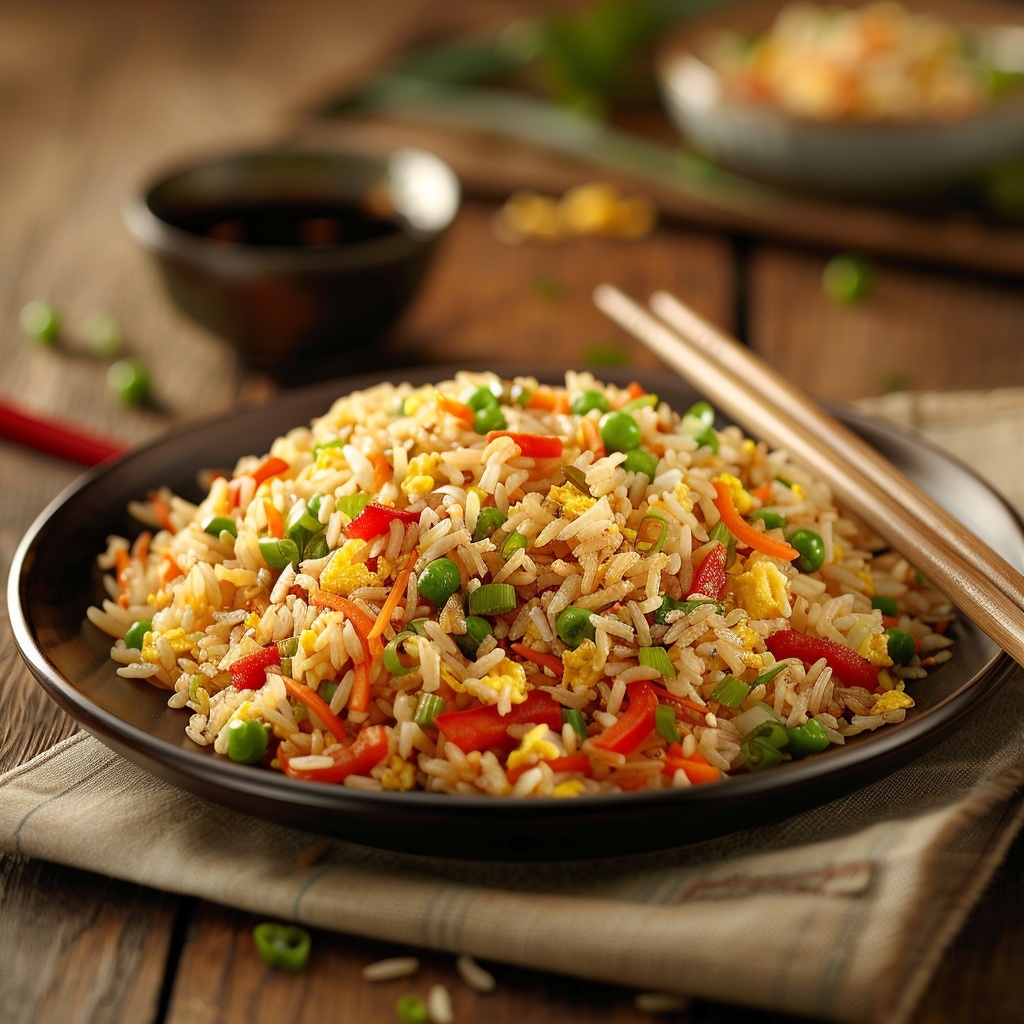
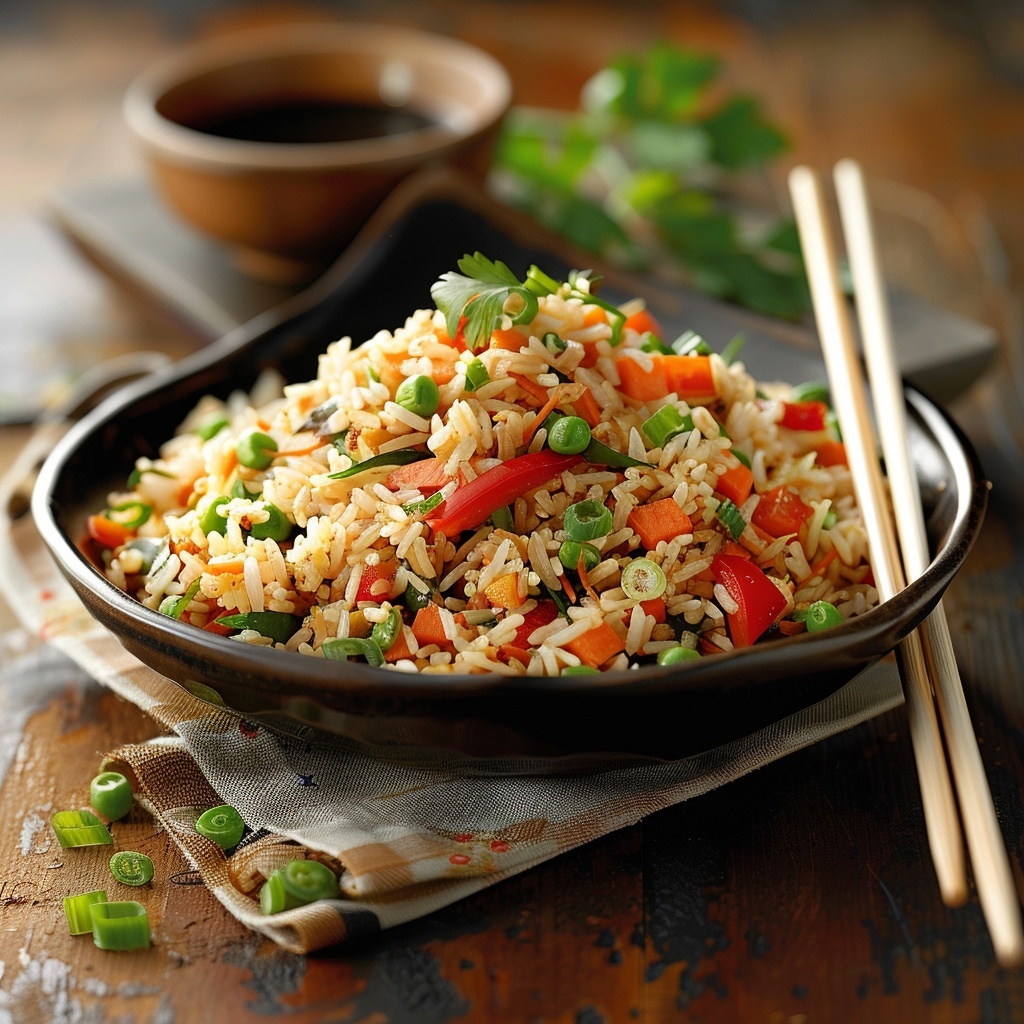
Last Tuesday, I opened my fridge to find a sad collection of leftover rice, a few lonely carrots, and some peas that were about to stage a rebellion. My family was hungry, my energy was low, and takeout wasn’t an option. That’s when I remembered the magic of veggie fried rice – the dish that has saved my dinner routine more times than I can count. Twenty minutes later, I had a sizzling pan of colorful, delicious rice that made my kids think I was some kind of kitchen wizard. Turns out, you don’t need fancy ingredients or years of culinary school to create restaurant-quality fried rice at home.
What Makes Veggie Fried Rice So Special
Veggie fried rice is the superhero of weeknight dinners. It’s one of those rare dishes that manages to be quick, healthy, and incredibly satisfying all at once. This vegetarian rice recipes main dish transforms humble ingredients into something that feels special enough for guests but easy enough for a Tuesday night. The beauty lies in its simplicity – rice, vegetables, a few seasonings, and you’re done.
What really sets this recipe apart is its flexibility. Got leftover vegetables? Toss them in. Craving something with more protein? Add an egg. Want to make it fancy? The options are endless. It’s like having a blank canvas that always turns into a masterpiece, no matter what you paint with. Plus, it’s a sneaky way to get picky eaters to consume their veggies without complaints.
The Journey of Fried Rice Through Time
Fried rice started its life in China during the Sui Dynasty, over 1,400 years ago. Smart cooks realized that leftover rice shouldn’t go to waste, so they tossed it in a wok with whatever ingredients they had on hand. This practical approach to cooking spread throughout Asia, with each region adding its own twist. The vegetable fried rice Indian style includes spices like cumin and turmeric, while vegetable fried rice kerala style might feature curry leaves and coconut.
The dish traveled across oceans and became a staple in Chinese restaurants worldwide. Famous chefs like Sanjeev Kapoor popularized veg fried rice sanjeev kapoor recipes that brought Indian flavors to this classic dish. Today, you’ll find versions from Thailand to Peru, each reflecting local tastes and traditions. The modern version has evolved from a leftover dish to a main course in its own right.
What I love about this history is that it reminds us cooking doesn’t need to be complicated or fancy. The best recipes often come from making the most of what we have. That’s exactly what I did last Tuesday, and it’s what home cooks have been doing for centuries.
Why This Veggie Fried Rice Will Win Your Heart
This healthy vegetable fried rice checks every box on my weeknight dinner wishlist. First, it’s ready faster than delivery would arrive at your door. We’re talking 20 minutes from start to finish. Second, it uses ingredients you probably already have in your kitchen. No special trips to exotic grocery stores required.
The flavor combination is absolutely addictive. You get that slightly smoky taste from the hot pan, the savory depth from soy sauce, and the freshness from crisp vegetables. Each bite offers different textures – tender rice, crunchy veggies, and if you add it, silky scrambled egg. It’s like a party in your mouth where everyone’s invited and having a great time.
From a health perspective, this dish is a winner. It’s loaded with vegetables, which means vitamins, fiber, and all those good things nutritionists keep telling us to eat. You can easily make it oil-light, and it’s naturally cholesterol-free if you skip the egg. My kids eat it without realizing they’re consuming a rainbow of nutrients. That’s what I call a stealth health meal.
Perfect Times to Serve This Easy Dish
This easy vegetarian rice recipes for dinner works for so many occasions. It’s my go-to for busy weeknights when everyone needs to eat at different times. The dish holds up well, so family members can grab a plate whenever they get home. I’ve also served it at casual dinner parties, and guests always ask for the recipe.
It’s fantastic for potlucks because it travels well and tastes great at room temperature. I once brought a huge batch to a neighborhood gathering, and the pan came back empty with compliments. Game nights, movie marathons, and casual get-togethers are all perfect settings for this crowd-pleaser.
The dish also shines during meal prep sessions. Make a big batch on Sunday, and you’ve got lunch sorted for several days. It reheats beautifully and actually tastes better the next day once the flavors have mingled. I’ve even packed it for picnics and outdoor concerts. This versatile recipe adapts to whatever your schedule throws at it.
What You’ll Need for Your Veggie Fried Rice
- 3 cups cooked rice, preferably day-old and cold
- 2 tablespoons vegetable oil or sesame oil
- 1 cup diced carrots
- 1 cup frozen or fresh peas
- 1 cup corn kernels
- 1 bell pepper, diced (any color works)
- 3 cloves garlic, minced
- 1 inch fresh ginger, grated
- 3 green onions, sliced
- 3 tablespoons soy sauce
- 1 tablespoon rice vinegar
- 1 teaspoon sesame oil for finishing
- Salt and pepper to taste
- 2 eggs, beaten (optional for vegetable fried rice with egg)
Smart Substitutions for Your Pantry
Running low on certain ingredients? No problem. For the rice, jasmine or basmati work beautifully, but brown rice makes it even healthier. Quinoa can replace rice entirely if you’re going grain-free or just want extra protein. I’ve even used cauliflower rice when I’m watching carbs, and it turned out surprisingly delicious.
The vegetables are completely flexible. Use whatever you have – broccoli, zucchini, snap peas, mushrooms, or cabbage all work great. Frozen veggie fried rice mixes from the store are perfect when you’re short on time. Just grab a bag, and you’re halfway done. I keep frozen mixed vegetables in my freezer specifically for this purpose.
For the sauces, tamari or coconut aminos can replace soy sauce if you’re gluten-free. Apple cider vinegar works instead of rice vinegar. Don’t have fresh ginger? Ground ginger powder (about half a teaspoon) does the trick. No sesame oil? A tiny drop of toasted sesame seeds adds that nutty flavor. The recipe is forgiving and adapts to what your kitchen offers.
How to Make Fried Rice That Tastes Like Takeout
Step 1: Prepare Your Rice Base
The secret to perfect veggie fried rice starts with cold, day-old rice. Fresh rice is too moist and sticky, which leads to a mushy mess instead of those lovely separated grains we’re after. If you’re using freshly cooked rice, spread it on a baking sheet and pop it in the fridge for at least 30 minutes. Break up any clumps with your hands before cooking. The grains should feel dry and separate easily. This step might seem picky, but it makes the difference between restaurant-quality fried rice and something that resembles rice pudding. Pro tip: When cooking rice specifically for fried rice, use slightly less water than usual to keep the grains firmer.
Step 2: Get Your Vegetables Ready
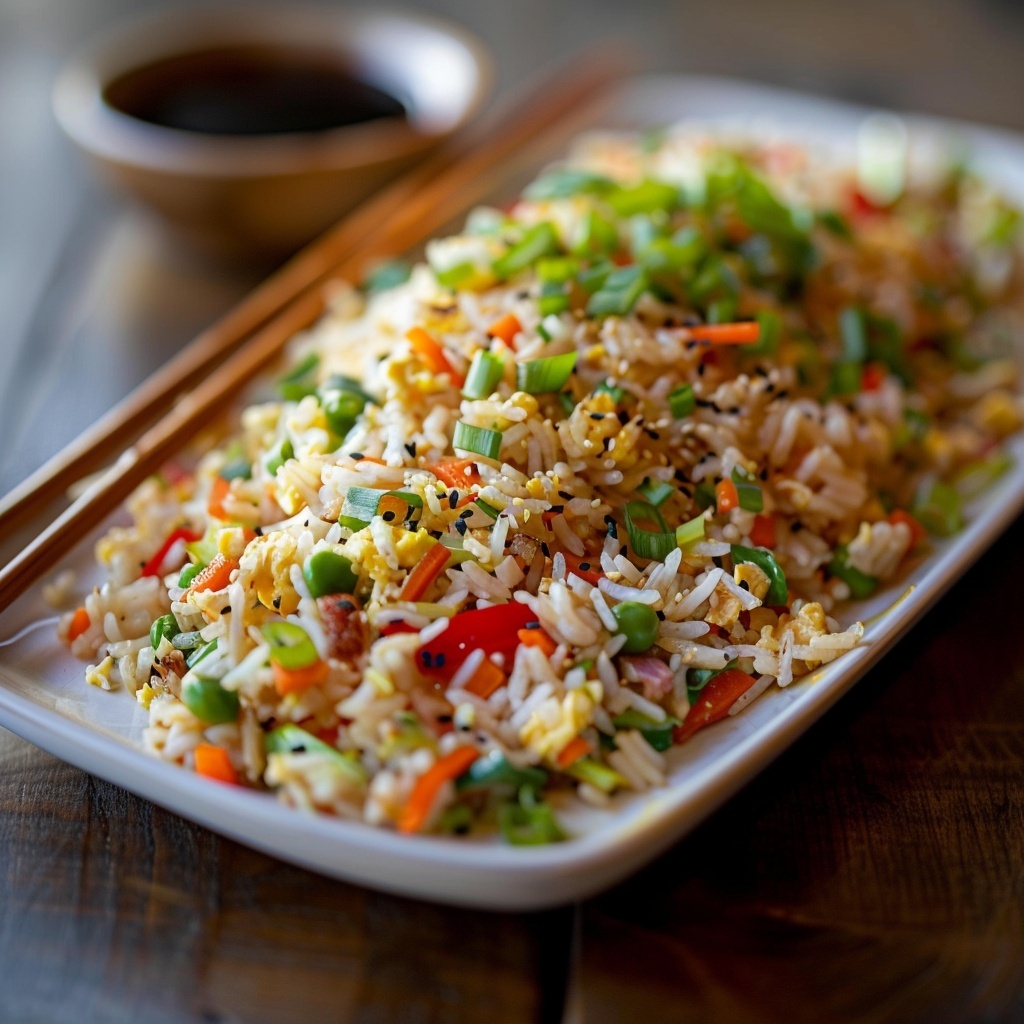
Chop all your vegetables into similar-sized pieces, about the size of a pea or corn kernel. This ensures everything cooks evenly and looks pretty on the plate. I like to prep everything before I start cooking because fried rice moves fast once you’re at the stove. Line up your vegetables in the order you’ll add them – harder vegetables like carrots first, softer ones like bell peppers later. If you’re using frozen veggie fried rice mix, let it thaw slightly and pat it dry with paper towels to remove excess moisture. Water is the enemy of that crispy, slightly charred texture we want. The colors should be vibrant – bright orange carrots, green peas, red peppers – because we eat with our eyes first.
Step 3: Heat Your Pan Properly
This step is critical for learning how to make fried rice correctly. Place your largest skillet or wok over high heat and let it get really hot, about 2 minutes. Add the oil and swirl it around to coat the surface. The oil should shimmer and move easily across the pan. If you flick a drop of water into the pan, it should sizzle and evaporate immediately. This high heat creates that slightly smoky flavor and keeps vegetables crisp instead of steamed. A hot pan also prevents the rice from sticking and becoming gummy. Pro tip: Don’t overcrowd your pan. If your skillet is small, cook in batches to maintain that high heat.
Step 4: Cook the Aromatics
Add the minced garlic and grated ginger to your hot oil. They’ll sizzle immediately and fill your kitchen with an incredible aroma that makes everyone suddenly appear asking when dinner will be ready. Stir constantly for about 30 seconds, just until fragrant but not browned. Burnt garlic tastes bitter, so keep things moving. The garlic should turn golden and the ginger should release its spicy, warm scent. This aromatic base flavors the oil and sets the foundation for your entire dish. Some days I add a pinch of red pepper flakes here for a gentle kick. The smell alone is worth making this recipe.
Step 5: Add Vegetables in Stages
Start with the hardest vegetables that take longest to cook. Toss in your carrots first and stir-fry for about 2 minutes until they start to soften but still have a bit of crunch. Then add your peas and corn, cooking for another 2 minutes. The vegetables should be bright and colorful, not dull or mushy. You want them tender-crisp, with a slight char on some pieces. That char adds incredible flavor and visual appeal. Keep everything moving in the pan with a spatula or wooden spoon. The high heat and constant motion create the authentic stir-fry taste. Add your bell peppers last since they cook quickly. Pro tip: Listen for the sizzle. If things get quiet, your pan isn’t hot enough.
Step 6: Create Space for Eggs (Optional)
If you’re making vegetable fried rice with egg, push all your vegetables to the sides of the pan, creating a well in the center. Add a tiny drizzle of oil to that empty space and pour in your beaten eggs. Let them sit for just a second, then scramble them gently with your spatula. The eggs will cook in about a minute, becoming fluffy and golden. Once they’re mostly set but still slightly wet, break them into smaller pieces and mix them with the vegetables. The egg adds richness and protein, turning this side dish into a complete meal. My kids call this the “golden treasure” in their rice, and they hunt for every piece.
Step 7: Add the Rice and Break It Up
Now comes the main event. Add your cold rice to the pan, breaking up any remaining clumps as you go. Use your spatula to press the rice against the hot pan, then toss and repeat. This pressing technique helps create those slightly crispy bits that make fried rice so addictive. Work the rice through the vegetables so everything distributes evenly. You’ll see the rice start to glisten as it absorbs the oil and picks up color from the soy sauce you’ll add next. Keep tossing for about 3-4 minutes. The rice should start to look a bit toasted on some grains. This is how to cook rice with mixed vegetables properly – high heat, constant motion, and patience.
Step 8: Season and Finish
Drizzle the soy sauce and rice vinegar around the edges of the pan, not directly on the rice. This technique heats the sauce before it hits the rice, intensifying the flavors. Toss everything together quickly so the sauce coats every grain. The rice should turn a light golden brown and smell absolutely amazing. Add your sliced green onions now, saving a few for garnish. Season with salt and pepper, tasting as you go. Drizzle that final teaspoon of sesame oil over everything and give it one last toss. The sesame oil is like perfume – a little goes a long way and adds that authentic restaurant taste. Turn off the heat and let it sit for just a minute before serving.
Timing Your Veggie Fried Rice Perfectly
Prep Time: 15 minutes for chopping vegetables and measuring ingredients. This includes getting your rice ready if it’s been refrigerated in a clump.
Cooking Time: 10-12 minutes of active cooking at the stove. Everything happens quickly once you start, so having ingredients prepped makes this timeline work.
Rice Preparation: If you’re cooking rice from scratch, add 25-30 minutes for that step. Remember, the rice needs to cool completely before frying.
Total Time: About 25-30 minutes if using pre-cooked rice, or around 60 minutes if starting from raw rice. The actual hands-on time is only about 25 minutes total.
Resting Time: Let the finished dish rest for 2-3 minutes before serving. This allows the flavors to settle and makes it easier to serve without everything falling apart.
My Secret Trick for the Best Veggie Fried Rice
Here’s something I learned after making this dish about a hundred times: add a tiny splash of rice vinegar right at the end along with the sesame oil. Most recipes skip this step, but that little bit of acidity brightens all the flavors and cuts through the richness of the oil. It’s like turning up the volume on your favorite song. Everything suddenly tastes more vivid and complex.
Another secret is using two types of soy sauce if you have them – regular soy sauce for cooking and a splash of dark soy sauce for color and depth. The dark soy adds that gorgeous caramel color you see in restaurants. If you only have one type, don’t worry. The dish still turns out great. But if you want to level up your game, grab a bottle of dark soy next time you’re at an Asian grocery store.
A Fun Fact About Fried Rice
Did you know that fried rice is considered luckier when made with day-old rice? In Chinese culture, there’s a belief that using leftover rice brings good fortune because it shows resourcefulness and respect for food. The practice of not wasting food is deeply valued, and fried rice represents that philosophy perfectly. It transforms what might have been thrown away into something delicious and satisfying.
Also, the high heat cooking method called “wok hei” literally translates to “breath of the wok.” It’s that slightly smoky, charred flavor that professional chefs achieve with restaurant-grade burners. While we can’t fully replicate that intense heat at home, getting your pan really hot gets you pretty close. That’s why proper heating is so important in these easy vegetarian rice recipes for dinner.
Kitchen Tools You’ll Need
The right equipment makes this healthy vegetable fried rice much easier to prepare. A large skillet or wok is your most important tool. I prefer a 12-inch skillet because it gives vegetables room to spread out and get that nice char. A wok is traditional and works beautifully, but a regular large pan does the job just fine.
You’ll need a sturdy spatula or wooden spoon that can handle high heat and vigorous stirring. Metal spatulas work great for pressing rice against the pan to get those crispy bits. A sharp knife and cutting board are essential for prep work. Keep a small bowl nearby for your minced garlic and ginger so they’re ready to go when needed.
A rice cooker is helpful if you make rice regularly, though a regular pot works too. Some people swear by their rice cookers for perfect grains every time. If you’re making vegetable fried rice Indian style with extra spices, having a small spice grinder or mortar and pestle helps release fresh flavors from whole spices.
Keeping Your Veggie Fried Rice Fresh
Proper storage keeps your veggie fried rice delicious for days. Let the rice cool completely before storing – spreading it on a baking sheet helps it cool faster and prevents condensation. Transfer cooled rice to an airtight container and refrigerate within two hours of cooking. The rice stays fresh in the fridge for 3-4 days. Make sure your container seals well because rice absorbs odors from other foods easily. I use glass containers with snap-on lids because they don’t stain and keep everything fresh.
For longer storage, freezing works wonderfully. Portion the cooled rice into individual servings using freezer-safe containers or bags. This makes reheating quick since you can grab exactly what you need. Frozen veggie fried rice keeps its quality for up to 3 months. Label containers with the date so you know when you made it. When freezing, press out as much air as possible from bags to prevent freezer burn. The rice might look a bit dry after freezing, but it bounces back perfectly when reheated.
Reheating requires a bit of moisture since refrigeration dries rice out. Add a tablespoon of water or broth to your rice before microwaving, then cover with a damp paper towel. Microwave in 1-minute intervals, stirring between each, until heated through. For stovetop reheating, add a splash of water to a pan over medium heat and stir frequently until hot. The fried rice actually tastes better reheated in a hot skillet because you can recreate some of that crispy texture. Add a tiny drizzle of sesame oil after reheating to refresh the flavors.
Expert Tips for Perfect Results
Always use cold rice that’s been refrigerated overnight if possible. The cooling process changes the rice’s starch structure, making grains separate better. If you must use fresh rice, spread it thin on a baking sheet and refrigerate for at least 30 minutes. Some cooks even pop it in the freezer for 10 minutes to speed things up.
Don’t skip the high heat. Many home cooks make fried rice on medium heat and wonder why it doesn’t taste like restaurant versions. The magic happens at high temperatures. Your vegetables should sizzle loudly when they hit the pan. That’s the sound of flavor developing.
Season in layers rather than all at once. Add a little soy sauce when cooking vegetables, more when adding rice, and a final dash at the end. This builds complex flavors throughout the dish. Taste as you go and adjust seasonings before serving.
Keep ingredients moving but don’t stir constantly. Let things sit for 20-30 seconds between tosses so they can develop color. Think of it as a rhythmic dance – toss, pause, press, toss again. This technique creates those prized crispy bits.
Add delicate ingredients like green onions and fresh herbs at the very end. They should just wilt slightly from residual heat, not cook down to nothing. This preserves their fresh flavor and bright color, making your final dish look and taste more vibrant.
Making Your Veggie Fried Rice Look Restaurant-Worthy
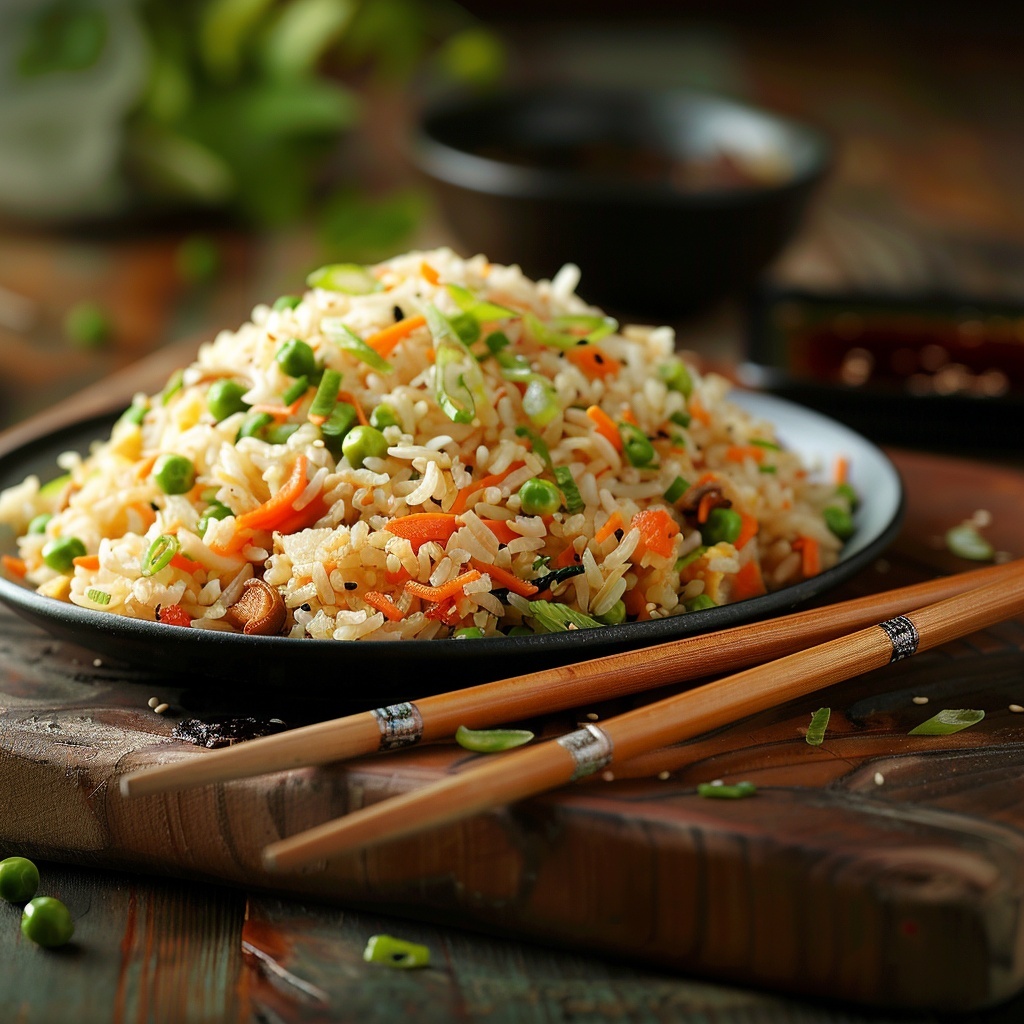
Presentation turns a simple meal into something special. Serve your veggie fried rice in a shallow bowl rather than a deep one. This shows off all those colorful vegetables. Top with extra sliced green onions and a sprinkle of sesame seeds for a professional touch. Sometimes I add a wedge of lime on the side – squeezing fresh lime juice over fried rice right before eating adds amazing brightness.
Create height by using a measuring cup or small bowl as a mold. Pack rice into the cup, then flip it onto the plate for a neat dome shape. Garnish the top with a perfect sprig of cilantro or a few microgreens. This restaurant trick takes two seconds but looks impressive.
Serve in individual portions in small cast-iron skillets or Asian-style bowls. The personal portion approach makes casual dinners feel special. Add chopsticks across the top of each bowl for authenticity. If you’re feeling fancy, a light drizzle of sriracha mayo in a spiral pattern on top adds visual interest and flavor.
For family-style serving, use a large white platter that shows off the colors. Arrange the rice in a slight mound, then create a well in the center and fill it with extra vegetables or a fried egg with a runny yolk. When guests break the yolk, it creates a sauce that coats everything. This presentation never fails to impress at dinner parties.
Healthier Variations of Veggie Fried Rice
The beauty of this recipe is how easily it adapts to different dietary needs and preferences. Each variation maintains the core concept while offering something unique. These alternatives prove that healthy vegetable fried rice doesn’t mean sacrificing flavor.
Brown Rice Version
Swap white rice for brown rice to boost fiber and nutrients. Brown rice has a nuttier flavor and chewier texture that some people prefer. It takes longer to cook initially – about 45 minutes compared to 20 for white rice – but the nutritional benefits are worth it. The extra fiber keeps you fuller longer, making this perfect for weight management. Cook brown rice with slightly more water than white rice, and make sure it’s completely cold before frying. The texture holds up beautifully to high-heat cooking. I actually prefer this version when I’m meal-prepping for the week because it’s more satisfying.
Cauliflower Rice Alternative
Replace traditional rice entirely with cauliflower rice for a low-carb option. This version cuts calories and carbs dramatically while adding extra vegetables. You can buy pre-riced cauliflower or make your own by pulsing florets in a food processor. The key is removing excess moisture – spread cauliflower on a towel and squeeze out liquid before cooking. Season more generously since cauliflower is milder than rice. Cook cauliflower rice for only 4-5 minutes total, as it doesn’t need as long as grain rice. This version works great for anyone following keto or low-carb diets. My sister makes this weekly and swears it satisfies her takeout cravings without the guilt.
Quinoa Veggie Fried Rice
Use quinoa instead of rice for extra protein and all nine essential amino acids. This makes the dish more filling and nutritionally complete. Quinoa has a slightly different texture – more separated and a bit crunchy – which some people love. Cook quinoa according to package directions, then spread it out to cool just like rice. The cooking method stays the same, though quinoa absorbs flavors differently, so you might want to add seasonings more gradually. This vegetarian rice recipes main dish variation is perfect for athletes or anyone needing more protein. The quinoa version also reheats particularly well, making it ideal for meal prep.
Rainbow Veggie Version
Load up on vegetables until they almost outnumber the rice. Include red cabbage, orange bell peppers, yellow squash, green beans, purple carrots, and any other colorful vegetables you can find. This creates a stunning visual presentation and maximizes nutrition. The technique is the same, but you’ll need a larger pan to accommodate all those veggies. Each color represents different nutrients and antioxidants, so eating the rainbow really does benefit your health. This version is what I make when I’m trying to use up all the vegetables in my crisper drawer. It’s so pretty that kids actually want to eat it. Add edamame for extra protein and that beautiful green pop of color.
Spicy Korean-Inspired Version
Give your veggie fried rice a Korean twist with gochujang (Korean chili paste) and kimchi. Replace half the soy sauce with gochujang mixed with a bit of water. Chop kimchi and add it with the vegetables for tangy, spicy flavor. Top with a fried egg and some nori strips for authentic Korean flair. This version has deeper, more complex flavors with heat that builds gradually. The fermented kimchi also adds probiotics for gut health. I discovered this variation after trying bibimbap at a restaurant and wanting to recreate those flavors at home. It’s now my husband’s favorite version. Add sesame seeds and a drizzle of spicy mayo for the full experience.
Thai Basil Pineapple Version
Create a tropical twist by adding fresh pineapple chunks and Thai basil. The pineapple adds sweetness that balances the salty soy sauce beautifully. Use cashews instead of (or in addition to) regular vegetables for crunch and richness. Add Thai basil at the very end – its anise-like flavor transforms the entire dish. A squeeze of fresh lime juice and a sprinkle of crushed peanuts complete this Southeast Asian version. This variation tastes like vacation in a bowl. The combination of sweet pineapple, savory sauce, and aromatic basil creates layers of flavor that keep you coming back for more bites. It’s fancy enough for company but easy enough for weeknights.
Common Mistakes to Avoid
Mistake 1: Using Fresh, Hot Rice
This is the number one mistake people make when learning how to make fried rice. Fresh rice is too moist and sticky, which creates a gummy, clumpy mess instead of separate, fluffy grains. The steam from hot rice also lowers your pan temperature, preventing that crispy texture we’re after. When you use fresh rice, the grains stick together and to the pan, making it impossible to achieve restaurant-quality results. Always use rice that’s been refrigerated at least a few hours, preferably overnight. If you’re in a pinch, spread freshly cooked rice on a baking sheet and refrigerate for 30 minutes minimum. Pro tip: Cook rice with slightly less water than usual when you know you’ll be making fried rice later.
Mistake 2: Overcrowding the Pan
Cramming too many ingredients into a small pan drops the temperature and causes everything to steam instead of fry. When the pan is overcrowded, moisture gets trapped, vegetables release water, and nothing gets that delicious char. Your fried rice ends up soggy and bland instead of crispy and flavorful. Use the largest skillet you have – at least 12 inches for a standard recipe. If you’re doubling the recipe, cook in batches rather than using an overstuffed pan. Each ingredient needs contact with the hot surface to develop flavor. Think of it like giving your vegetables personal space to breathe and crisp up properly.
Mistake 3: Cooking on Medium Heat
Many home cooks are nervous about high heat and dial things back to medium. This is understandable but wrong for fried rice. Medium heat steams and softens ingredients instead of searing them. You miss out on that slightly smoky, restaurant-quality flavor called wok hei. The vegetables become mushy instead of tender-crisp, and the rice doesn’t get those prized golden-brown bits. Crank your burner to high and let the pan heat properly before adding oil. The ingredients should sizzle loudly when they hit the pan. If you’re worried about burning, just keep things moving with your spatula. Pro tip: If food starts sticking, your pan probably wasn’t hot enough to begin with.
Mistake 4: Adding Soy Sauce Too Early
Pouring soy sauce at the beginning makes everything turn brown and mushy. The liquid adds moisture that prevents proper searing and makes rice steam in its own juices. Soy sauce should go in near the end, after vegetables are cooked and rice is heated through. This preserves the texture of everything and allows the sauce to coat ingredients instead of being absorbed. When you do add it, drizzle the soy sauce around the edges of the hot pan rather than directly on the rice. This heats the sauce before it hits your ingredients, intensifying flavors and reducing excess moisture. The result is properly seasoned rice without the soggy texture.
Mistake 5: Skipping the Prep Work
Starting to cook before everything is chopped and measured leads to chaos. Fried rice cooks fast – we’re talking 10-12 minutes total once you start. If you’re chopping vegetables while rice burns on the stove, things go wrong quickly. All your ingredients should be prepped, measured, and within arm’s reach before you turn on the burner. This is called mise en place, a fancy French term that means “everything in its place.” Line up your vegetables in the order they’ll go in the pan. Have your sauces measured and ready. This preparation makes the actual cooking smooth and stress-free. The difference between rushed, burnt fried rice and perfect fried rice often comes down to this simple prep step.
Your Veggie Fried Rice Questions Answered
Can I use fresh rice instead of day-old rice?
While day-old rice works best, you can use fresh rice if you prepare it correctly. Cook the rice with slightly less water than usual so it’s firmer. Immediately after cooking, spread it in a thin layer on a baking sheet and place it in the refrigerator for at least 30 minutes or in the freezer for 10-15 minutes. This cooling process removes moisture and helps the grains separate. Break up any clumps with your hands before adding to the pan. The texture won’t be quite as perfect as overnight rice, but it’s a workable solution when you need fried rice in a hurry and don’t have leftovers.
What vegetables work best in veggie fried rice?
The best vegetables are ones that hold their shape and don’t release too much water. Carrots, peas, corn, bell peppers, and green beans are classic choices. Broccoli, snap peas, and edamame add nice texture and nutrition. Mushrooms work if you cook them separately first to release their moisture. Avoid watery vegetables like tomatoes, zucchini (unless you remove seeds), or cucumber. Leafy greens like spinach or bok choy can work if added at the very end, just to wilt. Frozen mixed vegetables are perfectly fine and save prep time. Just make sure to thaw and pat them dry before cooking.
How do I make veggie fried rice taste like restaurant versions?
The restaurant secret is high heat and the right equipment. Use the largest, heaviest pan you have and get it smoking hot before adding oil. This creates wok hei, that slightly charred, smoky flavor. Use day-old cold rice and keep everything moving in the pan. Don’t overcrowd – cook in batches if needed. Season properly with good quality soy sauce and finish with sesame oil. That final drizzle of toasted sesame oil makes a huge difference. Some restaurants also use MSG, which enhances savory flavors. If you’re comfortable using it, a small pinch adds that restaurant taste without changing the recipe.
Can I make veggie fried rice ahead of time?
Absolutely! Veggie fried rice actually reheats beautifully, making it perfect for meal prep. Cook a large batch and portion it into containers for the week. The flavors develop and deepen as it sits, so many people think it tastes even better the next day. Store in airtight containers in the fridge for up to four days. For reheating, add a splash of water and heat in a covered pan over medium heat, stirring occasionally. You can also microwave with a damp paper towel over the top to add moisture. Make it on Sunday for quick lunches or dinners throughout the week.
Is veggie fried rice healthy?
Veggie fried rice can be very healthy depending on how you make it. It’s loaded with vegetables, providing fiber, vitamins, and minerals. Using brown rice instead of white adds more fiber and nutrients. The dish is naturally low in fat if you use minimal oil. It’s cholesterol-free if you skip the egg. To make it healthier, use less oil, choose low-sodium soy sauce, and increase the vegetable-to-rice ratio. Add protein-rich ingredients like edamame or tofu to make it a complete meal. Compared to takeout versions which often use excessive oil and sodium, homemade veggie fried rice is definitely a nutritious choice.
What type of rice is best for fried rice?
Long-grain rice like jasmine or basmati works best because the grains stay separate and don’t clump together. Jasmine rice has a slightly floral aroma that complements Asian flavors beautifully. Basmati offers a nutty taste and firm texture. Regular long-grain white rice also works perfectly fine. Medium-grain rice can work but tends to be stickier. Avoid short-grain rice like sushi rice, which is too sticky for fried rice. Brown rice is excellent for a healthier version, though it takes longer to cook initially. The most important factor isn’t the type but that it’s cold and dry before you start cooking.
Can I freeze leftover veggie fried rice?
Yes, veggie fried rice freezes wonderfully and maintains good quality for up to three months. Let it cool completely before freezing to prevent ice crystals from forming. Portion it into individual servings using freezer bags or containers – this makes reheating easier since you can thaw exactly what you need. Remove as much air as possible from bags to prevent freezer burn. Label with the date so you remember when you made it. To reheat, you can thaw overnight in the fridge and then heat in a pan, or go directly from frozen to microwave, adding a tablespoon of water and covering with a damp paper towel.
Do I need a wok to make fried rice?
A wok is traditional but not necessary. A large skillet (12 inches or bigger) works perfectly fine for home cooking. The most important features are a large surface area and the ability to handle high heat. Cast iron skillets are excellent because they hold heat well. Non-stick pans work too, though they don’t get quite as hot. The advantage of a wok is its shape – the sloped sides make tossing ingredients easy and create different heat zones. But plenty of people make restaurant-quality fried rice in regular pans. Focus on high heat and proper technique rather than worrying about equipment.
How do I prevent my fried rice from being too dry?
Dry fried rice usually means either not enough oil or cooking too long. Use about two tablespoons of oil for a standard recipe. Don’t be afraid of a little fat – it carries flavor and keeps rice from sticking. Add ingredients in stages rather than all at once, which helps maintain moisture. A splash of rice wine or broth added with the vegetables helps too. That final drizzle of sesame oil at the end adds richness without making things greasy. If your fried rice seems dry when reheating, add a tablespoon of water or broth before heating. The moisture will absorb into the rice and restore the texture.
Can I add protein to veggie fried rice?
Adding protein turns veggie fried rice into a complete meal. Eggs are the easiest option – just scramble them in the pan before adding vegetables, then mix everything together. Tofu works beautifully for keeping the dish vegetarian. Press firm tofu to remove moisture, cube it, and pan-fry until golden before adding to your rice. Tempeh, edamame, or chickpeas add plant-based protein. If you’re not strictly vegetarian, chicken, shrimp, or pork are traditional additions. Cook your protein separately first, then add it back in at the end so everything stays perfectly cooked. About 4-6 ounces of protein per two servings makes it satisfying.
Why This Recipe Belongs in Your Kitchen
Veggie fried rice has earned a permanent spot in my weekly rotation, and I hope it does in yours too. It’s that rare recipe that checks every box – quick, healthy, delicious, and budget-friendly. Whether you’re cooking for picky kids, hosting friends, or just trying to use up leftovers, this dish delivers every single time.
The best part is how this recipe grows with you. Start with the basic version, then experiment with different vegetables, seasonings, and variations. Each time you make it, you’ll learn something new and develop your own perfect version. That’s what cooking should be – flexible, forgiving, and fun.
So next time you find yourself staring at leftover rice and random vegetables, remember that you’re just 20 minutes away from something amazing. Turn on that burner, get your pan hot, and create a little kitchen magic. Your family will think you’re a genius, and you’ll know the secret – sometimes the simplest recipes are the very best ones.