
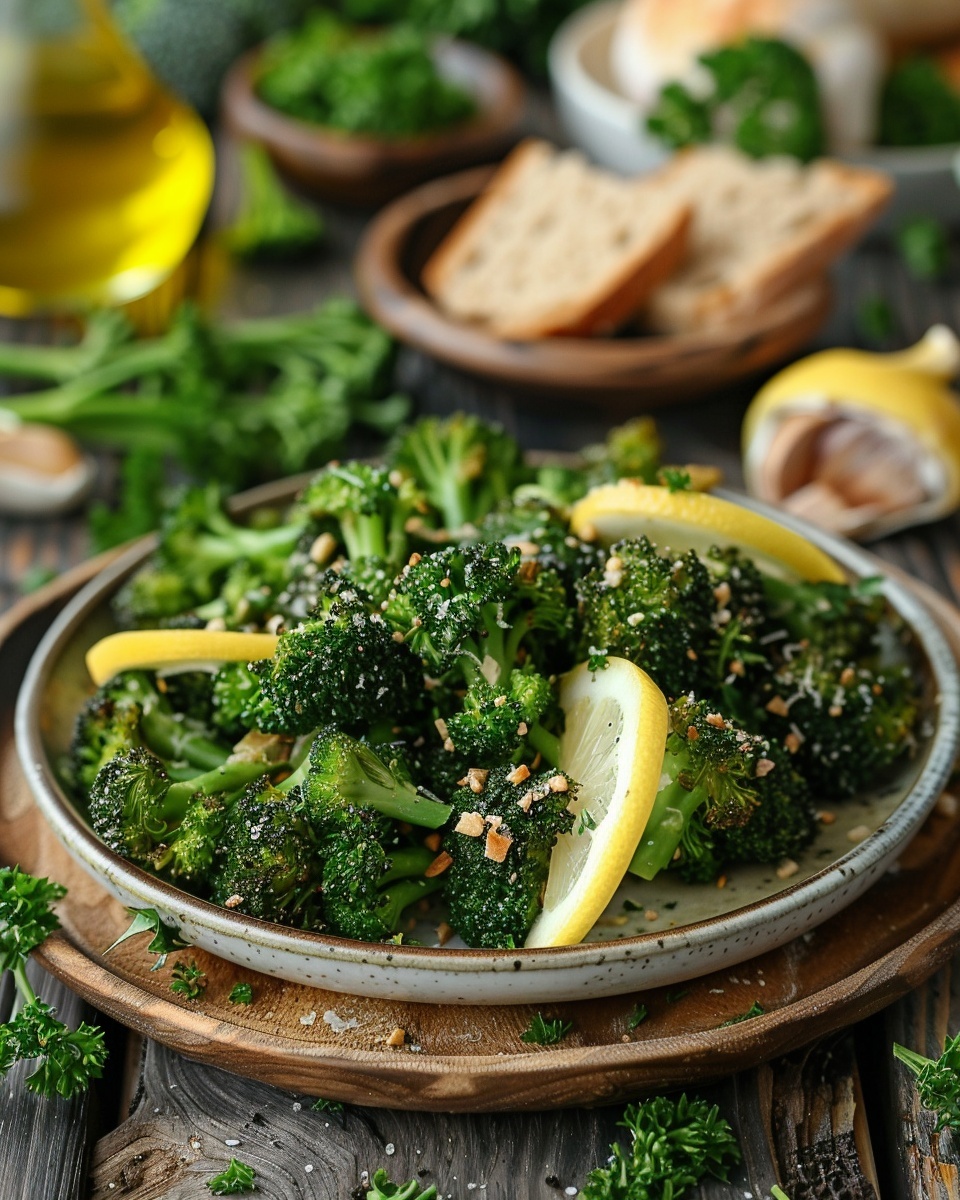
Introduction: My Love for Simple, Healthy Cooking
I’ll never forget the first time I burned broccoli beyond recognition. I was in college, trying to eat healthier, and somehow managed to turn bright green florets into dark brown mush. My roommate walked in, wrinkled her nose, and asked if I was making charcoal for an art project. That embarrassing moment sparked my mission to master simple, healthy cooking techniques that actually work.
Now, years later, steamed broccoli has become one of my go-to staples. It shows up on my dinner plate at least three times a week. I love how versatile it is. One night it’s a quick side dish next to grilled chicken. The next, I’m tossing it into pasta or adding it to a stir-fry. This humble vegetable never gets boring when you know how to treat it right.
This guide will walk you through everything you need to know about steaming broccoli. We’ll cover basic techniques like steaming broccoli in the microwave when you’re short on time. You’ll learn how to steam broccoli without fancy equipment. I’ll also share my favorite tricks for flavoring steamed broccoli so it tastes amazing every single time. Whether you’re a complete beginner or just looking to improve your technique, I’ve got you covered.
Why Steamed Broccoli is a Superfood
Let me get straight to the point. Steamed broccoli nutrition is seriously impressive. This vegetable packs more nutritional punch per calorie than most foods in your fridge. One cup of steamed broccoli gives you more vitamin C than an orange. It also delivers vitamin K, folate, and potassium in amounts that make nutritionists happy.
The fiber content deserves special attention. A single serving provides about 5 grams of dietary fiber. That’s roughly 20% of what most adults need daily. This fiber helps your digestion run smoothly and keeps you feeling full longer. No wonder I can eat a big bowl for lunch and stay satisfied until dinner.
People often ask me: Is steaming broccoli healthy? The answer is a solid yes. Steaming actually preserves more nutrients than boiling or frying. When you boil broccoli, valuable vitamins leak into the cooking water. Steaming keeps those nutrients locked inside the florets where they belong. The heat is gentler too, which means antioxidants stay intact.
Speaking of antioxidants, broccoli contains powerful compounds called glucosinolates. These plant chemicals have been studied for their potential to support your immune system. Sulforaphane, one specific compound in broccoli, has caught the attention of researchers worldwide. While I’m not making medical claims, I appreciate knowing my food offers these natural benefits.
Now let’s talk about steamed broccoli calories. This is where things get really exciting if you’re watching your weight. One cup of steamed broccoli contains only about 55 calories. That’s less than a single cookie or half a banana. You can pile your plate high without any guilt. I often eat two or three cups in one sitting, especially when I’ve topped it with a tasty sauce.
The low calorie count combined with high nutrient density makes steamed broccoli perfect for weight management. You get volume and satisfaction without consuming many calories. This creates what nutritionists call a high nutrient-to-calorie ratio. Translation: you’re feeding your body well without expanding your waistline.
How to Steam Broccoli Without a Steamer
Here’s a secret: you don’t need special equipment to make perfect steamed broccoli. I didn’t own a steamer basket for years. I still rarely use mine because steaming broccoli in a pan on the stove works just as well. This method is my weeknight favorite because it requires minimal cleanup.
Let me walk you through the simple process. First, grab a large skillet or sauté pan with a lid. The lid is important because it traps the steam inside. Add about half an inch of water to the pan. That’s roughly the height of your pinky finger’s first knuckle. You don’t need much water at all.
While the water heats up, prepare your broccoli. Cut the head into florets about the same size. I aim for pieces roughly 1 to 2 inches across. Uniform size matters because it ensures even cooking. Nothing’s worse than having some pieces turn to mush while others stay rock hard.
Place the broccoli florets in the pan once the water starts to simmer. You should see small bubbles forming at the bottom. Don’t wait for a rolling boil. Immediately cover the pan with the lid. This step is critical for creating the steam environment your broccoli needs.
How long are you supposed to steam broccoli? This question comes up constantly. The answer depends on your texture preference. I usually steam mine for 4 to 6 minutes. At the 4-minute mark, your broccoli will be bright green and still have a nice crunch. By 6 minutes, it becomes more tender but shouldn’t be mushy. I personally prefer the 5-minute sweet spot.
Check your broccoli by lifting the lid carefully. Steam is hot and can burn you, so tilt the lid away from your face. Pierce a floret with a fork. It should slide in with slight resistance. Think of testing a baked potato, but you want more firmness. If it feels too hard, cover again and steam for another minute or two.
Here’s what how do you steam broccoli on the stove without a steamer really comes down to: controlling your heat and timing. Keep the burner at medium heat. Too high and your water evaporates before the broccoli cooks. Too low and you won’t generate enough steam. Medium heat creates that perfect balance.
One trick I learned the hard way: don’t walk away. Five minutes goes by fast, but it’s also just long enough to forget about your broccoli. I once got distracted by a phone call and returned to find yellow, overcooked florets. Now I set a timer every single time.
After steaming, drain any remaining water immediately. I usually just remove the lid and pour the water into my sink. Leaving broccoli sitting in hot water continues the cooking process. This leads to that sad, soggy broccoli nobody enjoys eating.
For a finishing touch, I transfer the hot broccoli to a serving bowl right away. The residual heat will keep it warm for several minutes. This also stops the cooking process completely. Your broccoli stays that perfect bright green color that makes vegetables look appetizing.
Some people prefer using a colander method instead. Place a metal colander over a pot of boiling water. Add your broccoli to the colander and cover with a lid or aluminum foil. This works great if you have a colander that fits snugly. I find the pan method easier because I have fewer dishes to wash afterward.
The microwave offers another steamer-free option. Put broccoli florets in a microwave-safe bowl with 2 tablespoons of water. Cover with a microwave-safe plate or plastic wrap. Microwave on high for 3 to 4 minutes. Let it sit covered for another minute before uncovering. This method saves time when you’re really rushed.
No matter which method you choose, the goal stays the same. You want tender broccoli that still has life in it. Bright green color signals you’ve done it right. A slight crunch means you’ve preserved the texture. Master this basic technique and you’ll have a healthy side dish ready in under 10 minutes any night of the week.
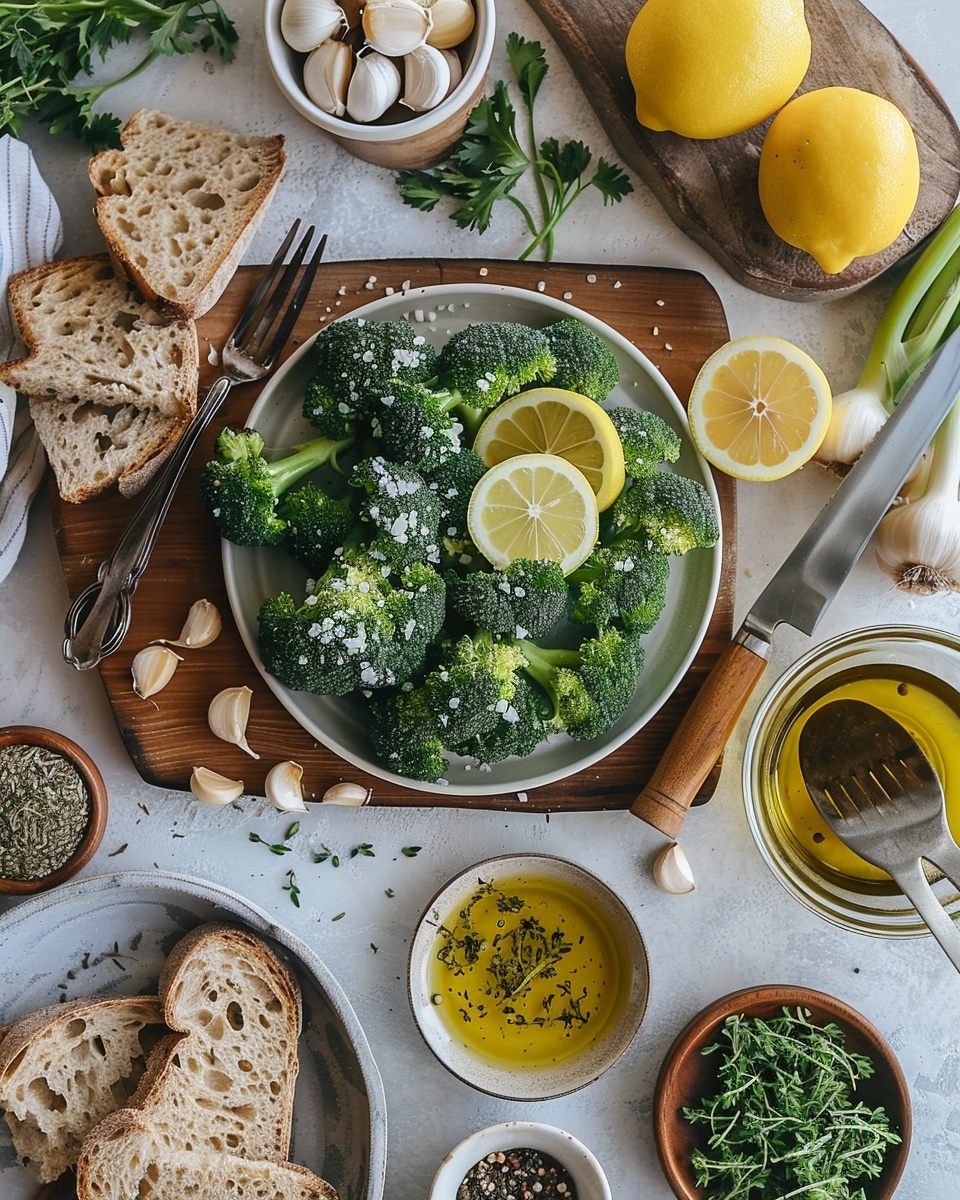
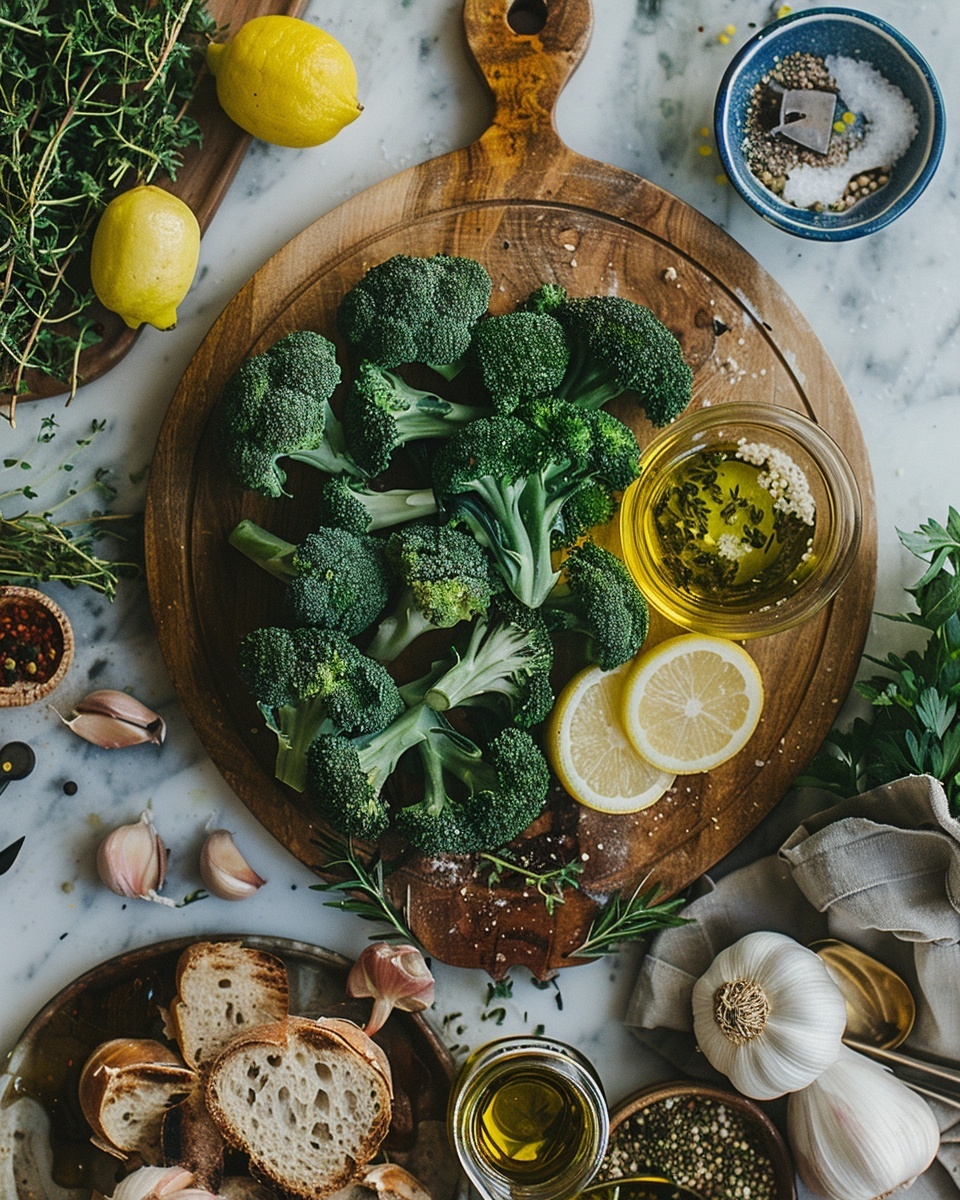
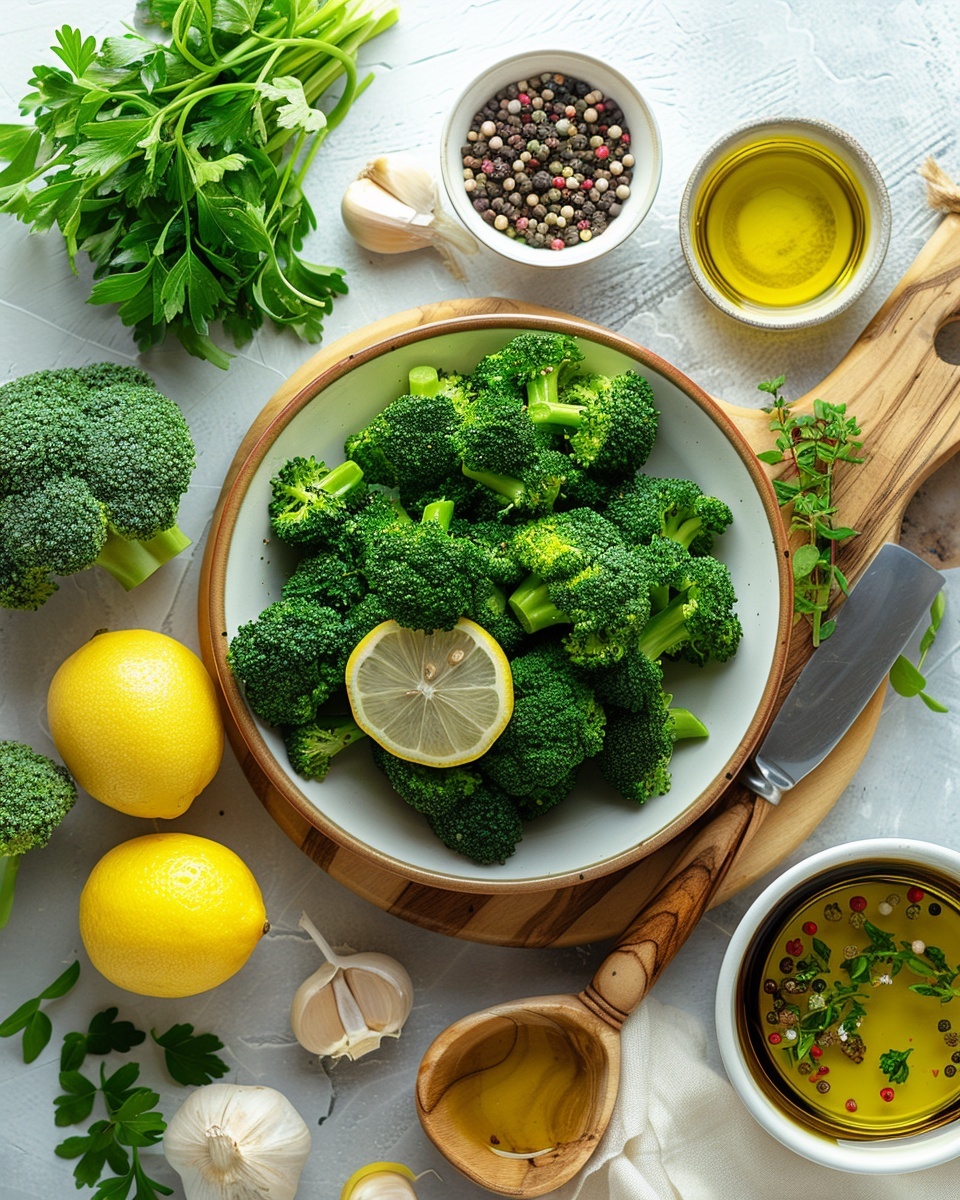
Quick and Easy Techniques: Steamed Broccoli Microwave Method
Now that you’ve got the stovetop technique down, let me share my secret weapon for those nights when I’m running on fumes. The steamed broccoli microwave method has saved my dinner plans more times than I can count. Last Tuesday, I got home at 7:30 PM after a crazy day at work. My family needed food fast, and this method had vegetables on the table in under five minutes.
The beauty of microwave steaming lies in its simplicity. You need just three things: broccoli florets, a microwave-safe bowl, and a little water. I use a glass bowl with a lid, but any microwave-safe container works. Some people worry about microwaving vegetables, thinking it destroys nutrients. Research actually shows microwaving can preserve nutrients better than boiling because there’s less water and shorter cooking time.
Here’s my exact process. I place about three cups of broccoli florets in my bowl. Then I add three tablespoons of water. That’s it. The water creates steam when heated, just like on the stovetop. Cover the bowl with either a microwave-safe lid or a microwave-safe plate. Never use regular plastic wrap unless it specifically says microwave-safe. I learned this lesson years ago when I melted plastic all over my broccoli.
Microwave on high for three minutes. Your microwave wattage matters here. Mine is 1000 watts, which is pretty standard. If yours is more powerful, start checking at two and a half minutes. Less powerful microwaves might need closer to four minutes. This is where the guesswork comes in initially, but you’ll quickly learn your microwave’s personality.
Safety first: when that timer beeps, don’t immediately rip off the lid. Steam builds up inside that bowl and it’s seriously hot. I once got a steam burn on my hand because I was too eager. Now I always let the bowl sit for 30 seconds before carefully lifting the lid away from my face. Tilt it so the steam escapes away from you.
Check your broccoli’s doneness with a fork. It should be tender but still have that slight resistance. Too crunchy? Pop it back in for another 30 seconds. This happened to me last week when I tried to steam particularly thick florets. The beauty of microwave steaming is you can easily add time in small increments.
One trick that changed everything for me: arrange florets with stems facing outward and tops toward the center. Stems take longer to cook than the flowery tops. This arrangement helps everything cook more evenly. My mother-in-law taught me this after I complained about inconsistent results. She’s been microwaving vegetables since the 1980s and knows all the tricks.
The convenience factor cannot be overstated. While your broccoli steams, you can prep other dinner components. I often have baked salmon with herbs in the oven and throw broccoli in the microwave during the last few minutes. Both finish around the same time. No juggling multiple pots. No watching the stove.
Cleanup takes about 30 seconds. One bowl. One lid. That’s everything. Compare this to stovetop steaming where you’ve got a pan, a lid, and sometimes a steamer basket. When I’m exhausted after work, washing one bowl feels like a gift. My husband appreciates it too since he usually handles dish duty.
Here’s the thing about microwave steaming: people assume it’s inferior to traditional methods. I thought the same way for years. Then I did a side-by-side taste test. Honestly? I couldn’t tell the difference. Both methods produced bright green, perfectly tender broccoli. My kids couldn’t tell either, and they’re surprisingly picky about vegetable texture.
Simple Ways to Elevate Your Steamed Broccoli
Plain steamed broccoli is fine, but let’s be real. Eating it without any additions gets boring fast. I went through a phase where I forced myself to eat plain broccoli because I thought healthy food had to be bland. What a miserable month that was. Then I discovered that flavoring steamed broccoli doesn’t mean drowning it in heavy sauces or canceling out the health benefits.
The easiest upgrade involves just salt and pepper. Sounds basic, right? But quality matters. I use coarse sea salt and freshly ground black pepper. The difference between this and table salt is night and day. Sea salt has a clean, bright flavor that enhances the broccoli’s natural taste. Grind your pepper fresh if possible. Pre-ground pepper sits in that jar losing flavor for who knows how long.
Butter transforms steamed broccoli into something special. I’m talking about a small pat of real butter, not margarine. Let it melt over the hot florets right after steaming. The butter coats each piece, adding richness without overwhelming the vegetable. One tablespoon is plenty for four servings. Some nights I add a tiny squeeze of lemon juice too. The acid cuts through the butter and brightens everything up.
Steamed broccoli with cheese is my teenage son’s favorite way to eat vegetables. He’d live on mac and cheese if I let him, so this feels like a compromise we both win. I sprinkle shredded cheddar over hot steamed broccoli. The residual heat melts the cheese perfectly. Parmesan works great too, especially the good stuff you grate yourself. That dusty stuff in the green can doesn’t compare.
For cheese lovers, try this combination: steam your broccoli, drain it well, then toss with a mixture of grated Parmesan and a drizzle of olive oil. The oil helps the cheese stick to every surface. Add some red pepper flakes if you like heat. This version pairs beautifully with grilled chicken or works alongside a roasted veggie bowl for a vegetarian meal.
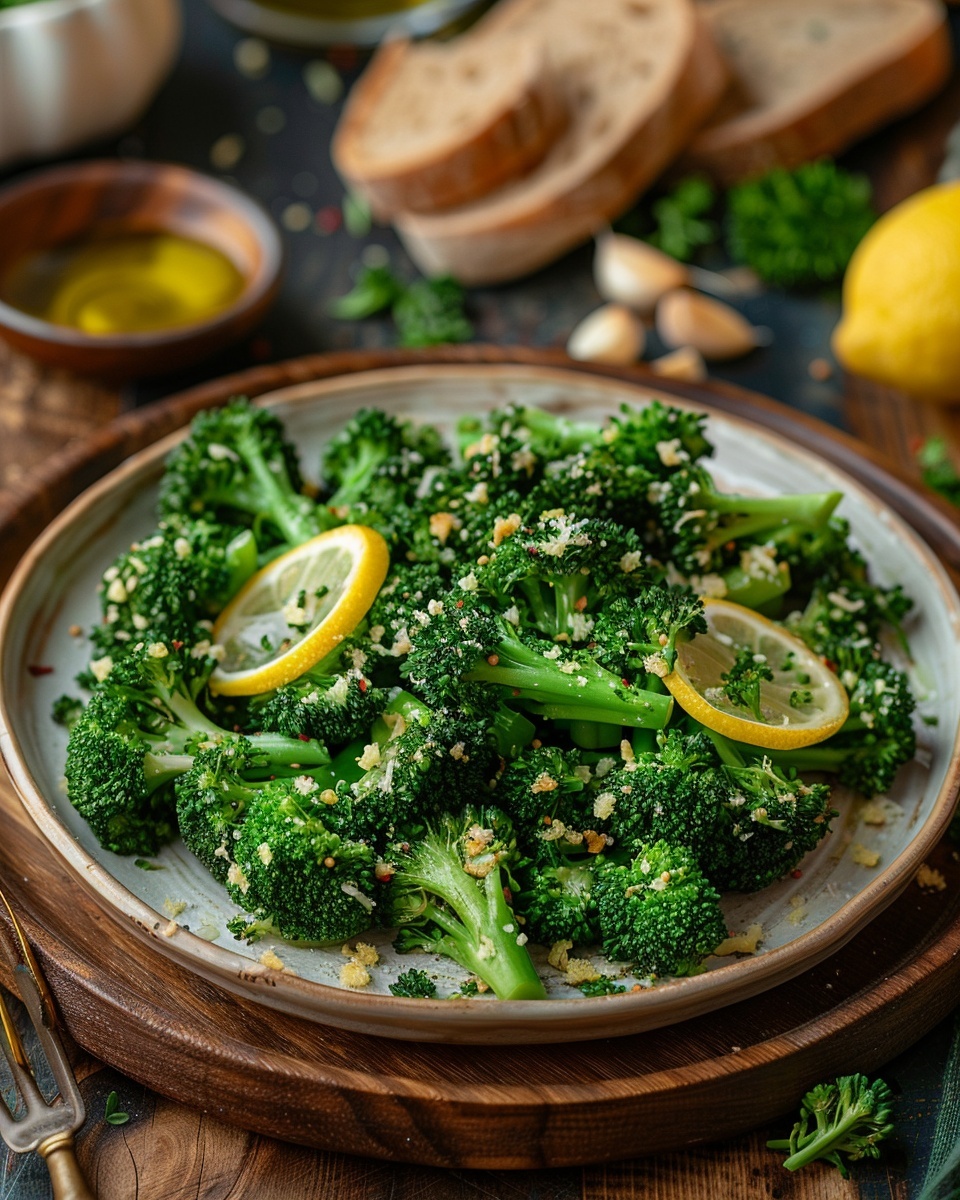
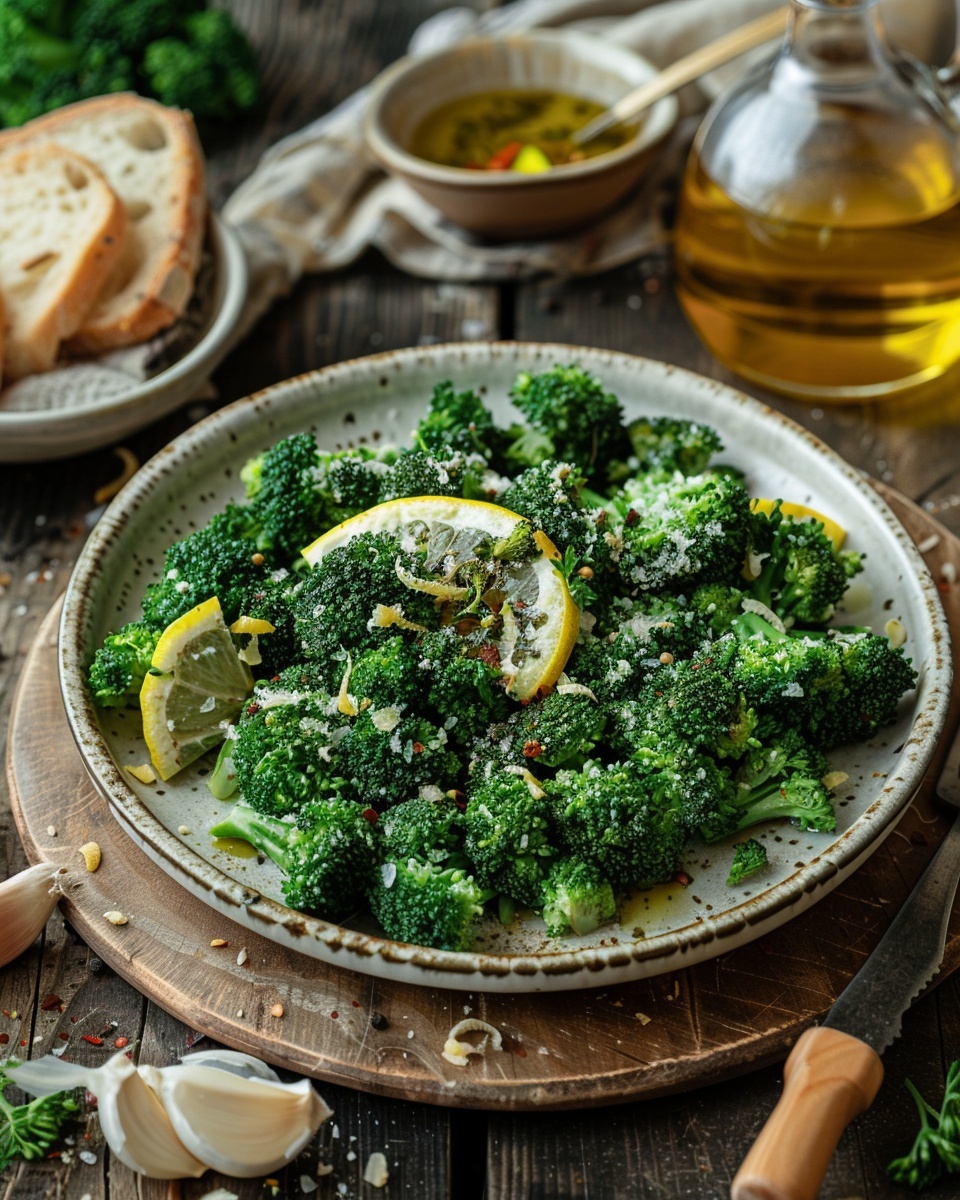
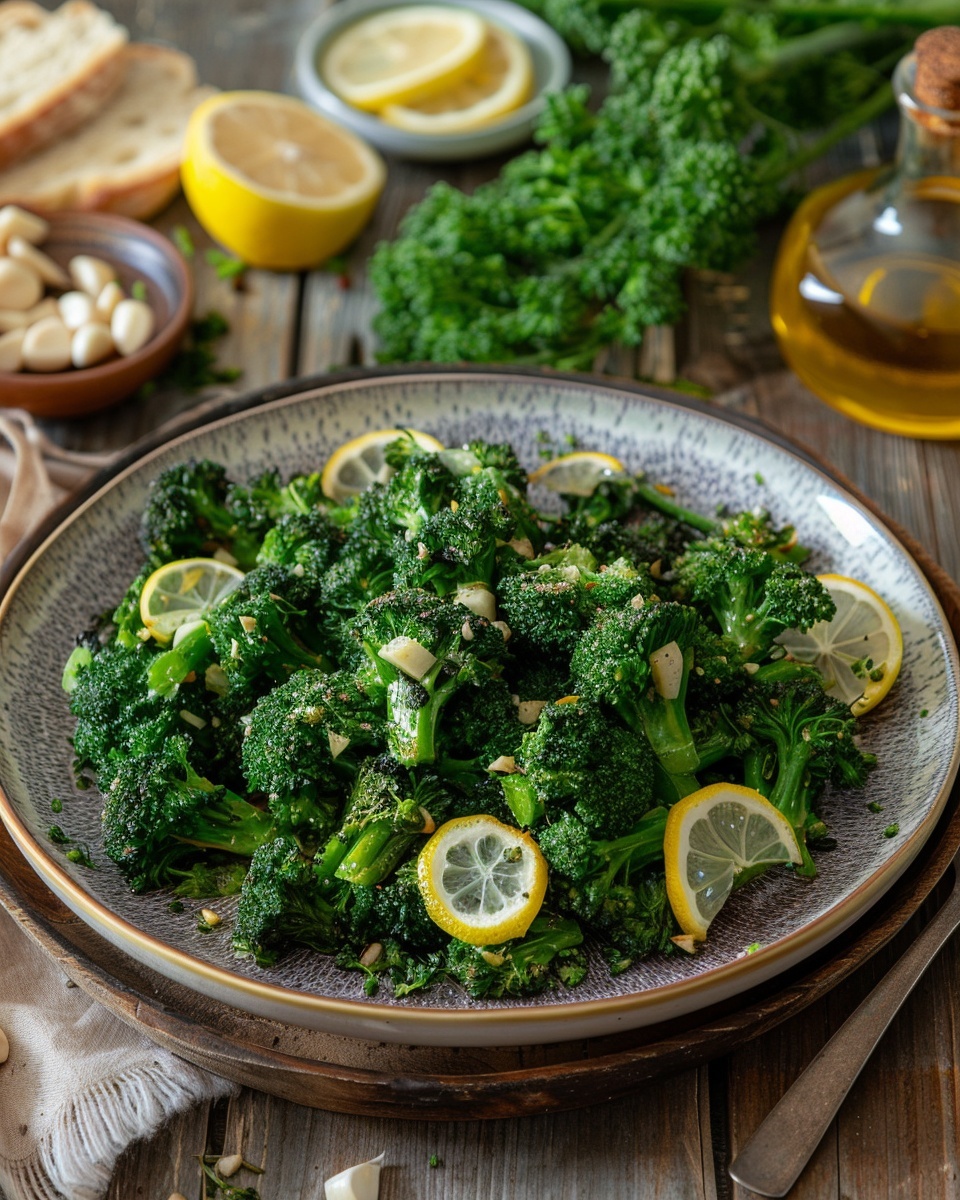
Steamed broccoli with garlic might be my personal favorite. Garlic and broccoli were meant for each other. I mince two or three cloves really fine. While the broccoli steams, I heat a tablespoon of olive oil in a small pan. Add the garlic and cook for maybe 30 seconds, just until it becomes fragrant. Don’t let it brown or it turns bitter. Pour this garlic oil over your steamed broccoli and toss to coat. Heaven.
Funny enough, my neighbor introduced me to Asian-inspired seasonings. She’s from Taiwan and showed me how a splash of soy sauce completely changes simple steamed broccoli. I was skeptical at first. Soy sauce on broccoli? It works incredibly well. Add a tiny bit of sesame oil and some toasted sesame seeds. This combination makes broccoli taste like it came from a nice restaurant.
If you’re wondering what to put on steamed broccoli for different occasions, think about your main dish. Serving Italian food? Try olive oil, garlic, and Parmesan. Making Asian cuisine? Go with soy sauce and ginger. Grilling steaks? Butter and herbs like thyme or rosemary complement beef perfectly. This approach keeps your meal cohesive instead of having flavors fight each other.
Flavoring Steamed Broccoli Like a Pro
Once you’ve mastered basic additions, it’s time to get creative. This is where cooking becomes fun instead of just following rules. My flavor experiments started when I got bored during quarantine. I had broccoli, a full spice cabinet, and too much time on my hands. Some combinations flopped spectacularly. Others became permanent additions to my rotation.
Lemon zest is a game changer that most people overlook. I’m not talking about lemon juice here, though that’s good too. The zest—that yellow outer layer of the peel—contains aromatic oils that smell amazing. Use a microplane or fine grater to remove just the colored part, avoiding the white pith underneath. Sprinkle this zest over hot steamed broccoli. The fragrance hits you immediately.
I created this combination by accident: lemon zest, olive oil, and a pinch of red pepper flakes. I was making dinner while talking on the phone and grabbed red pepper instead of black pepper. Happy mistake. The subtle heat plays beautifully against the bright lemon. This version goes perfectly with fish, especially if you’re serving something like a light chickpea salad on the side.
Fresh herbs make steamed broccoli feel fancy with minimal effort. Basil works surprisingly well, despite being strongly associated with Italian tomato dishes. Chop a handful of fresh basil leaves and toss them with your hot broccoli. The heat wilts the basil slightly and releases its aroma. Parsley adds a fresh, clean flavor. Cilantro works if you’re going for Mexican or Asian flavors.
By the way, dried herbs can work too when fresh isn’t available. I keep dried oregano, thyme, and Italian seasoning in my pantry. These dried options need heat to release their flavors, so they actually work great with steamed vegetables. Mix a teaspoon of dried herbs with a tablespoon of olive oil. Let this mixture sit for a minute while your broccoli steams. The oil pulls out the herb flavors. Drizzle over your finished broccoli.
Here’s a wild combination I discovered last summer: broccoli with balsamic vinegar. Stay with me here. After steaming, I drizzle maybe a teaspoon of good balsamic vinegar over the florets. The sweet-tart flavor is unexpected and delicious. This works especially well if you’ve added some toasted pine nuts or slivered almonds for crunch. It’s fancy enough for company but easy enough for Tuesday night.
When answering how do you add flavour to steamed broccoli, I always mention the importance of timing. Some additions go on while the broccoli is still hot. Others can be added at room temperature. Hot broccoli melts cheese and butter, wilts fresh herbs slightly, and helps absorb liquid seasonings. Room temperature broccoli works better for cold salads where you want everything crisp.
Nuts and seeds deserve their own mention. Toasted almonds add crunch and nutty flavor that contrasts with tender broccoli. I buy slivered almonds and toast them in a dry pan for three minutes. Shake the pan frequently so they don’t burn. Once they’re golden brown and smell amazing, remove them from heat immediately. These can go on your broccoli or be stored in a jar for future use. They also taste incredible sprinkled over a Greek yogurt parfait at breakfast, so I usually make extra.
My most adventurous flavor experiment involved curry powder. I mixed a teaspoon of mild curry powder with melted butter and poured it over steamed broccoli. My husband looked at me like I’d lost my mind. Then he tasted it and went back for seconds. The warm spices—turmeric, cumin, coriander—transform broccoli into something completely different. This version pairs well with rice and protein for a complete meal.
Don’t be afraid to combine multiple flavor elements. My current favorite uses garlic, lemon zest, red pepper flakes, and Parmesan. It sounds like a lot but each component plays a role. The garlic provides savory depth. Lemon brightens everything. Red pepper adds gentle heat. Parmesan ties it all together with salty, umami goodness. This combination makes me actually crave broccoli instead of just tolerating it.
The key to successful flavor experimentation is starting small. Add a little seasoning, taste, then add more if needed. You can always add but you can’t take away. I learned this the hard way by over-salting an entire batch of broccoli. We tried to eat it anyway but eventually gave up and ordered pizza. Now I season conservatively at first, especially when trying new combinations.
Recipe Spotlight: Simple Steamed Broccoli Variations
Let me share two of my absolute favorite recipes that prove simple steamed broccoli can be anything but boring. These aren’t complicated, chef-level creations. They’re the kind of recipes you can pull off on a random Wednesday when you’ve got 15 minutes and need something that tastes good. I make both of these at least twice a month.
Steamed Broccoli with Cheese
This recipe is what finally convinced my daughter that green vegetables aren’t punishment. She’s eight and has strong opinions about food. Last month she asked me to pack this in her school lunch. That’s when I knew I’d won.
Ingredients:
- 4 cups broccoli florets
- 1/2 cup shredded sharp cheddar cheese
- 1 tablespoon butter
- 1/4 teaspoon garlic powder
- Pinch of salt and black pepper
Instructions:
- Steam your broccoli using any method we’ve covered until it’s tender but still bright green, about 5 minutes.
- While the broccoli is still hot, transfer it immediately to a serving bowl.
- Drop the butter on top and stir gently so it starts melting.
- Sprinkle the shredded cheddar over everything while the broccoli is steaming hot. The residual heat melts the cheese into a gorgeous, gooey coating.
- Add garlic powder, salt, and pepper. Toss everything together until each floret has some cheese on it.
- Serve right away while the cheese is still melty.
The texture here is what makes this work. You’ve got tender broccoli that still has a bit of resistance when you bite it. The melted cheese creates this rich coating that clings to all those little broccoli branches. My husband jokes that this is “broccoli nachos” and honestly, he’s not wrong. The sharp cheddar is important because mild cheese doesn’t have enough flavor to stand up to the broccoli’s natural taste.
Here’s a variation I tried last week: mix half cheddar and half mozzarella. The mozzarella gets really stretchy and stringy, which makes it fun to eat. My kids thought this was hilarious. Sometimes getting children to eat vegetables is about making it entertaining, not just nutritious.
Steamed Broccoli with Garlic
This second recipe is my go-to when I’m cooking for adults or want something that feels a bit more sophisticated. The garlic flavor is bold but not overwhelming. My mother-in-law requests this every time she comes for dinner.
Ingredients:
- 4 cups broccoli florets
- 3 tablespoons olive oil
- 4 garlic cloves, minced very fine
- 1/2 teaspoon red pepper flakes (optional)
- 1/4 teaspoon salt
- 2 tablespoons grated Parmesan cheese
- Fresh lemon juice from half a lemon
Instructions:
- Start steaming your broccoli. While it cooks, prepare the garlic oil.
- Heat olive oil in a small skillet over medium-low heat. This step is crucial—don’t rush it with high heat.
- Add the minced garlic and red pepper flakes. Cook for about 60 to 90 seconds, stirring constantly. You want the garlic to turn golden and smell incredible, but not brown. Burned garlic tastes bitter and will ruin everything.
- Once your broccoli finishes steaming, drain it completely. Any water left behind will dilute your garlic oil.
- Pour the hot garlic oil over the broccoli. Toss everything together so the oil coats each piece.
- Sprinkle with salt and Parmesan cheese. Squeeze fresh lemon juice over the top.
- Toss one final time and serve immediately.
The magic happens when hot garlic oil hits the broccoli. Steam rises up and carries that amazing garlic aroma straight to your nose. The Parmesan adds a salty, nutty element that complements rather than competes. That squeeze of lemon at the end brightens the whole dish and cuts through the oil’s richness.
One night I was running low on olive oil and used half olive oil, half butter. This created an even richer flavor that my husband preferred. Butter browns the garlic slightly faster though, so watch it carefully. The texture combination in this recipe is what keeps me coming back. Crispy bits of garlic contrast with tender broccoli. The Parmesan adds little crunchy specks. Every bite has something interesting happening.
Both recipes work great as sides or can be tossed with pasta for a light main dish. I’ve also chopped up both versions and added them to omelets the next morning. Cold steamed broccoli with garlic straight from the fridge at midnight? That’s become my guilty pleasure snack. Don’t judge me until you’ve tried it.
Common Mistakes to Avoid When Making Steamed Broccoli
I’ve messed up steamed broccoli in just about every way possible. Sometimes I think my early cooking disasters were necessary tuition for the knowledge I have now. Let me save you from repeating my mistakes.
Overcooking is the number one crime against broccoli. I cannot stress this enough. The difference between perfect and mushy is literally 60 seconds. Once broccoli turns that dull olive green color, you’ve gone too far. It loses its appealing texture and starts tasting sulfurous. My kids describe overcooked broccoli as “smelling like farts,” which is crude but accurate. Set a timer. Check it early. You can always steam it longer, but you can’t undo mushiness.
Using too much water defeats the purpose of steaming. New cooks often fill their pan halfway with water, thinking more water equals better steaming. Wrong. You only need enough to create steam without the broccoli sitting in water. Half an inch is plenty. When broccoli touches the water directly, you’re basically boiling it. That’s when nutrients leak out and you end up with sad, soggy vegetables. The whole point of steaming is that hot vapor cooks the broccoli, not direct water contact.
Here’s a mistake I made just last month: not drying the broccoli before adding toppings. I steamed a beautiful batch, then immediately poured my garlic oil over it without draining properly. The water diluted my carefully prepared oil into a watery mess that pooled at the bottom of the bowl. Now I drain thoroughly and even pat the florets with a clean kitchen towel if I’m feeling fancy. Dry broccoli holds onto seasonings much better.
Cutting florets in wildly different sizes guarantees uneven cooking. I used to just hack away at the broccoli head without thinking about uniformity. The small pieces would turn to mush while the giant ones stayed crunchy in the middle. Take an extra 30 seconds to make your florets roughly the same size. Aim for pieces about 1 to 2 inches across. The stems can be sliced into rounds about half an inch thick. Everything cooks evenly and you don’t waste any broccoli.
Skipping seasoning entirely is such a waste. Even if you plan to add sauce later, a pinch of salt on hot, freshly steamed broccoli makes a difference. Salt enhances the natural flavors already present in the vegetable. I’ve served plain, unseasoned broccoli to guests and watched them reach for the salt shaker before even tasting it. Their instincts were right. A quarter teaspoon of salt for four cups of broccoli won’t wreck your health goals, especially if you’re focused on reducing added fat elsewhere in your meal.
By the way, another common error is crowding the pan. If you pile broccoli florets three layers deep, the bottom ones steam while the top ones just sit in hot air. They cook unevenly. Use a pan large enough that florets can spread out mostly in a single layer. If you’re steaming a huge amount, work in batches. It takes a few extra minutes but the results are worth it.
Forgetting to preheat your water wastes time and affects texture. Some people throw broccoli into cold water and then start heating everything together. This gradually raises the broccoli’s temperature, which changes the final texture. Start with water that’s already simmering. Your broccoli immediately enters a hot, steamy environment. Cooking happens faster and more evenly. This small detail makes a noticeable difference.
Here’s something subtle that took me years to notice: leaving the lid slightly ajar lets steam escape. You need that lid sealed tight to trap heat and moisture. Every time you lift the lid to check progress, you release steam and lower the temperature inside. Check once if you must, but don’t keep peeking. Trust your timer instead.
Not considering stem thickness is an overlooked mistake. Those thick stems at the bottom of each floret take longer to cook than the delicate tops. I used to leave stems really thick and wonder why my broccoli was either crunchy in the stems or mushy on top. Now I split thick stems lengthwise or cut them thinner. This helps everything finish at the same time. You can also cut stems off completely and save them for soup or stir-fry, though I think that’s wasteful since stems taste great when cooked properly.
One more thing people mess up: letting cooked broccoli sit in the covered pan. The trapped heat and moisture continue cooking even after you turn off the burner. Remove that lid as soon as the broccoli is done. Transfer it to a serving dish immediately. This stops the cooking process and prevents that mushy texture nobody wants. Exploring different healthy recipes has taught me that attention to these small details separates okay vegetables from really excellent ones.
Final Thoughts on Mastering Steamed Broccoli
Steamed broccoli doesn’t have to be the boring vegetable you force yourself to eat because it’s healthy. With the right techniques and a few creative touches, it becomes something you actually look forward to. Whether you’re steaming broccoli in the microwave for speed or taking the traditional stovetop route, the principles stay the same: don’t overcook it, season it well, and experiment with flavors until you find combinations that excite you. The beautiful thing about broccoli is how forgiving it is once you understand the basics. You’ve got this.
Frequently Asked Questions About Steamed Broccoli
How long are you supposed to steam broccoli?
Steam broccoli for 4 to 6 minutes depending on your texture preference. At the 4-minute mark, you’ll have bright green florets with a firm crunch. By 6 minutes, the broccoli becomes more tender but shouldn’t be mushy. I personally aim for 5 minutes, which hits that perfect balance. Pierce a floret with a fork to test—it should slide in with slight resistance. Remember that floret size affects timing, so cut pieces uniformly for consistent results.
How do you add flavor to steamed broccoli?
The easiest way is adding seasonings while the broccoli is still hot so flavors absorb better. Try butter with lemon zest, olive oil with minced garlic, or shredded cheese that melts from the residual heat. Fresh or dried herbs, soy sauce, balsamic vinegar, and toasted nuts all work beautifully. Start with simple combinations and build complexity as you discover what you enjoy. The key is seasoning generously enough to enhance but not overpower the vegetable’s natural taste.
How do you steam broccoli on the stove without a steamer?
Use a large pan with a lid and add about half an inch of water. Bring the water to a simmer, add your broccoli florets, and immediately cover with the lid. Keep the heat at medium and steam for 4 to 6 minutes. The lid traps steam inside, cooking the broccoli without submerging it in water. Check doneness by piercing with a fork. Drain any remaining water immediately to stop the cooking process and prevent sogginess.
Is steaming broccoli healthy?
Absolutely yes. Steaming preserves more nutrients than boiling because vitamins don’t leach into cooking water. Broccoli steamed properly retains vitamin C, vitamin K, folate, and beneficial compounds like sulforaphane. The gentle heat protects antioxidants while making fiber and nutrients more digestible. One cup of steamed broccoli provides only about 55 calories while delivering substantial nutrition. It’s one of the healthiest cooking methods available for vegetables.
Can I steam frozen broccoli the same way as fresh?
Yes, but frozen broccoli cooks faster since it’s already been blanched before freezing. Reduce steaming time to about 3 to 4 minutes for frozen florets. Don’t thaw the broccoli first—steam it directly from frozen. You might notice slightly softer texture compared to fresh because freezing breaks down cell walls. Frozen broccoli works great when fresh isn’t available and retains most of its nutritional value. Just watch the timing carefully to avoid overcooking.
What’s the best way to store leftover steamed broccoli?
Let the broccoli cool completely, then transfer it to an airtight container and refrigerate within two hours of cooking. It’ll keep for 3 to 4 days in the fridge. Don’t store it while still warm because trapped moisture creates the perfect environment for bacteria. I often make extra on purpose because cold steamed broccoli is great in salads, omelets, or grain bowls throughout the week. Reheat gently in the microwave for 30 seconds or enjoy it cold.
Why does my steamed broccoli turn yellow?
Yellow broccoli means you’ve overcooked it. The bright green chlorophyll breaks down with excessive heat exposure, turning florets dull yellow or olive green. This usually happens after 8 to 10 minutes of steaming or if you leave broccoli sitting in a covered hot pan. Once it turns yellow, the texture becomes mushy and the flavor gets stronger and slightly bitter. Set a timer and remove the lid immediately when done to prevent this color change.
Should I salt the water when steaming broccoli?
It’s not necessary since the broccoli doesn’t sit in the water like it would when boiling. The small amount of water you use for steaming mostly evaporates as steam. I prefer saving salt to season the cooked broccoli directly, which gives better flavor control. If you do want to salt the water, use just a pinch. Most of that salt won’t actually end up in your vegetables anyway since it stays in the water below.
Can I steam broccoli stems or just the florets?
Definitely steam the stems—they’re completely edible and delicious. Peel off the tough outer layer with a vegetable peeler, then slice stems into rounds about half an inch thick. They take slightly longer to cook than florets, so either steam them for an extra minute or add them to the pan 2 minutes before the florets. Stems have a mild, slightly sweet flavor and a pleasant crunch. Wasting them means throwing away perfectly good nutrition.
What’s the difference between steaming and blanching broccoli?
Steaming cooks broccoli completely until tender, while blanching involves boiling briefly then immediately plunging into ice water to stop cooking. Blanching is used to preserve color and texture for freezing or when you’ll cook the broccoli again later in another dish. Steaming is a complete cooking method that produces ready-to-eat vegetables. For most home cooking purposes, steaming is simpler and preserves more nutrients since broccoli never touches the water directly.
Steamed Broccoli
Ingredients
Equipment
Method
- Steam your broccoli using any method until it's tender but still bright green, about 5 minutes.
- While the broccoli is still hot, transfer it immediately to a serving bowl.
- Drop the butter on top and stir gently so it starts melting.
- Sprinkle the shredded cheddar over everything while the broccoli is steaming hot.
- Add garlic powder, salt, and pepper. Toss everything together until each floret has some cheese on it.
- Serve right away while the cheese is still melty.