
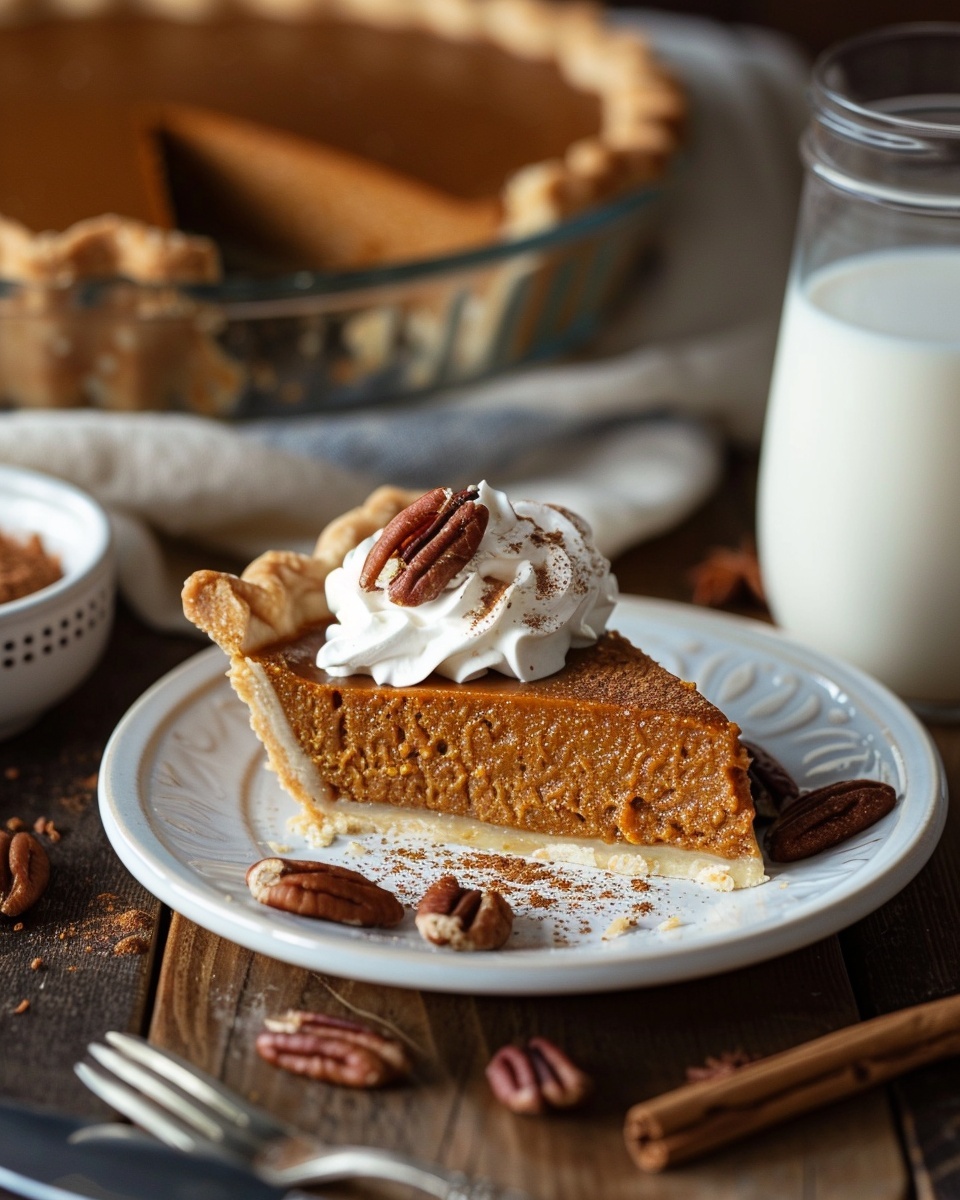
The Magic of Thanksgiving Pumpkin Pie
I still remember the smell of my grandmother’s kitchen every Thanksgiving morning. The warm spice of cinnamon and nutmeg would drift through the house while a traditional pumpkin pie baked in the oven. That golden-orange filling in its flaky crust meant the holidays had truly arrived. Even now, decades later, I can’t imagine Thanksgiving without at least one pumpkin pie on the table. It’s more than just dessert. It’s a tradition that connects us to generations past and brings families together over something simple and delicious.
Thanksgiving and pumpkin pie go together like turkey and stuffing. This classic dessert has earned its place at the center of our holiday tables for hundreds of years. Walk into any home on Thanksgiving Day and you’ll likely find a pumpkin pie cooling on the counter or waiting in the refrigerator. Whether you make an easy pumpkin pie from a can or spend hours crafting a pumpkin pie recipe from scratch, this dessert brings comfort and joy to the celebration.
I’m passionate about sharing everything I know about this beloved dessert. From the best pumpkin pie recipe to tips on perfecting your pumpkin pie crust, I want to help you create memorable moments in your own kitchen. This isn’t just about following a recipe. It’s about understanding why this dessert matters and how you can make it your own special tradition.
Why Pumpkin Pie is a Thanksgiving Favorite
So why is pumpkin pie served at Thanksgiving? The answer takes us back to early American history. Pumpkins grew abundantly in North America long before European settlers arrived. Native Americans had been cooking with pumpkins for centuries. When colonists arrived, they learned to use this versatile squash in their cooking. By the time the Pilgrims celebrated their famous harvest feast in 1621, pumpkins were already an important food source.
The earliest versions didn’t look like our modern pies. Colonists would hollow out pumpkins, fill them with milk, honey, and spices, then bake them whole in hot ashes. It wasn’t until later that someone thought to add a proper crust and create the pie we recognize today. By the 1700s, pumpkin pie had become closely linked to Thanksgiving celebrations in New England.
The dessert represents American history and abundance. Pumpkins symbolize the fall harvest and the gratitude we express on Thanksgiving. The simple ingredients remind us of humble beginnings and the resourcefulness of early settlers. When you slice into a pumpkin pie, you’re participating in a tradition that spans centuries.
Today, pumpkin pie stands as the number one dessert for Thanksgiving in most American households. Survey after survey confirms that more people serve pumpkin pie than any other dessert on this special day. The numbers don’t lie. About 50 million pumpkin pies are consumed every Thanksgiving. That’s a lot of pie!
But what makes it so popular compared to other desserts? The answer lies in its perfect balance. Pumpkin pie isn’t too sweet or too heavy. The smooth custard filling melts on your tongue. The warm spices create comfort without overwhelming your taste buds. And after a big Thanksgiving meal, you want something satisfying but not overly rich. Pumpkin pie hits that sweet spot perfectly.
People also love that you can make it ahead of time. A pumpkin pie recipe with evaporated milk or pumpkin pie recipe condensed milk stays fresh for days when refrigerated. This makes holiday planning much easier. You can bake your pies the day before and focus on other dishes on Thanksgiving Day.
What is the Most Popular Pie Served at Thanksgiving?
When people ask what is the most popular pie served at Thanksgiving, pumpkin pie wins by a landslide. While apple pie, pecan pie, and sweet potato pie all have their fans, none come close to pumpkin pie’s dominance. In most polls, pumpkin pie captures about 36% of responses. Apple pie usually comes in second at around 20%. The gap speaks volumes about America’s love affair with this orange-hued dessert.
I’ve attended Thanksgiving dinners where the host set out four different pies. Guess which one disappeared first? The pumpkin pie, every single time. Even people who claim they don’t like pumpkin will often try a slice because it feels wrong to skip it on Thanksgiving.
The Tradition Behind It
When someone asks which pie is traditionally served at Thanksgiving, the answer is clear. Pumpkin pie holds the title of the most traditional choice. This isn’t just about popularity. It’s about cultural significance and historical continuity. Your great-great-grandmother probably served pumpkin pie at her Thanksgiving table. Your grandchildren will likely continue the tradition long after you’re gone.
The recipe has evolved over time, of course. Modern bakers can choose an easy pumpkin pie recipe using canned pumpkin or learn how to cook pumpkin for pie using fresh sugar pumpkins. Some families swear by their grandmother’s traditional pumpkin pie recipe from scratch. Others prefer shortcuts that save time without sacrificing flavor.
What hasn’t changed is the pie’s central role in our Thanksgiving celebrations. It represents gratitude, abundance, and the comfort of familiar flavors. When you serve pumpkin pie, you’re honoring a tradition that connects millions of families across America.
Modern Thanksgiving celebrations have expanded to include many different foods and customs. Yet pumpkin pie remains a constant. Whether your family is traditional or experimental with the main course, dessert usually features at least one pumpkin pie. It’s the one dish that bridges different generations and preferences.
I love that even younger generations are keeping the tradition alive. Kids who grow up helping mom or dad make pumpkin pie often continue baking it when they host their own Thanksgiving dinners. The recipe gets passed down like a treasured heirloom. That’s the real magic of Thanksgiving pumpkin pie.


How to Make the Perfect Thanksgiving Pumpkin Pie
Now that we’ve covered why pumpkin pie matters so much, let’s roll up our sleeves and get into the fun part—actually making one. I’ve tested more pumpkin pies than I care to admit, and I’ve learned some valuable lessons along the way.
Choosing Your Recipe
Here’s the thing about pumpkin pie recipes. You can find a thousand different versions online, and honestly? Most of them will turn out pretty good. But understanding the differences helps you pick the right one for your situation.
Let me break down your main options. An easy pumpkin pie recipe typically uses canned pumpkin puree, pre-made crust, and straightforward measurements. You can literally have one in the oven within fifteen minutes of deciding to bake. I’m not too proud to admit I’ve gone this route when hosting unexpected guests. There’s zero shame in taking shortcuts when life gets hectic, especially during the busy holiday season when you’re also preparing roast prime rib or holiday mashed potatoes for your feast.
On the flip side, a traditional pumpkin pie recipe from scratch means you’re starting with an actual sugar pumpkin. You’ll cut it open, scoop out the seeds, roast it until tender, then mash and strain the flesh. It’s a labor of love that takes a few hours. The flavor? Definitely more complex and slightly less sweet than canned versions. I save this approach for when I really want to impress someone or when I’m feeling particularly ambitious on a quiet weekend.
Then there’s the middle ground—a pumpkin pie recipe from scratch using canned pumpkin but making everything else yourself, including the crust and customizing your spice blend. This gives you control over quality without the hassle of processing whole pumpkins. I’d say this is my go-to about seventy percent of the time.
The condensed milk versus evaporated milk debate is real, folks. A pumpkin pie recipe with evaporated milk creates a lighter, less sweet filling with a silkier texture. The custard sets beautifully and doesn’t feel too heavy after a big meal. Meanwhile, a pumpkin pie recipe condensed milk version tends to be sweeter and denser. Some people absolutely love that richer consistency. My grandmother always used condensed milk, so that version makes me nostalgic. But when I’m making pie for a crowd, I usually go with evaporated milk because it appeals to more palates.
Funny enough, I’ve discovered the best pumpkin pie recipe isn’t necessarily the fanciest one. It’s the one that fits your skill level, time constraints, and taste preferences. I’ve watched people stress themselves out trying to execute complicated recipes when a simpler version would’ve brought them more joy. Baking should be fun, not a source of anxiety.
Mastering the Crust
Let’s talk about the foundation of any great pie. A proper pumpkin pie crust can make or break your dessert. I mean it. You could have the most incredible filling in the world, but if your crust is tough or soggy, the whole experience suffers.
Store-bought crusts from the refrigerated section work perfectly fine. I keep one in my fridge during November just in case. They’re consistent, require zero effort, and most guests won’t notice the difference once everything’s baked and topped with whipped cream. When you’re juggling multiple dishes—maybe an Easter carrot cake for a family birthday that happens to fall near Thanksgiving or preparing Christmas eggnog early—using a pre-made crust saves precious time and energy.
But homemade crusts? They’re worth learning. The flakiness, the buttery flavor, the way it crumbles just right under your fork—there’s something special about it. My foolproof method involves keeping everything cold. Ice-cold butter, ice water, and I even chill my flour sometimes. Work the dough as little as possible. Overworking develops gluten, which makes crusts tough instead of tender.
One trick I learned from my aunt: use vodka instead of some of the water in your dough. Sounds weird, I know. But vodka doesn’t develop gluten the way water does, and it evaporates during baking. The result? Incredibly flaky crust without the risk of toughness. You only need a couple tablespoons mixed with your regular ice water.
Blind baking is another game-changer. That means pre-baking your crust before adding the filling. Line your dough with parchment paper, fill it with pie weights or dried beans, and bake it for about twelve minutes. This prevents the dreaded soggy bottom. Remove the weights, brush the crust with a beaten egg white, then bake another five minutes. That egg white creates a moisture barrier. Trust me on this—it makes a noticeable difference.
Preparing the Filling
If you’re wondering how to cook pumpkin for pie from scratch, I’ll walk you through it. First, choose sugar pumpkins—those small, round ones labeled for cooking, not the giant jack-o’-lantern varieties. Cut your pumpkin in half, scoop out all the stringy bits and seeds, then place the halves cut-side down on a baking sheet. Roast at 350°F for about forty-five minutes until the flesh is completely soft.
Let them cool, then scoop out the flesh and puree it in a food processor until smooth. Here’s where it gets important: pumpkin contains a lot of water. Line a strainer with cheesecloth or a clean kitchen towel, dump in your puree, and let it drain for at least thirty minutes. Otherwise, you’ll end up with a watery pie that never sets properly. I learned this lesson the hard way during my first attempt at an easy pumpkin pie from fresh pumpkin—total disaster.
Whether you’re using homemade or canned pumpkin puree, the filling process is straightforward. Whisk together your pumpkin with eggs, sugar, spices, and milk. The eggs act as a binder, helping everything set into that perfect custard texture. Room temperature eggs mix more smoothly than cold ones, by the way.
For spices, I go beyond just pumpkin pie spice. I add cinnamon, ginger, nutmeg, a tiny bit of cloves, and sometimes a pinch of cardamom or allspice. Fresh-ground nutmeg makes a huge difference compared to the pre-ground stuff that’s been sitting in your cabinet for who knows how long. Some vanilla extract deepens the flavor without making it taste vanilla-forward.
Mix everything until just combined. Don’t overbeat or you’ll incorporate too much air, which can cause cracks during baking. Pour the filling into your prepared crust, leaving about a quarter-inch of space at the top since it’ll puff up slightly.
Creative Twists on Classic Pumpkin Pie
Once you’ve mastered the traditional version, it’s fun to experiment. I’m not suggesting you mess with Great-Aunt Martha’s recipe if that’s what everyone expects. But maybe make two pies—one classic and one adventurous?
Adding bourbon or rum to your filling creates an adult version with depth and warmth. Just a tablespoon or two won’t make it boozy, but it’ll add complexity. Maple syrup instead of some of the white sugar brings a lovely autumn flavor. A gingersnap crust instead of regular pastry adds spicy crunch that pairs beautifully with the smooth filling.
By the way, swirling cream cheese into your pumpkin filling before baking creates gorgeous marbling and adds tangy richness. You mix softened cream cheese with a bit of sugar and vanilla, dollop it on top of your pumpkin filling, then swirl with a knife. It looks impressive and tastes amazing.
Here’s something random but fun—pumpkin pie Minecraft has become a thing. For families with kids who game, making pumpkin pie and decorating it to look like the Minecraft version turns dessert into an event. You can use orange icing to create the pixelated pumpkin face, or serve individual pumpkin pie squares that look like the game’s blocky aesthetic. My nephew went crazy for this last year. Sometimes connecting food traditions to kids’ interests helps them engage with cooking and creates new memories.
Texture variations work great too. A praline or streusel topping adds crunch to contrast with the smooth filling. Candied pecans, crushed gingersnaps, or even a brown sugar crumble scattered on top during the last fifteen minutes of baking transforms the experience. Just don’t add it too early or it’ll sink.
The point isn’t to abandon tradition completely. It’s to make the recipe your own while respecting what came before. That’s how food traditions evolve and stay relevant across generations.


Tips for Serving and Storing Your Pumpkin Pie
So you’ve baked this beautiful Thanksgiving pumpkin pie and it’s cooling on your counter. Now what? Serving and storing might seem like no-brainers, but I’ve picked up some tricks over the years that really enhance the whole experience.
First off, let’s talk temperature. This is where opinions get heated—pun intended. Some people insist pumpkin pie must be served cold, straight from the fridge. Others want it at room temperature so the flavors open up. Personally? I’m in the room temperature camp, maybe even slightly warm. But here’s my compromise: I refrigerate my pie overnight after baking, then pull it out about an hour before serving. This brings it to that perfect cool-but-not-cold state where the custard is set but the spices really shine.
Never serve pumpkin pie hot, though. Right out of the oven, the filling hasn’t set properly yet. It needs at least two hours to firm up, preferably four. I know it smells incredible when it’s fresh from the oven, but patience pays off. The texture won’t be right if you cut into it too soon—you’ll end up with runny filling that slides around instead of holding its shape.
Perfect Pairings
Whipped cream is the classic topping, and honestly, it’s hard to beat. I make mine from scratch with heavy cream, a bit of powdered sugar, and vanilla extract. Takes about three minutes with a hand mixer. The slight sweetness and airy texture balance the dense, spiced custard perfectly. Some folks add a pinch of cinnamon to their whipped cream, which I think is a nice touch.
Vanilla ice cream is another winner, especially if you’re serving pie slightly warm. That contrast between cold ice cream and warm pie creates this amazing experience in your mouth. The ice cream melts into the filling and it’s just—wow. Try it at least once.
Here’s something I discovered by accident: bourbon whipped cream. I was making regular whipped cream and knocked over a bottle of bourbon that splashed into the bowl. Instead of starting over, I just rolled with it. Added a tablespoon or two more intentionally, and it turned out incredible. The bourbon adds warmth and complexity without making it taste boozy. Just don’t tell the kids it’s in there, or maybe make a separate bourbon-free batch for them.
Caramel sauce drizzled over the top adds a gorgeous presentation and another layer of flavor. Salted caramel works even better—that salt cuts through the sweetness and makes everything taste more balanced. You can buy good quality caramel sauce or make your own if you’re feeling ambitious.
By the way, candied pecans or walnuts scattered on top add textural interest. The crunch plays beautifully against the smooth custard. Sometimes I’ll toast pecans with butter, brown sugar, and a little salt, then cool them completely before sprinkling them over slices right before serving.
Storage Secrets
Pumpkin pie keeps surprisingly well, which is one reason it’s such a practical dessert for the busy Thanksgiving season. Cover your pie loosely with aluminum foil or plastic wrap—loosely being the key word. If you press the wrap directly onto the surface, it’ll stick to the filling and make a mess when you remove it. You can also use those clear plastic pie covers if you have one.
In the refrigerator, a properly stored pumpkin pie stays fresh for three to four days. The crust might soften slightly as it sits, but the filling actually tastes better the next day once all those spices have had time to meld together. I’ve honestly never had leftovers last longer than four days, so I can’t speak to what happens after that point.
Freezing works if you really need to make your pie way ahead of time. Wrap it tightly in plastic wrap, then again in aluminum foil to prevent freezer burn. It’ll keep for about a month. Thaw it overnight in the refrigerator before serving. The texture might be slightly different—sometimes a little weepier or less firm—but it’s still totally edible and tasty.
One thing I learned the hard way: don’t freeze pies topped with whipped cream. The cream separates and becomes grainy when thawed. If you’re freezing pie, do it plain and add toppings fresh when you’re ready to serve.
Room temperature storage is risky. I know some people grew up in households where pie sat out on the counter for days. But pumpkin pie contains eggs and dairy, which means bacteria can grow if it sits at room temperature too long. Food safety guidelines say anything with eggs should only be left out for two hours maximum. So after your Thanksgiving dinner, get that pie back in the fridge within a couple hours.
If you’re traveling with pie—maybe bringing your easy pumpkin pie to someone else’s house—invest in a pie carrier. Those plastic containers with the locking lids and handles are lifesavers. They protect your pie from sliding around in the car and keep it at a safe temperature if you’re using ice packs.
Presentation Ideas
How you serve pumpkin pie matters more than you might think. A beautiful presentation elevates the whole experience. I use my grandmother’s vintage pie server, which makes me feel connected to her every time. But any proper pie server works better than a regular knife, which tends to smoosh the filling.
Wipe your pie server clean between slices. This keeps each slice looking neat instead of dragging filling and crust crumbs through subsequent cuts. A quick rinse under hot water does the trick.
Funny enough, I’ve started serving individual mini pumpkin pies at gatherings instead of one large pie. People love having their own personal dessert, and there’s no arguing over slice sizes. You can find disposable aluminum mini pie tins cheaply, or invest in reusable ones. The baking time drops to about twenty-five minutes for minis, which is convenient when you’re rushing.
Dust your pie with powdered sugar right before serving for an elegant look. Or create a stencil design—place a paper doily or cut-out shape on top, dust with powdered sugar or cinnamon, then carefully remove the stencil. Instant wow factor with minimal effort.
Maximizing Flavor Quality
Here’s the thing about leftover pie—it can dry out or absorb weird refrigerator odors if you’re not careful. Keep your fridge clean and cover the pie properly. If you notice the crust getting soggy from condensation, you can crisp it up. Just pop a slice in a 300°F oven for about five minutes. The crust firms back up while the filling warms slightly.
Some people actually prefer day-old pumpkin pie. The flavors deepen and mellow. That sharp edge you sometimes get from fresh spices softens into something rounder and more harmonious. If you’re looking to understand more about how ingredients change over time and their nutritional benefits as they’re stored, there’s plenty of good information out there about how proper storage maintains food quality.
One last tip: if you’re making multiple desserts beyond just pumpkin pie—maybe branching into the full collection of holiday recipes your family loves—label and date everything in your fridge. Sounds obvious, but when you’ve got three different pies and various side dishes packed in there, it’s easy to lose track of what needs eating first.
Frequently Asked Questions About Thanksgiving Pumpkin Pie
Why is pumpkin pie served at Thanksgiving?
Pumpkin pie became a Thanksgiving staple because pumpkins were abundant in early America and represented the fall harvest. Native Americans introduced colonists to pumpkins, which became an important food source. By the 1700s, pumpkin pie had become closely associated with Thanksgiving celebrations in New England. The dessert symbolizes American history, gratitude, and the resourcefulness of early settlers, making it a perfect fit for our national day of thanks.
What is the number one dessert for Thanksgiving?
Pumpkin pie holds the title as the number one dessert for Thanksgiving across America. About 50 million pumpkin pies are consumed every Thanksgiving, far exceeding any other dessert. Surveys consistently show that more families serve pumpkin pie than any other sweet treat on this holiday. Its perfect balance of flavors, make-ahead convenience, and deep cultural significance keep it at the top year after year.
What is the most popular pie served at Thanksgiving?
Pumpkin pie wins by a significant margin as the most popular pie at Thanksgiving. In most polls, it captures about 36% of responses, while apple pie comes in second at around 20%. Pecan pie and sweet potato pie have their devoted fans, but neither comes close to pumpkin pie’s dominance. The gap reflects America’s deep connection to this traditional dessert that’s become synonymous with the holiday itself.
Which pie is traditionally served at Thanksgiving?
Pumpkin pie is the traditional pie of Thanksgiving, with a history stretching back hundreds of years. This isn’t just about current popularity—it’s about cultural continuity and historical significance. Families have passed down pumpkin pie recipes through generations, making it a living connection to our ancestors. While modern celebrations include many different desserts, pumpkin pie remains the one constant that bridges different eras and family traditions.
Can I make pumpkin pie the day before Thanksgiving?
Absolutely, and I actually recommend it! Pumpkin pie tastes better the day after baking once the flavors have had time to meld. It also frees up your oven and reduces stress on Thanksgiving Day. Bake your pie, let it cool completely, then cover and refrigerate it. Pull it out about an hour before serving to take the chill off. The pie will stay fresh for three to four days when properly stored in the refrigerator.
Should pumpkin pie be served warm or cold?
This comes down to personal preference, but most people enjoy pumpkin pie slightly cool or at room temperature. Never serve it hot right from the oven—the filling needs time to set properly. Cold pie straight from the fridge works fine, but letting it sit at room temperature for thirty to sixty minutes before serving allows the flavors to open up. Some folks like it slightly warmed with cold ice cream on top for that temperature contrast.
How do I prevent my pumpkin pie crust from getting soggy?
Blind baking your crust makes the biggest difference in preventing sogginess. Pre-bake the crust with pie weights for about twelve minutes, then brush it with beaten egg white and bake another five minutes. That egg white creates a moisture barrier between the crust and filling. Also make sure your filling isn’t too watery—if you’re using fresh pumpkin, drain the puree thoroughly before mixing your filling.
What’s better for pumpkin pie—evaporated milk or condensed milk?
Both work wonderfully but create different results. Evaporated milk produces a lighter, less sweet filling with a silkier texture that appeals to most palates. Condensed milk creates a sweeter, denser, richer pie that some people absolutely love. I typically use evaporated milk when cooking for a crowd because it’s less heavy after a big meal. But if you grew up with condensed milk pie, that nostalgic sweetness might be exactly what you want.
Can I freeze pumpkin pie?
Yes, pumpkin pie freezes reasonably well for about a month. Wrap it tightly in plastic wrap and then aluminum foil to prevent freezer burn. Thaw it overnight in the refrigerator before serving. The texture might be slightly different—sometimes a bit weepier or less firm—but it’s still tasty. Don’t freeze pies topped with whipped cream, as the cream separates and becomes grainy when thawed.
How long does pumpkin pie last in the refrigerator?
A properly stored pumpkin pie stays fresh in the refrigerator for three to four days. Cover it loosely with foil or plastic wrap, making sure the covering doesn’t touch the filling surface. Because pumpkin pie contains eggs and dairy, you shouldn’t leave it at room temperature for more than two hours. Always refrigerate leftovers promptly to maintain both quality and food safety.
Whether you’re making your first easy pumpkin pie or perfecting a traditional pumpkin pie recipe from scratch that’s been in your family for generations, remember that the real magic isn’t just in following steps—it’s in creating moments that matter. So grab that pumpkin pie crust, mix up your filling, and make some memories worth passing down.
Thanksgiving Pumpkin Pie
Ingredients
Equipment
Method
- If using fresh pumpkin, roast sugar pumpkins until tender, then scoop out flesh and puree.
- Preheat oven to 425°F (220°C).
- Prepare your pie crust by blind baking it: line with parchment, fill with weights, and bake for 12 minutes.
- In a bowl, whisk together pumpkin puree, sugar, milk, eggs, and spices until just combined.
- Pour filling into the prepared crust, leaving about a quarter-inch space at the top.
- Bake in the oven for 15 minutes, then reduce the temperature to 350°F (175°C) and bake for an additional 40-50 minutes, or until the filling is set.
- Allow pie to cool for at least 2 hours before serving.