
Introduction
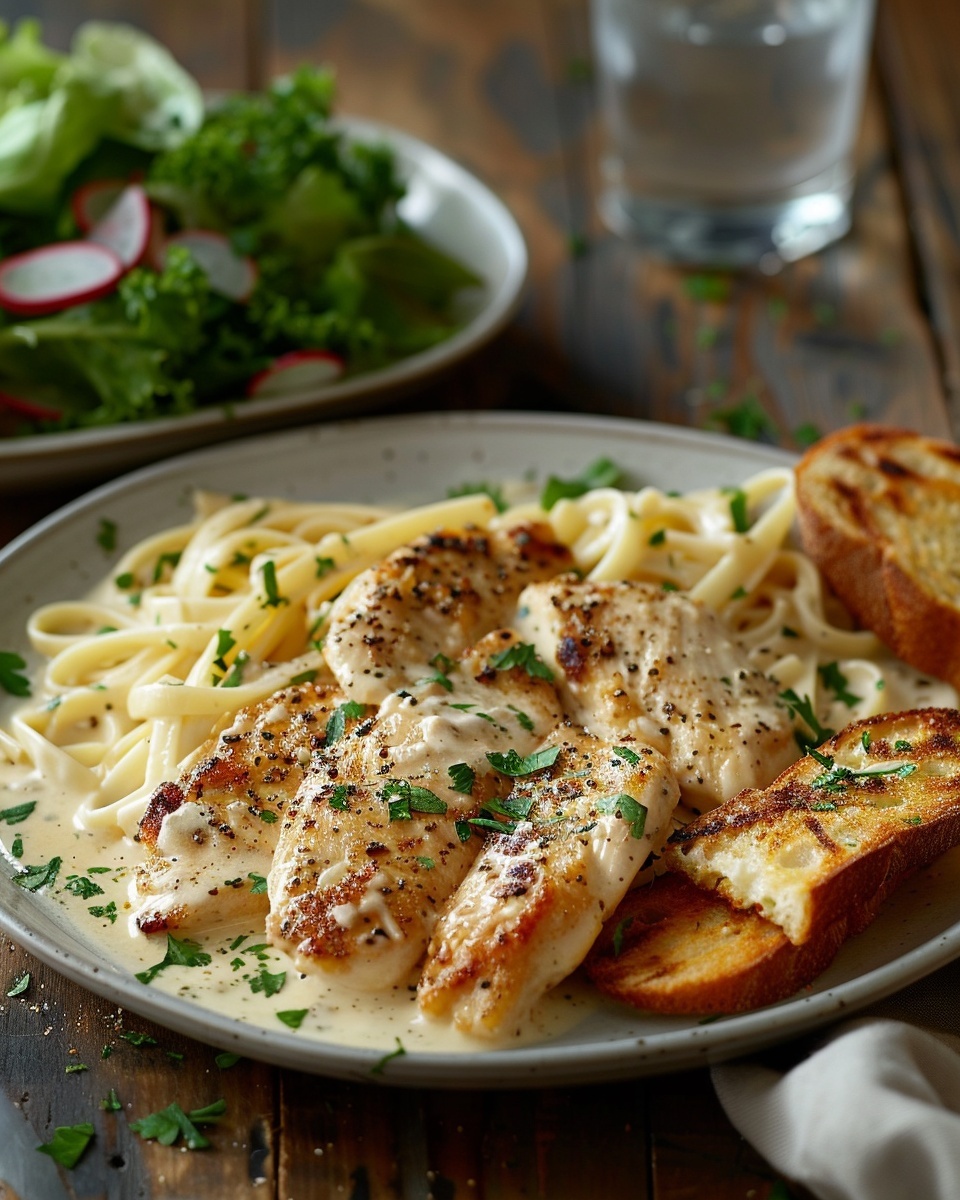
Last Tuesday night, I stood in my kitchen staring at a pot of bubbling cream and butter, and I had one of those moments where everything just felt right. The smell of garlic filled the air. My wooden spoon swirled through silky white sauce. I was making creamy chicken alfredo, and honestly, there’s no dish I’d rather make when I need comfort on a plate.
I started making this recipe about five years ago when takeout got too expensive and I was tired of waiting 45 minutes for delivery. That first attempt wasn’t perfect. The sauce broke. The chicken was dry. But I kept trying, and now this dish is my go-to for weeknight dinners, date nights, and even when my picky nephew visits.
What I love most about chicken alfredo is how it tricks people. They taste it and think you slaved away for hours. But the truth? You can have this on the table in about 30 minutes. It’s rich without being heavy. It’s fancy without being fussy. And it uses ingredients you probably already have in your fridge.
This dish brings together everything I want in comfort food. Tender pieces of seasoned chicken. Pasta coated in a velvety sauce that clings to every strand. Each bite feels like a warm hug after a long day. My husband actually requests this more than any other dinner I make.
In this guide, I’m going to walk you through everything I’ve learned about making the perfect creamy chicken alfredo. You’ll discover how to make that restaurant-quality sauce at home. I’ll share my tricks for cooking chicken that stays juicy. We’ll talk about which pasta shapes work best and why. And I’ll answer the questions I get asked most often, like whether you can use milk instead of cream.
By the end, you’ll have a recipe you can make with your eyes closed. You’ll know exactly what to do if your sauce gets too thick or too thin. And you’ll understand why this simple Italian-American dish has become a staple in kitchens across the country.
What Makes Creamy Chicken Alfredo So Special?
There’s something magical about a plate of pasta drenched in chicken alfredo sauce. It’s not just food. It’s an experience. The way the sauce catches the light. How it pools around the pasta. That first twirl on your fork that promises pure comfort.
I think what makes this dish special is its simplicity. You’re working with basic ingredients: butter, cream, cheese, and pasta. But when you combine them correctly, they transform into something that tastes like it came from an expensive Italian restaurant. There’s no tomato sauce to hide behind. No complex spice blend. Just pure, creamy goodness.
The other thing I love? This recipe is forgiving. If you’ve never made a cream sauce before, don’t worry. I’ll show you how to avoid the common mistakes. And if you’re an experienced cook, you’ll find plenty of ways to make this recipe your own.
The Magic of Chicken Alfredo Sauce
Let’s talk about the star of the show: that gorgeous, rich sauce. The first time I made chicken alfredo sauce from scratch, I couldn’t believe how easy it was. I’d been buying jarred sauce for years, thinking homemade would be too complicated. I was so wrong.
The secret to a truly amazing sauce is patience and good ingredients. You start with butter and garlic. Let that garlic get fragrant but not brown. Then comes the cream, which you warm gently. Finally, you add freshly grated Parmesan cheese and let it melt slowly into the mixture.
The texture is what makes people fall in love with this dish. When done right, the sauce should be velvety. It should coat the back of a spoon but still pour easily. It shouldn’t be thick like gravy or thin like milk. It needs to find that perfect middle ground where it clings to the pasta without feeling heavy.
I’ve discovered a few tricks over the years. First, use real Parmesan cheese that you grate yourself. The pre-grated stuff has additives that prevent clumping, but those same additives make your sauce grainy. Second, keep the heat low. High heat will cause the cream to break and the cheese to seize up into clumps.
Can you make alfredo sauce with milk? This is the question I get asked most often. The short answer is yes, but you need to adjust your approach. Milk has less fat than heavy cream, so your sauce won’t be quite as rich. To compensate, I add a tablespoon of cream cheese or an extra tablespoon of butter. I also use whole milk, never skim or 2%. You can also thicken milk-based alfredo with a tiny bit of flour or cornstarch mixed with cold water.
When I make alfredo sauce with milk, I tell people upfront that it’s a lighter version. It’s not better or worse than the traditional recipe. It’s just different. Perfect if you want to cut some calories or if you don’t have cream on hand. The flavor is still there. The comfort is still there. It just won’t coat your mouth quite as much.
My favorite tip for the creamiest consistency? Add some pasta water to your sauce. I know it sounds weird, but that starchy water helps the sauce stick to the pasta. I usually add about a quarter cup right before tossing everything together. The starch acts like a glue that binds the sauce to every piece of pasta.
Choosing the Right Pasta
Walk into any Italian restaurant and order fettuccine alfredo. That’s the traditional choice. Those wide, flat noodles are perfect for holding onto the creamy sauce. Olive Garden made this combination famous in America, and their fettuccine alfredo Olive Garden style has become the gold standard for many people.
I spent years only making this dish with fettuccine because that’s what I thought you were supposed to do. Then one night, I was out of fettuccine and used what I had in the pantry: penne. My whole perspective changed.
Chicken alfredo penne has become one of my favorite variations. Those little tubes catch the sauce inside them. Every bite gives you a burst of creamy goodness. The ridged surface of penne also grabs onto the sauce better than smooth pasta. If you’re adding broccoli or other vegetables, penne makes it easier to get a bit of everything on your fork.
Then there’s chicken alfredo spaghetti. I’ll be honest: this one divides people. Some say spaghetti is too thin for alfredo sauce. Others love how the sauce coats each strand. I fall somewhere in the middle. When I use spaghetti, I make my sauce slightly thicker so it doesn’t just slide off.
Here’s my comparison of the three most popular options:
- Fettuccine: Traditional and elegant. Wide noodles provide the perfect surface area for sauce. Takes about 10-12 minutes to cook. Best for a classic presentation.
- Penne: Fun and practical. Tubes hold sauce inside and out. Easier for kids to eat. Takes about 11-13 minutes to cook. Best for casseroles like a chicken alfredo bake.
- Spaghetti: Familiar and easy to twirl. Lighter feel than fettuccine. Takes about 8-10 minutes to cook. Best when you want a less heavy meal.
The truth is, you can use almost any pasta shape for this dish. I’ve made it with rigatoni, bowties, and even shells. They all work. The key is cooking your pasta properly. Always salt your water generously. It should taste like the ocean. And cook the pasta until it’s al dente, which means it still has a slight bite to it. Mushy pasta will ruin even the best sauce.
When I’m trying to recreate that Olive Garden chicken alfredo experience at home, I stick with fettuccine. There’s something about those long noodles that just feels right. But for busy weeknights when my kids are hungry and I’m tired, penne wins every time. It’s faster to eat and easier to reheat as leftovers.
One more thing: fresh pasta versus dried pasta. Fresh pasta cooks in just 2-3 minutes and has a softer, more delicate texture. Dried pasta takes longer but has more chew. I usually use dried because it’s what I keep in my pantry. But if you have access to fresh pasta, try it. The sauce clings to it beautifully.


Step-by-Step: An Easy Chicken Alfredo Recipe
Now that we’ve covered which pasta works best, let’s get into the actual cooking. I’m going to walk you through my go-to method that I’ve refined over dozens of dinners.
Gathering Your Ingredients
Here’s the thing about making a chicken alfredo recipe easy enough for anyone: you need to set yourself up for success before you even turn on the stove. I learned this the hard way after forgetting the Parmesan cheese one night and having to send my husband to the store while everything else sat getting cold.
For the basic version, you’ll need boneless, skinless chicken breasts (about a pound and a half for four people), one pound of your chosen pasta, four tablespoons of butter, two cups of heavy cream, and one and a half cups of freshly grated Parmesan cheese. Don’t forget salt, pepper, and three cloves of garlic. That’s it. Seriously. Six main ingredients and you’ve got dinner.
But honestly? I almost never make the basic version anymore. About two years ago, I started throwing broccoli into this dish and it changed everything. My chicken alfredo with broccoli has become the version my family actually requests. The broccoli adds color, texture, and honestly makes me feel less guilty about serving such a rich meal. I use about two cups of broccoli florets, which I steam while the pasta cooks. Sometimes I’ll roast them instead if I have extra time because the slightly crispy edges are incredible with the creamy sauce.
The broccoli thing started because my daughter was going through a phase where she refused to eat vegetables unless they were “mixed in with the good stuff,” as she called it. I thought she’d notice and complain, but instead she ate three servings and asked for it again the next week. Funny how that works.
For those watching their diet, I’ve played around with lighter versions. You can use alfredo sauce with milk like I mentioned earlier, but there are other swaps too. Turkey breast instead of chicken cuts some calories. Low-fat cream cheese mixed with chicken broth can replace some of the heavy cream. I’ve even used Greek yogurt stirred in at the very end for extra protein, though you have to be careful because yogurt can curdle if you heat it too much. If you’re going with a lighter sauce, I recommend pairing it with a heartier dish like this beef lasagna at another meal during the week so you don’t feel deprived.
My grocery list these days usually includes baby spinach too. I’ll throw in a couple handfuls right before serving and let the heat from the pasta wilt it. Adds vitamins, adds color, and nobody complains. Sometimes I’ll grab sun-dried tomatoes for a tangy contrast to all that richness. A handful of cherry tomatoes works great too if you slice them in half first.
Cooking Techniques for Perfect Results
The chicken is where most people mess up this dish. I know because I did it wrong for years. Dry, overcooked chicken will ruin even the best sauce. You need tender, juicy pieces that actually taste like something on their own.
I’ve tried every method. Baking, grilling, pan-frying, poaching. My favorite? Pan-searing followed by a quick rest. Cut your chicken breasts in half horizontally so they’re thinner and cook faster. Season them generously with salt, pepper, and a little garlic powder. Heat two tablespoons of olive oil in a large skillet over medium-high heat until it shimmers. That shimmer is important because it means the oil is hot enough to create a nice crust.
Place the chicken in the pan and don’t touch it for four minutes. I mean it. Don’t poke it, don’t move it, don’t peek underneath. Just let it sit there and develop that golden-brown color. Flip once and cook another four minutes. Then, and this is crucial, take it out of the pan even if you’re worried it’s not done. Let it rest on a cutting board for five minutes. The residual heat will finish cooking it, and those juices will redistribute instead of running all over your cutting board when you slice it.
While the chicken rests, I make the sauce in the same pan. Why dirty another dish? Those browned bits stuck to the bottom of the pan are pure flavor. I reduce the heat to medium-low, add the butter and minced garlic, and scrape up all those tasty bits with a wooden spoon. This is called deglazing, which sounds fancy but just means using liquid to get the stuck-on stuff off the pan.
Once the garlic smells amazing (about 30 seconds), I pour in the cream. The biggest mistake people make with alfredo sauce is cranking the heat too high. Keep it gentle. You want tiny bubbles around the edges, not a rolling boil. A hard boil will cause the cream to separate and get grainy. Nobody wants grainy sauce.
After the cream warms through, I add the Parmesan cheese in three batches. Add a handful, stir until it melts completely, then add the next handful. This prevents clumping and ensures a smooth texture. The sauce should coat the back of your spoon but still drip off slowly. If it’s too thick, add some pasta water. Too thin? Let it simmer a bit longer or add more cheese.
By the way, don’t skimp on freshly grated Parmesan. The pre-shredded stuff contains cellulose to prevent clumping, and that same additive makes your sauce feel sandy instead of silky. I buy a chunk of real Parmigiano-Reggiano and grate it myself. Takes an extra three minutes but makes all the difference.
The balance of flavors is where you can really make this recipe your own. Some people like tons of butter. Others prefer a lighter hand. I’ve found that four tablespoons is my sweet spot, but I’ve made it with three when I’m trying to be good and six when I’m feeling indulgent. The cream adds richness, the cheese adds saltiness and umami, and a crack of black pepper at the end brightens everything up. Sometimes I’ll add a tiny pinch of nutmeg, which sounds weird but is traditional in Italian cream sauces. You can’t really taste it, but it makes the whole dish smell incredible.
Saving Time Without Sacrificing Flavor
Tuesday nights at my house are chaos. Between soccer practice and homework and trying to feed everyone before seven, I need dinner done fast. That’s when I pull out my speed version of this recipe.
First trick: use rotisserie chicken. I know, I know, it’s not quite as good as cooking the chicken yourself. But it’s pretty darn close, and it saves fifteen minutes. I shred the meat from one rotisserie chicken and toss it with the sauce right at the end. Just enough to heat it through. The pre-cooked chicken is already seasoned, which adds extra flavor without any effort on my part.
Second trick: cook the broccoli right in the pasta water during the last three minutes. Why steam it separately when you can just drop it in with the fettuccine? One less pot to wash, and the broccoli picks up some of that salty pasta flavor. This method is similar to how I layer flavors in baked chicken parmesan, where efficiency doesn’t mean sacrificing taste.
Third trick: make a double batch of sauce on Sunday and freeze half. Alfredo sauce freezes surprisingly well if you reheat it slowly and whisk in a splash of cream when you’re warming it up. I portion it into containers, label them, and pull one out the morning I plan to use it. By dinner time it’s thawed and ready to heat.
I’ve spent hours browsing through chicken alfredo allrecipes pages, looking for shortcuts and variations. Some recipes have you cook everything in one pot. Others use cream cheese to thicken the sauce faster. I’ve tried the Instant Pot version, which works but doesn’t give you that same silky texture. The slow cooker version is okay for meal prep but the pasta can get mushy if you’re not careful.
The method I keep coming back to is the classic stovetop approach with those three time-saving tweaks I mentioned. It gives me the best results in the shortest time. Total active cooking time? About twenty minutes if you’re moving at a decent pace.
Now, let’s talk about store-bought sauce. Look, I’m not going to judge you. Sometimes you need dinner in ten minutes and homemade sauce isn’t happening. I keep a jar of decent alfredo sauce in my pantry for emergencies. But I’ve learned how to make jarred sauce taste homemade with just a few additions.
Heat the jarred sauce with a tablespoon of real butter, a handful of freshly grated Parmesan, and some minced garlic that you’ve cooked in olive oil for 30 seconds. These three additions mask that slightly artificial taste most jarred sauces have. I’ll also thin it out with pasta water and add fresh herbs if I have them. Basil is great, but even parsley makes it feel more restaurant-quality. For a more complex meal, you could serve this alongside something rich like jarrets d’agneau à la mijoteuse for special occasions.
Another quick elevation: roasted garlic. If you have thirty minutes before you need to start cooking, throw a whole head of garlic in the oven at 400 degrees wrapped in foil. When it’s done, squeeze out those soft, sweet cloves and stir them into your jarred sauce. It transforms the whole dish.
The truth is, whether you’re making sauce from scratch or doctoring up a jar, the key is cooking with intention. Taste as you go. Adjust the seasoning. Add that pasta water to help everything come together. These small steps make any version of chicken alfredo recipe easy to customize. Much like how you might adjust a classic boudin blanc au roquefort recipe to your taste, this dish welcomes your personal touch.


Taking It Up a Notch: Chicken Alfredo Bake
So here’s something that happened last month. I made my usual creamy chicken alfredo for dinner, and we had leftovers. A lot of leftovers. My eyes are always bigger than our stomachs when I’m cooking, apparently. I stuck the container in the fridge thinking we’d eat it the next day, but then life got busy and suddenly it was three days later.
The thing about reheating alfredo on the stovetop is that it never quite tastes the same. The sauce gets grainy. The pasta soaks up too much moisture and becomes mushy. But I hate wasting food, so I had to figure something out. That’s when I discovered the beauty of turning leftovers into a chicken alfredo bake.
Honestly, it’s almost better than the original dish. I’m not even exaggerating. The oven works this magic where everything melds together. The top gets crispy and golden. The inside stays creamy but with more structure than the stovetop version. My mother-in-law tried it and asked for the recipe, which never happens because she’s usually giving me cooking advice.
Transforming Leftovers into Something New
The basic idea is simple. Take your leftover pasta, put it in a baking dish, add some extras, top with cheese, and bake until bubbly. But like most things in cooking, the details matter.
Start by preheating your oven to 375 degrees. While it heats, grab a 9×13 baking dish and give it a light spray with cooking oil. If you’re starting from scratch instead of using leftovers, cook your pasta about two minutes less than the package directions say. It’ll finish cooking in the oven, and this prevents it from getting mushy.
Mix your cooked pasta with the sauce and chicken in a large bowl. This is your chance to add things you didn’t include the first time around. I always toss in extra vegetables at this stage. That chicken alfredo with broccoli I mentioned earlier? Even better when baked. The broccoli gets these slightly charred edges that add a whole new texture.
But don’t stop at broccoli. I’ve added frozen peas that I thawed under warm water. Sautéed mushrooms work incredibly well because they release moisture as they bake, keeping everything from drying out. Diced bell peppers add sweetness and color. One time I threw in some leftover roasted asparagus and it was fantastic.
Here’s my layering strategy. Spread half the pasta mixture in your baking dish. Sprinkle with about a third of a cup of mozzarella cheese. This creates a stretchy, melty layer in the middle that surprises people when they dig in. Add the rest of the pasta mixture on top. Then comes the fun part.
For the topping, I combine panko breadcrumbs with melted butter and more Parmesan cheese. About a cup of panko, three tablespoons of melted butter, and half a cup of grated Parmesan. Mix it together until it looks like wet sand. Spread this evenly over the top of your pasta. This creates that crispy, golden crust that makes a baked pasta dish so satisfying.
Sometimes I’ll mix Italian seasoning into the breadcrumb topping. Or garlic powder. Fresh herbs work too if you have them, though I’ll admit I usually don’t. Dried oregano or basil from the spice cabinet does the job just fine.
Cover the dish with aluminum foil and bake for twenty minutes. Then remove the foil and bake another fifteen to twenty minutes until the top is golden brown and you can see the sauce bubbling up around the edges. That bubbling is your sign that everything is hot all the way through.
Let it rest for about five minutes before serving. I know it’s tempting to dig in immediately, but those five minutes let the sauce thicken up slightly so it doesn’t run all over the plate. Plus, nobody wants to burn their mouth on molten cheese.
The baked version holds up way better as leftovers too. You can cut it into squares like lasagna and reheat individual portions without everything falling apart. I’ve taken slices to work for lunch and heated them in the microwave. They actually stay together on the fork, which doesn’t happen with regular pasta.
One more thing I’ve learned: you can assemble this entire dish the night before and bake it the next day. I do this when I’m having people over and don’t want to spend the whole evening in the kitchen. Just cover it tightly with plastic wrap, stick it in the fridge, and pull it out about thirty minutes before you plan to bake it. Let it come closer to room temperature so it bakes evenly.
By the way, this concept works with different pasta shapes too. That chicken alfredo penne I talked about earlier is perfect for baking because the tubes hold their shape. Rigatoni is another great choice. Even shells work if that’s what you have on hand.
The beauty of a baked pasta dish is how forgiving it is. Too much sauce? It’ll reduce in the oven. Not enough sauce? Add a splash of milk or cream before baking. Want it richer? Stir in some cream cheese. Want it lighter? Use less cheese on top. This is one of those main dish recipes that practically begs you to make it your own.
For special occasions, I’ll make this from scratch specifically as a bake rather than as a way to use leftovers. I’ll add cooked bacon pieces throughout, which adds a smoky flavor that plays beautifully with the cream sauce. Or I’ll layer in fresh spinach that wilts as it bakes. Sun-dried tomatoes are incredible too. Their tangy bite cuts through all that richness.
The portions are more substantial when you bake it, too. A serving of regular pasta alfredo can disappear quickly, leaving you hungry an hour later. But a square of baked alfredo with all that cheese and the breadcrumb topping? That sticks with you. It’s actually appropriate for dinner parties because it looks impressive when you cut into it and serve it on nice plates.
Funny enough, my kids prefer the baked version now. They like having something they can eat with just a fork without noodles sliding everywhere. And I like that I can sneak more vegetables into their diet without complaints. Win-win.
Frequently Asked Questions About Creamy Chicken Alfredo
Can I really make alfredo sauce with milk instead of heavy cream?
Yes, you absolutely can make alfredo sauce with milk, though it requires a few adjustments. Use whole milk for the best results and add a thickening agent like a tablespoon of flour whisked into the cold milk before heating. You can also add cream cheese or extra butter to boost the richness. The sauce won’t be quite as velvety as the traditional version, but it’s a lighter alternative that still tastes great. I recommend adding pasta water to help it cling to the noodles better.
How do I reheat leftover chicken alfredo without drying it out?
The trick to reheating alfredo is adding moisture back. Put your leftovers in a skillet over low heat with a few tablespoons of milk, cream, or even chicken broth. Stir gently and frequently until it’s heated through. The microwave works too if you’re in a hurry, but add liquid first and cover the dish with a damp paper towel to create steam. Heat in thirty-second intervals, stirring between each one. Never reheat at high temperatures or your sauce will separate and get oily.
What sides pair well with chicken alfredo Olive Garden style?
Since chicken alfredo is so rich, I like pairing it with lighter, fresher sides. A simple Caesar salad with crisp romaine adds crunch and a tangy contrast. Garlic bread is classic for a reason, perfect for soaking up extra sauce. Roasted vegetables like green beans, Brussels sprouts, or zucchini balance the heaviness. I also love serving it with a light tomato-cucumber salad dressed in balsamic vinegar. Something acidic really helps cut through all that cream and cheese.
Can I freeze chicken alfredo for later use?
You can freeze it, but cream sauces sometimes separate when thawed. For best results, slightly undercook the pasta before freezing. Let everything cool completely, then store in airtight containers for up to three months. When you’re ready to eat it, thaw overnight in the refrigerator. Reheat gently on the stovetop, adding milk or cream to bring the sauce back together. Honestly, the baked version freezes better than regular pasta alfredo because the structure holds up nicely.
How long does homemade alfredo sauce last in the fridge?
Homemade chicken alfredo sauce will keep in the fridge for about three to four days in an airtight container. Make sure it cools to room temperature before refrigerating to prevent bacterial growth. The sauce might thicken considerably in the fridge, which is normal. Just reheat it slowly with a splash of milk or cream to loosen it back up. If it smells sour or looks separated and curdled even before heating, toss it out.
What’s the best way to get crispy chicken for my alfredo?
For the crispiest chicken, pound your breasts to an even thickness and pat them completely dry with paper towels. Season generously and let them sit at room temperature for fifteen minutes before cooking. Use a very hot pan with oil that’s shimmering. Don’t move the chicken once you place it in the pan. Let it develop that golden crust for four to five minutes per side. The moisture on the surface is your enemy, so really focus on drying those breasts thoroughly before they hit the pan.
Is chicken alfredo considered a healthy meal?
Traditional creamy chicken alfredo is definitely an indulgent dish, high in calories and saturated fat from the cream, butter, and cheese. However, chicken itself is one of many protein-rich foods that provides essential nutrients. You can make it healthier by using milk instead of cream, adding lots of vegetables like broccoli or spinach, and watching your portion sizes. Whole wheat pasta adds fiber. The occasional rich meal isn’t a problem as part of a balanced diet, especially when you load it up with veggies.
Why does my alfredo sauce get clumpy or grainy?
Clumpy, grainy sauce usually means the heat was too high or you used pre-shredded cheese. The heat can cause the proteins in the cheese to seize up instead of melting smoothly. Always cook your sauce over low to medium-low heat. Pre-shredded cheese contains anti-caking agents that prevent smooth melting. Buy a block of real Parmesan and grate it yourself. Also, add the cheese gradually in small batches, stirring constantly until each addition melts completely before adding more.
Can I make this dish ahead of time for a dinner party?
You can definitely prep components ahead. Cook and slice the chicken the day before. Make the sauce and store it separately in the fridge. Cook the pasta until it’s slightly underdone, toss it with a little olive oil to prevent sticking, and refrigerate. When guests arrive, reheat the sauce gently, adding liquid as needed. Toss with the pasta and chicken, and dinner’s ready in minutes. Or assemble the whole chicken alfredo bake the night before and just pop it in the oven an hour before serving.
What wine pairs well with chicken alfredo?
Since alfredo is rich and creamy, you want a wine that cuts through the heaviness. A crisp white wine like Pinot Grigio or Sauvignon Blanc works beautifully. The acidity balances the fat in the sauce. Chardonnay is classic too, especially if it’s not overly oaked. If you prefer red wine, go for something light like Pinot Noir. Avoid heavy, tannic reds because they’ll clash with the cream. I usually pour whatever white wine I have open, and it’s always fine.
This dish has become my reliable friend in the kitchen. Whether I’m making it on a Tuesday after work or serving it to guests on Saturday night, it never lets me down. Start with the basic recipe. Get comfortable with the technique. Then branch out and make it yours. Add the vegetables you love. Try different pasta shapes. Bake it when you need something that feels special. The best part about cooking is taking a recipe and turning it into something that fits your life perfectly.
Creamy Chicken Alfredo
Ingredients
Equipment
Method
- Cut the chicken breasts in half horizontally and season with salt, pepper, and garlic powder.
- Heat olive oil in a large skillet over medium-high heat and cook the chicken for 4 minutes without moving it. Flip and cook for another 4 minutes. Remove chicken and let it rest.
- In the same pan, reduce heat to medium-low and add butter and minced garlic. Sauté for about 30 seconds until fragrant.
- Pour in heavy cream and heat gently, avoiding a rolling boil.
- Gradually add grated Parmesan, stirring until melted and smooth.
- Cook the pasta according to package instructions in salted water until al dente.
- If using broccoli, add it to the pasta water for the last 3 minutes of cooking.
- Drain pasta and broccoli, reserving some pasta water.
- Toss pasta and broccoli with the sauce, adding reserved pasta water if necessary to reach desired consistency.
- Slice the rested chicken and serve it over the pasta.