
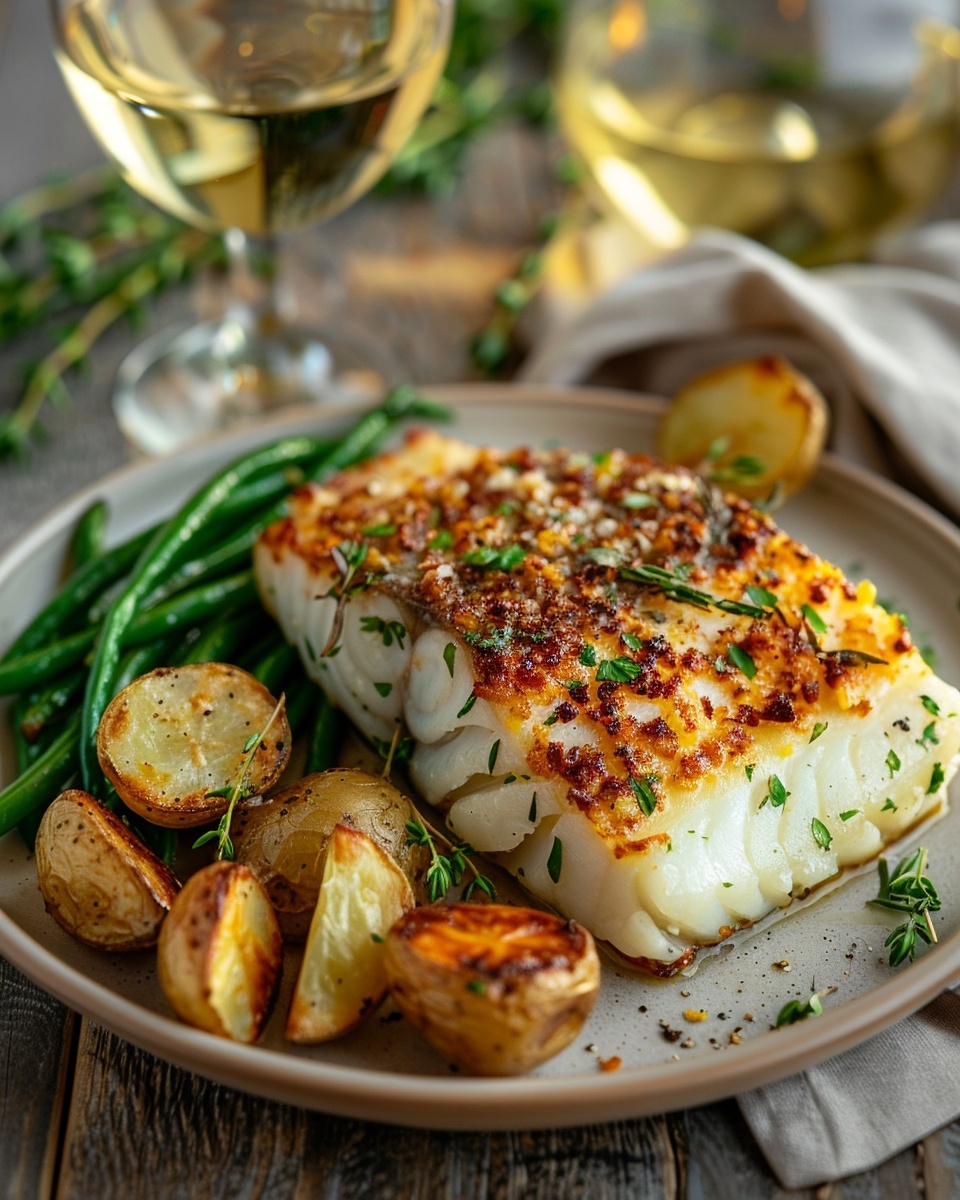
Introduction: My Love for Simple Lemon Baked Cod
I still remember the first time I made fish for dinner and actually enjoyed it. I was standing in my kitchen on a random Tuesday night, tired from work and staring at a package of cod fillets I’d bought on impulse. I squeezed some lemon over them, tossed on a few herbs, and hoped for the best. Twenty minutes later, I was hooked. That simple meal changed everything I thought about cooking seafood at home.
Lemon Baked Cod became my go-to recipe after that night. It’s the kind of dish that saves you on busy weeknights but looks fancy enough for when you want to impress someone. The beauty lies in its simplicity. You don’t need culinary school training or a pantry full of exotic ingredients. Just fresh cod, bright lemon juice, a bit of butter, and whatever herbs you have on hand.
This recipe delivers everything I want in a meal. It’s healthy, quick, and packed with flavor. The lemon cuts through any fishiness while the butter keeps everything moist and rich. Fresh herbs like parsley or dill add that restaurant-quality touch without any extra effort. In less than 30 minutes from start to finish, you’ve got a protein-packed dinner that won’t leave you feeling heavy or guilty.
Throughout this article, I’ll share everything I’ve learned about making perfect baked cod. We’ll cover crispy baked cod techniques, explore options like baked cod with panko for extra crunch, and dive into healthy cod recipes that fit any eating plan. I’ll show you how to make lemon butter baked cod that melts in your mouth and share tips for variations like baked cod with lemon and capers. Whether you’re a seafood beginner or a seasoned home cook, you’ll find something useful here.
Why Lemon Baked Cod is a Must-Try Recipe
Cod deserves way more love than it gets. This mild white fish is a nutritional powerhouse that doesn’t get enough credit. Each serving gives you about 20 grams of protein while keeping calories low, usually under 100 calories for a standard fillet. That’s pretty remarkable when you think about it. You’re getting tons of protein without the fat and calories that come with beef or pork.
The fish also provides important nutrients your body needs. Cod is rich in vitamin B12, selenium, and omega-3 fatty acids. These nutrients support everything from brain function to heart health. For anyone watching their weight or trying to eat cleaner, cod checks all the boxes. It fills you up, fuels your muscles, and keeps your body running smoothly.
What I love most about cod is its versatility. The mild flavor works as a blank canvas for whatever seasonings you’re craving. Lemon and cod create magic together. The acidity brightens the fish and brings out its natural sweetness. You can pair it with garlic, herbs, spices, or keep it super simple with just salt and pepper. The fish won’t fight against your flavors.
Baking cod offers huge advantages over other cooking methods. When you fry fish, you add unnecessary calories from oil and lose some of that health appeal. Baking keeps things light while preserving moisture inside the fillets. The gentle heat of the oven cooks the fish evenly from all sides. You don’t have to worry about hot spots or burning one side while the other stays raw.
The texture you get from baking is perfect too. The fish stays tender and flaky without drying out. If you want some crispiness on top, that’s easy to add with breadcrumbs or cheese. The oven does most of the work while you prep a side dish or relax for a few minutes.
Many people ask me, “How long to bake cod at 350?” The answer depends on thickness, but generally plan for about 15 to 20 minutes. A good rule is to cook fish for 10 minutes per inch of thickness at 350°F. The cod is done when it flakes easily with a fork and reaches an internal temperature of 145°F. Don’t overthink it. Fish cooks fast, so check it earlier rather than later.
Preparing Your Perfect Lemon Baked Cod
Selecting quality cod makes all the difference in your final dish. When shopping for fresh cod fillets, look for fish that appears moist but not slimy. The flesh should look translucent and slightly shiny. Press gently on the fillet. It should bounce back and feel firm, not mushy. Fresh fish shouldn’t smell strongly fishy either. A clean, ocean-like scent is what you want.
Frozen cod works wonderfully too, and sometimes it’s actually fresher than what’s in the fish case. Fish gets frozen right on the boat or at processing facilities, locking in freshness. Just thaw it properly in the fridge overnight. Never use hot water or the microwave to speed up thawing. You’ll end up with mushy, unevenly cooked fish.
Before baking, pat your cod fillets completely dry with paper towels. This step is critical and many people skip it. Excess moisture prevents proper browning and can make your dish watery. Once dry, you’re ready to season. Seasoning transforms cod from bland to brilliant. Salt and pepper form your foundation, but don’t stop there.
Lemon enhances cod in ways that feel almost magical. The citrus acid breaks down proteins slightly, which helps the fish become more tender. It also masks any fishy taste that might turn off picky eaters. I use both lemon juice and lemon zest. The juice provides brightness and tang, while the zest delivers intense lemon flavor and aroma. Together they create layers of citrus that make every bite interesting.
For a classic approach, try my lemon butter baked cod. Melt butter with minced garlic, add lemon juice and zest, then pour it over your seasoned fillets. The butter bastes the fish as it cooks, keeping everything moist and adding richness. Fresh herbs like parsley, dill, or thyme complement this combination beautifully.
Want something with more texture? Baked cod with panko gives you that satisfying crunch on top. Mix panko breadcrumbs with melted butter, garlic powder, and parmesan cheese. Press this mixture onto your fillets before baking. The panko toasts in the oven, creating a golden crust that contrasts perfectly with the tender fish underneath. This version appeals to people who think they don’t like fish because it feels less “fishy” and more familiar.
Another favorite variation is baked cod with lemon and capers. Capers add a briny, slightly salty punch that pairs incredibly well with lemon. Scatter them around your fillets along with thin lemon slices. As everything bakes together, the flavors meld into something restaurant-worthy. The capers get slightly crispy at the edges while staying soft in the middle.
You can also make baked cod in foil for minimal cleanup and maximum moisture. Place each fillet on a piece of foil with your seasonings, lemon, and butter. Fold the foil into packets and bake. The fish essentially steams in its own juices, guaranteeing tender results every time. This method works great for camping or when you want to prep individual servings ahead of time.
No matter which variation you choose, remember that cod cooks quickly. Overcooking is the enemy of good fish. Set a timer and check early. Fish continues cooking slightly even after you remove it from the oven due to residual heat. Pull it out when it’s just barely done, and it’ll be perfect by the time you plate it.
The key to great baked cod isn’t complicated techniques or special equipment. It’s about starting with good fish, using fresh ingredients, and not overthinking things. Let the natural flavors shine through. A squeeze of lemon, a pat of butter, and some gentle heat from your oven create something simple yet special every single time.


Crispy and Flavorful: Adding Texture to Your Dish
Now that you’ve got the basics down, let’s talk about texture. Because honestly, texture is where good fish becomes great fish. I learned this the hard way after serving mushy, boring cod to friends one night. The flavors were fine, but everything felt one-dimensional. That’s when I started experimenting with toppings that add crunch and personality.
The secret to crispy baked cod without deep frying comes down to getting creative with breadcrumbs. Panko changed everything for me. These Japanese-style breadcrumbs are larger and flakier than regular breadcrumbs, which means they crisp up beautifully in the oven. They create little pockets of air that turn golden and crunchy while the fish stays moist underneath.
Here’s my method for perfect panko-crusted cod. First, set up a simple breading station. In one shallow dish, place some flour seasoned with salt and pepper. In another, whisk an egg with a tablespoon of water. In the third dish, mix your panko with whatever seasonings you’re using. I usually add garlic powder, paprika, and a pinch of dried herbs. Dip each cod fillet first in flour, shaking off the excess. Then dunk it in the egg mixture, letting the extra drip off. Finally, press it firmly into the panko, coating both sides completely.
The pressing part matters more than you’d think. Really push that panko into the fish so it sticks. Place your breaded fillets on a baking sheet lined with parchment paper or lightly greased. Here’s a trick I picked up from a chef friend: drizzle a little melted butter or olive oil over the top of the panko coating before baking. This extra fat helps the breadcrumbs brown and crisp instead of just drying out. Bake at 400°F for about 12 to 15 minutes, depending on thickness. You’ll know it’s ready when the coating turns golden brown and the fish flakes easily.
Want to take things up another notch? Try parmesan baked cod recipes for added flavor that’ll make people ask for seconds. Mix grated parmesan cheese directly into your panko breadcrumbs. The cheese adds savory, nutty notes and helps create an even crispier crust. I use about half a cup of panko mixed with a quarter cup of parmesan, plus minced garlic and chopped fresh parsley. Sometimes I’ll add lemon zest right into this mixture too, which creates these little bursts of citrus throughout the crust.
The parmesan version reminds me a bit of the topping I use on my stuffed shells, where cheese and breadcrumbs combine to create that irresistible golden layer. That same principle works beautifully with fish. The cheese melts slightly while the breadcrumbs toast, binding everything together into a cohesive, crunchy topping.
By the way, if you’re wondering about healthy cod recipes that still deliver on taste, these breaded versions absolutely qualify. You’re baking instead of frying, which cuts out tons of oil and calories. Use whole wheat panko if you want extra fiber. Skip the butter drizzle and use a light coating of cooking spray instead. You’ll still get crispiness with fewer calories. The fish itself remains lean and protein-packed regardless of the topping.
Another lighter approach involves skipping breading altogether and focusing on herb crusts. Finely chop fresh herbs like parsley, basil, and dill. Mix them with a tiny bit of olive oil and minced garlic to form a paste. Spread this mixture over your cod fillets before baking. The herbs crisp up slightly at the edges while staying fragrant and bright. It’s aromatic, flavorful, and keeps things incredibly light. This method works especially well when you’re serving the fish alongside something richer, creating balance on the plate.
Baking Methods for Perfect Results
Different baking techniques produce different results, and knowing when to use each one has saved me from countless disappointing dinners. Let me break down what actually works and why.
Baked cod in foil remains my favorite method when I’m worried about dryness. You create individual packets by placing each fillet on a large piece of aluminum foil or parchment paper. Add your seasonings, lemon slices, herbs, and a pat of butter or splash of white wine. Fold the foil up and seal the edges tightly, creating a pouch. The fish steams in its own moisture along with whatever liquids you’ve added. Nothing escapes, which means nothing dries out.
This technique works especially well for thinner fillets that tend to overcook quickly. The enclosed environment protects the fish from direct heat while still cooking it through. I use this method when I’m making several fillets with different seasonings for picky eaters. Each person gets their own custom packet. Kids can even help assemble them, which makes dinner more fun and gets them invested in eating it.
The downside to foil packets? You don’t get any browning or crispy edges. Everything stays soft and tender, which is great for moisture but not ideal if you love texture. Also, you can’t easily check doneness without opening a packet and letting all that steam escape. Once you’ve opened it, you’ve kind of defeated the purpose.
Baking directly on a sheet pan gives you more control and better browning. Preheat your baking sheet in the oven while it heats up. When you place the fish on the hot pan, it starts cooking immediately from the bottom, creating a slightly firmer texture. The exposed top allows moisture to evaporate, which helps seasonings stick and intensify. If you’re doing a breaded preparation, sheet pan baking is the way to go. The air circulation crisps everything up nicely.
For sheet pan baking, line your pan with parchment paper or foil for easier cleanup. Lightly oil the surface so the fish doesn’t stick. Arrange your fillets with some space between them so hot air can circulate. Crowding them creates steam, which prevents browning. If you’re roasting vegetables alongside your fish, keep them on a separate part of the pan or use two pans. Vegetables often need longer cooking times or different temperatures than cod.
Here’s the thing about baked cod with butter: it sounds indulgent, but it’s actually one of the best ways to keep fish moist without adding much butter at all. You don’t need to drown the fish in fat. A single tablespoon of butter, melted and brushed over two fillets, adds incredible richness and flavor while helping conduct heat evenly. The milk solids in butter brown beautifully, creating nutty, caramelized notes that complement the mild fish.
I make a simple basting mixture with melted butter, minced garlic, lemon juice, and a pinch of red pepper flakes. Brush it on the fillets before baking and then once more halfway through cooking. This keeps the surface moist and builds layers of flavor. The technique is similar to how I baste the cheese on my taco casserole to get that golden, bubbly top. Regular attention during cooking makes a huge difference.
So, how do I keep my cod from drying out? This question comes up constantly, and I get it. Dry fish is genuinely unpleasant. Several factors contribute to moisture retention. First, don’t overbake. Fish cooks fast, and every extra minute in the oven pulls out more moisture. Use a timer and check early. Second, start with thicker fillets when possible. Thin pieces cook so quickly that there’s almost no margin for error. Third, add fat or liquid. Whether it’s butter, olive oil, wine, or even a little chicken broth, moisture in the pan creates a humid environment that keeps fish from drying out.
Temperature matters too. I usually bake cod between 375°F and 400°F. Lower temperatures work fine but take longer, which can actually dry things out. Higher temperatures cook the outside too fast before the inside is done. The sweet spot lets everything cook evenly and relatively quickly. If your oven runs hot or cold, invest in an oven thermometer. Most ovens are off by at least 25 degrees, which makes a real difference with delicate proteins like fish.
Letting fish come to room temperature before baking helps too. Cold fish straight from the fridge takes longer to cook through, which dries out the exterior while you wait for the center to finish. Take your fillets out about 15 minutes before cooking. They’ll cook more evenly and stay moister. This is the same principle I use when making chicken fajitas — room temperature protein cooks better and faster.
One more tip: tent your cooked fish with foil for a few minutes after removing it from the oven. This resting period lets juices redistribute throughout the fillet instead of running out when you cut into it. Just five minutes makes a noticeable difference in how moist each bite tastes.
Pairing Lemon Baked Cod with Sides
A perfect piece of fish deserves equally thoughtful sides. I’ve served baked cod hundreds of times, and I’ve learned which combinations make a complete, satisfying meal versus which leave everyone still feeling hungry an hour later.
Roasted vegetables are my go-to because they’re easy and complement fish beautifully. Asparagus, green beans, Brussels sprouts, or broccoli all work wonderfully. Toss them with olive oil, salt, and pepper, then roast at the same temperature as your fish. Timing is key here. Most vegetables need 20 to 25 minutes, while cod only needs 12 to 18. Start your vegetables first, then add the fish to the oven partway through. Everything finishes together, and you’ve only used one oven.
Cherry tomatoes roasted with garlic create a light, bright side that mirrors the acidity in lemon baked cod. They burst and release their juices, forming a simple sauce you can spoon over everything. Add capers and olives to the tomatoes for a Mediterranean vibe that feels more special than the minimal effort required.
Quinoa or rice pilaf provide substance without heaviness. Cook quinoa in vegetable or chicken broth instead of water for extra flavor. Stir in chopped herbs, lemon zest, and toasted pine nuts right before serving. This turns plain grains into something interesting that doesn’t compete with the fish but adds textural variety to your plate. The nutty flavor of quinoa especially pairs well with parmesan-crusted cod.
Fresh salads balance the richness of butter-baked fish. A simple arugula salad with shaved parmesan, lemon vinaigrette, and pine nuts takes five minutes to throw together. The peppery arugula and sharp cheese create bold flavors that stand up to the cod without overwhelming it. I dress the salad lightly so it doesn’t wilt or get soggy.
For something heartier, try roasted potatoes or sweet potatoes. Cut them into small cubes so they cook faster. Fingerling potatoes work great too — just halve them lengthwise and roast cut-side down until crispy. The starch from potatoes makes the meal more filling, which matters if you’re feeding hungry teenagers or someone who thinks fish isn’t “real food.”
Funny enough, I sometimes serve baked cod alongside the same cilantro-lime rice I make with my chili mac. The bright, herby rice complements the lemon in the fish surprisingly well. It proves that certain flavor combinations work across completely different cuisines.
Keep your sides simple when your fish has bold toppings like panko or parmesan. Let the star of the plate shine. But if you’re doing plain lemon butter cod, add more complexity to your vegetables and grains. Balance is everything. A meal should have different textures, temperatures, and flavors working together. Crispy fish with creamy mashed cauliflower and crunchy roasted green beans hits all those notes perfectly.
These combinations all align with baked cod recipes healthy goals because they emphasize vegetables, whole grains, and lean protein. You’re getting fiber, vitamins, healthy fats, and plenty of protein without excessive calories or processed ingredients. It’s the kind of meal that leaves you satisfied but not stuffed, energized instead of sluggish. That’s exactly what dinner should be.


Tips for Success and Common Mistakes to Avoid
Let me share some hard-earned lessons from my years of making baked cod. I’ve made every mistake possible so you don’t have to. Seriously, I’ve served rubber-textured fish, bland fish, and fish that somehow managed to be both dry and undercooked at the same time. Not my finest moments.
The biggest mistake everyone makes? Overcooking. Fish continues cooking after you pull it from the oven, something I didn’t understand for way too long. I’d wait until the fish was completely opaque and firm, then wonder why it tasted like cardboard. Now I pull my cod when it’s just barely opaque and still has a slight give when pressed gently. The center should flake when tested with a fork but still look slightly glossy. That residual heat will finish the job perfectly while you’re plating everything else.
Here’s what helped me most: I started using an instant-read thermometer. Game changer. Fish is safely cooked at 145°F internally. When my thermometer reads 140°F, I pull the fish out. By the time it rests for a few minutes, it hits that perfect temperature without going over. No more guessing, no more dried-out dinners. The thermometer cost me fifteen bucks and has paid for itself a hundred times over in saved meals.
Under-seasoning is the other common problem I see when friends cook fish. They’re timid with salt because they’re nervous about the fish itself. But cod can handle bold seasoning. It needs it, actually. The mild flavor begs for enhancement. I season more aggressively than feels comfortable at first. Both sides of the fillet get salt, pepper, and whatever other spices I’m using. Don’t just sprinkle from high up and hope for the best. Get in there and make sure every part of that fillet has flavor.
One trick that seems small but matters: season at the right time. I salt my cod about 15 minutes before cooking if the fillets are thick. The salt pulls out a tiny bit of moisture, then gets reabsorbed along with the seasoning. This dry-brining technique makes a noticeable difference in how flavorful the fish tastes all the way through, not just on the surface.
When making crispy baked cod, the most common issue is soggy breading. This happens when you don’t dry the fish thoroughly before breading or when you skimp on pressing the coating onto the fillet. Also, if you crowd your baking sheet, steam gets trapped and softens your crust. Give each piece space to breathe. And remember that drizzle of fat over the panko I mentioned earlier? That’s not optional if you want actual crispiness. The breadcrumbs need fat to toast and brown properly.
For baked cod with lemon and capers, timing matters more than you’d think. Add your capers and lemon slices at the start of baking so they cook together with the fish. The capers will crisp slightly at the edges while releasing their briny flavor into the fish. If you add them at the end, they just sit there looking pretty but not contributing much taste. Also, don’t dump all your lemon juice on at once. Use half before baking, then squeeze fresh juice over the finished dish. This gives you both cooked lemon flavor and bright fresh citrus.
Now let’s talk leftovers, because surprisingly, baked cod reheats better than you’d expect if you do it right. Store your cooked fish in an airtight container in the fridge within two hours of cooking. It’ll keep safely for three days. The key to reheating without turning it into fish jerky is low and slow. I use the oven at 275°F, placing the fish in a baking dish with a tablespoon of water or broth. Cover tightly with foil and heat for about 10 minutes. The gentle heat and added moisture prevent drying. Never microwave fish if you can avoid it. It cooks unevenly and makes everything rubbery.
Actually, leftover cod makes fantastic fish tacos or salads the next day. Flake it up cold and toss it with mixed greens, cherry tomatoes, cucumber, and a lemon vinaigrette. You’ve got lunch in five minutes, and it tastes intentional rather than like sad leftovers. Sometimes I’ll make extra cod specifically for this purpose.
By the way, freezing cooked cod works in a pinch but definitely affects texture. If you need to freeze it, wrap portions tightly in plastic wrap, then again in foil. Use within two months for best quality. Thaw in the fridge overnight before gently reheating. The texture won’t be quite as flaky as fresh, but it’s serviceable for flaked preparations like fish cakes or pasta dishes.
One thing I wish someone had told me earlier: invest in good quality fish when you can. The difference between fresh, quality cod and the cheapest option at the grocery store is significant. Better fish costs more, but it tastes better, cooks more predictably, and makes your whole meal more enjoyable. According to research from nutritious diet experts, choosing high-quality protein sources contributes meaningfully to overall health outcomes. It’s worth spending a bit more on something you’re putting directly into your body.
Here’s something I learned from a fishmonger: ask when they get fresh deliveries and shop right after. The fish counter at my grocery store gets deliveries Tuesday and Friday mornings. I shop Tuesday afternoons for the freshest possible cod. That fish cooks better, tastes cleaner, and lasts longer in my fridge than fish that’s been sitting in the case for three days. This small timing adjustment improved my fish cooking more than any technique change.
For anyone feeling intimidated by cooking fish, start simple. Make plain lemon butter baked cod a few times until you understand how your oven cooks fish and what properly done cod feels like. Then experiment with panko crusts, parmesan toppings, or Mediterranean flavors. Confidence comes from repetition, not from jumping into complicated recipes before you’ve mastered the basics. If you’re looking for more inspiration beyond fish, checking out other main dish recipes can help you build a broader foundation of cooking skills that translate across different proteins.
Trust your instincts too. If the fish looks done earlier than the recipe says, check it. Ovens vary wildly, as do fillet thicknesses. A recipe is a guide, not gospel. Your eyes, nose, and that trusty thermometer will tell you more than any timer. I’ve had cod finish in 10 minutes and other times take 20, all supposedly following the same recipe. Variables like whether you preheated your pan, how cold your fish was, and your actual oven temperature all play roles.
Don’t fear making mistakes either. I’ve served some truly unfortunate fish dinners while figuring this out. My family still brings up the time I somehow made cod taste like nothing despite coating it in seasonings. But each failure taught me something valuable. Now I can confidently make crispy baked cod, elegant baked cod with lemon and capers, or any variation without stress. You’ll get there too if you just keep trying.
Frequently Asked Questions
How long to bake cod at 350?
At 350°F, plan for roughly 15 to 20 minutes depending on how thick your fillets are. A standard rule is 10 minutes of cooking time per inch of thickness. Use a fork to test doneness—the fish should flake easily and look opaque throughout. An instant-read thermometer should read 145°F at the thickest part. Check at the 12-minute mark if your fillets are thin, as they cook surprisingly fast.
What temperature should I bake cod at for the best results?
I find 375°F to 400°F works best for most preparations. This temperature range cooks the fish quickly enough to retain moisture while allowing some browning on top. Lower temperatures like 350°F work fine but take longer, which can dry out thinner fillets. Higher temperatures risk burning any breading or browning the outside before the inside cooks through. Adjust based on whether you’re using foil packets versus open pan baking.
Can I use frozen cod for these recipes?
Absolutely, frozen cod works great as long as you thaw it properly. Move it from freezer to fridge the night before you plan to cook. Let it thaw slowly in the refrigerator for 12 to 24 hours. Pat it completely dry before seasoning since thawed fish releases extra moisture. Never thaw fish at room temperature or in hot water—both methods create food safety risks and negatively affect texture.
What are some healthy cod recipes I can try?
Baked cod naturally fits into healthy eating plans since the fish is lean and high in protein. Skip heavy breading and use herbs, lemon, and a small amount of olive oil or butter instead. Try baking in foil packets with vegetables for a complete one-packet meal. Serve with quinoa and roasted vegetables rather than heavy starches. Even baked cod with panko stays relatively healthy since you’re baking rather than frying.
How do I keep my cod from drying out while baking?
Don’t overbake—set a timer and check early since fish cooks quickly. Add moisture through butter, olive oil, white wine, or broth in your baking dish. Baking in foil packets traps steam and keeps everything moist. Let your fish come to room temperature before baking so it cooks evenly. Finally, pull it from the oven when it’s just barely done and let residual heat finish the cooking.
What sides go best with lemon baked cod?
Light vegetables like roasted asparagus, green beans, or Brussels sprouts complement fish beautifully without overwhelming it. Quinoa, rice pilaf, or roasted potatoes add substance to make the meal more filling. Fresh salads with citrus vinaigrette provide contrast to rich, buttery fish. Keep sides simple when your fish has bold toppings, or add more complexity to sides when the fish preparation is plain.
Can I make baked cod ahead of time?
Fish tastes best fresh, but you can prep components ahead. Season your fillets and prepare any toppings or marinades several hours early, keeping everything refrigerated. Assemble foil packets in the morning and refrigerate until dinner time. I don’t recommend fully cooking cod ahead except for specific preparations like fish tacos or salads where you’ll use it cold or flaked.
Why does my panko coating fall off the fish?
This usually happens because the fish wasn’t dry enough before breading or the coating wasn’t pressed firmly into the fillet. Make sure to pat fish completely dry with paper towels. Press your panko mixture onto the fish with your hands, really pushing it in. The three-step breading process—flour, egg, panko—helps everything stick together. Don’t flip the fish during baking, which can dislodge the crust.
Is cod a good fish for beginners?
Yes, cod is perfect for people new to cooking fish. Its mild flavor appeals to most palates, even those who think they don’t like fish. The thick, firm fillets hold together well during cooking and don’t fall apart easily. Cod is forgiving and doesn’t require complex techniques. It’s also widely available and reasonably priced compared to other fish options.
How can I tell if my cod has gone bad?
Fresh cod should smell clean and ocean-like, never strongly fishy or ammonia-like. The flesh should appear translucent and slightly shiny, not dull or discolored. If it feels slimy or mushy when touched, it’s past its prime. Any yellowing or browning around the edges indicates age. When in doubt, trust your nose—bad fish smells obviously off.
Making perfect lemon baked cod really comes down to starting with quality ingredients and not overthinking the process. Whether you go simple with butter and herbs or fancy with a parmesan-panko crust, you’re just a few steps away from a restaurant-quality meal that happens to be incredibly good for you. Give it a try this week—I think you’ll be surprised how easy it is to make fish that actually tastes amazing.
Lemon Baked Cod
Ingredients
Equipment
Method
- Preheat your oven to 375°F (or 400°F for a crispier result).
- Pat the cod fillets completely dry with paper towels.
- Season both sides of the fillets generously with salt and pepper.
- Mix melted butter with lemon juice, lemon zest, and fresh herbs in a bowl.
- Pour the lemon butter mixture over the seasoned cod fillets.
- If using, mix panko breadcrumbs with melted butter, garlic powder, and parmesan cheese for added texture.
- If using breadcrumbs, press the mixture onto the fillets, coating them thoroughly.
- Place the cod fillets on a baking sheet lined with parchment paper.
- Bake in the oven for 12 to 18 minutes, or until the fish flakes easily with a fork.
- Remove from the oven and let rest for a few minutes before serving.