
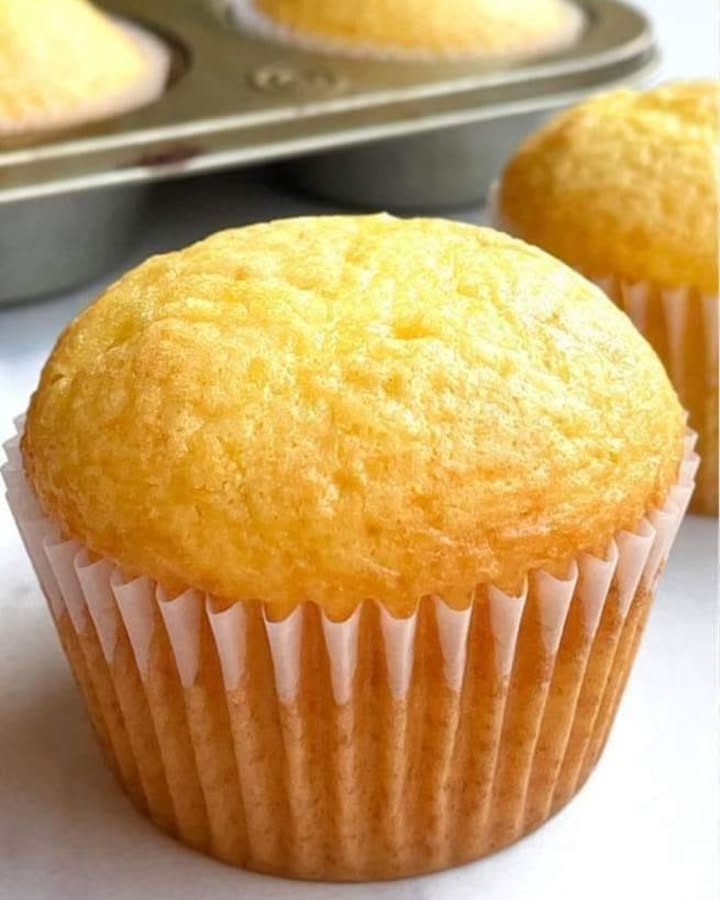
You know that feeling when you open the oven door, and a wave of warm, sweet, vanilla-scented air hits you? That’s the magic of homemade milk cupcakes. They’re not just a dessert; they’re a hug in cake form. Soft, moist, and incredibly simple, this recipe has become my go-to for last-minute birthday smiles, lunchbox treats, and “just because” afternoons. Let’s make some together!
The Humble Beginnings of Cupcake Joy
Cupcakes are like little pieces of history you can hold in your hand. While their exact origin is a bit fuzzy, food historians believe they evolved in America during the 19th century. Before muffin tins, bakers often used individual pottery cups, which is likely how they got their adorable name! My own cupcake story started with my grandma. She’d make a simple milk cupcake recipe, almost exactly like this one, for every family gathering. No fancy swirls of frosting, just a simple dusting of powdered sugar. To this day, the pure, comforting taste of the cake itself is what I love most. It’s a reminder that sometimes, the simplest things are the most joyful.
Why You’ll Adore This Simple Milk Cupcake Recipe
This recipe is your new kitchen best friend, and here’s why. First, it’s incredibly forgiving. No fancy techniques are required. Second, it relies on kitchen staples you likely already have—flour, sugar, eggs, milk, butter. No special trips to the store! Finally, the result is a cupcake that is unbelievably soft and moist, thanks to the milk, with a tender crumb that melts in your mouth. It’s the perfect blank canvas for any frosting or just a sprinkle of love.
Perfect Occasions for Milk Cupcakes
These are the ultimate all-rounders! I’ve made them for:
- School Bake Sales: They’re a guaranteed sell-out and easy for little hands to grab.
- Baby Showers & Birthdays: Decorate them to match any theme or color scheme.
- Just a Tuesday: Seriously! A midweek cupcake can turn an ordinary day into a sweet one.
- Potlucks and Picnics: Their individual portions make them perfect for sharing.
- Gift from the Heart: A box of homemade cupcakes says “I’m thinking of you” better than any store-bought card.
Gathering Your Cupcake Ingredients
- 1 ¾ cups all-purpose flour
- ½ cup granulated sugar
- ½ cup unsalted butter, softened
- 2 large eggs, at room temperature
- ½ cup whole milk
- 2 teaspoons baking powder
- 1 teaspoon pure vanilla extract
- A generous pinch of salt
- Frosting of your choice (Buttercream, cream cheese, or a simple glaze!)
Handy Substitutions for Your Pantry
Out of something? No panic! Here are some easy swaps:
- Whole Milk: Buttermilk makes them extra tender and adds a slight tang. Any other milk (2%, almond, oat) works too, but the richness might vary.
- Unsalted Butter: You can use salted butter, but then omit the pinch of salt in the recipe.
- Granulated Sugar: For a deeper flavor, replace up to half the sugar with light brown sugar. It adds a lovely molasses note.
- All-Purpose Flour: For a lighter texture, you can use cake flour. Just remember to sift it first!
Let’s Bake! Your Step-by-Step Guide
Step 1: Warming Up the Stage
First, turn your oven on to 350°F (175°C). This gives it plenty of time to reach the perfect, even temperature. While it warms up, line your muffin tin with pretty paper liners. I love using colorful ones—it makes the whole process feel more festive! This simple step also makes cleanup a total breeze.
Step 2: Creating a Fluffy Foundation
In a large bowl, take your softened butter and sugar. Using a hand mixer or a sturdy whisk, beat them together until the mixture turns pale yellow and becomes wonderfully fluffy. This should take about 2-3 minutes. You’ll see the texture change from gritty to creamy. This step is crucial for trapping air, which gives our milk cupcakes their lovely rise. Pro tip: Your butter is perfectly softened when you can easily press a finger into it, but it’s not greasy or melted.
Step 3: Bringing in the Richness
Crack in your eggs, one at a time, beating well after each addition. This prevents the batter from curdling and ensures everything blends smoothly. Next, pour in that teaspoon of vanilla extract. Give it a good mix. The kitchen will start to smell amazing already, with the sweet, warm scent of vanilla mixing with the rich butter.
Step 4: Whisking the Dry Team
In a separate, medium-sized bowl, whisk together your flour, baking powder, and that important pinch of salt. Why whisk? It’s a quick and easy way to sift and evenly distribute the leavening agent (baking powder) throughout the flour. This ensures every cupcake rises uniformly. You’ll see the powdery mixture become one consistent color.
Step 5: The Grand Union
Now, let’s bring it all together! With your mixer on low speed, add about one-third of the dry flour mixture to the wet butter mixture. Mix until just combined. Then, pour in half of the milk. Mix again. Repeat, ending with the final third of the flour. Stop mixing as soon as you no longer see dry flour streaks. A few small lumps are perfectly fine—overmixing is the enemy of a tender crumb!
Step 6: Filling the Cups
Using a spoon or a spring-loaded ice cream scoop, carefully divide the batter among the 12 cupcake liners. Fill each one about ⅔ of the way full. This leaves just enough room for the cupcakes to dome up beautifully without spilling over the sides. The batter will be a gorgeous, creamy pale yellow and will feel thick and luxurious.
Step 7: The Bake-Off
Slide your filled muffin tin into the preheated oven. Now, the hardest part: waiting! Set your timer for 18 minutes. Don’t open the oven door before then, or you might let out precious heat and cause the cupcakes to sink. At 18 minutes, do the toothpick test. Insert it into the center of a cupcake. If it comes out clean or with just a few moist crumbs, they’re done!
Step 8: The Patience Test
Once out of the oven, let the cupcakes cool in the hot tin for about 5 minutes. This allows their structure to set. Then, gently transfer them to a wire rack. This is critical! Let them cool completely before you even think about frosting. If you frost a warm cupcake, the frosting will just melt into a sad, sweet puddle. I know it’s tempting, but trust me on this one.
Step 9: The Finishing Touch
The fun part! Once they are completely cool, get creative with your frosting. Swirl on some classic vanilla buttercream, pipe on rich chocolate ganache, or simply drizzle with a sweet glaze. This is where your personality shines through. Add sprinkles, edible glitter, or a single berry on top. Chef’s tip: For bakery-perfect swirls, use a large open-star piping tip and a piping bag. Start from the outside and swirl inward to the center.
Your Cupcake Timeline
- Prep Time: 15 minutes
- Cook Time: 18-20 minutes
- Cooling Time: 45-60 minutes
- Total Time: About 1 hour 20 minutes
- Servings: Makes 12 perfect milk cupcakes
My Grandma’s Secret for Extra Moist Milk Cupcakes
Here’s a little trick passed down from my grandma: Swap out the ½ cup of whole milk for ½ cup of full-fat buttermilk. The acidity in the buttermilk tenderizes the gluten in the flour even more, resulting in a cupcake so moist it almost feels like a cloud. It also adds a very subtle, delicious tang that balances the sweetness perfectly.
A Sweet Slice of History
Did you know the world’s largest cupcake weighed over 1,200 pounds? It was made in 2011 and used 800 pounds of cake batter! While we’re sticking to a more manageable dozen, it’s fun to think that this simple recipe shares a heritage with such baking giants. The cupcake’s rise to fame really took off in the 1950s with the invention of the muffin tin, making it easier than ever for home bakers to create these personal-sized treats.
Gear You’ll Need
You likely have everything already!
- Standard 12-cup muffin tin
- Cupcake/muffin paper liners
- Large mixing bowl
- Medium mixing bowl
- Electric hand mixer or stand mixer (a whisk and strong arm work too!)
- Whisk
- Rubber spatula
- Wire cooling rack
- Toothpick or cake tester
Storing Your Milk Cupcakes
Unfrosted cupcakes are the best keepers. Once completely cooled, store them in an airtight container at room temperature for up to 2 days. The seal keeps them from drying out. If you need to keep them longer, they freeze beautifully.
For freezing, place the unfrosted, cooled cupcakes on a baking sheet and flash-freeze for about an hour until solid. Then, transfer them to a heavy-duty freezer bag or airtight container. They’ll keep for up to 3 months. Thaw overnight at room temperature before frosting and serving.
Frosted cupcakes are best enjoyed the same day. If you must store them, place them in the refrigerator in a single layer in an airtight container for 1-2 days. Let them come to room temperature for about 30 minutes before serving for the best texture and flavor.
Tips for Cupcake Success
- Room Temperature is Key: Using room-temperature eggs, milk, and butter helps the ingredients emulsify and creates a smoother, more uniform batter.
- Don’t Overmix: Once you add the flour, mix until *just* combined. Overworking the flour develops gluten, which leads to tough cupcakes.
- Use an Ice Cream Scoop: A standard-sized ice cream scoop is perfect for portioning batter evenly. It’s cleaner and ensures all your cupcakes are the same size.
- Test Early: Ovens can vary. Start checking with a toothpick at the 18-minute mark to avoid overbaking.
Presentation Inspiration
- Sprinkle Fiesta: Dip freshly frosted cupcakes into a bowl of colorful sprinkles for instant joy.
- Fruit Garden: Top a white frosting with a fresh raspberry, a slice of strawberry, or a few edible flowers.
- Chocolate Drizzle: Melt some chocolate, put it in a zip-top bag, snip a tiny corner, and zig-zag it over your frosting.
- Seasonal Touch: Use themed sprinkles or toppers for holidays—hearts for Valentine’s, ghosts for Halloween, red and green for Christmas.
6 Fun Variations to Try
Once you’ve mastered the basic milk cupcake, the world is your oyster! Here are some delicious twists:
- Chocolate Milk Cupcakes: Replace ¼ cup of the flour with ¼ cup of high-quality unsweetened cocoa powder for a chocolatey base.
- Lemon Zest Delight: Add the zest of one lemon to the batter and use a lemony glaze instead of buttercream for a bright, sunny flavor.
- Funfetti Celebration: Fold ¼ cup of rainbow sprinkles into the batter right before filling the liners. It’s a party in every bite!
- Cookies & Cream: Crush 8-10 chocolate sandwich cookies and fold them into the batter. Frost with vanilla buttercream and top with cookie halves.
- Strawberry Swirl: Puree fresh strawberries, reduce slightly on the stove, and swirl a spoonful into each cupcake batter portion before baking.
- Brown Sugar & Cinnamon: Replace the granulated sugar with light brown sugar and add 1 teaspoon of cinnamon to the dry ingredients for a cozy, comforting flavor.
Common Mistakes to Avoid
Mistake 1: Measuring Flour Incorrectly
The most common baking mistake! Scooping flour directly from the bag with your measuring cup packs it down tightly. This leads to using too much flour, resulting in dry, dense cupcakes. Always spoon the flour lightly into your measuring cup. Then, level it off with the flat side of a knife. For the best accuracy, consider using a kitchen scale.
Mistake 2: Overmixing the Batter
Once the wet and dry ingredients meet, you need to be gentle. Vigorous mixing after adding flour develops the gluten network. This is great for bread, but terrible for tender cupcakes. It makes them tough and chewy. Mix on low speed and stop as soon as you no longer see dry pockets of flour. A few small lumps are completely fine.
Mistake 3: Frosting Warm Cupcakes
Impatience strikes us all! But frosting a cupcake that’s even slightly warm is a recipe for disaster. The heat from the cake will melt the butter or cream cheese in your frosting. This causes it to slide off, become greasy, and lose its shape. Always let your cupcakes cool completely on a wire rack before you decorate. Use this time to prepare your frosting.
Mistake 4: Filling Liners Too Full
It’s tempting to use up all the batter, but overfilling the liners leads to messy spill-overs. The batter bakes up and out, creating a “mushroom” top that can stick to the pan. It also makes the cupcakes harder to frost neatly. Stick to filling each liner about two-thirds full. If you have leftover batter, bake a couple more in a second batch.
Your Milk Cupcake Questions, Answered
Can I make these milk cupcakes dairy-free?
Absolutely! You can easily make dairy-free milk cupcakes. Simply replace the butter with a plant-based baking stick (like those made from coconut oil or avocado oil). Use your favorite non-dairy milk, such as almond, soy, or oat milk. Just make sure it’s unsweetened and unflavored. The texture and taste will be very similar to the original recipe, making it a great option for those with dietary restrictions.
Why did my cupcakes turn out dense and not fluffy?
A dense cupcake usually points to one of three issues. First, expired baking powder. It loses its lifting power over time. Second, overmixing the batter once the flour was added, as we discussed. Third, the oven temperature might have been too low. An oven thermometer is a cheap tool that ensures your oven is reading correctly. Also, make sure you didn’t accidentally use baking soda instead of baking powder.
How do I get my cupcakes to have a perfect dome top?
A nice dome comes from a good recipe and the right oven spring. Starting with a properly preheated oven is key. Also, make sure your baking powder is fresh. Some bakers start with a slightly higher oven temperature (like 375°F) for 5 minutes, then reduce to 350°F for the remaining time. This initial blast of heat helps the cupcakes rise quickly, creating that classic domed shape.
Can I use this batter to make a layer cake instead?
Yes, you can! This milk cupcake batter makes a lovely, simple vanilla cake. Double the recipe and divide it between two greased and floured 8-inch round cake pans. Bake at 350°F (175°C) for 25-30 minutes, or until a toothpick inserted in the center comes out clean. Let the cakes cool completely in the pans before frosting and assembling your layer cake.
My cupcakes are dry. What did I do wrong?
Dry cupcakes are often a result of overbaking. Even a few extra minutes can make a big difference. Always set your timer for the minimum time and check early. Another culprit is overmeasuring the flour. Using too much flour sucks moisture out of the batter. And finally, not using enough fat (butter) or liquid (milk) can lead to dryness. Double-check your measurements against the recipe.
What is the best way to fill cupcake liners without making a mess?
I swear by two methods. The easiest is a spring-loaded ice cream scoop—it holds the perfect portion and releases cleanly. The second method is to transfer your batter to a large measuring cup with a pour spout. You can then pour the batter neatly into each liner. If you only have spoons, use two: one to scoop and the other to scrape the batter off into the liner.
Can I add fruit, like blueberries, to this milk cupcake batter?
You can, but with a crucial step. Fresh berries are very moist and can sink to the bottom during baking. To prevent this, toss your blueberries (or other chopped fruit) in a tablespoon of the measured flour from the recipe before folding them gently into the finished batter. The light coat of flour helps suspend them throughout the cupcake.
How far in advance can I frost cupcakes?
For the absolute best quality, frost cupcakes the same day you plan to serve them. If you need to get ahead, you can bake the cupcakes 1 day in advance. Store them unfrosted overnight in an airtight container at room temperature. Frost them the next day, just a few hours before your event. Frosted cupcakes can sit at cool room temperature for several hours without issue.
What’s a simple frosting I can make if I don’t have powdered sugar?
Try a simple chocolate ganache! Heat 1 cup of heavy cream until steaming (not boiling). Pour it over 8 ounces of chopped semi-sweet chocolate. Let it sit for 5 minutes, then whisk until smooth. Let it cool and thicken slightly at room temperature, then spread or dip your cupcakes into it. It’s rich, glossy, and oh-so-elegant.
Why do my cupcakes stick to the paper liners?
This is a common frustration! It often happens with lower-fat recipes or if the cupcakes are stored while still a bit warm, causing condensation. Using high-quality, grease-proof liners can help. Also, letting the cupcakes cool completely before peeling the paper is vital. Some bakers also swear by a light spray of baking spray inside the liner before adding batter.
A Sweet Final Note
And there you have it—the simple, joyful path to perfect homemade milk cupcakes. This isn’t just a recipe; it’s a starting point for countless sweet memories. Whether you’re baking with kids, surprising a friend, or just treating yourself, I hope these little cakes bring as much happiness to your kitchen as they do to mine. Now, go preheat that oven and get mixing! The smell alone is worth it.
Homemade Comforting Mulled Wine
Ingredients
Equipment
Method
- Preheat your oven to 350°F (175°C) and line a muffin tin with paper liners.
- In a large bowl, beat softened butter and sugar together until pale yellow and fluffy (about 2-3 minutes).
- Add eggs one at a time, beating well after each addition, then mix in vanilla extract.
- In a separate bowl, whisk together flour, baking powder, and salt.
- Slowly add one-third of the dry mixture to the wet mixture, mix until just combined, followed by half of the milk, and repeat, ending with the flour.
- Divide the batter among the cupcake liners about ⅔ full.
- Bake for 18-20 minutes until a toothpick comes out clean.
- Let the cupcakes cool in the tin for 5 minutes, then transfer to a wire rack to cool completely.
- Once cool, frost and decorate as desired.