
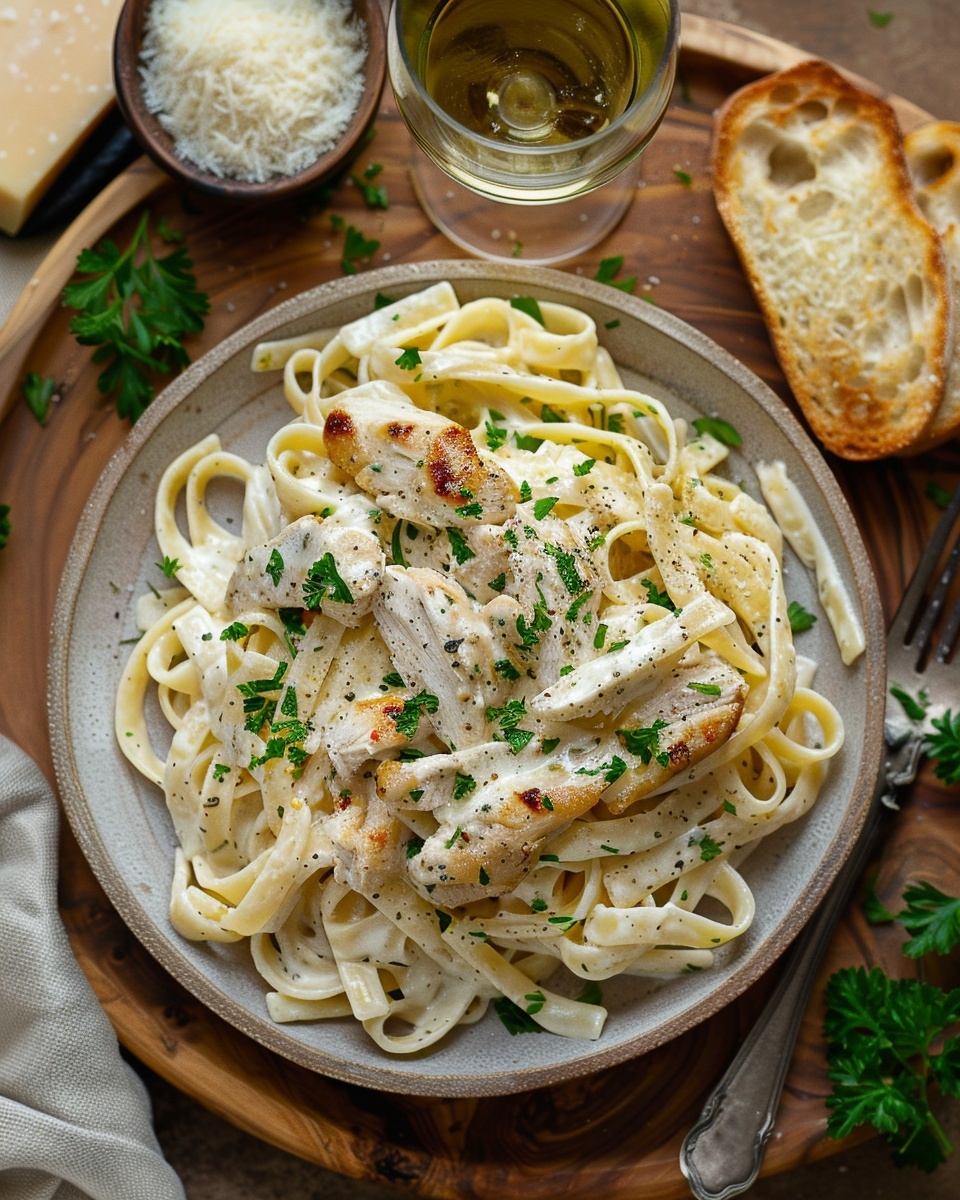
Last Tuesday night, I stood in my kitchen staring at leftover chicken and a box of pasta. My family was hungry, and I needed something quick but satisfying. That’s when I remembered the magic of creamy chicken alfredo pasta. Twenty minutes later, I served up steaming plates of comfort food that had everyone asking for seconds. That’s the beauty of this dish—it feels fancy but comes together fast.
Welcome to my kitchen! Today, I’m excited to share with you a recipe that’s both comforting and delicious: chicken alfredo pasta. Whether you’re looking for a quick weeknight dinner or a special treat, this dish is sure to hit the spot. The rich, velvety sauce coating tender chicken and pasta creates pure comfort food bliss.
In this article, I’ll guide you through making the perfect chicken alfredo pasta, including tips on choosing the right pasta, enhancing the flavor, and even baking it for a different twist. I’ve made this recipe dozens of times, and I’ve learned what works and what doesn’t. Let’s dive in!
What Pasta is Best for Chicken Alfredo?
When it comes to chicken alfredo pasta recipes, the type of pasta you choose can make a big difference. I prefer fettuccine for traditional alfredo. Those long, flat ribbons were made for clinging to thick, creamy sauces. Every bite delivers the perfect pasta-to-sauce ratio.
Penne is my second choice, especially when I’m making a chicken alfredo pasta bake. The tube shape catches sauce inside and outside. Plus, penne holds up better in the oven without getting mushy. My kids actually prefer penne because it’s easier to eat with a fork.
Here are some pasta options that work great with chicken alfredo sauce:
- Fettuccine: The classic choice. Wide, flat noodles hold sauce beautifully.
- Penne: Perfect for baked versions. The tubes trap creamy sauce inside.
- Linguine: Similar to fettuccine but slightly thinner. Great if you want less pasta per bite.
- Rigatoni: Bigger tubes that work well with chunky chicken pieces.
- Farfalle (bow ties): Fun shape that catches sauce in its folds.
If you’re looking for a more unique option, try using a whole grain or gluten-free pasta. These alternatives can add a different dimension to your dish and cater to specific dietary needs. I’ve used chickpea pasta before, and it added a nice nutty flavor that paired well with the rich sauce.
One thing I learned the hard way: don’t use angel hair or thin spaghetti. These delicate pastas get overwhelmed by heavy chicken alfredo sauce. They also clump together too easily. Save those for lighter olive oil-based sauces instead.
The key is choosing pasta with enough surface area or texture to hold onto that gorgeous cream sauce. When pasta and sauce connect properly, each bite tastes complete. You won’t end up with a pool of sauce at the bottom of your plate.
I always cook my pasta one minute less than the package directions suggest. That’s especially important if you’re making a chicken alfredo pasta bake. The pasta will keep cooking in the oven, and you don’t want it turning to mush. This simple trick has saved many of my baked pasta dishes.
Another tip: save about a cup of pasta water before draining. That starchy water is gold for adjusting sauce consistency. If your alfredo gets too thick, a splash of pasta water brings it back to life. The starch helps the sauce cling to the pasta better too.
The Foundation of Great Chicken Alfredo
The pasta might be important, but the sauce makes or breaks this dish. A proper creamy chicken alfredo pasta needs sauce that coats your mouth without feeling heavy. I’m talking about that silky texture you get at restaurants, not the gloppy stuff from a jar.
The chicken alfredo pasta Olive Garden style is what most people think of when they hear “alfredo.” It’s rich, creamy, and packed with Parmesan flavor. You can create that same quality at home with just a few simple ingredients. No need to search for chicken alfredo pasta near me when you can make it yourself.
I start with real butter—not margarine or oil. Butter adds flavor that you just can’t fake. Then comes heavy cream, which creates that luxurious texture everyone loves. Some recipes use milk, but heavy cream is worth the extra calories. You’re making comfort food, so commit to it.
Fresh garlic changes everything. I mince two or three cloves and cook them gently in the butter. The smell alone makes everyone gather in the kitchen. Don’t burn the garlic though. Burnt garlic tastes bitter and ruins the whole sauce.
For the cheese, I grate fresh Parmesan every single time. Pre-grated cheese contains anti-caking agents that make your sauce grainy. Fresh Parmesan melts smoothly and tastes infinitely better. I know it takes an extra minute, but trust me on this one.
The chicken deserves attention too. I season chicken breasts with salt, pepper, and Italian seasoning before cooking. Sometimes I add a squeeze of lemon juice for brightness. The chicken should be juicy and flavorful on its own, not just a protein addition.
I usually pan-sear the chicken until golden brown, then let it rest before slicing. That resting time lets the juices redistribute so your chicken stays moist. Dry chicken ruins an otherwise perfect chicken alfredo pasta recipe tasty enough to impress anyone.
Some people add chicken alfredo with broccoli, which I love for sneaking vegetables into dinner. Steam the broccoli until just tender-crisp, then toss it in right before serving. The bright green color looks beautiful against the creamy white sauce. Plus, the slight bitterness of broccoli balances the rich sauce perfectly.
If you want to make chicken alfredo penne with extra vegetables, try mushrooms or sun-dried tomatoes. These additions create new flavor layers without overwhelming the classic alfredo taste. I’ve also added spinach, which wilts right into the hot sauce and adds nutrients.
The timing matters when bringing everything together. I cook the pasta, make the sauce, and cook the chicken all at the same time. It sounds chaotic, but with practice, everything finishes within minutes of each other. Hot pasta mixed with hot sauce creates the best texture.
Many chicken alfredo pasta recipes suggest tossing everything in the sauce pan. I agree with this method. Take the pasta straight from the water with tongs and add it to your sauce. The pasta water that comes along helps thin the sauce naturally. Then add your sliced chicken and toss everything together over low heat.
This creates a dish where every component is properly coated and integrated. The sauce doesn’t separate or slide off the pasta. Everything sticks together in creamy harmony. That’s what makes restaurant-quality chicken alfredo pasta tasty and memorable.


Ingredients for Chicken Alfredo Pasta
Now that we’ve talked about technique and timing, let’s get practical about what you actually need to buy at the store. The ingredient list for chicken alfredo pasta is surprisingly short. Last weekend, my neighbor asked me for the recipe, and when I rattled off the ingredients, she couldn’t believe that was it. “That’s all?” she said. Yep, that’s the beauty of Italian cooking—simple ingredients, amazing results.
First up, you’ll need boneless, skinless chicken breasts. I usually grab about one and a half pounds for a family of four. That gives everyone a generous portion of protein without turning the dish into just chicken with a little pasta. If you prefer dark meat, chicken thighs work beautifully too. They’re more forgiving if you accidentally overcook them because they stay juicier. My husband actually prefers thighs, but the kids are chicken breast loyalists.
For the sauce, you’ll need butter—and I mean real butter, not the spreadable stuff in a tub. Get yourself half a stick, maybe more if you’re feeling indulgent. I buy salted butter because I like the flavor it adds, but unsalted works fine if that’s what you have. Just adjust your seasoning accordingly.
Heavy cream is non-negotiable. You need about two cups for a proper creamy chicken alfredo pasta. I’ve tried making it with half-and-half when I ran out of heavy cream once. Never again. The sauce just doesn’t thicken properly, and you lose that silky texture that makes alfredo special. It’s like trying to make mac and cheese with skim milk—technically possible, but why would you do that to yourself?
Parmesan cheese deserves its own paragraph because it’s that important. Buy a wedge of real Parmigiano-Reggiano and grate it yourself. You’ll need about a cup and a half, maybe two cups if you’re like me and love extra cheesy chicken alfredo sauce. The flavor difference between fresh-grated and the green can stuff is night and day. I keep a wedge wrapped in parchment paper in my fridge at all times now.
Grab fresh garlic—three or four fat cloves should do it. Pre-minced garlic from a jar works in a pinch, but fresh tastes brighter and more aromatic. I’ve got one of those garlic presses that makes quick work of it. Takes maybe thirty seconds, and the flavor payoff is huge. Similar to how garlic transforms garlic butter noodles, it’s the backbone of your alfredo flavor.
For seasoning, you’ll need salt and pepper. I use kosher salt for cooking and freshly ground black pepper. Some recipes call for nutmeg, which adds a subtle warmth. I go back and forth on this. Sometimes I add a tiny pinch, sometimes I skip it entirely. Try it both ways and see what you prefer.
Obviously, you’ll need pasta—about a pound of fettuccine or penne. We covered this earlier, but it’s worth mentioning again since it’s literally in the name of the dish. I keep both types in my pantry so I can decide based on my mood. Regular nights get fettuccine, baked versions get penne.
Here’s where things get fun. For variations, consider adding fresh broccoli to make chicken alfredo with broccoli. I chop up about two cups of florets and steam them while everything else cooks. The bright green adds visual appeal, and honestly, it makes me feel slightly less guilty about eating a bowl of cream and cheese. My kids tolerate broccoli in alfredo better than they do plain steamed broccoli, so that’s a win.
Spinach is another fantastic addition. A few handfuls of fresh spinach wilted into the hot sauce adds iron and vitamins without changing the flavor much. Baby spinach works best because it’s tender and doesn’t need chopping. It practically disappears into the sauce, making it perfect for sneaking greens past picky eaters.
By the way, I sometimes throw in sun-dried tomatoes for a tangy contrast to the rich cream. They’re not traditional, but they add these little bursts of concentrated tomato flavor that cut through the heaviness. Chop them up small and stir them in at the end. If you love tomatoes in pasta, you might also enjoy spaghetti bolognese for a completely different take on Italian comfort food.
Some people like adding white wine to the sauce for depth. I’ll occasionally splash in a quarter cup before adding the cream. Let it simmer for a minute to cook off the alcohol. The acidity brightens everything up and keeps the sauce from feeling too heavy on your palate.
How to Make Creamy Chicken Alfredo Pasta
Alright, you’ve got your ingredients lined up on the counter. Now comes the fun part—actually cooking this thing. I’m going to walk you through my method step by step, the same way I’d show a friend in my kitchen.
Start with the pasta. Fill your largest pot with water and get it boiling. Salt it generously—the water should taste like the ocean. I’m not kidding about this. Pasta cooked in bland water tastes bland no matter what sauce you put on it. Once it’s at a rolling boil, add your fettuccine or penne and set a timer for one minute less than the package says. We talked about this before, but it’s crucial. You want al dente pasta that still has a little bite to it.
While the pasta bubbles away, season your chicken breasts with salt, pepper, and maybe some Italian seasoning if you have it. Heat a large skillet over medium-high heat and add about a tablespoon of butter. Once it’s melted and starting to foam, lay those chicken breasts in the pan. Don’t move them around—just let them cook. You want a nice golden-brown crust, which takes about six or seven minutes per side depending on thickness.
Here’s the thing about cooking chicken properly: patience. I used to flip my chicken constantly, poking at it, checking it every thirty seconds. All that did was prevent browning and dry out the meat. Now I put it in the pan and walk away. Set a timer if you don’t trust yourself. When it’s golden on one side, flip it once and cook the other side. Use a meat thermometer if you’re unsure—165°F is your target temperature.
Once the chicken is cooked through, remove it from the pan and set it on a cutting board. Let it rest for at least five minutes. This isn’t optional. The juices need time to redistribute throughout the meat. If you cut it immediately, all those juices run out onto your cutting board instead of staying in the chicken. I’ve learned this lesson the hard way too many times.
Don’t wash that skillet! All those browned bits stuck to the bottom are pure flavor. Leave them right where they are. Reduce your heat to medium and add another two or three tablespoons of butter. Let it melt completely, then add your minced garlic. Stir it around for maybe thirty seconds until you can smell it. Your whole kitchen will smell amazing at this point.
Now pour in your heavy cream. Watch it sizzle as it hits the hot pan. Bring it up to a gentle simmer—you’ll see small bubbles forming around the edges. Let it cook for a few minutes, stirring occasionally. You’re reducing the cream slightly and letting it pick up all those flavor bits from the bottom of the pan.
Time to add the star of the show: Parmesan cheese. Add it gradually, maybe a handful at a time, stirring constantly. The cheese needs to melt slowly and evenly. If you dump it all in at once, you risk getting clumps. Trust me, I’ve ended up with weird cheese balls in my sauce before, and it’s not a good look. Keep stirring until the sauce is smooth and velvety. It should coat the back of a spoon thickly.
Taste your sauce and season it with salt and pepper. Remember that Parmesan is already salty, so you might not need much additional salt. I usually add more pepper than I think I need because I love that little kick. This is your moment to make the sauce perfect for your taste buds.
By now your pasta should be done. Use tongs or a spider strainer to transfer it directly from the pot into your sauce. Yes, it’s okay if some pasta water comes along—actually, it’s better that way. The starchy water helps the sauce cling to the pasta. Toss everything together over low heat for a minute or two. The pasta will finish cooking in the sauce and absorb all that creamy goodness.
Slice your rested chicken into strips and add it to the pan. Toss it all together one more time. If you’re adding broccoli or spinach, now’s the time. Funny enough, my daughter once told me that chicken alfredo penne looked like “fancy adult food,” which I guess it kind of is. It’s impressive enough for company but easy enough for a Tuesday.
The finished dish should look glossy and well-coated. Every piece of pasta should have sauce clinging to it. If it looks dry, add a splash of that reserved pasta water and toss again. If it’s too thin, let it sit for a minute off the heat—the sauce will thicken as it cools slightly.
This recipe makes enough for four hearty servings, though I’ll admit my teenage son could probably eat half the pan himself. It’s rich, so a little goes a long way. I like serving it with a simple green salad and some crusty bread. The bright, acidic salad cuts through the richness and balances the meal. Plus, that bread is perfect for mopping up any extra sauce on your plate. For another creamy pasta option that’s equally comforting, check out pesto pasta for when you want something with a fresh herb kick.


Adding Flavor and Texture to Your Chicken Alfredo Pasta
Here’s where you can really make this dish your own. Once you’ve mastered the basic chicken alfredo pasta recipe tasty enough to satisfy your family, it’s time to experiment. I think of the classic version as a canvas—beautiful on its own, but even better with a few personal touches.
Mushrooms are my favorite addition, hands down. I slice up about eight ounces of baby bellas and sauté them in butter until they’re golden brown and all their moisture has evaporated. That caramelization brings out an earthy, almost meaty flavor that pairs incredibly well with the chicken alfredo sauce. My father-in-law, who’s not usually big on cream sauces, actually requests the mushroom version now. He says it gives the dish more “substance,” whatever that means to him.
The trick with mushrooms is getting them properly browned. Don’t crowd your pan, and resist the urge to stir them constantly. Let them sit and develop that golden crust on one side before flipping. If you add them when they’re still releasing water, they’ll steam instead of brown. That’s not what you want. Properly cooked mushrooms add these little pockets of umami throughout your pasta that make each bite a tiny adventure.
Sun-dried tomatoes bring a completely different vibe to the table. Chop them into small pieces—maybe a half cup worth—and stir them in right at the end. They add these bright, tangy bursts that cut through all that cream and cheese. The acidity is refreshing, almost like how a squeeze of lemon brightens fish. I discovered this combination by accident when I was trying to use up ingredients before a vacation. Now it’s a regular rotation in my house.
If you like heat, red pepper flakes are your friend. Just a pinch stirred into the sauce adds warmth without making the dish spicy. My teenager started adding extra flakes to his own plate, and now I sometimes make a spicier version just for the adults. The heat doesn’t overpower the cream; it just wakes up your taste buds a little. Sort of like how a good cup of coffee perks you up in the morning.
I’ve also played around with crispy bacon. Cook four or five strips until they’re super crispy, crumble them up, and sprinkle them on top before serving. The salty, smoky crunch against the smooth, creamy pasta creates this amazing textural contrast. Fair warning though—bacon makes everything better, and this is no exception. Your family might refuse to eat the regular version ever again.
For a lighter take, try adding lemon zest. Just the zest, not the juice. Grate the yellow part of one lemon right over your finished pasta. The bright, aromatic oils add freshness without making the sauce acidic or curdled. I learned about this from a cooking show years ago, and it’s become one of my secret weapons. Nobody can quite put their finger on what makes my creamy chicken alfredo pasta taste different, but they always ask for the recipe.
Fresh herbs change the game too. Chopped parsley is classic, but I’ve used basil, thyme, and even tarragon with great results. Add them at the very end so they stay bright and fresh-tasting. Dried herbs don’t work as well here—you really want that pop of green color and fresh flavor. A handful of chopped parsley costs maybe a dollar and makes your dish look restaurant-quality.
By the way, making your own homemade chicken alfredo sauce from scratch isn’t just about following a recipe—it’s about understanding proportions. The basic ratio is roughly equal parts butter and cream, with Parmesan added to taste. Once you internalize that, you can scale up or down depending on how many people you’re feeding. I’ve made sauce for just myself at lunch and for twenty people at a dinner party, all using the same mental formula.
The key to smooth, lump-free sauce is constant whisking, especially when you’re adding the cheese. I keep a whisk in one hand and add cheese with the other, working in a steady rhythm. If you walk away or get distracted, the cheese can clump or the sauce can break. It only takes a few minutes of focused attention, then you’re golden. Think of it like making a good nutrition facts comparison at the grocery store—worth the small effort for better results.
Another texture element I love is toasted pine nuts. Toast about a quarter cup in a dry skillet until they smell nutty and turn light brown. Scatter them over the finished pasta for these little buttery, crunchy surprises. They’re expensive, I’ll admit, but a little goes a long way. Walnuts or even sliced almonds work as budget-friendly alternatives.
Some people add capers for a briny punch, though I know that’s not everyone’s thing. My sister swears by them, but my kids absolutely refuse to eat capers in anything. Know your audience, I guess. The salty, tangy flavor definitely adds complexity if you’re into that sort of thing.
Baking Chicken Alfredo Pasta for a Different Twist
Let’s talk about turning this stovetop classic into a chicken alfredo pasta bake. This version is perfect when you need to feed a crowd or want something you can prep ahead. Last month, I brought a baked version to a potluck, and the dish came back completely empty. Someone even licked the spoon, though they won’t admit it.
The process starts the same way—make your pasta, sauce, and chicken following the steps we already covered. But instead of serving it immediately, you’re going to layer everything in a 9×13 baking dish. I usually undercook the pasta by a full two minutes instead of just one, because it’s going to continue cooking in the oven. Nobody likes mushy baked pasta. It’s one of life’s true disappointments, like getting to the coffee shop and finding out they’re out of your favorite blend.
Once you’ve got your pasta and sauce mixed together, spread it evenly in your buttered baking dish. Nestle those chicken pieces throughout so every serving gets protein. Then comes the fun part: cheese topping. I use shredded mozzarella because it melts beautifully and creates that golden, bubbly top everyone fights over. About two cups should do it, though I’ve been known to add more. We’re not exactly counting calories here.
Here’s something I learned from my grandmother: mix your mozzarella with a little extra Parmesan for the topping. The Parmesan adds flavor while the mozzarella provides stretch and browning. It’s the best of both worlds. She used to make baked ziti this way, and I’ve applied the same principle to chicken alfredo penne bakes with excellent results.
For extra texture, I highly recommend breadcrumbs on top. Mix about a cup of panko breadcrumbs with two tablespoons of melted butter and sprinkle it over the cheese. When it bakes, you get this incredible crispy, crunchy top layer that contrasts with the creamy pasta underneath. It’s like the difference between regular mac and cheese and the kind with a crispy top—there’s just no comparison.
Some people add Italian seasoning to their breadcrumb mixture, which is nice. I sometimes throw in a bit of garlic powder too. My neighbor adds crushed crackers instead of breadcrumbs, which sounds weird but actually works great. She uses Ritz crackers, and the buttery flavor is fantastic. Don’t knock it till you try it.
Bake your chicken alfredo pasta bake at 375°F for about 25 to 30 minutes. You’re looking for the edges to be bubbling and the top to be golden brown. If the top browns too quickly before the pasta is heated through, tent it with foil for the last ten minutes. I’ve burned a few tops in my day by not paying attention, and it’s not the end of the world, but it’s also not ideal.
The beauty of the baked version is that you can assemble it in the morning, stick it in the fridge, and bake it when you get home from work. Just add about ten extra minutes to the baking time if you’re starting with a cold dish. I do this before busy weeknights—come home, preheat the oven, throw in the casserole, and by the time everyone’s changed out of work clothes and set the table, dinner’s ready.
Funny enough, leftovers of the baked version reheat better than the stovetop version. The pasta has already absorbed most of the sauce, so it doesn’t dry out as much in the microwave. My kids actually eat leftover chicken alfredo pasta bake for breakfast sometimes, which initially horrified me but now I just accept as part of teenage life.
Serve your baked version with garlic bread and a simple green salad. The crispy bread is perfect for scooping up any sauce that escapes onto your plate. I make a quick salad with mixed greens, cherry tomatoes, and a basic vinaigrette. The acidity from the dressing cuts through the richness of the pasta and keeps the whole meal from feeling too heavy.
If you’re really feeling ambitious, you could make individual portions in ramekins. They look fancy for dinner parties and solve the age-old problem of some people wanting extra crispy bits. When everyone gets their own ramekin, everyone gets corner pieces. I did this for a dinner party once, and people still bring it up years later. Sometimes presentation really does matter.
One last thing about the baked version: it’s fantastic for using up odds and ends from your fridge. Got some leftover rotisserie chicken? Perfect. Half a bag of frozen mixed vegetables? Throw them in. A little leftover ham? Why not? The forgiving nature of a chicken alfredo pasta bake makes it ideal for creative experimentation. Just keep the sauce-to-pasta ratio balanced, and you’ll be fine.
Whether you prefer the classic stovetop method or the comforting baked version, you’ve now got the tools to make restaurant-quality chicken alfredo at home. If you’re looking for even more inspiration, explore other delicious pasta and noodle recipes that can bring variety to your weekly dinner rotation. The techniques you’ve learned here—proper sauce consistency, seasoning layers, cooking pasta al dente—apply to so many other dishes beyond just alfredo.
Remember, cooking is about making something your own. Don’t be afraid to adjust seasonings, swap ingredients, or put your personal stamp on this classic dish. The best meals come from kitchens where people aren’t afraid to experiment and trust their instincts. You’ve got this.
Frequently Asked Questions About Chicken Alfredo Pasta
What pasta is best for chicken alfredo?
Fettuccine is the traditional and best choice for chicken alfredo because its wide, flat ribbons hold cream sauce beautifully. Penne works wonderfully for baked versions since the tubes catch sauce inside and hold up well in the oven. Linguine, rigatoni, and farfalle are also excellent options. Avoid thin pastas like angel hair or spaghetti, as they get overwhelmed by the heavy sauce and tend to clump together. The key is choosing pasta with enough surface area to hold onto that gorgeous cream sauce.
What are the ingredients for chicken alfredo?
You’ll need boneless chicken breasts (about 1.5 pounds), fettuccine or penne pasta (1 pound), heavy cream (2 cups), real butter (4-6 tablespoons), fresh Parmesan cheese (1.5-2 cups grated), and fresh garlic (3-4 cloves). Season with salt, pepper, and optionally Italian seasoning or nutmeg. That’s really all you need for a basic version. For variations, consider adding broccoli, spinach, mushrooms, or sun-dried tomatoes. The simplicity of the ingredient list is part of what makes this dish so approachable for home cooks.
What makes chicken alfredo taste better?
Fresh ingredients make all the difference—use real butter, heavy cream, and freshly grated Parmesan instead of pre-grated. Properly seasoned chicken that’s been seared until golden adds depth. Adding sautéed garlic, mushrooms, or sun-dried tomatoes creates flavor complexity. A splash of pasta water helps the sauce cling better to the noodles. Don’t forget to season at multiple stages—the chicken, the sauce, and a final taste test before serving. Little touches like lemon zest or fresh herbs at the end can elevate the whole dish.
What’s the secret to good Alfredo?
The secret is patience and proper technique. Use high-quality ingredients, especially real Parmesan and heavy cream. Add the cheese gradually while whisking constantly to prevent clumps. Don’t let the sauce boil once you’ve added cheese, or it can break and become grainy. Toss the pasta directly into the sauce while both are hot, adding pasta water to adjust consistency. The starchy pasta water helps everything come together into a cohesive, clingy sauce that coats every noodle perfectly.
Can I make chicken alfredo ahead of time?
Yes, especially if you’re making a baked version. Assemble the entire chicken alfredo pasta bake in your baking dish, cover it tightly with foil, and refrigerate for up to 24 hours before baking. Add about 10 extra minutes to the baking time if starting from cold. The stovetop version doesn’t hold as well, but you can prep components separately—cook the chicken, grate the cheese, and chop vegetables ahead. Then it’s just a matter of cooking pasta and assembling everything when you’re ready to eat.
How do I store leftover chicken alfredo pasta?
Store leftovers in an airtight container in the refrigerator for up to three days. The sauce will thicken considerably as it cools, which is normal. To reheat, add a splash of milk or cream to a pan and warm it gently over medium-low heat, stirring frequently. You can also microwave individual portions, though I recommend adding a bit of liquid and covering the dish to prevent drying out. The baked version actually reheats better than the stovetop version because the pasta has already absorbed most of the sauce.
Can I freeze chicken alfredo pasta?
You can freeze it, though cream sauces sometimes separate or become grainy when thawed. If you plan to freeze it, slightly undercook the pasta and use full-fat dairy products, which handle freezing better than low-fat versions. Freeze in airtight containers for up to two months. Thaw overnight in the refrigerator before reheating. Add fresh Parmesan and a splash of cream when reheating to refresh the sauce. Honestly, this dish is best enjoyed fresh, but freezing works in a pinch for meal prep.
How can I make chicken alfredo healthier?
Use whole wheat or chickpea pasta for added fiber and protein. Add lots of vegetables like broccoli, spinach, zucchini, or bell peppers to increase nutritional value. You can reduce the amount of cream slightly and use part milk, though the texture won’t be as rich. Choose chicken breast over thighs for lower fat content. Use less butter and cheese than the recipe calls for, though this will impact flavor. Another option is to serve smaller portions alongside a large salad so you’re getting balanced nutrition overall.
Why did my alfredo sauce get grainy or separate?
Sauce becomes grainy when the cheese is added too quickly, overheated, or if you used pre-grated cheese with anti-caking agents. The sauce separates when it boils after adding cheese or if the ratio of cheese to cream is off. To fix grainy sauce, try whisking in a splash of warm cream or pasta water. To prevent separation, keep the heat low once cheese is added and whisk constantly. Always use freshly grated Parmesan and add it gradually. If your sauce breaks completely, sometimes blending it smooth in a blender can save it.
Can I use rotisserie chicken instead of cooking chicken breasts?
Absolutely! Rotisserie chicken is a fantastic shortcut that saves about 20 minutes of cooking time. Just shred or chop about three cups of meat and add it to your sauce at the end to warm through. This is perfect for busy weeknights or when you’re using up leftover chicken. The store-bought rotisserie chicken is already seasoned, which actually adds extra flavor to your dish. I do this all the time when I’m short on time or energy. Nobody will know you took a shortcut, and the results are just as delicious.