
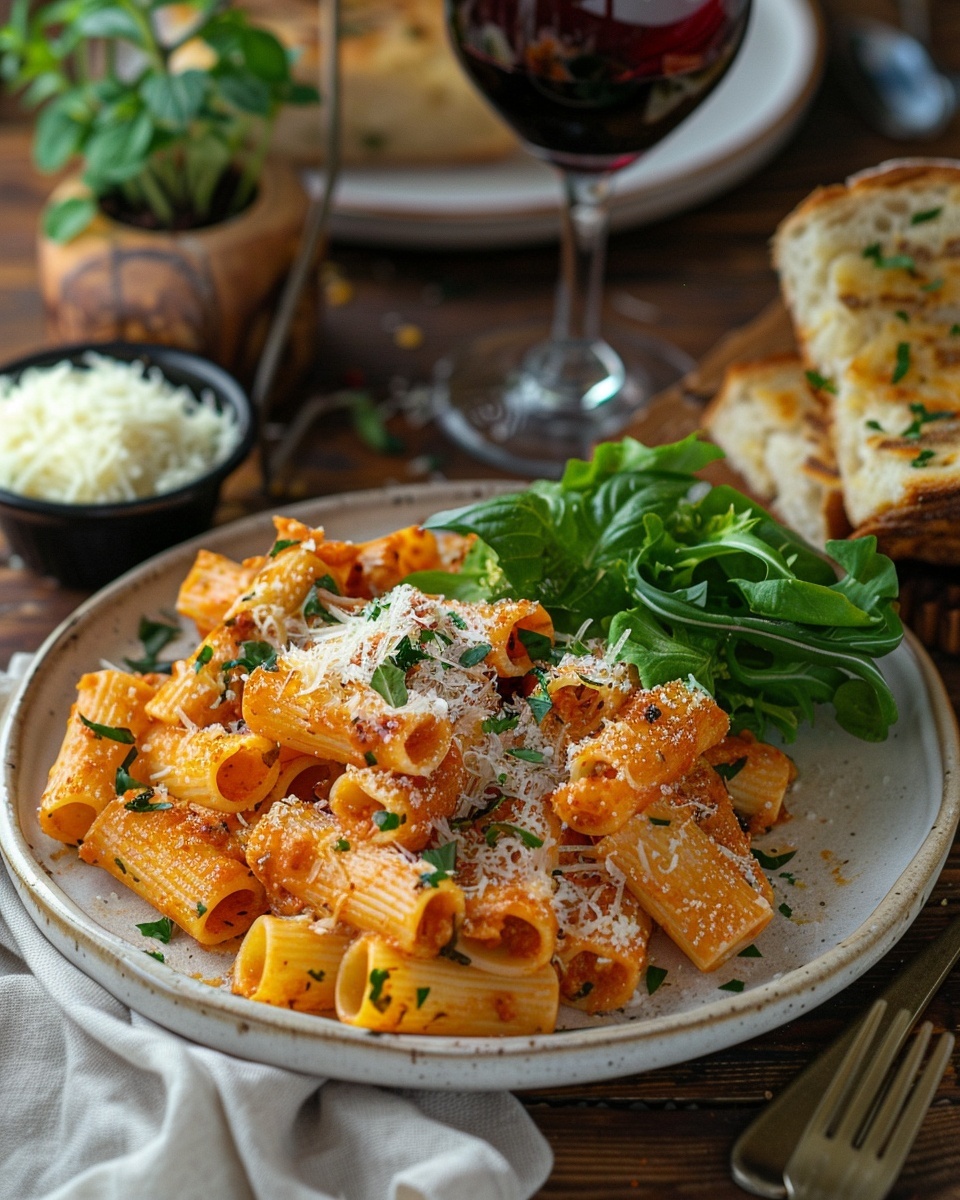
Last Sunday, my neighbor knocked on my door asking what smelled so amazing. I smiled and told her it was my baked rigatoni, fresh out of the oven. She practically invited herself over for dinner! That’s the power of this dish. It fills your home with incredible aromas and brings people together like nothing else.
Welcome to my kitchen! Today, I’m excited to share with you one of my favorite Italian dishes: baked rigatoni. This versatile pasta is not only delicious but also easy to prepare, making it a perfect choice for family dinners or special occasions. In this article, I’ll guide you through the best baked rigatoni recipe and its many variations.
I remember the first time I made baked rigatoni. I was hosting my in-laws for dinner and needed something impressive yet manageable. The result? Clean plates all around and requests for the recipe. Since then, this dish has become my go-to for everything from busy weeknights to holiday gatherings.
What makes baked rigatoni so special? The tubular shape of rigatoni pasta captures sauce both inside and out. When you bake it, the cheese on top gets golden and bubbly while the pasta underneath stays tender and saucy. Each bite delivers the perfect combination of textures and flavors.
The Classic Baked Rigatoni Recipe
Let’s start with the basics. The classic rigatoni recipe is a simple yet flavorful dish that combines perfectly cooked pasta, a rich tomato sauce, and a generous layer of melted cheese. I’ll walk you through the steps to create this comforting meal that never disappoints.
The beauty of the best baked rigatoni recipe lies in its simplicity. You don’t need fancy ingredients or complicated techniques. Just quality pasta, a good tomato sauce, and cheese. That’s it. The magic happens when these simple elements come together in your oven.
I always start by cooking my rigatoni just shy of al dente. This is important because the pasta continues cooking in the oven. If you boil it until fully done, you’ll end up with mushy pasta after baking. Nobody wants that. I typically cook mine for about two minutes less than the package directions suggest.
While the pasta cooks, I prepare my sauce. For a classic version, I use a basic tomato sauce. You can make your own from scratch or use a quality store-bought marinara. I won’t judge either way. Some nights call for shortcuts, and that’s perfectly fine. What matters is the end result.
The cheese layer is where opinions vary. Some people prefer baked rigatoni with ricotta for its creamy texture. Others love the stretch and melt of mozzarella alone. I often use a combination. The ricotta adds richness while the mozzarella provides that irresistible cheese pull when you serve it.
Here’s my basic assembly process:
- Drain the pasta when it’s slightly undercooked
- Mix it with your tomato sauce in a large bowl
- Spread half the mixture in a greased baking dish
- Add dollops of ricotta if using
- Layer the remaining pasta mixture on top
- Cover everything with shredded mozzarella
- Add a sprinkle of parmesan for extra flavor
What temperature do you bake rigatoni? I bake mine at 375°F. This temperature allows the cheese to melt and brown beautifully without drying out the pasta. The dish usually needs about 25 to 30 minutes in the oven. You’ll know it’s ready when the cheese is golden and bubbling around the edges.
If you prefer baked rigatoni with bechamel sauce instead of tomato sauce, you’re in for a treat. Bechamel gives the dish a creamy, luxurious quality. It’s richer than the tomato version and feels more indulgent. I make this variation when I want something extra special or when I’m trying to impress dinner guests.
For a baked rigatoni vegetarian option, skip the meat and load up on vegetables instead. I love adding sautéed mushrooms, spinach, and roasted bell peppers. Zucchini works great too. The vegetables add nutrition and make the dish more colorful. Plus, even meat lovers rarely miss the meat when you pack in enough flavorful veggies.
Some people worry about making baked rigatoni no meat. They think it won’t be satisfying enough. I disagree completely. A well-made vegetarian version can be just as hearty and filling. The key is building flavor through good seasoning, quality cheese, and maybe some extra garlic.
Recently, I discovered baked rigatoni with cream cheese. This might sound unusual, but trust me on this one. The cream cheese melts into the sauce and creates this incredibly smooth, tangy layer. It’s different from ricotta and adds a unique twist to the traditional recipe. My teenage daughter actually prefers this version now.
When I make a make ahead baked rigatoni, I assemble everything but hold off on baking. I cover the dish tightly with foil and refrigerate it for up to 24 hours. When dinner time arrives, I just pop it in the oven. You might need to add five or ten extra minutes to the baking time since it’s starting cold.
Can I bake pasta instead of boiling it? This question comes up often. While you can find recipes for baking uncooked pasta, I don’t recommend it for rigatoni. The texture never comes out quite right. Boiling first ensures the pasta cooks evenly and absorbs the right amount of sauce.
How long do you bake pasta in the oven? For most baked rigatoni recipes, plan on 25 to 35 minutes at 375°F. If you’re baking straight from the fridge, add extra time. If your dish is smaller and deeper, it might need longer. Larger, shallower pans usually cook faster. The best indicator is the cheese on top. Wait for it to turn golden brown.
I always let my baked rigatoni rest for about five minutes after removing it from the oven. This helps everything set up a bit. If you cut into it immediately, the sauce will be runny and the pasta will slide around. Those few minutes of patience make serving so much easier.
The classic rigatoni recipe forms the foundation for endless variations. Once you master this basic version, you can experiment with different sauces, cheeses, and add-ins. That’s what keeps this dish exciting even after making it dozens of times.


Now that you’ve got the foundation down, let’s talk about how to make this dish your own.
Variations on Baked Rigatoni
Here’s the thing about baked rigatoni with Italian sausage—it completely changes the game. The first time I added sausage to my rigatoni, I was using up leftovers from a weekend barbecue. My husband took one bite and declared it better than the original. Sometimes accidents lead to the best discoveries.
For the sausage version, I brown about a pound of Italian sausage before I even think about the pasta. You can use sweet or hot, depending on your preference. I personally like a mix of both because it gives you layers of flavor. Remove the casings and break the meat into chunks as it cooks. Don’t crumble it too finely though. Those bigger pieces create pockets of savory goodness throughout the dish.
Once the sausage is browned and beautifully caramelized, I drain most of the fat but leave a little behind. That fat carries flavor, and we’re not afraid of flavor in my kitchen. Then I add my tomato sauce right into the pan with the sausage. This step matters more than you’d think. The sauce picks up all those browned bits from the bottom of the pan, which adds incredible depth.
By the way, if you’re making baked rigatoni with Italian sausage as a make-ahead meal, the flavors actually improve overnight. The sausage seasons the entire dish as it sits. I’ve served this to guests who couldn’t believe I’d made it the day before. They assumed it was fresh because it tasted so vibrant.
The assembly process stays mostly the same as the classic version. Cook your rigatoni, mix it with the sausage-studded sauce, layer it in your baking dish, and top with cheese. The difference is in every single bite. That sausage adds protein and spice that transforms the dish from simple comfort food to something that feels almost restaurant-quality. If you enjoy meat-based pasta dishes, you might also love my easy carbonara recipe for another weeknight favorite.
Moving on to baked rigatoni bolognese, we’re entering serious Italian territory now. Traditional bolognese sauce takes time. I’m talking hours of simmering. But the result? Absolutely worth every minute. My mother-in-law is from Bologna, and she taught me that patience is the secret ingredient.
A proper bolognese starts with a soffritto—finely chopped onions, carrots, and celery sautéed in olive oil. Then you add ground beef, or better yet, a combination of beef and pork. Some people add veal too, but I usually skip that. The meat gets browned, then you deglaze with wine. Red or white both work. I prefer white because it’s what I usually have open in my fridge.
After the wine reduces, in goes the tomato paste, crushed tomatoes, and here’s the controversial part—a splash of milk. Yes, milk in bolognese. It sounds weird until you taste how it mellows the acidity and adds richness. Then you let everything simmer for at least two hours. Seriously, don’t rush this. Low and slow is the only way.
When I make baked rigatoni bolognese, I usually prepare the sauce on a Sunday afternoon. The house fills with the most incredible smell. Sometimes I’ll make a double batch and freeze half. Having homemade bolognese in your freezer feels like having money in the bank. It’s there when you need it, ready to turn a regular Tuesday into something special.
Funny enough, this bolognese version works beautifully with baked rigatoni with ricotta. The creamy ricotta cuts through the rich meat sauce in the most satisfying way. I dollop the ricotta between layers just like I described earlier, but the combination with bolognese sauce creates something even more luxurious. It’s similar in concept to lasagna rolls, but easier to portion and serve.
For a lighter twist, you could even try this with baked rigatoni with bechamel sauce layered over the bolognese. That’s basically getting into pasta al forno territory, which is traditional in many parts of Italy. The bechamel adds another dimension of creaminess that makes the dish almost impossibly rich. Save this version for special occasions unless you have the metabolism of a marathon runner.
Now let’s talk strategy with make ahead baked rigatoni. This has saved my sanity more times than I can count. Between work, kids’ activities, and just life in general, being able to prep dinner in advance is a superpower.
My approach is simple. I do everything up to the baking step. The pasta gets cooked and mixed with sauce. The cheese gets added. Everything goes into the baking dish. Then instead of sliding it into the oven, I cover it tightly with plastic wrap, then add a layer of aluminum foil over that. The double coverage prevents freezer burn and keeps everything fresh.
You can refrigerate your assembled rigatoni for up to two days or freeze it for up to three months. When I freeze it, I actually prefer using disposable aluminum pans. That way I’m not tying up my good baking dishes in the freezer. Plus, it makes gifting easy. I’ve shown up to new parents’ homes with a frozen baked rigatoni more times than I can count. It’s the kind of meal that people actually appreciate receiving.
Baking from frozen requires a bit of adjustment. I take the dish out of the freezer and let it sit at room temperature for about thirty minutes while the oven preheats. Then I bake it covered with foil for about forty-five minutes at 375°F. After that, I remove the foil and bake for another fifteen to twenty minutes until the cheese browns. The total time nearly doubles when starting from frozen, so plan accordingly.
One question I get constantly is about baked rigatoni vegetarian options that aren’t boring. Listen, I love vegetables, but I also understand that a meatless dish needs to deliver on flavor and satisfaction. My favorite vegetarian version uses a combination of roasted vegetables and sometimes lentils for protein and texture.
I roast eggplant, zucchini, and bell peppers until they’re caramelized and sweet. Those vegetables get mixed right into the sauce with the pasta. The roasting step is crucial. Raw or sautéed vegetables release too much water when you bake the dish. Roasted vegetables have already given up their moisture and concentrated their flavors. Much better results.
Another winning approach for baked rigatoni no meat involves mushrooms. Not just regular button mushrooms either. I use a mix of cremini, shiitake, and portobello. Chop them up and sauté them until they’re deeply browned. Mushrooms provide that umami flavor that makes you forget you’re eating a meatless dish. They add substance and earthiness that feels hearty and satisfying, similar to the depth you’d find in a good shrimp pasta where the seafood brings that satisfying protein element.
For anyone looking for the best baked rigatoni recipe that accommodates different dietary preferences, having a solid vegetarian version in your repertoire is essential. My vegetarian friends have thanked me repeatedly for serving them something that doesn’t feel like an afterthought. It’s a complete meal that everyone at the table can enjoy together.
The beauty of all these variations is how they start from the same basic technique. Whether you’re adding sausage, making a slow-cooked bolognese, or loading up on vegetables, the fundamental process remains the same. Cook the pasta, prepare your sauce, assemble, and bake. What changes is the character and personality of the final dish. And just like with chicken alfredo pasta, each variation brings its own comfort and satisfaction to the table.


Tips and Tricks for Perfect Baked Rigatoni
Let me share some secrets I’ve learned over the years that separate okay baked rigatoni from absolutely spectacular baked rigatoni. These are the details that nobody tells you but make all the difference.
First up, salt your pasta water like the ocean. I’m serious. My Italian neighbor once tasted my pasta and immediately knew I’d been skimping on salt. She told me the water should taste like seawater. It sounds excessive, but pasta absorbs that salt while cooking, and it seasons from the inside out. You can’t replicate that flavor by adding salt later. Trust me on this one.
Here’s something that changed my life: save some pasta water before draining. I scoop out about a cup and keep it nearby. If your sauce seems too thick when mixing with the pasta, add splashes of that starchy water. It loosens everything up and helps the sauce cling to the rigatoni tubes. The starch acts like a binder between sauce and pasta. Plus, since vegetables contain various micronutrients that can be water-soluble, adding some vegetable additions to your sauce enhances both flavor and nutrition.
Speaking of which, the cheese situation deserves more attention. When I make baked rigatoni with cream cheese, I let it come to room temperature first. Cold cream cheese doesn’t distribute evenly. It creates weird clumps instead of melting smoothly into your dish. Same goes for ricotta actually. Room temperature dairy products mix better with hot pasta.
Another trick involves the baking dish itself. I always grease my dish generously, even if it’s nonstick. But here’s what most people don’t do—I also run a thin layer of sauce along the bottom before adding any pasta. This prevents sticking and ensures every portion comes out cleanly. Nobody wants their beautiful rigatoni stuck to the pan bottom.
The size of your baking dish matters more than you’d think. Too shallow and your pasta dries out. Too deep and the middle stays cold while the edges burn. I use a 9×13 inch dish for most recipes that serve six to eight people. If I’m doubling the recipe, I use two dishes instead of one giant pan. They cook more evenly that way.
Now about that question everyone asks: Can I bake pasta instead of boiling it? Technically yes, but I really don’t recommend it for rigatoni. I’ve tried it because I’m curious like that. The results were disappointing every single time. The texture comes out gummy in some spots and crunchy in others. The pasta doesn’t absorb the sauce properly either.
Some recipes claim you can pour uncooked pasta into sauce with extra liquid and bake it all together. I’ve tested this method multiple times trying to save myself a pot to wash. It never works well with rigatoni. The thick tubes need the boiling water environment to cook evenly. Thinner pastas like angel hair might work okay with this method, but not our beloved rigatoni.
The only exception I’ve found is when making baked rigatoni vegetarian or baked rigatoni no meat versions with extremely watery vegetables like fresh tomatoes. Even then, you need to add so much extra liquid that you might as well just boil the pasta normally. It’s not worth the gamble. Boiling takes ten minutes. Just boil the pasta.
Here’s the thing about texture that most recipes don’t emphasize enough. When you bite into perfect baked rigatoni, you should encounter different textures. The top layer has that crispy, golden cheese. Just below that, the pasta is tender and sauce-coated. The middle stays creamy and almost decadent. To achieve these layers, you need to think about your cheese distribution.
I reserve some cheese specifically for the final ten minutes of baking. So instead of adding all the mozzarella at the beginning, I hold back about a third of it. When the dish has baked for fifteen or twenty minutes, I pull it out, sprinkle that reserved cheese on top, and return it to the oven. This creates a fresher cheese layer that hasn’t been cooked as long. It tastes brighter and more pronounced.
Temperature control is absolutely crucial too. What temperature do you bake rigatoni? I mentioned 375°F earlier, but let me explain why that specific temperature works. Lower than that and your cheese won’t brown properly. The dish takes forever and the pasta can get mushy. Higher than that and the top burns before the middle heats through. 375°F hits that sweet spot.
However, if you’re working with make ahead baked rigatoni straight from the refrigerator, I actually start at 350°F covered with foil for the first twenty minutes. This gentler temperature lets the cold center warm up without scorching the edges. Then I remove the foil, increase the heat to 400°F, and blast it for the final ten minutes to brown the cheese. This two-temperature method produces much better results with cold dishes.
How long do you bake pasta in the oven? Beyond the basic twenty-five to thirty-five minutes I mentioned before, here are my real-world observations. A 9×13 dish takes about thirty minutes at 375°F when assembled with warm components. If everything’s cold from the fridge, add fifteen minutes and use the two-temperature method I just described. For frozen rigatoni, you’re looking at a full hour, maybe more.
The visual cues matter more than the timer though. I look for bubbling sauce around the edges. The cheese should be melted completely with golden-brown spots forming on top. If you have a thermometer, the center should reach 165°F. That ensures everything’s heated through safely.
By the way, the resting time after baking might be the most underrated step. I pull my dish out and let it sit for five to ten minutes before serving. During this time, the sauce thickens slightly and the cheese sets up. Cutting into it immediately creates a soupy mess that slides all over the plate. Those few minutes of patience make presentation so much better.
For baked rigatoni with bechamel sauce, you need even more resting time. Bechamel is thinner than tomato sauce and needs longer to stabilize. I give bechamel versions a full ten minutes. Sometimes I’ll tent it loosely with foil during this rest so it stays hot. The wait is worth it when you cut clean squares that hold their shape.
One more thing about working with baked rigatoni with ricotta—don’t just plop random spoonfuls around. I actually put the ricotta in a piping bag or a plastic bag with the corner cut off. Then I pipe it in an even layer across my pasta. This distributes it uniformly so every serving gets some ricotta instead of certain portions having all of it and others having none.
Kitchen equipment makes a difference too. A proper pasta pot with a strainer insert saves so much hassle. You can lift out the pasta and let it drain without wrestling with a colander in the sink. For the baking dish, ceramic or glass works beautifully because they retain heat and create nice browning. Metal pans work fine but they cook faster, so watch your timing.
Leftover baked rigatoni deserves its own conversation. I store it covered in the fridge for up to four days. Reheating is where people often go wrong though. The microwave makes it rubbery. Instead, I reheat individual portions in a covered dish with a tablespoon of water at 350°F for about fifteen minutes. The steam from that water keeps everything moist. It tastes almost as good as fresh.
If you’re browsing for more inspiration beyond baked rigatoni, exploring various pasta and noodle dishes can spark new ideas and techniques that you might incorporate into your cooking rotation.
The best baked rigatoni recipe is ultimately the one you’ll actually make repeatedly. Start with a simple version. Master that. Then experiment with the variations that excite you. Maybe that’s the classic rigatoni recipe with just sauce and cheese. Maybe it’s loaded with vegetables. There’s no wrong answer as long as you’re cooking and enjoying the process.
Making baked rigatoni should feel empowering, not stressful. Yes, there are techniques that improve results. But even an imperfect baked rigatoni made with love beats takeout any day of the week. So gather your ingredients, put on some music, and create something delicious. Your kitchen will smell amazing, and you’ll have a satisfying meal that brings everyone to the table. That’s what cooking should be about.
Frequently Asked Questions
What is the difference between baked ziti and baked rigatoni?
The main difference is the pasta shape. Ziti is smooth and slightly narrower than rigatoni. Rigatoni has ridges on the outside and a wider diameter. The ridges on rigatoni help sauce cling better, which I personally prefer. Both work similarly in baked dishes though. You can actually substitute one for the other in most recipes. The cooking times and assembly methods stay exactly the same regardless of which pasta you choose.
Can I bake pasta instead of boiling it?
While some recipes claim you can bake uncooked pasta, I don’t recommend it for rigatoni. The thick tubes need direct heat from boiling water to cook evenly throughout. Baking uncooked rigatoni results in inconsistent texture—some pieces stay crunchy while others get gummy. The pasta also won’t absorb sauce properly. Just boil your rigatoni for eight minutes before baking. It’s worth the extra step for much better results.
How long do you bake pasta in the oven?
Most baked rigatoni dishes need twenty-five to thirty-five minutes at 375°F when assembled with warm ingredients. If you’re baking straight from the refrigerator, add fifteen extra minutes and consider covering it with foil for the first half of cooking. Frozen rigatoni takes about an hour total. The cheese should be golden brown and bubbling around the edges when it’s done. Let it rest five to ten minutes before serving for the best texture and easier portioning.
What temperature do you bake rigatoni?
I bake rigatoni at 375°F for the best balance of thorough heating and proper cheese browning. This temperature allows the middle to heat completely while the cheese on top melts and develops those golden-brown spots everyone loves. Lower temperatures take too long and can make pasta mushy. Higher temperatures burn the top before the center warms through. If working with a cold dish from the fridge, you might start at 350°F covered, then finish uncovered at a higher temperature.
Can I freeze baked rigatoni before cooking it?
Absolutely! Freezing assembled but unbaked rigatoni is one of my favorite meal prep strategies. Assemble everything in your baking dish, cover it tightly with plastic wrap and then aluminum foil, and freeze for up to three months. When ready to cook, you can bake it straight from frozen. Just add extra time—about forty-five to sixty minutes total. I usually bake covered for the first forty-five minutes, then uncovered for fifteen more to brown the cheese.
Why is my baked rigatoni dry?
Dry baked rigatoni usually happens for two reasons. First, you might be overcooking the pasta during boiling, which causes it to absorb too much liquid during baking. Second, you might not be using enough sauce. I always make sure my pasta is generously coated with sauce before baking. If your sauce seems thick, thin it with reserved pasta water. Covering the dish with foil for part of the baking time also helps retain moisture.
Can I make baked rigatoni without ricotta?
Yes, definitely! Many versions of baked rigatoni skip ricotta entirely and use only mozzarella and parmesan. Some people don’t enjoy ricotta’s texture, and that’s completely fine. You can also substitute cottage cheese if you want that creamy element without ricotta. Or try cream cheese for a tangier, smoother result. The dish works beautifully with just sauce, pasta, and melted mozzarella on top.
How do I prevent my baked rigatoni from sticking to the pan?
Always grease your baking dish thoroughly, even if it’s nonstick. I use butter or olive oil spray and make sure to coat the sides too, not just the bottom. Then spread a thin layer of sauce across the bottom before adding any pasta. This creates a barrier between the pasta and the pan. When the dish is done, let it rest for five to ten minutes before serving. This resting time makes it much easier to scoop out clean portions.
What’s the best cheese for baked rigatoni?
Mozzarella is essential for that classic melty, stretchy quality. I use whole milk mozzarella, not fresh mozzarella, which releases too much water. Beyond that, parmesan adds sharp, salty flavor. Ricotta provides creaminess between layers. My standard ratio is two cups mozzarella, half cup parmesan, and one cup ricotta for a 9×13 pan. You can adjust based on how cheesy you like your pasta. Some people add provolone or fontina for extra flavor depth.
How far in advance can I assemble baked rigatoni?
You can assemble baked rigatoni up to twenty-four hours before baking and keep it refrigerated. Cover it tightly with plastic wrap or foil so it doesn’t dry out. When ready to bake, let it sit at room temperature for about thirty minutes while your oven preheats. Then bake as usual, adding five to ten extra minutes since it’s starting cold. This makes it perfect for entertaining since you can prep during the day and just bake when guests arrive.
Baked Rigatoni
Ingredients
Equipment
Method
- Preheat the oven to 375°F (190°C).
- Cook rigatoni in salted water until slightly undercooked, about two minutes less than package directions.
- Drain the pasta and mix it with tomato sauce in a large bowl.
- Grease a 9x13 inch baking dish with olive oil.
- Spread half the pasta mixture into the baking dish.
- Add dollops of ricotta cheese, if using.
- Layer the remaining pasta mixture on top.
- Cover the top with shredded mozzarella cheese and sprinkle with parmesan.
- Bake for 25 to 30 minutes, or until the cheese is golden and bubbly.
- Let the dish rest for 5 to 10 minutes before serving.
Nutrition
Notes
Tips for a vegetarian version include using roasted vegetables for added flavor and texture; cooking them beforehand reduces excess moisture during baking.
For make-ahead meals, assemble the dish a day in advance, keeping it covered in the fridge. Just add a few extra minutes to the baking time if it's starting cold.
Storing leftovers? Reheat gently in the oven for the best texture. Enjoy your comforting baked rigatoni, and don’t hesitate to share with friends and family!