
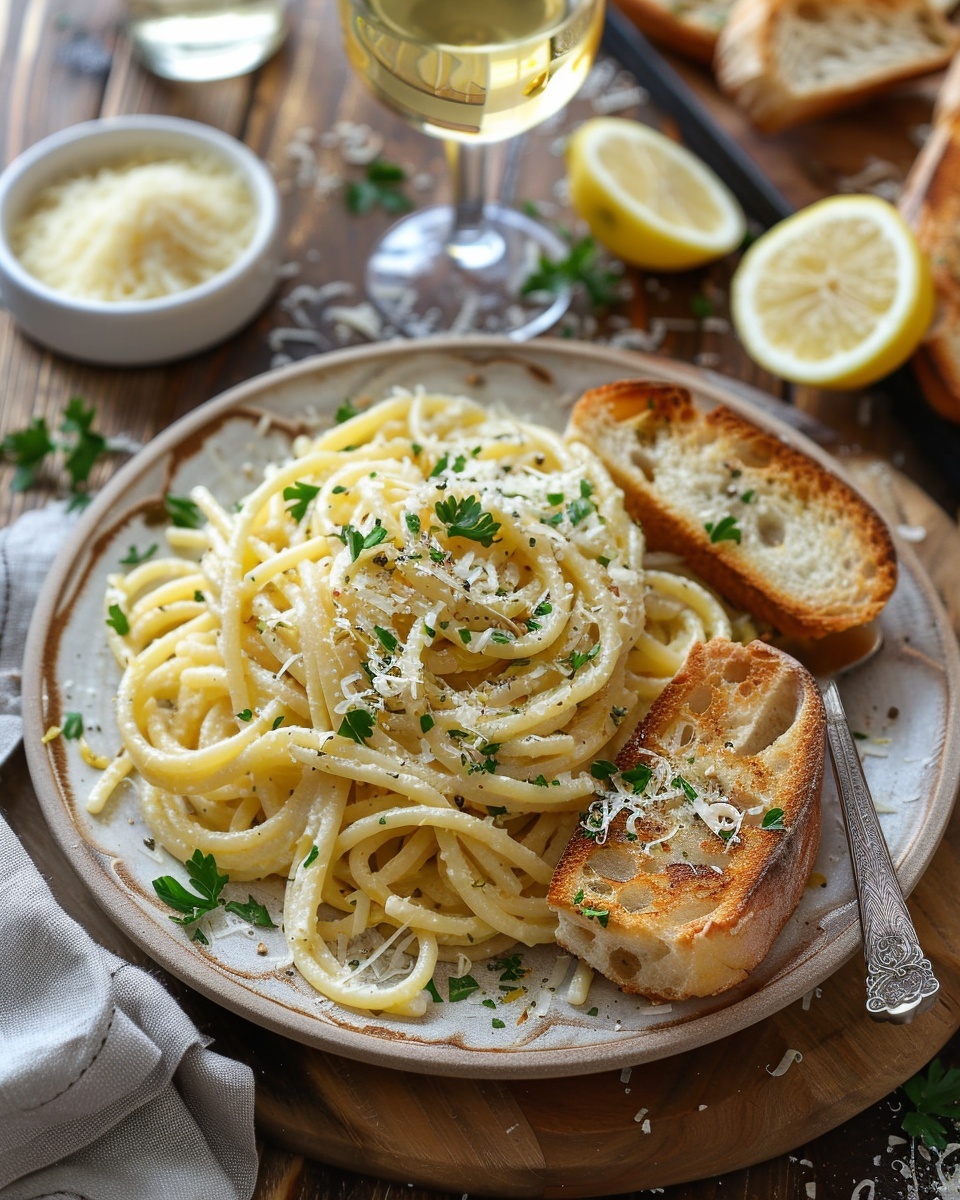
Introduction: Why Lemon Butter Pasta Deserves a Spot on Your Dinner Table
I still remember the first time I tasted lemon butter pasta at a small Italian restaurant in Boston. One bite and I was completely hooked. The bright, tangy lemon paired with rich, creamy butter created this amazing flavor that I couldn’t stop thinking about for days. I went home that night and tried to recreate it in my own kitchen. That’s when I realized this dish isn’t just delicious—it’s also surprisingly easy to make.
Lemon butter pasta has become one of my go-to recipes when I want something quick but impressive. It’s perfect for busy weeknights or when you’re hosting friends and want to look like a professional chef without the stress. The best part? You probably already have most of the ingredients in your kitchen right now.
This dish strikes the perfect balance between tangy and creamy flavors. The lemon adds a fresh, bright note that cuts through the richness of the butter and cream. It’s light enough for summer evenings but comforting enough for colder months. I’ve noticed more and more restaurants across the USA adding their own versions to their menus, from casual cafes to upscale dining spots.
What makes lemon butter pasta so popular is its versatility. You can enjoy it plain as a simple side dish, or you can add protein like grilled chicken or sautéed shrimp to make it a complete meal. I’ve thrown in fresh vegetables, changed up the pasta shapes, and even experimented with different herbs. Every version turns out great.
What is Lemon Butter Pasta?
At its core, lemon butter pasta is a simple Italian-inspired dish that combines cooked pasta with a sauce made from butter, fresh lemon juice, and often some pasta water. The magic happens when these basic ingredients come together to create a silky, flavorful coating that clings to every strand of pasta.
The dish typically includes:
- Your favorite pasta (spaghetti, linguine, or fettuccine work great)
- Fresh lemon juice and zest
- High-quality butter
- Reserved pasta water for the perfect consistency
- Salt and black pepper to taste
- Optional additions like garlic, Parmesan cheese, or fresh herbs
The star of this dish is the lemon butter sauce. This sauce transforms ordinary pasta into something special. When you combine the acidity of fresh lemon with the fat from butter, you create a balanced sauce that’s both bright and rich. The pasta water acts as an emulsifier, helping everything blend together into a smooth, creamy coating.
I love how adaptable this recipe is. Some nights I keep it simple with just lemon and butter. Other times I’ll make a lemon butter garlic pasta sauce by adding minced garlic to the butter before tossing in the pasta. The garlic adds depth and a savory note that complements the lemon beautifully.
For a more elegant version, you can create a white wine lemon butter sauce for pasta. The white wine adds complexity and a slight acidity that enhances the lemon flavor. I usually add the wine after cooking the garlic, let it reduce by half, then add the butter and lemon.
When I’m cooking for my family, I often add protein to make it more filling. A lemon butter sauce for pasta and chicken is one of my favorite combinations. I season chicken breasts with salt and pepper, pan-sear them until golden, then slice them and toss everything together with the pasta and sauce. The chicken soaks up all those amazing flavors.
If you prefer seafood, a lemon butter sauce for pasta and shrimp is equally delicious. Shrimp cooks in just a few minutes, making this an incredibly fast meal. The sweet, delicate flavor of shrimp pairs wonderfully with the tangy lemon sauce. Sometimes I’ll make a creamy lemon garlic shrimp pasta by adding a splash of heavy cream to the sauce for extra richness.
What is Lemon Butter Sauce Made Of?
The beauty of lemon butter sauce lies in its simplicity. You don’t need fancy ingredients or complicated techniques. Here’s what goes into a basic version:
Basic Lemon Butter Sauce Recipe:
- 4 tablespoons unsalted butter
- Juice of 1-2 fresh lemons (about 3-4 tablespoons)
- Zest of 1 lemon
- 1/4 cup reserved pasta water
- Salt and freshly ground black pepper
- Optional: 2-3 cloves minced garlic
Each ingredient plays a specific role. The butter provides richness and helps create that silky texture we all love. I always use unsalted butter so I can control the salt level myself. The lemon juice brings brightness and acidity, cutting through the butter’s heaviness. Fresh lemon juice makes a huge difference—I never use the bottled stuff for this recipe.
The lemon zest is where the real lemon flavor lives. Those tiny yellow bits contain essential oils that pack an intense citrus punch. When I zest my lemons, I’m careful to only get the yellow part and avoid the white pith, which tastes bitter.
Pasta water is the secret ingredient many people overlook. That starchy water helps emulsify the sauce, bringing the butter and lemon together into a cohesive coating. It also loosens the sauce to the perfect consistency. I always reserve at least a cup of pasta water before draining.
For a richer version, some recipes call for heavy cream, creating a creamy lemon butter pasta sauce. The cream mellows out the lemon’s acidity and creates an even more luxurious texture. I add about 1/2 cup of cream after the butter melts and let it simmer for a minute or two.
If you prefer a lemon pasta sauce without cream, you can achieve a creamy texture by adding grated Parmesan cheese instead. The cheese adds body and a salty, nutty flavor that works wonderfully with lemon. I whisk in about 1/2 cup of freshly grated Parmesan off the heat so it doesn’t clump.
Do Italians Use Lemon in Pasta?
Absolutely! Lemon has a long history in Italian cooking, especially in southern regions where citrus trees thrive. I learned this during a trip to the Amalfi Coast, where lemons are everywhere—in drinks, desserts, and yes, pasta dishes.
Traditional Italian cuisine celebrates simple, fresh ingredients. Lemon pasta fits perfectly into this philosophy. Italians have been using lemon to brighten pasta dishes for generations. The acidity cuts through rich sauces and brings out other flavors in the dish.
One classic Italian recipe is pasta al limone, which originated in southern Italy. This dish combines pasta with lemon juice, olive oil, and Parmesan cheese. It’s simple but packed with flavor. The recipe has been passed down through families for decades.
In coastal regions, cooks often pair lemon sauce for pasta with seafood. The lemon complements the natural sweetness of fish and shellfish without overpowering it. I’ve tried versions with clams, mussels, and scallops—all fantastic.
Italians also understand that lemon brings balance to cream-based sauces. A light sauce for pasta with chicken often includes lemon to prevent the dish from feeling too heavy. The citrus adds freshness that makes you want to take another bite.
Over time, Italian immigrants brought these recipes to America, where they evolved and adapted to local tastes. American cooks added their own touches, like extra garlic or cream, creating new versions while honoring the original spirit of the dish. That’s why you’ll find so many variations of lemon butter pasta across the USA today.


How to Make the Perfect Lemon Butter Pasta Sauce
Now that we know the cultural roots of this dish, let’s talk about actually making it in your kitchen. I’ve made this sauce probably a hundred times by now, and I’ve learned some tricks along the way that make a real difference.
The first thing I want to stress is using fresh lemons. Seriously, don’t even think about reaching for that plastic lemon-shaped bottle in your fridge. Fresh lemons completely change the game. The flavor is brighter, more complex, and just tastes alive in a way that bottled juice never will. I usually buy my lemons a day or two before I plan to cook—they’re easier to juice when they’re at room temperature. A quick trick I learned from my grandmother: roll the lemon firmly on your counter before cutting it. This breaks down the membranes inside and releases way more juice.
Creating a creamy lemon butter pasta sauce without it breaking or looking greasy takes a bit of technique, but once you get it, you’ve got it forever. The key is controlling your heat and adding ingredients in the right order. I start by melting my butter over medium-low heat—not medium, not medium-high. You want the butter to melt gently without browning. If your butter starts sizzling aggressively or turning brown, your heat is too high.
Here’s the thing about pasta water that nobody told me when I first started cooking: it’s basically liquid gold for making sauces. The starch released from the pasta acts like a natural thickener and emulsifier. When I add it to my butter, I do it gradually, maybe a tablespoon or two at a time, whisking constantly. This creates a sauce that clings to the pasta instead of pooling at the bottom of the bowl. If your sauce looks too thick, add more pasta water. Too thin? Let it simmer for another minute while stirring.
How to Add Lemon to Butter Without Curdling
This question comes up constantly, and honestly, I messed this up so many times before I figured it out. The problem is that lemon juice is acidic and butter is fat, and they don’t naturally want to stay together. Add cold lemon juice to hot butter too quickly, and you’ll end up with a broken, separated mess that looks more like salad dressing gone wrong.
My foolproof method goes like this: once my butter is melted and I’ve added some pasta water, I remove the pan from the heat for about thirty seconds. This slight cooling prevents the lemon from shocking the butter. Then I add my lemon juice slowly—we’re talking a tablespoon at a time—while whisking vigorously. The constant motion helps the fat and acid combine into a smooth emulsion. After each addition, I whisk for about ten seconds before adding more.
Temperature control is everything here. If you’re making a lemon butter garlic pasta sauce, cook your garlic first in the butter until it’s fragrant, then follow the same process. The garlic adds this amazing depth that makes the whole dish smell incredible. By the way, minced garlic burns easily, so keep your heat moderate and stir it constantly for just about a minute.
Another trick I picked up from a cooking class in San Francisco: add a small pat of cold butter at the very end, off the heat, and swirl it in. This technique, called “mounting” the sauce, gives you that glossy, restaurant-quality finish. The cold butter emulsifies into the warm sauce and creates this beautiful sheen.
Does Lemon Juice Go Well with Pasta Sauce?
Short answer: absolutely. Long answer: it depends on the sauce, but lemon works with way more pasta dishes than you might think.
Lemon juice brings acidity, which is one of those fundamental flavors that makes food taste balanced and interesting. Think about it—when something tastes flat or boring, adding a squeeze of lemon often fixes it. The same principle applies to pasta sauces. Even rich, heavy sauces benefit from a little brightness.
For lemon pasta sauce without cream, the citrus becomes even more important because you don’t have dairy to provide that richness. I make a version with just olive oil, lemon, garlic, and Parmesan that’s become my summer staple. It’s light but satisfying, kind of like carbonara in how it uses simple ingredients to create something greater than the sum of its parts.
When you’re making a light sauce for pasta with chicken, lemon is basically essential in my opinion. Chicken can taste bland on its own, and a bright lemon sauce wakes everything up. I’ll sear chicken thighs in a pan, remove them, then build my sauce in the same pan to pick up all those browned bits. Those little flavor nuggets mixed with lemon and butter create this incredible sauce that makes the chicken taste so much better.
Funny enough, lemon even works with tomato-based sauces, though you need a lighter touch. A tiny squeeze added at the end can brighten a marinara without making it taste citrusy. I learned this watching my Italian neighbor cook—she’d add just a teaspoon to a whole pot of sauce, and somehow it made every other flavor pop.
Variations of Lemon Butter Pasta
This is where things get really fun because you can take the basic formula and run with it in so many directions. I probably have a dozen different versions I rotate through depending on what’s in my fridge or what I’m craving.
The lemon butter sauce for pasta and chicken combination is probably my most-made variation. I usually go with boneless, skinless chicken thighs because they stay juicier than breasts, but use whatever you prefer. After cooking the chicken, I slice it and toss it back into the pasta at the end. Sometimes I’ll throw in some fresh spinach too—it wilts right into the hot pasta and adds color and nutrients. This complete meal takes maybe twenty-five minutes from start to finish.
For special occasions or date nights, I make a white wine lemon butter sauce for pasta that feels fancy but really isn’t complicated. After cooking my garlic in butter, I add about half a cup of dry white wine—something you’d actually want to drink, not “cooking wine” which usually tastes terrible. Let that wine bubble and reduce by half, which concentrates the flavor and cooks off the harsh alcohol taste. Then I add the lemon juice and pasta water as usual. The wine adds this sophisticated, slightly tangy layer that makes people think you spent hours cooking.
Seafood lovers, listen up: lemon butter sauce for pasta and shrimp might be the ultimate weeknight luxury meal. Shrimp cooks so fast that you can have this on the table in fifteen minutes if you’re organized. I buy frozen shrimp, thaw them in cold water for ten minutes, and they’re good to go. The key with shrimp is not overcooking them—as soon as they turn pink and curl up, they’re done. Overcooked shrimp gets rubbery and sad.
When I really want to impress someone, I pull out my creamy lemon garlic shrimp pasta recipe. This version includes heavy cream, which transforms the whole dish into something decadent. The cream mellows the lemon just enough while adding this silky richness. I usually make this with linguine or fettuccine because the flat noodles hold onto the creamy sauce better than round pasta. It reminds me a bit of the richness you get in baked rigatoni, but with a completely different flavor profile.
For vegetarian nights, I skip the protein entirely and load up on vegetables instead. Asparagus works beautifully with lemon sauce for pasta—the vegetal, slightly bitter notes of asparagus love the bright citrus. I’ll also add peas, cherry tomatoes, or zucchini depending on what’s in season. Sometimes I’ll toss in some arugula at the very end; the peppery greens wilt slightly from the heat but keep their bite.
One variation I stumbled onto by accident has become a family favorite. I was making a basic lemon pasta and had some leftover rotisserie chicken I didn’t want to waste. I shredded it and tossed it in, and the chicken soaked up all that lemony, buttery goodness. Now I intentionally buy rotisserie chicken just to make this version. It’s even easier than cooking chicken from scratch and tastes just as good.
If you’re into seafood beyond shrimp, this sauce works with pretty much everything from the ocean. I’ve made versions with scallops, which are sweet and tender and love lemon. Crab meat is another winner—fancy but easy since you can buy it already picked. Even canned tuna works in a pinch, similar to how simple ingredients come together in dishes like shrimp pasta recipes.
The beauty of these variations is that the technique stays the same. Once you master the basic lemon butter pasta, you’re just switching out proteins or adding vegetables. The core method—cooking your pasta, making your sauce, combining everything with pasta water—remains constant. That’s what makes this recipe so valuable. Learn it once, and you’ve got endless dinner options.
One last variation worth mentioning: I sometimes make this as a side dish for grilled meats or fish. A simple lemon butter pasta pairs wonderfully with grilled salmon or steak. It’s lighter than something heavy like lasagna rolls but more interesting than plain buttered noodles. For side dish portions, I skip the protein additions and keep it straightforward—just pasta, lemon, butter, and maybe some fresh herbs.


Health Benefits and Nutritional Value of Lemon Butter Pasta
Look, I’m not going to pretend that lemon butter pasta is some kind of superfood health miracle. But it’s also not the nutritional disaster you might think. I’ve had so many friends tell me they feel guilty about making pasta dishes, and honestly, that makes me sad because food should bring joy, not guilt. The truth is somewhere in the middle, and there are actually some legitimate health benefits hiding in this delicious bowl of pasta.
Let’s start with the star ingredient: lemon. I started keeping lemons in my kitchen all the time after reading about their benefits, and now I can’t imagine cooking without them. Lemons are packed with vitamin C, which we all know is good for our immune system. One medium lemon gives you about 30-40 milligrams of vitamin C, which is roughly half of what most adults need daily. During cold and flu season, I genuinely think my lemon-heavy cooking helps keep me healthier. Could be placebo effect, but I’ll take it.
Beyond vitamin C, lemons contain antioxidants called flavonoids. These compounds help fight inflammation in your body. I’m not a doctor, but my nutritionist friend explained to me that inflammation is linked to all sorts of health issues, so anything that reduces it is worth having in your diet. The flavonoids in lemon also support heart health by improving blood vessel function. Pretty impressive for such a simple fruit, right?
Here’s something cool I learned: lemon juice can actually help your body absorb more iron from the food you eat. If you’re adding vegetables like spinach or arugula to your pasta, the vitamin C in the lemon helps you get more iron from those greens. I found this out when I was dealing with low iron levels a few years back, and it made me appreciate my lemon pasta habit even more.
Now, butter gets a bad rap, but hear me out. Yes, butter contains saturated fat—about 7 grams per tablespoon if you check the fat content breakdown from nutrition databases. But butter also contains fat-soluble vitamins like A, D, E, and K. These vitamins are essential for everything from eye health to bone strength. Plus, fat isn’t your enemy. Your body needs fat to absorb those vitamins and to feel satisfied after a meal. I used to make everything low-fat, and I was constantly hungry and cranky. Once I embraced reasonable amounts of good-quality fats, I actually felt better and stopped obsessing about food.
The key word there is “quality.” I splurge on good butter—usually European-style or grass-fed when I can find it on sale. Better quality butter has a higher percentage of butterfat and more of those beneficial vitamins. It also tastes noticeably better, which means you’re more satisfied with less. Sometimes paying a bit more for ingredients saves you money in the long run because you enjoy your food more and don’t need to eat as much or snack later.
Garlic, which I almost always add to my lemon butter garlic pasta sauce, brings its own health benefits. Garlic has been used medicinally for thousands of years, and modern science backs up at least some of those traditional uses. It contains compounds that can help lower blood pressure and cholesterol levels. My dad started eating more garlic after his doctor suggested it for heart health, and his numbers did improve. Was it just the garlic? Probably not—he made other changes too—but it certainly didn’t hurt.
Pasta itself isn’t the villain it’s sometimes made out to be. A standard serving of pasta provides complex carbohydrates, which your body converts to energy. If you’re active, you need those carbs. I run three times a week, and I definitely notice the difference in my energy levels when I skip carbs versus when I eat them regularly. The trick is portion control—a proper serving is about two ounces of dry pasta per person, which equals roughly one cup cooked. Americans tend to eat way more than that in one sitting, which is where pasta gets its bad reputation.
You can boost the nutritional profile by choosing whole wheat pasta, which adds fiber and more vitamins. I’ll be honest—whole wheat pasta tastes different, and not everyone loves it. I do half whole wheat and half regular sometimes as a compromise. The texture is slightly firmer, which actually works well with lemon sauce for pasta because it holds up to the sauce without getting mushy.
When you add protein like chicken or shrimp to make lemon butter sauce for pasta and chicken or a shrimp version, you’re creating a more balanced meal. Protein helps you feel full longer and provides amino acids your body needs for building and repairing tissues. Chicken breast is lean protein with minimal fat, while shrimp is low in calories but high in nutrients like selenium and vitamin B12. Both options transform your pasta from a side dish into a complete meal that keeps you satisfied.
The vegetables you add make a huge difference too. Every time I toss asparagus, peas, cherry tomatoes, or spinach into my pasta, I’m adding vitamins, minerals, and fiber without many extra calories. This is honestly the easiest way to eat more vegetables without feeling like you’re forcing yourself to eat salad. My kids will pick around vegetables served on the side, but mixed into pasta with that delicious creamy lemon butter pasta sauce? They eat them without complaint.
Fresh ingredients matter more than most people realize. When I use fresh lemon juice instead of bottled, I’m getting way more of those beneficial compounds I mentioned earlier. Fresh garlic contains more allicin, the compound responsible for many of garlic’s health benefits, compared to jarred minced garlic or garlic powder. Fresh herbs like basil or parsley add antioxidants and make the dish taste brighter. It costs a bit more and takes slightly more effort to zest a lemon or mince fresh garlic, but the payoff in both flavor and nutrition is worth it.
One thing I’ve learned to avoid is pre-grated Parmesan cheese from a can. That stuff contains cellulose (wood pulp) to prevent clumping, and it tastes nowhere near as good as freshly grated cheese. When you buy a block of real Parmigiano-Reggiano and grate it yourself, you’re getting pure cheese with no additives. It also melts better into your sauce, creating that lemon pasta sauce without cream that still feels creamy thanks to the cheese.
Tips for Serving and Storing Lemon Butter Pasta
Presentation might seem superficial, but serving your food in an appealing way genuinely makes it taste better to your brain. I’m not suggesting you need to arrange everything like a Michelin-star restaurant, but a few simple touches elevate the whole experience.
I always serve my lemon butter pasta in warm bowls. It sounds fussy, but it takes thirty seconds—just run your serving bowls under hot water or pop them in the microwave for twenty seconds. Hot pasta in a cold bowl loses heat quickly, and nobody wants lukewarm pasta. This trick keeps everything at the perfect temperature while you eat.
Garnishes aren’t just decorative; they add final flavor notes. A sprinkle of fresh chopped parsley or basil adds color and a fresh herbal note. I keep a little bowl of extra lemon zest on the table so people can add more if they want. Some nights I’ll put out red pepper flakes for anyone who wants a kick of heat. A final grating of fresh Parmesan over the top brings everything together and looks beautiful.
For side dishes, I usually keep things simple since the pasta itself is already rich. A basic green salad with a light vinaigrette provides a refreshing contrast. The acidity in the vinaigrette works well alongside the lemon in the pasta. Sometimes I’ll make garlic bread, though that’s definitely overkill on carbs and butter—but hey, some nights call for that. Roasted vegetables like broccoli or green beans make excellent sides too, especially if you’ve made a light sauce for pasta with chicken and want to add more vegetables to the meal.
Wine pairing isn’t something I worry about every night, but when I’m entertaining, a crisp white wine complements this dish beautifully. Pinot Grigio, Sauvignon Blanc, or even a dry Riesling work great with the lemon flavors. If you’ve made a white wine lemon butter sauce for pasta, serve the same wine you cooked with—that’s a classic pairing strategy that never fails.
Here’s the thing about storing leftovers: pasta dishes with butter-based sauces can be tricky. The sauce tends to get absorbed by the pasta as it sits, and when you reheat it, everything can look dry and sad. I’ve found the best approach is to store the pasta in an airtight container in the fridge and add a little extra lemon juice and a pat of butter when reheating. This refreshes the sauce and brings back that silky texture.
Leftovers will keep in the refrigerator for three to four days. By the way, I actually think lemon butter sauce for pasta and shrimp doesn’t reheat as well as the chicken version—shrimp gets rubbery when reheated. If I know I’ll have leftovers, I remove a portion before adding the shrimp and store that separately.
For reheating, I strongly prefer the stovetop over the microwave. Put your leftover pasta in a pan with a splash of water or chicken broth, cover it, and warm it gently over medium-low heat. Stir occasionally until it’s heated through. This method keeps the pasta from drying out and maintains a much better texture than microwaving, which tends to make some bites burning hot and others cold.
If you’re meal prepping, you can cook the pasta ahead and store it separately from the sauce. Toss the cooked, cooled pasta with a tiny bit of olive oil to prevent sticking. Keep it in the fridge for up to three days, then make your sauce fresh when you’re ready to eat. This gives you the convenience of meal prep with the quality of a freshly made dish.
Freezing doesn’t work great for this particular dish, I’ll be honest. Cream-based sauces and butter sauces tend to separate when frozen and thawed. The pasta texture suffers too, getting mushy and waterlogged. If you want to prep ahead, I’d suggest freezing cooked, seasoned chicken separately and making the pasta portion fresh when needed. That way you still save time without sacrificing quality.
One clever way I’ve learned to use leftovers is transforming them into a completely different meal. Cold lemon pasta makes a surprisingly good pasta salad base. Add some cherry tomatoes, cucumber, and a little extra lemon juice and olive oil, and you’ve got lunch. I’ve also used leftover creamy lemon garlic shrimp pasta as a filling for stuffed bell peppers—just stuff the mixture into halved peppers, top with breadcrumbs and cheese, and bake until golden.
When you’re browsing through pasta and noodles recipes, you’ll notice that many have similar storage guidelines because the principles are the same across different pasta dishes.
One final serving tip: timing matters. Pasta waits for no one. I tell my family fifteen minutes before dinner is ready so they can finish whatever they’re doing and wash up. That way, when the pasta is perfectly cooked and tossed with the sauce, everyone is sitting down ready to eat. Pasta continues cooking even after you drain it, so serving it immediately means you get that ideal al dente texture. Even waiting five minutes can turn perfect pasta into soft pasta.
I hope these insights help you feel more confident about not just making lemon butter pasta, but also serving it beautifully and storing it smartly. This dish has earned its place in my regular rotation because it checks all the boxes—delicious, relatively quick, adaptable, and yes, even nutritious when you approach it mindfully. The best part is how impressed people are when you serve it, even though we both know how easy it actually is to make.
The next time you’re standing in your kitchen wondering what to make for dinner, remember this recipe. Mix up a batch of that tangy, buttery sauce, toss it with your favorite pasta, and enjoy a meal that feels special without the stress. You’ve got this.
Frequently Asked Questions
What is lemon butter sauce made of?
The basic lemon butter sauce contains just four main ingredients: unsalted butter, fresh lemon juice, lemon zest, and pasta water. Some versions include minced garlic for extra flavor, while others add heavy cream to create a richer, more luxurious sauce. The pasta water is crucial because the starch helps emulsify the butter and lemon into a smooth, cohesive sauce that clings to the noodles. You can customize the sauce by adding Parmesan cheese, fresh herbs like basil or parsley, or even a splash of white wine for complexity.
Do Italians use lemon in pasta?
Absolutely, lemon is a traditional ingredient in Italian cooking, especially in southern coastal regions like the Amalfi Coast where citrus grows abundantly. Classic Italian dishes like pasta al limone have been made for generations, combining pasta with lemon juice, olive oil, and cheese. Italians appreciate how lemon’s acidity brightens rich sauces and balances cream-based dishes. The tradition of using lemon in pasta came to America with Italian immigrants and has since evolved into many delicious variations while maintaining the spirit of simple, fresh ingredients.
Does lemon juice go well with pasta sauce?
Yes, lemon juice works wonderfully in pasta sauces because it provides acidity that balances rich, heavy ingredients and makes the overall dish taste brighter and more complex. The citrus cuts through butter, cream, and cheese, preventing the sauce from feeling too heavy or one-dimensional. Even tomato-based sauces can benefit from a small amount of lemon juice added at the end. The key is using fresh lemon juice rather than bottled, as fresh juice has a cleaner, more vibrant flavor. Lemon is particularly excellent in sauces paired with chicken, shrimp, or vegetables.
How to add lemon to butter without curdling?
The secret to preventing curdling is controlling your temperature and adding the lemon juice gradually. After melting your butter and adding pasta water, remove the pan from direct heat for about thirty seconds to let it cool slightly. Then add your lemon juice one tablespoon at a time while whisking vigorously to create an emulsion. The constant whisking motion helps the fat and acid combine smoothly instead of separating. Never pour cold lemon juice into very hot butter all at once, as the temperature shock will cause the sauce to break and look greasy.
Can I make lemon butter pasta ahead of time?
Making this dish ahead isn’t ideal because the sauce gets absorbed by the pasta and loses its silky texture when it sits. However, you can prep components separately—cook and season your protein, chop your vegetables, zest your lemon, and measure out ingredients. Store the cooked pasta separately from the sauce if you must prep ahead. When you’re ready to eat, make the sauce fresh and toss everything together. This gives you some convenience without sacrificing quality. If reheating leftovers, add a bit of butter and lemon juice to refresh the sauce.
What type of pasta works best with lemon butter sauce?
Long, thin pasta shapes like spaghetti, linguine, fettuccine, or angel hair work beautifully because they coat evenly with the sauce. The sauce clings to these shapes perfectly and creates that ideal bite with sauce in every forkful. That said, I’ve also made this with shorter shapes like penne or farfalle when that’s what I had on hand, and it still tastes great. The sauce pools inside tubular shapes like penne, which some people actually prefer. Ultimately, use whatever pasta shape you enjoy most—the flavor will be delicious regardless.
How can I make lemon butter pasta healthier?
You can boost the nutritional value by using whole wheat pasta for added fiber and nutrients, though the taste and texture differ slightly from regular pasta. Load up on vegetables like spinach, asparagus, cherry tomatoes, or peas to add vitamins and minerals without many calories. Use a lighter hand with the butter, or substitute half the butter with olive oil, which contains healthier monounsaturated fats. Adding lean protein like grilled chicken breast or shrimp makes the dish more balanced and filling. Finally, watch your portion sizes—stick to about one cup of cooked pasta per serving rather than heaping plates.
Can I use bottled lemon juice instead of fresh?
Technically yes, but I strongly discourage it because the flavor difference is significant. Fresh lemon juice tastes bright, vibrant, and slightly sweet alongside the tartness. Bottled lemon juice often has a flat, one-dimensional acidic taste and sometimes contains preservatives that affect the flavor. Since lemon is the star ingredient in this dish, using fresh juice makes a noticeable difference in the final result. Fresh lemons aren’t expensive, and juicing them takes only a minute or two. Trust me, it’s worth the minimal extra effort for a much better-tasting dish.
What proteins pair best with lemon butter pasta?
Chicken and shrimp are the most popular choices because their mild flavors complement the lemon beautifully without competing with it. Grilled or pan-seared chicken thighs stay juicier than breasts, while shrimp cooks quickly and adds an elegant touch. Scallops are another fantastic option with their sweet, delicate flavor. Even white fish like cod or halibut works well—just be gentle when tossing to avoid breaking up the fish. For a budget-friendly option, canned tuna mixed in creates a pantry-friendly meal that’s still delicious. Vegetarians can add white beans or chickpeas for protein without meat.
Why does my lemon butter sauce look greasy or separated?
A separated sauce usually means the emulsion broke, which happens when the temperature is too high or you added the lemon juice too quickly. The butter and lemon need to be gradually whisked together with pasta water acting as the binding agent. If your sauce separates, remove it from heat immediately and vigorously whisk in a tablespoon or two of pasta water—this often brings it back together. Prevention is easier than fixing, so remember to use moderate heat, add lemon gradually, and whisk constantly. Adding a final pat of cold butter off the heat also helps stabilize the emulsion.
Lemon Butter Pasta
Ingredients
Equipment
Method
- Melt the unsalted butter in a pan over medium-low heat.
- Once melted, add minced garlic if using, cooking until fragrant.
- Remove the pan from heat for about 30 seconds.
- Slowly add the lemon juice one tablespoon at a time, whisking vigorously to create an emulsion.
- Add the lemon zest and reserved pasta water, whisking until smooth.
- Season with salt and pepper to taste.
- Toss the cooked pasta in the sauce until well coated.
- Serve hot, garnished with additional lemon zest, grated Parmesan, or fresh herbs if desired.