
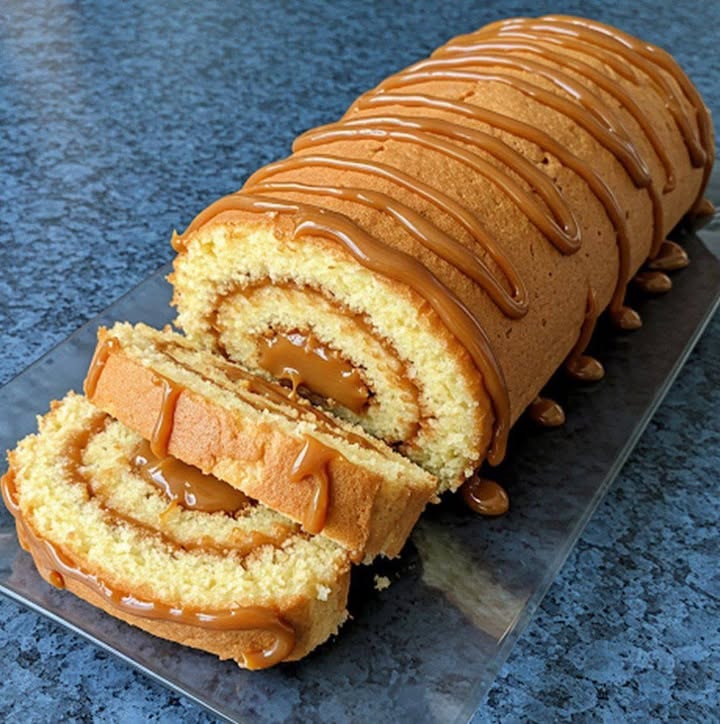
Gypsy Manjar: The Impressive Yet Simple Cake That Steals Every Heart
Have you ever needed a show-stopping dessert but wanted to avoid the fuss? I’m talking about that moment when friends call to say they’re dropping by in an hour. My heart used to sink. Then, I found this cake. The Gypsy Manjar, or “Brazo de Gitano” as my Argentine friend calls it, is my secret weapon. It looks like a patisserie masterpiece but whispers a promise of simplicity. With its cloud-like sponge and a river of sweet, creamy dulce de leche, it’s pure magic. Let me show you how this elegant roll became my go-to for joy.
A Slice of Sweet History: The Wandering Cake
This cake’s name is as romantic as its taste. “Brazo de Gitano” translates to “Gypsy’s Arm,” and its rolled shape is said to resemble a rolled-up sleeve. The story goes that nomadic gypsy communities across Spain and Latin America would make this cake for celebrations. It was perfect—requiring simple pantry staples, easy to transport, and utterly delicious. My friend Lucia from Buenos Aires shared her family’s version with me. She remembers her grandmother making it for every birthday, the kitchen filled with the warm smell of baking sponge. Today, it’s a beloved classic, a humble dessert that dresses up for any occasion.
Why You’ll Absolutely Adore This Recipe
This recipe is a true friend in the kitchen. First, it’s incredibly forgiving. The sponge is light and bakes quickly. Second, the filling is just one glorious ingredient: dulce de leche. No complicated buttercreams here! The contrast between the airy cake and the rich, gooey center is pure heaven. It’s sweet but not cloying, impressive but not difficult. Every time I serve it, I get the same reaction: wide eyes, a moment of silent chewing, and then, “Can I have the recipe?” It never, ever fails.
Perfect Occasions for Your Gypsy Manjar Cake
This is the ultimate versatile dessert. Here’s where it shines brightest:
- Weekend Coffee Chats: It elevates a simple afternoon coffee into a special treat.
- Potluck Savior: It travels well and will be the talk of the table.
- Birthdays & Celebrations: A beautiful, budget-friendly alternative to a frosted layer cake.
- Holiday Dinners: A light yet satisfying end to a rich meal.
- Just Because: Sometimes, a Tuesday deserves a slice of rolled-up happiness.
Gathering Your Ingredients
Simple is the name of the game. Here’s what you need:
- 6 large eggs, at room temperature
- 150 grams (about 3/4 cup) of granulated sugar
- 120 grams (about 1 cup) of all-purpose flour
- 400 grams (about 1 1/3 cups) of dulce de leche repostero (or regular canned dulce de leche)
- Powdered sugar or cocoa powder, for dusting (optional)
No Problem! Handy Substitution Options
Don’t have everything? Let’s improvise!
- Dulce de Leche: Can’t find it? Gently simmer a can of sweetened condensed milk, completely submerged in water, for 2 hours (cool completely before opening!). Or, use a thick vanilla pudding or chocolate hazelnut spread.
- Flour: For a gluten-free version, use a 1:1 gluten-free all-purpose flour blend.
- Topping: Instead of powdered sugar, try a drizzle of melted chocolate or a sprinkle of chopped toasted nuts.
Crafting Your Gypsy Manjar: Step-by-Step
Step 1: Warm Up the Stage
First, we need a warm welcome for our cake. Preheat your oven to 180°C (350°F). This ensures it’s perfectly hot and ready when our airy batter is prepared. Trust me, a hot oven is the secret to that perfect rise. While it heats, line a rectangular baking sheet or jelly roll pan with parchment paper. A light spray of oil under the paper helps it stick.
Step 2: Whip Up a Cloud
Here’s where the magic begins. Crack your room-temperature eggs into a large, clean bowl. Add all the sugar. Now, beat with an electric mixer for a good 5-7 minutes. You’re looking for a miracle: the mixture will turn pale, thick, and wonderfully fluffy. It should triple in volume and leave a ribbon trail when you lift the beaters. This air is what makes our sponge light as a feather. Pro tip: Room temperature eggs whip up much higher and faster than cold ones!
Step 3: Gently Fold in the Flour
Time to add the structure. Sift your flour over the whipped egg mixture. This prevents lumps. Now, use a big spatula and a gentle, enveloping motion from the bottom up. We want to combine the flour without deflating all those precious air bubbles we just created. The batter will become a bit heavier, but it should still look light and airy. Think of it as tucking the flour into the fluffy egg blanket.
Step 4: Spread and Smooth
Pour your beautiful batter onto the prepared pan. Use the spatula to gently spread it into an even layer, reaching all the corners. Don’t press down! Just guide it. You want an even rectangle about 1/4 to 1/2 inch thick. A smooth, even layer is the key to a uniform roll later.
Step 5: Bake to Golden Perfection
Place the pan in your preheated oven. Bake for 10-12 minutes. Watch it closely! The cake is done when the top is a light, springy gold and the edges just begin to pull away from the pan. It will smell sweet and toasty. Pro tip: Overbaking makes the cake dry and hard to roll. It’s better slightly under than over!
Step 6: The Damp Cloth Trick
This is the most important step for a crack-free roll! As soon as the cake comes out of the oven, carefully lay a clean, damp kitchen towel over it. Not dripping wet, just damp. Then, place another sheet of parchment paper or a silicone mat on top of the towel. Now, quickly but gently, flip the whole thing over. Peel off the original parchment paper. You’ll see the beautifully golden bottom of your cake.
Step 7: Roll, Fill, and Dream
Starting from one of the shorter ends, use the towel to help you roll the warm cake up tightly, with the towel and paper inside. Let it cool completely rolled up like this. This “trains” the cake to hold its rolled shape. Once cool, unroll it carefully. Spread the dulce de leche evenly over the surface, leaving a small border. Then, roll it back up (without the towel this time!). Use the parchment to help you tighten it.
Step 8: Dress for Success
Your masterpiece is complete! Now, for the final touch. Place it seam-side down on a serving plate. You can dust the top generously with powdered sugar for a snowy look, or with cocoa powder for a chocolatey hint. I like to drizzle a little extra dulce de leche on top in a zigzag pattern. Chef’s tip: For a clean cut, use a sharp knife dipped in hot water and wiped dry between slices.
Timing Your Sweet Success
- Prep Time: 20 minutes
- Baking Time: 12 minutes
- Cooling/Resting Time: 1 hour
- Total Time: About 1 hour 35 minutes
The Chef’s Secret: The Warm Roll
My number one secret is that initial warm roll with the damp cloth. Rolling the cake while it’s warm and pliable, with the moisture from the towel, keeps it flexible. This prevents those frustrating cracks when you add the filling later. It makes all the difference between a good cake and a picture-perfect one.
A Little Extra Info: Dulce de Leche Love
Did you know dulce de leche literally means “sweet made of milk”? It’s a slow-cooked concoction of milk and sugar that turns into a caramel-like spread. In many Latin American countries, it’s a national treasure, used in everything from cakes to cookies to simply eaten with a spoon. It’s the soul of this dessert.
Necessary Equipment
- Electric hand mixer or stand mixer
- Large mixing bowl
- Rectangular baking sheet/jelly roll pan (approx. 10×15 inches)
- Parchment paper
- Spatula
- Fine-mesh sieve (for sifting flour)
- Clean damp kitchen towel
Keeping Your Gypsy Manjar Fresh
Once assembled, your cake is best enjoyed within 24 hours. To store it, wrap it tightly in plastic wrap or place it in an airtight container. It will keep at room temperature in a cool place for one day.
If your kitchen is warm, or if you want to keep it longer, store it in the refrigerator. The cold will firm up the dulce de leche and the cake will hold its shape beautifully. It can last in the fridge for up to 3 days.
You can also freeze the unfilled sponge roll for up to a month. Wrap it well in plastic and then foil. Thaw in the refrigerator overnight, then unroll, spread with filling, and re-roll fresh.
My Top Tips and Advice for You
- Eggs are Key: Please use room-temperature eggs. They create more volume for a lighter sponge.
- Don’t Rush the Whip: Really beat those eggs and sugar until they are very pale and thick. This step is non-negotiable.
- Fold, Don’t Stir: Be gentle when adding the flour to keep the air in.
- Watch the Clock: Set a timer! Overbaking is the enemy of a soft, rollable cake.
- Use the Right Dulce: If you can find “dulce de leche repostero,” use it. It’s slightly thicker and designed for pastries, so it holds up better.
Presentation Ideas to Wow Your Guests
- Slice into thick rounds and serve on individual plates with a dollop of whipped cream and a strawberry.
- Dust with powdered sugar and decorate with fresh edible flowers for a spring celebration.
- Serve a slice alongside a small scoop of vanilla ice cream for a perfect hot/cold contrast.
- For a festive look, drizzle melted dark chocolate and white chocolate in opposite directions over the top.
Healthier & Fun Alternative Recipes
Love the idea but want to mix it up? Try these twists!
- Chocolate Swirl Gypsy Manjar: Add 2 tablespoons of sifted cocoa powder to half the batter for a marbled effect before baking.
- Berry Bliss Roll: Spread a layer of sweetened whipped cream or mascarpone cheese mixed with dulce de leche, then top with fresh raspberries before rolling.
- Coffee-Kissed Sponge: Add 1 tablespoon of instant espresso powder to the egg and sugar mixture before whipping for a mocha flavor.
- Lemon Zest Delight: Add the zest of one lemon to the batter and fill with lemon curd mixed with a little dulce de leche for a tangy surprise.
- Nutty Crunch: Sprinkle chopped toasted almonds or pecans over the dulce de leche before rolling for added texture.
- Mini Gypsy Bites: Bake the batter in a sheet pan, cut into small squares, and layer with dulce de leche in a trifle dish for easy serving.
Common Mistakes to Avoid
Mistake 1: Using Cold Eggs
Eggs straight from the fridge won’t whip up to their full potential. The proteins are tighter and won’t trap as much air. This leads to a denser, flatter sponge that can be tricky to roll. Always plan ahead and let your eggs sit on the counter for 30-45 minutes before you start baking. If you forget, place them in a bowl of warm (not hot) water for 5-10 minutes.
Mistake 2: Not Whipping Long Enough
This is a common rush job. You might think 2 minutes of mixing is enough, but it’s not. The eggs and sugar need to become very pale, thick, and form ribbons. This aeration is the only leavening in this cake. If you under-whip, your cake will be thin and eggy, not light and spongy. Beat on medium-high speed for a full 5-7 minutes.
Mistake 3: Overmixing After Adding Flour
Once you add the flour, the clock is ticking. Vigorous stirring or beating will knock out all the precious air you just whipped in. This results in a tough, rubbery cake. Use a spatula and a gentle, deliberate folding motion. Stop as soon as you no longer see streaks of flour. A few small lumps are better than a deflated batter.
Mistake 4: Skipping the Damp Cloth
Rolling the warm cake with a damp cloth is not an optional step. It’s the secret to a flexible cake. The moisture softens the top crust and allows the cake to bend without cracking. If you let it cool flat or use a dry towel, the cake’s surface will set and become brittle. When you try to roll it with the filling, it will likely split. Don’t skip the damp cloth!
Your Gypsy Manjar Questions, Answered
Can I make this cake ahead of time?
Absolutely! You have two great options. First, you can bake the sponge, roll it with the damp cloth, and let it cool. Then, wrap the rolled, unfilled cake tightly in plastic wrap and keep it at room temperature for a day or in the fridge for two days. Fill it just before serving for the freshest texture. Second, you can freeze the unfilled sponge roll for up to a month. The fully assembled cake is best eaten within 24 hours for optimal texture.
My cake cracked when I rolled it. What went wrong?
Don’t worry, it happens! The main culprits are usually overbaking or missing the damp cloth step. An overbaked cake loses moisture and becomes brittle. Next time, bake for a minute or two less. Also, the warm cake must be rolled immediately after coming out of the oven with that damp cloth to train its shape. If it cracked a little, don’t stress. Once you roll it with the filling and dust it with sugar, most small cracks will be hidden. It will still taste amazing!
What’s the difference between dulce de leche and caramel?
While they’re both deliciously sweet and gooey, they are made differently. Traditional caramel is made by cooking sugar alone until it melts and browns, then adding cream and butter. Dulce de leche is made by slowly cooking milk and sugar together for a long time. This gives dulce de leche a milkier, richer, and often thicker consistency than many caramel sauces. For this recipe, the thicker texture of dulce de leche works perfectly as a filling.
I don’t have an electric mixer. Can I make this by hand?
You can, but be prepared for a serious arm workout! The goal is to incorporate as much air as possible into the eggs and sugar. Use a large balloon whisk and whisk vigorously for about 10-15 minutes. The mixture should be very pale and thick. It’s harder to achieve the same volume by hand, so your sponge might be a bit denser, but it will still be tasty. If you make cakes often, a simple hand mixer is a great affordable tool to have.
Can I use a different filling?
Of course! The sponge is a perfect blank canvas. While dulce de leche is traditional, feel free to get creative. A thick chocolate ganache, sweetened whipped cream with fruit jam, or a mixture of cream cheese and lemon curd would all be delightful. Just make sure your filling isn’t too runny, or it will squish out and make the cake soggy.
How do I know when the cake is done baking?
Look for visual and tactile clues. The cake should be a light golden color all over, not dark brown. The top will feel springy to a gentle touch. You’ll also see the edges just starting to pull away slightly from the sides of the pan. A toothpick inserted in the center should come out clean or with a few dry crumbs. Because it’s so thin, it bakes very quickly, so keep a close eye after the 10-minute mark.
Why is it called “Gypsy’s Arm”?
The name is a poetic description of its shape. When rolled, the cylinder of cake is said to resemble the arm of a gypsy (or Romani person), perhaps with a rolled-up sleeve. It’s a name used fondly across Spanish-speaking cultures. It speaks to the dessert’s history as a portable, celebratory food made by wandering communities, packed with simple, sweet comfort.
Can I make this gluten-free?
Yes, very easily! Simply replace the 120g of all-purpose flour with the same weight of a good quality 1-to-1 gluten-free all-purpose flour blend (one that contains xanthan gum). The process is exactly the same. The sponge might be slightly more delicate, so be extra gentle when rolling. The flavor and texture will be wonderfully similar.
My dulce de leche is too thick to spread. What can I do?
This is a common issue, especially if the dulce de leche has been in the fridge. Spoon it into a microwave-safe bowl and heat it in 10-second bursts, stirring in between, until it loosens up. You can also place the sealed can (label removed) in a pot of simmering water for 5-10 minutes to warm it through. Be careful opening a warm can. Never microwave a sealed can.
How do I get a perfectly tight roll?
The secret is in the initial “training” roll. When you first roll the warm cake with the damp cloth inside, roll it as tightly as you comfortably can without squishing it. This sets the muscle memory for the cake. When you later unroll it to add the filling, it will naturally want to curve back into that tight roll. Use the parchment paper underneath to help you lift and tuck the edge tightly as you start the final roll.
Ready to Roll Out Some Sweetness?
So there you have it, my dear friend. The Gypsy Manjar is more than just a recipe. It’s a piece of edible history, a testament to the beauty of simple ingredients, and a guaranteed smile-maker. It proves that you don’t need fancy skills to create something truly special. The next time you need a dessert that feels like a hug, remember this spongy, creamy, delightful roll. Gather your eggs, sugar, and that magical jar of dulce de leche. Your kitchen is about to become the heart of a very sweet story. Now, go bake some joy!
Pumpkin Spice Crumb
Ingredients
Equipment
Method
- Preheat your oven to 180°C (350°F) and line a rectangular baking sheet or jelly roll pan with parchment paper.
- Crack the room-temperature eggs into a large bowl, add sugar, and beat with an electric mixer for 5-7 minutes until pale and fluffy.
- Sift flour over the whipped egg mixture and gently fold in using a spatula.
- Pour the batter onto the prepared pan and spread it into an even layer.
- Bake for 10-12 minutes until golden and springy, watching closely to avoid overbaking.
- Lay a clean, damp kitchen towel over the baked cake, then flip it onto another sheet of parchment paper.
- Starting from the shorter end, roll the warm cake tightly with the towel, then let it cool completely.
- Once cooled, unroll the cake carefully, spread the dulce de leche evenly, and roll it back up without the towel.
- Place the cake seam-side down, dust with powdered sugar or cocoa powder, and serve.