
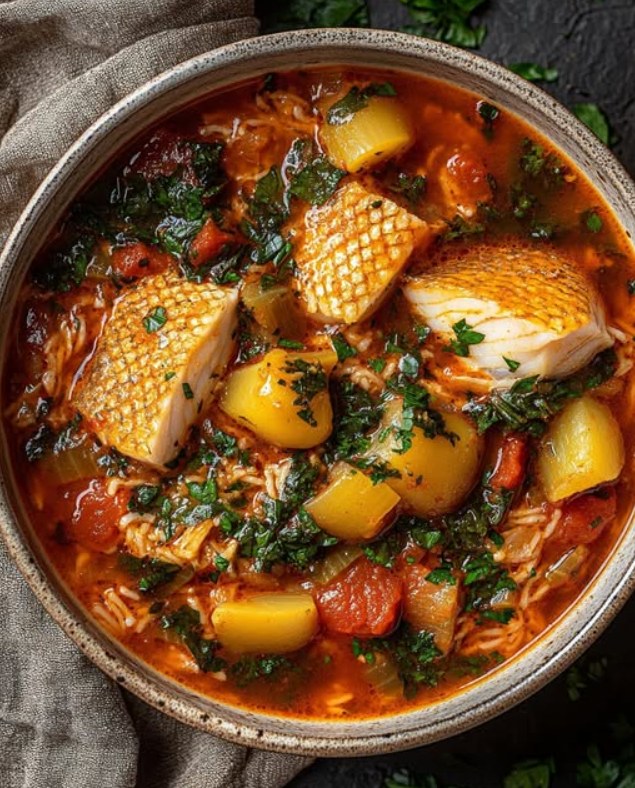
Discover the Magic of Sicilian Fish Stew
Picture this: a cozy evening, the smell of garlic and tomatoes wafting through the air, and a hearty bowl of Sicilian Fish Stew warming your soul. That’s exactly what happened when I first tried making this dish for my family. It was love at first bite! This stew is a celebration of Mediterranean flavors, combining tender fish, sweet raisins, and tangy capers in a rich tomato broth. Whether you’re new to cooking fish or a seasoned pro, this recipe will quickly become a favorite.
A Taste of Sicily
This Sicilian Fish Stew has deep roots in the sunny island of Sicily, where fresh seafood meets vibrant produce. Traditionally, fishermen would use the day’s catch to create simple yet flavorful dishes like this one. Over time, it evolved into a beloved comfort food enjoyed across Italy and beyond. The combination of ingredients—raisins, capers, and fresh herbs—reflects Sicily’s unique blend of cultures. When I made this dish for my friends, they couldn’t believe how something so easy could taste so complex!
Why You’ll Love This Recipe
What makes this Sicilian Fish Stew stand out? First, it’s incredibly versatile. You can use any firm white fish, like cod or halibut, depending on what’s available. Second, it’s packed with flavor but requires minimal effort. The sweetness of raisins balances the briny capers, while the thyme and red pepper flakes add a subtle kick. Plus, it’s ready in under an hour, making it perfect for busy weeknights or lazy weekends.
Perfect Occasions to Make This Dish
This stew shines during casual dinners, potlucks, or even romantic date nights. Serve it during the holidays as a lighter alternative to heavy meals, or bring it to a friend’s housewarming party. It’s also a great way to impress guests without spending hours in the kitchen. Pair it with crusty Italian bread, and you’ve got a meal everyone will rave about.
Ingredients
- 2 tablespoons extra virgin olive oil
- 1 large yellow onion, chopped
- 2 celery stalks, chopped
- 4 garlic cloves, thinly sliced
- ½ teaspoon dried thyme
- A pinch of red pepper flakes
- ¾ cup dry white wine
- 1 (800g) can whole peeled tomatoes, juice reserved
- 3 cups low-sodium vegetable broth
- ¼ cup golden raisins
- 2 tablespoons rinsed capers
- 900g skinless sea bass fillet, cut into large chunks
- ½ cup fresh parsley, chopped
- 3 tablespoons toasted pine nuts (optional)
- Salt and pepper to taste
Substitution Options
If you don’t have all the ingredients, no worries! Swap the sea bass for cod, halibut, or even shrimp. Use chicken broth instead of vegetable broth if needed. No pine nuts? Almonds work just as well. Fresh basil can replace parsley if that’s what you have on hand. Flexibility is key here—make it yours!
Step 1: Sauté the Aromatics
Heat 1 tablespoon of olive oil in a large pot over medium heat. Add the onion, celery, salt, and pepper. Cook, stirring often, until the vegetables soften, about 4 minutes. The onions should turn translucent, and the celery will release its earthy aroma. Pro tip: Don’t rush this step; letting the veggies sweat builds the stew’s foundation.
Step 2: Infuse the Spices
Stir in the thyme, red pepper flakes, and garlic. Cook for 30 seconds until fragrant. Be careful not to burn the garlic—it should sizzle gently, releasing its nutty scent. This quick infusion adds depth to the dish and sets the stage for the rest of the flavors.
Step 3: Deglaze with Wine
Pour in the white wine and reserved tomato juice. Bring the mixture to a boil, then reduce the heat and let it simmer until the liquid reduces by half. This step concentrates the flavors, creating a rich base for the stew. Imagine the steam carrying hints of citrus and herbs—it’s almost hypnotic!
Step 4: Build the Broth
Add the tomatoes, vegetable broth, raisins, and capers. Simmer for 15–20 minutes, allowing the ingredients to meld together. The tomatoes break down into a velvety sauce, while the raisins plump up and the capers add bursts of salty goodness. Stir occasionally to prevent sticking.
Step 5: Cook the Fish
Pat the fish dry with paper towels and season lightly with salt and pepper. Gently place the pieces in the simmering broth, ensuring they’re submerged. Cook for 5 minutes, then remove from heat and let the stew sit for another 4–5 minutes. The fish will flake easily when done, signaling perfection.
Step 6: Finish and Serve
Stir in the parsley and ladle the stew into bowls. Sprinkle toasted pine nuts on top if desired. Serve with warm Italian bread for dipping. The contrast of textures—the tender fish, chewy raisins, and crunchy pine nuts—is simply divine.
Chef’s Tip
To elevate the dish, toast the pine nuts before adding them. Just a minute or two in a dry skillet brings out their natural oils and enhances their nutty flavor. Trust me, it’s worth the extra step!
Timing
- Prep Time: 10 minutes
- Cooking Time: 35 minutes
- Total Time: 45 minutes
Chef’s Secret
Always reserve the tomato juice! It adds acidity and richness to the broth, balancing the sweetness of the raisins and capers. Never underestimate the power of those little details.
Extra Info
Did you know that Sicilians often serve fish stews during festivals? They’re a symbol of abundance and hospitality. Try pairing this dish with a crisp glass of white wine for an authentic experience.
Necessary Equipment
- Large pot or Dutch oven
- Wooden spoon
- Sharp knife
- Cutting board
- Measuring cups and spoons
Storage
Leftover Sicilian Fish Stew keeps well in the fridge for up to 3 days. Store it in an airtight container to preserve freshness. Reheat gently on the stove, adding a splash of broth to loosen the sauce if needed.
For longer storage, freeze portions in freezer-safe containers. Thaw overnight in the fridge before reheating. Note that the texture of the fish may change slightly after freezing, but the flavors remain intact.
Avoid storing leftovers with bread, as the moisture can make the bread soggy. Keep them separate for best results.
Tips and Advice
- Use the freshest fish available for optimal flavor.
- Taste as you go—adjust seasoning gradually.
- Don’t overcrowd the pot when adding fish; cook in batches if necessary.
Presentation Tips
- Garnish with fresh parsley and pine nuts for visual appeal.
- Serve in shallow bowls to showcase the colorful ingredients.
- Add a drizzle of olive oil for shine and richness.
Healthier Alternative Recipes
Here are six variations to try:
- Low-Carb Version: Skip the bread and serve with zucchini noodles.
- Vegetarian Option: Replace fish with chickpeas or tofu.
- Spicy Kick: Increase red pepper flakes or add diced jalapeños.
- Gluten-Free: Ensure all broths and canned goods are certified gluten-free.
- Lighter Broth: Use water instead of broth for a milder taste.
- Herbaceous Twist: Add fresh oregano or rosemary for extra aroma.
Mistake 1: Overcooking the Fish
Fish cooks quickly, and overdoing it can leave it rubbery. To avoid this, watch closely during the last few minutes of cooking. Test doneness by gently separating a piece with a fork—it should flake easily.
Pro tip: Remove the pot from heat slightly before the fish seems fully cooked; residual heat will finish the job.
Mistake 2: Skipping the Toasted Pine Nuts
Untoasted pine nuts lack flavor and crunch. Always toast them briefly in a dry pan to enhance their nuttiness.
Mistake 3: Not Reserving Tomato Juice
The reserved juice adds acidity and body to the stew. Discarding it means missing out on a crucial layer of flavor.
FAQ
Can I use frozen fish?
Yes, but thaw it completely and pat it dry before using. Frozen fish releases more moisture, which can dilute the stew.
What type of wine works best?
Dry white wines like Sauvignon Blanc or Pinot Grigio complement the dish beautifully. Avoid sweet wines, as they clash with the savory elements.
Is this recipe gluten-free?
Yes, provided you use gluten-free broth and check labels on canned goods.
Can I make this ahead?
Absolutely! Prepare everything except the fish, then refrigerate. Add the fish just before serving to ensure it stays tender.
How do I store leftovers?
Keep in an airtight container in the fridge for up to 3 days. Freeze for longer storage.
What sides pair well?
Crusty Italian bread, roasted vegetables, or a simple green salad are excellent choices.
Can I use other types of fish?
Yes, firm white fish like cod, halibut, or snapper work wonderfully.
Do I need to peel the tomatoes?
No, canned peeled tomatoes save time. If using fresh tomatoes, blanch and peel them first.
Can I skip the raisins?
While optional, raisins add sweetness that balances the savory components. Consider trying them once before deciding!
What if I don’t have capers?
Omit them or substitute with chopped olives for a similar briny note.
Final Thoughts
This Sicilian Fish Stew is more than just a recipe—it’s a journey to the heart of Mediterranean cuisine. With its bold flavors, comforting warmth, and ease of preparation, it’s bound to become a staple in your kitchen. So grab your apron, gather your ingredients, and let’s bring a taste of Sicily to your table. Buon appetito!
Sicilian Fish Stew
Ingredients
Equipment
Method
- Heat 1 tablespoon of olive oil in a large pot over medium heat. Add the onion, celery, salt, and pepper, cooking until softened.
- Stir in the thyme, red pepper flakes, and garlic, cooking for 30 seconds until fragrant.
- Pour in the white wine and reserved tomato juice, bringing it to a boil before reducing to a simmer until the liquid reduces by half.
- Add the tomatoes, vegetable broth, raisins, and capers. Simmer for 15-20 minutes, allowing the flavors to meld.
- Pat the fish dry, season with salt and pepper, and gently place in the simmering broth. Cook for 5 minutes, then let it sit off the heat for 4-5 minutes.
- Stir in the parsley and ladle the stew into bowls, topping with toasted pine nuts if desired.
Nutrition
Notes
Leftover stew keeps well in the fridge for up to 3 days in an airtight container. Reheat gently, adding a splash of broth if needed.
For longer storage, you can freeze portions, but note that the texture of the fish might change after freezing, though the flavors will remain intact.
Pair with crusty Italian bread for an authentic experience!