
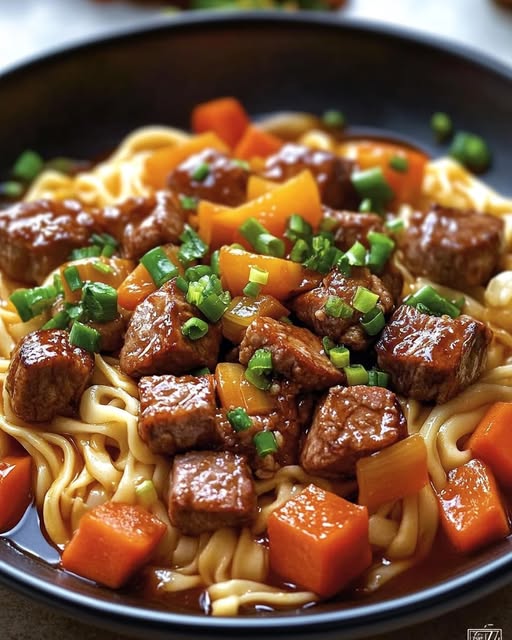
Craving a Restaurant-Quality Meal at Home? Try Beef Vegetable Noodles!
You know that feeling when you’re staring at the takeout menu, craving those sizzling, savory noodles but also watching your wallet? I’ve been there too many times to count. That’s why I spent a whole Sunday afternoon perfecting this recipe for Chinese Beef and Vegetable Noodles. It’s become my family’s favorite “fakeaway” – all the joy of takeout, made with love in my own kitchen. The secret is in the quick marinade and that glossy, umami-packed sauce that coats every single strand and crisp-tender veggie. Trust me, once you taste it, you might just hang up your delivery app for good.
A Quick Trip for Your Taste Buds: The Story of Stir-Fried Noodles
While this specific dish is a modern, home-cooked favorite, its roots run deep in Chinese culinary tradition. Stir-frying, or “chǎo,” is a brilliant technique born from efficiency and flavor. It uses high heat quickly to seal in juices and keep vegetables vibrant. My version is a nod to dishes like Chow Mein, which means “stir-fried noodles.” I remember trying a similar plate at a bustling food market years ago and being fascinated by the chef’s speed and the incredible “wok hei” – that indescribable, smoky breath of the wok. My home stove can’t quite replicate that, but with a few tricks, we get incredibly close. It’s a beautiful blend of tradition and the modern home cook’s need for something delicious and doable on a busy weeknight.
Why You’ll Fall in Love With This Beef and Veggie Noodle Recipe
Let me count the ways! First, it’s a complete meal in one pan (well, mostly one wok). Protein, veggies, and carbs are all happily united. Second, it’s fast. From fridge to table in about 40 minutes. The flavors are incredibly satisfying – savory, slightly sweet, with a hint of ginger and garlic that makes your kitchen smell like a gourmet restaurant. It’s also wonderfully flexible. Don’t have a red pepper? Use broccoli! Not a fan of beef? Swap in chicken or tofu. This recipe is a forgiving friend, not a strict taskmaster. Finally, it just makes everyone at the table happy. There’s something universally comforting about a big bowl of saucy noodles.
When to Whip Up This Winning Noodle Dish
This beef vegetable noodle stir-fry is your new culinary secret weapon for so many occasions:
- Busy Weeknight Dinners: It’s faster than waiting for delivery.
- Meal Prep Sunday: Pack it into containers for glorious lunches.
- Impress-Your-Date-Night: It looks and tastes fancy with minimal fuss.
- Cleaning Out the Fridge: Got leftover veggies? This is their destiny.
- Casual Gatherings with Friends: Double the batch and serve family-style for a crowd-pleaser.
Gathering Your Ingredients for Beef and Vegetable Noodles
Here’s your shopping list for this flavor-packed stir-fry. Gather everything before you start cooking – “mise en place” makes everything smoother!
For the Noodles and Beef:
- 300 g Chinese egg noodles or rice noodles
- 300 g beef (sirloin or tenderloin), cut into thin strips
- 2 tbsp soy sauce
- 1 tbsp oyster sauce
- 1 tsp cornstarch
- 1 tbsp sesame oil or sunflower oil
For the Vegetables:
- 1 carrot, cut into matchsticks
- 1 red or yellow bell pepper, cut into strips
- 1 zucchini, thinly sliced
- 1 handful of bean sprouts (optional)
- 2 cloves of garlic, finely chopped
- 1 onion, sliced
For the Sauce:
- 3 tbsp soy sauce
- 1 tbsp oyster sauce
- 1 tbsp rice vinegar
- 1 tbsp sugar
- 1/2 tsp white pepper
- 1 tsp fresh ginger, grated
No Stress Substitutions: Make It Your Own!
Out of something? No problem! Cooking is about creativity.
- Noodles: Spaghetti or linguine work in a pinch! Just cook until al dente.
- Beef: Chicken breast, shrimp, or firm tofu are fantastic alternatives.
- Oyster Sauce: For a vegetarian version, use more soy sauce with a pinch of sugar, or hoisin sauce.
- Vegetables: Swap in broccoli florets, snap peas, mushrooms, or cabbage. Use what’s seasonal!
- Rice Vinegar: A dash of apple cider vinegar or white wine vinegar can substitute.
Let’s Cook! Your Step-by-Step Guide to Perfect Beef Vegetable Noodles
Step 1: Preparing the Beef
Start by giving your beef that melt-in-your-mouth texture. In a medium bowl, combine the thin beef strips with the 2 tablespoons of soy sauce, 1 tablespoon of oyster sauce, and the cornstarch. Use your hands or a spoon to mix it all together until every piece is glossy and coated. Let this marinate on the counter for about 15 minutes. This short wait is magic – the cornstarch tenderizes the beef, and the sauces begin their flavor infusion. Pro tip: Cutting the beef against the grain (look for the lines in the meat and slice across them) is the real secret to tender strips.
Step 2: Cooking the Noodles
While the beef is marinating, cook your noodles according to the package directions. For egg noodles, this usually means a quick 3-4 minute dip in boiling water. Once they’re done, drain them immediately in a colander and give them a quick rinse under cold water. This stops the cooking and washes away excess starch. Toss the drained noodles with a tiny drizzle of oil—sesame is great here—to prevent them from turning into one big sticky lump while they wait. Set them aside, dreaming of the sauce to come.
Step 3: Preparing the Vegetables
Heat a tablespoon of oil in your wok or largest skillet over medium-high heat. When the oil shimmers, add the sliced onion and chopped garlic. The sizzle and immediate aroma are the true start of the cooking show! Stir-fry for about 2 minutes until the onion softens and becomes fragrant. Now, add the harder veggies first: your carrot matchsticks and bell pepper strips. Let them cook for 3 minutes before adding the softer zucchini. We want everything to have a chance to get some color but stay delightfully crunchy. Toss in the bean sprouts last, give everything one final stir, then scoop all the colorful veggies onto a clean plate.
Step 4: Cooking the Beef
Don’t clean the wok! Add another tablespoon of oil and let it get properly hot—you should see little wisps of smoke. Carefully add the marinated beef in a single layer if you can. Let it sear undisturbed for about 1 minute to get a good color. Then, stir-fry quickly for another 1-2 minutes. The beef will turn from red to a beautiful, caramelized brown. It cooks fast, so don’t walk away! As soon as there’s no more pink, it’s time for the grand reunion.
Step 5: Assembling the Noodles and Sauce
While the beef cooks, quickly mix your sauce in a small bowl or measuring cup. Combine the 3 tablespoons soy sauce, 1 tablespoon oyster sauce, rice vinegar, sugar, white pepper, and grated ginger. Whisk it until the sugar dissolves. Now, return all the cooked vegetables back to the wok with the beef. Add your waiting noodles. Pour that gorgeous, dark sauce right over everything. Using tongs or two spoons, toss and stir with enthusiasm for 1-2 minutes. You’ll see the sauce thicken slightly and cling to every ingredient, creating a unified, glossy masterpiece.
Step 6: Serving Your Creation
The moment of triumph! Divide the hot, sizzling beef and vegetable noodles into deep bowls or plates. For a final touch of flavor and color, sprinkle with toasted sesame seeds or thinly sliced green onions. The contrast of the dark noodles, bright veggies, and green garnish makes it Instagram-worthy. Serve immediately while everything is piping hot and the textures are perfect. Grab your chopsticks or a fork and dig in!
Chef’s tip: For an extra layer of flavor, add a final small drizzle of sesame oil and a sprinkle of sesame seeds *after* plating. The aroma will hit your nose first and make the experience even better.
Timing is Everything: Your Recipe Clock
- Prep Time: 20 minutes (includes veggie chopping and marinating)
- Cook Time: 20 minutes (active cooking time)
- Total Time: 40 minutes
- Servings: 4 generous portions
The Golden Rule: Don’t Crowd the Wok
This is my one non-negotiable secret for perfect stir-fries. If you add too much food to the wok at once, the temperature plummets. Instead of searing and frying, your ingredients will steam and stew in their own juices, becoming soggy. Cook in batches if you need to—veggies first, then beef. It feels like an extra step, but it guarantees that restaurant-quality sear and crisp texture we all love. A crowded wok is a sad wok!
A Little Extra Noodle Knowledge
Did you know the cornstarch in the beef marinade is a classic Chinese technique called “velveting”? It creates a protective coating on the meat that locks in moisture during the fierce high-heat cooking. This is why your beef stays so tender and silky, not tough and chewy. It’s a simple trick with a huge payoff, and it works wonders for chicken and shrimp too!
What You’ll Need in Your Kitchen Arsenal
- A large wok or a very large, deep skillet (non-stick or carbon steel are great).
- A sharp chef’s knife and cutting board.
- A large pot for boiling noodles.
- A colander for draining.
- Mixing bowls (one for marinade, one for sauce).
- Tongs or a sturdy spatula for tossing.
- Measuring spoons and cups.
Storing Your Leftover Beef Vegetable Noodles
Let the dish cool completely before storing. Transfer it to an airtight container. It will keep in the refrigerator for up to 3-4 days. The flavors actually meld and deepen overnight, making the leftovers something to look forward to!
To reheat, the microwave is the easiest method. Sprinkle a teaspoon or two of water over the noodles to reintroduce a bit of moisture, and heat in 60-second intervals, stirring in between. You can also reheat it in a wok or skillet over medium heat. A quick splash of water or a tiny bit of extra soy sauce will help loosen everything up and revive the sauce.
I do not recommend freezing this dish. The cooked noodles and vegetables tend to become very soft and mushy when thawed and reheated. It’s best enjoyed fresh or from the fridge within a few days.
My Best Tips for Noodle Stir-Fry Success
- Prep Everything First: Stir-frying moves fast. Have all your veggies cut, sauce mixed, and noodles cooked before you turn on the wok.
- High Heat is Your Friend: Don’t be afraid of a hot pan. It’s essential for that quick sear and “wok hei” flavor.
- Customize the Crunch: Love crisp veggies? Add bean sprouts and bell peppers at the very end. Prefer them softer? Cook them a minute longer.
- Balancing Act: Taste your sauce before adding it. Like it sweeter? Add a bit more sugar or a splash of mirin. Need more tang? A squeeze of lime works wonders.
Making It Pretty: Presentation Ideas
- Serve in a deep, wide noodle bowl for an authentic feel.
- Garnish with a rainbow: green onions, red chili flakes, white sesame seeds, and fresh cilantro leaves.
- Add a lime wedge on the side for a bright, finishing squeeze.
- For a dinner party, serve it family-style in the center of the table with a large serving spoon.
6 Tasty Twists on Your Beef Vegetable Noodles
Love the base recipe? Here are some fun ways to switch it up!
- Spicy Szechuan Beef Noodles: Add 1-2 teaspoons of Szechuan peppercorn powder and 1 tablespoon of chili garlic sauce to the sauce mix. The numbing, tingling heat is incredible.
- Thai-Inspired Drunken Noodles (Pad Kee Mao): Swap the sauce for a mix of fish sauce, soy sauce, oyster sauce, and a big handful of fresh Thai basil added at the very end.
- Teriyaki Vegetable Beef Noodles: Use a store-bought or homemade teriyaki sauce as your base. The sweetness pairs beautifully with the beef and crisp veggies.
- Singapore Noodles Style: Use thin rice vermicelli and add a teaspoon of curry powder and a pinch of turmeric to the sauce for a vibrant yellow color and warm flavor.
- Black Pepper Beef Noodles: Up the white pepper to 2 teaspoons and add a tablespoon of cracked black peppercorns. It’s simple, peppery, and so satisfying.
- Low-Carb “Noodle” Bowl: Skip the wheat noodles and use spiralized zucchini or sweet potato noodles. Increase the beef and veggies slightly for a hearty, lighter meal.
Common Mistakes to Avoid With Your Stir-Fry
Mistake 1: Using a Cold, Crowded Pan
This is the biggest stir-fry killer. Adding all your ingredients to a lukewarm, overstuffed wok causes them to steam instead of fry. You’ll end up with soggy, grey beef and limp, waterlogged vegetables. The flavors won’t caramelize. To avoid this, make sure your wok or skillet is hot before adding oil. Then, cook in manageable batches. It takes an extra minute but makes all the difference.
Mistake 2: Skipping the Beef Marinade
That 15-minute marinade is not a suggestion! The cornstarch is a tenderizer that creates a velvety coating on the beef. The soy and oyster sauce add foundational flavor. Skipping it or cutting it short means your beef will be chewier and blander. If you’re in a rush, even a 5-10 minute marinade while you prep everything else is better than nothing. Just don’t leave it out.
Mistake 3: Overcooking the Vegetables
We want a satisfying crunch, not mush. Adding all the vegetables at once and cooking them for too long is a common error. Remember, harder veggies like carrots go in first. Softer ones like zucchini and bean sprouts go in last. They should be tender-crisp when you remove them from the wok. They will also cook a little more when you add them back with the sauce. It’s better to undercook them slightly in the first stage.
Mistake 4: Using Fresh, Sticky Noodles Straight into the Wok
If you don’t rinse and oil your cooked noodles, they will clump together in a giant, sticky mass when you try to stir-fry them. The sauce won’t coat them evenly. Always rinse boiled noodles under cold water to stop the cooking and remove surface starch. A light toss with oil keeps them separated and ready to soak up all that delicious sauce perfectly.
Your Beef Vegetable Noodle Questions, Answered!
Can I make this recipe gluten-free?
Absolutely! To make gluten-free beef vegetable noodles, you need a few simple swaps. Use tamari or a certified gluten-free soy sauce instead of regular soy sauce. Replace the oyster sauce with a gluten-free oyster sauce (available at most supermarkets) or use extra tamari with a half-teaspoon of sugar for sweetness. Choose 100% rice noodles or another gluten-free noodle like brown rice noodles or quinoa noodles. Double-check all your sauce labels to be sure.
What’s the best cut of beef to use for stir-fry?
You want a cut that is relatively tender and can cook quickly. Flank steak, sirloin (as suggested), or skirt steak are all excellent, affordable choices. The key is to slice it thinly and against the grain. Look for the long muscle fibers in the meat and cut perpendicular to them. This shortens the fibers, making each bite much more tender. Partially freezing the beef for 20-30 minutes makes it much easier to slice thinly.
My stir-fry always ends up soggy. What am I doing wrong?
Sogginess usually comes from two things: too much liquid and not enough heat. First, ensure your wok is screaming hot before you add anything. Second, make sure your vegetables are completely dry after washing. Wet veggies will steam in the pan. Third, cook in batches to avoid crowding, which lowers the temperature and creates steam. Finally, have your sauce ingredients measured and ready so you’re not adding liquids slowly, which can also lead to steaming.
Can I prepare any parts of this dish ahead of time?
Yes, you can be a meal-prep hero! You can slice all the vegetables and store them in airtight containers in the fridge for 1-2 days. You can mix the sauce and keep it in a jar in the fridge. You can even slice and marinate the beef a day ahead. When it’s time to cook, everything is ready to go. I don’t recommend cooking the noodles more than a few hours ahead, as they can dry out or get too soft.
What can I use instead of oyster sauce?
If you don’t have oyster sauce, don’t worry. For a vegetarian alternative, hoisin sauce is a good substitute, though it’s sweeter. You can also mix 1 extra tablespoon of soy sauce with 1/2 teaspoon of brown sugar to mimic some of the savory-sweet depth. For a non-vegetarian but shellfish-free option, a bit more soy sauce with a tiny dab of fish sauce can work in a pinch.
How do I get my noodles to have that “restaurant” taste?
The “restaurant taste” often comes from high heat (“wok hei”) and well-balanced sauce. At home, get your pan as hot as your stove allows. Don’t be shy with the aromatics (garlic, ginger). Also, taste your sauce before adding it. It should be a perfect balance of salty (soy), sweet (sugar), and tangy (vinegar). A final drizzle of toasted sesame oil after plating adds that authentic, nutty aroma.
Is this recipe suitable for meal prep?
It’s a fantastic meal prep candidate! Let the cooked dish cool completely, then divide it into single-serving airtight containers. It will keep well in the fridge for 3-4 days. When reheating, add a tiny splash of water to the container to help re-steam the noodles and loosen the sauce. The flavors often taste even better the next day as they have more time to meld.
Can I add other vegetables to this stir-fry?
Please do! This recipe is a blueprint. Broccoli, snap peas, baby corn, water chestnuts, mushrooms, or bok choy would all be delicious additions. Just remember the cooking rule: add harder, denser veggies first (broccoli, carrots) and softer ones last (mushrooms, leafy greens). Cut them to a similar size so they cook evenly.
My family doesn’t like spicy food. Is this recipe spicy?
The recipe as written is not spicy at all. It’s savory, slightly sweet, and full of umami. The white pepper adds a very mild, warm background note, not heat. If you want to add heat, you can serve chili oil or crushed red pepper flakes on the side for individuals to add to their own bowls. This way, everyone is happy!
What’s the purpose of the cornstarch in the marinade?
The cornstarch is a tenderizing agent and a thickener. It creates a thin protective layer on the beef that helps it retain its natural juices during the high-heat stir-fry, preventing it from becoming tough and dry. It also helps the savory marinade cling to the meat and later contributes to slightly thickening the final sauce in the wok, helping it coat the noodles beautifully.
Ready to Make Your New Favorite Meal?
So there you have it—my tried-and-true path to a fantastic bowl of Beef and Vegetable Noodles. It’s more than just a recipe; it’s a guaranteed way to bring smiles to the dinner table without spending hours in the kitchen. Remember, the best part about cooking at home is making it your own. Tweak the veggies, adjust the sauce, and find what makes your taste buds sing. I promise, the sizzle of the beef in the hot wok and the incredible aroma filling your kitchen will be your reward. Now, go grab that wok and create something delicious. Happy cooking!