
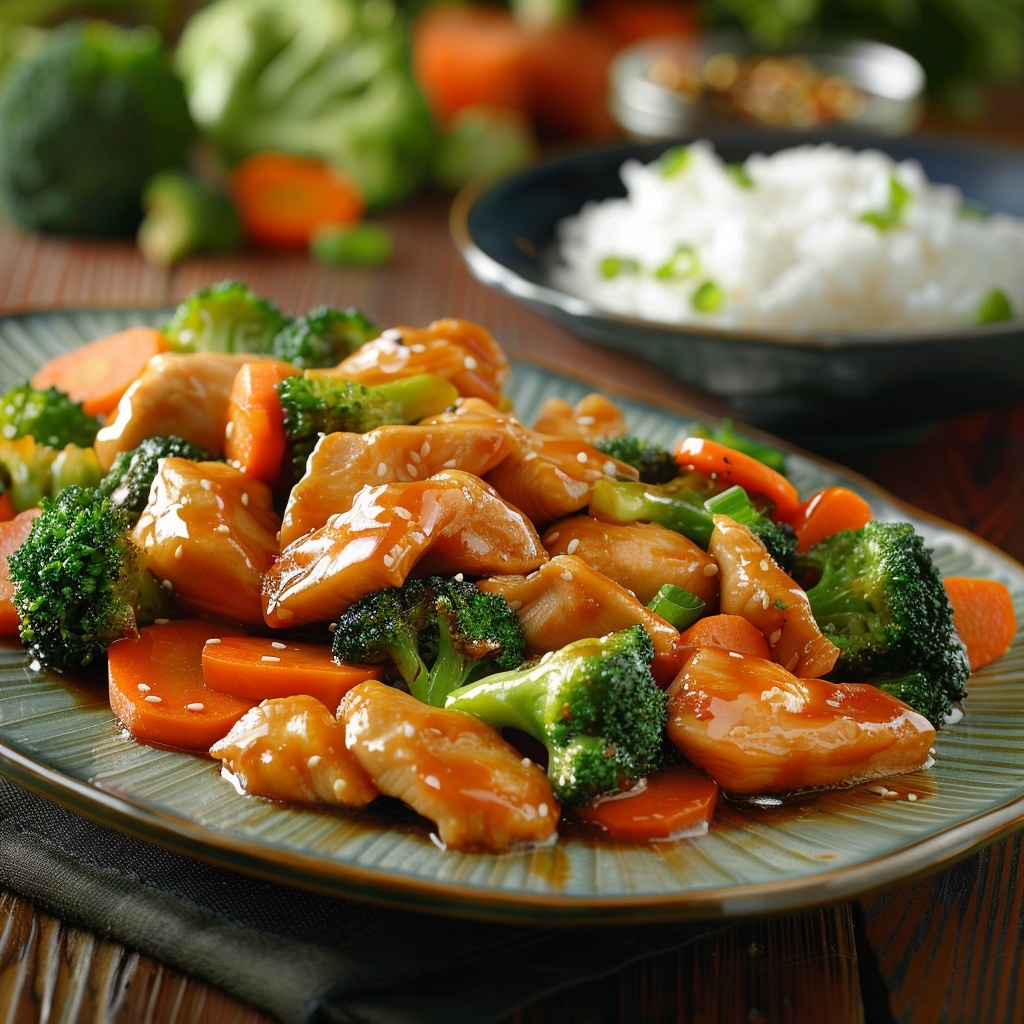
Last Tuesday evening, I stood in front of my open fridge at 6 PM with absolutely no dinner plan and three hungry teenagers about to descend on the kitchen like a pack of wolves. I spotted some leftover chicken, a few lonely vegetables in the crisper drawer, and thought, “Well, here goes nothing!” Twenty minutes later, I had created the most delicious Chicken Stir Fry that had my family literally scraping their plates clean and asking for seconds. That’s when I realized this dish is basically a superhero in the recipe world – it swoops in to save your dinner dilemmas faster than you can say “takeout.”
What Makes This Chicken Stir Fry So Special
A proper Chicken Stir Fry is like a blank canvas that welcomes your creativity while delivering consistent, mouthwatering results every single time. This dish combines tender pieces of chicken with crisp, colorful vegetables all coated in a glossy, flavorful sauce that makes everything taste like it came from your favorite Chinese restaurant. The beauty lies in its simplicity and speed – you’re basically cooking everything in one pan over high heat, which means less cleanup and more time enjoying your meal.
What really sets this recipe apart is how forgiving it is for home cooks. Unlike delicate French sauces or temperamental baked goods, stir fry actually benefits from a confident, almost aggressive cooking approach. You want that wok or pan screaming hot, you want to hear that satisfying sizzle when ingredients hit the surface, and you want everything moving quickly. It’s the kind of cooking that makes you feel like a professional chef, even if you’re just winging it with whatever vegetables are hiding in your fridge.
The versatility factor cannot be overstated. This best chicken stir fry recipe adapts to dietary preferences, ingredient availability, and personal taste preferences without losing its essential character. Vegetarian friends coming over? Swap tofu for chicken. Avoiding gluten? Use tamari instead of soy sauce. Want it spicier? Add more chili flakes. The dish remains delicious through all these variations, which is why it has earned a permanent spot in my weekly dinner rotation.
The Fascinating Story Behind Stir Fry Cooking
Stir frying originated in China over 2,000 years ago during the Han dynasty, born from necessity rather than culinary ambition. Fuel was scarce and expensive, so clever cooks developed a method that cooked food blazingly fast using minimal heat energy. They cut ingredients into small, uniform pieces that would cook through in minutes when tossed in a rounded pan over intense heat. This ingenious technique spread throughout Asia, with each region adding its own flavor profile and signature ingredients.
The wok itself deserves credit for making stir fry possible. Its distinctive rounded bottom and high sloped sides create different heat zones – scorching hot at the bottom center, cooler as you move up the sides. This design lets you sear ingredients quickly in the hot spot, then push them up the sides to stay warm without overcooking while you tackle the next batch. Chinese families would pass down their woks through generations, each one developing a prized “wok hei” or breath of the wok – that slightly smoky, charred flavor that only comes from a well-seasoned pan used over high flames.
When Chinese immigrants came to America in the 19th century, they brought stir fry techniques with them, adapting recipes to use locally available ingredients. What we now think of as classic Chinese-American dishes like chicken stir fry emerged from this cultural blending. The modern version we enjoy today combines traditional Chinese cooking methods with Western preferences for lots of vegetables and lighter sauces. I love knowing that when I make this dish on a busy weeknight, I’m participating in a cooking tradition that spans continents and centuries.
Why This Easy Chicken Stir Fry Recipe Will Win Your Heart
Speed is the first thing that will make you fall in love with this recipe. From the moment you start prepping to sitting down with a steaming plate of food, you’re looking at about 30 minutes total. Compare that to ordering takeout, which requires finding the menu, deciding what everyone wants, placing the order, waiting, and then driving to pick it up. You’ll actually finish cooking before the delivery driver would even arrive at your door. Plus, your kitchen will smell absolutely amazing, which is a bonus no takeout bag can provide.
The flavor combination hits all the right notes without being complicated. You get savory from soy sauce, a touch of sweetness from a hint of sugar or honey, aromatic depth from garlic and ginger, and whatever additional character you want to add through your choice of vegetables and seasonings. This healthy chicken stir fry delivers restaurant-quality taste without the heavy oils, excessive sodium, or mystery ingredients that often come with restaurant versions. You control exactly what goes into your food, which means you can make it as nutritious as you want.
The texture contrast keeps every bite interesting. Properly cooked chicken should be tender and juicy, vegetables should maintain a pleasant crunch, and the sauce should coat everything with a silky gloss. When you nail these elements, each forkful delivers a satisfying variety of sensations that keeps you reaching for more. My kids, who can be notoriously picky, devour this meal because it’s never boring or mushy – there’s always something exciting happening in their mouths.
Budget-friendliness makes this recipe a practical choice for regular meal planning. Chicken breast or thighs cost less per pound than most other proteins, and you can pad out the dish with inexpensive vegetables like cabbage, carrots, and bean sprouts. A single batch easily feeds four to six people for a fraction of what restaurant portions would cost. I’ve stretched this recipe to feed unexpected dinner guests countless times by simply adding more vegetables and serving it over rice or noodles.
Perfect Occasions for This Chicken Stir Fry
Weeknight dinners represent the absolute sweet spot for this recipe. When everyone has different schedules and you need something fast, filling, and actually nutritious, this easy chicken stir fry recipe comes to the rescue. It works beautifully for those chaotic evenings when soccer practice runs late, someone has homework that needs finishing, and you’re running on fumes yourself. The quick cooking time and one-pan simplicity mean you can get a proper home-cooked meal on the table without the stress.
Casual dinner parties benefit from stir fry’s impressive presentation and interactive serving style. I love making a big batch and letting guests serve themselves family-style, choosing their preferred ratio of chicken to vegetables to noodles or rice. You can even set up a fun DIY stir fry bar where people customize their bowls with different toppings like sesame seeds, chopped peanuts, green onions, and chili oil. It feels special and restaurant-like without requiring you to spend hours in the kitchen away from your guests.
Meal prep Sundays become much easier when you incorporate stir fry into your rotation. The dish reheats beautifully, maintaining most of its texture and all of its flavor. I often make a double batch on Sunday afternoon, portion it into individual containers, and then have ready-made lunches for the work week. Just pop a container in the microwave for two minutes, and you’ve got a satisfying midday meal that beats any sad desk lunch or expensive cafeteria option.
Date nights at home get a fun, energetic vibe when you cook stir fry together. There’s something romantic about working as a team in the kitchen, one person handling the chicken while the other preps vegetables. The quick cooking keeps the energy high, and you can enjoy a restaurant-quality meal without the expense or hassle of going out. Pour some wine, put on good music, and turn dinner into an experience rather than just a meal.
Essential Ingredients for Your Chicken Stir Fry
Gathering your ingredients before you start cooking makes the actual stir frying process smooth and stress-free. This is what we call “mise en place” in cooking, and it’s absolutely critical for stir fry success because everything happens so quickly once the pan gets hot.
For the Chicken and Marinade:
- 1.5 pounds boneless, skinless chicken breasts or thighs, cut into bite-sized pieces
- 2 tablespoons soy sauce
- 1 tablespoon cornstarch
- 1 tablespoon rice wine or dry sherry
- 1 teaspoon sesame oil
- 1/4 teaspoon white pepper
For the Vegetables:
- 1 red bell pepper, cut into strips
- 1 yellow or orange bell pepper, cut into strips
- 2 cups broccoli florets
- 1 medium carrot, thinly sliced
- 1 cup snap peas, trimmed
- 3 green onions, cut into 1-inch pieces
For the Aromatics:
- 4 cloves garlic, minced
- 1 tablespoon fresh ginger, minced
For the Stir Fry Sauce:
- 3 tablespoons soy sauce
- 2 tablespoons oyster sauce
- 1 tablespoon rice vinegar
- 1 tablespoon honey or brown sugar
- 1 teaspoon sesame oil
- 1/2 cup chicken broth
- 1 tablespoon cornstarch
- 1/4 teaspoon red pepper flakes (optional)
For Cooking:
- 3 tablespoons vegetable oil, divided
For Serving:
- Sesame seeds for garnish
- Additional sliced green onions
- Cooked rice or noodles

Smart Substitution Options for Your Stir Fry
The flexibility of chicken stir fry recipes means you can adapt to whatever ingredients you have on hand or need to accommodate dietary restrictions. Here are tried-and-tested substitutions that maintain the dish’s delicious character.
Protein Alternatives:
- Turkey – Works exactly like chicken with similar cooking times and texture
- Pork tenderloin – Slice thinly for quick cooking and wonderful flavor
- Beef sirloin or flank steak – Cut against the grain for tender results
- Shrimp – Cooks even faster than chicken, perfect for seafood lovers
- Tofu – Press firmly, cube, and use extra-firm variety for vegetarian option
- Tempeh – Provides nutty flavor and holds up beautifully to high heat
Vegetable Swaps:
- Zucchini or yellow squash – Replace bell peppers for lower carb option
- Bok choy or Chinese cabbage – Traditional choices that add authentic flavor
- Mushrooms – Shiitake, button, or oyster varieties add meaty texture
- Baby corn and water chestnuts – For classic Chinese restaurant feel
- Green beans – Substitute for snap peas with similar crunch
- Asparagus – Spring variation that brings elegant touch
Sauce Ingredient Substitutions:
- Tamari or coconut aminos – Replace soy sauce for gluten-free version
- Hoisin sauce – Swap for oyster sauce if that’s what you have
- Apple cider vinegar – Use instead of rice vinegar in a pinch
- Maple syrup – Natural alternative to honey or sugar
- Arrowroot powder – Substitute cornstarch for paleo diets
Oil Options:
- Peanut oil – Traditional choice with high smoke point
- Avocado oil – Healthy option that handles high heat well
- Grapeseed oil – Neutral flavor that won’t interfere with other ingredients
- Canola oil – Budget-friendly and widely available
How to Make the Best Chicken Stir Fry Step by Step
Step 1: Prepare the Chicken Marinade
Place your chicken pieces in a medium bowl and add the soy sauce, cornstarch, rice wine, sesame oil, and white pepper. Use your hands to massage the marinade into every piece of chicken, making sure each morsel gets completely coated with the mixture. The cornstarch in this chicken stir fry marinade serves a dual purpose – it helps tenderize the meat while creating a light coating that will crisp up beautifully when it hits the hot pan. You’ll notice the mixture feels slightly sticky and thick, which is exactly what you want. Let this sit for at least 15 minutes at room temperature, or if you’re planning ahead, cover it and refrigerate for up to 2 hours for even more flavor penetration.
Pro tip: Don’t skip the marinating time, even if you’re in a rush. Those 15 minutes make a dramatic difference in the final texture and flavor of your chicken. The cornstarch coating also helps prevent the chicken from sticking to your pan.
Step 2: Prep All Your Vegetables and Make the Sauce
This step is absolutely critical for stir fry success because once you start cooking, everything happens lightning-fast and you won’t have time to chop anything. Cut all your vegetables into uniform, bite-sized pieces – this ensures even cooking and makes eating easier. Arrange them on a large plate or cutting board in the order you’ll add them to the pan. In a small bowl, whisk together all your sauce ingredients: soy sauce, oyster sauce, rice vinegar, honey, sesame oil, chicken broth, cornstarch, and red pepper flakes if using. The mixture will look thin at this stage, but the cornstarch will thicken it beautifully once it hits the heat. Having this chicken stir fry sauce ready to go means you can pour it in at exactly the right moment without scrambling.
Pro tip: I keep a small dish with my minced garlic and ginger right next to the stove because they go in together and cook for just seconds. Keeping them separate from the vegetables prevents accidentally adding them too early and burning them.
Step 3: Cook the Chicken Until Golden and Crispy
Heat your wok or large skillet over high heat until it’s smoking hot – this takes about 2-3 minutes. Add 2 tablespoons of vegetable oil and swirl it around to coat the cooking surface. Working in batches to avoid overcrowding, add about half the marinated chicken pieces in a single layer. Let them sit undisturbed for about 90 seconds to develop that gorgeous golden-brown crust on the bottom. You’ll hear an aggressive sizzle and might see a bit of smoke, which is exactly what you want. Flip the pieces and cook the other side for another minute until the chicken is just cooked through with crispy edges. Transfer the cooked chicken to a clean plate and repeat with the remaining chicken, adding a touch more oil if needed. This is the secret to getting restaurant-quality texture at home.
Pro tip: Resist the urge to constantly move the chicken around. Letting it sit undisturbed allows that beautiful caramelization to develop, which adds incredible flavor and texture to your finished dish.
Step 4: Stir Fry the Harder Vegetables First
Add the remaining tablespoon of oil to your now-empty pan and let it heat for about 30 seconds. Toss in your harder vegetables – the carrots and broccoli – first because they need more cooking time to reach that perfect crisp-tender state. Stir fry these for about 2 minutes, keeping everything moving constantly with a spatula or by tossing the pan if you’re feeling confident. The vegetables should start to develop some charred spots while still maintaining their vibrant color and crunch. The high heat creates those slightly blackened edges that add a wonderful smoky flavor called “wok hei” that you simply cannot achieve with lower temperatures. You’ll see the colors intensify and smell an amazing vegetable sweetness developing as the natural sugars caramelize.
Pro tip: If your broccoli florets are large, consider blanching them in boiling water for 1 minute before stir frying. This ensures they’ll be perfectly tender without overcooking the other vegetables.
Step 5: Add the Tender Vegetables and Aromatics
Now toss in your bell peppers and snap peas, continuing to stir fry for another minute or two. These vegetables cook much faster than the carrots and broccoli, so they go in later to prevent them from turning mushy. Push all the vegetables to the sides of your pan, creating a clear space in the center. Add your minced garlic and ginger to this hot spot and stir them around for just 15-20 seconds until they become incredibly fragrant. You’ll immediately smell that amazing ginger-garlic aroma that signals you’re making something truly delicious. Be careful not to let them burn – burned garlic turns bitter and will ruin your whole dish. Once they’re fragrant, mix them into the vegetables so everything gets coated with those aromatic flavors.
Pro tip: Keep your garlic and ginger pieces small and uniform so they cook evenly in those precious few seconds. I use a microplane grater for my ginger, which creates a paste that distributes beautifully throughout the dish.
Step 6: Combine Everything with the Sauce
Return your cooked chicken to the pan along with any juices that accumulated on the plate. Add your green onions and give everything a good toss to combine. Pour your prepared sauce over the entire mixture, stirring constantly as it hits the hot pan. You’ll see the sauce immediately start to bubble and thicken thanks to the cornstarch, transforming from a thin liquid into a glossy coating that clings to every piece of chicken and vegetable. Keep stirring for about 1-2 minutes until the sauce reaches your desired consistency – it should coat everything with a beautiful sheen without pooling at the bottom of the pan. This final step brings all your hard work together, creating that signature stir fry appearance and taste that makes this dish so irresistible.
Pro tip: Give your sauce a quick stir right before adding it to the pan because the cornstarch tends to settle at the bottom of the bowl. This ensures even thickening throughout your dish.
Step 7: Final Touches and Serving
Remove your pan from the heat and give everything one final toss. Taste a piece of chicken or vegetable and adjust the seasoning if needed – sometimes I add a splash more soy sauce if it needs saltiness or a drizzle of sesame oil for extra richness. Transfer your beautiful chicken stir fry with vegetables to a serving platter or individual plates. Sprinkle sesame seeds and additional sliced green onions over the top for a professional-looking finish. The residual heat will continue cooking the dish slightly even after it leaves the stove, so serving immediately ensures you catch everything at peak texture. The vegetables should still have a pleasant crunch, the chicken should be tender and juicy, and that gorgeous sauce should be coating everything with flavor.
Chef’s tip: I always save a few bright vegetable pieces and some extra sauce to arrange artfully on top of the dish before serving. This makes even a weeknight dinner look like something from a restaurant and shows your family you put extra love into their meal.
Timing Your Chicken Stir Fry to Perfection
Understanding the time commitment for this recipe helps with meal planning and ensures you’re not rushing through important steps. Here’s a detailed breakdown of how long each phase takes.
| Phase | Time Required |
|---|---|
| Prep Time (cutting chicken and vegetables, mixing marinade and sauce) | 15 minutes |
| Marinating Time (minimum recommended) | 15 minutes |
| Cooking Time (actual stir frying from start to finish) | 8-10 minutes |
| Total Active Time (time you’re actually working) | 25 minutes |
| Total Time (including marinating) | 40 minutes |
The beauty of this easy chicken stir fry recipe is that most of the time investment happens during prep, which you can do earlier in the day or even the night before. I often marinate my chicken in the morning before work, then keep it refrigerated until dinner time. The vegetables can also be pre-cut and stored in the fridge for a day, making the actual cooking process take less than 10 minutes when you’re ready to eat.
If you’re serving this with rice, remember to start your rice cooker about 30 minutes before you plan to eat since rice takes longer than the stir fry itself. For chicken stir fry with noodles, you can boil your noodles while the chicken marinates, then just reheat them quickly by tossing them in the stir fry at the very end.
The Chef’s Secret to Restaurant-Quality Stir Fry
After years of making stir fry and wondering why restaurant versions always seemed just a bit better, I finally discovered the game-changing secret: extreme heat and proper pan technique. Most home cooks, myself included for the longest time, cook stir fry at medium-high heat because high heat feels scary. But authentic stir fry demands maximum heat – your pan should be smoking hot before any ingredient touches its surface.
The real trick is something called “velveting” the chicken, which takes the basic marinade technique I described and kicks it up a notch. After marinating your chicken in the cornstarch mixture, some Chinese chefs briefly blanch the chicken in boiling water or pass it through hot oil for just 30 seconds before the actual stir frying begins. This creates an incredibly tender, almost silky texture that stays moist even with the aggressive high-heat cooking that follows. I don’t do this every time because it adds an extra step, but when I want to truly impress dinner guests, this technique makes a noticeable difference.
The second part of this secret involves something called “long yao” or “tossing the dragon,” which is that dramatic wok-flipping technique you see in Chinese restaurants. While it looks impressive, it serves a practical purpose – keeping ingredients in constant motion prevents burning while ensuring even cooking. You don’t need to literally flip your pan in the air (though it’s fun when you master it), but you do need to keep everything moving constantly once it hits that screaming-hot surface. This is what creates those delicious charred spots without actually burning anything.
Fascinating Facts About Stir Fry Ingredients
The humble wok, central to stir fry cooking, was originally invented not for cooking but for drying salt from seawater in ancient China. Resourceful cooks noticed that the efficient heat distribution of these rounded pans made them perfect for quickly cooking food, and a culinary revolution was born. Traditional woks were made from cast iron and passed down through generations, with families believing that older woks cooked better because they had absorbed years of seasoning and flavor.
Ginger, one of the essential aromatics in this teriyaki chicken stir fry recipe and most Asian cooking, has been cultivated for over 5,000 years and was so valuable in medieval Europe that a pound of ginger cost the same as a sheep. Ancient Chinese medicine considered ginger essential for balancing the body’s energy, and modern science has confirmed it contains powerful anti-inflammatory compounds. When you smell that spicy-sweet aroma of fresh ginger hitting a hot pan, you’re experiencing the same scent that has drawn people to this root for millennia.
The practice of cutting ingredients into small, uniform pieces for stir frying isn’t just about cooking speed – it’s also rooted in the Chinese philosophical principle of harmony and balance. Traditional Chinese cooking emphasizes that all elements of a dish should be in proportion, with no single ingredient dominating in size or presence. This philosophical approach to cutting vegetables has the practical benefit of ensuring everything cooks evenly and looks beautiful on the plate.
Essential Equipment for Making Chicken Stir Fry
Having the right tools makes stir frying significantly easier and produces better results. You don’t need a fully equipped restaurant kitchen, but these items will help you achieve professional-quality results at home.
Must-Have Tools:
- Large wok or 12-inch skillet – A 14-inch carbon steel wok is ideal, but a large heavy-bottomed skillet works perfectly for home stoves. The key is having enough surface area to spread ingredients in a single layer without overcrowding.
- Long-handled spatula or wok turner – The extended handle keeps your hand safely away from the intense heat while allowing you to stir and flip ingredients quickly.
- Sharp chef’s knife – Essential for cutting chicken and vegetables into uniform pieces efficiently. Dull knives make prep work frustrating and dangerous.
- Cutting board – I recommend having two: one for raw chicken and one for vegetables to prevent cross-contamination.
- Medium mixing bowls – You’ll need several for marinating chicken, mixing sauce, and holding prepped ingredients.
- Measuring spoons and cups – Accurate measurements ensure consistent results, especially for the sauce components.
Nice-to-Have Equipment:
- Wok ring – If you have a gas stove, this stabilizes a round-bottomed wok and brings it closer to the flame for better heat.
- Kitchen timer – Helpful for tracking marinating time and ensuring you don’t overcook anything.
- Ladle – Makes adding sauce to the hot pan easier and safer than pouring from a bowl.
- Splatter screen – Protects your stovetop and yourself from oil splatter during high-heat cooking.
- Instant-read thermometer – Takes the guesswork out of checking if chicken has reached a safe 165°F internal temperature.
If you’re serious about making stir fry regularly, I highly recommend investing in a carbon steel wok. They’re surprisingly affordable, heat incredibly quickly, and develop a natural non-stick surface over time with proper seasoning. I resisted buying one for years, thinking my regular skillet was good enough, but the difference in cooking performance is remarkable. The high, sloped sides make tossing ingredients much easier, and the material holds heat better than most Western cookware.
How to Store Your Chicken Stir Fry Properly
Proper storage ensures your delicious chicken stir fry remains safe to eat and maintains its quality for future meals. Understanding the best methods for refrigeration and freezing helps you meal prep effectively and reduce food waste.
Refrigerator storage works beautifully for leftover stir fry that you plan to eat within a few days. Allow the dish to cool to room temperature for no more than 30 minutes after cooking, then transfer it to an airtight container. Glass containers with tight-fitting lids work better than plastic because they don’t absorb odors or stains from the soy sauce. Store the stir fry in the refrigerator at 40°F or below, where it will maintain its quality for 3-4 days. I like to portion leftovers into individual serving containers immediately after dinner, which makes grabbing lunch for work incredibly convenient. When reheating, add a tablespoon of water or chicken broth to the container before microwaving to prevent the dish from drying out. You can also reheat stir fry in a hot skillet for 3-4 minutes, which actually refreshes the vegetables and restores some of their original texture better than microwaving does.
Freezer storage extends the life of your stir fry to 2-3 months, though the texture of vegetables will soften somewhat upon thawing. If you plan to freeze portions, slightly undercook your vegetables during the initial preparation so they don’t become mushy after freezing and reheating. Let the stir fry cool completely, then portion it into freezer-safe containers or heavy-duty freezer bags, removing as much air as possible to prevent freezer burn. Label each container with the date and contents so you can track how long it’s been stored. When you’re ready to eat frozen stir fry, thaw it overnight in the refrigerator rather than at room temperature for food safety. Reheat thawed stir fry in a hot skillet rather than the microwave if possible, as this helps restore some of the texture and creates that fresh-cooked feel.
Special storage considerations apply if you’re meal prepping this recipe to eat throughout the week. For the best texture and flavor, I recommend storing the components separately when possible. Cook your chicken and vegetables as directed, but keep the sauce in a separate small container in the refrigerator. Store your rice or noodles in yet another container. When you’re ready to eat, combine the components in a hot pan or microwave-safe dish, heat everything together, and you’ll have a fresher-tasting result than if everything sat mixed together for days. This method takes slightly more storage space but produces significantly better results. If you’re taking stir fry for lunch at work, consider packing the sauce separately and adding it just before reheating to prevent the dish from becoming soggy. Some people even pack raw vegetables separately and add them during reheating for maximum crunch, though this requires access to a stovetop rather than just a microwave.
Expert Tips and Advice for Perfect Stir Fry
These practical tips come from years of trial and error in my own kitchen, helping me transform mediocre stir fry into truly restaurant-quality meals that my family requests regularly.
Preparation Tips:
- Cut everything the same size – Uniform pieces ensure even cooking and professional presentation. I aim for everything to be about 1-inch pieces or strips.
- Dry your chicken thoroughly – Pat the chicken pieces with paper towels after cutting and before marinating. Excess moisture prevents proper browning and creates steam instead of the sear you want.
- Organize your workspace – Arrange all prepped ingredients in the order you’ll use them. This “mise en place” prevents panic and mistakes during the fast-paced cooking.
- Bring ingredients to room temperature – Cold chicken straight from the fridge drops your pan temperature dramatically when added. Let marinated chicken sit out for 15-20 minutes before cooking.
Cooking Technique Tips:
- Don’t overcrowd the pan – This is the number one mistake home cooks make. Overcrowding creates steam instead of sear, resulting in soggy, grey chicken instead of golden, crispy pieces. Cook in batches if necessary.
- Let your pan recover between batches – After cooking the first batch of chicken, let the empty pan heat back up for 30-60 seconds before adding the next batch or your vegetables.
- Use the right oil – Choose oils with high smoke points like vegetable, peanut, or avocado oil. Olive oil burns at stir fry temperatures and creates bitter flavors.
- Listen to your pan – You should hear a loud, aggressive sizzle when ingredients hit the surface. If you hear a gentle sizzle or nothing at all, your pan isn’t hot enough yet.
- Keep ingredients moving – Constant motion is key. Use a pushing motion with your spatula or try the wok-tossing technique to keep everything in motion without burning.
Flavor Enhancement Tips:
- Toast your sesame oil – Add sesame oil at the end as a finishing oil rather than cooking with it. Its delicate flavor burns easily but adds wonderful aroma when added off heat.
- Build layers of flavor – The marinade, the caramelization during cooking, and the sauce each contribute distinct flavors. Don’t skip steps thinking they’re unnecessary.
- Balance your sauce – Taste your sauce before adding it to the pan and adjust the sweet-salty-sour balance to your preference. It’s much easier to fix before it’s mixed with everything.
- Add fresh herbs at the end – Cilantro, Thai basil, or mint tossed in at the last second add bright, fresh notes that contrast beautifully with the rich, savory base.
Problem-Solving Tips:
- If your chicken is tough – You either cooked it too long or cut it with the grain instead of against it. Slice chicken breast at a slight angle across the grain for maximum tenderness.
- If your sauce is too thick – Thin it with a splash of chicken broth or water. Add liquid gradually, stirring constantly, until you reach desired consistency.
- If your sauce is too thin – Mix another teaspoon of cornstarch with a tablespoon of cold water to make a slurry, then stir it into your bubbling stir fry. It will thicken within seconds.
- If your vegetables are mushy – Next time, add them in stages based on cooking time, or blanch harder vegetables briefly before stir frying to reduce their cooking time.

Beautiful Presentation Ideas for Your Stir Fry
The visual appeal of your chicken stir fry with vegetables makes a huge difference in how special the meal feels, even when it’s just a regular weeknight dinner. These presentation ideas range from simple to elaborate, allowing you to match the effort to the occasion.
Everyday Family-Style Presentations:
- Bowl presentation – Serve over fluffy white rice in individual bowls, with the colorful stir fry arranged on top. Sprinkle with sesame seeds and sliced green onions for a simple but attractive finish.
- Platter style – Spread rice or noodles on a large serving platter, pile the stir fry in the center, and garnish generously around the edges with fresh herbs and lime wedges.
- Build-your-own bar – Set out the stir fry, rice, and noodles separately with small bowls of toppings like crispy wontons, peanuts, sesame seeds, and chili oil so everyone can customize their plate.
Special Occasion Presentations:
- Lettuce cups – Serve the stir fry in crisp butter lettuce or iceberg lettuce leaves for a fun, interactive meal. Guests wrap their own portions, creating a lighter, hands-on dining experience.
- Nested presentation – Create a “nest” of thin rice noodles or crispy fried wontons on each plate, then pile the stir fry in the center. The contrast of textures looks professional and tastes amazing.
- Bento box style – Divide compartmented plates or authentic bento boxes with rice in one section, stir fry in another, and small sides like edamame or pickled vegetables in the remaining spaces.
- Restaurant plating – Use a ring mold to create a perfect cylinder of rice in the center of each plate, carefully arrange the stir fry around it with vegetables facing up, and drizzle extra sauce artistically.
Garnishing Techniques:
- Green onion curls – Slice green onions lengthwise into thin strips and soak in ice water for 10 minutes. They’ll curl into beautiful spirals perfect for topping dishes.
- Toasted sesame seeds – Toast white and black sesame seeds in a dry pan until fragrant, then sprinkle both colors over the finished dish for visual interest.
- Citrus zest – A small amount of fresh lime or orange zest adds bright color and fresh aroma without overwhelming the dish.
- Chili threads – Slice fresh red chili peppers into thin strips for a pop of color and heat that looks professional.
- Microgreens or sprouts – A small handful of pea shoots, microgreens, or bean sprouts on top adds height and freshness to the presentation.
Healthier Alternative Chicken Stir Fry Recipes
The versatility of stir fry makes it perfect for adapting to various dietary needs and health goals. These variations maintain the delicious core concept while offering different nutritional profiles.
1. Low-Carb Cauliflower Rice Chicken Stir Fry
This version replaces traditional rice with riced cauliflower, dramatically reducing the carbohydrate content while maintaining that satisfying grain-like texture. The cauliflower rice absorbs the flavorful sauce beautifully without adding significant calories or carbs. Prepare your stir fry exactly as written in the main recipe, but increase the vegetable quantity by about 50% to make the meal more filling without the rice. For the cauliflower rice, pulse cauliflower florets in a food processor until they reach rice-like consistency, then quickly stir fry them in a separate pan with a touch of oil for 3-4 minutes until just tender. The neutral flavor of cauliflower lets the stir fry sauce shine while adding extra nutrients like vitamin C and fiber.
This variation works perfectly for anyone following keto, paleo, or simply watching their carb intake. I’ve served this to carb-loving family members who didn’t even realize they weren’t eating regular rice until I mentioned it. The key is not overcooking the cauliflower rice – you want it to maintain a slight texture rather than becoming mushy. Season it lightly with salt and a touch of rice vinegar to enhance its flavor.
2. Protein-Packed Quinoa Chicken Stir Fry
Swapping white rice for quinoa transforms this meal into a complete protein powerhouse while adding more fiber, vitamins, and minerals. Quinoa contains all nine essential amino acids, making it a complete protein source that complements the chicken beautifully. Cook your quinoa according to package directions, using chicken broth instead of water for extra flavor. The slightly nutty taste of quinoa pairs wonderfully with the savory stir fry sauce and adds an interesting texture that’s a bit more substantial than rice.
This healthy chicken stir fry variation appeals to health-conscious eaters who want maximum nutrition without sacrificing taste. Quinoa keeps you feeling fuller longer than white rice, making this version ideal for active families or anyone trying to maintain steady energy throughout the afternoon. I like to cook a big batch of quinoa on meal prep day, then use it throughout the week for various dishes including this stir fry. For extra visual appeal, try using tri-color quinoa, which includes white, red, and black varieties for a beautiful presentation.
3. Zoodle Chicken Stir Fry
Replacing noodles with spiralized zucchini creates a lighter, vegetable-forward version that’s naturally low in calories and carbohydrates. Zucchini noodles, or “zoodles,” provide a fresh, slightly crunchy texture that complements the crispy vegetables and tender chicken. Make your stir fry following the main recipe, then at the very end, add your spiralized zucchini to the hot pan and toss for just 1-2 minutes until barely tender. The key is adding them last and cooking minimally – overcooking turns them into a watery mess.
This version contains significantly fewer calories than traditional noodle versions while providing extra servings of vegetables. To prevent excess moisture, salt your raw zoodles and let them sit in a colander for 10 minutes, then pat them thoroughly dry before cooking. This simple step removes excess water that would otherwise dilute your sauce. I often make this version during summer when zucchini is abundant and cheap at farmers’ markets. You can spiralize zucchini yourself with an inexpensive spiralizer, or many grocery stores now sell pre-spiralized vegetables in the produce section.
4. Rainbow Veggie-Heavy Chicken Stir Fry
This variation dramatically increases the vegetable content while reducing the chicken, creating a more plant-forward meal that’s lower in calories and higher in fiber and micronutrients. Use just 8 ounces of chicken instead of 1.5 pounds, and increase your vegetables to 6-8 cups total. Include a rainbow of colors: purple cabbage, orange bell peppers, yellow squash, green bok choy, red tomatoes, and white mushrooms. Each color provides different phytonutrients and antioxidants, making this version nutritionally superior.
The increased vegetable volume makes this version surprisingly filling despite the reduced protein content. The variety of textures keeps every bite interesting – crunchy cabbage, tender mushrooms, crisp peppers, and silky bok choy all play together beautifully. This version costs less per serving than the original while providing more servings overall. I make this variation when I’m trying to use up vegetables before they go bad, and it’s become a favorite way to sneak extra veggies into my teenagers’ diets without them complaining.
5. Coconut Aminos Whole30 Chicken Stir Fry
This strictly Whole30-compliant version eliminates soy sauce, sugar, and cornstarch while maintaining incredible flavor through thoughtful substitutions. Replace soy sauce with coconut aminos, which provide similar umami depth without soy or gluten. Use arrowroot powder instead of cornstarch for thickening, and replace the honey or sugar with a small amount of apple juice or date paste for subtle sweetness. Skip the rice wine and use additional chicken broth instead.
Despite these substitutions, this version delivers surprisingly authentic stir fry flavor. Coconut aminos are less salty than soy sauce, so you might need to add more to reach your desired flavor level. The sauce won’t be quite as glossy without cornstarch, but arrowroot powder creates a pleasant coating that still clings to ingredients nicely. This version supports anyone doing a Whole30 reset, following paleo principles, or dealing with soy allergies. Serve it over cauliflower rice or sautéed greens to keep it fully compliant, and you have a satisfying meal that supports your health goals.
6. Sheet Pan Chicken Stir Fry
This hands-off oven method creates a stir fry-inspired meal without standing over a hot stove, perfect for hot summer evenings or when you’re cooking for a crowd. Toss marinated chicken pieces and all your vegetables with oil on a large sheet pan, spreading everything in a single layer. Roast at 425°F for 20-25 minutes, stirring halfway through, until the chicken is cooked through and vegetables are tender with caramelized edges. Toss everything with your prepared sauce in a large bowl before serving.
While this method doesn’t produce quite the same “wok hei” flavor as traditional high-heat stir frying, it offers convenience and produces excellent results with minimal active cooking time. The oven’s even heat ensures everything cooks uniformly without constant stirring, and the high temperature creates nice caramelization on vegetables. This version works great for meal prep because you can easily double or triple the recipe using multiple sheet pans. The hands-off nature means you can prepare side dishes or clean up while everything roasts, making it perfect for busy weeknights when you need dinner on the table but have other tasks competing for your attention.
Common Mistakes to Avoid When Making Chicken Stir Fry
Mistake 1: Overcrowding the Pan
This is hands-down the most common error home cooks make with stir fry, and it completely changes the final result from crispy and caramelized to soggy and steamed. When you pack too much chicken or too many vegetables into your pan at once, they release moisture that has nowhere to escape. Instead of searing against the hot metal surface, ingredients essentially steam in their own juices, preventing that gorgeous golden-brown exterior from developing. The temperature of your pan drops dramatically when you add cold ingredients, and overcrowding means it can’t recover quickly enough to maintain the high heat necessary for proper stir frying. You’ll end up with pale, rubbery chicken and limp vegetables swimming in liquid instead of the vibrant, crispy results you want.
Pro tip: Cook chicken in two or three smaller batches rather than one large batch, even if it takes a few extra minutes. The superior results are absolutely worth the additional time. Your pan should look relatively spacious with ingredients spread in a single layer, not piled on top of each other.
Mistake 2: Using a Pan That’s Not Hot Enough
Many home cooks feel intimidated by truly high heat, worrying about smoke detectors or burning food. They cook stir fry at medium or medium-high heat, which simply doesn’t produce authentic results. Proper stir fry requires maximum heat – your pan should be smoking lightly before you add oil, and you should hear an aggressive sizzle the instant ingredients hit the surface. Lower temperatures mean longer cooking times, which leads to overcooked vegetables that lose their crisp texture and vibrant color. The chicken won’t develop that caramelized crust, and you miss out entirely on “wok hei,” that slightly smoky, charred flavor that makes restaurant stir fry taste so good. Without high heat, your stir fry becomes ordinary sautéed chicken and vegetables instead of something special.
Pro tip: Heat your empty pan over high heat for 2-3 minutes before adding any oil or ingredients. Open a window or turn on your exhaust fan if you’re worried about smoke, but don’t lower the temperature. That initial smoking-hot pan is the secret to restaurant-quality results at home.
Mistake 3: Not Preparing Ingredients in Advance
Stir fry happens incredibly fast once you start cooking – the entire process from adding chicken to serving takes less than 10 minutes. Many people start cooking before all their ingredients are prepped, then frantically try to chop vegetables or mix sauce while chicken burns in the pan. This leads to stressed-out cooking, unevenly cooked ingredients, and often burned garlic because you weren’t ready to add the next component at the right moment. Stir fry requires your complete attention during the cooking phase, which means everything else needs to be ready before you turn on the heat. Trying to multitask during active cooking virtually guarantees something will go wrong.
Pro tip: Embrace the “mise en place” philosophy by having every single ingredient prepped, measured, and arranged near your stove before you heat the pan. This includes having your sauce mixed and ready to pour, all vegetables cut and organized in the order you’ll use them, and your cooked rice or noodles warm and ready to serve.
Mistake 4: Cutting Chicken Pieces Too Large
Thick chunks of chicken simply cannot cook through quickly enough for proper stir fry technique. By the time the centers reach a safe temperature, the outsides are overcooked and dry. Large pieces also don’t pick up marinade flavors as effectively because there’s less surface area relative to volume. The practical eating experience suffers too – oversized chicken pieces are awkward to eat with chopsticks and don’t combine well with vegetables and noodles in each bite. You want every forkful to contain a nice balance of chicken, vegetables, and sauce, which is impossible when your chicken pieces are huge compared to everything else in the dish.
Pro tip: Cut your chicken into pieces no larger than 1 inch. I actually prefer slightly smaller pieces, around 3/4 inch, because they cook more evenly and the ratio of flavorful, caramelized exterior to interior is higher. Cutting chicken when it’s slightly frozen makes it easier to achieve uniform, thin slices.
Mistake 5: Adding Sauce Too Early
Pouring sauce into the pan before your chicken and vegetables have properly cooked prevents them from developing that desirable caramelization. The liquid creates steam and drops the pan temperature, turning your stir fry into more of a braise. Vegetables become soggy instead of crisp-tender, and the chicken doesn’t get those golden-brown edges that add so much flavor and visual appeal. The sauce itself can also break down with extended cooking, becoming thin and watery instead of glossy and thick. Some home cooks add sauce at the beginning thinking it will cook into the ingredients better, but this backfires by preventing proper browning which is where most of the flavor development happens.
Pro tip: Add your sauce only in the final 1-2 minutes of cooking, after everything else is nearly done. The sauce should simply heat through and thicken slightly, coating all the ingredients with a beautiful glaze. If you want more sauce flavor in your chicken, rely on the marinade for that purpose and keep the main sauce for the finishing step.
Frequently Asked Questions About Chicken Stir Fry
What is the secret to good stir-fry chicken?
The secret to achieving restaurant-quality stir-fry chicken at home combines several important techniques working together. First, properly marinating the chicken with cornstarch creates a protective coating that keeps meat tender while allowing the exterior to crisp beautifully. Second, cooking over genuinely high heat in a very hot pan creates the caramelization and slight char that adds incredible depth of flavor. Third, cooking the chicken in small batches prevents overcrowding, which would drop the pan temperature and cause steaming instead of searing. Finally, cutting chicken into uniform, bite-sized pieces ensures even cooking so nothing is raw in the center or dried out on the edges. When you combine these techniques, you get chicken that’s crispy on the outside, tender and juicy on the inside, and coated with delicious flavor from the marinade and sauce.
What ingredients for chicken stir-fry?
A basic chicken stir fry requires relatively few core ingredients that you can customize endlessly. For the protein, you need boneless, skinless chicken breast or thighs cut into bite-sized pieces. The marinade typically includes soy sauce, cornstarch, and rice wine or sherry. For vegetables, bell peppers, broccoli, carrots, snap peas, and onions are traditional choices, but you can use whatever you prefer or have available. The sauce combines soy sauce, oyster sauce, rice vinegar, a sweetener like honey or sugar, sesame oil, and chicken broth thickened with cornstarch. Aromatics like fresh garlic and ginger add essential flavor. You’ll also need high-heat cooking oil like vegetable or peanut oil. Finally, serve your stir fry over cooked rice or noodles, garnished with sesame seeds and sliced green onions. This flexible ingredient list adapts easily to dietary restrictions and personal preferences.
How to get tender chicken in a stir-fry?
Achieving tender chicken in stir fry starts with proper preparation before the chicken ever hits the pan. First, slice your chicken against the grain into thin, bite-sized pieces no more than 1 inch thick – cutting against the grain shortens the muscle fibers, making each bite more tender. Next, marinate the chicken for at least 15 minutes in a mixture that includes cornstarch, which creates a protective coating through a process called “velveting” that keeps moisture locked inside during high-heat cooking. Using chicken thighs instead of breasts also helps because the higher fat content makes them more forgiving and less likely to dry out. During cooking, avoid the temptation to constantly move the chicken around – let pieces sit undisturbed for 60-90 seconds to develop a crust, which actually helps seal in juices. Finally, don’t overcook the chicken; it only needs 3-4 minutes total cooking time when cut into proper-sized pieces. The residual heat will finish cooking it after you remove the pan from the heat.
How to crisp up chicken for stir-fry?
Getting genuinely crispy chicken in stir fry requires attention to both preparation and cooking technique. Start by patting your chicken pieces completely dry with paper towels after cutting them – excess surface moisture creates steam rather than crisp browning. The cornstarch in your marinade is critical for crispiness because it creates a light coating that browns beautifully and turns crunchy when it hits high heat. Make sure your pan is smoking hot before adding any chicken, and use enough oil to coat the bottom generously – about 2 tablespoons. Add chicken in small batches, spreading pieces in a single layer without touching each other, and resist moving them for the first 60-90 seconds. This allows the bottom surface to develop that golden-brown crust before you flip. Cook chicken completely before adding vegetables and sauce, then remove it from the pan. Adding it back at the end means it spends less time sitting in liquid, helping maintain its crispy texture until you serve.
Can I make chicken stir fry without a wok?
You absolutely can make delicious chicken stir fry without a traditional wok, and many home cooks actually achieve better results using a large skillet or sauté pan. Most residential stovetops don’t generate enough heat to properly use a round-bottomed wok anyway, which is designed for the intense, focused flames of commercial restaurant burners. A large 12-inch skillet with a flat bottom makes better contact with your home burner, heating more evenly and maintaining higher temperatures throughout cooking. Heavy-bottomed stainless steel or cast iron skillets work particularly well because they retain heat when you add room-temperature ingredients. The main thing you sacrifice without a wok is the high sloped sides that make tossing ingredients easier, but you can compensate by stirring with a spatula instead of trying fancy wok-flipping techniques. Choose the largest pan you have to minimize overcrowding, and make sure it can handle high heat without damage. Non-stick pans work but can’t tolerate the extreme temperatures that produce the absolute best results.
Is chicken stir fry healthy?
Chicken stir fry can absolutely be a healthy meal choice, especially when compared to many takeout or restaurant options, though the nutritional profile depends significantly on how you prepare it. The base components are quite nutritious – lean chicken provides high-quality protein with relatively low calories and fat, while the abundant vegetables deliver fiber, vitamins, minerals, and antioxidants. Stir frying uses minimal oil compared to deep frying, and the quick cooking method helps vegetables retain more nutrients than longer cooking methods. A typical serving contains a good balance of protein, complex carbohydrates from rice or noodles, and several servings of vegetables. However, restaurant versions often contain excessive sodium from soy sauce and oyster sauce, plus added sugar and more oil than necessary. Making stir fry at home lets you control these factors – use low-sodium soy sauce, reduce sugar, add extra vegetables, and measure your oil carefully. Serve it over brown rice or cauliflower rice instead of white rice to increase fiber and nutrients while lowering the glycemic impact.
How do I prevent my stir fry from getting watery?
Watery stir fry results from excess moisture being released during cooking, and several techniques help prevent this frustrating problem. First, make absolutely certain your chicken and vegetables are thoroughly dry before cooking – pat everything with paper towels to remove surface moisture. Don’t add sauce until the final 1-2 minutes of cooking, and make sure it contains enough cornstarch or another thickener to create a glossy coating rather than a thin liquid. Cook over genuinely high heat so moisture evaporates quickly rather than pooling in the pan, and avoid overcrowding which traps steam. If you’re using vegetables with high water content like zucchini, mushrooms, or tomatoes, cook them separately first to release their moisture, drain that liquid, then add them back at the end. Some cooks also blanch vegetables like broccoli briefly in boiling water before stir frying, which partially cooks them so they need less time in the pan releasing moisture. If your finished stir fry seems too watery despite these precautions, mix another teaspoon of cornstarch with a tablespoon of cold water and stir it into the bubbling dish – it will thicken within seconds.
Can I prep chicken stir fry ingredients in advance?
Prepping stir fry components ahead of time is not only possible but actually recommended for easier weeknight cooking. You can marinate chicken up to 24 hours in advance – in fact, longer marinating often improves flavor and tenderness. Store marinated chicken in an airtight container in the refrigerator, then let it sit at room temperature for 15-20 minutes before cooking so it doesn’t drop your pan temperature too drastically. Cut vegetables can be stored in airtight containers or ziplock bags in the refrigerator for 1-2 days, though heartier vegetables like carrots and broccoli hold better than delicate ones like bean sprouts. Wash and dry vegetables thoroughly before storing to prevent them from getting slimy. You can also mix your stir fry sauce several days ahead and refrigerate it in a jar – just give it a good shake before using since the cornstarch settles to the bottom. Some dedicated meal preppers even cook entire batches of stir fry on Sunday, portion it into containers, and reheat throughout the week. The only thing you shouldn’t do far in advance is mince garlic and ginger, which lose their pungency quickly; prep these no more than a few hours before cooking.
What’s the best cut of chicken for stir fry?
Both chicken breasts and chicken thighs work beautifully for stir fry, with each offering different advantages depending on your priorities. Chicken breasts are leaner with milder flavor and lighter color, appealing to health-conscious eaters watching fat and calorie intake. They cook quickly and have a cleaner taste that lets sauce and vegetable flavors shine through. However, breasts are less forgiving if slightly overcooked, tending to become dry and tough. Chicken thighs contain more fat and therefore more flavor, with a richer, deeper taste that some people prefer. The higher fat content makes thighs more forgiving during cooking – they stay moist and tender even if you cook them a minute too long, making them ideal for less experienced cooks. Thighs are also typically cheaper per pound than breasts. Some stir fry enthusiasts use a combination of both for the benefits of each. Regardless of which you choose, always buy boneless, skinless pieces for stir fry since bones and skin interfere with the quick cooking method and even distribution of marinade and sauce.
Why does restaurant stir fry taste better than mine?
The flavor difference between home and restaurant stir fry usually comes down to three main factors: heat level, equipment, and technique. Chinese restaurants use commercial burners that produce 50,000-100,000 BTUs compared to home stoves that typically generate only 7,000-12,000 BTUs. This extreme heat creates “wok hei” or “breath of the wok” – that slightly smoky, charred flavor that’s nearly impossible to achieve at home. Restaurant woks are also well-seasoned from years of use, creating a naturally non-stick surface that adds flavor. Professional cooks use more oil than home cooks typically do, which helps ingredients brown better and carries flavors more effectively. They also add MSG in many cases, which enhances savory flavors (though it’s not actually harmful despite its bad reputation). Finally, restaurant cooks make stir fry dozens of times per shift, developing muscle memory and timing that’s hard to match at home. You can narrow this gap by using maximum heat on your home stove, cooking in a well-seasoned wok or cast iron pan, and not being shy with oil. Adding a small amount of toasted sesame oil at the end creates aromatic depth similar to restaurant versions.
How do I reheat leftover chicken stir fry?
Reheating stir fry properly makes a significant difference in texture and flavor compared to just microwaving it carelessly. The best method is actually re-stir-frying it in a hot skillet or wok on the stovetop. Heat a tablespoon of oil over medium-high heat, add your leftover stir fry, and toss constantly for 3-4 minutes until heated through. This method revives the vegetables somewhat and can restore a bit of that fresh-cooked texture while preventing sogginess. Add a tablespoon or two of water or chicken broth to prevent drying out if needed. If you must use a microwave for convenience, add a tablespoon of water to your container, cover it loosely, and heat in 1-minute intervals, stirring between each interval, until heated through completely. Don’t blast it on high power for several minutes straight, which creates hot spots and makes vegetables mushy. For stir fry with noodles, the stovetop method works best because it can actually crisp up the noodles slightly, making them taste fresher. If your leftover stir fry has been frozen, always thaw it overnight in the refrigerator before reheating rather than trying to reheat it from frozen.
Can I freeze chicken stir fry?
You can freeze chicken stir fry successfully for up to 2-3 months, though the texture of vegetables will soften somewhat upon thawing and reheating. For best results, slightly undercook your vegetables initially so they don’t become completely mushy after the freeze-thaw-reheat cycle. Let the stir fry cool completely to room temperature, then portion it into freezer-safe containers or heavy-duty freezer bags, removing as much air as possible to prevent freezer burn. Label containers with the date and contents so you can track how long they’ve been stored. Some vegetables freeze better than others – bell peppers, broccoli, and carrots hold up reasonably well, while more delicate vegetables like bean sprouts or bok choy become quite soft. If you know you’ll be freezing portions, consider leaving out the most delicate vegetables and adding fresh ones when you reheat. Thaw frozen stir fry overnight in the refrigerator rather than at room temperature for food safety. Reheat thawed stir fry in a hot skillet with a splash of broth or water, which helps refresh the texture better than microwaving. The sauce may separate slightly during freezing but will come back together when stirred during reheating.
Bringing It All Together
Making a delicious Chicken Stir Fry at home is one of those life skills that pays dividends week after week, year after year. Once you master the basic technique, you’ll find yourself turning to this recipe constantly because it solves so many dinner dilemmas at once – it’s fast, flexible, healthy, budget-friendly, and absolutely delicious. The confidence you gain from hearing that satisfying sizzle and seeing beautiful caramelization develop on your chicken and vegetables translates to other areas of cooking too.
What I love most about this recipe is how it grows with you. As a beginner, you can follow the instructions exactly and produce a wonderful meal your family will love. As you gain experience, you’ll start improvising with different vegetables, proteins, and sauce variations, making the dish truly your own. You’ll develop an instinct for when the pan is hot enough, when to add each ingredient, and how to adjust flavors to your family’s preferences. Those nights when you throw together a stir fry from random fridge ingredients and it turns out amazing – those are the moments when you realize you’ve truly become a confident cook.
The beauty of stir fry extends beyond just the food itself. It represents a cooking philosophy that values simplicity, speed, and resourcefulness – qualities that served Chinese cooks well for thousands of years and serve modern home cooks equally well today. When you make this dish, you’re participating in a culinary tradition that spans cultures and centuries, connecting your kitchen to millions of others around the world who have found comfort and satisfaction in this fundamental cooking technique.
I hope this guide has given you everything you need to create restaurant-quality chicken stir fry in your own kitchen. Remember that practice makes perfect – your first attempt might not be flawless, but each time you make this dish, you’ll improve your technique and develop your own style. Don’t be afraid to experiment, make mistakes, and learn what works best for your particular stove, pans, and taste preferences. Before you know it, you’ll be the person your friends text when they need quick dinner advice, and this recipe will become one of those reliable favorites your family requests again and again. Now get in that kitchen, crank up the heat, and create something delicious!

Chicken Stir Fry
Ingredients
Equipment
Method
- Prepare the chicken marinade by coating chicken pieces with soy sauce, cornstarch, rice wine, sesame oil, and white pepper. Let it sit for at least 15 minutes.
- Cut all vegetables into uniform, bite-sized pieces and arrange them on a plate.
- Whisk together sauce ingredients (soy sauce, oyster sauce, rice vinegar, honey, sesame oil, chicken broth, cornstarch, and red pepper flakes) in a bowl.
- Heat a wok or large skillet over high heat until smoking. Add 2 tablespoons of vegetable oil.
- Cook half of the marinated chicken in a single layer, without moving for 90 seconds, until golden brown, then flip and cook until just cooked through. Set aside and repeat with remaining chicken.
- Add the remaining tablespoon of oil to the pan, heat, then stir fry carrots and broccoli for about 2 minutes.
- Add bell peppers and snap peas, cooking for another 1-2 minutes. Push veggies to the side, then add garlic and ginger in the center for 15-20 seconds.
- Return chicken to the pan, pour in the sauce and stir until thickened, about 1-2 minutes.
- Serve immediately, garnished with sesame seeds and green onions over rice or noodles.
- Enjoy your delicious chicken stir fry!