
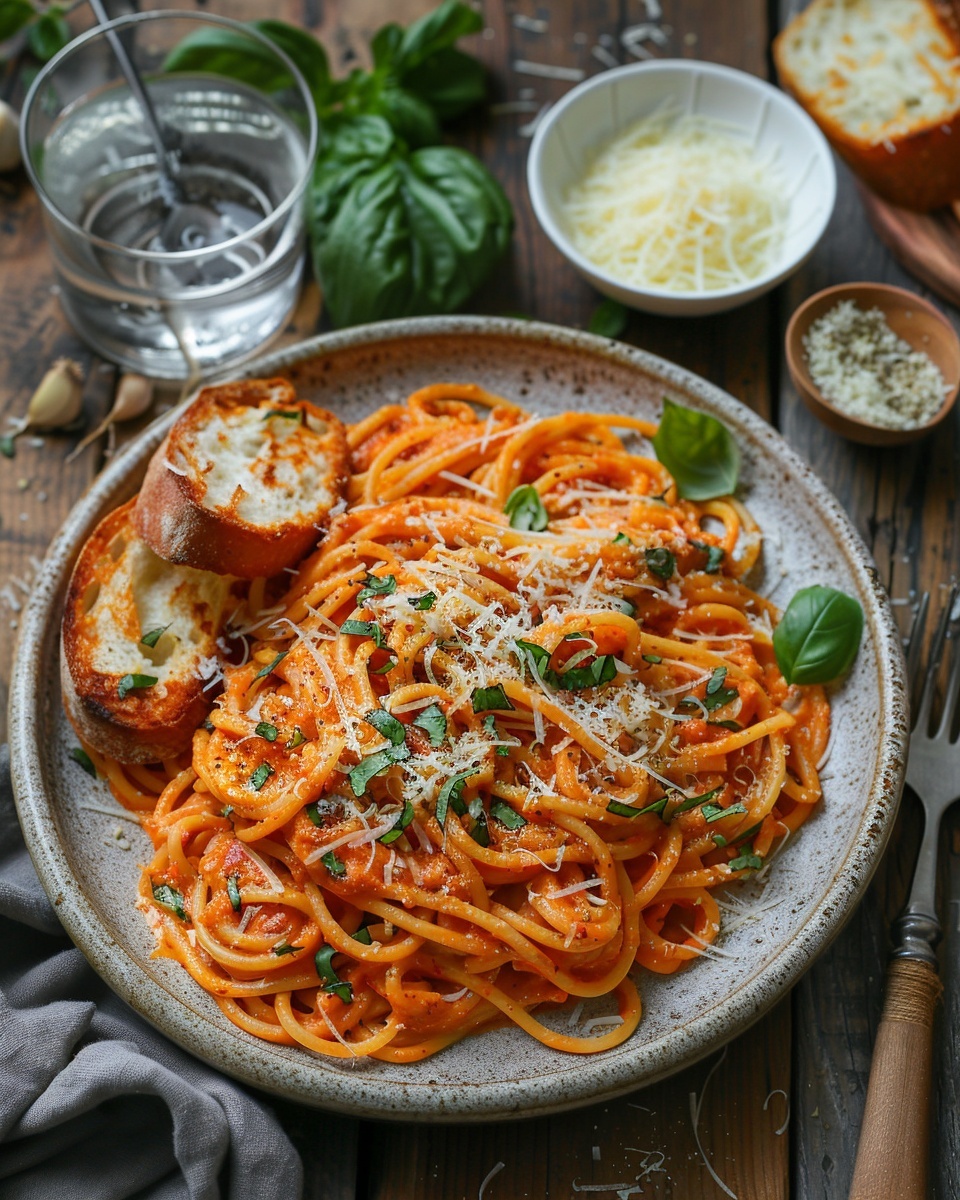
Why You Need This Creamy Tomato Pasta Recipe in Your Life
Last Tuesday night, I stood in my kitchen staring at a nearly empty fridge. My kids were hungry, I was tired, and I had about twenty minutes before complete chaos would break out. That’s when I grabbed a can of tomatoes, some cream from the back of the fridge, and threw together what has now become our family’s most requested dinner. Sometimes the best recipes come from those desperate weeknight moments.
This creamy tomato pasta dish has saved me countless times since then. It’s quick, it’s comforting, and it makes everyone at the table happy. The best part? You probably have most of the ingredients sitting in your pantry right now.
Today I’m walking you through everything you need to know about making the perfect creamy tomato pasta sauce. We’ll start with the classic recipe that works every single time. Then I’ll share some fun variations, including a creamy tomato pasta vegan version and a lighter creamy tomato sauce with milk option. I’ll also throw in my best tips for getting that restaurant-quality taste at home.
Whether you’re cooking for picky eaters or trying to impress your in-laws, this recipe has your back. Let’s get started.
The Classic Creamy Tomato Pasta Sauce Recipe
This is my go-to creamy tomato pasta sauce recipe that I’ve perfected over dozens of dinners. It takes about 20 minutes from start to finish, and the results taste like you spent hours in the kitchen.
What You’ll Need:
- 2 tablespoons olive oil
- 3 cloves of garlic, minced (don’t skip this)
- 1 can (28 ounces) of crushed tomatoes
- 1 cup heavy cream
- 1 teaspoon dried basil
- 1/2 teaspoon dried oregano
- Salt and black pepper to taste
- 1/4 teaspoon red pepper flakes (optional but recommended)
- 2 tablespoons butter
- Fresh basil for garnish
I always keep canned tomatoes in my pantry for this exact recipe. San Marzano tomatoes are worth the extra dollar or two if you can find them. They’re sweeter and less acidic than regular canned tomatoes.
Step-by-Step Instructions:
Step 1: Start with the aromatics. Heat your olive oil in a large pan over medium heat. Once it’s shimmering, add the minced garlic. Cook it for about 60 seconds until it smells amazing. Watch it carefully because burnt garlic tastes bitter and will ruin your sauce. I learned this the hard way during my first attempt at Italian cooking.
Step 2: Add your tomatoes. Pour in the crushed tomatoes and stir everything together. Add your dried basil, oregano, salt, pepper, and red pepper flakes. Let this simmer for about 10 minutes. You want the sauce to thicken slightly and the flavors to blend together. My kitchen always smells incredible at this point.
Step 3: Make it creamy. This is where the magic happens. Lower your heat to medium-low and slowly pour in the heavy cream while stirring constantly. The sauce will turn this beautiful peachy-pink color. Keep stirring for another 2-3 minutes until everything is well combined and heated through.
Step 4: Finish with butter. Turn off the heat and stir in the butter. This is my secret trick for restaurant-quality sauce. The butter adds richness and gives the sauce a glossy finish that makes it look professional.
Getting the Perfect Consistency:
The texture of your creamy tomato pasta sauce matters just as much as the taste. Here’s what I’ve learned about nailing the perfect consistency every time.
If your sauce is too thick, add a splash of pasta water. I always save about a cup of the starchy cooking water before draining my pasta. This liquid is gold for adjusting sauce texture. Start with just a few tablespoons and add more as needed.
If your sauce is too thin, let it simmer a bit longer before adding the cream. You can also add a tablespoon of tomato paste to thicken it up and boost the tomato flavor at the same time.
The sauce should coat the back of a spoon but still flow easily. Think about how alfredo sauce looks. You want something similar but with that gorgeous tomato color.
Tips for Maximum Flavor:
I taste my sauce at least three times while cooking. Your palate is your best tool in the kitchen. After the tomatoes have simmered, taste and adjust the seasoning. After adding cream, taste again. Sometimes you need a pinch more salt or another crack of black pepper.
Don’t be scared of the red pepper flakes. They don’t make the sauce spicy. They add depth and a tiny bit of heat that balances the richness of the cream. Even my kids who claim they hate spicy food love this sauce.
Fresh garlic beats garlic powder every single time. I used to think it didn’t matter much, but fresh garlic adds a complexity that the powdered stuff just can’t match.
Quality tomatoes make a real difference. If you have fresh tomatoes from a garden or farmer’s market, you can make a fresh tomato cream sauce by blanching and peeling about 2 pounds of tomatoes. It takes more work but tastes even better.
Choosing the Right Pasta:
This sauce works with almost any pasta shape, but some work better than others. Here’s my guide to pairing this creamy tomato pasta sauce with different noodles.
Penne is my top choice. The tubes catch the sauce perfectly, and you get creamy goodness in every bite. Rigatoni works great too for the same reason.
Spaghetti or linguine are classic options. They twirl nicely and look elegant on the plate. I use these when I’m trying to make dinner feel a bit fancier.
Shells are perfect if you’re serving kids. They’re fun to eat and hold just the right amount of sauce.
Farfalle (bow ties) look pretty and work well for potlucks or dinner parties. The sauce clings to all those little ridges.
Whatever pasta you choose, cook it one minute less than the package directions say. You’ll finish cooking it in the sauce for the last minute or two. This helps the pasta absorb the flavors and creates a better final dish. Professional chefs do this in restaurants, and it really does make your creamy tomato pasta recipe taste more polished.
One pound of pasta works perfectly with this amount of sauce. I usually make the full recipe even if I’m only feeding two or three people because the leftovers are fantastic the next day.


Variations and Twists on Creamy Tomato Pasta
Now that you’ve got the basic version down, let’s talk about how to switch things up. I love experimenting with this recipe because it’s so forgiving. You can tweak it for different dietary needs, add protein, or completely transform it into something new while keeping that same comforting vibe.
Making Creamy Tomato Pasta Without Cream
Here’s the thing about heavy cream. It’s delicious, but not everyone can have it. My sister developed lactose intolerance a few years back, and I had to figure out how to make this sauce work for her birthday dinner. After some trial and error, I found several alternatives that actually taste incredible.
Cashew cream is hands-down my favorite dairy-free option for creamy tomato pasta sauce without cream. You soak a cup of raw cashews in hot water for about thirty minutes, then blend them with a half cup of water until completely smooth. The texture is almost identical to heavy cream, and it adds a subtle nutty flavor that works beautifully with tomatoes. I actually prefer this version sometimes, even though I can eat regular cream just fine.
Coconut milk works too, but use the full-fat kind from a can rather than the carton stuff. The canned version is thicker and richer. Just be aware that coconut milk adds a slight sweetness and coconut flavor. Some people love this combination. Others find it weird with Italian seasonings. My advice? Try a small batch first before committing to a full dinner party.
Silken tofu is another option that surprises people. Blend about a cup of it until smooth and use it just like you would cream. It doesn’t add much flavor on its own, which can be good or bad depending on what you’re going for. The texture is spot-on though.
For a lighter approach, you can make a creamy tomato sauce with milk instead of heavy cream. Regular whole milk works, but the sauce won’t be quite as thick. I fix this by adding a tablespoon of flour to the garlic and oil at the beginning, creating a light roux before the tomatoes go in. This thickens everything up nicely. You could also use evaporated milk, which is thicker than regular milk and gives you a creamier result without all the fat.
The health benefits of skipping heavy cream are pretty obvious. You’re cutting out a ton of saturated fat and calories. The cashew version actually adds protein and healthy fats instead. My sister says she doesn’t feel as weighed down after eating the cashew cream version, which makes sense given how rich traditional cream can be.
Taste-wise, these alternatives are different but not worse. Think of them as their own thing rather than trying to perfectly mimic cream. The cashew version is earthier. The coconut is sweeter. The milk version is lighter and lets the tomato flavor shine through more. If you’re looking for something similar to lemon butter pasta in terms of lightness but with tomato instead, the milk-based version might be your best bet.
Adding Chicken to Your Creamy Tomato Pasta
Funny enough, the first time I made creamy tomato pasta with chicken was completely by accident. I had grilled chicken breasts for lunch, made too much, and needed to use the leftovers. Throwing them into this sauce turned a side dish into a complete meal that my husband still talks about.
The easiest method is using pre-cooked chicken. Rotisserie chicken from the grocery store works perfectly. Just shred it and stir it into the sauce during the last few minutes of cooking. This is my weeknight shortcut when I’m really pressed for time.
But if you want to cook the chicken fresh, here’s how I do it for maximum flavor. Season your chicken breasts or thighs with salt, pepper, and a little Italian seasoning. Sear them in the same pan you’ll use for the sauce, getting a nice golden crust on both sides. This usually takes about four minutes per side for breasts, maybe five for thighs. Pull the chicken out before it’s completely cooked through since it’ll finish in the sauce later.
Set that chicken aside and make your sauce in the same pan. All those browned bits on the bottom? That’s flavor. Deglaze the pan with a splash of white wine or chicken broth when you add the tomatoes, scraping up all those delicious bits. Once your sauce is ready, slice the chicken and nestle it into the sauce to finish cooking. This keeps the chicken incredibly juicy because it’s essentially poaching in that creamy tomato goodness.
Chicken thighs stay moister than breasts and have more flavor, in my opinion. They’re also harder to overcook, which is great if you’re still building your cooking confidence. I switched to thighs exclusively about a year ago and haven’t looked back.
For side dishes, I usually keep things simple since the pasta is already pretty rich. A basic green salad with lemon vinaigrette cuts through the creaminess nicely. Garlic bread is always a hit, though it does make the meal heavier. Roasted broccoli or green beans work well if you want more vegetables on the plate. This combination reminds me a bit of how I serve baked rigatoni, with simple sides that don’t compete with the main dish.
As for wine pairings, I’m not a sommelier or anything, but I know what tastes good. A light Italian red like Chianti works beautifully with the tomato and cream. If you prefer white wine, go for something with some body like a Chardonnay. The oakiness complements the cream really nicely. Honestly though, I usually just drink whatever’s already open in my fridge.
Vegan and Slimming World Versions
Making a creamy tomato pasta vegan version requires swapping out more than just the cream. You’ve got the butter to think about too, and sometimes people add parmesan at the end.
For the vegan version, use cashew cream like I mentioned earlier. Replace the butter with vegan butter or just use extra olive oil instead. The butter adds richness, but olive oil gives you that too, just in a different way. I actually think the olive oil version tastes more authentically Italian anyway.
Nutritional yeast is your friend here. Add a couple tablespoons at the end for that cheesy, umami flavor that makes people wonder what your secret ingredient is. Nobody ever guesses it’s nutritional yeast. My vegan friends introduced me to this stuff, and now I use it in all sorts of recipes, not just vegan ones.
For pasta, most dried pasta is already vegan, but double-check the ingredients. Some fresh pastas contain eggs. When in doubt, grab a box of basic dried penne or spaghetti. You’ll be fine.
The creamy tomato pasta slimming world version takes a different approach since that plan is about reducing calories and fats while keeping you full. I have a friend who follows Slimming World religiously, and she gave me some pointers on adapting this recipe.
Instead of cream, use low-fat cream cheese or light cream cheese. You’ll need about four ounces, and you whisk it into the sauce with a bit of pasta water to help it blend smoothly. It’s not as rich as heavy cream, but it gives you that creamy texture without using up all your syns for the day.
Skip the butter entirely or use a spray oil instead. Use your canned tomatoes as normal since those are free on the plan. Load up on vegetables too. Add spinach, mushrooms, zucchini, or bell peppers to bulk up the dish without adding syns. This makes it more filling and adds nutrition.
The pasta itself counts as your healthy extra or you’ll need to syn it depending on how much you use. My friend usually weighs out her portion carefully and loads up on the vegetables and sauce instead. She says it’s satisfying enough that she doesn’t feel like she’s missing out on anything, which is pretty much the goal with any dietary plan.
Both of these versions work great if you’re making dinner for a mixed group. I’ve served the vegan version to meat-eaters who had no idea it was plant-based. Similar to how carbonara easy can be adapted for different diets, this sauce is flexible enough to work for almost anyone at your table. And if you’re really into experimenting with different pasta dishes, you might want to check out something like lasagna rolls using a similar tomato cream sauce concept.


Special Recipes and Techniques
Jamie Oliver’s Creamy Tomato Pasta Sauce
I’ll be honest, I was skeptical the first time I watched one of Jamie Oliver’s cooking videos. British chef making Italian food? I wasn’t sure about it. But then I tried his creamy tomato pasta sauce Jamie Oliver style, and I totally got why millions of people trust this guy’s recipes.
What makes Jamie’s version stand out is his relaxed approach and a few sneaky ingredients that add serious depth. He’s not fussy about measurements, which I appreciate because cooking should be fun, not stressful. His version includes a splash of balsamic vinegar, which sounds odd until you taste it. That little bit of acidity and sweetness balances the richness of the cream in a way that regular recipes just don’t achieve.
Another thing Jamie does differently is he uses fresh cherry tomatoes alongside canned ones. He blisters them in the pan first until they burst and get slightly charred. This adds a smoky, sweet flavor that canned tomatoes alone can’t give you. I started doing this about six months ago, and my family noticed the difference immediately without me even mentioning I’d changed anything.
He also isn’t shy with fresh herbs. While dried basil and oregano work great for everyday cooking, Jamie throws in whole sprigs of fresh basil that he fishes out later. The flavor infusion is incredible. Sometimes he adds a few leaves of fresh oregano or even a sprig of thyme. These herbs release their oils into the sauce as it simmers, creating layers of flavor.
Here’s Jamie’s basic approach if you want to try it: Start with olive oil and garlic like usual, but add a handful of halved cherry tomatoes. Let them cook down for about five minutes until they’re jammy and some have burst. Then add your canned tomatoes and a good splash of balsamic vinegar, maybe a tablespoon or so. Simmer this with fresh herb sprigs for ten minutes. Fish out the herbs, then add your cream and finish with butter and fresh basil torn with your hands, not chopped. The tearing releases more flavor and looks prettier too.
The beauty of Jamie’s technique is how forgiving it is. You don’t need exact measurements. You taste as you go and adjust. This is how real home cooking works in Italy, honestly. My Italian neighbor taught me that recipes are more like guidelines than rules.
One trick I learned from watching Jamie cook is to save some of those blistered cherry tomatoes to stir in at the very end. They provide little bursts of concentrated tomato flavor throughout the dish. It’s a small detail that makes the sauce feel more artisanal and less like something from a jar.
Baking It Up: Creamy Tomato Pasta Bake
Turning your creamy tomato pasta into a creamy tomato pasta bake is probably one of my favorite weekend cooking projects. It transforms the dish into something you can make ahead, which is perfect for entertaining or meal prep. I make this every time my mom visits because I can prep it the night before and just pop it in the oven when she arrives.
The process is pretty straightforward, but there are some tricks to getting it right. First, cook your pasta about two minutes less than you normally would since it’ll continue cooking in the oven. Nobody wants mushy baked pasta. Mix your slightly undercooked pasta with the creamy tomato pasta sauce recipe in a large bowl, making sure every piece is coated.
Transfer everything to a greased baking dish. I use a 9×13 inch pan for a full pound of pasta. Now comes the fun part: choosing your toppings. This is where you can get creative and make the dish your own.
My standard topping is a mixture of mozzarella and parmesan cheese. I use about two cups of shredded mozzarella for that gooey, stretchy cheese pull everyone loves, plus half a cup of grated parmesan for sharp, salty flavor. Spread this over the top evenly. Some people like to mix some cheese into the pasta itself before topping it, which creates more cheesy pockets throughout the dish.
For extra texture, I make a quick breadcrumb topping. Mix a cup of panko breadcrumbs with two tablespoons of melted butter, some garlic powder, and a handful of grated parmesan. Sprinkle this over the cheese layer. When it bakes, you get this incredible golden, crunchy crust that contrasts beautifully with the creamy pasta underneath.
Fresh mozzarella torn into chunks and scattered on top gives you those gorgeous browned cheese spots you see in professional food photography. It’s not necessary, but it looks impressive if you’re serving this to guests. By the way, if you’re looking for more baked pasta inspiration, there are tons of pasta and noodles variations you can explore beyond just tomato-based sauces.
Bake the whole thing at 375°F for about 25-30 minutes. You want the cheese melted and bubbly, with golden brown spots on top. If your breadcrumbs aren’t browning enough, switch your oven to broil for the last two or three minutes. Watch it carefully though because that top layer can go from perfectly golden to burnt in about thirty seconds under the broiler. I’ve learned this lesson the hard way more than once.
Let the baked pasta rest for five to ten minutes before serving. I know it’s tempting to dig right in, but this resting time lets everything set up so your portions don’t turn into a saucy mess on the plate. The sauce thickens slightly as it cools, making it easier to serve neat squares.
You can absolutely make this ahead. Assemble the whole dish, cover it tightly with foil, and refrigerate for up to 24 hours before baking. Add about ten extra minutes to the baking time if you’re starting from cold. This makes it perfect for potlucks, holiday dinners, or those nights when you know you’ll be running around like crazy and need dinner to basically cook itself.
Leftover pasta bake reheats beautifully. Individual portions heat up nicely in the microwave, or you can reheat the whole pan covered with foil in a 350°F oven for about twenty minutes. Sometimes I think it tastes even better the next day once all those flavors have had time to meld together overnight.
FAQs
What can I use instead of cream in a creamy tomato pasta sauce?
You have several great options depending on your dietary needs and what you have available. Cashew cream is my top recommendation for a dairy-free version because it creates almost the same texture and richness. Coconut milk from a can works but adds a slight coconut flavor. You can also use milk thickened with a bit of flour, cream cheese, or even blended silken tofu. Each alternative creates a slightly different flavor profile, so pick based on what appeals to you or what dietary restrictions you’re working with.
How do I make a creamy tomato pasta sauce without cream?
Start by soaking raw cashews in hot water for thirty minutes, then blend them with water until completely smooth to create cashew cream. Alternatively, use full-fat coconut milk straight from the can. You can also make a lighter version using whole milk thickened with a tablespoon of flour mixed into your garlic and oil at the start. Another option is whisking in low-fat cream cheese with some pasta water to help it blend smoothly. All these methods give you that creamy texture without actual heavy cream.
Can I add chicken to a creamy tomato pasta dish?
Absolutely, and it turns the pasta into a complete meal. You can use rotisserie chicken shredded and stirred in during the last few minutes for the easiest approach. If you’re cooking fresh chicken, season it with Italian herbs and sear it in the same pan before making your sauce, then slice it and return it to finish cooking in the sauce. Chicken thighs stay juicier than breasts and are harder to overcook. The chicken absorbs the flavors of the sauce beautifully and adds protein to make the meal more filling.
Is there a vegan version of creamy tomato pasta?
Yes, and it’s delicious! Replace the heavy cream with cashew cream or full-fat coconut milk. Swap the butter for vegan butter or just use extra olive oil instead. Add nutritional yeast at the end for that cheesy, umami flavor that really makes the sauce special. Make sure your pasta is egg-free by checking the ingredients or using basic dried pasta. The result is just as satisfying as the traditional version, and most people can’t even tell the difference.
What makes Jamie Oliver’s creamy tomato pasta special?
Jamie’s version stands out because he adds fresh cherry tomatoes that he blisters until they burst and get slightly charred, creating smoky-sweet flavor notes. He also uses a splash of balsamic vinegar which adds depth and balances the richness of the cream. Fresh herb sprigs like basil, oregano, or thyme get simmered in the sauce and removed later, infusing incredible flavor. His relaxed approach to measurements and emphasis on tasting as you go makes the cooking process more intuitive and fun.
How do I bake a creamy tomato pasta?
Mix your slightly undercooked pasta with the creamy tomato sauce and transfer to a greased baking dish. Top with shredded mozzarella, parmesan, and optionally a mixture of panko breadcrumbs mixed with melted butter and garlic powder. Bake at 375°F for 25-30 minutes until the cheese is bubbly and golden. Let it rest for five to ten minutes before serving so the sauce thickens and you can serve neat portions. You can assemble this ahead and refrigerate it for up to 24 hours before baking.
What pasta shapes work best with creamy tomato sauce?
Tube-shaped pastas like penne and rigatoni are ideal because they catch the sauce inside. Shells work wonderfully for the same reason and are especially good for kids. Long pastas like spaghetti or linguine work well when you want something more elegant looking. Farfalle holds sauce nicely in all its ridges and looks pretty on the plate. Whatever shape you choose, cook it one minute less than the package directions and finish it in the sauce for the best flavor absorption.
How can I make my creamy tomato sauce healthier?
Use milk instead of heavy cream to cut calories and fat significantly. Load up on vegetables like spinach, mushrooms, zucchini, or bell peppers to add nutrition and bulk without many calories. Choose whole wheat pasta for added fiber and nutrients, which aligns with general dietary guidelines for incorporating more whole grains. Use less butter or skip it entirely, relying on olive oil for richness instead. You can also reduce the amount of pasta you serve and increase the proportion of sauce and vegetables on your plate.
Can I freeze creamy tomato pasta sauce?
Yes, but with some considerations. Cream-based sauces can sometimes separate when frozen and thawed, though stirring vigorously usually brings them back together. Freeze the sauce in portion-sized containers for up to three months. Thaw it overnight in the refrigerator and reheat gently on the stovetop, whisking well to recombine any separated ingredients. Some people prefer to freeze the tomato base before adding cream, then add fresh cream when reheating for the best texture.
What wine goes best with creamy tomato pasta?
Light to medium-bodied Italian reds like Chianti or Sangiovese pair beautifully with the tomato and cream combination. If you prefer white wine, choose something with body like Chardonnay, especially one with some oak aging that complements the cream. Pinot Grigio works if you want something lighter and crisper. Really though, drink whatever you enjoy because the best wine pairing is the one you actually like drinking.
Here’s the thing about this whole creamy tomato pasta recipe journey: there’s no single right way to make it. Whether you go with the classic cream version, experiment with Jamie Oliver’s techniques, try a vegan alternative, or turn it into a bubbling baked dish, you’re creating comfort food that brings people together. The beauty of this sauce is how adaptable it is to your life, your dietary needs, and whatever ingredients you happen to have on hand. So grab a pot, trust your instincts, and don’t stress about getting everything perfect. Some of my best cooking moments happened when I stopped following recipes exactly and started making them my own.
Creamy Tomato Pasta
Ingredients
Equipment
Method
- Heat olive oil in a large pan over medium heat and add minced garlic, cooking for about 60 seconds.
- Pour in the crushed tomatoes and stir, adding dried basil, oregano, salt, pepper, and red pepper flakes; simmer for about 10 minutes.
- Lower heat to medium-low and slowly pour in the heavy cream while stirring constantly, heating for 2-3 minutes.
- Turn off heat and stir in the butter until melted and combined.