
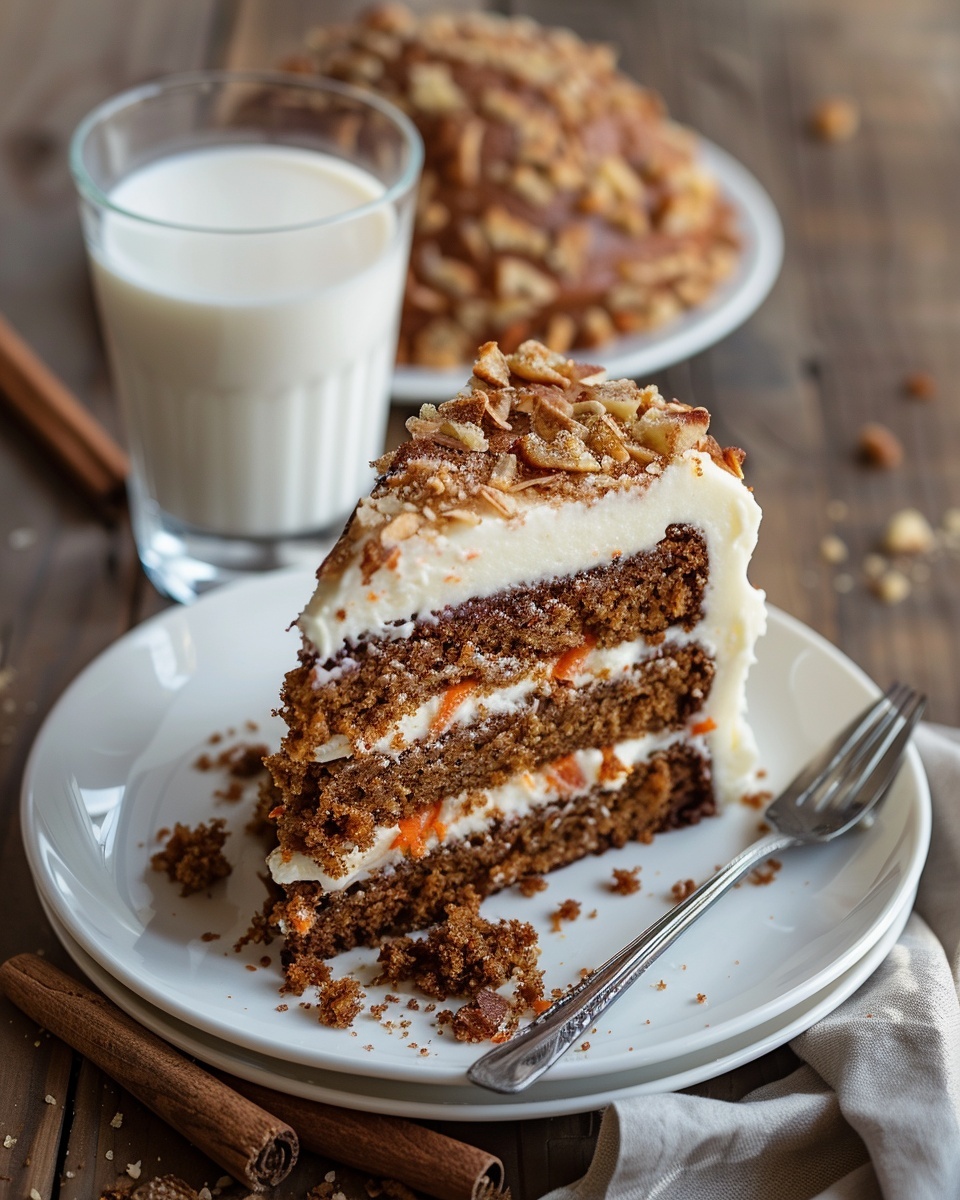
Introduction: The Sweet Side of Easter
Every Easter morning, my kitchen smells like cinnamon and nutmeg before the sun comes up. I’m always awake early, frosting a tall carrot cake while everyone else hunts for hidden eggs. This tradition started when I was eight years old, standing on a stool beside my grandmother as she grated fresh carrots by hand. She told me that Easter desserts weren’t just about chocolate bunnies and jelly beans. They were about bringing spring flavors to the table and celebrating new beginnings with something homemade.
Easter celebrations have always included special desserts that mark the season. Families gather around tables filled with honey cakes, fruit tarts, and cream-filled pastries. But over the years, Easter carrot cake has carved out its own special place in these springtime feasts. Walk into any Easter brunch today and you’ll likely spot a beautiful layered carrot cake decorated with cream cheese frosting and maybe even marzipan carrots on top.
My personal connection to baking carrot cake during the holiday season runs deep. It reminds me of family, warmth, and the simple joy of creating something delicious from scratch. There’s something magical about transforming humble vegetables into a dessert that makes everyone ask for seconds. Each slice tells a story of tradition meeting creativity, of old recipes passed down and new touches added along the way.
Why is Carrot Cake Associated with Easter?
The connection between carrot cake and Easter isn’t random. It has roots that go back centuries, though the modern version we know today is relatively young. During medieval times, sweet carrot puddings appeared at springtime celebrations across Europe. Carrots were one of the few naturally sweet vegetables available after long winters. People used them as sugar substitutes when refined sugar was expensive or scarce.
The carrot spice cake we recognize today gained popularity during World War II. Rationing made sugar and other sweet ingredients hard to find. Creative home bakers turned to carrots for natural sweetness and moisture. The vegetable’s subtle flavor paired beautifully with warm spices like cinnamon, ginger, and nutmeg. These same spices had long been associated with festive occasions and special celebrations.
Easter falls in spring when fresh carrots are at their peak. The timing made perfect sense for including carrot-based desserts in holiday meals. The cake’s vibrant orange color mirrors the bright hues of spring flowers and Easter decorations. It brings a cheerful, seasonal touch to any dessert table. The color alone makes it feel festive and appropriate for the occasion.
Carrots also carry symbolic meaning that fits Easter themes. They represent rebirth and new growth, just like the holiday itself. As root vegetables that push up through the soil, they symbolize life emerging after winter. This symbolism resonates with Easter’s spiritual and seasonal messages about renewal and hope.
The warm spices in a perfect carrot cake add another layer of Easter appropriateness. Cinnamon, nutmeg, and sometimes cloves create a comforting flavor profile that feels celebratory without being too heavy. These spices were once considered precious and worthy of special occasions. Using them signals that this isn’t just any ordinary day or dessert.
I’ve always loved how carrot cake icing, typically made with cream cheese, adds a tangy sweetness that balances the spiced cake. This contrast creates a sophisticated flavor combination that appeals to both kids and adults. The cream cheese frosting itself became popular in American baking around the same time carrot cake gained mainstream acceptance in the 1960s and 1970s.
Do People Eat Carrot Cake on Easter?
Yes, people absolutely eat carrot cake on Easter. It has become one of the most popular Easter desserts across many cultures and countries. In the United States, Canada, the UK, and Australia, carrot cake dessert regularly appears at Easter brunches, dinners, and celebrations. It ranks alongside traditional choices like hot cross buns and simnel cake.
Different regions have their own takes on Easter carrot cake traditions. Some families prefer carrot cake with walnuts or pecans for added crunch. Others keep it simple with just carrots, spices, and that signature cream cheese frosting. I’ve met people who insist on pineapple in their Easter carrot cake, while others consider that controversial. The variety shows how adaptable this dessert has become.
Why do families choose carrot cake over other Easter desserts? Several reasons make it stand out. First, it feeds a crowd easily. A two or three-layer carrot cake recipe with butter serves many people without requiring multiple dishes. Second, it can be made ahead of time. You can bake and frost it the day before Easter, saving precious time on a busy holiday morning.
The cake also accommodates different dietary preferences better than some traditional Easter treats. A carrot cake recipe healthy version can reduce sugar, use whole wheat flour, or swap oil for applesauce. You can adjust ingredients without losing the essential character of the dessert. This flexibility makes it welcome at tables with varied eating styles.
Another reason for its popularity is visual appeal. A beautifully decorated carrot cake becomes a centerpiece. You can top it with fresh flowers, candied carrots, or simple swirls of frosting. The presentation potential matches or exceeds fancier desserts that require professional skills. Even a plain carrot cake recipe looks impressive when properly frosted and garnished.
Cultural trends have reinforced carrot cake’s Easter presence. Food magazines and cooking shows feature it prominently in their spring and Easter content. Social media fills with photos of stunning Easter carrot cakes each year. This visibility creates a feedback loop where more people try it, enjoy it, and continue the tradition with their own families.
I’ve noticed that carrot cake brings generations together at Easter. Grandparents who remember wartime baking share tables with grandchildren who’ve only known abundant ingredients. The cake bridges different eras of food history. When I teach friends how to bake carrot cake, they often mention wanting to start their own Easter tradition with it.
The question of how to make carrot cake at home comes up frequently as Easter approaches. People want homemade desserts that feel special but aren’t intimidating. Carrot cake fits this need perfectly. It’s forgiving for beginners yet offers room for experienced bakers to experiment and personalize.
Many families now consider Easter incomplete without carrot cake on the menu. It has earned its place alongside dyed eggs, spring lamb, and fresh asparagus. The tradition continues growing stronger as new bakers discover the joy of creating this springtime classic in their own kitchens.


What is the Secret to Moist Carrot Cake?
Now that you know carrot cake belongs on your Easter table, let’s talk about what really matters: getting that texture just right. I’ve tasted dry carrot cakes that crumbled into sad piles of disappointment, and I’ve made a few myself before I learned the secrets. The difference between an okay carrot cake and a perfect carrot cake comes down to moisture, and achieving it isn’t as mysterious as people think.
Fresh grated carrots are your first line of defense against dryness. I mean really fresh, the kind you grate yourself about thirty minutes before you start mixing. Pre-shredded carrots from a bag have been sitting around losing moisture. When you grate carrots by hand or in a food processor, they release natural juices that work their way into every bite of your cake. I usually grate about three cups of carrots for a standard two-layer cake, and I don’t squeeze out any liquid. That moisture is exactly what you want.
Here’s where things get interesting. The fat you choose makes a huge difference. A carrot cake recipe with butter gives you incredible flavor, but oil actually creates better moisture. Butter contains water and milk solids that can make cakes slightly drier. Vegetable oil, on the other hand, stays liquid at room temperature and keeps your cake tender for days. My compromise? I use three-quarters oil and one-quarter melted butter. This way I get the moisture benefits of oil plus that rich butter taste everyone loves.
Eggs play a supporting role that people often underestimate. They add structure, sure, but they also contribute fat and moisture. Most recipes call for three or four eggs, and I never skimp on this. Room temperature eggs blend more smoothly into your batter than cold ones straight from the fridge. I usually set mine out about an hour before I start baking, sometimes right next to where I’m prepping my New Year’s appetizer platter if I’m doing holiday meal prep.
The mixing technique matters more than most beginners realize. Overmixing develops gluten in the flour, which creates a tough, dense texture instead of that tender crumb you’re after. Once you add your dry ingredients to the wet ones, mix just until you don’t see flour streaks anymore. It should take maybe thirty seconds of gentle folding. The batter will look a bit lumpy, and that’s perfectly fine. Fighting the urge to keep mixing is hard, but your carrot cake dessert will thank you.
Now for my favorite secret weapon: crushed pineapple. I know this divides people into passionate camps, but hear me out. An eight-ounce can of crushed pineapple, drained but not bone-dry, adds incredible moisture without making the cake taste like pineapple. The fruit’s natural enzymes also help tenderize the cake. If pineapple feels too controversial for your crowd, applesauce works beautifully too. A half cup of unsweetened applesauce can replace some of the oil while adding moisture and a subtle sweetness.
The baking temperature and time require attention. I bake at 350 degrees Fahrenheit, never higher. Higher temperatures create a tough outer crust before the inside cooks through properly. Check your cake at the twenty-five minute mark by inserting a toothpick in the center. It should come out with a few moist crumbs clinging to it, not completely clean. A clean toothpick means you’ve already overbaked it slightly.
One trick I learned from a baker in Vermont: add a tablespoon of sour cream or Greek yogurt to your batter. The acidity tenderizes the cake while the fat adds richness. It’s similar to how adding buttermilk improves texture, but I find sour cream blends more seamlessly with carrot cake’s flavor profile.
How to Bake Carrot Cake: Step-by-Step Guide
Let me walk you through how to make carrot cake at home without the stress. I’m assuming you’ve got basic baking equipment: mixing bowls, measuring cups, and two nine-inch round cake pans. If you only have one pan, that’s fine. Just bake in batches and keep the second portion of batter at room temperature while the first layer bakes.
Start by preheating your oven to 350 degrees and greasing your pans thoroughly. I use butter to grease them, then dust with flour and tap out the excess. Some people use parchment paper circles on the bottom, which definitely helps with removal, but I’ve had success both ways.
In your largest bowl, whisk together two cups of all-purpose flour, two teaspoons of baking soda, two teaspoons of cinnamon, half a teaspoon of salt, and a quarter teaspoon each of nutmeg and ginger. This is your dry mixture. Set it aside and don’t think about it again until later.
In another bowl, combine one and a half cups of vegetable oil (or that oil-butter blend I mentioned earlier), two cups of granulated sugar, and four eggs. Beat this mixture for about two minutes until it looks lighter in color and slightly fluffy. This is where you’re incorporating air, which helps with texture. Then fold in three cups of freshly grated carrots. If you’re adding that crushed pineapple or applesauce, now’s the time.
Gently fold your dry ingredients into the wet mixture in three additions. After the first third goes in, fold about ten times. Add the second third, fold another ten times. Add the final third and fold just until combined. The whole process takes less than a minute if you’re working efficiently. Your batter will be thick and studded with orange carrot shreds.
Divide the batter evenly between your prepared pans. I eyeball it, but if you’re particular, use a kitchen scale. Bake for twenty-five to thirty-five minutes depending on your oven. Mine takes exactly thirty-one minutes, which I only know because I’ve made this cake approximately a hundred times.
Let the layers cool in their pans for fifteen minutes, then turn them out onto wire racks to cool completely. This waiting period is torture, I know, but frosting a warm cake leads to melted icing sliding everywhere. Trust me on this. While you’re waiting, you could start prepping your holiday stuffing for the main meal or just make yourself a cup of coffee.
For a healthy carrot cake recipe, you can make simple substitutions without sacrificing too much. Replace half the all-purpose flour with whole wheat pastry flour. Cut the sugar to one and a half cups instead of two. Use three-quarters cup of oil instead of a full one and a half cups. The cake will be slightly denser and less sweet, but still delicious. I make this version when I’m being mindful about ingredients but still want something celebratory.
A plain carrot cake recipe skips any mix-ins and keeps things simple: just carrots, spices, and maybe a touch of vanilla extract. Sometimes simple is exactly what you need, especially if your crowd includes picky eaters or people with nut allergies.
Exploring Variations: Spice, Icing, and More
The beauty of carrot cake lies in how adaptable it is. Once you master the basic technique of how to bake carrot cake, you can play with flavors and textures to make it your own.
A true carrot spice cake leans heavily into warm spices. I sometimes double the cinnamon and add a pinch of cardamom, which gives an almost chai-like quality. Around the holidays, when I’m already making Christmas eggnog, I’ll add a splash of dark rum to the batter. It deepens the spice notes without making the cake taste boozy. Cloves are another option, though go easy because they can overpower everything else. A quarter teaspoon is plenty.
Now let’s talk about carrot cake icing, which deserves its own paragraph because it’s that important. Classic cream cheese frosting combines eight ounces of softened cream cheese, half a cup of softened butter, four cups of powdered sugar, and a teaspoon of vanilla. Beat the cream cheese and butter first until fluffy, then gradually add the sugar. The result should be spreadable but hold its shape. If it’s too soft, refrigerate for twenty minutes. If it’s too stiff, add a tablespoon of heavy cream.
Some people prefer a lighter frosting made with whipped cream cheese or mascarpone. I’ve tried both, and while they’re less sweet, they don’t hold up as well in warm weather. For Easter gatherings where the cake might sit out on a buffet table near a roast prime rib or other hot dishes, stick with the classic butter-and-cream-cheese version.
Adding carrot cake with walnuts gives you textural contrast that elevates the whole dessert. Toast one cup of chopped walnuts in a dry skillet for about five minutes before folding them into your batter. Toasting brings out their oils and deepens their flavor. Pecans work equally well if you prefer something slightly sweeter and less assertive. I’ve also done a combination of both nuts plus a handful of unsweetened coconut flakes, which created interesting layers of crunch.
Raisins are traditional but divisive. I usually skip them because several people in my family wage a quiet war against raisins in baked goods. If you love them, add three-quarters of a cup along with the carrots. Golden raisins look prettier than dark ones in the finished cake.
The spice level can be adjusted to your preference. Some families like a subtle hint of warmth, while others want bold, assertive spice that announces itself from the first bite. Start with the amounts I suggested earlier, then increase gradually in future batches until you find your sweet spot. Just remember that spices intensify as the cake sits, so what tastes perfect fresh from the oven might be even spicier the next day.


What Cake is Traditionally Eaten at Easter?
Here’s the thing about Easter desserts: they’re incredibly regional, and what feels like an absolute tradition in one country might be completely unknown in another. When someone asks me what cake is traditionally eaten at Easter, I have to ask them where they’re celebrating. The answer changes dramatically depending on geography and family heritage.
In Britain, simnel cake reigns supreme at many Easter tables. This fruit cake comes studded with dried fruits and spices, covered with marzipan in the middle and on top. Eleven marzipan balls traditionally decorate the surface, representing the apostles minus Judas. My British friend once brought one to an Easter gathering I hosted, and while I appreciated the craftsmanship, I found it dense and intensely sweet. It’s an acquired taste, especially for anyone not raised with British baking traditions.
Italian families often serve colomba pasquale, which literally means Easter dove. This sweet bread resembles a dove shape and contains candied peel and pearl sugar on top. The texture sits somewhere between bread and cake, with an almost brioche-like crumb. I tasted one at an Italian bakery in Boston three years ago, and the almond glaze covering it was phenomenal. But making it at home requires specific molds and techniques that intimidate most casual bakers.
Greek Easter celebrations feature tsoureki, a braided sweet bread flavored with orange and sometimes mahlepi, a spice made from cherry pits. Red-dyed eggs get nestled into the braids before baking. It’s beautiful and symbolic, but again, it’s bread rather than what most Americans think of as cake. Polish families make babka, Russian Orthodox communities prepare kulich, and Germans have their own version of Easter bread called osterbrot.
So where does Easter carrot cake fit into this international lineup? It stands out for several practical reasons that matter to modern families. First, it doesn’t require specialized ingredients like marzipan, candied citrus peel, or obscure spices. You can make it with pantry staples available at any grocery store. Second, it doesn’t need special equipment or molds. Two regular cake pans do the job perfectly.
The flavor profile of carrot cake appeals to contemporary tastes more readily than some traditional options. We’ve grown accustomed to less aggressively sweet desserts with balanced flavors. The combination of spiced cake with tangy carrot cake icing hits that sweet spot between indulgent and restrained. Meanwhile, simnel cake’s extreme sweetness can feel overwhelming to palates used to more subtle desserts.
Carrot cake also photographs beautifully, which matters more than we might want to admit in our social media age. A tall layered cake with swirls of cream cheese frosting looks impressive and inviting. It signals celebration without requiring professional decorating skills. My cousin made her first perfect carrot cake last Easter and posted photos that got more comments than her wedding cake pictures. People respond to that rustic elegance.
Another advantage is timing. Traditional Easter breads often require multiple rises and specific timing that doesn’t accommodate busy schedules. Carrot cake comes together relatively quickly and actually improves after sitting for a day. You can bake and frost it on Saturday, then serve it Sunday without any loss of quality. That convenience matters when you’re coordinating a whole holiday meal.
The symbolism works differently too. While simnel cake and colomba carry specific religious meanings rooted in Christian tradition, carrot cake connects to Easter through seasonal and agricultural symbolism. It celebrates spring harvests and renewal in a way that feels inclusive to families with varied backgrounds. I’ve served it at Easter gatherings that included people from different faith traditions, and everyone felt comfortable enjoying it.
Funny enough, the versatility of carrot cake makes it more traditional in a weird way. Because you can adapt it endlessly, it becomes whatever your family needs it to be. My neighbor makes a carrot cake recipe healthy version for her diabetic mother. Another friend adds so many nuts and coconut that it barely resembles my version. But we all call it our Easter carrot cake tradition.
Tips for Serving and Storing Your Easter Carrot Cake
Let me share some practical wisdom about keeping your carrot cake dessert fresh and serving it in ways that make people actually excited to eat it. Storage matters more than you’d think because cream cheese frosting is temperamental, and carrot cake’s moisture means you need to handle it carefully.
If you’re serving the cake within twenty-four hours, you can leave it at room temperature under a cake dome or covered loosely with plastic wrap. The key word is loosely. Wrapping it too tightly traps condensation, which makes the frosting weepy and sad-looking. Room temperature brings out the cake’s flavors better than cold anyway. The spices bloom, the texture softens slightly, and the carrot cake icing becomes spreadable rather than firm.
For longer storage, refrigeration becomes necessary because of that cream cheese frosting. Wrap the whole cake or individual slices in plastic wrap, then add a layer of aluminum foil. This double wrapping prevents the cake from absorbing refrigerator odors and keeps it from drying out. Properly stored, it lasts four to five days in the fridge. Always bring it to room temperature for thirty minutes before serving though. Cold cake tastes muted and the frosting gets hard.
Freezing works brilliantly if you want to prep ahead for Easter. I actually prefer baking my layers a week early and freezing them unfrosted. Wrap each cooled layer individually in plastic wrap, then foil, then slide them into freezer bags. They’ll keep for three months this way. The night before Easter, move them to the fridge to thaw slowly. Frost them the morning of your celebration and nobody will know they weren’t baked that day.
You can also freeze frosted cake, though it’s slightly trickier. Freeze the whole cake unwrapped for about an hour until the frosting firms up, then wrap it thoroughly. This prevents the wrapping from sticking to and ruining your beautiful frosting job. Thaw it overnight in the refrigerator, still wrapped, which prevents condensation from forming on the surface.
Now for serving suggestions that go beyond just putting slices on plates. I love pairing carrot cake with walnuts alongside strong black coffee or Earl Grey tea. The bergamot in Earl Grey plays beautifully with the cake’s warm spices. For afternoon Easter gatherings, champagne or prosecco makes an unexpectedly wonderful pairing. The bubbles cut through the richness of the cream cheese frosting in the most delightful way.
Consider serving smaller portions than you would with other cakes. Carrot cake is rich and a thin slice satisfies more than you’d expect. I cut my nine-inch layers into twelve pieces rather than eight, which also means more people get to try it. Presentation matters too. A small offset spatula dragged across the frosting creates professional-looking texture. Fresh edible flowers scattered on top bring Easter spring vibes without requiring any real decorating skill.
For a brunch setting, serve carrot cake alongside fresh fruit and yogurt. It sounds weird, but the combination works. The fruit’s acidity balances the cake’s sweetness, and people appreciate having lighter options available. Practicing mindful eating during holiday celebrations means offering variety so guests can make choices that feel right for them without feeling deprived of special treats.
If you’re transporting your cake to someone else’s home, invest in a good cake carrier with a locking lid. I learned this lesson after a disastrous incident involving a sharp turn and a sliding cake. Keep the cake level in your car and avoid putting anything on top of the carrier. Temperature matters during transport too. On hot days, run your air conditioning to keep the car cool, or the frosting might start sliding off before you arrive.
Leftover cake makes fantastic breakfast the next morning. I’m not even joking. A slice of Easter carrot cake with your coffee beats a mediocre muffin any day. The carrots and nuts provide some nutritional value, the spices wake up your taste buds, and you’re eating cake for breakfast after a holiday, which just feels right.
One trick I picked up from a baker in Portland: brush simple syrup on your cake layers before frosting them. Mix equal parts sugar and water, heat until the sugar dissolves, cool it completely, then brush it on with a pastry brush. This adds moisture and helps the layers stay fresh even longer. It’s especially useful if you’re making a plain carrot cake recipe without pineapple or other moisture-boosting additions.
If you’re looking for more inspiration on creating memorable holiday meals that bring people together, check out our collection of seasonal celebration recipes that take the stress out of entertaining while still delivering impressive results.
Frequently Asked Questions
Why is carrot cake associated with Easter?
Carrot cake connects to Easter through historical, seasonal, and symbolic reasons. During medieval times and World War II, carrots provided natural sweetness when sugar was scarce or expensive. Easter falls during spring when carrots are at peak freshness and flavor. The cake’s orange color mirrors spring flowers and Easter decorations. Carrots also symbolize rebirth and new growth as root vegetables that push through soil, which aligns perfectly with Easter’s themes of renewal and hope.
Do people eat carrot cake on Easter?
Yes, carrot cake has become one of the most popular Easter desserts across the United States, Canada, United Kingdom, and Australia. It regularly appears at Easter brunches and dinners alongside traditional options like hot cross buns. Families choose it because it feeds crowds easily, can be made ahead of time, accommodates various dietary preferences, and looks beautiful as a centerpiece. The tradition has grown stronger as food media and social platforms feature it prominently each spring season.
What is the secret to moist carrot cake?
Several factors create moisture in carrot cake. Fresh grated carrots release natural juices into the batter, which you should never squeeze out. Using oil instead of butter keeps the cake tender since oil stays liquid at room temperature. Adding crushed pineapple or applesauce provides extra moisture without overwhelming the flavor. Mixing the batter gently prevents gluten development that would create toughness. Finally, baking at 350 degrees and removing the cake when a toothpick shows moist crumbs rather than coming out clean ensures you don’t overbake it.
What cake is traditionally eaten at Easter?
Traditional Easter cakes vary dramatically by region and culture. British families often serve simnel cake, a fruit cake topped with marzipan. Italians make colomba pasquale, a dove-shaped sweet bread with candied peel. Greeks prepare tsoureki, a braided sweet bread with red eggs nestled in it. Polish families make babka while Russian Orthodox communities bake kulich. In North America, carrot cake has emerged as a popular Easter choice because it uses accessible ingredients, doesn’t require special equipment, and appeals to contemporary taste preferences.
Can I make carrot cake without nuts?
Absolutely, and many people prefer it that way due to allergies or personal preference. A plain carrot cake recipe focusing on just carrots and spices tastes wonderful without any nuts. The cake maintains its moisture and flavor perfectly fine. If you miss the textural contrast that nuts provide, consider adding unsweetened coconut flakes or leaving them out entirely. The cream cheese frosting provides enough richness and the carrots offer plenty of texture on their own.
How far in advance can I bake Easter carrot cake?
You can bake unfrosted cake layers up to three months ahead if you freeze them properly. Wrap cooled layers individually in plastic wrap and aluminum foil, then store in freezer bags. Thaw them overnight in the refrigerator before frosting. If you prefer to frost the cake ahead, it stays fresh in the refrigerator for four to five days when properly covered. For best results, I recommend baking and frosting the cake one day before serving, which gives the flavors time to develop while ensuring maximum freshness.
What’s the best way to grate carrots for carrot cake?
The food processor with a grating disk works fastest and creates uniform shreds. A box grater using the medium holes gives you more control over texture and works perfectly fine if you don’t mind a little elbow grease. Avoid using the finest holes, which turn carrots almost to mush. Don’t use pre-shredded carrots from bags because they’ve dried out and lost the natural moisture your cake needs. Grate carrots about thirty minutes before mixing your batter so they stay fresh and juicy.
Can I reduce the sugar in carrot cake recipes?
Yes, you can create a carrot cake recipe healthy version by reducing sugar without completely sacrificing taste. Cut the sugar by about twenty-five percent, which means using one and a half cups instead of two cups in most recipes. The natural sweetness from carrots and any added pineapple or applesauce helps compensate. You might also reduce the powdered sugar in the frosting by one cup. The cake will be less sweet and slightly denser, but still delicious and more balanced for those watching sugar intake.
Why did my carrot cake turn out dry?
Several culprits cause dry carrot cake. Overbaking is the most common problem, so check your cake five minutes before the recipe’s suggested time and remove it when a toothpick shows moist crumbs. Using pre-shredded carrots instead of freshly grated ones eliminates natural moisture. Too much flour can also dry out cake, so measure carefully by spooning flour into measuring cups rather than scooping. Finally, overmixing develops gluten that creates a tough, dry texture, so fold ingredients together gently until just combined.
Should carrot cake be refrigerated?
Any carrot cake dessert with cream cheese frosting needs refrigeration if you’re keeping it longer than a day. The dairy in cream cheese frosting can spoil at room temperature after about twenty-four hours, especially in warm weather. Store covered cake in the refrigerator for up to five days. However, always bring refrigerated cake to room temperature thirty minutes before serving so the flavors fully develop and the texture softens properly. If your cake has no frosting or uses a different icing, it can stay at room temperature under a dome for two to three days.
Every Easter, when I pull that finished Easter carrot cake from the oven and watch the layers cool on my counter, I feel connected to something bigger than just baking. Give yourself permission to experiment with your own version, trust your instincts, and don’t stress about making it perfect the first time. The best traditions start with someone trying something new and discovering it works beautifully for their family.
Easter Carrot Cake
Ingredients
Equipment
Method
- Preheat your oven to 350°F (175°C) and grease two 9-inch round cake pans.
- In a large bowl, whisk together the flour, baking soda, cinnamon, salt, nutmeg, and ginger.
- In another bowl, mix the oil, sugar, and eggs until light and fluffy.
- Fold the grated carrots into the wet mixture, adding crushed pineapple or applesauce if using.
- Gradually fold the dry ingredients into the wet mixture until just combined.
- Divide the batter evenly between the prepared pans.
- Bake for 25-35 minutes, or until a toothpick comes out with a few moist crumbs.
- Allow cakes to cool in the pans for 15 minutes before turning out onto wire racks to cool completely.