
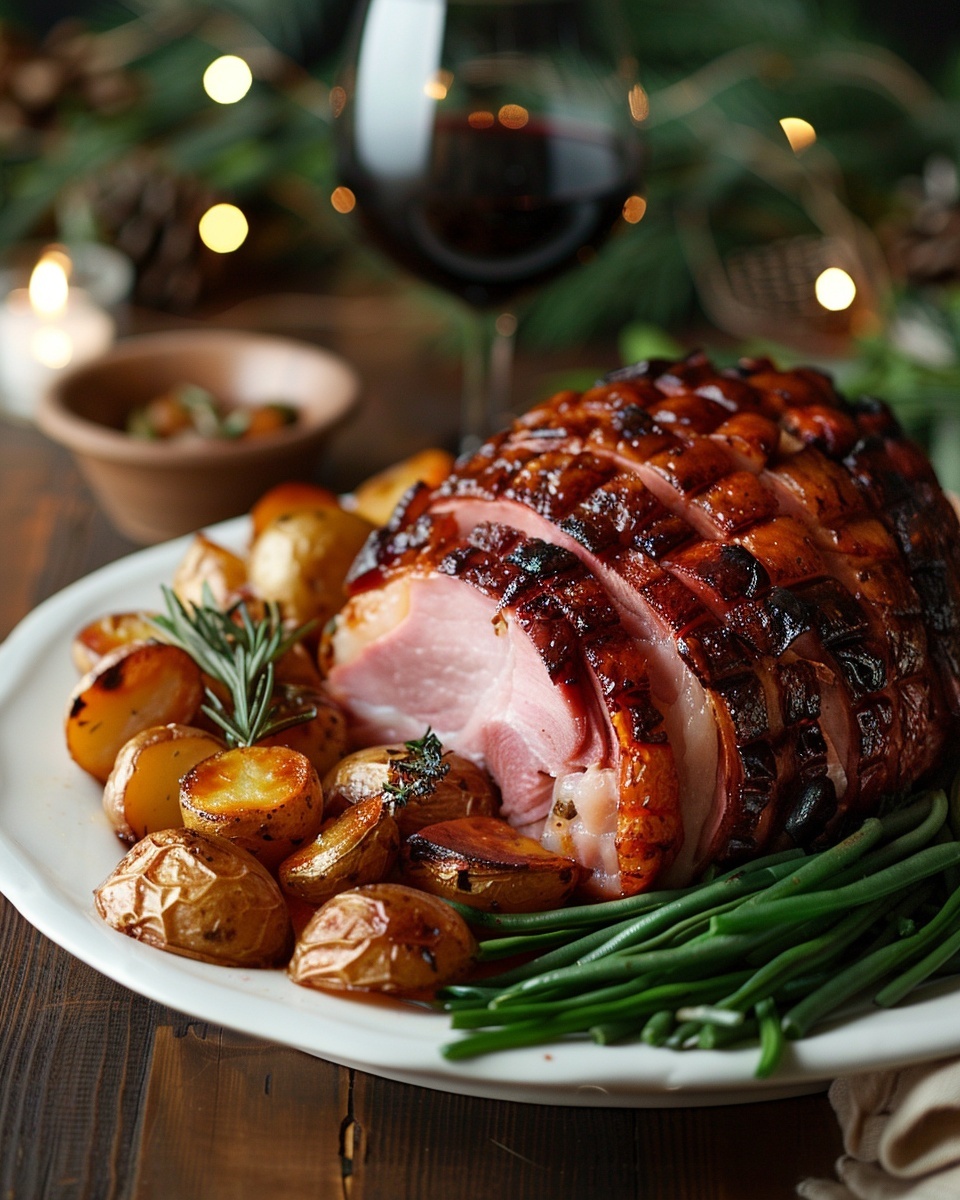
The Timeless Tradition of Easter Ham
I still remember the smell that filled my grandmother’s kitchen every Easter Sunday. That sweet, caramelized aroma of glazed ham would drift through the entire house, announcing that something special was about to happen. The whole family would gather around her dining table, and there it was—a beautiful, glistening Easter ham sitting right in the center, ready to be carved and shared.
In the USA, serving ham on Easter Sunday has been a tradition for generations. Families across the country make this dish the star of their holiday table. It’s more than just a meal. It’s a symbol of spring, renewal, and coming together with the people you love most.
For me, Easter ham represents those cherished memories of crowding around the table with cousins I only saw a few times a year. It meant laughter, stories, and plates piled high with food. Now that I host Easter dinner at my own home, I understand why my grandmother chose ham every single year. It feeds a crowd, tastes amazing, and brings everyone together in a way few other dishes can.
Whether you’re a seasoned pro or trying an Easter ham for the first time, this guide will help you create a memorable meal. I’ll walk you through everything from picking the right ham to glazing it perfectly. Let’s make this Easter one your family will remember.
Why Easter Ham is a Holiday Favorite
Walk into any grocery store in March or early April, and you’ll see entire sections dedicated to ham. There’s a reason for that. Baked ham has become the go-to protein for Easter celebrations across America. But why ham? Why not turkey or roast beef?
The tradition actually has deep roots. Historically, pigs were slaughtered in the fall, and the meat was cured throughout winter. By spring, the ham was ready to eat—perfectly timed for Easter celebrations. This practical timing turned into a beloved custom that stuck around for centuries.
Some people ask me, “Is Easter ham a thing?” The answer is absolutely yes. In American culture, ham has become as tied to Easter as turkey is to Thanksgiving. Churches serve it at potlucks. Restaurants feature it on special Easter menus. Families plan their whole holiday meal around it.
The beauty of easter ham recipes is their flexibility. You can go traditional with a brown sugar glaze. You can try something fruity with pineapple and cherries. Maybe you want to kick things up with a spicy mustard coating. The base stays the same, but you can customize the flavors to match what your family loves.
I’ve made ham with maple syrup for my kids who like things sweeter. I’ve added bourbon to the glaze when cooking for adults. Each version was delicious in its own way. That’s what makes ham such a smart choice—it adapts to your taste.
Beyond flavor, ham works perfectly for large gatherings. An easter ham dinner can feed a dozen people or more with one main dish. You’re not juggling multiple chickens or trying to time several roasts. One beautiful ham sits in the center of your table and serves everyone. It’s simple, elegant, and stress-free.
Ham also slices beautifully for serving. Your guests can take as much or as little as they want. Leftovers turn into sandwiches, soups, and casseroles for days afterward. Nothing goes to waste, which matters when you’re feeding a big group.
Choosing the Best Ham for Your Easter Feast
Standing in front of the meat counter can feel overwhelming. There are so many options, all with different labels and price tags. Let me break down what you need to know.
People often ask me, “What kind of ham is best for Easter?” The answer depends on your priorities, but I’ll share what works for most families.
Spiral-cut ham is my top recommendation for beginners. The butcher has already sliced it for you, which makes serving incredibly easy. Your guests can pull off perfectly cut pieces without any effort. The slices also absorb glaze better because there’s more surface area. The downside? Spiral-cut hams can dry out faster during cooking, so you need to watch them carefully.
Bone-in ham gives you the best flavor. That bone adds richness and keeps the meat juicy during baking. You can also use the bone afterward to make incredible soup stock. The bone does make carving trickier, though. You’ll need a sharp knife and some confidence. If you’ve never carved a bone-in ham before, watch a quick video tutorial first.
Boneless ham offers the easiest carving experience. You simply slice straight across. It’s compact, which helps if your oven or refrigerator space is limited. The flavor isn’t quite as deep as bone-in options, but it’s still delicious and much more convenient.
Size matters too. I get this question constantly: “How many will a 20 lb ham feed?” Here’s my rule of thumb:
- For bone-in ham, plan on ½ to ¾ pound per person
- For boneless ham, plan on ⅓ to ½ pound per person
- If you want leftovers (and you should), add an extra pound or two
A 20-pound bone-in ham will comfortably feed 25 to 30 people. That same size in boneless could stretch to feed 35 to 40 folks. I always buy more than I think I need. Those leftovers are gold for busy weeknight dinners.
When shopping, look for hams labeled “fully cooked.” These are already safe to eat and just need heating and glazing. Raw or “cook before eating” hams require more time and attention. Stick with fully cooked for Easter dinner unless you’re really experienced.
Check the label for water content too. Some hams are pumped full of water and additives to increase weight. Look for “ham” or “ham with natural juices.” Avoid anything labeled “ham and water product” or “ham and water added.” You’re paying ham prices for water weight, which isn’t worth it.
I love checking out Pioneer Woman easter ham ideas when I need inspiration. Ree Drummond has a gift for making classic recipes approachable and delicious. Her glazes often feature pantry staples like brown sugar, honey, and Dijon mustard. She keeps things simple, which I appreciate when I’m already juggling side dishes and desserts.
The same principles from her pioneer woman christmas ham recipes work beautifully for Easter too. Good technique and quality ingredients matter more than fancy preparations. A well-chosen ham with a simple glaze will always beat an overcomplicated recipe.
One last tip: buy your ham early. The best selections sell out fast in the days before Easter. I usually purchase mine a week ahead and keep it refrigerated. If you’re really organized, buy it even earlier and freeze it. Just remember to allow 24 hours of thawing time in the refrigerator for every five pounds of ham.
Choosing the right ham sets you up for success. Take your time at the store. Read labels. Ask the butcher questions. This decision affects your entire meal, so it’s worth getting right. Once you’ve got a quality ham in your cart, you’re already halfway to an amazing Easter ham dinner.

Preparing the Perfect Easter Ham
Now that you’ve picked out a beautiful ham, it’s time to transform it into something truly special. I won’t lie—the first time I prepared an Easter ham, I was nervous. Would it dry out? Would the glaze burn? Would my family politely eat it while secretly wishing for pizza? Turns out, my worries were overblown. With a few simple techniques, anyone can nail this dish.
The first step is letting your ham come to room temperature. Pull it from the refrigerator about an hour before cooking. Cold ham straight from the fridge won’t heat evenly, leaving you with lukewarm spots in the middle. I usually take mine out while I’m prepping side dishes, which gives it plenty of time to warm up naturally.
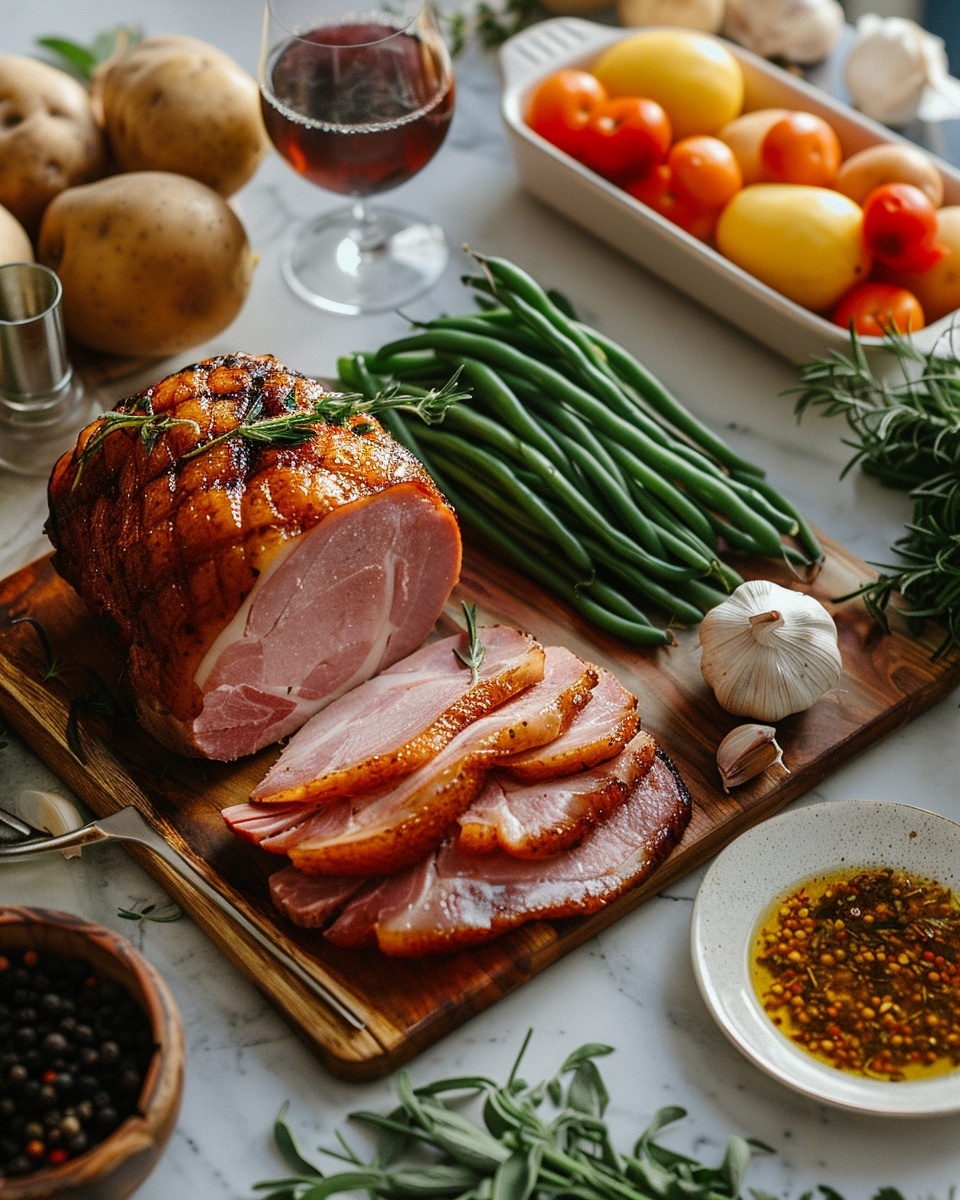
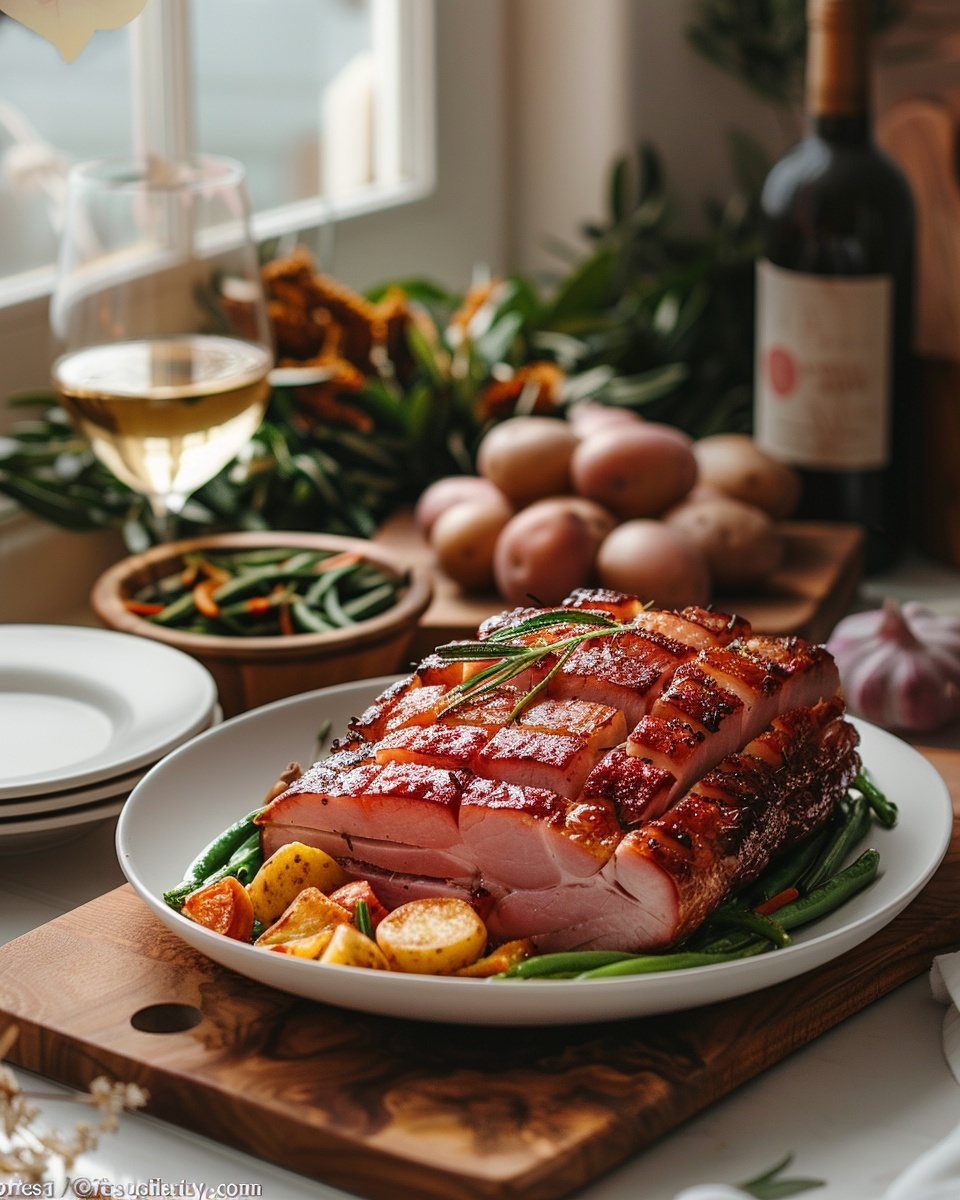
Next, score the surface if you’re working with an uncut ham. Using a sharp knife, make shallow diagonal cuts across the top, creating a diamond pattern. This isn’t just for looks—though it does make your ham Instagram-worthy. Those cuts let the glaze seep into the meat, flavoring every bite instead of just sitting on top. I usually make my cuts about a quarter-inch deep and space them roughly an inch apart.
Here’s the thing about baked ham recipes: they’re incredibly forgiving. You can follow a recipe to the letter, or you can improvise based on what’s in your pantry. I’ve made versions with ingredients as simple as brown sugar and mustard, and I’ve gone fancy with bourbon and maple syrup. Both turned out fantastic.
Place your ham cut-side down in a roasting pan. Add about a cup of water, apple juice, or chicken broth to the bottom of the pan. This liquid creates steam that keeps everything moist and prevents the bottom from burning. Some people skip this step, but I’ve found it makes a real difference, especially with spiral-cut hams that tend to dry out faster.
Cover your ham tightly with aluminum foil. This is crucial for the first part of cooking. The foil traps moisture and heat, essentially steaming your ham while it warms through. You’ll remove it later for glazing, but during the initial baking, keep it covered. Trust me on this one—I learned the hard way after serving a ham that looked like beef jerky at one particularly memorable Easter dinner.
Creating an Irresistible Ham Glaze
The glaze is where magic happens. This is your chance to make your ham uniquely yours. A good glaze for easter ham balances sweet, savory, and tangy flavors. You want something that caramelizes beautifully without burning, coating the meat in a glossy, flavorful shell.
My go-to ham glaze recipe couldn’t be simpler. I mix one cup of brown sugar with half a cup of honey, a quarter cup of Dijon mustard, and a splash of apple cider vinegar. Sometimes I throw in a teaspoon of cinnamon or a pinch of cayenne pepper if I’m feeling adventurous. Whisk everything together in a saucepan over medium heat until it’s smooth and slightly thickened.
The pioneer woman christmas ham approach has taught me that seasonal spices work year-round. Those warm winter flavors—cloves, nutmeg, allspice—taste just as wonderful on Easter. I’ve borrowed techniques from Christmas ham preparations and adapted them for spring by adding orange zest or a bit of pineapple juice. The principles stay the same; only the accent notes change.
Funny enough, fruit-based glazes remain my family’s favorite. Pineapple juice mixed with brown sugar creates this incredible sweet-tart coating that my kids request every year. I’ll heat a can of crushed pineapple with brown sugar and a spoonful of whole grain mustard, then brush it over the ham during the last hour of cooking. The pineapple chunks stick to the surface and caramelize into these little bursts of flavor.
Timing your glaze application matters more than most people realize. Apply it too early, and it burns. Wait too long, and it doesn’t have time to set properly. I’ve found the sweet spot is during the last 45 minutes of cooking. Remove the foil, brush on a generous layer of glaze, and return the ham to the oven uncovered. Repeat this process every 15 minutes, building up layers of flavor with each application.
Each time you add more glaze, the previous layer caramelizes a bit more, creating depth and complexity. By the third coating, you’ll have this gorgeous mahogany crust that looks like it came from a fancy restaurant. Your kitchen will smell absolutely incredible too—that sweet, spicy aroma rivals any candle you could buy.
Cooking Tips and Techniques for Success
Let’s talk numbers because precision matters here. Preheat your oven to 325°F—not 350°F, not 300°F, but right at 325°F. This moderate temperature heats the ham through without drying it out. Higher temperatures might seem faster, but they’ll leave you with tough, dry meat.
For timing, calculate about 15 to 18 minutes per pound for a fully cooked ham. A ten-pound ham needs roughly two and a half to three hours. A twenty-pounder will take closer to five hours. Yes, that’s a long time, but remember—most of it is hands-off cooking. You’re not actively doing anything except checking occasionally and applying glaze toward the end.
Use a meat thermometer to guarantee success. Insert it into the thickest part of the ham without touching bone. You’re aiming for an internal temperature of 140°F since your ham is already fully cooked. We’re just reheating and glazing, not cooking from raw. When that thermometer hits 140°F, you’re ready to glaze and finish.
The best easter ham recipe isn’t necessarily the most complicated one. It’s the recipe you can execute confidently, the one that fits your skill level and available time. I’ve seen people stress themselves out trying elaborate preparations when a simple approach would’ve worked better. Start with basic techniques, master those, then experiment with fancier versions later.
One trick I learned from my aunt: tent your ham loosely with foil if the glaze starts darkening too quickly. Just drape it over the top without sealing the edges. This slows down browning while letting cooking continue underneath. I’ve saved several hams from over-caramelization using this method.
Let your ham rest for at least 15 minutes after removing it from the oven. This resting period lets juices redistribute throughout the meat. Cut into it immediately, and those juices run all over your cutting board instead of staying in the ham where they belong. I know it’s tempting when you’re hungry and everything smells amazing, but patience pays off here.
By the way, don’t throw out that pan liquid. Those drippings mixed with glaze create an incredible sauce. Pour the liquid into a saucepan, skim off excess fat, and simmer until slightly reduced. Serve it alongside sliced ham for guests who want extra moisture and flavor. It’s basically liquid gold.
Side Dishes That Complete Your Easter Ham Dinner
An easter ham dinner needs supporting players to really shine. I always plan my sides around balancing the ham’s richness and sweetness. You want vegetables, starches, and maybe something fresh to cut through all that glaze.
Roasted spring vegetables are my default choice. Asparagus, carrots, and baby potatoes tossed with olive oil, salt, and pepper, then roasted until caramelized. They’re simple, seasonal, and don’t compete with the ham for attention. Plus, everything cooks in one pan, which means less cleanup—always a win in my book.
Scalloped potatoes bring creamy comfort that pairs beautifully with salty ham. I make mine with heavy cream, garlic, and a blend of cheeses. They bake alongside the ham during that last hour, which streamlines my oven logistics. Similar to how I plan around a Thanksgiving turkey, timing multiple dishes requires some strategy.
A bright, acidic salad provides necessary contrast. Mixed greens with strawberries, candied pecans, and a citrus vinaigrette refresh your palate between rich bites of ham and potatoes. My family actually requests this specific salad every Easter now. It’s become as traditional as the ham itself.
Dinner rolls or biscuits are non-negotiable. You need something to soak up that glaze and make sandwiches with leftovers later. I usually buy frozen rolls and let them rise while the ham bakes. Homemade is wonderful if you have time, but frozen works perfectly fine when you’re already juggling multiple dishes.
Interestingly, the same sides that work for thanksgiving ham translate perfectly to Easter. Green bean casserole, sweet potato casserole, cranberry sauce—they all complement ham just as well as turkey. Don’t feel locked into specific “Easter” sides. Use what your family loves and what makes sense for your menu.
Making It Memorable: Adding Personal Touches
After years of hosting Easter dinner, I’ve realized the meal itself is only part of the experience. The memories come from personal touches that make your celebration unique. Maybe it’s using your grandmother’s serving platter for the ham. Perhaps it’s a special garnish or a family recipe passed down through generations.
I started a tradition of letting my kids help with the final glaze application. They wear aprons and take turns brushing on that sweet coating. Sure, it gets a bit messy, and the glaze application isn’t perfectly even, but they feel involved and proud. Years from now, they’ll remember helping with Easter ham, not whether the glaze was restaurant-perfect.
Garnishing your serving platter transforms presentation from ordinary to special. I arrange fresh herbs, orange slices, and maraschino cherries around the ham. Pineapple rings and cloves stuck into the surface create a retro, mid-century look that guests always comment on. These little details don’t change the flavor, but they make everything feel more festive, much like decorating Christmas sugar cookies adds to holiday spirit.
One year, I forgot to buy fresh herbs for garnish. Instead, I used what I had—some leftover Easter egg dye and white carnations. We dyed the flowers in pastel colors and arranged them around the ham platter. It looked absolutely beautiful and cost almost nothing. Sometimes the best touches come from improvisation.
Here’s what I’ve learned: Easter ham succeeds because it brings people together. Whether your glaze is perfectly caramelized or slightly burnt on the edges doesn’t really matter. Your family won’t remember if the internal temperature was exactly 140°F. They’ll remember gathering around the table, sharing stories, and feeling connected to each other and to traditions that stretch back through generations.
The ham sitting at the center of your table represents more than just protein and calories. It’s a symbol of abundance, celebration, and the renewal that spring brings. When you carve into that glazed exterior and serve those first steaming slices, you’re participating in something bigger than one meal. You’re carrying forward a tradition while creating new memories for the people you love.
Some of my best Easter dinners have been the imperfect ones. The year the glaze slid off because I didn’t score deeply enough. The time I forgot to thaw the ham completely and had to extend cooking by an hour while everyone snacked on appetizers. Those mishaps became funny stories we still tell. They didn’t ruin anything—they made the day more memorable and human.
So yes, follow recipes and techniques. Time things properly and aim for that perfect glaze. But also relax and enjoy the process. If you need inspiration before your celebration, checking out something light and celebratory like a champagne lemon cake can remind you that holiday cooking should be fun, not stressful.
Your baked ham will turn out wonderfully. Your family will appreciate the effort you put into making Easter special. And who knows? Maybe someday your kids or grandkids will write about the Easter ham tradition they remember from your table, carrying these memories and flavors into the future.


FAQs About Easter Ham
Over the years, I’ve gotten tons of questions about preparing Easter ham. Some come from nervous first-timers, others from experienced cooks trying something new. Here are the answers to the most common questions that pop up in my inbox every spring.
What kind of ham is best for Easter?
Honestly, this depends on your confidence level and what matters most to you. If you’re new to making ham or want the easiest serving experience, go with a spiral-cut ham. The pre-slicing means guests can grab their portions without waiting for someone to carve. Just watch it closely during baking since those cuts can dry out faster. For maximum flavor and juiciness, choose a bone-in ham—that bone adds incredible richness and gives you soup stock afterward. If you hate carving or need something compact, a boneless ham slices like butter and still tastes delicious. I rotate between types depending on my guest list and energy level that particular year.
Is Easter ham a thing?
Absolutely yes! In American households, Easter ham ranks right up there with Thanksgiving turkey as a holiday tradition. Walk through any neighborhood on Easter Sunday, and you’ll catch that unmistakable smell of glazed ham drifting from kitchen windows. Churches serve it at Easter brunches. Restaurants feature it on special menus. It’s deeply woven into how Americans celebrate this holiday. The tradition goes back centuries to when spring was the perfect time to enjoy cured pork from fall slaughtering. That practical timing became a beloved custom that stuck around because, let’s face it, ham is delicious and feeds a crowd beautifully.
What is the traditional meat for Easter Sunday?
Ham became the traditional Easter protein for both historical and symbolic reasons. Centuries ago in Europe and early America, pigs were slaughtered in autumn, and the meat was cured through winter months. By springtime—right when Easter rolled around—the ham was perfectly aged and ready to eat. This timing wasn’t coincidental; it was practical. Additionally, lamb shows up on some Easter tables, especially in religious households where it symbolizes sacrifice and renewal. But in the USA, ham won out as the most popular choice because it’s affordable, feeds large groups easily, and tastes incredible with sweet glazes. The tradition crossed cultural lines and became something nearly every American family recognizes, regardless of background.
How many will a 20 lb ham feed?
A twenty-pound ham is a real showstopper that’ll feed quite a crowd. For bone-in versions, you’re looking at serving 25 to 30 people comfortably, assuming everyone takes about half a pound to three-quarters of a pound. With boneless ham, you can stretch that to feed 35 to 40 folks since there’s no bone weight and less waste. These estimates assume you’re serving other dishes alongside the ham—nobody’s eating just meat. If you want leftovers for sandwiches and casseroles (which you should), plan for the lower end of those ranges. I always buy more than seems necessary because leftover ham is precious. It transforms into so many quick meals during the busy week after Easter.
How long should I bake my Easter ham?
Plan on 15 to 18 minutes per pound at 325°F for a fully cooked ham. So a ten-pounder needs about two and a half to three hours, while a fifteen-pound ham requires closer to four hours. Remember, you’re reheating and glazing, not cooking from raw. Keep the ham covered with foil for most of the baking time, then uncover during the last 45 minutes to apply your glaze. Use a meat thermometer to check—you want an internal temperature of 140°F in the thickest part. I set timers on my phone so I don’t forget to check and apply glaze at the right intervals. It’s easy to get distracted when you’re juggling multiple dishes.
Can I prepare Easter ham the day before?
You can definitely do some prep work ahead, which saves stress on Easter morning. Score your ham, prepare your glaze, and store both in the refrigerator the night before. Some people fully cook and glaze their ham a day early, then gently reheat it before serving. I’ve done this when hosting brunch instead of dinner. Just wrap the cooked ham tightly in foil, refrigerate it, then reheat at 275°F for about an hour until warmed through. The texture won’t be quite as perfect as fresh from the oven, but it’s still tasty and makes timing much easier. For evening dinners, though, I prefer cooking day-of so guests experience that fresh-baked glory.
What’s the best glaze for Easter ham?
The best glaze for easter ham balances sweet, tangy, and savory notes without overpowering the meat’s natural flavor. My personal favorite combines brown sugar, honey, Dijon mustard, and apple cider vinegar—simple ingredients that create magic together. Pineapple-based glazes run a close second, especially with kids at the table. Some families swear by maple syrup and bourbon for a sophisticated twist. The pioneer woman easter ham glazes tend toward classic combinations using pantry staples, which I appreciate when I’m already stressed about timing. Honestly, you can’t go wrong as long as you have something sweet to caramelize, something acidic to cut the richness, and something savory to add depth. Experiment with what sounds good to you.
Should I buy a fresh or frozen ham?
Fresh hams (which are actually already cured and cooked, despite the name) are ideal if you can get one from a good butcher. They typically have better texture and flavor than frozen versions. However, frozen hams work perfectly fine and often cost less. Just plan ahead—you need about 24 hours of refrigerator thawing time for every five pounds. A fifteen-pound frozen ham needs three full days to thaw safely. Never thaw ham on the counter; that’s a food safety nightmare. I’ve used both fresh and frozen over the years, and honestly, the glaze and cooking technique matter more than whether it started frozen. Buy what fits your budget and timeline.
How do I keep my ham from drying out?
Moisture is everything with baked ham recipes. First, add liquid to your roasting pan—water, apple juice, or broth works great. This creates steam that keeps everything moist. Second, keep the ham covered with foil during most of the cooking time. Only uncover it during the final 45 minutes for glazing. Third, don’t overcook it. Since your ham is already fully cooked, you’re just reheating to 140°F internal temperature. Going higher dries it out unnecessarily. Finally, let it rest before carving so juices redistribute. I learned these tricks after serving one memorably dry ham early in my hosting career. Now my hams stay juicy every single time.
What should I do with leftover ham?
Leftover ham is a gift that keeps giving. I cube it for omelets and frittatas at breakfast. It goes into sandwiches with cheese and mustard for easy lunches. Diced ham transforms bean soup, potato soup, or split pea soup into something hearty and satisfying. It adds protein to pasta dishes, casseroles, and fried rice. You can freeze cubed ham in portions for up to three months—just thaw what you need when you need it. The bone makes incredible stock for soup; simmer it with vegetables and herbs for a few hours. Honestly, I plan my post-Easter meals around leftover ham. It’s too valuable to waste, and the flavors actually improve in some dishes after the ham has soaked in the glaze overnight.
Making Easter Ham Work for Your Family
Here’s the thing about easter ham dinner that nobody talks about enough: it should reduce stress, not create it. I see people overwhelming themselves trying to execute complicated recipes when something simpler would actually taste better and leave them less frazzled. The goal isn’t impressing people with your culinary skills—it’s creating a meal that brings everyone together.
One approach that’s changed my Easter hosting is thinking about balance across the whole menu. If my baked ham is sweet and rich, I’ll serve sharp, acidic sides to contrast. If I’m keeping the glaze simple, maybe I’ll get fancy with a side dish. You don’t need every component to be extraordinary. Let one or two dishes shine while others play supporting roles.
I’ve also learned to embrace help. When relatives offer to bring something, I say yes enthusiastically instead of insisting I’ve got everything covered. Aunt Carol makes incredible deviled eggs? She’s bringing them. Your neighbor has a killer potato salad recipe? Perfect, one less thing for me to prepare. This isn’t about being lazy—it’s about letting people contribute to a shared celebration.
By the way, balancing indulgent holiday meals with mindful choices matters for long-term wellness. While Easter ham is definitely a treat, you can round out your menu with nutrient-rich vegetables and reasonable portions. Resources like healthy eating guidance from trusted nutrition sources can help you plan menus that satisfy everyone without leaving people uncomfortably stuffed. I started paying more attention to this after too many Easters where we all collapsed on the couch feeling overly full and sluggish.
Temperature management in your kitchen becomes crucial when you’re cooking multiple dishes. I map out my oven schedule on paper before Easter morning. The ham needs 325°F. Maybe the potato casserole bakes at 350°F. Can they cook together, or do I need to time them separately? Planning this out prevents the chaos of realizing three dishes need the oven simultaneously at different temperatures. Sometimes I’ll use my slow cooker for a side dish just to free up oven space.
Another tip that’s saved me repeatedly: set up a drink station away from the kitchen. Put out water, tea, coffee, or whatever your family enjoys in a separate area with cups and ice. This keeps people out of your cooking zone while you’re trying to glaze ham and mash potatoes. They can help themselves without asking where things are or getting underfoot during crucial moments.
The carving station deserves thought too. I set up a dedicated space with a large cutting board, sharp knife, and serving platter. Some people carve at the table for presentation, which looks beautiful. I prefer carving in the kitchen where I have better control and can arrange slices nicely on the platter. Either way works—pick what matches your style and comfort level.
If you’re looking for more inspiration throughout the year, exploring holiday and event recipes can spark ideas for customizing traditions to fit your family’s tastes. I’ve adapted techniques from various celebrations to create our own unique Easter spread that nobody else has quite the same way.
Photography matters if you’re documenting family memories. Before everyone digs in, snap a few photos of your beautifully glazed ham on its platter. Get shots of the full table with everyone gathered around. These pictures become precious over time. I look back at Easter photos from ten years ago and can barely believe how much my kids have grown. The ham looks pretty similar year to year, but the faces around it tell the real story.
Finally, give yourself grace. Something will probably go slightly wrong—that’s just how cooking for groups works. Maybe your glaze is a bit runny or your timing is off by twenty minutes. Roll with it. Laugh about it. Your family won’t care, and it might become a funny story you tell for years. Perfection isn’t the point; connection is.
The most memorable easter ham recipes aren’t necessarily the fanciest ones. They’re the versions made with love, served with laughter, and eaten with people who matter to you. Whether you’re following your grandmother’s recipe or trying something new this year, you’re participating in something meaningful—a tradition that connects past and future, a meal that gathers your people around one table.
So take a deep breath, trust your preparation, and enjoy the process. Your ham will turn out delicious. Your family will appreciate the effort. And you’ll create memories that outlast any meal, no matter how perfectly it’s executed. That’s what Easter dinner is really about—not the food itself, but the togetherness it creates and the traditions it carries forward into another year.
Easter Ham
Ingredients
Equipment
Method
- Take the ham out of the refrigerator and let it come to room temperature for about an hour.
- Score the surface of the ham with shallow diagonal cuts to create a diamond pattern.
- Preheat your oven to 325°F.
- Place the ham cut-side down in a roasting pan and add liquid (water, apple juice, or broth) to the bottom of the pan.
- Cover the ham tightly with aluminum foil.
- Bake the ham for 15 to 18 minutes per pound until the internal temperature reaches 140°F, checking it occasionally.
- During the last hour of cooking, prepare the glaze by mixing brown sugar, honey, Dijon mustard, and apple cider vinegar in a saucepan over medium heat until smooth.
- Remove the foil from the ham and brush it with glaze, then return it to the oven uncovered.
- Repeat glazing every 15 minutes for the last 45 minutes of cooking.
- Once glazed, let the ham rest for at least 15 minutes before carving.