
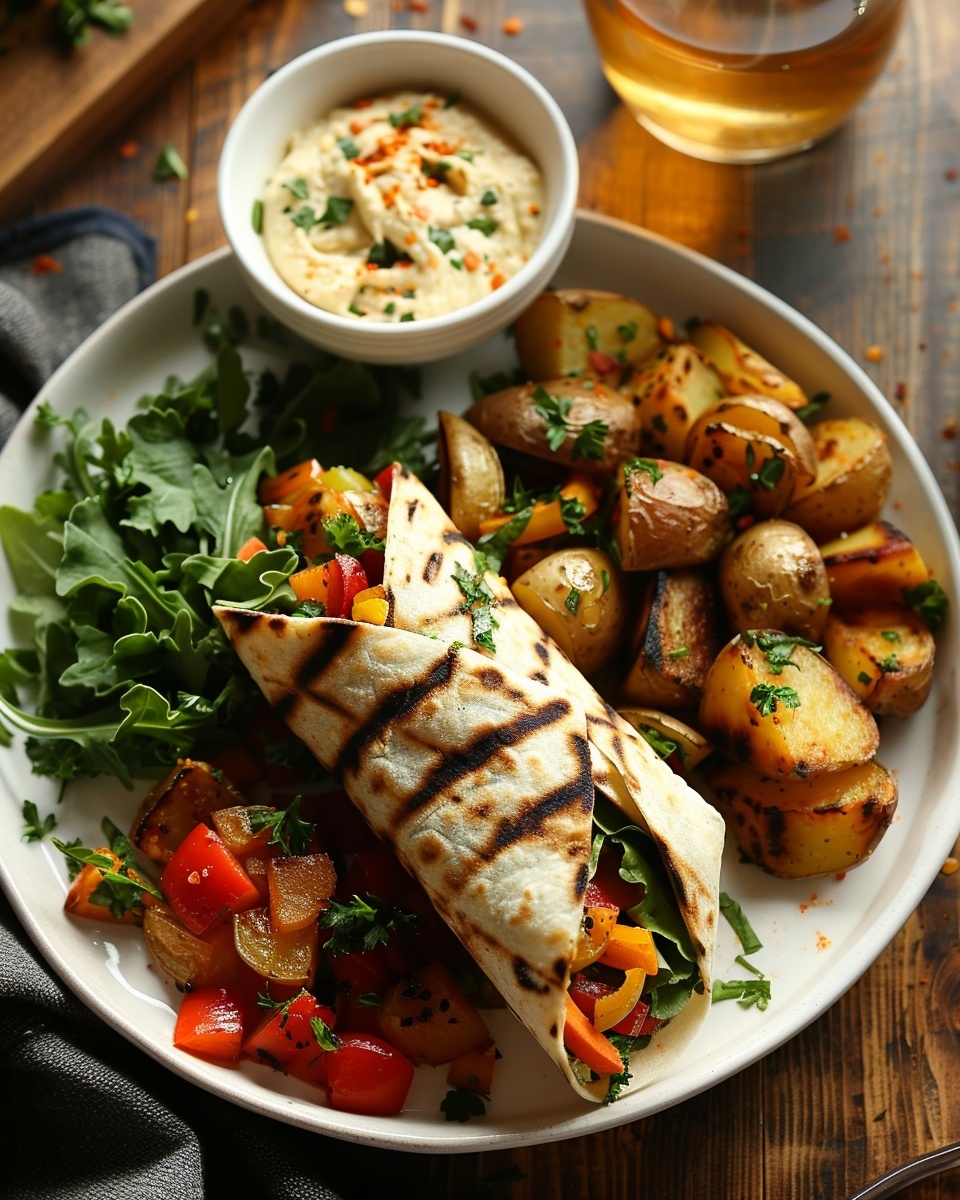
Introduction
Last Tuesday, I stood in my kitchen staring at a pile of colorful bell peppers, zucchini, and eggplant from the farmer’s market. I had about twenty minutes before my next meeting, and I needed something quick but satisfying. That’s when I threw those veggies on my grill pan and wrapped them up in a tortilla with some creamy avocado. Best lunch decision I’d made all week.
I’m someone who genuinely loves creating meals that taste amazing without weighing me down. For years, I’ve been experimenting with recipes that pack flavor into every bite while keeping things simple and healthy. My kitchen is where I feel most creative, and nothing excites me more than finding new ways to make vegetables the star of the plate.
The grilled veggie wrap has become one of my go-to meals, and I’m not alone in my enthusiasm. Across the USA, more people are discovering how satisfying a well-made vegetarian wrap can be. Coffee shops, food trucks, and restaurants are adding their own versions to menus. People are searching for “grilled veggie wrap near me” more than ever before. This shift toward plant-based eating isn’t just a trend. It’s a real change in how we think about lunch and dinner.
What makes a grilled veggie wrap so appealing? It’s incredibly versatile. You can stuff it with whatever vegetables you have on hand. Add different sauces, cheeses, or spreads each time you make it. The possibilities feel endless. Plus, it’s genuinely nutritious. You’re getting fiber, vitamins, and minerals wrapped up in a portable package that you can eat at your desk or on a park bench.
Why You’ll Love a Grilled Veggie Wrap
I make these wraps at least twice a week, and my reasons go beyond just convenience. There’s something deeply satisfying about biting into a wrap where the vegetables still have a slight char from the grill. The smokiness adds depth that you simply can’t get from raw or steamed veggies. When you combine that with a tangy sauce and creamy elements, every bite becomes an experience.
The health benefits of a grilled veggie wrap deserve real attention. When I’m mindful about grilled veggie wrap nutrition, I appreciate that I’m getting substantial amounts of vegetables without heavy sauces or excessive calories. A typical wrap delivers vitamins A and C, potassium, and antioxidants. The fiber keeps me full for hours, which means I’m not reaching for snacks an hour after eating.
For those watching their intake, grilled veggie wrap calories typically range from 300 to 450, depending on what you include. That’s a reasonable amount for a complete meal. If you’re careful with cheese and dressings, you can keep it on the lower end while still enjoying plenty of flavor. I’ve learned that grilling vegetables actually intensifies their natural sweetness, so you don’t need heavy additions to make the wrap taste good.
Being someone who doesn’t eat meat daily, I value how these wraps fit into a vegetarian lifestyle without feeling like I’m missing out. The combination of roasted vegetables provides different textures and flavors that work together beautifully. When I add vegetarian wraps with avocado, I get healthy fats that make the meal more satisfying and help my body absorb fat-soluble vitamins from the vegetables.
Here’s what I love most about making these wraps:
- They come together quickly once the vegetables are grilled
- I can prep the veggies ahead and assemble wraps throughout the week
- They travel well for packed lunches or picnics
- Everyone in my household can customize their own wrap
- Leftovers actually taste great the next day
The appeal extends beyond just vegetarians. My friends who eat meat regularly tell me they genuinely enjoy these wraps. They don’t feel like they’re eating “diet food” or making a sacrifice. The flavors are robust enough to stand on their own.
What Makes This Wrap Special?
Not all vegetable wraps are created equal. I’ve had plenty of sad, soggy versions that consisted of raw vegetables and bland hummus stuffed into a tortilla. Those wraps give vegetarian food a bad reputation. A proper grilled veggie wrap is completely different.
The magic starts with the grilling process. When you cook vegetables over high heat, their natural sugars caramelize. Bell peppers develop sweet, charred edges. Zucchini gets tender with crispy bits. Eggplant becomes creamy on the inside with a smoky exterior. This transformation elevates simple vegetables into something restaurant-worthy.
Texture plays a huge role in why these wraps work so well. You get the slight crunch from grilled peppers, the smoothness of avocado, perhaps some crumbled cheese, and the chewiness of the tortilla itself. When I make a crunchy vegetable wrap recipe, I sometimes add shredded cabbage or lettuce for an extra textural element. That contrast keeps each bite interesting.
The flavor combinations are where you can really get creative. A roasted vegetable wrap with goat cheese offers tangy creaminess that pairs beautifully with sweet roasted peppers. The goat cheese doesn’t need to be heavy-handed. Just a few crumbles add richness without overwhelming the vegetables. I’ve also tried feta, fresh mozzarella, and even a sharp cheddar. Each cheese brings its own personality to the wrap.
One of my favorite versions includes a balsamic veggie wrap approach. I drizzle balsamic reduction over the grilled vegetables before wrapping them up. The sweet-tart flavor of the balsamic complements the charred vegetables perfectly. Sometimes I mix balsamic vinegar with a little olive oil and fresh herbs to create a quick marinade for the vegetables before grilling.
When exploring vegetarian wraps and rolls recipes, I’ve discovered that the base wrap itself matters. A spinach wrap recipe vegetarian style uses green tortillas made with spinach. These add extra nutrients and a subtle flavor that doesn’t compete with your filling. Whole wheat wraps provide more fiber and a nuttier taste. Regular flour tortillas work great too, especially if you lightly toast them first.
The vegetables I choose change with the seasons. Summer brings zucchini, bell peppers, and tomatoes. Fall means butternut squash and Brussels sprouts work wonderfully. Winter calls for heartier vegetables like portobello mushrooms and sweet potatoes. Spring delivers asparagus and fresh greens. This seasonal rotation keeps the wraps from ever feeling boring.


How to Make the Perfect Grilled Veggie Wrap
Now that you understand why these wraps work so well, let me walk you through exactly how I make them in my own kitchen. The process isn’t complicated, but there are specific techniques that make the difference between a mediocre wrap and one that you’ll actually crave throughout the week.
The foundation of any great grilled veggie wrap starts with properly prepared vegetables. I’m going to focus on my favorite version today, which is a roasted vegetable wrap with goat cheese. This particular combination has converted more than a few skeptics at my dinner table. My brother, who claims he needs meat at every meal, actually asked me for this recipe last month.
Here’s the thing about making wraps: preparation matters more than cooking time. Once your vegetables are ready and your ingredients are lined up, assembly takes maybe three minutes. The real work happens in getting those vegetables perfectly cooked.
Step 1: Roasting Vegetables
I’m calling this section “roasting” even though I sometimes grill them on my outdoor grill or even use a grill pan indoors. The goal remains the same regardless of your cooking method. You want vegetables that have developed caramelized edges while maintaining some structural integrity. Nobody wants mushy vegetables in their wrap.
My go-to vegetable combination includes red and yellow bell peppers, zucchini, red onion, and eggplant. I cut everything into similar-sized pieces, roughly a quarter-inch thick for most vegetables. The consistency in size ensures everything cooks at the same rate. Last week I made the mistake of cutting my zucchini too thin while leaving the peppers thick. The zucchini turned to mush while the peppers stayed too firm.
Before cooking, I toss the vegetables in olive oil, salt, pepper, and sometimes a bit of garlic powder. The oil helps with browning and prevents sticking. I’m generous with it but not excessive. About two tablespoons for a large batch of vegetables works perfectly. If you’re concerned about grilled veggie wrap calories, you can use an oil spray instead, though I find the vegetables don’t develop quite the same depth of flavor.
For oven roasting, I preheat to 425°F and spread the vegetables on a large baking sheet. They need space to breathe. Crowding them creates steam instead of that lovely char we’re after. I usually need two baking sheets for enough vegetables to make four or five wraps. After about fifteen minutes, I flip everything with a spatula. Another ten to fifteen minutes and they’re done. You’re looking for golden-brown edges with some darker spots.
If you’re actually grilling outdoors, which I do whenever weather permits, the process changes slightly. I heat my grill to medium-high and place the vegetables directly on the grates or use a grill basket. The direct flame contact creates an incredible smoky flavor that you simply cannot replicate in an oven. Just watch them carefully because they can go from perfectly charred to burnt pretty quickly. I learned this the hard way during a summer barbecue when I got distracted talking and ended up with blackened vegetables that tasted like charcoal.
By the way, if you’re looking for other creative ways to use roasted vegetables, they work beautifully in dishes like my sweet potato bowl where the roasting technique really brings out natural sweetness.
Step 2: Choosing Your Wrap Base
The tortilla you select genuinely impacts the final result. I rotate between several options depending on my mood and what I have available. Whole wheat tortillas provide a nutty flavor and extra fiber. They’re sturdy enough to hold a generous amount of filling without tearing. Regular flour tortillas work great too, especially the burrito-sized ones that give you plenty of room to work with.
Lately, I’ve been experimenting with a spinach wrap recipe vegetarian approach using those green-tinted tortillas. They’re made with spinach puree mixed into the dough, adding a subtle earthiness and a boost of nutrients. My kids think they look cool, which means they’re more likely to eat their vegetables without complaint. Win-win situation.
People often ask me, “Can you put wraps in the grill?” The answer is yes, absolutely, and it transforms the entire eating experience. After I’ve assembled my wrap, I sometimes place it on a grill pan or panini press for a couple of minutes. This creates crispy edges on the tortilla and warms everything through. The slight crunch on the outside combined with the warm, tender vegetables inside creates an amazing textural contrast.
If you don’t have a grill pan, a regular skillet works fine. I heat it over medium heat without any oil, place the wrapped tortilla seam-side down first, and let it toast for about two minutes per side. You’ll see golden-brown grill marks forming. Just don’t walk away. These can burn faster than you’d expect.
One trick I discovered by accident: warming your tortilla briefly before filling it makes it more pliable and less likely to crack when you roll it up. I wrap mine in a damp paper towel and microwave for about fifteen seconds. Totally changed my wrap-making game. Before I figured this out, I’d often end up with torn tortillas and vegetables falling everywhere.
Step 3: Adding Sauces and Toppings
This is where your creativity really gets to shine. The question “What sauce to put on a veggie wrap?” doesn’t have a single answer, which is precisely what makes these wraps so adaptable. My standard approach for the roasted vegetable wrap with goat cheese includes a spread of plain hummus as the base layer. The hummus acts like glue, helping other ingredients stick to the tortilla while adding protein and creaminess.
Then I crumble about two tablespoons of goat cheese across the surface. If you’ve never tried goat cheese, it has a distinctive tangy flavor that pairs incredibly well with sweet roasted vegetables. Some people find it too strong at first. If that’s you, start with a milder cheese like fresh mozzarella or even a bit of cream cheese.
For a balsamic veggie wrap variation, I drizzle balsamic glaze over everything right before rolling. Balsamic glaze is different from regular balsamic vinegar. It’s been reduced until it’s thick and syrupy with a concentrated sweet-tart flavor. You can buy it pre-made or simmer regular balsamic vinegar on your stove for about ten minutes until it reduces by half. I keep a bottle in my refrigerator because it lasts forever and elevates so many dishes.
Adding vegetarian wraps with avocado takes things to another level. I slice about half an avocado per wrap and layer it over the other ingredients. The creamy texture balances the charred vegetables beautifully, plus you’re getting healthy fats that keep you satisfied longer. When avocados are out of season or expensive, I sometimes substitute with a thin layer of mashed white beans mixed with lemon juice and garlic. Not quite the same, but still delicious and more budget-friendly.
Fresh herbs make a surprising difference too. A handful of fresh basil leaves or cilantro adds brightness that cuts through the richness of cheese and avocado. I tear them roughly rather than chopping them. Something about the irregular pieces distributes the flavor more interestingly. This same principle works great in other vegetable-focused dishes like this cauliflower rice stir fry where fresh herbs really pop.
Tips for Success
Making a crunchy vegetable wrap recipe that stays appealing requires understanding a few key principles. The number one issue people face is sogginess, which can turn an otherwise perfect wrap into a disappointing mess. So how do you keep veggie wraps from getting soggy? I’ve developed several strategies through trial and error.
First, make sure your roasted vegetables are completely cooled before assembling the wrap. Hot vegetables release steam that gets trapped in the tortilla, creating moisture that makes everything soggy. I know it’s tempting to assemble wraps right after cooking, especially when you’re hungry, but patience pays off here. I spread my roasted vegetables on a plate and stick them in the refrigerator for ten minutes if I’m in a rush.
Second, create a moisture barrier. This is crucial if you’re making wraps ahead for the week. I spread hummus or another thick spread directly on the tortilla first. This creates a protective layer between the tortilla and wetter ingredients like tomatoes or saucy vegetables. Some people use cream cheese or even a thin layer of mashed avocado for this purpose.
Third, drain any excess liquid from your vegetables. After roasting, sometimes vegetables release moisture as they cool. I pat them with a paper towel before adding them to my wrap. This extra step takes five seconds and prevents a lot of frustration.
When I’m preparing wraps for the next day’s lunch, I actually keep some components separate. I’ll pack the roasted vegetables in one container and the tortilla with spreads in another. Assembly takes thirty seconds in the morning, and everything stays fresh and crispy. Much better than dealing with a soggy wrap that’s been sitting overnight.
Temperature management matters too. If you’re eating your wrap immediately, slightly warm vegetables taste incredible. But for meal prep, completely cold vegetables work better. They maintain their texture longer and don’t create condensation inside your lunch container.
Funny enough, the way you roll your wrap affects its structural integrity. I place all my fillings in a horizontal line across the center of the tortilla, leaving about two inches empty on each side. Then I fold those sides in first before rolling from the bottom up, keeping everything tight as I go. A loosely rolled wrap tends to fall apart and lets moisture migrate around more freely.
For extra crunch, I sometimes add fresh vegetables along with the roasted ones. Shredded lettuce, thinly sliced cabbage, or even some sprouts provide textural contrast that makes each bite more interesting. Just like adding varied textures to breakfast dishes such as oatmeal with fruits, that combination of soft and crunchy elements keeps your palate engaged.
One last tip: if you’re planning to grill or toast your assembled wrap, do it right before eating. The heat will warm everything through and crisp up the exterior, but it also speeds up the sogginess process. So this technique works great for immediate consumption but not for meal prep.
Don’t forget that these wraps are endlessly customizable based on your nutritional needs and taste preferences. You can pack them with ingredients similar to what you’d find in a hearty green smoothie for breakfast, focusing on nutrient density while keeping things flavorful and satisfying. The principles of good vegetarian cooking remain consistent across different meal types.


Where to Find Great Grilled Veggie Wraps
Last month, I was traveling through Portland and found myself searching “grilled veggie wrap near me” on my phone at 2 PM, absolutely starving after a long morning of meetings. Within minutes, I discovered this incredible little café tucked away on a side street that specialized in vegetarian food. Their wrap had marinated portobello mushrooms, roasted red peppers, and this amazing cashew cream sauce I’m still trying to replicate at home.
The beauty of wraps becoming so popular is that you can find them almost anywhere now. Coffee shops that used to only serve pastries are adding vegetarian wraps and rolls recipes to their lunch menus. Even mainstream chains have caught on, offering their own versions with varying degrees of success. I’ve tried them at Panera, Starbucks, and several local spots near my office.
Here’s the thing about finding good wraps when you’re out: not all restaurants understand what makes them work. Some places just throw cold, raw vegetables into a tortilla with a blob of hummus and call it a day. Those wraps are sad and unsatisfying. What you’re looking for are places that actually grill or roast their vegetables. Check the menu description carefully. Words like “grilled,” “roasted,” or “charred” are good signs.
Independent cafés and health-focused restaurants typically do the best job. They’re more likely to make components from scratch and use seasonal vegetables. I’ve had fantastic experiences at places like Sweetgreen, True Food Kitchen, and local farm-to-table restaurants. These establishments understand that roasted vegetables need proper seasoning and technique to shine.
Food trucks are another goldmine for excellent wraps. I discovered a Mediterranean food truck near my gym that makes a spectacular balsamic veggie wrap with grilled eggplant, zucchini, and a balsamic reduction that’s perfectly balanced between sweet and tangy. The owner told me he grills vegetables fresh every morning. That commitment to quality makes all the difference.
When you’re searching for options, don’t overlook ethnic restaurants. Middle Eastern places often have incredible vegetable wraps with grilled vegetables, tahini, and fresh herbs. Indian restaurants sometimes offer wraps with spiced grilled vegetables and mint chutney. Mexican spots might have versions with grilled peppers, onions, and black beans. These international approaches introduce flavor profiles you might not think to try at home.
If you have dietary restrictions, calling ahead can save you disappointment. I always ask whether they can accommodate requests like leaving off cheese or using a specific type of wrap. Most places are happy to customize, especially smaller establishments where the owner or chef actually answers the phone.
Recipe Inspiration: Beyond the Basics
Once you’ve mastered the classic grilled veggie wrap, the experimentation becomes incredibly fun. I treat my kitchen like a laboratory on weekends, testing different combinations to see what works. Some attempts are spectacular. Others end up as “learning experiences,” which is a nice way of saying my family politely declined seconds.
One variation I absolutely love involves Asian-inspired flavors. I marinate vegetables like bok choy, shiitake mushrooms, and bell peppers in a mixture of soy sauce, ginger, and sesame oil before grilling them. Then I wrap everything up with some shredded cabbage, a drizzle of sriracha mayo, and crushed peanuts for crunch. The combination of sweet, spicy, and umami flavors creates something totally different from a traditional Mediterranean-style wrap.
For a heartier option, I sometimes add protein-rich ingredients beyond just vegetables. Grilled tofu works beautifully when it’s been pressed properly to remove excess moisture and marinated for at least an hour. Black beans or chickpeas roasted until slightly crispy add substance without meat. My husband, who’s definitely not vegetarian, actually requests these additions because they make the wrap more filling for him.
A spinach wrap recipe vegetarian approach can go in multiple directions. Beyond just using spinach tortillas, I sometimes sauté fresh spinach with garlic and layer it into the wrap alongside grilled vegetables. The cooked spinach wilts down significantly, so you can pack in a surprising amount without making the wrap bulky. This technique adds iron and other nutrients that complement the grilled veggie wrap nutrition profile nicely.
Experimenting with different spreads transforms the entire flavor experience. Instead of plain hummus, try sun-dried tomato hummus or roasted red pepper hummus. Pesto brings a bright, herbaceous quality that pairs wonderfully with grilled zucchini and tomatoes. I’ve used mashed white beans mixed with lemon and rosemary as a lighter alternative that still provides creaminess and protein.
Funny enough, breakfast wraps using grilled vegetables work surprisingly well. I scramble some eggs, add grilled peppers and onions, maybe some cheese, and wrap it all up in a whole wheat tortilla. It’s like a portable omelet that I can eat during my morning commute. This same concept works with scrambled tofu for a fully plant-based breakfast option.
Sweet potato deserves special mention because it’s such a game-changer in wraps. I slice sweet potatoes into thin rounds, toss them with olive oil and cumin, then roast until they’re tender with crispy edges. Combined with black beans, avocado, and cilantro-lime dressing, this creates a Southwestern-style wrap that’s become a regular in my rotation.
Grilled fruit sounds weird but actually works in certain combinations. Grilled pineapple with jalapeños, black beans, and cilantro creates this sweet-spicy-savory combination that’s genuinely addictive. Grilled peaches in summer with goat cheese and arugula make an elegant wrap that feels fancy enough for company but takes minimal effort.
If you’re really committed to building sustainable food habits, incorporating more vegetable-forward meals like these wraps makes a meaningful difference. The environmental impact of plant-based eating extends beyond personal health benefits.
Temperature plays with flavors in interesting ways too. Sometimes I deliberately make cold wraps using room-temperature grilled vegetables, crisp lettuce, and a tangy vinaigrette. Other times I want everything warm and melty, so I assemble the wrap and heat it on my grill pan until the cheese gets gooey and the tortilla crisps up. Both approaches work, just for different moods and occasions.
Building a collection of reliable vegetarian wraps and rolls recipes gives you flexibility throughout the week. I keep my favorite combinations written in a small notebook in my kitchen. When I’m feeling uninspired or rushed, I flip through and pick something that matches what vegetables I have available. This system has saved me from ordering takeout countless times.
For anyone who wants to explore even more plant-based meal ideas, checking out the full collection of healthy recipes can provide inspiration for incorporating more vegetables into your daily routine in creative ways.
Frequently Asked Questions
What sauce to put on a veggie wrap?
My top choices include hummus for creaminess and protein, tahini sauce for a nutty flavor, balsamic glaze for sweet-tanginess, and pesto for bright herbaceous notes. Sriracha mayo adds spice, while tzatziki brings cooling cucumber flavors. The best sauce depends on your vegetable combination—Mediterranean vegetables pair well with tahini or hummus, while Asian-inspired veggies work great with peanut sauce or sesame dressing. I usually keep three or four different sauces in my refrigerator so I can switch things up throughout the week.
What’s the best way to grill a veggie sandwich?
Heat your grill pan or panini press to medium heat, which prevents burning while ensuring even warming throughout. Place your assembled wrap seam-side down first to help seal it closed. Press gently with a spatula if you’re using a regular pan, and cook for about two to three minutes per side until you see golden-brown grill marks forming. Don’t add oil to the pan—the tortilla will crisp up nicely on its own. Watch carefully because wraps can go from perfectly toasted to burnt quickly, especially if your heat is too high.
How do you keep veggie wraps from getting soggy?
Cool your grilled vegetables completely before assembling, as trapped steam creates moisture that makes tortillas soggy. Spread a thick layer of hummus or another dense spread directly on the tortilla first to create a moisture barrier. Pat vegetables dry with paper towels to remove excess liquid before adding them to your wrap. If meal prepping, store wet ingredients like tomatoes separately and add them right before eating. Roll your wrap tightly to minimize air pockets where moisture can collect, and consider toasting the assembled wrap briefly to seal everything together.
Can you put wraps in the grill?
Yes, grilling assembled wraps creates a delicious crispy exterior and warms everything through beautifully. Use medium heat and place the wrap directly on a grill pan, regular skillet, or panini press. No oil is necessary since the tortilla will crisp on its own. Cook for two to three minutes per side until you see grill marks and the wrap feels warm throughout. Just make sure your filling isn’t overly wet, as excess moisture can make the tortilla soggy or cause it to fall apart during grilling.
How many calories are in a typical grilled veggie wrap?
Most grilled veggie wrap calories range from 300 to 450 depending on your ingredients and portions. The vegetables themselves are quite low in calories, maybe 100 to 150 calories worth. The tortilla adds about 120 to 200 calories depending on size and type. Cheese, avocado, and spreads contribute the remaining calories, typically 80 to 150 calories combined. You can keep it on the lower end by using smaller portions of higher-calorie ingredients while still maintaining great flavor and satisfaction.
Can I make grilled veggie wraps ahead of time?
Absolutely, and I do this every Sunday for the week ahead. Grill all your vegetables at once and store them in an airtight container in the refrigerator for up to five days. Keep wet ingredients like tomatoes and sauces separate until assembly time. You can store fully assembled wraps for one to two days if you wrap them tightly in plastic wrap or foil, though they taste best when assembled fresh. The vegetables actually develop more flavor as they marinate in the refrigerator, making day-old roasted vegetables sometimes even tastier than fresh ones.
What vegetables work best in a grilled veggie wrap?
Bell peppers, zucchini, eggplant, and red onions are my core four because they grill beautifully and have complementary flavors. Portobello mushrooms add a meaty texture that makes wraps more substantial. Asparagus works wonderfully in spring, while butternut squash is perfect for fall. Tomatoes can be included but I usually add them fresh rather than grilled to avoid excess moisture. Avoid watery vegetables like cucumbers unless you’re adding them fresh and raw, since they don’t grill well and can make your wrap soggy.
Are grilled veggie wraps healthy for weight loss?
They can be excellent for weight loss because they’re high in fiber and nutrients while being relatively moderate in calories. The fiber from vegetables and whole grain wraps keeps you full for hours, reducing the likelihood of snacking. Just watch your portions of calorie-dense ingredients like cheese, avocado, and oil-based dressings—they’re healthy but can add up quickly. A wrap with mostly vegetables, a reasonable amount of protein from beans or hummus, and just a small amount of healthy fats typically makes a satisfying meal that supports weight loss goals.
What’s a good substitute for tortillas in veggie wraps?
Large lettuce leaves like romaine or butter lettuce work great for a low-carb option, creating a fresh and crunchy alternative. Collard green leaves are sturdy enough to hold substantial fillings when you remove the thick stem. Nori sheets used for sushi create an interesting twist with Asian-inspired vegetables. Thinly sliced grilled eggplant can wrap around other vegetables for a completely veggie-based option. I’ve even used large Swiss chard leaves, which are surprisingly strong and add their own subtle flavor to the combination.
How long do grilled vegetables last in the refrigerator?
Properly stored grilled vegetables stay fresh for four to five days in an airtight container in the refrigerator. Make sure they’re completely cooled before storing to prevent condensation that can make them spoil faster. I separate different types of vegetables into different containers because some release more moisture than others. If you notice any off smells or slimy texture, it’s time to toss them. I’ve found that grilled vegetables actually taste better after a day or two as the flavors meld together, making meal prep even more worthwhile.
Making a grilled veggie wrap at home really doesn’t require culinary school training or fancy equipment—just good vegetables, a heat source, and a willingness to experiment with flavors you enjoy. Start with a simple combination this week, maybe just peppers and zucchini with your favorite spread, and see where your creativity takes you from there.