
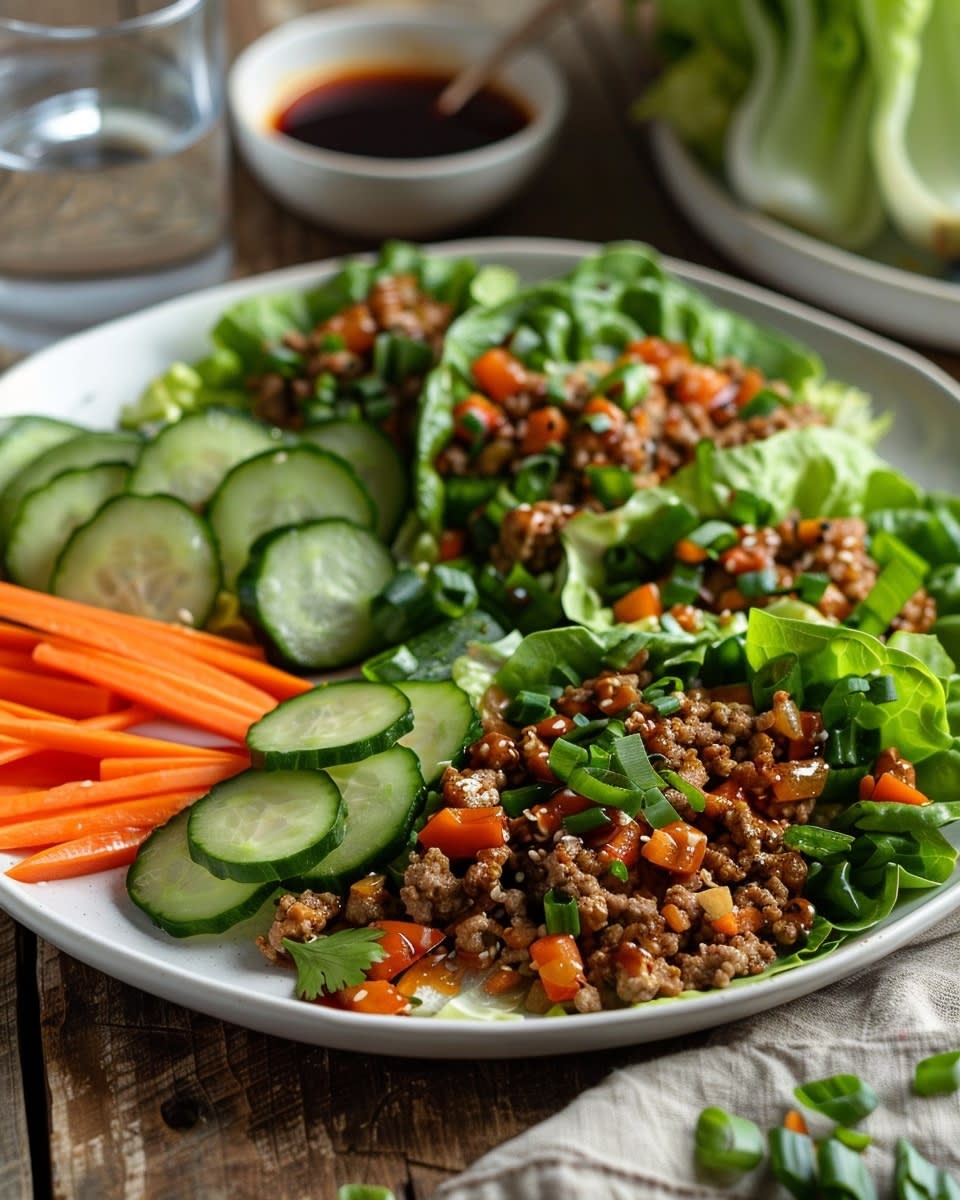
Healthy Ground Turkey Lettuce Wraps: Your New Go-To Meal
Last Tuesday, I stood in my kitchen at 6 PM, staring at the clock and wondering what to make for dinner. I needed something fast, healthy, and satisfying. That’s when I remembered the healthy ground turkey lettuce wraps I’d made the week before. Twenty minutes later, I was sitting down to a meal that tasted amazing and didn’t leave me feeling guilty or stuffed.
If you’re like me, you want meals that don’t take forever to make but still taste great. You want to eat better without feeling like you’re on some boring diet. That’s exactly what these ground turkey lettuce wraps offer. They’re quick to prepare, packed with flavor, and light enough that you can enjoy them without the afternoon crash that comes after heavy meals.
The best part? You can customize these wraps to match whatever you’re craving. Want Asian flavors? Add some ginger and soy sauce. Prefer Mexican style? Throw in some cumin and lime. This simple dish adapts to your taste and your schedule.
Ground turkey serves as the protein base for these wraps, and lettuce becomes your handheld vessel. Together, they create a balanced meal that supports your health goals without making you feel deprived. The crunch of fresh lettuce paired with seasoned, juicy turkey makes every bite satisfying. You’re getting protein, vegetables, and tons of flavor all wrapped up in one neat package.
These wraps work for lunch prep, quick dinners, or even party appetizers. I’ve served them at gatherings, and they always disappear first. People love having a lighter option that doesn’t skimp on taste. Plus, eating with your hands makes any meal more fun.
Choosing lettuce over traditional wraps or bread cuts down on carbs and calories naturally. You won’t miss the bread once you taste how well the crisp lettuce holds the filling. The fresh crunch adds texture that actually improves the dish. Your body gets more nutrients from the greens, and you avoid the bloated feeling that sometimes comes with heavy wraps.
Why Choose Ground Turkey for Your Lettuce Wraps?
I used to always reach for ground beef when making wraps. Then my doctor suggested I try ground turkey instead. I thought it would be bland and boring. I was completely wrong. Ground turkey became my favorite option, and not just for health reasons.
Let’s talk numbers for a second. A 4-ounce serving of lean ground turkey contains about 150 calories and 20 grams of protein. Compare that to the same amount of ground beef, which can have 250 calories or more. That’s a huge difference if you’re watching your calorie intake. The protein content stays high while the fat content drops significantly.
Ground turkey gives you more protein per calorie than most other meats. Your body needs protein to build muscle, repair tissue, and keep you feeling full between meals. When I switched to turkey, I noticed I stayed satisfied longer after eating. No more raids on the snack drawer an hour after dinner.
The fat content in ground turkey makes a big difference for heart health. While your body needs some fat, too much saturated fat can raise cholesterol levels. Ground turkey typically contains less saturated fat than ground beef. This means you can enjoy your meal while being kinder to your heart.
If you’re trying to manage your weight, ground turkey becomes your friend. The high protein content helps you feel full, which means you’re less likely to overeat. The lower calorie count means you can enjoy a generous portion without blowing your daily calorie budget. I can eat two or three turkey lettuce wraps and feel perfectly satisfied without feeling stuffed.
Here’s what ground turkey brings to your plate:
- High protein content that supports muscle health and keeps you full
- Lower fat compared to ground beef or pork
- Fewer calories per serving while maintaining great taste
- Rich in B vitamins that support energy and metabolism
- Good source of selenium which supports immune function
- Contains zinc for wound healing and immune health
Ground turkey also cooks incredibly fast. I can have it browned and ready in about 8 minutes. When I’m tired after work, those saved minutes matter. The quick cooking time means dinner gets on the table faster, which means less temptation to order takeout.
The versatility of ground turkey amazes me every time I use it. It absorbs flavors beautifully, acting like a blank canvas for whatever seasonings you want to use. One night I make Asian-inspired lettuce wraps with ground turkey using soy sauce and sesame oil. The next week, I create Mexican-style wraps with chili powder and cumin. The turkey takes on each flavor profile perfectly.
You can find ground turkey in different fat percentages at most grocery stores. I usually buy 93% lean, which gives great flavor while keeping the fat content low. Some people prefer 99% lean for even fewer calories. The choice depends on your personal health goals and taste preferences.
Many people worry that turkey will be dry. I learned a simple trick: don’t overcook it. Turkey needs to reach 165°F for safety, but going beyond that temperature makes it dry. Use a meat thermometer and pull it off the heat as soon as it hits the right temperature. Adding moisture-rich ingredients like diced onions, peppers, or a splash of broth while cooking also helps keep the meat juicy.
Cost is another factor worth mentioning. Ground turkey usually costs about the same as ground beef, sometimes even less. You’re getting health benefits without paying premium prices. That makes it easier to eat well on a regular budget.
I keep ground turkey in my freezer at all times now. It thaws quickly, so even if I forget to take it out in the morning, I can still use it for dinner. This convenience factor means I actually stick to my healthy eating plans instead of giving up when life gets busy.
The combination of nutrition, taste, convenience, and cost makes ground turkey perfect for healthy lettuce wraps. You’re making a choice that supports your body while delivering a meal you’ll actually look forward to eating. That’s the sweet spot where healthy eating becomes sustainable instead of something you quit after a few weeks.


The Magic of Lettuce Wraps
Now that you know why ground turkey makes such a great protein choice, let’s talk about the other star of this dish—the lettuce itself.
Honestly, I never gave lettuce much thought until I started making these wraps. I figured it was just something you threw into salads without thinking twice. But when you use lettuce as an actual wrap, you suddenly realize how amazing this vegetable really is. It’s not just a delivery system for your filling—it becomes part of the experience.
Here’s what blew my mind when I first calculated it: an entire cup of shredded lettuce contains only about 5 calories. Five! You could eat massive amounts and barely make a dent in your daily calorie count. Compare that to a flour tortilla at 140 calories or a pita at 165 calories, and you’re looking at serious calorie savings without giving up the satisfaction of handheld food.
But lettuce isn’t just about what it doesn’t have. It brings real nutrition to your plate. Most lettuce varieties give you vitamin K, which helps with blood clotting and bone health. You’re also getting vitamin A for eye health, folate for cell function, and a decent amount of fiber that helps your digestion. Every time I make ground turkey and lettuce wraps, I’m adding vegetables to my meal without even trying. My kids don’t complain about eating their greens because they’re too busy enjoying the crunchy wrap in their hands.
By the way, if you’re following a low-carb or keto diet, lettuce wraps become your best friend. I have a cousin who went keto last year, and she basically lived on variations of lettuce wraps for months. She didn’t feel deprived because the wraps satisfied that need to hold your food and take big, satisfying bites. The same goes for anyone eating gluten-free—no need to buy expensive gluten-free tortillas when lettuce does the job perfectly.
The tactile experience matters more than people think. There’s something fun about assembling your own wrap and eating with your hands. It reminds me of those times when I used to make avocado egg toast with chili flakes for brunch—simple ingredients that you put together yourself just taste better somehow.
Picking the right lettuce makes all the difference, though. I learned this the hard way after my first attempt resulted in torn, soggy leaves that couldn’t hold anything. Each type of lettuce has its own personality, if you will.
Iceberg lettuce gets dismissed as boring and nutritionally empty, but for wraps? It’s actually fantastic. The leaves are super crispy and hold their shape no matter how much filling you pile on. They’re sturdy enough that even my seven-year-old can assemble his own wraps without everything falling apart. The mild flavor won’t compete with your turkey filling either. I keep iceberg on hand specifically for nights when I’m making wraps for the whole family.
Butter lettuce became my personal favorite once I discovered it. The leaves are tender and slightly sweet, and they separate from the head perfectly without tearing. Each leaf forms a natural cup shape that cradles your filling beautifully. When I’m making Asian lettuce wraps with ground turkey, butter lettuce is my go-to choice. It’s delicate but surprisingly strong, and it adds a subtle flavor that complements rather than overwhelms. The only downside? It costs a bit more and doesn’t last as long in the fridge.
Romaine lettuce splits the difference between iceberg and butter lettuce. It’s got more nutrients than iceberg but more crunch than butter lettuce. The leaves are long and boat-shaped, which works great if you’re loading up with lots of toppings. I use romaine when I’m making Mexican lettuce wraps with ground turkey because it stands up well to salsa and sour cream without getting soggy.
Little gem lettuce is this cute miniature romaine that I only discovered recently at the farmer’s market. Each head is tiny, and the inner leaves are perfectly sized for single servings. They’re sweet and crunchy, and honestly, they look really pretty on a plate if you’re trying to impress someone.
For most of my weeknight dinners, I grab whatever looks freshest at the store. The key is making sure the leaves are large enough to hold your filling and crisp enough that they won’t wilt immediately. I always check for brown edges or sliminess—fresh lettuce should look vibrant and smell clean.
How to Make Healthy Ground Turkey Lettuce Wraps
Alright, let’s get into the actual cooking part. Making turkey lettuce wraps is ridiculously simple, which is partly why I make them so often.
First, take your ground turkey out of the fridge about ten minutes before cooking. I used to throw it in the pan straight from the fridge, but room-temperature meat cooks more evenly. While it’s warming up, I prep my vegetables—usually an onion, some bell peppers, and whatever else looks good in the produce drawer.
Heat a large skillet over medium-high heat and add a drizzle of olive oil or avocado oil. Once it’s shimmering (you’ll see tiny ripples across the surface), add your ground turkey. This is important: break it up into small pieces right away with a wooden spoon or spatula. Don’t just plop it in there and leave it. Keep stirring and breaking it apart so it cooks in small, bite-sized crumbles rather than big chunks.
Season your turkey while it’s cooking, not after. I learned this from my mom, who learned it from her mom. Salt, pepper, garlic powder, and onion powder go in first—these are my base seasonings that I use every single time. As the turkey starts to brown (this takes about 5-6 minutes), that’s when I add my flavor-specific seasonings.
For Asian-style turkey lettuce wraps, I throw in fresh minced ginger, a splash of soy sauce, a bit of sesame oil, and sometimes a teaspoon of rice vinegar. The kitchen smells amazing when that ginger hits the hot pan. I also add water chestnuts if I have them—they add this incredible crunch that elevates the whole dish.
When I’m going for Mexican flavors, cumin and chili powder become my best friends. A squeeze of fresh lime juice at the end brightens everything up. Sometimes I’ll add black beans and corn to stretch the filling further and add more texture.
Here’s the thing about vegetables in your filling: they add moisture, flavor, and nutrition without adding many calories. I usually sauté diced onions and bell peppers before adding the turkey. Mushrooms work great too—they give an almost meaty texture that makes the filling more substantial. Green onions sprinkled at the end add a fresh bite that contrasts nicely with the cooked elements.
Fresh herbs change the game completely. Cilantro in Mexican-style wraps or Thai basil in Asian versions add brightness that dried herbs just can’t match. I buy them already growing in little pots on my windowsill so I always have them fresh. Just chop them up and sprinkle them over the finished filling.
Once your turkey is fully cooked (it should reach 165°F if you’re checking with a thermometer), turn off the heat. This is when I taste and adjust seasonings. Need more salt? Add it now. Want more kick? Another dash of hot sauce fixes that.
Assembling the wraps is where creativity comes in. I set up a little assembly station with my lettuce leaves on one plate, the turkey filling in a bowl, and all my toppings in small containers. It’s similar to how I set things up when making a high protein chicken quinoa power bowl—everything laid out so people can customize their own servings.
Take a lettuce leaf and place it on your plate with the curved side facing up (you want that natural cup shape working for you). Add 2-3 tablespoons of your turkey filling in the center. Don’t overstuff! This was my biggest mistake early on. You think more filling equals better, but it actually just makes the wrap impossible to eat without everything falling out. Trust me on this.
Layer your toppings on top of the filling. I like shredded carrots, cucumber strips, sliced radishes, and avocado. For sauces, a drizzle of sriracha mayo or a spoonful of plain Greek yogurt mixed with lime juice works perfectly. Sometimes I’ll add crushed peanuts for extra crunch and healthy fats.
Here’s a basic recipe that I come back to constantly:
Simple Ground Turkey Lettuce Wraps
Start with 1 pound of lean ground turkey. Heat your pan, add a tablespoon of oil, then cook the turkey with one diced onion until everything’s browned. Add three cloves of minced garlic and cook for another minute. Season with two tablespoons of soy sauce, one tablespoon of hoisin sauce, a teaspoon of sesame oil, and fresh grated ginger to taste. Stir in half a cup of diced water chestnuts and cook for two more minutes.
Serve this mixture in butter lettuce leaves and top with shredded carrots, sliced green onions, and crushed peanuts. Drizzle with more soy sauce or sriracha if you like heat.
The whole process from start to finish takes maybe twenty minutes. That’s faster than ordering delivery and infinitely healthier. On meal prep Sundays, I sometimes make a double batch of filling and store it in the fridge. Then during the week, I just reheat it and assemble fresh wraps in under five minutes. It’s the same time-saving strategy I use when I batch-cook protein banana oat muffins for breakfast.
Funny enough, these wraps taste even better the next day after the flavors have had time to meld together. I’ll often eat the leftover filling cold straight from the fridge for lunch—it’s that good.
The beauty of healthy ground turkey lettuce wraps is that once you understand the basic technique, you can riff on it endlessly. Different proteins, different seasonings, different vegetables—the formula stays the same while the flavors change completely. Some weeks I make them three times with three completely different flavor profiles, and nobody complains about repetition because they taste totally different each time. It’s kind of like how cinnamon roll french toast bake uses basic ingredients but transforms them into something special—simple techniques can create amazing results.


Creative Ways to Serve Your Ground Turkey Lettuce Wraps
So you’ve mastered the basic turkey lettuce wrap. Now comes the fun part—making it your own and figuring out how to present it in ways that keep you excited about eating it.
I’ll be honest, sometimes I just eat my wraps straight from the pan while standing at the counter. But when I have guests over or want to make dinner feel special, presentation matters. I’ve found that arranging the lettuce leaves on a large platter with the turkey filling in a bowl in the center creates this interactive dining experience. Everyone gets to build their own wraps, which takes pressure off me as the cook and lets people customize based on what they like.
Setting up a toppings bar changed everything for my family dinners. I put out small bowls with shredded carrots, diced cucumbers, sliced radishes, pickled jalapeños, fresh herbs, crushed nuts, and different sauces. My daughter loves piling on the carrots and cucumbers. My son wants extra hot sauce on everything. My husband adds avocado to his. Everyone’s happy because they’re eating exactly what they want.
Pairing your wraps with sides makes the meal feel more complete. I usually throw together a quick cucumber salad with rice vinegar and sesame seeds. Takes three minutes, adds crunch and freshness, and feels substantial without being heavy. Steamed edamame works great too—just sprinkle some sea salt on top and you’ve got protein and fiber to round out the meal.
Here’s what I’ve learned works well alongside lettuce wraps:
- Asian-style cucumber salad with rice vinegar
- Steamed edamame sprinkled with sea salt
- Miso soup for something warm and comforting
- Brown rice if you want more substance
- Seaweed salad for extra minerals
- Pickled vegetables for tangy contrast
- Fresh fruit like mango or pineapple chunks
The sauces you choose can completely transform the flavor profile. Sweet and sour sauce takes your wraps in a tangy, slightly sticky direction that reminds me of Chinese takeout but way healthier. I make mine by mixing rice vinegar, a touch of honey, ketchup, and a splash of soy sauce. Sounds weird, tastes amazing.
Spicy mayo has become my addiction. Just mix regular mayo with sriracha until it’s as hot as you can handle, then drizzle it over everything. The creamy coolness of the mayo balances the heat perfectly. Sometimes I add a squeeze of lime juice to brighten it up.
Peanut sauce deserves its own paragraph because it’s that good. Mix natural peanut butter with soy sauce, lime juice, a bit of honey, minced garlic, and enough water to make it drizzle-able. This sauce works on literally everything. I make extra and keep it in the fridge for salads, noodles, or just eating with a spoon when nobody’s looking.
Delicious Variations to Try
Once you understand the cooking fundamentals behind these wraps, the variations become endless. I get bored eating the same thing repeatedly, so I rotate through different themes to keep dinner interesting.
Asian-Inspired Variations
The classic Asian version uses soy sauce, ginger, and garlic as the base. But you can take it further. Thai-style wraps incorporate fish sauce, lime juice, and fresh Thai basil. The fish sauce adds this deep umami flavor that’s hard to describe but impossible to resist. Top with crushed peanuts, mint leaves, and thinly sliced red chili peppers.
Korean-inspired wraps use gochujang (Korean chili paste) mixed into the turkey while it cooks. Add some kimchi on top for probiotics and tang. The fermented spiciness of kimchi paired with seasoned turkey is honestly one of my favorite combinations ever.
Chinese five-spice powder transforms plain turkey into something complex and aromatic. Just a teaspoon goes a long way. Pair it with hoisin sauce and scallions for that Peking duck vibe without the duck.
Mexican-Style Ground Turkey Lettuce Wraps
Mexican versions let you play with bold, bright flavors. Season your turkey with cumin, chili powder, smoked paprika, and a pinch of cinnamon (trust me on the cinnamon—it adds depth). Top with fresh pico de gallo, a dollop of Greek yogurt instead of sour cream, and crumbled queso fresco.
Black beans and corn turn this into a heartier meal. I often add both directly to the turkey while it’s cooking. The starch from the corn and beans soaks up all those spices and creates a more substantial filling.
For a taco salad approach, crush some baked tortilla chips over the top right before eating. You get that satisfying crunch without deep-frying anything. A squeeze of fresh lime juice at the very end makes everything pop.
Mediterranean Turkey Lettuce Wraps
Mediterranean flavors bring a totally different energy to the dish. Season your turkey with oregano, garlic, lemon zest, and a touch of cinnamon. Once it’s cooked, mix in diced tomatoes, kalamata olives, and crumbled feta cheese.
Tzatziki sauce becomes your new best friend here. The cool cucumber-yogurt sauce against the warm spiced turkey is perfection. I make mine with Greek yogurt, grated cucumber (squeeze out the water first), minced garlic, dill, and lemon juice.
Sun-dried tomatoes add concentrated flavor and a chewy texture. Artichoke hearts work great too. Both come jarred, which means minimal prep work—my kind of cooking.
Breakfast-Style Lettuce Wraps
This might sound strange, but hear me out. Scramble some eggs and mix them with seasoned ground turkey, diced peppers, and a sprinkle of cheese. Wrap it all in butter lettuce and you’ve got a low-carb breakfast burrito situation that actually keeps you full until lunch.
Add salsa and avocado, and suddenly you’re eating something that feels indulgent but fits your health goals. I make these on Sunday mornings when I have a bit more time and want something different from my usual routine.
Indian-Spiced Variations
Curry powder transforms ground turkey completely. I use a tablespoon while browning the meat, then add diced tomatoes and a splash of coconut milk for creaminess. Top with fresh cilantro, a squeeze of lime, and some mango chutney for sweetness.
Garam masala is another spice blend that works beautifully. It’s warm and complex without being spicy-hot. Mix it with Greek yogurt after cooking for a creamy, tangy sauce that coats the turkey perfectly.
Adding chickpeas or lentils to the filling makes it more filling and adds plant-based protein. The combination of turkey and legumes creates a complete protein profile with all the amino acids your body needs.
Making Your Wraps Work for Special Diets
One reason I keep coming back to ground turkey lettuce wraps is how easily they adapt to different eating styles. My sister went paleo last year, and these wraps fit perfectly into her diet. My neighbor is dairy-free, so she just skips the cheese and uses avocado for creaminess instead.
For keto folks, these wraps are already low-carb heaven. The lettuce replaces grain-based wraps, and turkey provides protein without carbs. Just watch your sauce choices—some store-bought versions have added sugars. Making your own sauces gives you control over exactly what goes into your food.
Whole30 participants can enjoy these too. Stick to compliant seasonings and skip anything with added sugar or dairy. Use coconut aminos instead of soy sauce, and you’re golden. The simplicity of well-seasoned turkey in fresh lettuce needs nothing fancy anyway.
If you’re tracking macros for fitness goals, these wraps make calculation super easy. The turkey provides your protein, lettuce and vegetables give you fiber and micronutrients, and you can add healthy fats through avocado, nuts, or oils in your sauce. I’ve been playing around with macro tracking lately, and meals like this that break down clearly make the whole process less stressful.
By the way, if you’re looking for more ideas that fit various dietary needs, browsing through healthy recipes usually gives me inspiration when I’m stuck in a dinner rut.
The versatility extends to portion control too. Each wrap becomes a countable unit. I know that two wraps fill me up for lunch, while three make a satisfying dinner. That predictability helps me plan my day without obsessing over food.
Tips for Keeping Things Interesting
The biggest mistake people make with healthy eating is getting bored. You find one recipe that works, make it ten times in a row, then never want to see it again. I’ve done this countless times with different dishes.
To avoid wrap fatigue, I rotate through at least four different flavor profiles. One week is Asian. Next week goes Mexican. Then Mediterranean. Then I throw in something completely random like a buffalo chicken version with Frank’s hot sauce and blue cheese crumbles.
Texture variety matters more than most people realize. Some nights I want lots of crunch, so I add water chestnuts, jicama, and crushed peanuts. Other nights I’m craving something softer and creamier, so I load up on avocado and a yogurt-based sauce. Changing the texture keeps your brain interested even when the base ingredient stays the same.
Seasonal ingredients keep things fresh too. In summer, I add fresh tomatoes, corn, and basil. Fall brings roasted butternut squash and dried cranberries. Winter means pomegranate seeds and roasted brussels sprouts. Spring welcomes peas and fresh mint. Following the seasons naturally creates variety without requiring extra thought.
Experimenting with different proteins keeps the formula alive. Ground chicken works just as well as turkey. Ground pork mixed half-and-half with turkey adds richness. I’ve even used crumbled tempeh for a vegetarian version when my cousin visited—it soaked up the seasonings beautifully and nobody missed the meat.
Don’t be afraid to use leftovers creatively. Leftover rotisserie chicken shredded and tossed with some Asian sauces makes fantastic wrap filling. Last night’s taco meat transforms into today’s lunch wraps. That grilled salmon from dinner becomes tomorrow’s protein base with some dill and lemon.
Temperature changes the experience too. Most of the time I eat these wraps warm, but cold turkey filling on a hot summer day hits differently. It’s refreshing and requires zero reheating, which means less time in a hot kitchen when it’s ninety degrees outside.
Getting your family or roommates involved helps too. When my kids help choose the toppings or pick the theme for the week, they’re way more excited to eat dinner. Even my picky eater will try new vegetables when he’s the one who suggested them.
These wraps have honestly become one of those foundational recipes in my kitchen that I return to again and again. The base stays simple, but the possibilities feel endless. Some nights I keep it basic because that’s all I have energy for. Other nights I get creative and try something completely new. Both approaches work, and neither takes much time or skill. That’s pretty much the definition of a perfect weeknight dinner in my book.
Frequently Asked Questions
How do I store leftover ground turkey lettuce wraps?
Store the turkey filling and lettuce separately—that’s the key to keeping everything fresh. Put the cooked turkey in an airtight container in the fridge for up to four days. Keep your lettuce leaves unwashed and wrapped in paper towels inside a plastic bag. When you’re ready to eat, just reheat the turkey and assemble fresh wraps. I’ve tried storing assembled wraps, and they always get soggy and sad-looking within an hour.
Can I use other types of meat instead of ground turkey?
Absolutely! Ground chicken works almost identically to turkey. Ground beef creates a richer, heartier flavor. Ground pork adds a slightly sweet taste that’s amazing in Asian-style wraps. I’ve even used ground lamb with Mediterranean seasonings, and it was incredible. You can also use plant-based ground meat alternatives if you’re vegetarian or just want to reduce meat consumption. The cooking method and timing stay basically the same regardless of which protein you choose.
What are some good side dishes to serve with these wraps?
Light sides work best so you don’t overwhelm the meal. I usually make a simple cucumber salad, steamed edamame, or miso soup. Brown rice or cauliflower rice adds substance if you’re really hungry. Fresh fruit like watermelon or pineapple provides a refreshing contrast. Seaweed salad from the grocery store is another quick option. Spring rolls or pot stickers work if you’re feeding a crowd and want variety.
Are there any vegetarian alternatives to ground turkey for this recipe?
Tons of options here. Crumbled firm tofu seasoned well tastes great and absorbs flavors beautifully. Tempeh crumbles work even better because they have more texture. Lentils or black beans create a hearty filling with lots of fiber and protein. Mushrooms chopped fine mimic the texture of ground meat surprisingly well. Plant-based ground meat from brands like Beyond or Impossible cook just like regular ground turkey. I’ve tested all of these, and honestly, when seasoned properly, they’re all delicious.
How can I make the wraps more filling if I’m very hungry?
Add more protein to your filling by mixing in beans, lentils, or extra turkey. Include healthy fats like avocado, nuts, or seeds—fats keep you satisfied longer. Serve brown rice or quinoa on the side, or even mix it directly into your filling. Add more vegetables to bulk up the wraps without adding many calories. Using two lettuce leaves per wrap instead of one creates a sturdier vessel that holds more filling. Drinking water with your meal also helps you feel fuller.
Is this dish suitable for people with dietary restrictions?
Yes, these wraps are incredibly adaptable. They’re naturally gluten-free and grain-free. For dairy-free diets, just skip cheese and use coconut yogurt or avocado instead. They fit perfectly into paleo, keto, and Whole30 eating plans with minor adjustments. For low-sodium diets, control the salt and use fresh herbs for flavor instead. People with nut allergies can skip the peanuts and use seeds instead. The simplicity of the base recipe makes modification easy for almost any restriction.
Can I prepare the components ahead of time and assemble later?
This is actually my favorite way to meal prep. Cook a big batch of turkey filling on Sunday and store it in the fridge for up to four days or freeze it for up to three months. Wash and dry your lettuce, then store it wrapped in paper towels. Prep your toppings and keep them in separate containers. When you’re ready to eat, reheat the filling if you want it warm, and assemble fresh wraps in under five minutes. The components stay fresh separately much longer than assembled wraps would.
What are some tips for preventing the lettuce from getting soggy?
Pat your lettuce completely dry after washing—excess water is the enemy. Let your turkey filling cool slightly before assembling so the heat doesn’t wilt the lettuce. Don’t add wet toppings like tomatoes or cucumbers until right before eating. Put drier ingredients closer to the lettuce and wetter ones on top. Use sturdier lettuce varieties like iceberg or romaine rather than delicate greens. If making ahead, store everything separately and assemble just before serving. These small steps make a huge difference in keeping your wraps crisp and enjoyable.
Healthy ground turkey lettuce wraps will genuinely make your weeknight dinners easier and your health goals more achievable. Give the basic recipe a try, then start playing around with different flavors and toppings until you find your favorite combinations. Before you know it, you’ll have created your own signature version that your family requests regularly.
Ingredients
Equipment
Method
- Sortir la dinde hachée du réfrigérateur environ dix minutes avant la cuisson pour la réchauffer.
- Chauffer une grande poêle à feu moyen-vif et ajouter l'huile d'olive.
- Lorsque l'huile scintille, ajouter la dinde hachée et la défaire en petits morceaux immédiatement.
- Assaisonner la dinde avec du sel, du poivre, de l'ail en poudre et de l'oignon en poudre pendant la cuisson.
- Lorsque la dinde commence à dorer, ajouter la sauce soja, la sauce hoisin, l'huile de sésame et le gingembre frais.
- Facultativement, ajouter les châtaignes d'eau pour plus de croquant.
- Cuire jusqu'à ce que la dinde atteigne une température interne de 74°C, environ 8-10 minutes.
- Goûter et ajuster l'assaisonnement si nécessaire.
- Préparer un station de wraps de laitue avec la garniture de dinde et les garnitures prêtes.
- Prendre une feuille de laitue, ajouter 2-3 cuillères à soupe de garniture de dinde, et superposer avec les garnitures préférées.
- Servir immédiatement et déguster!