
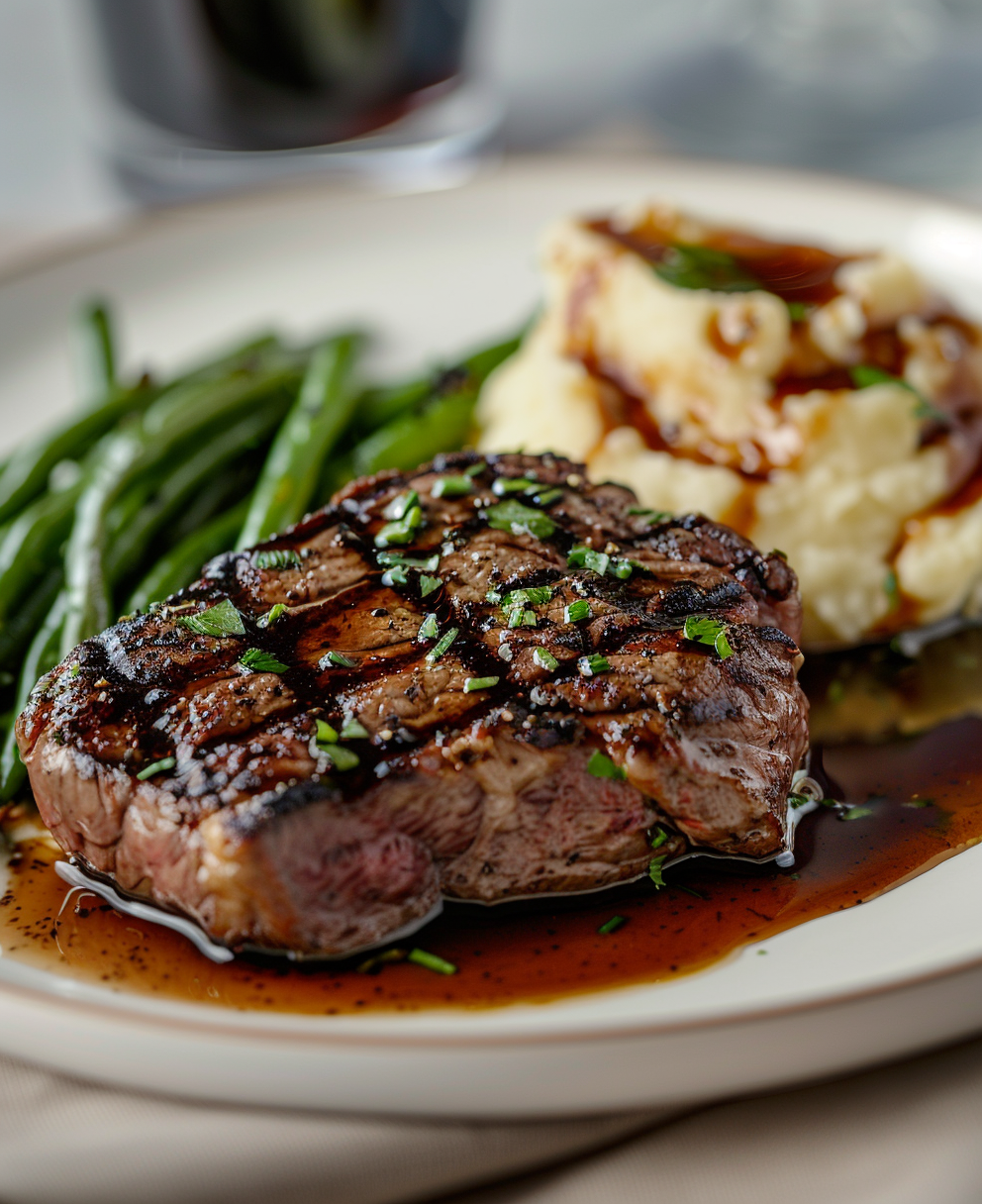
Why Wagyu Steak Is a Game Changer
Let me tell you about the time I first cooked wagyu steak for my family. Picture this: a quiet Sunday evening, my dining table set with candles, and the sizzle of meat filling the air. The moment everyone took their first bite, there was silence—followed by “Wow!” That’s the magic of wagyu beef. It’s buttery, tender, and melts in your mouth like nothing else. If you’ve ever wondered how to cook wagyu steak, you’re in for a treat. This recipe is simple yet spectacular, perfect for impressing your loved ones or treating yourself to something truly special.
A Little Background on Wagyu Beef
Wagyu beef hails from Japan, where it’s celebrated as one of the finest meats in the world. The name literally means “Japanese cow,” and its marbling is what sets it apart. Those delicate streaks of fat create an unmatched flavor and texture. Over the years, wagyu has made its way into kitchens worldwide, including here in Australia, where wagyu beef recipes Australia often highlight its versatility. Whether you’re grilling, roasting, or pan-searing, wagyu adapts beautifully to different cooking methods. I remember trying a wagyu rump roast recipe for a holiday dinner—it was the star of the show!
Why You’ll Love This Recipe
This recipe is all about simplicity meeting luxury. With just a few ingredients and minimal effort, you can transform a premium cut of wagyu into a restaurant-quality dish. It’s perfect for beginners because you don’t need fancy techniques. Plus, the rich flavor of wagyu speaks for itself, so you won’t need heavy sauces or complicated seasonings. Trust me, once you try this method, you’ll want to cook wagyu steak again and again.
Perfect Occasions to Cook Wagyu Steak
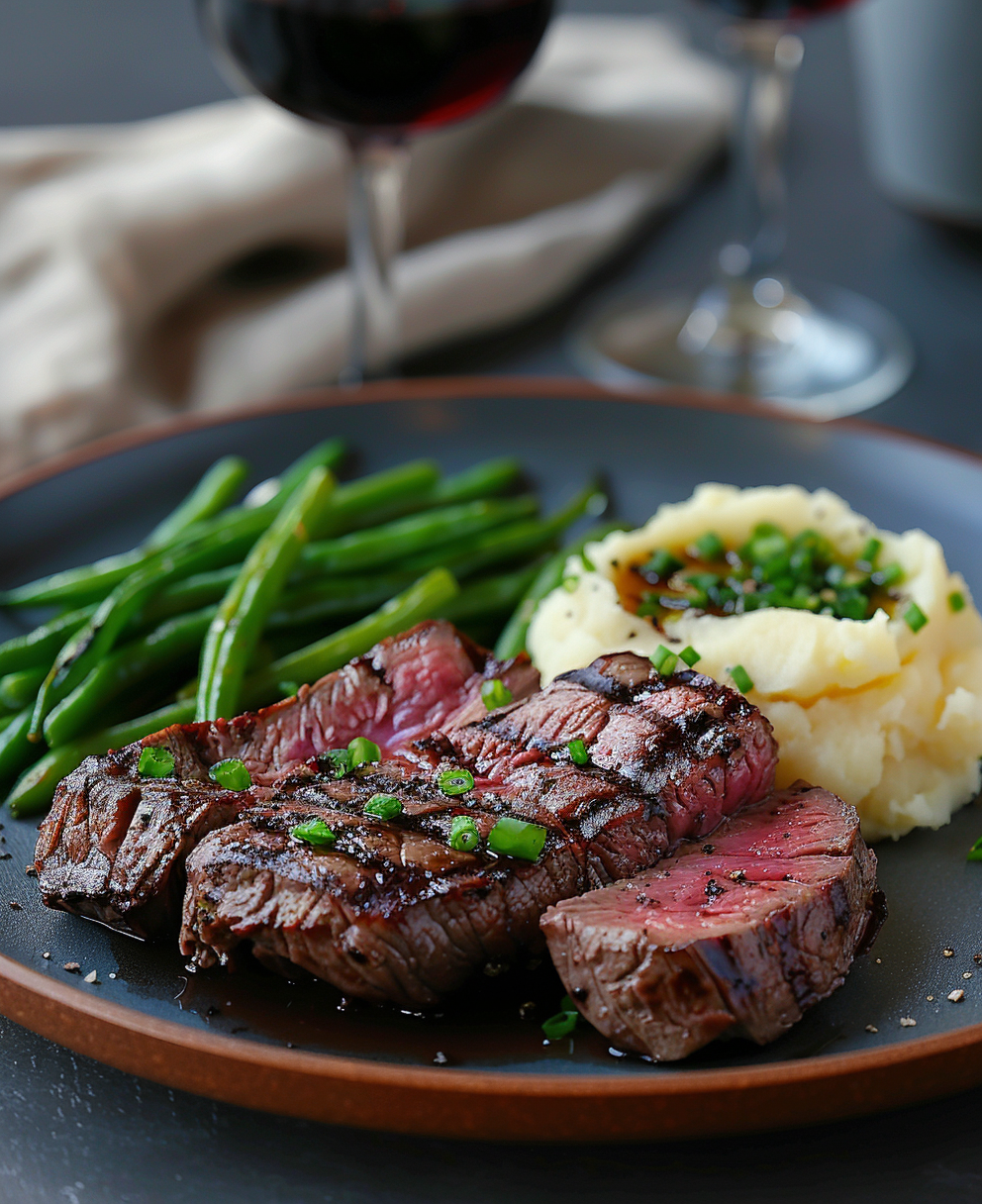
Whether it’s a romantic date night, a birthday celebration, or even a solo indulgence, wagyu steak fits the bill. I love serving it during holidays when I want to go the extra mile. Imagine pairing a perfectly cooked wagyu ribeye steak with a glass of red wine—it’s pure bliss. And if you’re wondering what to serve with wagyu beef, think roasted veggies, mashed potatoes, or a crisp salad. These sides complement the richness without overpowering it.
Ingredients
- 1 wagyu ribeye steak (about 8-12 oz)
- Salt
- Pepper
- 2 tbsp olive oil or butter
- Optional: garlic cloves, thyme sprigs, rosemary
Substitution Options
If you can’t find wagyu ribeye, consider other cuts like zabuton steak or wagyu slices. For seasoning, feel free to swap fresh herbs with dried ones. Instead of olive oil, clarified butter works wonders too. Experimenting with alternatives keeps things exciting while staying true to the essence of how to cook wagyu steak.
Preparation
Step 1: Bring Your Steak to Room Temperature
Start by taking your wagyu steak out of the fridge at least 30 minutes before cooking. This step ensures even cooking and prevents the middle from staying cold while the outside burns. Pro tip: Pat the steak dry with paper towels to remove excess moisture. A dry surface helps achieve that beautiful sear we all crave.
Step 2: Season Generously
When it comes to seasoning, less is more. Sprinkle both sides of the steak generously with salt and pepper. Some people ask, What is the best seasoning for Wagyu steak? Honestly, good old salt and pepper let the natural flavors shine. If you’re feeling adventurous, rub a little garlic or toss in some thyme for added aroma.
Step 3: Preheat Your Pan or Grill
For those debating Is it better to grill or pan Wagyu steaks?, I say either works! If using a grill, preheat it to high heat. For stovetop cooking, grab a cast iron skillet—it retains heat beautifully. Once hot, add olive oil or butter. You’ll know it’s ready when the oil shimmers or the butter turns golden brown.
Step 4: Sear the Steak
Place the steak onto the hot surface and let it sizzle undisturbed for 2-3 minutes per side. Resist the urge to move it around; this allows a gorgeous crust to form. Picture the steak turning a deep caramel color, releasing an irresistible aroma that fills your kitchen. Chef’s tip: Add whole garlic cloves and herb sprigs to the pan for extra fragrance.
Step 5: Rest Before Serving
Once cooked, transfer the steak to a cutting board and let it rest for 5 minutes. Resting locks in the juices, ensuring every bite is succulent. While waiting, take a moment to admire your handiwork—the charred edges, the glossy sheen. It’s almost too pretty to eat… almost.
Timing
- Prep Time: 30 minutes
- Cooking Time: 6-8 minutes
- Resting Time: 5 minutes
- Total Time: About 45 minutes
Chef’s Secret
Here’s a trick I learned from experimenting with how to cook wagyu steak Gordon Ramsay style: Finish the steak with a pat of butter. Spoon the melted butter over the steak right before removing it from the pan. This adds an extra layer of richness that takes it over the top.
Extra Info
Did you know wagyu cattle are often massaged to improve their muscle tone and fat distribution? Sounds luxurious, doesn’t it? That care translates directly into the quality of the meat. No wonder wagyu is considered a delicacy!
Necessary Equipment
- Cast iron skillet or grill
- Tongs
- Paper towels
- Cutting board
Storage
To store leftover wagyu beef, wrap it tightly in plastic wrap or place it in an airtight container. Keep it in the coldest part of your fridge for up to two days. Avoid freezing wagyu unless absolutely necessary, as thawing can affect its texture.
If you do freeze it, double-wrap the steak in freezer-safe bags and use within three months. When reheating, warm it gently in a skillet to preserve its juiciness.
Remember, wagyu is best enjoyed fresh. So plan accordingly and savor every bite while it’s at its peak!
Tips and Advice
One key to nailing how to cook wagyu beef on grill is controlling the flames. Keep the lid closed to maintain consistent heat. Another tip? Don’t overcrowd the pan when cooking wagyu slices—they need space to develop that perfect sear.
Lastly, trust your instincts. Cooking wagyu isn’t rocket science. Pay attention to the sound, smell, and look of the steak, and you’ll be fine.
Presentation Tips
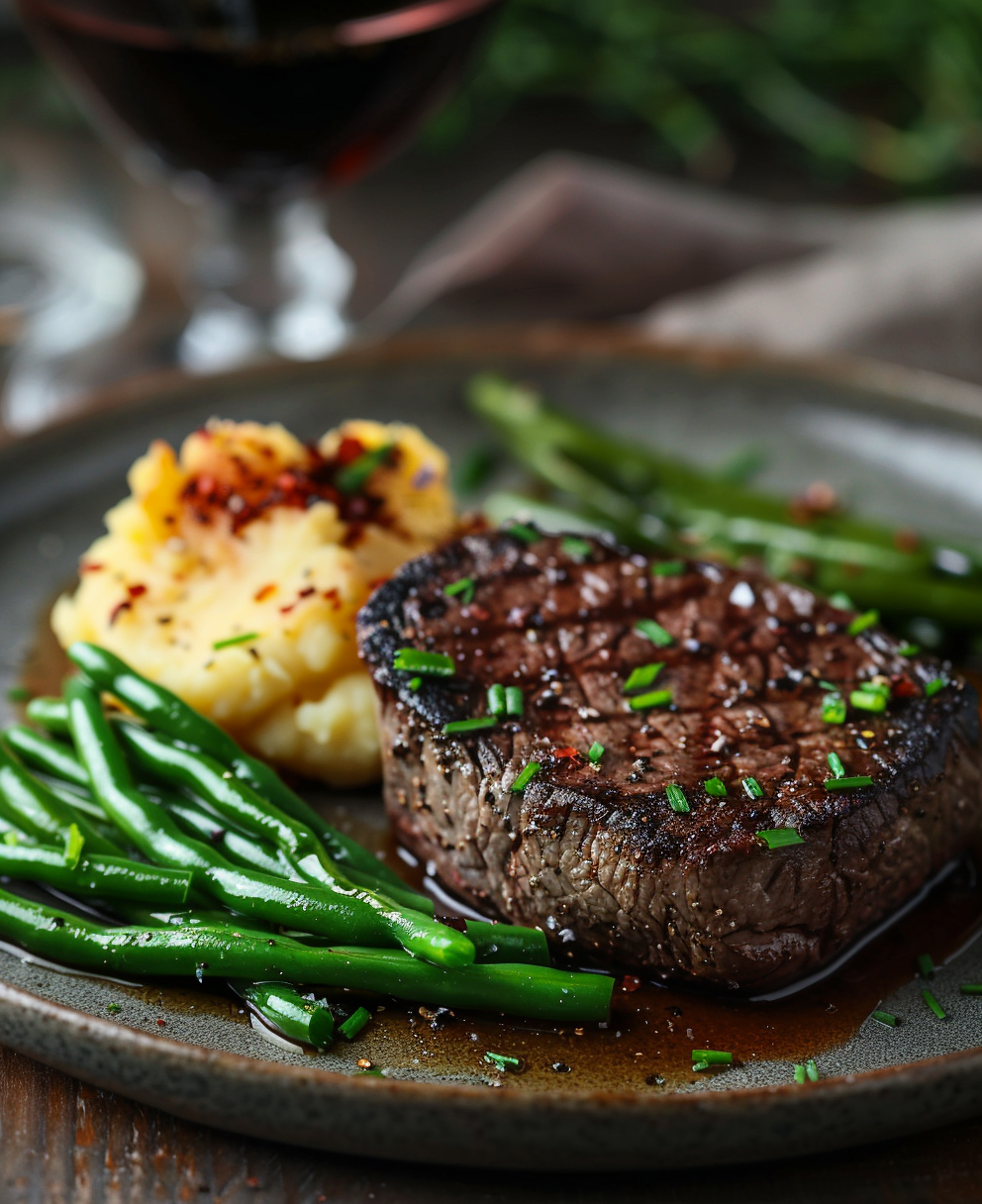
- Slice against the grain for maximum tenderness.
- Garnish with flaky sea salt or microgreens for elegance.
- Serve on warm plates to keep the steak hotter longer.
Healthier Alternative Recipes
Looking for lighter options? Try these:
- Grilled Wagyu Salad: Top mixed greens with thinly sliced wagyu steak, cherry tomatoes, and balsamic dressing.
- Wagyu Stir-Fry: Use wagyu slices with broccoli, bell peppers, and soy sauce for a quick stir-fry.
- Wagyu Tacos: Wrap wagyu beef slices in corn tortillas with avocado and salsa.
- Wagyu Beef Bowls: Serve wagyu over rice with steamed veggies and teriyaki glaze.
- Wagyu Skewers: Thread wagyu cubes onto skewers with mushrooms and onions for a fun appetizer.
- Wagyu Soup: Simmer wagyu slices in a clear broth with ginger and scallions.
Common Mistakes to Avoid
Mistake 1: Overcooking the Steak
Overcooking ruins wagyu’s signature tenderness. Aim for medium-rare to medium. Use a meat thermometer to check for doneness—130°F is ideal. Pro tip: Touch the steak to gauge firmness. It should feel soft but spring back slightly.
Mistake 2: Skipping the Resting Step
Resting allows juices to redistribute throughout the steak. Cutting into it too soon will result in a pool of lost flavor. Be patient—it’s worth the wait!
Mistake 3: Using Too Much Oil
Wagyu already has plenty of fat. Adding excessive oil leads to unnecessary grease. Just a small amount is enough to prevent sticking.
FAQ
What is the best way to cook wagyu steak?
The best way is to sear it in a hot cast iron skillet or on a grill. Keep it simple with salt, pepper, and butter for a melt-in-your-mouth experience.
Is it better to grill or pan Wagyu steaks?
Both methods work great! Grilling gives a smoky flavor, while a cast iron skillet creates a fantastic crust. Choose based on your preference and equipment.
How to cook wagyu steak Gordon Ramsay?
Gordon Ramsay emphasizes simplicity. Season well, sear in a hot pan, and finish with butter and herbs. Easy and delicious!
What is the best seasoning for Wagyu steak?
Salt and pepper are classics, but garlic, thyme, or rosemary elevate the flavor beautifully.
Can I freeze wagyu beef?
Yes, but only if necessary. Double-wrap it to prevent freezer burn and use within three months.
What temperature should wagyu steak be cooked to?
Aim for 130°F for medium-rare. Adjust based on your preference, but avoid overcooking.
How long does wagyu steak last in the fridge?
Up to two days if stored properly in an airtight container.
What sides pair well with wagyu steak?
Roasted vegetables, mashed potatoes, and salads balance the richness of wagyu.
Do I need to marinate wagyu steak?
No, wagyu’s natural flavor needs no enhancement. Simple seasoning suffices.
Why is wagyu beef so expensive?
Its unique marbling, breeding process, and limited availability make it a premium product.
Final Thoughts
Cooking wagyu steak is easier than you might think, and the results are unforgettable. From mastering how to cook wagyu steak on cast iron skillet to exploring creative recipes like wagyu beef recipes Australia, there’s always room to experiment. Remember, the key is to respect the quality of the meat and keep things simple. So grab a cut of wagyu, fire up your skillet, and get ready to wow your taste buds. Happy cooking!
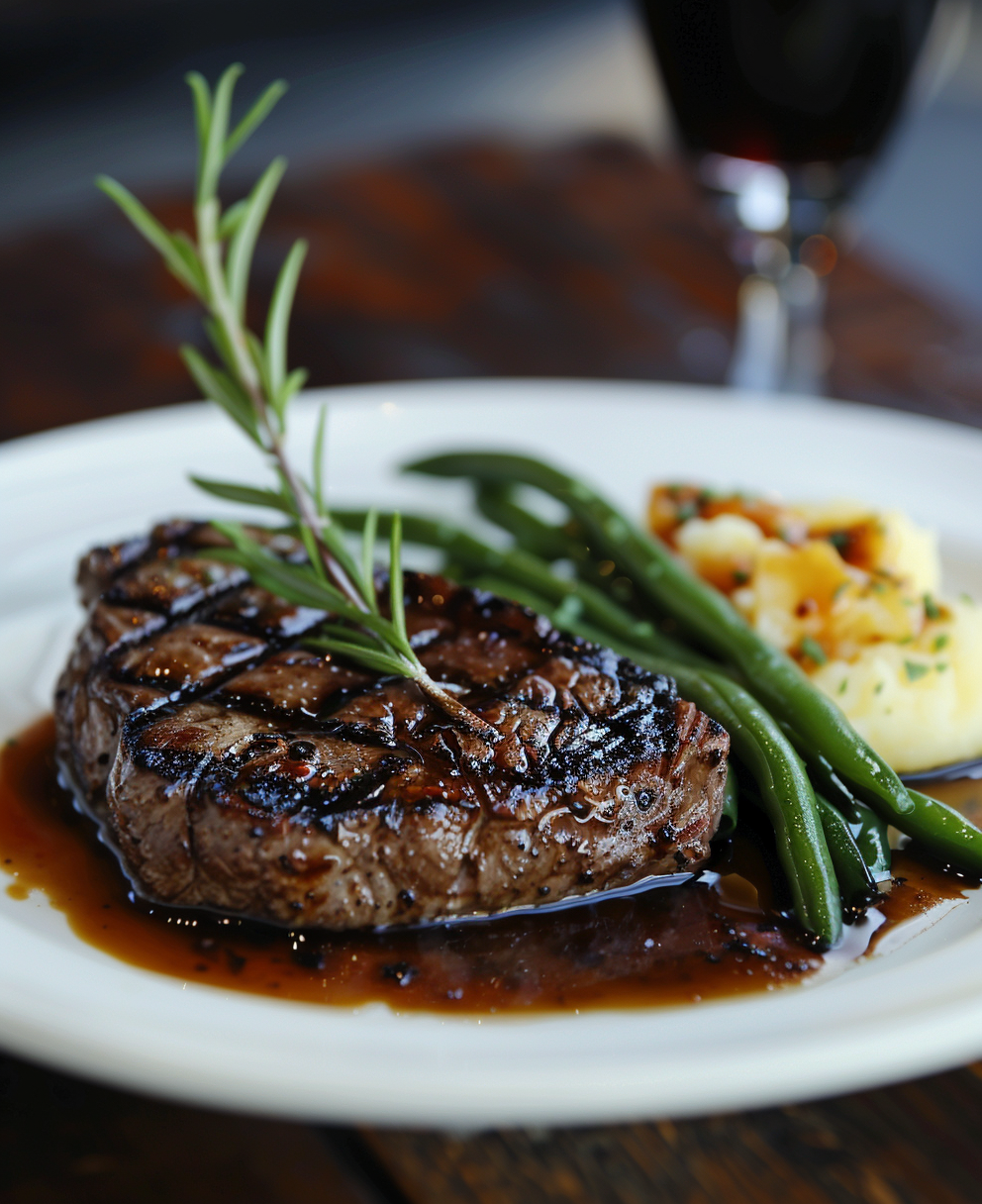
How to Cook Wagyu Steak
Ingredients
Equipment
Method
- Bring your wagyu steak to room temperature for at least 30 minutes before cooking.
- Pat the steak dry with paper towels to remove excess moisture.
- Season both sides of the steak generously with salt and pepper.
- Preheat your grill to high heat or a cast iron skillet until hot, then add olive oil or butter.
- Place the steak on the hot surface and sear for 2-3 minutes per side.
- Optional: Add garlic cloves and herb sprigs to the pan for extra flavor.
- Remove the steak from heat and let it rest for 5 minutes on a cutting board before serving.
Nutrition
Notes
You can experiment with seasoning by adding garlic or herbs to enhance the flavor.
Proper resting of the steak is essential for juicy results, so don't skip that step!
When slicing, cut against the grain for maximum tenderness.
Store any leftovers tightly wrapped in plastic wrap or an airtight container for up to two days.