
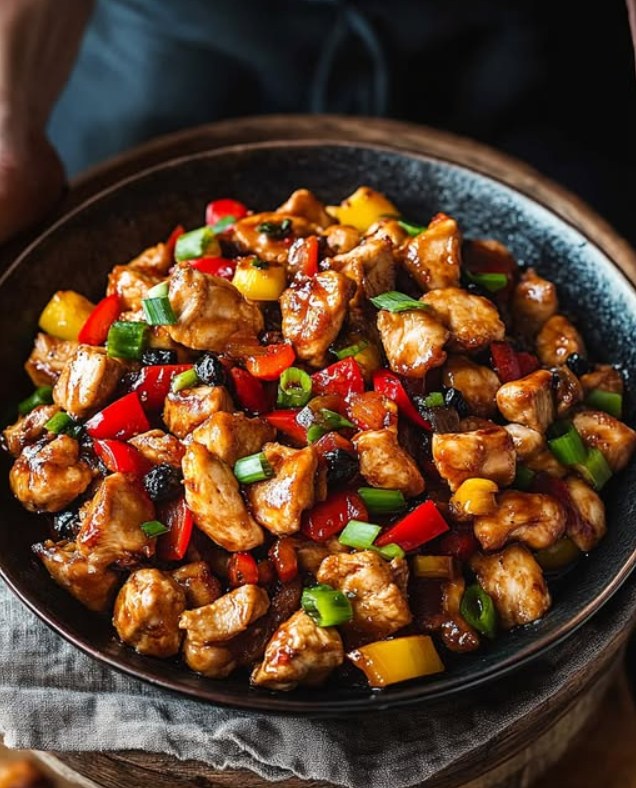
Why Kung Pao Chicken Delight is a Game-Changer for Home Cooks
Picture this: it’s a busy Tuesday evening, and you’re craving something that feels fancy but doesn’t take hours to whip up. Enter Kung Pao Chicken Delight, the dish that saved my sanity more times than I can count. It all started when my best friend came over unannounced with her kids in tow. With hungry bellies to feed, I turned to this recipe. The aroma of sizzling garlic, spicy chilies, and toasted peanuts filled the air, and within 30 minutes, we were all digging into bowls of this flavorful stir-fry. If you’ve never tried making Kung Pao Chicken at home, let me tell you—it’s easier than you think and oh-so-delicious!
A Little History Behind This Chinese Classic
Kung Pao Chicken hails from Sichuan cuisine, known for its bold flavors and fiery spices. Traditionally, this dish combines tender chicken, crunchy peanuts, and a mix of vegetables, all coated in a tangy, slightly sweet sauce. Legend has it that the dish was named after Ding Baozhen, a Qing dynasty official who loved spicy food. Over time, the recipe traveled across continents, adapting to local tastes. Today, you’ll find versions ranging from mild to mouth-numbingly spicy. My version strikes a perfect balance—just enough heat to keep things exciting without scorching your taste buds.
Why You’ll Fall Head Over Heels for This Recipe
There are so many reasons to love Kung Pao Chicken Delight. First off, it’s packed with flavor. The combination of savory soy sauce, nutty sesame oil, and zesty vinegar creates a symphony of tastes that dance on your tongue. Plus, it’s incredibly versatile. Whether you’re cooking for picky eaters or adventurous foodies, this dish works for everyone. And did I mention how quick it is? With only 10 minutes of prep and 20 minutes of cooking, you’ll have dinner on the table faster than delivery could arrive.
Perfect Occasions to Whip Up This Dish
This dish shines during casual weeknight dinners, potlucks, or even date nights. Imagine impressing your partner with a homemade meal that looks like it came straight out of a restaurant. Hosting friends? Serve Kung Pao Chicken alongside steamed rice and spring rolls for an effortless spread. It’s also a great option for meal prep since it reheats beautifully (more on that later!).
Ingredients You’ll Need
- For the marinade:
- 700 g of chicken breast, cut into bite-sized pieces
- 1 tablespoon soy sauce
- 1 tablespoon dry sherry
- 2 teaspoons cornstarch
- For the sauce:
- 1 tablespoon hoisin sauce (I recommend brands like Kikkoman or Lee Kum Kee)
- 2 tablespoons soy sauce
- 1 tablespoon sugar
- 1 tablespoon balsamic vinegar
- 1 tablespoon toasted sesame oil
- 1 tablespoon cornstarch
- ½ teaspoon crushed red pepper flakes (adjust to taste)
- ½ teaspoon ground ginger
- 80 ml water
- For the stir-fry:
- 2 tablespoons vegetable oil
- 1 large red bell pepper, diced
- 2 celery stalks, thinly sliced
- ¼ teaspoon salt
- 3 garlic cloves, minced
- 5 green onions, chopped
- 80 ml roasted unsalted peanuts or cashews
Substitution Options
- Swap chicken for tofu or shrimp if you prefer plant-based or seafood options.
- Use honey instead of sugar for a natural sweetness boost.
- If you don’t have balsamic vinegar, rice vinegar works just as well.
- Can’t find hoisin sauce? A mix of peanut butter and soy sauce makes a decent substitute.
Step-by-Step Preparation
Step 1: Marinate the Chicken
In a medium bowl, whisk together soy sauce, dry sherry, and cornstarch until smooth. Add the chicken pieces and toss to coat evenly. Let them sit for about 15 minutes while you prep the other ingredients. This step ensures the chicken stays juicy and absorbs all those delicious flavors. Pro tip: Stir the chicken occasionally to redistribute the marinade.
Step 2: Mix the Sauce
In another bowl, combine hoisin sauce, soy sauce, sugar, balsamic vinegar, sesame oil, cornstarch, red pepper flakes, ginger, and water. Whisk everything together until the cornstarch dissolves completely. Don’t skip scraping the bottom of the bowl—it’s where the magic happens! This sauce will thicken beautifully once cooked, coating every piece of chicken and veggie in glossy goodness.
Step 3: Sauté the Vegetables
Heat a large nonstick skillet over high heat. Add 1 tablespoon of oil and swirl it around to coat the pan. Toss in the bell pepper, celery, and a pinch of salt. Stir-fry for about 5 minutes, until the veggies soften slightly and develop golden edges. Transfer them to a bowl and set aside. The vibrant colors and crisp-tender texture make these veggies irresistible.
Step 4: Cook the Chicken
Divide the remaining oil into two batches. Cook half the chicken at a time, ensuring each piece gets plenty of room to sear. Flip the pieces after a minute to brown the other side. Once done, transfer the chicken to the bowl with the veggies. Repeat with the second batch. This method prevents overcrowding, which can lead to steaming rather than frying.
Step 5: Add Garlic and Green Onions
Pour the last tablespoon of oil into the skillet and sauté the garlic and green onions for 30 seconds. Be careful not to burn them—they should release their fragrance without turning bitter. These aromatics add depth and brightness to the dish.
Step 6: Bring It All Together
Return the cooked veggies and chicken to the skillet. Pour in the prepared sauce and reduce the heat. Simmer for about 30 seconds, stirring constantly, until the sauce thickens and coats everything evenly. Finish by tossing in the roasted peanuts. Their crunch adds a delightful contrast to the tender chicken and soft veggies.
Chef’s Tip
To elevate your Kung Pao Chicken Delight, toast the peanuts yourself. Simply toss them in a dry skillet over medium heat for a few minutes until fragrant. Freshly toasted nuts bring an unbeatable aroma and flavor to the dish.
Timing Breakdown
- Prep Time: 10 minutes
- Cooking Time: 20 minutes
- Total Time: 30 minutes
Chef’s Secret
The secret to perfectly balanced Kung Pao Chicken lies in the sauce. Taste it before adding it to the skillet—if it needs a touch more sweetness or spice, adjust accordingly. Remember, seasoning is key!
Extra Info
Did you know that authentic Sichuan peppercorns are often used in traditional Kung Pao recipes? They create a unique tingling sensation called “ma la” in Chinese cuisine. While they’re optional here, they’re worth trying if you want to explore true Sichuan flavors.
Necessary Equipment
- Large nonstick skillet or wok
- Whisk
- Measuring spoons and cups
- Wooden spoon or spatula
Storage Tips
Leftover Kung Pao Chicken keeps well in the fridge for up to three days. Store it in an airtight container to preserve freshness. When reheating, sprinkle a little water over the top to prevent the sauce from drying out. For longer storage, freeze portions in freezer-safe bags for up to a month. Thaw overnight in the fridge before reheating.
If you plan to serve leftovers cold, consider adding fresh veggies like cucumber slices or shredded carrots for extra crunch. This trick keeps the dish exciting even after a day or two.
One final note: always reheat gently on the stovetop or microwave. High heat can cause the sauce to separate, ruining the texture.
Tips and Advice
- Use high-quality ingredients, especially soy sauce and hoisin sauce, for the best results.
- Don’t rush the marinating process—it’s crucial for flavor development.
- Keep your knife skills sharp! Uniformly sized veggies and chicken cook more evenly.
Presentation Ideas
- Garnish with extra chopped green onions or sesame seeds for a pop of color.
- Serve in individual bowls with steamed jasmine rice for a restaurant-worthy presentation.
- Add edible flowers or microgreens for a fancy touch at dinner parties.
Healthier Alternative Recipes
Looking to lighten up your Kung Pao Chicken? Try these six variations:
- Baked Version: Skip the skillet and bake the chicken and veggies in the oven for a lower-fat option.
- Low-Sodium: Use reduced-sodium soy sauce and omit added salt.
- Vegan Twist: Replace chicken with firm tofu and use agave syrup instead of sugar.
- Gluten-Free: Swap regular soy sauce for tamari and ensure all other ingredients are gluten-free.
- Spice-Free: Omit the red pepper flakes entirely for a milder flavor profile.
- Vegetable-Packed: Double the amount of bell peppers and celery for extra nutrition.
Common Mistakes to Avoid
Mistake 1: Overcrowding the Pan
When cooking the chicken, resist the urge to dump it all in at once. Overcrowding leads to steaming, which means soggy, unappetizing chicken. Instead, cook in batches to achieve that perfect sear. Pro tip: Pat the chicken dry with paper towels before cooking to remove excess moisture.
Mistake 2: Skipping the Marinade
Some folks skip marinating to save time, but trust me, it’s worth the wait. The marinade infuses the chicken with flavor and helps lock in moisture. Without it, your dish might taste bland.
Mistake 3: Burning the Garlic
Garlic burns quickly, turning bitter and ruining the dish. Keep the heat moderate and stir continuously while sautéing. If you’re nervous, remove the skillet from the burner as soon as the garlic becomes fragrant.
FAQ
What is Kung Pao Chicken?
Kung Pao Chicken is a classic Chinese stir-fry featuring tender chicken, crunchy peanuts, and colorful veggies, all tossed in a savory-sweet sauce. Its origins trace back to Sichuan province, where bold flavors reign supreme.
Can I make this dish vegetarian?
Absolutely! Swap the chicken for tofu or tempeh, and follow the same steps. The result will be just as satisfying and flavorful.
Is Kung Pao Chicken very spicy?
It depends on your preference. Adjust the amount of red pepper flakes to control the heat level. For a milder version, halve the quantity or omit it altogether.
How do I store leftovers?
Store leftovers in an airtight container in the fridge for up to three days. Reheat gently on the stovetop or microwave, adding a splash of water to loosen the sauce.
What sides pair well with this dish?
Steamed white or brown rice is a classic choice. For a lighter option, serve with quinoa or cauliflower rice. A simple cucumber salad complements the rich flavors nicely.
Can I freeze Kung Pao Chicken?
Yes, portion the dish into freezer-safe containers and freeze for up to a month. Thaw in the fridge overnight before reheating.
Do I need special equipment to make this?
No fancy gadgets required! A good skillet or wok, along with basic kitchen tools like a whisk and spatula, will get the job done.
Where can I find hoisin sauce?
Hoisin sauce is available at most grocery stores in the international aisle. Look for reputable brands like Kikkoman or Lee Kum Kee for the best quality.
Can I use raw peanuts instead of roasted?
While roasted peanuts provide better flavor and texture, you can toast raw peanuts yourself. Simply heat them in a dry skillet until golden and fragrant.
What if I don’t have balsamic vinegar?
Rice vinegar or apple cider vinegar works as a substitute. Both offer a similar tanginess that balances the dish’s sweetness.
Final Thoughts
Kung Pao Chicken Delight is more than just a recipe—it’s a celebration of bold flavors, quick cooking, and family-friendly meals. Whether you’re a seasoned chef or a beginner in the kitchen, this dish promises to deliver satisfaction every time. So grab your skillet, gather your ingredients, and let’s get cooking. Your taste buds will thank you!
Kung Pao Chicken Delight
Ingredients
Equipment
Method
- In a medium bowl, whisk together soy sauce, dry sherry, and cornstarch until smooth. Add chicken and toss to coat; let sit for 15 minutes.
- In another bowl, combine hoisin sauce, soy sauce, sugar, balsamic vinegar, sesame oil, cornstarch, red pepper flakes, ginger, and water; whisk until dissolved.
- Heat a large nonstick skillet over high heat. Add 1 tablespoon of oil and sauté bell pepper, celery, and salt for 5 minutes; transfer to a bowl.
- Cook half the marinated chicken in the skillet, flipping once until browned; transfer to the bowl with veggies and repeat with remaining chicken.
- In the same skillet, add another tablespoon of oil and sauté garlic and green onions for 30 seconds.
- Return chicken and veggies to the skillet, pour in sauce, reduce heat, and simmer for 30 seconds until thickened; stir in roasted peanuts.