
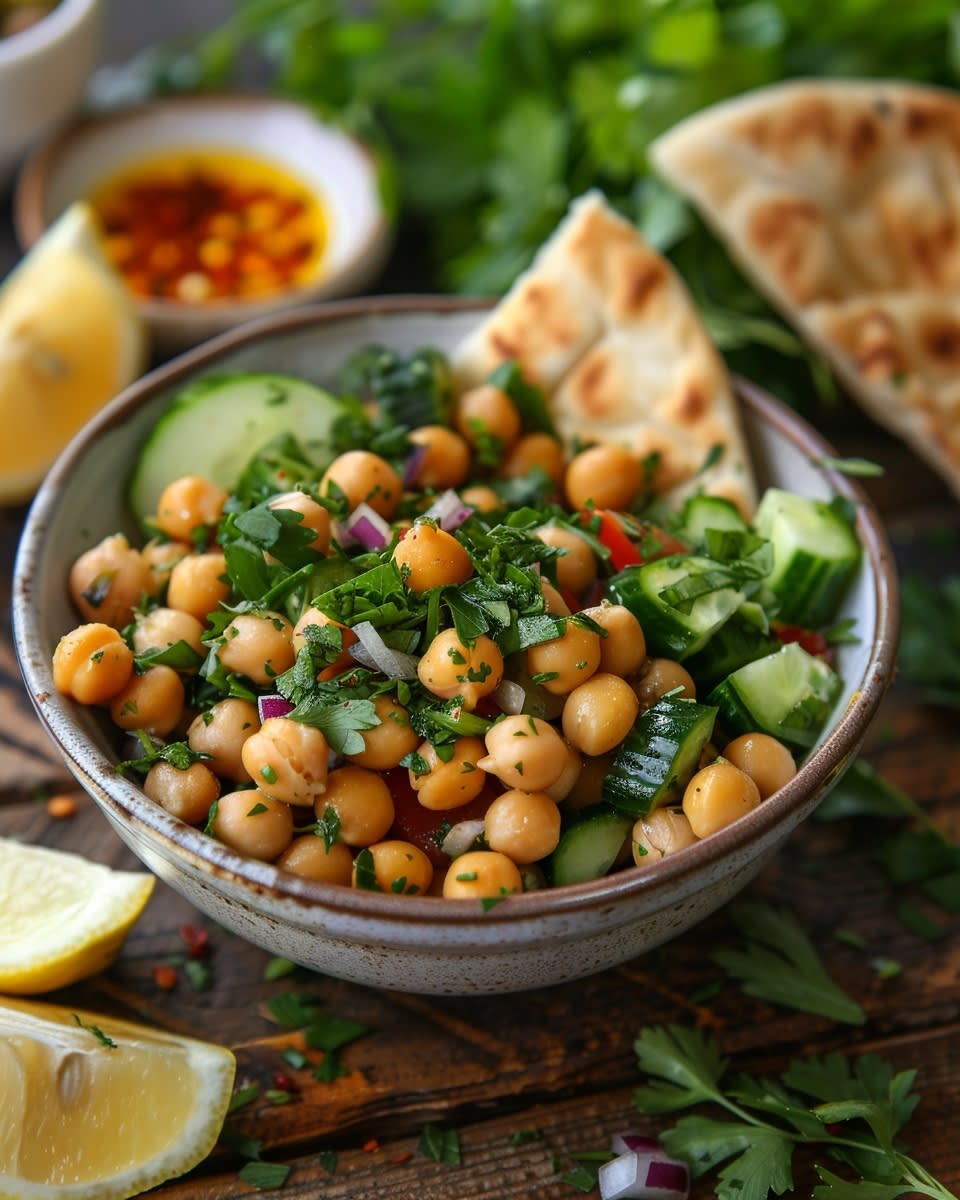
Last summer, I found myself staring into my fridge at noon, sweating from the heat and craving something cool and satisfying. I didn’t want anything heavy or complicated. That’s when I threw together what would become my go-to lunch for the entire season: a Mediterranean Chickpea Cucumber Salad. It took me less than 15 minutes to make, and I felt energized for hours afterward. No food coma, no regrets, just pure refreshment.
If you’re looking for a meal that checks all the boxes, this salad delivers. It’s light enough for scorching summer days but filling enough to keep you satisfied. The combination of crisp cucumbers and protein-packed chickpeas creates the perfect balance. You get crunch, creaminess, and a burst of bright flavors in every bite.
This Mediterranean salad has taken social media by storm for good reason. It fits perfectly into meal prep routines, travels well to picnics and potlucks, and appeals to almost everyone. Whether you follow a specific diet or just want to eat better, this recipe works. It’s naturally vegan, gluten-free, and packed with nutrients your body needs.
The health benefits alone make this salad worth trying. Chickpeas bring fiber and plant protein to the table. Cucumbers keep you hydrated while adding virtually zero calories. Fresh herbs provide antioxidants. Olive oil delivers healthy fats that help your body absorb vitamins. This isn’t diet food that leaves you hungry an hour later. It’s real nutrition that tastes amazing.
I love serving this as a light lunch on busy workdays. My family enjoys it as a side dish with grilled chicken or fish. Some friends have told me they bring it to summer barbecues, and it disappears before the main course hits the table. The versatility makes it a recipe you’ll return to again and again.
Ready to make your new favorite summer dish? Let me walk you through everything you need to know. I’ll share the ingredients that matter most and explain why quality makes a difference. You’ll learn simple tricks that take this salad from good to incredible.
What You Need for the Perfect Mediterranean Chickpea Cucumber Salad
The beauty of this chickpea cucumber salad lies in its simplicity. You don’t need exotic ingredients or specialty store visits. Most of what you need might already be sitting in your pantry and fridge right now.
Here’s what goes into my version:
- Chickpeas (also called garbanzo beans) – about 2 cans or 3 cups cooked
- Cucumbers – 2 to 3 medium-sized, preferably English or Persian varieties
- Cherry tomatoes – 1 to 2 cups, halved for easy eating
- Red onion – half of a medium onion, thinly sliced
- Fresh parsley – a generous handful, chopped
- Feta cheese – optional but highly recommended for extra richness
- Extra virgin olive oil – the foundation of your dressing
- Fresh lemon juice – 2 to 3 lemons worth for brightness
- Garlic – 1 to 2 cloves, minced or pressed
- Salt and black pepper – to taste
The ingredient list might look basic, but that’s the point. When you use fresh, quality components, you don’t need to cover them up with complicated sauces or heavy dressings.
I learned early on that ingredient quality matters more than cooking skill with this recipe. You can’t hide behind cooking techniques when everything stays raw and fresh. The flavors stand on their own, which means each ingredient needs to shine.
Choosing Your Chickpeas Wisely
Chickpeas form the protein backbone of this Mediterranean chickpea salad. You have two main options: canned or dried beans that you cook yourself.
I usually grab canned chickpeas for convenience. They work perfectly fine and save you hours of soaking and simmering. Look for cans labeled “low sodium” or “no salt added” so you control the seasoning. Always drain and rinse them thoroughly under cold water. This removes the starchy liquid that can make your salad taste bland or slightly metallic.
If you have time and want to cook dried chickpeas, go for it. They have a firmer texture and slightly nuttier flavor than canned versions. Soak them overnight, then simmer for about an hour until tender but not mushy. You want them to hold their shape when you toss the salad.
One trick I picked up: pat your chickpeas dry after rinsing. Excess moisture dilutes your dressing and makes the salad watery. I spread them on a clean kitchen towel for a few minutes while I prep the other ingredients.
Selecting the Best Cucumbers
Not all cucumbers work equally well in this recipe. The type you choose affects both texture and taste.
English cucumbers (the long ones wrapped in plastic) are my top pick. They have thin skins you don’t need to peel, fewer seeds, and a crisp texture that lasts. They’re less watery than regular cucumbers, which keeps your salad from getting soggy.
Persian cucumbers are another excellent choice. These short, stubby cucumbers pack tons of flavor and stay extra crunchy. They’re often sold in bags at grocery stores. The only downside is you’ll need more of them since they’re smaller.
Regular garden cucumbers work in a pinch. Just peel them first because the skin can be tough and bitter. Scoop out the seeds with a spoon to reduce water content. Cut them into slightly larger chunks so they don’t fall apart.
When shopping, look for firm cucumbers without soft spots or wrinkles. They should feel heavy for their size. Give them a gentle squeeze – they should be solid, not squishy. Fresh cucumbers make a noticeable difference in the final result.
The Power Duo: Olive Oil and Lemon
The dressing for this salad couldn’t be simpler, but it relies on two ingredients being absolutely perfect: olive oil and lemon juice.
Splurge on good extra virgin olive oil if your budget allows. You’re not cooking with it, so the flavor comes through clearly. Look for oil that smells fruity or grassy, not neutral. Oils from Greece, Italy, or Spain typically deliver robust flavors that complement Mediterranean dishes beautifully.
I keep an everyday olive oil for cooking and a nicer bottle for salads and finishing dishes. The difference in taste is worth the extra few dollars. A quality oil brings richness and depth that cheap versions simply can’t match.
Fresh lemon juice is non-negotiable. Skip the bottled stuff entirely. Real lemons provide brightness and acidity that wake up all the other flavors. I roll my lemons on the counter before cutting them – this breaks down some of the internal membranes and releases more juice.
The ratio I use is roughly three parts olive oil to one part lemon juice. Some people prefer more lemon for extra tang. Others go heavier on oil for a mellower dressing. Start with the standard ratio and adjust based on your taste.
When you whisk olive oil and lemon together with minced garlic, salt, and pepper, something magical happens. The mixture emulsifies slightly and creates a coating that clings to every ingredient. This simple dressing ties the whole Mediterranean cucumber salad together without overpowering the fresh vegetables.
Fresh Vegetables Make the Difference
Beyond chickpeas and cucumbers, the supporting vegetables add color, nutrition, and variety to each bite.
Cherry tomatoes bring sweetness and juiciness. I prefer them over larger tomatoes because they hold their shape better and distribute evenly throughout the salad. Look for tomatoes that smell like, well, tomatoes. If they have no scent, they probably have no flavor either.
Red onion adds a sharp bite that balances the creamy chickpeas. I slice mine super thin and sometimes soak the slices in cold water for ten minutes to mellow the intensity. This removes some of the harsh sulfur compounds that can overpower other flavors.
Fresh herbs transform this from a basic bean salad into something special. Parsley is traditional and brings a clean, slightly peppery note. Fresh mint makes a wonderful addition if you have it. The key word is fresh – dried herbs don’t work the same way in cold salads.
I chop my herbs right before adding them to the salad. Once cut, they start losing their aromatic oils quickly. The fresher they are when they hit the bowl, the more flavor they contribute.
Some people add bell peppers, Kalamata olives, or artichoke hearts to their version. Feel free to experiment. The base recipe is forgiving and welcomes creative additions. Just remember that more isn’t always better. You want distinct flavors, not a muddled mess.


Making Your Mediterranean Salad Like a Pro
Now that you’ve got your ingredients ready, let’s talk about putting everything together the right way.
I’ll be honest – I used to just dump everything in a bowl and call it done. The salad tasted fine, but it wasn’t great. Then I started paying attention to the order and technique, and suddenly people were asking for the recipe at every gathering. Small changes in how you prep and assemble make a surprisingly big difference.
Start with your chickpeas. After you’ve drained and rinsed them, take an extra minute to really dry them off. I learned this the hard way when my first few attempts turned into soupy messes by lunchtime. Spread those beans on a clean dish towel or paper towels and gently pat them dry. You’re not trying to dehydrate them completely, just remove the surface moisture that would otherwise water down your beautiful dressing.
Here’s something I discovered by accident: if you have ten extra minutes, let your dried chickpeas sit in the fridge uncovered. They firm up slightly and absorb dressing better later. Not essential, but it’s a nice touch when you have the time.
For the cucumbers, cutting technique actually matters. I slice mine into half-moons about a quarter-inch thick. Too thin and they get limp quickly. Too thick and they don’t mix well with the other ingredients. If you’re using English cucumbers, cut them lengthwise first, then slice across. This gives you those perfect crescent shapes that look restaurant-quality.
Persian cucumbers are small enough that you can skip the lengthwise cut. Just slice them straight across into rounds. Either way works beautifully in this cucumber chickpea salad.
The red onion deserves special attention. Sharp knives make this easier – a dull blade crushes the onion cells and releases more of those compounds that make you cry. Slice as thin as you possibly can. I’m talking almost translucent here. If the onion flavor still seems too aggressive for your taste, soak those slices in ice water for about ten minutes, then drain them well. This mellows them out considerably without removing all the bite.
Cherry tomatoes are straightforward. Cut them in half, period. Some people quarter them, but I find halves give you the best ratio of tomato flavor to salad volume. Plus they look prettier on the plate, which matters more than I used to think it did.
When it comes to fresh parsley, I bunch it together tightly and run my knife through it in a rocking motion. You want pieces small enough to distribute throughout the salad but large enough that you can still identify them. If you turn parsley into dust, you lose some of the fresh flavor. And definitely remove those thick stems first – they’re tough and unpleasant to bite into.
By the way, if you’re making this Mediterranean salad for someone who’s not a huge herb fan, you can cut the parsley amount in half and add some baby spinach or arugula instead. It changes the flavor profile slightly but still tastes fantastic. I sometimes do this when I’m serving it alongside something like high protein chicken quinoa power bowl, just to vary the greens across the meal.
Now for assembly – and this is where most people get it wrong. Don’t dress the salad until you’re ready to eat it, especially if you’re meal prepping. The acid in the lemon juice starts breaking down the vegetables immediately. They get soft and sad-looking after a few hours in dressing.
Instead, prep all your vegetables and store them in an airtight container in the fridge. Mix your dressing in a separate small jar. When you’re ready to eat, combine everything and toss well. This keeps your salad crisp and fresh for up to four days.
If you absolutely must dress it in advance – maybe you’re bringing it somewhere and need it ready to go – give yourself a maximum two-hour window before serving. The vegetables can handle that without turning to mush.
The marinating question comes up a lot. Unlike some salads that benefit from sitting for hours, this one shines when it’s fresh. That said, twenty to thirty minutes of rest time after dressing lets the flavors meld beautifully. The chickpeas soak up some of that garlicky lemon dressing, and the onions distribute their flavor throughout. Think of it like letting a quick marinade work its magic.
During those thirty minutes, I’ll often prepare the rest of my meal. This salad pairs wonderfully with grilled proteins, but it also works great as a standalone lunch. On busy mornings, I’ve been known to pack it alongside protein banana oat muffins for a breakfast-lunch combo that keeps me full until dinner.
Funny enough, my pickiest eater actually prefers when I separate the components. I pack the dressed chickpeas in one container, the vegetables in another, and combine them right before eating. More work for me, but it keeps everything at peak texture.
For variations, the possibilities are genuinely endless. Need more protein? Add grilled chicken, hard-boiled eggs, or canned tuna. Want it lower in carbs? Reduce the chickpeas and bulk it up with more cucumbers and leafy greens. Some people toss in cooked quinoa to make it heartier, similar to what you’d find in a chicken quinoa power bowl setup.
If you’re avoiding dairy, just skip the feta cheese entirely. The salad has plenty of flavor without it. I’ve served the dairy-free version at gatherings and literally nobody noticed it was missing. For nut-free diets, this recipe already works perfectly – just double-check your store-bought ingredients don’t have cross-contamination warnings if allergies are severe.
Why This Salad Is Actually Good For You
Let me tell you something that makes me genuinely happy about this recipe: it’s one of those rare dishes where “healthy” and “delicious” mean the same thing.
Chickpeas are basically nutritional powerhouses disguised as humble beans. A single cup delivers about fifteen grams of plant-based protein and twelve grams of fiber. That fiber is the soluble kind that keeps your digestive system running smoothly and helps you feel full for hours. I used to hit that mid-afternoon energy crash every single day until I started eating more fiber-rich foods like this.
The protein in chickpeas is incomplete on its own, but pair it with the whole grain pita or crackers you might serve alongside, and you’ve got all the amino acids your body needs. It’s basically a complete protein meal without any meat required. This makes it perfect for plant-based eaters or anyone trying to reduce their meat consumption without sacrificing nutrition.
Cucumbers get overlooked nutritionally because they’re mostly water. But that’s actually their superpower. During hot weather, they help keep you hydrated better than plain water alone because they contain electrolytes and small amounts of vitamins. They also have compounds called cucurbitacins that researchers are studying for anti-inflammatory properties. Plus, at only sixteen calories per cup, they let you eat a huge volume of food without worrying about your waistline.
Here’s the thing about olive oil that surprises people: yes, it’s calorie-dense, but those calories come with serious health benefits. The monounsaturated fats in quality olive oil support heart health, reduce inflammation, and help your body absorb fat-soluble vitamins from the vegetables. Without some fat in this salad, you’d actually absorb fewer nutrients from all those colorful veggies. Your body needs fat to process vitamins A, D, E, and K.
I remember reading somewhere that people who regularly consume olive oil as part of a Mediterranean diet have lower rates of heart disease and cognitive decline. That stuck with me. Now I don’t feel guilty about the generous pour of olive oil in my dressing – I think of it as medicine that happens to taste amazing.
Tomatoes contribute lycopene, a powerful antioxidant that gives them their red color. Lycopene is one of those nutrients that becomes more bioavailable when consumed with fat, which is another reason that olive oil dressing isn’t just tasty – it’s smart nutrition. Studies have linked lycopene consumption to reduced risk of certain cancers and heart disease.
The fresh herbs aren’t just garnish either. Parsley contains vitamin K, which plays a crucial role in bone health and blood clotting. It also has vitamin C and various antioxidants that help protect your cells from damage. I used to think of herbs as flavor-only additions until I learned they pack legitimate nutritional value.
For anyone watching their weight, this salad is genuinely helpful. It’s got the perfect combination of protein, fiber, and water content to keep you satisfied without loading you up with empty calories. I’ve had it for lunch plenty of times and stayed full until dinner without snacking. Compare that to a sandwich or pasta dish that might leave you rummaging through the pantry two hours later.
The whole meal clocks in around three hundred to four hundred calories per generous serving, depending on how heavy-handed you are with the olive oil and feta. That’s substantial nutrition for relatively few calories, especially when you consider the protein and fiber content.
Blood sugar management is another benefit worth mentioning. The combination of protein, fiber, and healthy fats means this salad won’t spike your blood sugar the way refined carbohydrates do. You get steady energy instead of that rollercoaster of highs and crashes. This makes it particularly smart for anyone managing diabetes or pre-diabetes, though obviously check with your healthcare provider about your specific dietary needs.
What I appreciate most is how this salad fits into almost any eating pattern. Following a Mediterranean diet? It’s literally designed for you. Doing plant-based eating? Leave off the feta and you’re set. Watching carbs? The chickpeas provide complex carbohydrates that digest slowly. Even if you’re just trying to eat more vegetables and fewer processed foods, this recipe gets you there without feeling like you’re sacrificing flavor or satisfaction.
I’ve served versions of this alongside everything from healthy ground turkey lettuce wraps for a protein-packed dinner to cinnamon roll french toast bake for weekend brunch balance. The versatility means you can work it into your routine in whatever way makes sense for your life.
One more thing worth noting: unlike some “health foods” that require expensive superfoods or supplements, this salad uses affordable, accessible ingredients. Eating well shouldn’t require a massive grocery budget, and this recipe proves it doesn’t have to.


Serving Suggestions and Making This Salad Shine
One of my favorite things about this Mediterranean chickpea cucumber salad is how well it plays with others on the dinner table. I’ve served it dozens of different ways, and it never feels boring or repetitive.
For a complete summer meal, I love pairing this salad with grilled fish. Salmon works beautifully because its rich, fatty flavor contrasts perfectly with the crisp, tangy vegetables. I usually season the salmon simply – just salt, pepper, and a squeeze of lemon – so the flavors don’t compete. The fish gives you omega-3s while the salad provides fiber and plant protein. Together, they create a balanced plate that feels light but keeps you satisfied for hours.
Grilled chicken is another natural partner. I’ll marinate chicken breasts or thighs in lemon juice, garlic, and oregano to echo the Mediterranean flavors in the salad. Sometimes I slice the cooked chicken and lay it right on top of the salad for a one-bowl meal situation. Other times I serve them side by side. Either way, the combination works perfectly for weeknight dinners when you want something healthy but don’t want to spend an hour in the kitchen.
Here’s something I discovered last summer: this salad makes an incredible stuffing for pita pockets. I’ll warm up some whole wheat pita bread, cut it in half, and stuff each pocket generously with the salad. Maybe add a drizzle of tahini sauce or some hummus inside for extra creaminess. Suddenly you’ve got a handheld lunch that’s way more interesting than another boring sandwich. If you’re looking for more ways to incorporate whole grain foods into your meals, whole wheat pita is an easy starting point that pairs naturally with Mediterranean flavors.
For vegetarian friends, I often serve this alongside falafel patties. The chickpeas in the salad complement the ground chickpeas in the falafel without feeling redundant. Add some warm flatbread and maybe a cucumber yogurt sauce, and you’ve got a feast that nobody will miss the meat from.
At barbecues and potlucks, this salad holds its own as a side dish. It sits happily on a buffet table without wilting like lettuce-based salads do. I’ve brought it to countless gatherings, and it always disappears fast. People appreciate having a fresh, vegetable-forward option among all the heavy grilled meats and mayo-laden potato salads.
When I’m hosting at home, presentation matters more than I used to think it did. I’ve learned a few tricks that make this simple salad look restaurant-worthy without adding any extra work.
First, serve it in a wide, shallow bowl rather than a deep one. This lets people see all the colorful ingredients instead of just the top layer. The reds from the tomatoes, greens from the herbs and cucumbers, whites from the chickpeas and feta – they all create this beautiful mosaic effect when spread out properly.
I like to hold back some of the fresh herbs and sprinkle them on top right before serving. Same with the feta cheese if I’m using it. These finishing touches make the dish look intentional and carefully composed rather than just tossed together. It takes literally fifteen extra seconds but makes a genuine difference in how people perceive the food.
For fancier occasions, I’ll serve individual portions in small glass bowls or mason jars. Layer the chickpeas on the bottom, then cucumbers, then tomatoes, then herbs on top. It looks impressive and modern, plus guests can shake their jar to mix everything before eating. This presentation works especially well for outdoor events where you want something that travels easily but still looks special.
Speaking of beverages, this salad pairs wonderfully with crisp white wines. A Sauvignon Blanc or Pinot Grigio complements the lemon and herbs without overwhelming the delicate vegetable flavors. If wine isn’t your thing, try sparkling water with fresh mint and lemon. The bubbles cleanse your palate between bites, and the mint echoes the fresh herb notes in the salad.
For non-alcoholic options at family dinners, I sometimes make a big batch of iced green tea with honey and lemon. The subtle tea flavor doesn’t compete with the food, and it feels more sophisticated than plain water. Kids usually prefer lemonade, which actually works great since it picks up the citrus notes in the dressing.
When it comes to complementary sides, I think about texture and temperature contrasts. Since this salad is cold and crunchy, I like serving it with something warm and soft. Warm pita bread brushed with olive oil and sprinkled with za’atar is perfect. Hummus or baba ganoush gives you something creamy to balance the crisp vegetables.
For a more substantial spread, I’ll add some stuffed grape leaves (dolmas) from the deli section of my grocery store. They’re already prepared, so there’s no extra cooking required. The combination feels like a legitimate Mediterranean feast without hours of work.
Rice pilaf makes another excellent companion, especially if you’re serving this as part of a larger meal. The fluffy grains soak up any extra dressing that pools at the bottom of your salad bowl. I usually make mine with vegetable broth, a bit of butter, and some toasted pine nuts for extra flavor and texture.
The versatility of this recipe really shines when you think about different occasions. For casual weeknight family dinners, I serve it straight from the mixing bowl with minimal fuss. Everyone helps themselves, and we eat at the kitchen counter while chatting about our day. It’s simple, nourishing, and doesn’t create a mountain of dishes to wash afterward.
But I’ve also served this same salad at more formal dinner parties, and it fits right in. The key is adjusting the presentation and what you serve alongside it. Plate individual portions carefully, add a protein like grilled shrimp or lamb chops, include some crusty artisan bread, and suddenly your simple chickpea salad becomes part of an elegant meal.
For outdoor summer gatherings – picnics, beach days, park potlucks – this salad is genuinely ideal. It doesn’t need to stay hot, it travels well in sealed containers, and it won’t give anyone food poisoning if it sits out for a bit in the shade. Just keep the dressing separate until serving time to maintain that perfect crunch.
I’ve packed this for countless work lunches over the years. It’s one of those rare desk lunches that makes coworkers jealous rather than forcing them to suffer through smelly leftovers. The fresh, bright flavors don’t overpower a shared office space, yet the meal is interesting enough that you don’t feel like you’re choking down diet food.
For meal prep situations, I portion the undressed salad into five containers on Sunday afternoon. Each morning, I grab a container, add dressing from my jar in the fridge, and I’ve got lunch sorted. Some weeks I’ll prep different proteins to add variety – Monday might get grilled chicken, Wednesday gets hard-boiled eggs, Friday gets canned tuna. Same base salad, different protein, never boring.
By the way, this salad works surprisingly well as part of a brunch spread too. I know that sounds weird at first, but hear me out. Serve it alongside egg dishes, some fresh fruit, and maybe some smoked salmon or gravlax. The fresh vegetables and protein make it a lighter option among typically heavy brunch foods. Plus, if you’re hosting a crowd with different dietary needs, this salad accommodates almost everyone.
For holiday gatherings when everyone’s bringing a dish, this Mediterranean cucumber salad is smart because it complements virtually any main course. Whether your aunt brings ham, your cousin brings turkey, or your friend brings a vegetarian casserole, this salad works alongside all of them. It’s become my default contribution to Thanksgiving and Christmas dinners because I know it’ll get eaten and people genuinely appreciate having a fresh vegetable option.
One more serving idea that’s become popular at my house: use the salad as a topping for grain bowls. Cook up some quinoa, farro, or brown rice. Top it with a generous scoop of this salad, maybe add some tahini sauce or a soft-boiled egg, and you’ve got a complete meal that checks every nutritional box. The warm grains and cold salad create this interesting temperature contrast that makes each bite more interesting.
If you’re looking for more inspiration on building balanced, wholesome meals, you might enjoy browsing through other healthy recipes that use similar fresh ingredients and simple preparation methods.
The beauty of this recipe is that it adapts to whatever occasion you’re facing. Low-key Tuesday dinner? Check. Fancy Saturday night dinner party? Also check. Potluck contribution? Meal prep lunches? Beach picnic? Holiday spread? This salad handles all of it without complaint. That’s the kind of versatility that makes a recipe stick around in your rotation for years rather than getting made once and forgotten.
Your Questions About Mediterranean Chickpea Cucumber Salad Answered
How long does the Mediterranean Chickpea Cucumber Salad last in the fridge?
When stored properly, this salad keeps well for three to four days in the refrigerator. The key is storing the dressing separately from the vegetables and chickpeas. Once dressed, the salad starts breaking down within a day as the acid in the lemon juice softens the vegetables. I always prep my ingredients on Sunday and keep them in an airtight container, then add fresh dressing each day. This method keeps everything crisp and delicious all week long. If you’ve already mixed everything together, try to eat it within 24 hours for the best texture and flavor.
Can I use canned chickpeas instead of dried ones?
Absolutely, and I usually do exactly that. Canned chickpeas work perfectly and save you hours of soaking and cooking time. Just make sure to drain them thoroughly and rinse them under cold water to remove the starchy canning liquid. Pat them dry with a clean towel before adding them to your salad. If you prefer dried chickpeas for their firmer texture and slightly nuttier flavor, that’s great too, but canned versions are completely acceptable and what most people use. Look for low-sodium or no-salt-added varieties so you can control the seasoning yourself.
What are some good substitutes for cucumber in this salad?
While cucumbers are traditional, you can substitute diced bell peppers for a similar crunch with a sweeter flavor. Celery works surprisingly well and adds that refreshing crisp texture. Zucchini cut into small cubes provides a mild flavor that lets the other ingredients shine. Some people use jicama, which stays incredibly crunchy and has a slightly sweet taste. Radishes bring a peppery bite if you want something more assertive. Just pick something with a firm texture that won’t get mushy quickly, and you’ll be fine.
Is this salad suitable for vegetarians and vegans?
This salad is naturally vegetarian and incredibly easy to make vegan. The base recipe with chickpeas, cucumbers, tomatoes, onions, and herbs is already plant-based. The only ingredient that might need adjusting is the feta cheese, which some versions include. Simply omit the feta or substitute it with a dairy-free alternative, and you’ve got a completely vegan meal. The salad still tastes amazing without cheese because the lemon dressing and fresh vegetables provide plenty of flavor. It’s actually one of my go-to recipes when I’m cooking for friends with different dietary preferences because it accommodates so many eating styles naturally.
How can I make the salad spicier?
There are several easy ways to add heat to this Mediterranean salad. The simplest method is adding red pepper flakes directly to your dressing – start with a quarter teaspoon and adjust from there. Diced jalapeño or serrano peppers mixed into the salad provide fresh, bright heat. A few dashes of your favorite hot sauce works well too. I sometimes add a pinch of cayenne pepper to the dressing for a subtle warmth that builds gradually. For a Mediterranean twist, try adding some spicy harissa paste to the dressing, which brings both heat and complex flavor.
Can I add other vegetables to the salad?
Definitely, and I encourage experimentation. Bell peppers add sweetness and crunch in yellow, red, or orange varieties. Kalamata olives bring a briny, salty element that’s very traditional in Mediterranean cooking. Artichoke hearts from a jar contribute a tangy, meaty texture. Shredded carrots add color and a hint of sweetness. Radishes provide a peppery bite and beautiful color. Just be mindful not to add so many ingredients that the flavors become muddled – you want each component to shine rather than creating confusion on your palate.
What is the best way to store leftover salad?
The best storage method depends on whether your salad is already dressed. For undressed salad, store all the chopped vegetables and chickpeas together in an airtight container in the refrigerator for up to four days. Keep your dressing in a separate jar and add it right before eating. If the salad is already dressed, transfer it to an airtight container and refrigerate for no more than 24 hours. The vegetables will soften as they sit in the acidic dressing, so fresher is definitely better. Never leave this salad at room temperature for more than two hours to avoid food safety issues.
Is there a way to make this salad ahead of time?
Yes, and meal prep is actually where this salad really shines. Chop all your vegetables and store them in an airtight container in the fridge up to four days in advance. Make your dressing and keep it in a separate jar. When you’re ready to eat, simply combine the portions you need and toss with dressing. This method keeps everything at peak freshness and crunch. If you’re bringing the salad to an event, you can even pack the components separately and assemble them right before serving. The only thing I don’t recommend prepping too far ahead is the herbs, which I prefer to chop the same day for maximum flavor.
Can I freeze Mediterranean Chickpea Cucumber Salad?
Unfortunately, this isn’t a salad that freezes well at all. The high water content in cucumbers and tomatoes means they’ll turn to mush when thawed. The texture of all the vegetables will be completely compromised, and you’ll end up with a soggy, unappetizing mess. If you have leftovers you can’t finish within four days, I’d suggest eating the chickpeas in a different dish and composting the vegetables rather than trying to freeze them. Some recipes work great frozen, but fresh salads like this one really need to be enjoyed within a few days of preparation.
What protein can I add to make this a complete meal?
While chickpeas already provide plant-based protein, you can definitely add more to make this even heartier. Grilled chicken breast, sliced thin, is my most frequent addition. Canned tuna or salmon mixed right into the salad creates a Mediterranean-inspired protein bowl. Hard-boiled eggs, either chopped into the salad or served halved on top, add richness and protein. Grilled shrimp seasoned with lemon and garlic complements the flavors beautifully. For plant-based options, try adding cubed baked tofu, tempeh, or extra chickpeas. Any of these proteins transform the salad from a side dish into a satisfying main course that’ll keep you full for hours.
I hope this salad becomes as much of a staple in your kitchen as it has in mine. Give it a try this week – your future self will thank you when you’re enjoying a fresh, flavorful lunch that took almost no effort to prepare.
Ingredients
Equipment
Method
- Rincez et égouttez les pois chiches, puis séchez-les avec une serviette.
- Coupez les concombres en demi-lunes d'environ 0,5 cm d'épaisseur.
- Coupez les tomates cerises en deux.
- Tranchez finement l'oignon rouge et faites-le tremper dans l'eau froide pendant 10 minutes pour adoucir le goût.
- Hachez le persil frais.
- Dans un bol, fouettez ensemble l'huile d'olive, le jus de citron, l'ail haché, le sel et le poivre pour créer la vinaigrette.
- Combinez les pois chiches, les concombres, les tomates cerises, l'oignon rouge et le persil dans un grand bol.
- Assaisonnez la salade juste avant de servir et mélangez bien.