
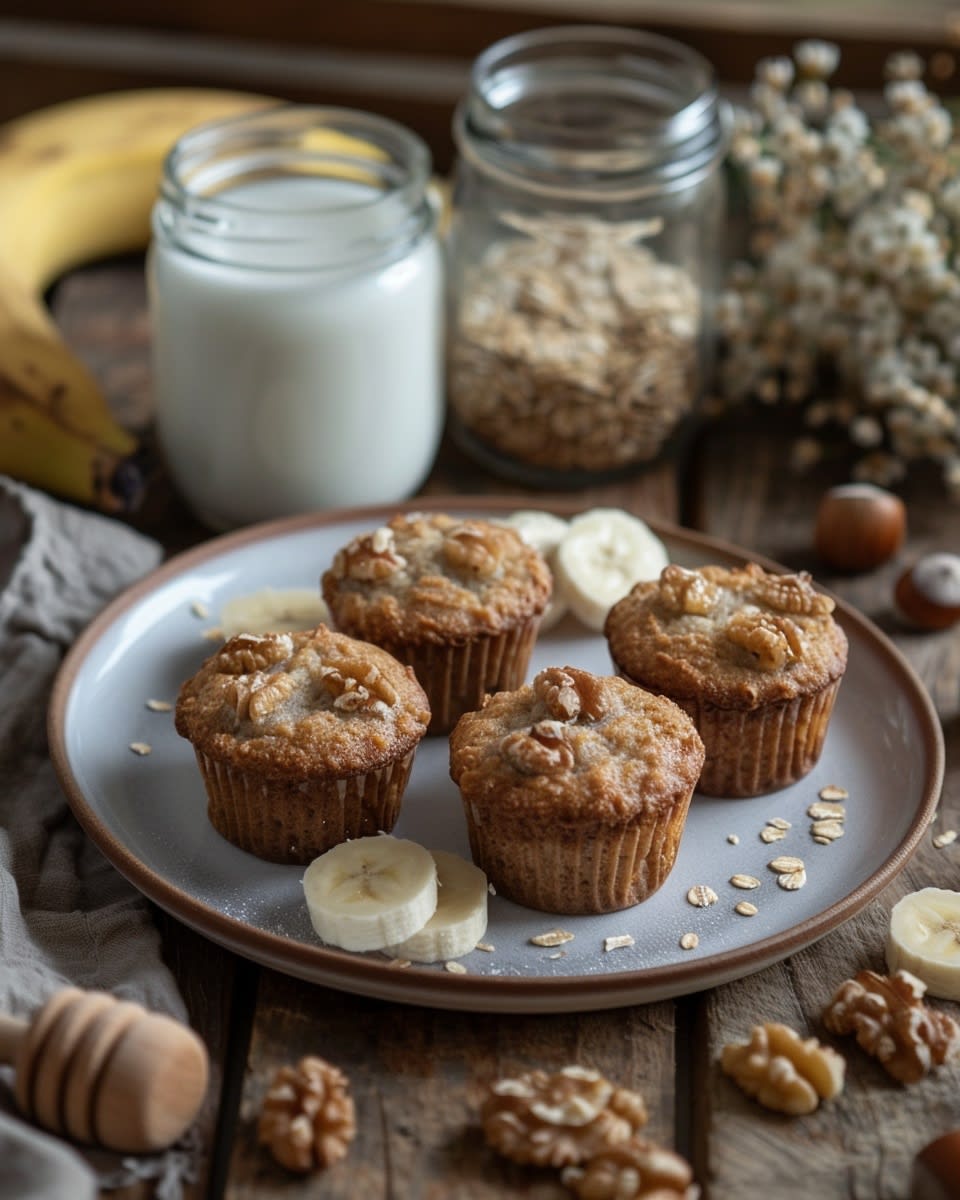
I still remember the first time I threw together a batch of protein banana oat muffins on a busy Sunday morning. My kids were hungry, I needed something quick, and the bananas on my counter were getting way too brown to ignore. What started as a desperate attempt to feed my family became our new favorite breakfast. These muffins disappeared in minutes, and I’ve been making them ever since.
Here’s the thing about protein banana oat muffins – they solve so many problems at once. You get a sweet treat that actually fuels your body instead of crashing your energy an hour later. They’re simple to make, even when you’re half asleep on a Monday morning. Plus, you can change them up based on what’s in your pantry or what your body needs.
These muffins work for just about everyone. Need a no flour option? Got it. Looking for low carb protein banana oat muffins? Easy. Want to keep calories in check with low calorie versions? No problem. The base recipe is so flexible that you can make it yours without stress.
What really makes these muffins special is how they pack nutrition into every bite. Bananas bring natural sweetness, so you don’t need tons of added sugar. Oats give you fiber that keeps you full. The protein helps build muscle and stops you from getting hungry again in an hour. It’s like having dessert for breakfast, except you’re actually doing your body a favor.
Why Choose Protein Banana Oat Muffins?
Let me tell you why these muffins have earned a permanent spot in my weekly meal prep routine. First off, the fiber content is impressive. Oats are loaded with soluble fiber, which helps your digestion and keeps your blood sugar steady. When I eat one of these muffins before a workout, I actually have energy that lasts instead of feeling weak halfway through.
The bananas do more than just add flavor. Those overripe bananas sitting on your counter are packed with potassium, vitamin B6, and natural sugars that give you quick energy. They also make these muffins incredibly moist without needing tons of oil or butter. I’ve had people ask me what secret ingredient makes them so soft, and they’re always surprised when I say it’s just really ripe bananas.
Adding protein to muffins changes the game completely. Whether you use protein powder, Greek yogurt, or both, that extra protein keeps you satisfied for hours. I used to eat regular muffins and be starving by 10 AM. Now I eat a protein banana oat muffin at 7 AM and don’t think about food until lunch. That’s a huge difference when you’re trying to avoid mindless snacking.
The convenience factor can’t be overstated. You bake a batch on Sunday, and you have breakfast or snacks ready for the entire week. I keep some in the fridge and freeze the rest. When my kids need something quick before school, they grab a muffin. When I’m running late for work, I take two with me. No mess, no prep, no thinking required.
These muffins travel better than almost any other breakfast. They don’t need to be refrigerated for a few hours. They don’t get soggy or fall apart in your bag. I’ve taken them on road trips, packed them in lunchboxes, and eaten them at my desk during meetings. Try doing that with a bowl of oatmeal or a plate of eggs.
The recipe adapts to whatever dietary path you’re following. Making high protein banana muffins without protein powder? Use Greek yogurt, cottage cheese, or nut butter for your protein boost. Want protein banana oat muffins with yogurt for extra creaminess? Swap some of the wet ingredients for plain yogurt. Following a low carb plan? Cut back on oats and add almond flour instead.
I love that you can customize these based on what you have available. Out of eggs? Use flax eggs. Don’t have regular oats? Quick oats work fine. Want them sweeter? Add a bit of honey or maple syrup. Need them less sweet? The bananas provide enough natural sweetness on their own. This flexibility means you’ll actually make them instead of skipping the recipe because you’re missing one ingredient.
The health benefits go beyond just protein and fiber. Oats contain antioxidants that reduce inflammation. Bananas support heart health and provide prebiotics for your gut. When you make protein banana oat muffins healthy by using whole food ingredients, you’re giving your body real nutrition instead of empty calories.
These muffins work for so many situations. Need a pre-workout snack? Eat one 30 minutes before the gym. Want a post-workout recovery food? The carbs and protein combo is perfect. Looking for a healthier dessert? Warm one up and add a tiny bit of nut butter on top. Trying to get your kids to eat something nutritious? They taste like a treat but fuel their growing bodies.
Making easy banana protein muffins doesn’t require fancy equipment or advanced baking skills. You need one bowl, a spoon, and a muffin tin. That’s it. I’ve made these while talking on the phone and helping with homework at the same time. The whole process takes maybe 10 minutes of actual work, then the oven does the rest.
The cost factor matters too. These ingredients are budget-friendly. Bananas are cheap, especially when you buy the discounted overripe ones. Oats cost almost nothing. Even if you add protein powder, you’re still spending way less per serving than buying protein bars or expensive breakfast items at a coffee shop.
High protein banana muffins with Greek yogurt have become my go-to version lately. The yogurt adds tang, extra protein, and makes them super moist. It also helps them stay fresh longer, which means less food waste. I’ve had them last a full week in the fridge without getting dry or losing flavor.
These muffins prove that healthy eating doesn’t have to be boring or complicated. You can enjoy something that tastes good and supports your health goals at the same time. That’s the kind of food that actually sticks in your routine instead of being another diet trend you abandon after two weeks.


Ingredients and Nutritional Breakdown
Now that you understand why these muffins are worth making, let’s talk about what actually goes into them.
The ingredient list is refreshingly short. You need ripe bananas (the browner, the better), old-fashioned rolled oats, eggs, Greek yogurt, protein powder, baking powder, a pinch of salt, and some vanilla extract. That’s really it for the basic version. No weird ingredients you can’t pronounce. No specialty items that cost a fortune at health food stores.
I usually keep my pantry stocked with these basics anyway, which means I can make protein banana oat muffins on a whim. The oats can be the regular kind you’d use for oatmeal, though I prefer rolled oats because they give a better texture than instant oats. The bananas should be spotty and soft – if you can use them in a smoothie, they’re perfect for these muffins. Actually, whenever my bananas get too ripe for my kids to eat plain, I toss them in the freezer specifically for baking days.
Greek yogurt deserves its own moment here. When I make high protein banana muffins with Greek yogurt, the texture becomes incredibly moist and almost cake-like. Plain, full-fat Greek yogurt works best in my experience, though low-fat versions work fine too if that’s what you prefer. The yogurt adds around 15-20 grams of protein per batch depending on how much you use, plus it gives these muffins a subtle tang that balances the sweetness from the bananas.
For protein powder, I’ve tried just about every kind. Vanilla whey protein gives the best flavor and texture, but plant-based proteins work too. If you’re making high protein banana muffins without protein powder, just increase the Greek yogurt or add cottage cheese instead. Actually, cottage cheese blended smooth creates an amazing protein boost – similar to what you’d do with fluffy cottage cheese pancakes.
The nutritional breakdown makes these muffins a real powerhouse. Each muffin typically contains 8-12 grams of protein, 4-6 grams of fiber, and around 150-180 calories depending on your exact ingredients and mix-ins. You’re getting B vitamins from the oats and eggs, potassium from the bananas, probiotics from the yogurt, and healthy fats if you add nuts or seeds.
Here’s what makes the nutrition even better – you control everything. Want to make protein banana oat muffins low calorie? Use unsweetened applesauce for half the banana and skip any added sweetener. Need protein banana oat muffins low carb? Replace half the oats with almond flour and use a low-carb protein powder. The base recipe adjusts without falling apart.
Speaking of adjustments, making protein banana oat muffins no flour means you’re already gluten-free if you use certified gluten-free oats. I have friends with celiac disease who were thrilled to find a muffin recipe that doesn’t require weird flour blends or gums. The oats process into a flour-like consistency when you blend them, so you get structure without any actual flour.
Easy Banana Protein Muffins Recipe
Alright, let’s get into the actual process of making these.
First, preheat your oven to 350°F and line a muffin tin with paper liners or give it a good spray with cooking oil. I prefer liners because cleanup is basically nonexistent, and the muffins peel away cleanly even after freezing.
Grab your blender or food processor. Toss in two large very ripe bananas, two eggs, one cup of Greek yogurt, one scoop of vanilla protein powder, two cups of rolled oats, one teaspoon of baking powder, half a teaspoon of salt, and a splash of vanilla extract. Sometimes I throw in a bit of cinnamon too because why not? Blend everything until it’s smooth and looks like thick pancake batter. The whole blending process takes maybe 30 seconds.
Here’s where I differ from a lot of recipes – I don’t overmix. Once everything is just combined, I stop. Overmixing makes muffins tough, and nobody wants a chewy muffin when they could have a tender one.
Pour the batter into your muffin cups, filling each about three-quarters full. They’ll rise a bit but not dramatically. Pop them in the oven for 18-22 minutes. You’ll know they’re done when a toothpick inserted in the center comes out clean or with just a few moist crumbs.
Let them cool in the pan for five minutes, then transfer to a wire rack. I know waiting is hard – the smell is incredible – but letting them cool prevents them from getting soggy on the bottom.
For variations, this is where things get fun. I’ve added chocolate chips (okay, not the healthiest choice but sometimes you need chocolate), blueberries, chopped walnuts, pumpkin seeds, and even shredded coconut. My favorite combo lately is a handful of dark chocolate chips and some chopped pecans. The nuts add healthy fats and extra crunch that contrasts nicely with the soft muffin.
If you want to boost the nutrition even more, try stirring in a tablespoon of chia seeds or ground flaxseed. This adds omega-3 fatty acids and extra fiber without changing the taste much. It’s similar to the nutritional boost you get from overnight protein oats with chia seeds, but in muffin form.
For a lower carb version of protein banana oat muffins low carb, I reduce the oats to one cup and add half a cup of almond flour. I also use only one banana and add a bit of stevia or monk fruit sweetener to compensate for the reduced sweetness. The texture changes slightly – they become a bit more dense – but they’re still delicious and keep you in ketosis if that’s your goal.
Making protein banana oat muffins low calorie is surprisingly easy. Use two whole eggs plus two egg whites instead of three whole eggs. Choose fat-free Greek yogurt. Skip any mix-ins like chocolate or nuts, or use just a small amount for flavor. You can get each muffin down to around 100-120 calories this way while keeping the protein high.
Another trick I’ve learned is mashing one banana and leaving the other in small chunks before blending. This creates little pockets of banana throughout the muffin that burst with flavor when you bite into them. My kids love finding these “surprise bites” as they call them.
You can also make these muffins more breakfast-bowl style by adding toppings after baking. Slice a warm muffin in half, add a smear of almond butter, and top with fresh banana slices. It’s like having a banana peanut butter breakfast smoothie bowl but in solid form.
By the way, these freeze beautifully. Once completely cooled, I put them in a freezer bag with parchment paper between each muffin so they don’t stick together. They last up to three months frozen. To reheat, I either microwave one for 30-40 seconds or let it thaw at room temperature. Honestly though, they rarely last more than two weeks in my house before we’ve eaten them all.
If you’re meal prepping breakfast for the week, making a double batch is smart. While you have everything out and the oven hot, why not make 24 muffins instead of 12? Future you will be grateful when you have grab-and-go breakfast options that rival any drive-through, except you’re eating real food instead of processed stuff. It’s the same time-saving logic behind preparing avocado egg toast with chili flakes ahead – a little effort upfront saves you tons of time during busy mornings.
The beauty of this recipe is that once you make it a few times, you won’t even need to look at measurements. I’ve made these so often now that I just eyeball everything, and they still turn out great. That’s the mark of a truly forgiving recipe – one that works even when you’re not being precise.


Frequently Asked Questions About Protein Banana Oat Muffins
Over the years of making these muffins, I’ve gotten a ton of questions from friends, family, and people who’ve tried the recipe. Let me answer the most common ones here so you can avoid the trial and error I went through.
What makes protein banana oat muffins healthy?
The combination of whole food ingredients is what really sets these apart from store-bought muffins. You’re getting natural fiber from oats that helps regulate digestion and keeps blood sugar stable instead of spiking it. The bananas provide potassium and natural sweetness without needing refined sugar. Protein from yogurt, eggs, or powder helps build and repair muscle while keeping you full for hours. Unlike regular muffins loaded with white flour and sugar that leave you crashing an hour later, these actually fuel your body with nutrients it can use. The lack of processed ingredients means you’re avoiding preservatives, artificial flavors, and excess sodium too.
Can I make protein banana oat muffins without flour?
Absolutely, and that’s actually the beauty of this recipe. The oats blend into a flour-like consistency that provides all the structure you need. I’ve been making them this way for months because it simplifies the ingredient list and naturally makes them gluten-free if you use certified gluten-free oats. The texture comes out just as good, maybe even better because oats create a heartier, more satisfying muffin. You don’t need to add any specialty flours or binders. Just throw the oats in your blender with the other ingredients and let them do their thing.
How can I make high protein banana muffins without protein powder?
This is probably my most-asked question, especially from people who don’t keep protein powder around. Your best options are increasing the Greek yogurt to about 1.5 cups, adding half a cup of blended cottage cheese, or mixing in a quarter cup of nut butter like almond or peanut butter. I’ve also used an extra egg or two egg whites to bump up the protein. These whole food sources work just as well as powder, though the texture and flavor will vary slightly. The cottage cheese version ends up incredibly moist and fluffy. The nut butter version adds healthy fats and a richer taste that some people actually prefer over the protein powder version.
Are there low carb options for protein banana oat muffins?
Yes, though you’ll need to make a few swaps to get there. I reduce the bananas to just one small banana or even half a banana for moisture and binding, then add unsweetened applesauce to make up the liquid. Replace half or all of the oats with almond flour or coconut flour, though coconut flour absorbs more liquid so you might need extra eggs. Use a low-carb sweetener like stevia, erythritol, or monk fruit instead of relying entirely on banana sweetness. The result won’t be as naturally sweet, but they still taste great and keep you in ketosis. I usually get these down to around 8-10 grams of net carbs per muffin, which fits most low carb plans.
Can I reduce the calories in protein banana oat muffins?
Definitely, and you don’t have to sacrifice much flavor to do it. Start by using fat-free or low-fat Greek yogurt instead of full-fat versions. Replace whole eggs with egg whites – two egg whites equal one whole egg. Skip calorie-dense mix-ins like chocolate chips, nuts, and coconut, or use just a tiny amount for flavor. I’ve also replaced half the banana with mashed zucchini or pumpkin puree to reduce natural sugars while maintaining moisture. Don’t add any extra sweeteners since the banana provides enough. With these adjustments, you can get each muffin down to 100-120 calories while keeping protein around 8-10 grams.
How do I incorporate Greek yogurt into my muffin recipe?
Greek yogurt works as both a protein booster and a moisture keeper. I use it as a replacement for oil or butter that you’d find in traditional muffin recipes. For the basic recipe, one cup of Greek yogurt blends perfectly with two bananas and two eggs. If you want even more protein, increase it to 1.5 cups and reduce other liquids slightly. Plain, unsweetened yogurt works best because flavored versions add unnecessary sugar. The yogurt creates a tender crumb and keeps the muffins fresh longer in the fridge – mine stay moist for a full week. It also adds a subtle tang that balances the sweetness beautifully.
What are some easy ways to customize my protein banana oat muffins?
The customization options are honestly endless, which is why I never get bored of this recipe. For flavor variations, try adding a teaspoon of cinnamon, nutmeg, or pumpkin pie spice. Mix in a tablespoon of cocoa powder for chocolate banana muffins. Fold in fresh or frozen blueberries, chopped strawberries, or diced apples. Add texture with chopped nuts, seeds, or coconut flakes. For extra nutrition, stir in ground flaxseed, chia seeds, or hemp hearts. I sometimes add a swirl of nut butter on top before baking for a fancy look. You can also change the flavor by using different protein powder flavors – chocolate, vanilla, strawberry, or even unflavored.
How long do protein banana oat muffins last?
In the fridge, they’ll stay fresh for about five to seven days in an airtight container. I’ve found that storing them properly according to proper food storage guidelines really extends their life and maintains quality. At room temperature, they’re good for two to three days, though I prefer refrigerating them since the yogurt and banana can spoil faster in warm weather. For longer storage, freeze them for up to three months. I wrap each muffin individually in plastic wrap, then put them all in a freezer bag. This way I can grab just one or two at a time without thawing the whole batch. They thaw in about an hour at room temperature or 30 seconds in the microwave.
Can I make these muffins vegan?
Sure, with a few ingredient swaps. Replace the eggs with flax eggs – one tablespoon of ground flaxseed mixed with three tablespoons of water equals one egg. Let the mixture sit for five minutes to thicken before adding it. Use dairy-free yogurt like coconut or almond yogurt instead of Greek yogurt. Pick a plant-based protein powder or just skip it and rely on the flax for protein. I’ve also used mashed silken tofu in place of yogurt with good results. The texture turns out slightly different – a bit more dense – but they’re still delicious. My vegan friends appreciate having a protein-packed breakfast option that doesn’t require buying specialty ingredients.
Why are my protein banana oat muffins dry?
This usually happens for one of three reasons. First, you might be overbaking them – check them at 18 minutes instead of waiting the full 22 minutes. Second, your bananas might not be ripe enough – you need really soft, spotty bananas for maximum moisture. Third, the ratio of wet to dry ingredients might be off, especially if you’re using protein powder that absorbs a lot of liquid. To fix dry muffins, add an extra banana, another quarter cup of yogurt, or a tablespoon of milk or applesauce to the batter. Also make sure you’re measuring oats correctly – packed oats will dry out the batter compared to loosely measured ones.
Can I make mini muffins or a loaf instead?
Absolutely, and I do this all the time depending on what I need. For mini muffins, use the same batter but reduce baking time to about 12-15 minutes. You’ll get roughly 24 mini muffins that are perfect for little kids or portion control. For a loaf, pour all the batter into a greased 9×5 inch loaf pan and bake at 350°F for 45-55 minutes until a toothpick comes out clean. The loaf takes longer to bake but makes serving easy – just slice and go. I actually prefer the loaf version when I’m meal prepping because slicing is faster than unwrapping individual muffins. Either way, the recipe works beautifully.
What’s the best way to reheat these muffins?
My favorite method is the microwave for 20-30 seconds, which makes them taste freshly baked. If you want a slightly crispy exterior, try cutting the muffin in half and toasting it in a toaster oven for a few minutes. Some people reheat them in a regular oven at 300°F for about 5 minutes, though this seems like overkill unless you’re reheating several at once. From frozen, I either let them thaw overnight in the fridge or microwave them for 45-60 seconds straight from the freezer. Adding a tiny pat of butter on top while they’re warm creates an indulgent treat that still fits your healthy eating goals.
Do I need a blender to make these muffins?
No, though a blender makes things easier. If you don’t have one, just mash the bananas really well with a fork, mix the wet ingredients together in one bowl, and stir in the dry ingredients until combined. You can even pulse the oats in a food processor first to create oat flour if you want a smoother texture. I’ve made these muffins by hand plenty of times when my blender was dirty or broken. They turn out slightly chunkier with more texture from whole oat pieces, which some people actually prefer. The mixing method doesn’t make or break this recipe – it’s pretty forgiving either way.
Here’s something I wish I’d known earlier – these muffins pair incredibly well with other breakfast items. Sometimes I’ll crumble one over Greek yogurt with fresh berries for a breakfast parfait situation. Other times I’ll serve them alongside scrambled eggs for a complete meal with protein, carbs, and healthy fats. They’re versatile enough to work as part of a bigger breakfast spread or stand alone as a quick meal. If you’re looking for more ideas to round out your morning routine, check out other breakfast and brunch recipes that complement these muffins perfectly.
The great thing about mastering this recipe is that it builds your confidence for other healthy baking projects. Once you see how easy it is to make something nutritious and delicious without complicated steps or weird ingredients, you start thinking differently about what’s possible in your kitchen. You realize that eating well doesn’t mean giving up foods you love or spending hours cooking. It just means making smarter choices with ingredients you probably already have.
I encourage you to make a batch this weekend. Start with the basic recipe exactly as written, then next time try one variation that sounds good to you. Maybe toss in some chocolate chips, or use that jar of almond butter sitting in your pantry, or reduce the carbs a bit if that fits your goals better. The point is to make these muffins work for your life, not to follow some rigid recipe that doesn’t match how you actually eat. Cooking should be fun and flexible, not stressful. These muffins prove that healthy food can be both nourishing and enjoyable at the same time, which is honestly the only way sustainable eating works long-term.
Ingredients
Equipment
Method
- Préchauffez votre four à 350°F (175°C) et tapissez un moule à muffins avec des caissettes ou vaporisez-le avec de l'huile de cuisson.
- Dans un mélangeur ou un robot culinaire, combinez les bananes, les œufs, le yaourt grec, la poudre protéinée, les flocons d'avoine, la poudre à lever, le sel et l'extrait de vanille.
- Mélangez jusqu'à obtenir un mélange lisse, en veillant à ne pas trop mélanger.
- Versez la pâte dans les moules à muffins en les remplissant aux trois quarts.
- Faites cuire pendant 18 à 22 minutes jusqu'à ce qu'un cure-dent inséré en ressorte propre.
- Laissez refroidir dans le moule pendant 5 minutes, puis transférez sur une grille pour refroidir complètement.