
Introduction
I still remember the first time I made a quinoa bowl in my tiny apartment kitchen. I had just come home from a long day at work, starving and tired. I opened my fridge and saw some leftover quinoa, a few vegetables, and an egg. Within 15 minutes, I had created the most satisfying meal I’d eaten all week. That moment changed everything for me. Now, I make quinoa bowls at least three times a week, and I honestly never get bored.
Here’s the thing about quinoa bowls. They’ve become incredibly popular across the USA, and for good reason. They’re healthy, crazy versatile, and honestly so easy to make. You don’t need to be a chef or spend hours in the kitchen. You just need a few simple ingredients and a bit of creativity. Whether you’re rushing out the door for work or meal prepping for the entire week, a quinoa bowl fits into any lifestyle.
I’m writing this guide because I want to share what I’ve learned about creating amazing quinoa bowls at home. You’ll discover why these bowls work so well, how to build them from scratch, and yes, I’ll answer the big question everyone asks: Are quinoa bowls healthy? By the end of this article, you’ll feel confident making your own custom bowls that taste better than anything you’d find at a quinoa bowl restaurant.
What Makes a Quinoa Bowl So Special?
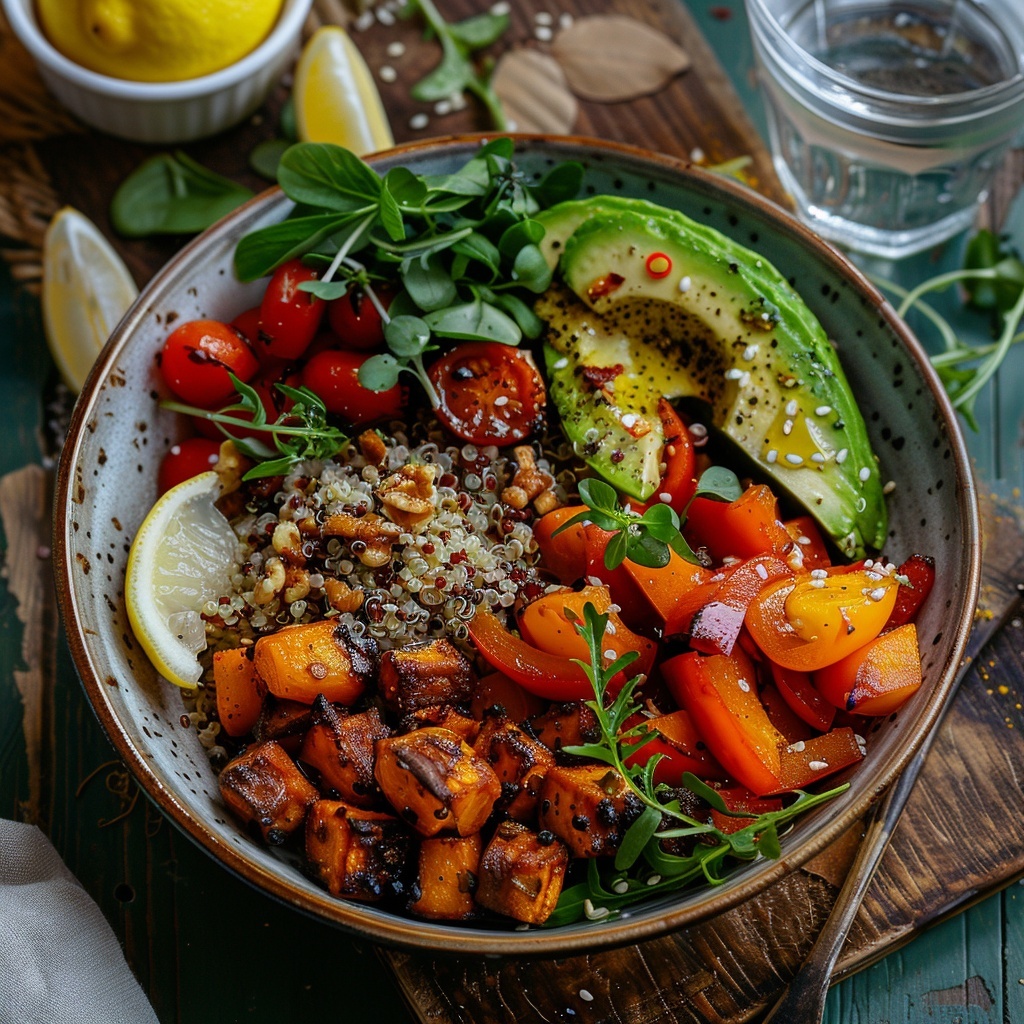
Let me break this down simply. A quinoa bowl is exactly what it sounds like. You start with cooked quinoa as your base, then layer on proteins, vegetables, healthy fats, and a tasty dressing. Think of it like a blank canvas where you get to be the artist. The beauty is that no two bowls have to be the same.
The main components of any great quinoa bowl include:
- A quinoa base (white, red, or black)
- Protein (chicken, tofu, chickpeas, eggs, or fish)
- Fresh or roasted vegetables
- Healthy fats (avocado, nuts, or seeds)
- A flavorful dressing or sauce
What I love most is the versatility. You can enjoy a quinoa bowl breakfast by topping it with a perfectly runny egg and some sautéed greens. Or switch things up with a quinoa bowl with egg and sweet potato hash for something more filling. When lunch rolls around, try a mediterranean quinoa bowl loaded with cucumbers, tomatoes, olives, and feta cheese. See what I mean? The options are endless.
People often call these superfood quinoa bowls, and they’re not exaggerating. Quinoa packs a serious nutritional punch. It contains all nine essential amino acids, making it a complete protein. This is huge, especially if you’re vegetarian or just trying to eat less meat. Plus, it’s loaded with fiber, iron, magnesium, and B vitamins. Your body basically does a happy dance when you eat it.
Are quinoa bowls healthy? Yes, absolutely. But let me give you the short answer now, and I’ll expand on this later. Quinoa bowls give you complex carbs for energy, protein for muscle recovery, and plenty of vitamins from all those colorful veggies. They keep you full without making you feel heavy or sluggish. Just watch your portions on dressings and high-calorie toppings, and you’re golden.
How to Start Building Your Own Quinoa Bowl
Choosing Your Base
Everything starts with your quinoa base. If you mess this up, your whole bowl suffers. Trust me, I’ve made mushy, sticky quinoa more times than I’d like to admit. But once I figured out the right method, everything changed. Perfectly cooked quinoa should be fluffy, light, and slightly nutty. Each grain should be separate, not clumped together like rice gone wrong.
Here’s my foolproof method for cooking quinoa every single time:
- Rinse your quinoa under cold water for at least 30 seconds. This removes the bitter coating called saponin. Don’t skip this step.
- Use a 2:1 ratio of water to quinoa. So one cup of quinoa needs two cups of water or broth.
- Bring the water to a boil, add your rinsed quinoa, then reduce to a simmer.
- Cover and cook for exactly 15 minutes. Don’t lift the lid to peek.
- Remove from heat and let it sit covered for 5 more minutes.
- Fluff with a fork and you’re done.
One trick I learned from a friend who works at a quinoa bowl restaurant is to toast your quinoa first. After rinsing, dry it slightly, then toast it in your pot for 2-3 minutes before adding water. This brings out an amazing nutty flavor that takes your bowl to the next level.
Don’t feel stuck with regular white quinoa either. Red quinoa has a slightly earthier taste and holds its shape better. It’s perfect for quinoa bowl meal prep because it stays firm even after a few days in the fridge. Black quinoa is the most dramatic looking and has a subtle sweet flavor. I like mixing all three colors together for a quinoa bowl sweet potato combo. The colors just pop on the plate.
Here’s a quick comparison of quinoa varieties:
| Quinoa Type | Flavor Profile | Best For | Cooking Time |
|---|---|---|---|
| White Quinoa | Mild and fluffy | Any bowl, beginners | 15 minutes |
| Red Quinoa | Earthy and firm | Meal prep, salads | 17-18 minutes |
| Black Quinoa | Slightly sweet | Visual appeal, special bowls | 17-18 minutes |
You can cook a big batch of quinoa on Sunday and use it throughout the week. It keeps well in the fridge for up to five days. This makes throwing together a quick greek quinoa bowl on busy weeknights super easy. Just reheat your quinoa, add your toppings, and you’ve got dinner in under 10 minutes.
I always season my cooking water with a bit of salt and sometimes add a bay leaf or garlic clove. These small touches add flavor from the inside out. Some people use vegetable or chicken broth instead of water. This works great if you want a richer taste, especially for a savory mediterranean quinoa bowl.
The temperature of your quinoa matters too. I prefer mine slightly warm or at room temperature. Cold quinoa straight from the fridge can be a bit hard and less enjoyable. If you’re meal prepping, take your container out about 20 minutes before eating, or give it a quick 30-second microwave with a damp paper towel on top.
One last tip about your base. Make extra. Seriously, just do it. You’ll thank yourself later when you’re searching for “quinoa bowl near me” because you’re hungry and have nothing prepared. With cooked quinoa ready to go, you’re always just minutes away from a satisfying meal. Keep it simple at first, master the base, and then start experimenting with all the fun toppings and combinations.


Adding Protein Power
Now that you’ve got your quinoa base down, let’s talk about the fun part—protein. This is where your bowl goes from being a nice side dish to an actual meal that’ll keep you satisfied for hours. I used to skip protein and wonder why I was hungry again thirty minutes later. Yeah, don’t make that mistake.
Eggs are honestly my go-to protein for busy mornings. A quinoa bowl with egg is basically breakfast perfection in a bowl. The runny yolk acts like a built-in sauce that coats every grain of quinoa. I’m talking about that moment when you break into the egg and watch the golden yolk spread across everything. Pure magic. You can fry it, poach it, or even soft-boil it ahead of time for meal prep. I usually keep hard-boiled eggs in my fridge specifically for throwing on top of quinoa bowls when I’m running late.
For a proper quinoa bowl breakfast, I’ll sometimes do scrambled eggs with a bit of cheese mixed right into warm quinoa. Add some sautéed mushrooms and spinach, maybe a few cherry tomatoes, and you’ve got something that beats any drive-through breakfast sandwich. My coworker saw me eating this one morning and said it looked too fancy for 7 AM. But here’s the thing—it took me literally eight minutes to put together.
Grilled chicken is another solid choice, especially for lunch or dinner bowls. I season mine with whatever I’m feeling that day—sometimes it’s just salt, pepper, and garlic powder. Other times I’ll go wild with paprika, cumin, and a bit of chili powder. The key is cooking enough chicken at once so you’re not firing up the grill every single day. Sunday meal prep for the win. Slice it up, store it in the fridge, and you’ve got protein ready for grilled chicken salad or your quinoa bowls all week long.
Here’s something I learned from my vegetarian sister—chickpeas are criminally underrated. Roasted chickpeas add this amazing crunch that regular proteins just can’t match. I toss them with olive oil, salt, and whatever spices match my bowl vibe. For a mediterranean quinoa bowl, I’ll use oregano and a bit of lemon zest on my chickpeas. They get crispy in the oven at 400 degrees after about 25 minutes, and honestly, half of them don’t even make it to my bowl because I eat them straight off the pan.
Tofu gets a bad reputation from people who’ve only had it prepared badly. The secret is pressing out the water and then either baking it until it’s crispy or pan-frying it in a bit of sesame oil. I cube mine into bite-sized pieces, marinate it in soy sauce with ginger and garlic, then cook it until the edges get golden and slightly crispy. Game changer. Even my meat-loving friends admitted it was good, which is saying something.
By the way, don’t feel locked into just one protein. Sometimes I’ll do half a serving of chicken and add some nutty energy bites on the side for extra staying power throughout my afternoon. Or I’ll combine chickpeas with a soft-boiled egg for different textures and flavors. That’s the beauty of building your own bowl—there are literally no rules.
Incorporating Veggies and Superfoods
Okay, vegetables. This is where your bowl goes from looking boring and beige to Instagram-worthy and actually exciting to eat. I’m a big believer in the “eat the rainbow” approach, not just because it looks pretty, but because different colored vegetables give you different nutrients.
Sweet potatoes are my absolute favorite addition. A quinoa bowl sweet potato combo feels like comfort food that’s actually good for you. I cube them small—about half-inch pieces—toss them with olive oil, salt, and a tiny bit of cinnamon, then roast them at 425 degrees for about 25 minutes. They get these crispy caramelized edges that are just incredible. The natural sweetness balances out savory proteins and tangy dressings perfectly.
Funny enough, I used to think roasted vegetables took too much effort until I realized I could roast multiple types at once. Throw sweet potatoes, Brussels sprouts, and red onions on the same pan. Different cooking times? Just add the quicker-cooking veggies halfway through. Now I roast a big sheet pan of mixed vegetables every Sunday, and it makes assembling bowls during the week so much easier.
Fresh vegetables matter just as much as roasted ones. For a greek quinoa bowl, I’ll chop up cucumbers, cherry tomatoes, red onion, and bell peppers. No cooking required. The crunch from raw vegetables against the soft quinoa and warm protein creates this contrast that makes every bite interesting. Sometimes I get lazy and buy pre-cut vegetables from the store. Is it more expensive? Yes. Do I care when it saves me ten minutes on a Tuesday night? Absolutely not.
Leafy greens deserve their own mention because I ignored them for way too long. Spinach, arugula, kale—they all work. I used to think kale was too tough and bitter, but then someone told me to massage it with a bit of olive oil and lemon juice for about 30 seconds. It sounds weird, but it breaks down the fibers and makes it tender and actually enjoyable. Now I throw massaged kale in my superfood quinoa bowl without any complaints.
Avocado is technically a fruit, but I’m putting it here because it belongs with the vegetables in my mind. Half an avocado adds creaminess and healthy fats that make your bowl feel indulgent. I’ve started buying avocados at different ripeness stages—some ready to eat now, others for later in the week. Nothing worse than craving avocado and having only rock-hard ones available.
Don’t sleep on fermented vegetables either. Pickled red cabbage, kimchi, or sauerkraut add probiotics and this tangy punch that wakes up your taste buds. A little goes a long way. I’ll add just a small spoonful to the side of my bowl, and it completely changes the flavor profile.
Crafting the Perfect Dressing
Here’s where people either nail their quinoa bowl or completely ruin it. The dressing ties everything together. Without it, you’re basically eating separate ingredients that happen to be in the same bowl. With the right sauce, everything becomes unified and delicious.
My go-to quinoa bowl dressing recipe is ridiculously simple—lemon juice, tahini, garlic, salt, and water to thin it out. That’s it. I keep a jar of this in my fridge at all times. It works with basically any flavor combination, from Mediterranean to Asian-inspired bowls. The tahini gives it creaminess without dairy, and the lemon brightens everything up. I probably make this dressing twice a week, and it lasts about five days in the fridge.
For exact measurements, I use three tablespoons of tahini, juice from one lemon, one minced garlic clove, a quarter teaspoon of salt, and add water one tablespoon at a time until it’s pourable but not watery. Sometimes I’ll throw in a tiny bit of maple syrup if I want it slightly sweet, or add cumin for an earthier flavor.
Balsamic vinaigrette is another winner, especially for mediterranean quinoa bowl situations. I whisk together three parts olive oil to one part balsamic vinegar, add Dijon mustard, honey, salt, and pepper. This dressing makes vegetables taste better than they have any right to. Even my nephew who “hates vegetables” will eat them when they’re covered in this.
What sauce goes well with quinoa? Honestly, almost anything. Greek yogurt mixed with herbs and lemon makes a fantastic creamy dressing. Peanut sauce with lime and sriracha works for Asian-style bowls. Even just good quality olive oil with salt and pepper can be enough if your other ingredients are flavorful. The mistake people make is either using too much dressing (which makes everything soggy) or too little (which makes everything dry). I aim for about two tablespoons per bowl.
One trick I picked up from watching cooking videos—add your dressing in two stages. Put half on the warm quinoa right after you portion it into your bowl. This lets the grains absorb the flavor. Then add the rest right before eating so you get that fresh, bright taste. This probably sounds unnecessary, but try it once and you’ll notice the difference.
Taking Inspiration from Restaurants
Let me be real with you—sometimes I search “quinoa bowl near me” just to see what restaurants are doing differently. There’s no shame in getting inspiration from professionals. I’ve ordered bowls from probably a dozen different places, taken mental notes, and then recreated my favorites at home for a fraction of the price.
Most quinoa bowl restaurant menus follow similar patterns. They’ll have a Mediterranean option, an Asian-fusion option, and usually something Mexican-inspired. The portions are generous, the ingredients are fresh, and they always nail the presentation. What I’ve noticed is that restaurants aren’t doing anything you can’t do at home. They just have their prep down to a science.
The last time I went to this trendy spot downtown, I ordered their signature bowl that cost fourteen dollars. It was delicious, don’t get me wrong. But when I got home, I broke down what was in it—quinoa, roasted chickpeas, zucchini, cherry tomatoes, feta cheese, and lemon-herb dressing. I made the same thing three days later for maybe four dollars. Tasted just as good, maybe better because I added extra feta and nobody judged me.
Restaurant bowls taught me about portion sizes too. They typically use about a cup of cooked quinoa as the base, then add proteins and vegetables in roughly equal amounts. The key is variety—five or six different components minimum. This creates complexity without requiring complicated cooking techniques. I also learned that garnishes matter more than I thought. Fresh herbs, a sprinkle of seeds, or even just some microgreens on top make your home bowl look restaurant-quality.
If you do prefer dining out occasionally, look for places that let you customize your bowl. The best quinoa bowl restaurant experiences I’ve had were at spots where I could choose my own base, protein, vegetables, and dressing. You can learn what combinations you like without committing to making something at home that might not work. Plus, it’s nice to let someone else do the dishes sometimes. I alternate between meal prepping my own bowls and treating myself to restaurant versions maybe once every couple weeks. Similar to how I’ll sometimes grab nutty energy cookies from the bakery instead of making my own batch.
Balance is everything, in bowls and in life, right?


Meal Prep Tips for Busy Lifestyles
Let me tell you about the game-changer moment in my quinoa bowl journey. It was a random Tuesday when I realized I could just make everything ahead of time instead of scrambling every single morning. I know, revolutionary thinking, right? But seriously, quinoa bowl meal prep transformed my entire week. I went from stressed and grabbing whatever junk food was available to actually looking forward to my meals.
The strategy is simpler than you’d think. I dedicate about two hours on Sunday afternoon, throw on a podcast or some music, and knock out most of my week’s meals. Start by cooking a large batch of quinoa—I usually make four to five cups of dry quinoa, which yields about twelve cups cooked. That’s enough for at least six substantial bowls, maybe more depending on portion sizes.
Here’s the thing about storage—not everything should go in the same container at the same time. This was my first mistake when I started meal prepping. I’d throw everything together on Sunday, and by Wednesday my vegetables were soggy and sad. Now I use a system that keeps everything fresh and appealing throughout the week.
I separate my components into different containers. Cooked quinoa goes in one large container that I portion from throughout the week. Proteins get their own containers—grilled chicken in one, roasted chickpeas in another, hard-boiled eggs in their shells. Roasted vegetables stay separate from raw ones. This way, nothing gets mushy or absorbs flavors it shouldn’t.
Mason jars became my secret weapon for dressing. I make two or three different dressings on Sunday and keep them in small mason jars in the fridge. They last the entire week and I can just shake them up right before using. No more buying those expensive bottled dressings that have ingredients I can’t pronounce.
For assembly, I have two approaches depending on my schedule. Sometimes I’ll fully assemble five bowls in glass meal prep containers, keeping the dressing separate in small containers that snap onto the lid. Other times I keep everything separate and build my bowl fresh each morning or evening. Both methods work, but I’ve found that keeping wet ingredients separate from dry ones is the golden rule.
Raw vegetables like cucumbers, tomatoes, and peppers should be cut and stored in airtight containers with a paper towel at the bottom to absorb excess moisture. I learned this trick from my mom, who’s been meal prepping since before it was trendy. The paper towel thing seriously works—vegetables stay crisp for days longer.
Avocados are tricky because they brown so quickly. I either buy them at different ripeness stages throughout the week or cut them fresh the morning I’m eating them. There’s no perfect solution here, and anyone who tells you otherwise is lying. Some people swear by storing cut avocado with the pit still in it and covered tightly, but honestly, I just accept that avocado is a day-of ingredient.
One huge benefit of having pre-made components ready is flexibility. Monday I might feel like a mediterranean quinoa bowl with chickpeas, so I grab those containers. Thursday I’m in the mood for something breakfast-y, so I reheat my quinoa, top it with a fried egg and sweet potato. Same base ingredients, completely different meals. That variety keeps me from getting bored, which used to be my biggest meal prep problem.
The convenience factor is unreal. My morning routine used to include stressing about what to pack for lunch. Now I literally grab two or three containers, throw them in my bag with an ice pack, and I’m out the door. Takes maybe ninety seconds. My coworkers always ask where I ordered my lunch from because it looks so good. They’re shocked when I tell them I made it myself for like three dollars.
Investment in good containers matters more than I initially thought. I wasted money on cheap plastic containers that stained, absorbed smells, and cracked within months. Then I upgraded to glass containers with snap-lock lids. Yes, they cost more upfront, but I’ve been using the same set for two years now. They’re microwave safe, dishwasher safe, and don’t gross me out like plastic eventually does.
By the way, freezing works for some components but not others. Cooked quinoa freezes beautifully for up to three months. I sometimes make huge batches and freeze portions in silicone muffin cups, then pop them out and store them in freezer bags. Instant single servings. Roasted chickpeas and cooked chicken also freeze well. Raw vegetables and anything with avocado? Hard pass on freezing those.
Creative Twists on Classic Quinoa Bowls
Okay, let’s get creative because eating the same bowl every day gets old fast. I rotate through about eight different combinations, and it keeps things interesting without requiring me to learn entirely new cooking techniques.
The greek quinoa bowl is probably my most requested recipe when friends come over. I pile on cucumbers, cherry tomatoes, Kalamata olives, red onion, feta cheese, and grilled chicken. The dressing is just olive oil, lemon juice, oregano, and garlic. Simple but bursting with flavor. It tastes like vacation in Greece, except I’m eating it at my desk on a random Wednesday.
Southwest-inspired bowls hit different when you’re craving something with a kick. Black beans, corn, bell peppers, jalapeños, avocado, and a lime-cilantro dressing. I’ll add some crushed tortilla chips on top right before eating for crunch. My roommate made fun of me for putting chips on a healthy bowl until she tried it and immediately made her own version.
Here’s something I discovered last fall—seasonal ingredients make everything more exciting. During autumn, I started adding roasted butternut squash and a sprinkle of pumpkin seeds to my bowls. The squash gets caramelized and slightly sweet, especially if you add a tiny drizzle of maple syrup before roasting. Paired with kale and a tahini dressing, it’s like eating fall in bowl form. Sounds cheesy, but I don’t care because it’s delicious.
Winter calls for heartier combinations. I’ll do roasted Brussels sprouts, sweet potato, cranberries, and pecans with a balsamic glaze. It feels festive and warming, which matters when it’s freezing outside and you need something comforting. Spring brings fresh asparagus, peas, and radishes. Summer means I’m throwing in fresh corn, zucchini, and tons of fresh herbs.
Asian-fusion bowls deserve their own paragraph because they’re so good. Edamame, shredded purple cabbage, carrots, cucumber, and either tofu or salmon. The dressing is soy sauce, rice vinegar, sesame oil, ginger, and a touch of honey. Top it with sesame seeds and sliced green onions. This combination never disappoints, and it’s probably the bowl I make most often for dinner.
Breakfast bowls need more love. Most people think quinoa is only for lunch or dinner, but a quinoa bowl breakfast sets you up better than any cereal or pastry ever could. My go-to morning version includes sautéed spinach, mushrooms, cherry tomatoes, and a runny fried egg on top. The yolk mixing with everything creates this sauce situation that makes it incredibly satisfying. Sometimes I’ll add a bit of hot sauce because I’m that person who puts hot sauce on breakfast.
Don’t be afraid to mix cuisines either. I’ve done Mediterranean-Asian fusion by combining tahini dressing with edamame and cucumber. Weird on paper, amazing in practice. The beauty of building your own bowls is that there’s no food police coming to tell you that certain ingredients don’t belong together. If it tastes good to you, it’s correct. Actually, exploring more healthy recipes opened my mind to unconventional flavor combinations that I now use regularly.
One creative twist that surprised me—dessert quinoa bowls. Yes, really. Cook your quinoa in almond milk instead of water, add cinnamon and vanilla, then top with berries, nuts, and a drizzle of honey. It’s like oatmeal but better. My sister thinks I’m weird for this, but she also ate three bowls when she visited, so who’s really winning here?
FAQ Section
Are quinoa bowls healthy?
Yes, quinoa bowls are genuinely healthy when you build them thoughtfully. Quinoa itself is a complete protein containing all nine essential amino acids, plus it’s loaded with fiber, iron, and magnesium. When you add vegetables, lean proteins, and healthy fats, you’re creating a nutritionally balanced meal. The key is watching your portion sizes on high-calorie toppings like cheese, nuts, and dressings. A well-constructed quinoa bowl typically provides sustained energy without the crash you get from processed foods. According to food facts from the USDA, quinoa offers exceptional nutritional value compared to many other grains.
What toppings go well in a quinoa bowl?
The best toppings create variety in texture and flavor. My favorites include avocado for creaminess, toasted nuts or seeds for crunch, fresh herbs like cilantro or parsley for brightness, and pickled vegetables for tang. Cheese works great—feta, goat cheese, or shredded cheddar depending on your flavor profile. Roasted chickpeas add protein and crunch simultaneously. Don’t forget garnishes like sesame seeds, hemp hearts, or even a squeeze of fresh lemon juice. The goal is having multiple textures and flavors so every bite feels interesting rather than monotonous.
What are the 5 components of a Buddha bowl?
A proper Buddha bowl consists of five essential elements that create nutritional balance and visual appeal. First, you need a grain base like quinoa, rice, or farro. Second comes protein—tofu, chicken, beans, or eggs. Third is cooked vegetables, usually roasted or steamed. Fourth adds raw vegetables for crunch and freshness. Finally, you need a flavorful sauce or dressing that ties everything together. Some people count garnishes like seeds or herbs as a sixth component, but the core five create a complete, balanced meal that covers all your nutritional bases.
What sauce goes well with quinoa?
Tahini-based sauces are probably the most versatile option for quinoa bowls. Mix tahini with lemon juice, garlic, and water for a creamy dressing that works with almost any flavor profile. Peanut sauce with lime and ginger is fantastic for Asian-inspired bowls. Greek yogurt mixed with herbs makes a tangy, protein-rich dressing. Balsamic vinaigrette adds sophistication to Mediterranean combinations. Even simple olive oil with lemon and herbs can be perfect when your other ingredients are flavorful enough. The best sauce complements your other ingredients without overwhelming them.
Can I eat quinoa bowls every day?
Absolutely, and many people do exactly that without any issues. The key is varying your ingredients so you’re not eating identical bowls daily. Rotate your proteins, change up your vegetables, and try different dressings throughout the week. This ensures you’re getting a wide range of nutrients rather than the same ones repeatedly. I eat quinoa bowls at least four to five times weekly and never feel bored because I’m constantly switching combinations. Just pay attention to how your body feels and adjust portions or ingredients accordingly.
How long do prepared quinoa bowls last in the fridge?
Properly stored quinoa bowls stay fresh for about four to five days in the refrigerator. Keep components separated when possible, especially dressings and wet ingredients. Cooked quinoa alone lasts up to seven days if stored in an airtight container. Cooked proteins like chicken or tofu remain good for three to four days. Raw vegetables start losing crispness after about three days, which is why I either cut them fresh or use roasted vegetables for later-week meals. Always trust your nose—if something smells off, toss it.
Do I need to reheat my quinoa bowl before eating?
Not necessarily, and it depends entirely on personal preference and your ingredients. Many people enjoy quinoa bowls at room temperature, especially Mediterranean or Greek-inspired versions. If you have warm proteins like grilled chicken or roasted vegetables, reheating makes sense. I usually microwave mine for about sixty to ninety seconds just to take the chill off. Some ingredients like avocado and fresh greens are better added after reheating. Experiment with both warm and cold versions to see what you prefer.
Can quinoa bowls help with weight loss?
They can definitely support weight loss goals when portioned appropriately and built with whole food ingredients. Quinoa provides filling fiber and protein that keeps you satisfied longer than refined carbs. Loading your bowl with vegetables adds volume and nutrients without many calories. The key is controlling high-calorie additions like nuts, cheese, and oil-heavy dressings. A balanced superfood quinoa bowl typically contains around 400 to 600 calories depending on ingredients, making it substantial enough for a meal while still supporting a calorie deficit if that’s your goal.
What’s the difference between a quinoa bowl and a Buddha bowl?
Honestly, the terms are pretty interchangeable nowadays, but technically a Buddha bowl refers to any grain bowl with the five key components I mentioned earlier. A quinoa bowl specifically uses quinoa as the grain base rather than rice or another grain. Buddha bowls originally emphasized plant-based ingredients and colorful presentation. These days, most restaurants and home cooks use the terms to mean basically the same thing—a nutritious bowl meal with grains, proteins, vegetables, and sauce. Don’t stress too much about terminology; just focus on building something delicious and balanced.
Are there any downsides to eating too much quinoa?
While quinoa is incredibly nutritious, eating excessive amounts might cause digestive discomfort for some people due to its high fiber content. If you’re not used to eating much fiber, introduce quinoa gradually to let your digestive system adjust. Some people are sensitive to saponins, the natural coating on quinoa that can cause stomach upset if not rinsed thoroughly before cooking. Additionally, quinoa is relatively high in calories compared to some vegetables, so portion control matters if you’re watching your calorie intake. For most people though, moderate quinoa consumption as part of varied diet presents no issues whatsoever.
The beautiful thing about quinoa bowls is that they grow with you. My first bowls were basic and kind of boring, honestly. But over time, I experimented more, failed occasionally, and eventually found combinations that genuinely excite me. You’ll develop your own favorites, discover ingredient combinations that nobody else makes, and create something that feels uniquely yours. Start simple, stay curious, and don’t be afraid to break the rules sometimes. That’s when the best bowls happen.
Quinoa Bowl
Ingredients
Equipment
Method
- Rinse quinoa under cold water for at least 30 seconds to remove the bitter coating.
- In a pot, bring water or broth to a boil, then add rinsed quinoa.
- Reduce the heat to a simmer, cover, and cook for 15 minutes without lifting the lid.
- After 15 minutes, remove from heat and let sit covered for 5 more minutes.
- Fluff quinoa with a fork.
- Roast sweet potatoes and other vegetables at 425°F for about 25 minutes, tossing with olive oil, salt, and your choice of seasonings.
- Prepare your protein (grill chicken, roast chickpeas, or cook eggs).
- Assemble your bowl by layering quinoa, vegetables, protein, healthy fats, and dressing.
- Enjoy immediately or prepare for meal prep by keeping components separate.