
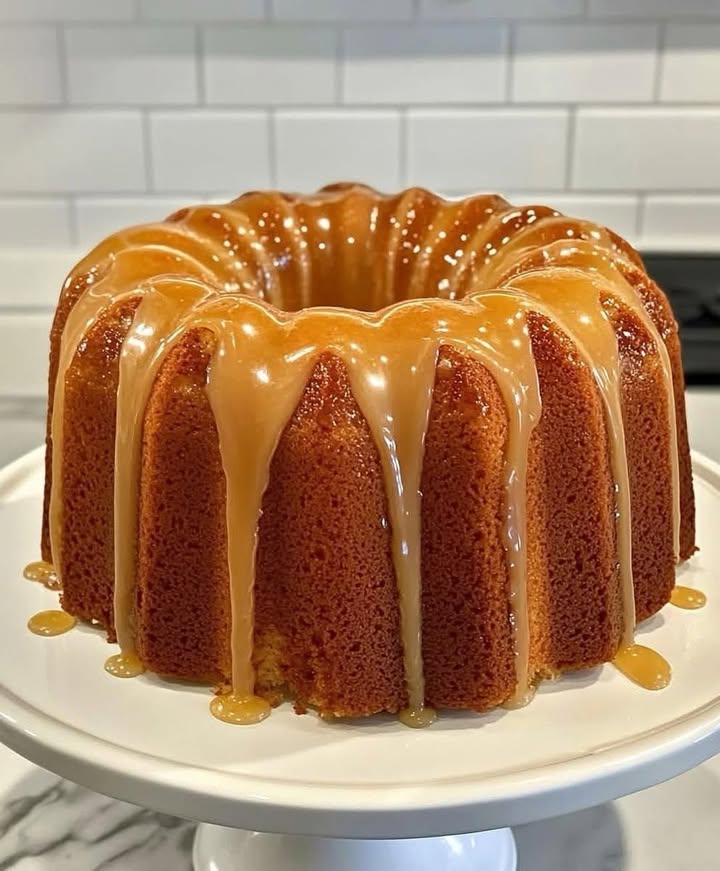
A Cake That Feels Like a Million Bucks.
Have you ever baked something that makes everyone stop talking just to take another bite? That’s the magic of this Million Dollar Pound Cake. The first time I made it for my book club, you could have heard a pin drop. Then came the chorus of “Oh my goodness” and “Can I have the recipe?” It’s not just a cake; it’s a buttery, tender, melt-in-your-mouth experience that earns its luxurious name with every single slice.
The Story Behind the Treasure
This recipe feels like a cherished family heirloom, even if you just found it today. The classic pound cake gets its name from the old-fashioned formula: a pound each of butter, sugar, eggs, and flour. Our “Million Dollar” version is a bit more refined, but it keeps that soul-warming, rich spirit. It’s the cake you find at Southern church potlucks and family reunions, always wrapped in plastic on a fancy plate. I love that it’s a beautiful blank canvas, perfect with just a simple glaze or piled high with fresh berries.
Why You’ll Fall in Love With This Pound Cake
This cake is a true friend in the kitchen. It’s incredibly reliable—no fancy techniques needed! The texture is the star: dense yet impossibly fluffy, with a golden crust that gives way to a soft, fine crumb. The hint of almond extract (don’t skip it!) adds a sophisticated nuance that makes people wonder what your secret is. It’s simple, elegant, and always, always a hit.
Perfect Occasions for a Slice of Luxury
This cake is your secret weapon for so many events! It’s sturdy enough to travel, making it perfect for:
– Sunday Brunches: Pair it with coffee for the ultimate treat.
– Holiday Gatherings: It’s a delightful alternative to super-sweet pies.
– Birthdays: for someone who appreciates classic elegance over fondant.
– Just Because: Sometimes, a Tuesday deserves a million-dollar moment.
Your Treasure Map of Ingredients
For the Cake:
- 6 large eggs, at room temperature
- 1 cup whole milk, at room temperature
- 2 cups (4 sticks) of unsalted butter, softened
- 3 cups of granulated sugar
- 4 cups of all-purpose flour, spooned and leveled
- 1 teaspoon pure vanilla extract
- 1 teaspoon almond extract (optional, but highly recommended!)
For the Simple Glaze:
- 1 cup powdered sugar, sifted
- 2-3 tablespoons milk or heavy cream
- ½ teaspoon vanilla extract
Clever Kitchen Substitutions
Out of something? No panic! Here are easy swaps:
– Milk: Any milk-fat percentage works, or even buttermilk for a slight tang.
– Almond Extract: Use all vanilla if you prefer, or try a teaspoon of lemon zest for a bright twist.
– Glaze Liquid: Use fresh lemon or orange juice instead of milk for a citrus kick.
Creating Your Masterpiece: Step-by-Step
Step 1: Prepare Your Oven and Pan
Start by preheating your oven to a gentle 300°F (150°C). This lower temperature is key for a cake that bakes evenly without drying out. Generously grease every nook and cranny of a 10 or 12-cup Bundt pan with butter or non-stick spray. A well-greased pan is your ticket to a beautiful, release-without-a-fight cake. Pro tip: For extra insurance, grease the pan and then dust it lightly with flour, tapping out the excess.
Step 2: Cream the Butter and Sugar
In a large mixing bowl, beat the softened butter and granulated sugar together. Keep beating on medium-high speed for a good 5-7 minutes. You want it to become very pale, fluffy, and almost like a whipped cream. This step incorporates essential air, giving your cake its lift. You’ll know it’s ready when the mixture lightens in color and looks wonderfully creamy.
Step 3: Incorporate the Eggs and Dry Ingredients
Add the eggs one at a time, beating well after each addition. Let each egg fully disappear into the butter mixture before adding the next. This prevents the batter from curdling. Now, you’ll alternate adding the flour and milk. Start with about a third of the flour, mix on low just until combined, then half the milk. Repeat, ending with the final portion of flour. Finally, mix in the vanilla and almond extracts just until the batter is smooth and unified.
Step 4: Bake to Golden Perfection
Carefully spoon the thick, luxurious batter into your prepared pan. Smooth the top with a spatula. Place it in the center of your preheated oven. Now, the hard part: patience! Bake for about 1 hour and 30 minutes. Start checking at 1 hour 20 minutes by inserting a long toothpick or skewer into the cake. It’s done when it comes out with just a few moist crumbs, not wet batter. The top will be a deep, golden brown.
Step 5: Let it Rest and Make the Glaze
When the cake is done, let it cool in the pan on a wire rack for 15-20 minutes. This allows it to set so it doesn’t break when you invert it. Then, turn it out onto the rack to cool completely. While it cools, make the simple glaze by whisking the sifted powdered sugar, milk, and vanilla together. You want it thick but pourable—add more liquid a teaspoon at a time if needed.
Step 6: Glaze and Serve Your Gem
Once the cake is completely cool, drizzle the glaze artfully over the top. Let it cascade down the sides naturally for that beautiful, rustic look. Chef’s tip: Place a sheet of parchment paper under the cooling rack to catch any drips for easy clean-up. Slice, serve, and get ready for the compliments to roll in!
Your Baking Timeline
Prep Time: 25 minutes
Cook Time: 1 hour 30 minutes
Cooling Time: 2 hours
Total Time: 3 hours 55 minutes
Chef’s Secret for Million-Dollar Texture
My number one secret? Room temperature ingredients are non-negotiable. Cold butter doesn’t cream properly, and cold eggs or milk can cause the batter to curdle. Take your butter, eggs, and milk out of the fridge at least an hour before you start. This simple step ensures a silky-smooth batter, which bakes into the most even, tender crumb imaginable.
A Fun Slice of Cake History
Did you know the term “pound cake” comes from its original recipe from the 1700s? It was literally one pound each of butter, sugar, eggs, and flour! This made it easy to remember in a time when many cooks couldn’t read. Our modern versions are a bit lighter, but we’re still chasing that same perfect, rich texture our ancestors loved. It’s a delicious piece of baking history on your plate.
Equipment You’ll Need
- 10-12 cup Bundt pan
- Stand mixer or hand mixer
- Large mixing bowls
- Measuring cups and spoons
- Sifter for powdered sugar
- Wire cooling rack
- Spatula
Storing Your Cake for Lasting Freshness
To keep your Million Dollar Pound Cake tasting like a million bucks, let it cool completely before storing. If you’ve glazed it, the glaze needs to set fully. The best way to store it is at room temperature.
Simply place the cake under a glass dome or cake carrier. You can also wrap it tightly in plastic wrap. Stored this way, it will stay moist and delicious for up to 5 days. The flavor actually deepens and improves on the second day!
For longer storage, you can freeze it. Wrap the unglazed cake tightly in plastic wrap, then in aluminum foil. It will keep frozen for up to 3 months. Thaw overnight at room temperature before adding your glaze and serving.
Pro Tips for Best Results
- Don’t Overmix: Once you add the flour, mix on low speed just until the streaks disappear. Overmixing develops gluten and leads to a tough cake.
- Test for Doneness: Ovens vary! Use the toothpick test as your guide, not just the clock.
- Cool Completely: Glazing a warm cake is a messy disaster. Wait for it to be fully cool for a perfect finish.
Presentation That Wows
Make your cake look as good as it tastes!
– Dust with a light snowfall of powdered sugar for a simple, elegant look.
– Serve with a mound of fresh whipped cream and seasonal berries on the side.
– For a party, top each slice with a spun-sugar twirl or an edible gold leaf flake for real million-dollar style.
Healthier & Fun Recipe Variations
Want to mix things up? Here are six delicious twists:
1. Lemon Zest Pound Cake: Add the zest of two lemons to the batter and use lemon juice in the glaze for a sunny, bright flavor.
2. Brown Sugar & Cinnamon: Replace one cup of white sugar with brown sugar and add a tablespoon of cinnamon for a warm, cozy taste.
3. Chocolate Marble: Divide the batter. Mix ¼ cup of cocoa powder into one portion. Layer and swirl for a stunning effect.
4. Honey Vanilla: Swap ½ cup of sugar for honey and use a high-quality vanilla bean paste for an incredible aroma.
5. Greek Yogurt Pound Cake: Substitute the milk with full-fat plain Greek yogurt for a protein boost and incredibly moist texture.
6. Gluten-Free Option: Use a reliable gluten-free 1-to-1 baking flour blend in place of the all-purpose flour.
Common Mistakes to Avoid
Mistake 1: Using Cold Ingredients
This is the biggest culprit for a dense cake. Cold butter won’t trap air during creaming, and cold eggs can make the batter separate. Your cake will be heavy instead of light. Always plan ahead and let your dairy and eggs sit on the counter. They should feel cool to the touch, not cold.
Mistake 2: Overbeating the Batter After Adding Flour
Once the flour hits the liquid, gluten begins to form. Mixing too much at this stage makes the gluten strands strong and tough. You want a tender crumb, not bread! Mix on the lowest speed, and stop the moment you no longer see dry streaks of flour. A few small lumps are better than overmixing.
Mistake 3: Not Greasing the Pan Thoroughly
There’s nothing sadder than a beautiful cake that sticks in the pan. The intricate design of a Bundt pan needs extra attention. Use softened butter or non-stick spray and get into every groove. For an absolute guarantee, use the grease-and-flour method. This creates a barrier that helps the cake release perfectly.
Mistake 4: Opening the Oven Door Too Early
We’re all tempted to peek! But opening the door in the first hour of baking lets heat escape. This can cause the cake to fall in the middle. Trust the process and your oven light. Only open the door to perform the toothpick test in the last 10-15 minutes of the bake time.
Your Million Dollar Pound Cake Questions, Answered
Can I make this cake in loaf pans instead of a Bundt pan?
Absolutely! This batter will fill two standard 9×5 inch loaf pans perfectly. The baking time will be shorter—start checking at about 50-60 minutes. Use the same toothpick test for doneness. Loaf pans are great if you want to give one as a gift and keep one at home. Just be sure to grease the pans well.
Why is my pound cake dry?
A dry cake usually means it was baked too long or at too high a temperature. Ovens can run hot, so an oven thermometer is a baker’s best friend. Also, make sure you’re measuring your flour correctly. Scooping directly from the bag packs in too much flour. Always spoon the flour into your measuring cup and level it off with a knife for accuracy.
Can I leave out the almond extract?
You sure can. The cake will still be delicious with just vanilla extract. The almond extract adds a classic, nuanced flavor that many associate with traditional pound cake. If you’re not a fan of almond, try another extract like lemon, orange, or even coconut. Just remember to use pure extracts for the best flavor.
How do I get my glaze to be the perfect consistency?
The perfect glaze should be thick enough to coat the back of a spoon but thin enough to drip slowly. Start with 2 tablespoons of milk and whisk. If it’s too thick and pasty, add more liquid just a half teaspoon at a time. If you accidentally make it too runny, simply add a bit more sifted powdered sugar until it thickens up.
Why did my cake sink in the middle?
A sinking center often points to under-baking or opening the oven door too early. The structure of the cake sets as it bakes. If it’s disturbed or removed from heat too soon, the center collapses. Ensure your oven is fully preheated and use a timer. Don’t rely on looks alone—always use the toothpick test to confirm it’s fully baked inside.
Can I freeze this pound cake?
Yes, this cake freezes beautifully! For the best results, freeze it WITHOUT the glaze. Let the plain, baked cake cool completely. Wrap it tightly in two layers of plastic wrap, then a layer of aluminum foil. It will keep for up to 3 months. Thaw it overnight on your counter, still wrapped, then glaze it just before serving for the freshest taste and look.
What’s the best way to serve this cake?
This cake is fantastic all on its own with a cup of coffee or tea. For a special treat, warm a slice gently in the microwave for 10 seconds and top it with a scoop of vanilla ice cream. You can also serve it with fresh fruit like strawberries or peaches and a dollop of whipped cream. It’s so versatile!
My butter and sugar won’t get fluffy. What am I doing wrong?
This almost always means your butter wasn’t soft enough. “Softened” butter should yield easily to gentle pressure but not be melted or greasy. If it’s still too cold, you can cut it into tablespoons and let it sit for a few more minutes. Also, make sure you’re beating it long enough. A full 5-7 minutes of creaming is essential for that pale, fluffy base.
Is there a way to make this recipe by hand, without a mixer?
You can, but it will be quite a workout! Use a sturdy wooden spoon and a large bowl. Cream the butter and sugar with real elbow grease until it lightens. Add the eggs one at a time, beating vigorously after each. When adding flour and milk, switch to a folding motion with a spatula to keep from overworking the batter. It’s possible, but a hand mixer will make it much easier.
How long will the glaze stay wet on the cake?
The glaze will set and form a sweet, crisp shell within 30 minutes to an hour after drizzling. If you need to store the glazed cake, do so in a single layer. If you stack slices or put a lid on it too soon, the glaze might stick. For make-ahead ease, you can store the unglazed cake and make the fresh glaze right before you plan to serve it.
The Final, Delicious Slice
So there you have it—the recipe for a cake that truly lives up to its grand name. It’s rich in history, simple in method, and extravagant in flavor. Baking this Million Dollar Pound Cake is like giving a gift to your family, your friends, and yourself. So preheat that oven, soften that butter, and get ready to create something wonderful. I promise, the moment you taste that first perfect bite, you’ll feel like a million dollars. Happy baking!
Savory Thai Basil Beef
Ingredients
Equipment
Method
- Preheat your oven to 300°F (150°C) and grease a 10 or 12-cup Bundt pan thoroughly.
- In a large mixing bowl, beat the softened butter and granulated sugar together on medium-high speed for 5-7 minutes until pale and fluffy.
- Add the eggs one at a time, beating well after each addition, then alternate adding the flour and milk, starting with flour and ending with flour, mixing until smooth.
- Spoon the batter into the prepared pan and smooth the top. Bake for about 1 hour and 30 minutes, checking for doneness at 1 hour 20 minutes.
- Allow the cake to cool in the pan for 15-20 minutes, then turn it out onto a wire rack to cool completely.
- Make the glaze by whisking together the sifted powdered sugar, milk, and vanilla until thick but pourable.
- Drizzle the glaze over the cooled cake and serve.