
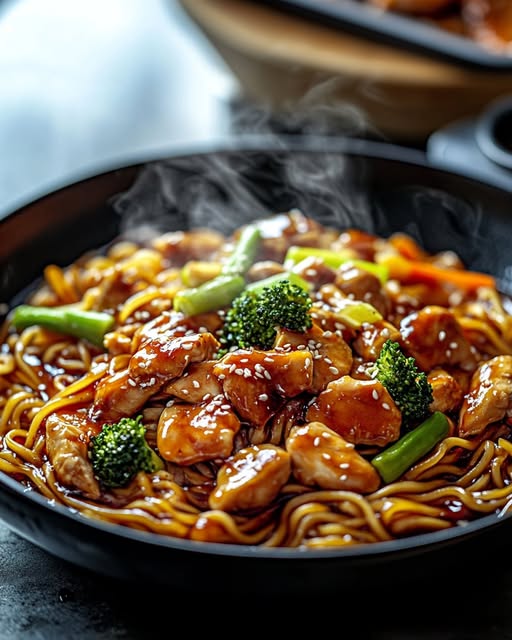
Better Than Takeout: My Family’s Teriyaki Chicken Noodles
You know that feeling when you’re craving takeout but your wallet (and maybe your better judgment) says “not tonight”? That was me last Tuesday. I stared into my fridge, willing something delicious to appear. Then I saw the chicken thighs and a pack of udon noodles. An hour later, my kitchen smelled like my favorite restaurant, and my family was begging for seconds. That’s the magic of this homemade Teriyaki Chicken Noodles recipe. It’s faster than delivery and tastes a million times better because you made it with love (and a really good sauce).
A Little Story Behind the Bowl
Teriyaki is a classic Japanese cooking method where meat or fish is grilled or broiled with a glaze of soy sauce, mirin, and sugar. The word itself comes from “teri,” meaning luster, and “yaki,” meaning to grill. My version is a bit of a weeknight warrior twist—we’re stir-frying everything in one pan for maximum flavor and minimal cleanup. While traditional teriyaki might focus on a single protein, I love loading mine up with colorful, crunchy veggies. It turns a simple dish into a complete, satisfying meal that feels both traditional and perfectly suited for a busy modern kitchen.
Why You’ll Fall in Love With This Teriyaki Chicken Noodles Recipe
First, let’s talk about that sauce. It’s the sweet, salty, sticky heart of the dish. When you make it from scratch, you control the balance. Not too sweet, not too salty—just perfect. Second, it’s a complete meal in one pan. Tender chicken, chewy udon noodles, and crisp-tender veggies all coated in that glorious glaze. It’s the kind of dinner that makes everyone at the table happy. Plus, it comes together in about 30 minutes. That’s less time than it takes to argue about what to order!
When to Whip Up This Dish
This recipe is your new secret weapon. It’s perfect for a hectic weeknight when you need something fast and fabulous. It’s also a crowd-pleaser for casual dinners with friends—just double the batch! I’ve even made it for a fun, interactive “make-your-own-noodle-bowl” party. Simply set out the cooked components and let everyone build their own masterpiece. It’s a guaranteed hit.
Gathering Your Ingredients
Here’s what you’ll need to create this restaurant-quality meal at home. I promise, most of it is probably already in your pantry!
For the Homemade Teriyaki Sauce:
- 1/2 cup soy sauce (use low-sodium if you prefer)
- 1/4 cup water
- 2 tablespoons mirin (sweet rice wine)
- 1/4 cup brown sugar
- 1 tablespoon honey
- 2 garlic cloves, minced
- 1 teaspoon fresh ginger, grated
- 1 tablespoon cornstarch mixed with 2 tablespoons cold water (slurry)
For the Chicken Noodles & Veggies:
- 500g (about 1.1 lbs) boneless, skinless chicken thighs, cut into bite-sized pieces
- Salt and pepper
- 1 tablespoon vegetable oil
- 340g (12 oz) fresh or frozen udon noodles
- 1 onion, sliced
- 2 carrots, julienned or cut into matchsticks
- 2 cups broccoli florets
- 1 cup shredded cabbage
- 3 garlic cloves, minced
- 1 tablespoon fresh ginger, grated
- 2 green onions, sliced
- Sesame seeds for garnish
No Problem! Handy Ingredient Swaps
Don’t have every single item? No worries! Cooking is about creativity.
- Chicken: Boneless, skinless chicken breasts work fine, but thighs stay juicier.
- Noodles: Ramen noodles (discard the seasoning packet), soba noodles, or even spaghetti in a pinch.
- Mirin: Substitute with 1 1/2 tbsp of rice vinegar mixed with 1/2 tbsp of sugar or a little extra honey.
- Veggies: Use what you have! Bell peppers, snap peas, mushrooms, or baby corn are all great.
- Brown Sugar: White sugar or maple syrup can be used.
Cooking Your Teriyaki Chicken Noodles: Step-by-Step
Step 1: Build Your Flavor Foundation (The Sauce)
Grab a small saucepan. Whisk together the soy sauce, water, mirin, brown sugar, honey, garlic, and ginger. Now, turn the heat to medium. As it comes to a gentle boil, the amazing smell will start to fill your kitchen. That’s the sugar caramelizing and the flavors getting to know each other. Pro tip: Keep an eye on it! You want a simmer, not a raging boil. Once it’s bubbling, give it a quick taste. Amazing, right?
Step 2: Thicken to Perfection
Give your cornstarch slurry a quick stir (it settles fast). While whisking the simmering sauce constantly, drizzle in the slurry. You’ll see it start to change almost immediately, turning from thin and watery to glossy and luxurious. Let it bubble for another 2-3 minutes until it nicely coats the back of a spoon. Remove it from the heat and set it aside. Your superstar sauce is ready!
Step 3: Marinate the Chicken
Place your chicken pieces in a bowl. Season them well with salt and pepper. Now, pour about 1/4 cup of your fresh teriyaki sauce over them. Use your hands or a spoon to toss everything together, making sure each piece is lovingly coated. Cover the bowl and let it hang out in the fridge. Even 15 minutes makes a difference, but if you have time, let it go for an hour. The longer it marinates, the deeper the flavor soaks in.
Step 4: Sear the Chicken
Heat the oil in a large wok or skillet over medium-high heat. When the oil shimmers, it’s hot enough. Add the marinated chicken in a single layer—don’t crowd the pan! Let it sear undisturbed for a couple of minutes until you get a beautiful golden-brown crust. Then flip and cook until it’s cooked through, about 5 minutes total. Transfer the chicken to a clean plate. It will finish cooking later with everything else.
Step 5: Stir-Fry the Veggie Rainbow
In that same hot pan (all those tasty brown bits are flavor gold!), toss in the onion and carrots. Stir-fry for 2-3 minutes. You’ll hear a great sizzle and see the onions turn translucent. Next, add the broccoli, cabbage, garlic, and ginger. The aroma will be incredible! Keep everything moving for another 2-3 minutes. We want the veggies tender-crisp—bright in color and with a satisfying crunch.
Step 6: Cook the Noodles
While the veggies cook, prepare your udon noodles according to the package directions. Fresh udon usually just needs a quick 1-2 minute boil. Once they’re done, drain them in a colander and give them a quick rinse with cold water. This stops the cooking and washes off excess starch so they don’t stick together. Set them aside, ready to join the party.
Step 7: The Grand Finale – Bring It All Together
Time for the big reunion! Add the cooked chicken, the drained noodles, and the remaining teriyaki sauce to the pan with your veggies. Using tongs or two spoons, gently toss and stir everything together. Make sure every noodle, every piece of chicken, and every veggie gets coated in that shiny, sticky sauce. Let it all heat through for just 1-2 more minutes. The sauce will cling to everything beautifully.
Step 8: Serve and Garnish
You did it! Divide the glorious, steaming Teriyaki Chicken Noodles between bowls. Now, for the finishing touches: a generous sprinkle of sliced green onions and a shower of sesame seeds. These add a fresh bite and a nutty crunch that takes the dish to the next level. Serve immediately and get ready for the compliments!
Chef’s Tip
For an extra layer of flavor, toast your sesame seeds in a dry pan for a minute before garnishing. It makes their nutty aroma even more powerful!
Your Game Plan: Timing is Everything
Good news for busy cooks! This dish is designed for speed.
- Prep Time: 15 minutes (chopping, sauce making, marinating)
- Cook Time: 15 minutes (stir-frying and combining)
- Total Time: About 30 minutes (plus optional marinating time)
- Servings: 4 happy people
The key is the “mise en place”—having all your ingredients chopped and ready to go before you turn on the stove. It makes the cooking process smooth and stress-free.
My Secret for the Best Teriyaki Chicken Noodles
Don’t skip the cornstarch slurry! It’s what transforms the sauce from a thin liquid into that iconic, glossy, clingy glaze that makes teriyaki so special. Mixing the cornstarch with cold water first prevents lumps. When you add it to the simmering sauce, it thickens evenly and creates the perfect texture to coat every single ingredient.
A Fun Fact About Udon
Those thick, chewy udon noodles aren’t just delicious; they have a fun history! In some parts of Japan, there’s a tradition called “udon therapy,” where people believe the act of kneading the thick dough for homemade udon is a great way to relieve stress. While we’re using ready-made noodles today, maybe just knowing that adds a little extra zen to your meal!
What You’ll Need in Your Kitchen
You don’t need fancy gear. Just a few basics:
- A large wok or a big, deep skillet (non-stick is helpful)
- A small saucepan for the sauce
- A good chef’s knife and cutting board
- A whisk and a set of measuring cups/spoons
- Tongs or a large spoon for stirring
- A pot for boiling the noodles
- A colander for draining
Storing Your Leftovers (If You Have Any!)
Let the noodles cool completely before storing. Don’t leave them out for more than two hours. Transfer them to an airtight container. They will keep in the refrigerator for up to 3-4 days.
To reheat, add a splash of water or broth to a skillet over medium heat. Add the noodles and stir until hot. The splash of liquid helps loosen the sauce again and prevents drying out. You can also use the microwave, but cover the dish and reheat in short bursts, stirring in between.
I don’t recommend freezing this dish. The noodles and vegetables can become mushy when thawed and reheated. It’s best enjoyed fresh or within a few days.
Tips & Advice for Noodle Success
- Cut Evenly: Try to cut your chicken and veggies into similar-sized pieces. This ensures everything cooks at the same rate.
- High Heat is Key: Get your pan nice and hot before adding the chicken and veggies. This gives you that great sear and keeps the stir-fry from getting soggy.
- Don’t Overcook the Veggies: They should be bright and crisp. They’ll soften a bit more when you combine everything at the end.
- Rinse the Noodles: That quick cold rinse is crucial to stop them from overcooking and sticking into one big clump.
Make It Look Fancy: Presentation Ideas
We eat with our eyes first! Here are some simple ways to plate your masterpiece:
- Serve in wide, shallow bowls to show off all the colors.
- Garnish with extra green onions, sesame seeds, and a sprinkle of red pepper flakes for a pop of color and heat.
- Add a lime wedge on the side for a bright, fresh squeeze.
- For a restaurant touch, use chopsticks standing upright in the bowl.
Love This Recipe? Try These Variations!
Once you master the basic Teriyaki Chicken Noodles, the world is your oyster sauce! Here are six tasty twists to keep things exciting.
- Spicy Teriyaki Noodles: Add 1-2 teaspoons of sriracha or a diced fresh chili to the sauce while it simmers.
- Teriyaki Shrimp Noodles: Swap the chicken for peeled, deveined shrimp. Cook them quickly for just 2-3 minutes until pink.
- Vegetarian Teriyaki Noodles: Omit the chicken. Add extra firm tofu (cubed and pan-fried until golden) or a mix of mushrooms like shiitake and oyster.
- Pineapple Teriyaki Noodles: Add 1 cup of fresh pineapple chunks when you stir-fry the veggies for a sweet and tangy burst.
- Peanut Teriyaki Noodles: Stir 2 tablespoons of creamy peanut butter into the teriyaki sauce as it cooks. Garnish with chopped peanuts.
- Low-Carb “Noodle” Bowl: Skip the udon. Serve the teriyaki chicken and veggies over a bed of cauliflower rice or zucchini noodles.
If you’re looking for other fantastic main dish ideas, you’ll find plenty of inspiration in our full collection of main dish recipes. From cozy comfort food to light and healthy options, there’s something for every craving.
Speaking of other great recipes, this teriyaki dish pairs wonderfully with a simple side. For a fun dessert after a savory meal, you might enjoy making something sweet and festive like these Patriotic Chocolate Covered Strawberries. Or, if you’re a pork lover, explore other flavors with a rich Filet Mignon with Chorizo and Mustard or a creamy Blanquette of Pork Tenderloin with Mushrooms. For a completely different global flavor, these easy Chicken Street Tacos are always a hit.
Common Mistakes to Avoid With Teriyaki Chicken Noodles
Mistake 1: Using a Cold Pan for Stir-Frying
Adding your chicken and veggies to a pan that isn’t hot enough is a common error. It causes the food to steam instead of sear. You end up with pale, soggy chicken and limp, watery vegetables. The flavors won’t develop properly. Always preheat your wok or skillet over medium-high heat until a drop of water sizzles and evaporates on contact. Then add your oil and immediately follow with your ingredients for that perfect, quick cook.
Mistake 2: Overcrowding the Pan
It’s tempting to dump all the chicken in at once, especially when you’re hungry. But crowding the pan lowers the temperature dramatically. The chicken will release its juices and boil in them instead of browning. Cook in batches if necessary. Give each piece some space to breathe and develop a delicious golden crust. This simple step makes a huge difference in texture and taste.
Mistake 3: Skipping the Cornstarch Slurry
If you just simmer the sauce ingredients without thickening it, you’ll have a tasty but very thin liquid. It will pool at the bottom of your bowl instead of clinging to the noodles and chicken. The cornstarch slurry is non-negotiable for that classic, glossy teriyaki glaze. Remember to mix it with cold water first to prevent lumps, and whisk it in while the sauce is simmering.
Mistake 4: Overcooking the Vegetables
We want a vibrant, crunchy texture in our stir-fry. Cooking the broccoli, carrots, and cabbage for too long makes them soft, dull, and less nutritious. They should be stir-fried quickly over high heat until just tender-crisp. They will retain their bright color and a satisfying bite. Remember, they’ll cook a tiny bit more when you combine everything at the end.
A Note on Healthy Cooking
Using lean protein like chicken and plenty of vegetables makes this a balanced meal. For more great ideas on how diet supports wellness, you can find helpful resources on heart health from trusted health organizations. It’s a good reminder that delicious food can also be good for you!
Frequently Asked Questions
Can I make the teriyaki sauce ahead of time?
Absolutely! The teriyaki sauce is a great make-ahead component. Let it cool completely after cooking, then store it in an airtight jar or container in the refrigerator. It will keep well for up to a week. When you’re ready to cook, you can use it straight from the fridge. You might need to warm it slightly or add a splash of water if it has thickened too much in the fridge. Making a double batch is a smart idea for easy future meals.
What can I use if I don’t have mirin?
No mirin? No problem. It adds sweetness and a unique flavor, but you can easily substitute it. A good swap is to use 1 1/2 tablespoons of rice vinegar or dry sherry mixed with 1/2 tablespoon of granulated sugar. You can also use a little extra honey or maple syrup to balance the soy sauce’s saltiness. The goal is to add that touch of sweetness and acidity that mirin provides.
Are udon noodles gluten-free?
Traditional udon noodles are made from wheat flour, so they are not gluten-free. If you need a gluten-free option for your Teriyaki Chicken Noodles, you have great choices. Look for gluten-free soba noodles (made from 100% buckwheat), rice noodles, or even spiralized zucchini noodles. Also, remember to use tamari instead of regular soy sauce, as tamari is typically a gluten-free soy sauce alternative.
How can I make this dish less sweet?
You have full control over the sweetness! Start by reducing the brown sugar to 2 tablespoons instead of 1/4 cup. You can also omit the honey entirely. Taste the sauce after it thickens and adjust from there. Remember, the sweetness balances the saltiness of the soy sauce, so you don’t want to remove it completely. Add a little more if needed after you’ve tasted the less-sweet version.
Can I use frozen vegetables?
Yes, frozen stir-fry vegetable blends can be a huge time-saver. There’s no need to thaw them first. Add them directly to the hot pan from the freezer. You may need to cook them for an extra minute or two, and you might notice a bit more liquid released as they cook. Just let that liquid cook off before adding your sauce back in. It’s a perfectly good shortcut for a busy night.
My sauce got too thick. How can I fix it?
This happens sometimes if it simmers too long. It’s an easy fix! Simply whisk in a tablespoon of warm water at a time until the sauce returns to your desired consistency. You can do this right in the pan with all the ingredients. The goal is a sauce that coats everything nicely, not one that sits in a thick glob. A little water will smooth it right out.
Is it better to use chicken thighs or breasts?
I highly recommend chicken thighs for this recipe. Thighs have more fat than breasts, which means they stay juicy and tender during the quick, high-heat stir-fry process. Chicken breasts can easily become dry if overcooked even slightly. If you prefer white meat, just be very careful not to overcook it. Cut the breasts into even pieces and watch them closely in the pan.
How do I prevent the noodles from sticking together?
The two key steps are following the package directions and rinsing. Don’t overcook the udon. As soon as they are separated and tender, drain them immediately. Then, rinse them under cool running water while gently tossing them with your hands. This washes away the excess surface starch that causes sticking. A tiny drizzle of oil tossed with the drained noodles can also help if you’re not combining them right away.
What’s the best way to julienne carrots?
You don’t need special tools. First, peel the carrot. Cut it into 2-3 inch long sections. Slice each section lengthwise into thin planks, about 1/8-inch thick. Stack a few planks on top of each other, then slice them lengthwise again into thin matchsticks. That’s your julienne! They cook quickly and look beautiful in the final dish. A mandoline slicer on the julienne setting makes this even faster.
Can I add an egg to this recipe?
Adding egg is a fantastic idea for extra protein and texture. The easiest way is to push the finished noodles to one side of the hot pan. Crack an egg into the empty space, scramble it quickly, and then mix it into the noodles just before serving. You can also make a simple omelette separately, slice it into ribbons, and use it as a garnish on top of your bowls. It’s delicious!
Ready, Set, Stir-Fry!
So there you have it—my go-to recipe for Teriyaki Chicken Noodles that beats takeout every single time. It’s the perfect blend of sweet, salty, savory, and satisfying. It’s a dish that feels like a treat but is simple enough for any night of the week. I hope it becomes a regular in your kitchen, just like it is in mine. Now, go grab that wok and create some delicious magic. Your taste buds will thank you!
Teriyaki Chicken Noodles
Ingredients
Equipment
Method
- In a small saucepan, whisk together soy sauce, water, mirin, brown sugar, honey, garlic, and ginger over medium heat until gently boiling.
- Stir in the cornstarch slurry to thicken the sauce, cooking for 2-3 minutes until glossy.
- Marinate chicken with salt, pepper, and 1/4 cup of the teriyaki sauce for at least 15 minutes.
- Heat oil in a large wok or skillet over medium-high heat and sear the marinated chicken until golden-brown, then transfer to a plate.
- In the same pan, stir-fry onions and carrots for 2-3 minutes, then add broccoli, cabbage, garlic, and ginger for another 2-3 minutes.
- Prepare udon noodles as per package instructions, then drain and rinse with cold water.
- Combine cooked chicken, drained noodles, and remaining teriyaki sauce into the pan with veggies and toss to coat.
- Serve in bowls and garnish with green onions and sesame seeds.