
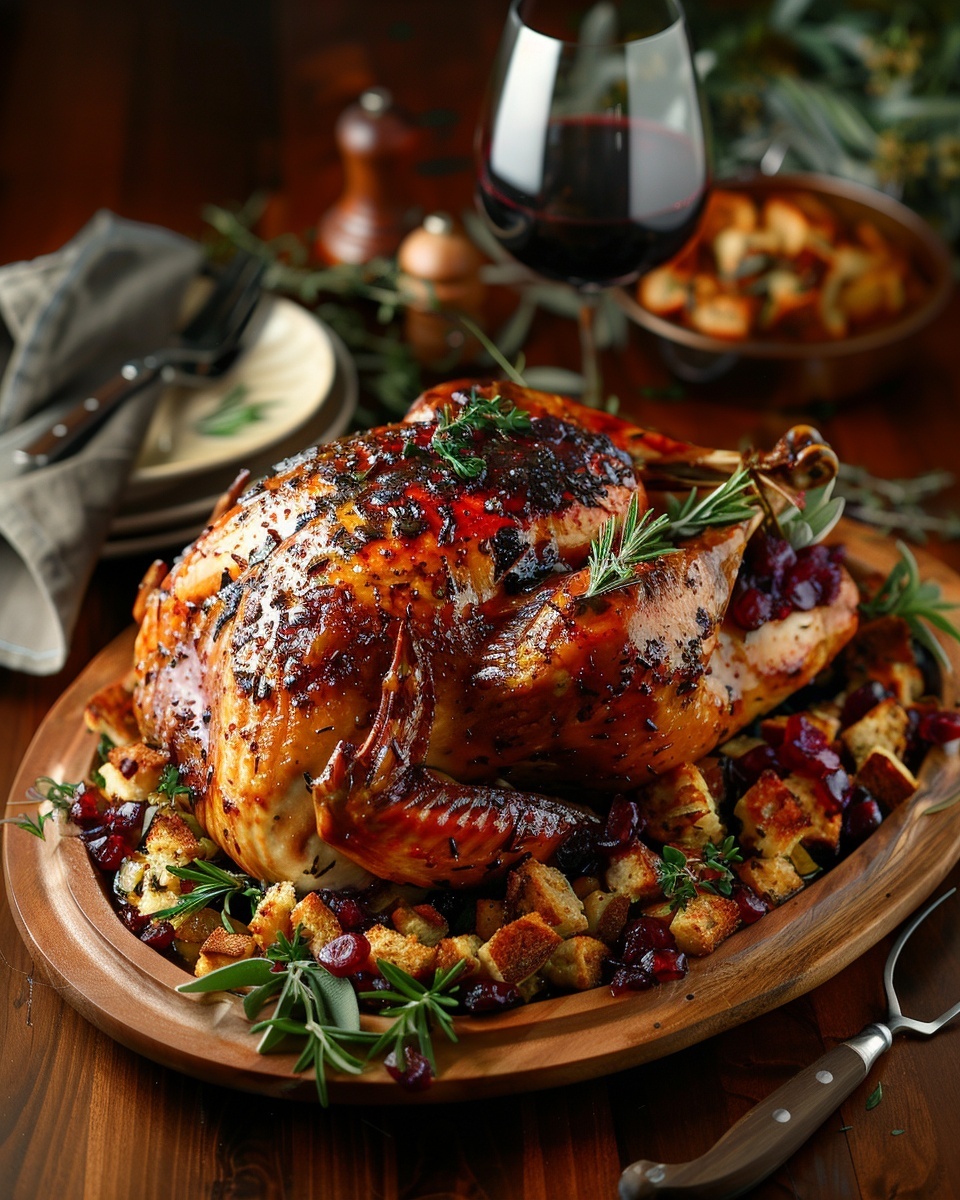
Why I Love Making Thanksgiving Turkey
Last year, I opened my oven door at 6 AM to check on my turkey, and the smell that hit me was pure magic. My dog jumped up from her bed, my husband stumbled into the kitchen half-asleep, and I knew right then that Thanksgiving turkey really is the star of the show. Nothing else brings people running quite like that golden, roasted bird.
The Thanksgiving turkey sits at the heart of American culture every November. Families gather around tables across the country, and that beautiful roasted turkey becomes more than just food. It’s a symbol of tradition, gratitude, and togetherness. For many of us, it’s also a source of mild panic because cooking a whole turkey can feel scary.
I’ve been cooking turkeys for twelve years now. My first one was dry as cardboard. My second one was better but still nothing to brag about. By year three, I finally figured out what I was doing wrong. Now I want to share everything I’ve learned with you.
This guide will walk you through everything turkey-related. You’ll learn how to prepare a thanksgiving turkey from start to finish. I’ll share my favorite thanksgiving turkey recipe with stuffing and point you toward easy turkey recipes that work even if you’ve never done this before. I’ll even talk about fun extras like thanksgiving turkey drawing ideas and thanksgiving turkey clipart for your holiday crafts and decorations.
Whether you’re a beginner or someone looking to improve your turkey game, I’ve got you covered. Let’s make this year’s bird the best one yet.
Choosing the Best Thanksgiving Turkey Recipe
Finding Turkey Perfection
Picking the right recipe matters more than you might think. A great recipe gives you clear steps, proper timing, and techniques that actually work. A bad recipe leaves you confused and stressed on a day that should be enjoyable.
When I search for the best thanksgiving turkey recipe ever, I look for a few key things. The recipe needs to explain how to keep the meat juicy. It should give clear temperature guidelines. It needs realistic cooking times based on the turkey’s weight. If a recipe promises perfection in half the normal time, I know something’s fishy.
The phrase turkey perfection translate means something different to everyone. For me, perfection is crispy skin on the outside and tender, flavorful meat on the inside. For my sister, it’s all about the herbs and aromatics she stuffs inside the cavity. For my dad, perfection means a turkey that looks magazine-worthy when it comes to the table.
You need to think about what perfection means to you. Do you want a classic roasted bird with simple seasonings? Are you after bold flavors with herb butter and citrus? Maybe you want to try brining or smoking? Your personal taste should guide your recipe choice.
Here’s what I consider when choosing a turkey recipe:
- The cooking method fits my equipment and skill level
- The ingredient list doesn’t require twenty specialty items
- Other cooks have left positive reviews and helpful tips
- The recipe explains why certain steps matter
- Timing works with my Thanksgiving day schedule
Don’t chase complicated recipes just because they sound fancy. The best thanksgiving turkey recipe ever for you is one that matches your abilities and delivers results you’re proud to serve.
I learned this lesson the hard way. One year I tried a recipe that required me to flip a 20-pound turkey three times during cooking. I nearly dropped it on my kitchen floor. The turkey turned out fine, but the stress wasn’t worth it. Now I stick with recipes that keep things manageable.
Easy Options for Everyone
New to cooking turkey? Don’t let anyone make you feel bad about starting simple. Some of the most delicious turkeys I’ve eaten came from straightforward recipes with just a few ingredients.
Easy turkey recipes work because they focus on the basics. Season the bird well, roast it at the right temperature, and don’t overcook it. You don’t need fancy techniques to make people happy.
For those hunting for easy turkey recipes for beginners, here’s my honest advice. Start with a smaller bird, around 12 to 14 pounds. Smaller turkeys cook faster and are easier to handle. You’ll feel more confident wrestling a 12-pounder into your roasting pan than fighting with a massive 22-pound giant.
The simplest method I know goes like this: pat your turkey dry, rub it with softened butter, season generously with salt and pepper, and roast it in a 325-degree oven. Use a meat thermometer to check when it’s done. That’s it. No complicated steps or weird ingredients.
Simple recipes also give you room to learn and adjust. Once you master the basics, you can add your own touches. Maybe next year you’ll try adding herbs under the skin. The year after that, you might experiment with a dry brine. Building skills gradually makes you a better cook.
I love easy turkey recipes because they reduce stress. Thanksgiving already involves coordinating side dishes, setting the table, and managing guests. Why make the turkey harder than it needs to be?
Here are some beginner-friendly approaches that deliver great results:
- The Basic Roast: Butter, salt, pepper, and steady heat make a delicious turkey every time
- The Sheet Pan Method: Place vegetables around the turkey so everything cooks together
- The Herb Butter Rub: Mix softened butter with dried herbs for extra flavor without extra work
- The Simple Brine: Soak your turkey in salt water overnight for juicier meat
Even experienced cooks return to simple recipes. My neighbor has cooked Thanksgiving dinner for forty years. She still uses the same basic recipe her mother taught her. It works, people love it, and she doesn’t stress about it.
The truth is that a simple, well-executed turkey beats a complicated recipe done poorly. Your guests care more about spending time with you than whether you used some fancy cooking technique they’ve never heard of.
If you’re feeling nervous about cooking your first turkey, remember this: people have been roasting these birds for centuries. The process is forgiving. As long as you don’t burn it or undercook it, you’ll be fine. Trust the process, use a good meat thermometer, and give yourself permission to keep things simple.


Preparing Your Thanksgiving Turkey Like a Pro
Once you’ve picked your recipe, the real fun begins—actually getting that bird ready to cook.
Step-by-Step Guide to Prepare a Turkey
Let me walk you through how to prepare a thanksgiving turkey without losing your mind. I remember my third Thanksgiving when I realized I’d forgotten to thaw my turkey properly. I ended up cooking a half-frozen bird that took forever and came out unevenly cooked. Learn from my mistakes, folks.
First up is thawing. This step drives me crazy because it requires planning ahead, and I’m not always great at that. Your frozen turkey needs about 24 hours of refrigerator time for every four to five pounds. So a 16-pound turkey needs roughly four days in the fridge. Four days! I know that sounds excessive, but trust me on this one.
If you forgot to thaw your turkey in time—been there—you can use the cold water method. Keep the turkey in its wrapper, submerge it in cold water, and change that water every thirty minutes. This method takes about thirty minutes per pound. It’s faster but requires you to babysit the bird all day. Not ideal if you have other things to do.
Once your turkey is fully thawed, take it out of the fridge about an hour before cooking. Room temperature turkey cooks more evenly than one straight from the cold. While it’s sitting out, you can prep everything else.
Remove the giblets and neck from the cavity. I always forget this step until I’m halfway through seasoning, then I have to start over. Those little packets hide in both the main cavity and sometimes in the neck area. Check both spots.
Now comes the fun part—getting that bird ready for its time in the spotlight. Pat the turkey completely dry with paper towels, inside and out. This step matters more than most people realize. Dry skin gets crispy. Wet skin stays rubbery. Nobody wants rubbery turkey skin.
Here’s where technique really counts. I learned this trick from watching cooking videos at two in the morning when I couldn’t sleep. Loosen the skin over the breast meat by gently sliding your hand between the skin and the meat. Be careful not to tear it. This creates a pocket where you can spread butter or oil directly on the meat, which helps keep it moist and adds flavor right where you need it most.
For seasoning, I go heavy on the salt. Salt doesn’t just add flavor—it helps the skin crisp up beautifully. Mix softened butter with salt, pepper, and whatever herbs you like. Spread half of this mixture under the skin and the other half all over the outside. Don’t be shy about it. Really work that butter into every nook and cranny.
Tuck the wing tips under the body so they don’t burn. Tie the legs together with kitchen twine. This helps the turkey cook evenly and look prettier when it comes to the table. My mom never tied her turkey legs, and honestly, it turned out fine. But I like the way it looks all trussed up and professional.
The roasting part is where temperatures matter. I set my oven to 325 degrees. Some recipes call for starting high and then lowering the temperature, but I find that complicates things. Steady heat at 325 degrees gives you consistent results.
Place your turkey breast-side up on a roasting rack inside a heavy pan. The rack keeps the bottom from getting soggy. Add about two cups of water or broth to the bottom of the pan. This creates steam and prevents drippings from burning. Those drippings become your gravy later, so you want them tasting good.
Cooking time runs about 13 to 15 minutes per pound for an unstuffed turkey. Stuffed turkeys take longer. But here’s the thing—times are just estimates. The only way to know your turkey is done is by using a meat thermometer. Stick it in the thickest part of the thigh without hitting bone. You want 165 degrees. The breast should also hit 165 degrees.
Baste your turkey every 45 minutes or so with the pan juices. This keeps the meat moist and helps develop that gorgeous golden color. Some people say basting doesn’t matter, but I think it makes a difference. Plus, it gives you an excuse to check on your bird and make sure nothing’s going wrong.
When your turkey hits temperature, tent it loosely with foil and let it rest for at least thirty minutes. This resting period lets the juices redistribute. If you carve too soon, all those juices run out onto your cutting board instead of staying in the meat. Patience pays off here.
Adding Stuffing for Extra Flavor
The thanksgiving turkey recipe with stuffing debate gets people fired up in my family. My aunt insists on stuffing the cavity. My cousin thinks it’s dangerous and dries out the meat. Both have valid points.
Stuffing the turkey cavity with actual dressing gives you incredible flavor. The bread soaks up turkey juices and becomes this amazing, savory side dish. The aromatics from the stuffing also flavor the meat from the inside out. When I make stuffed turkey, my kitchen smells like Thanksgiving should smell.
But—and this is important—stuffing inside the turkey can be tricky. The stuffing needs to reach 165 degrees too, which means your turkey might overcook while you wait for the stuffing to catch up. Food safety matters here. Nobody wants to spend their holiday weekend sick.
If you decide to stuff your turkey, don’t pack it tight. Loose stuffing cooks more evenly. Only stuff the main cavity, and do it right before cooking, not the night before. Cold stuffing in a cold turkey creates a breeding ground for bacteria.
Personally, I often skip stuffing the cavity and cook my dressing separately in a dish. I still get flavor inside the turkey by filling the cavity with aromatics—quartered onions, celery stalks, apple chunks, fresh herbs, and garlic cloves. These ingredients steam while the turkey roasts, making the meat taste amazing without any food safety worries.
This method also gives you more control. Your turkey cooks faster, the breast stays juicier, and your dressing gets crispy edges that everyone fights over. I learned this approach after making a glazed holiday ham where the sides cooked separately and turned out better because they weren’t trapped inside meat.
Another trick is making gravy with fresh herbs and aromatics. After cooking, those vegetables in the cavity have given up all their flavor. Toss them. But the pan drippings combined with the butter and seasonings you used create gravy that tastes like you worked way harder than you did. Similar to how a simple potato latke becomes special with the right preparation.
Fun and Creative Ways to Celebrate with a Turkey Theme
Bringing Humor with Cartoons and Drawings
Not everything about Thanksgiving has to be serious cooking technique. Sometimes you need to lighten the mood, especially when you’ve got kids running around asking when dinner will be ready for the millionth time.
A thanksgiving turkey cartoon can add personality to your holiday. My kids love cutting out funny turkey pictures and taping them around the house. Last year we found this cartoon of a turkey wearing sunglasses and holding a “Later, Haters” sign. We printed twenty copies and hid them in random spots. My mother-in-law kept finding them for weeks afterward.
Creating a thanksgiving turkey drawing works great as a pre-dinner activity. Set out paper and markers and let kids draw their interpretation of the perfect turkey. The results are always hilarious. My five-year-old nephew drew a turkey with approximately forty legs and colored it purple. We hung it on the fridge next to the recipe cards.
These activities keep children entertained while adults finish cooking. They also create memories. Years from now, my kids will remember drawing ridiculous turkeys more than they’ll remember what side dishes we served. Just like how making peppermint bark becomes a family tradition more than just a recipe.
You can turn drawings into place cards for your table. Have each person draw a turkey and write their name on it. Instant personalized seating arrangement that also serves as a conversation starter. Guests love seeing everyone’s artistic interpretation of the holiday bird.
Using Clipart for Festive Touches
In our digital age, thanksgiving turkey clipart makes decorating easier than ever. I’m not crafty enough to draw my own invitations, so I hunt down free clipart online and plug it into my designs.
For digital invitations, turkey clipart adds that festive touch without requiring graphic design skills. I made our family’s Thanksgiving group chat icon a cartoon turkey wearing a pilgrim hat. Silly? Absolutely. But it makes everyone smile when notifications pop up.
Social media posts benefit from turkey graphics too. When I share my finished Thanksgiving spread on Instagram, I add turkey stickers and clipart to the photos. It’s become part of my holiday tradition, similar to how I always make a champagne cake for New Year’s celebrations.
You can also print clipart for actual decorations. I’ve made turkey-themed banners, napkin holders, and even a “Gobble Till You Wobble” sign for our front door. Printing at home means you can customize everything to match your style and color scheme.
The best part about clipart is that it’s usually free. Websites offer thousands of turkey images in every style imaginable. Realistic turkeys, cartoon turkeys, vintage turkeys, modern minimalist turkeys—whatever matches your vibe. Download a bunch and use them however you want. No artistic talent required.


The Symbolism Behind Thanksgiving Turkey Citizenship
What Does Turkey Citizenship Mean?
Every November, something wonderfully weird happens in America. The President stands in front of cameras, performs a mock-serious ceremony, and officially pardons a turkey. That bird gets to skip the dinner table and live out its days on a farm somewhere. The whole thing sounds absurd when you describe it out loud, yet it’s become one of my favorite Thanksgiving traditions to watch.
The concept of thanksgiving turkey citizenship is playful but also kind of profound. These pardoned turkeys essentially get granted honorary citizenship status, protection from their usual fate, and a chance to become celebrities. They get names, backstories, and media coverage. One year the pardoned turkey had its own social media account. I’m not kidding.
This tradition started gaining real traction in 1989 when President George H.W. Bush formally pardoned a turkey and cracked jokes about it. Before that, turkeys were occasionally gifted to presidents, but the whole ceremonial pardon thing wasn’t official. Now it’s expected every year. People actually tune in to watch which turkey gets picked.
My kids find the whole thing hilarious. Last year we watched the ceremony together, and my daughter asked why the turkey needed pardoning if it hadn’t committed any crimes. Fair question, honestly. I explained that it’s symbolic—we’re acknowledging that these birds give their lives for our tradition, and pardoning one is a gesture of gratitude and maybe a little guilt.
The symbolism goes deeper than just a funny photo opportunity. Turkeys have become completely intertwined with American Thanksgiving identity. They represent abundance, family gathering, and the harvest season. Pardoning one acknowledges our complicated relationship with the animals we eat. It’s a moment of reflection wrapped in humor.
Some people think the turkey pardon is silly political theater. Maybe it is. But I appreciate that it makes us think about where our food comes from, even briefly. In a world where meat comes wrapped in plastic from grocery stores, any reminder that real animals are involved feels valuable. Organizations like the USDA work to ensure food safety standards, but thinking about ethical food choices involves more than just safety regulations.
The pardoned turkeys typically go to farms or petting zoos where they live out their natural lives. These birds become ambassadors for their species in a way. Children visit them and learn about turkeys beyond just Thanksgiving dinner. That education piece matters to me as a parent. My kids need to understand that food doesn’t magically appear—it comes from somewhere, and respecting that process is important.
Funny enough, the pardoned turkeys often get names chosen through public voting or selected by officials. Names like “Bread” and “Butter” or “Peanut Butter” and “Jelly” dominate. Someone in the White House clearly has fun with this naming responsibility. These names humanize the birds and make them relatable, which is exactly the point.
The whole thanksgiving turkey citizenship concept reminds me that traditions evolve. Fifty years ago, nobody thought about presidential turkey pardons. Now it’s woven into how we celebrate the holiday. Who knows what new traditions will emerge in the next fifty years? Maybe virtual reality turkey experiences or lab-grown turkey acceptance ceremonies. Traditions aren’t static—they grow and change with us.
Beyond the White House tradition, many farms and sanctuaries now hold their own turkey pardoning events. Local communities gather, children vote on turkey names, and the birds get adopted as permanent residents. These grassroots versions of the national ceremony spread the message further and create local traditions that mean just as much as the presidential one.
This citizenship concept also shows up in unexpected places. Some schools use turkey pardoning as a teaching moment about democracy, voting, and civic engagement. Kids learn about how decisions get made and participate in a fun process. Education disguised as holiday celebration—that’s my favorite kind of learning.
The marketing around pardoned turkeys has gotten pretty sophisticated too. They get official portraits, biographical information, and press releases. It’s all tongue-in-cheek, but it works. People engage with these turkeys as characters in our national story. They become part of our collective memory of each Thanksgiving.
Looking at the bigger picture, our relationship with Thanksgiving turkeys reflects American culture itself—a mix of tradition, humor, commerce, and genuine emotion all rolled together. We take it seriously and not seriously at the same time. We honor the tradition while poking fun at ourselves for having such a tradition. That balance feels very American to me.
Whether you find the turkey pardon heartwarming or ridiculous, it serves a purpose. It creates conversation about food, tradition, and values. My family has long discussions about it every year. Those conversations matter more than whether anyone takes the ceremony itself seriously. Just like exploring other holiday traditions helps us understand what celebrations mean to different people and communities.
Frequently Asked Questions (FAQ)
How do I pick the right size turkey for my family?
Plan for about one to one-and-a-half pounds of turkey per person. This accounts for bone weight and gives you leftovers without going overboard. For eight people, a 12 to 14-pound turkey works perfectly. If you want lots of leftovers for sandwiches and soup, bump it up to two pounds per person. I always go bigger because turkey sandwiches the next day are half the reason I cook Thanksgiving dinner. Smaller turkeys also cook faster and are easier to handle, which reduces stress.
Can I cook a frozen turkey safely?
Technically yes, but I don’t recommend it unless you absolutely have to. Cooking from frozen takes about fifty percent longer than a thawed turkey, and the results are unpredictable. The outside can overcook while the inside stays frozen. If you’re stuck with a frozen bird on Thanksgiving morning, use the cold water thawing method instead—it’s faster and safer. Plan better next year by marking your calendar four days before Thanksgiving to move that turkey from freezer to fridge. Trust me, proper thawing makes everything easier and produces better results.
What temperature should my turkey reach before I take it out?
The thickest part of the thigh should hit 165 degrees Fahrenheit, and the breast should reach the same temperature. Don’t guess on this—use a reliable meat thermometer. Stick it in without hitting bone, which gives false readings. I check multiple spots to make sure everything’s cooked evenly. Remember that the turkey will continue cooking slightly during the resting period. Some people pull their turkey at 160 degrees knowing it’ll coast up to 165 while resting. I play it safe and wait for 165 before pulling mine out.
Should I cover my turkey with foil while it cooks?
I start my turkey uncovered to get that beautiful golden skin. If the skin starts getting too dark before the meat is done, then I tent it loosely with foil. Usually this happens in the last hour of cooking. The foil slows down the browning without stopping the cooking process. Don’t wrap it tight—you want air circulation. Some recipes call for covering the whole time, but I find that creates steam instead of roasting, and you lose that crispy skin everyone loves. Keep an eye on your bird and cover only if necessary.
What are some unique side dishes to pair with my turkey?
Beyond the traditional stuffing and mashed potatoes, try roasted Brussels sprouts with bacon, butternut squash soup, cranberry-orange relish, or wild rice pilaf with mushrooms. I love adding unexpected dishes that surprise guests while still feeling appropriate for the holiday. Maple-glazed carrots, cornbread with jalapeños, or a fresh kale salad with pomegranate seeds all work beautifully. The key is balancing traditional expectations with a few creative choices. Ask your guests to bring their favorite unique side dish—you’ll discover new favorites and take pressure off yourself.
How do I keep my turkey moist during cooking?
Brining helps tremendously if you plan ahead. Even a simple salt-water brine overnight makes a noticeable difference. During cooking, baste every 45 minutes with pan juices. Don’t open the oven constantly though—you lose heat. Cooking at a steady 325 degrees prevents drying better than high heat. Using butter under the skin puts fat directly on the breast meat where it’s needed most. Most importantly, don’t overcook—pull your turkey at 165 degrees and let it rest. Those resting juices redistribute through the meat instead of running onto your cutting board.
Where can I find free resources for turkey-themed art?
Websites like Pixabay, Unsplash, and Freepik offer tons of free thanksgiving turkey clipart and images. Pinterest has countless thanksgiving turkey drawing tutorials perfect for kids. Your local library often has craft books with turkey templates and ideas. Teachers Pay Teachers offers free printable turkey activities if you search specifically for free resources. I bookmark my favorite sites at the beginning of November so I don’t waste time searching when I need something quickly. Just make sure you check the licensing if you’re using images for anything beyond personal use.
How long should I let my turkey rest after cooking?
At least thirty minutes, and up to an hour for larger birds. I know it’s hard to wait when everyone’s hungry and the bird looks perfect, but this step is non-negotiable. Resting allows the juices to redistribute throughout the meat. Cut too early and those juices pour out, leaving you with dry turkey. Tent the turkey loosely with foil during resting to keep it warm. Use this time to make gravy, reheat side dishes, and get everyone seated. The turkey will still be plenty hot when you carve it. Promise.
Can I prepare my turkey the night before cooking?
You can do some prep the night before, but be careful. Season the outside and prepare your herb butter, but apply it the morning of cooking. If you stuff your turkey, do that right before it goes in the oven—never the night before. You can set up your roasting pan and have everything ready to go. I prep all my aromatics and have my thermometer batteries checked the night before. This reduces morning stress without creating food safety issues. The key is keeping raw turkey refrigerated and not leaving it at room temperature overnight.
What should I do with leftover turkey?
Oh, this is the best part. Turkey sandwiches with cranberry sauce are mandatory the next day. After that, make turkey soup with the carcass—simmer it with vegetables and herbs for incredible stock. Turkey pot pie, turkey chili, turkey fried rice, and turkey salad all work great. Freeze portions if you have too much to eat within three days. My family actually looks forward to leftovers more than the original meal. Last year I made turkey enchiladas that disappeared faster than the Thanksgiving dinner itself. Get creative and don’t let any of that delicious turkey go to waste.
This Thanksgiving, whether you’re roasting your first turkey or your fiftieth, remember that the real goal isn’t perfection on a plate. It’s bringing people together, creating memories, and maybe starting new traditions of your own. That pardoned turkey in Washington gets its moment of fame, but your turkey—the one surrounded by your family and friends—that’s the one that truly matters.
Thanksgiving Turkey
Ingredients
Equipment
Method
- Thaw the turkey in the refrigerator for 24 hours for every 4-5 pounds or use the cold water method.
- Remove the turkey from the fridge about 1 hour before cooking to bring it to room temperature.
- Remove giblets and neck from the cavity.
- Pat the turkey completely dry with paper towels, inside and out.
- Loosen the skin over the breast meat and rub softened butter directly onto the meat.
- Season generously with salt and pepper, with any optional herbs mixed in.
- Tuck the wing tips under the body and tie the legs together with kitchen twine.
- Preheat the oven to 325 degrees Fahrenheit.
- Place the turkey breast-side up on a roasting rack inside a heavy pan.
- Add 2 cups of water or broth to the bottom of the pan.
- Roast the turkey for approximately 13-15 minutes per pound for unstuffed, longer for stuffed.
- Use a meat thermometer to check the thickest part of the thigh for a temperature of 165 degrees Fahrenheit.
- Baste the turkey with pan juices every 45 minutes.
- Once cooked, tent the turkey loosely with foil and let it rest for at least 30 minutes before carving.