
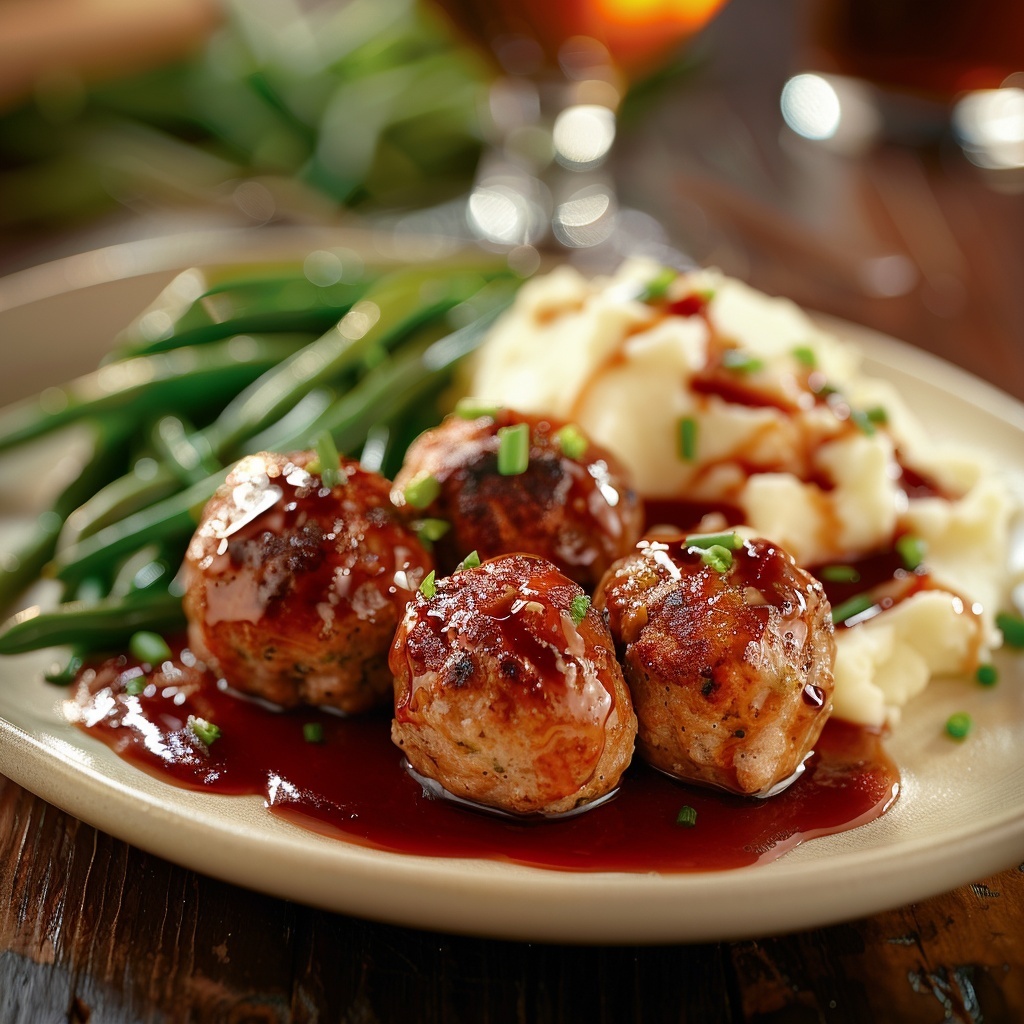
Last Tuesday night, I found myself staring at a pound of ground turkey in my fridge, wondering how on earth I was going to make it exciting enough for my picky teenage son. You know that moment when you’re tired, hungry, and desperate for something that won’t take forever? Well, that’s when I remembered my grandmother’s secret to making the juiciest, most flavorful meatballs that actually taste like something. Fast forward two hours, and my kitchen smelled like an Italian grandmother’s dream, my son asked for seconds (a miracle!), and I knew I had struck gold. These aren’t your dry, boring turkey meatballs that taste like cardboard. These are tender, juicy, flavor-packed little gems that’ll make you forget all about beef.
What Makes These Turkey Meatballs So Special
Listen, I get it. Turkey meatballs have a bad reputation. They’re supposed to be the “healthy alternative” that tastes like someone forgot to add flavor. But here’s the thing – when you make them right, turkey meatballs can be absolutely amazing. These little guys are lighter than beef, cook faster, and soak up flavors like a sponge. Plus, they’re way easier on your wallet and your waistline.
What sets this recipe apart is the perfect balance of moisture and seasoning. I’ve tested this recipe at least fifteen times (my family didn’t complain once), tweaking the ratios until I got it just right. The secret? Don’t treat turkey like beef. Turkey needs extra love, extra moisture, and a little creativity to shine. These meatballs stay tender and juicy, whether you bake them, simmer them in sauce, or toss them in a slow cooker.
I still remember the first time I served these at a dinner party. My friend Sarah, who swore she only ate beef meatballs, ate six of them before admitting they were turkey. That’s when I knew this recipe was a keeper. It’s become my go-to for everything from quick weeknight dinners to fancy gatherings.
The Story Behind These Flavorful Meatballs
Meatballs have been around forever, popping up in nearly every culture from Swedish köttbullar to Middle Eastern kofta. The Italian version, which inspired these beauties, traditionally uses a mix of beef, pork, and veal. Italian immigrants brought their meatball recipes to America in the late 1800s, where they became a Sunday dinner staple.
The turkey version is a more modern twist that gained popularity in the 1990s when everyone started looking for lighter alternatives to red meat. Chefs like Giada De Laurentiis helped make turkey meatballs mainstream by showing that healthy doesn’t have to mean boring. Her approach inspired many home cooks to experiment with this leaner protein.
These days, turkey meatballs have earned their own spot in the comfort food hall of fame. They’re not just a substitute anymore – they’re a delicious option in their own right. From paleo versions without breadcrumbs to slow cooker variations that simmer all day, there’s a turkey meatball recipe for everyone.
Why You’ll Fall In Love With This Recipe
First off, these meatballs are ridiculously easy to make. You literally mix everything in one bowl, roll them into balls, and cook. No fancy techniques, no complicated steps, no culinary degree required. If you can mix cookie dough, you can make these meatballs.
The flavor is incredible. We’re talking garlic, herbs, Parmesan cheese, and just the right amount of seasoning to make your taste buds dance. They’re savory, slightly herby, and have that perfect pop of umami from the cheese. Even my dad, who thinks vegetables are “rabbit food,” asks me to make these.
They’re also crazy versatile. Make them big for meatball subs, medium for spaghetti, or tiny for appetizers. Bake them in the oven, simmer them in marinara, or throw them in the crockpot with your favorite sauce. They freeze beautifully, reheat like a dream, and taste even better the next day.
And let’s talk about the health factor. Turkey meatballs healthy options are perfect if you’re watching your calorie intake or trying to eat lighter. Ground turkey is lower in fat and calories than beef, but these meatballs don’t taste like diet food. They taste like comfort, like home, like someone who really cares made them for you.
Perfect Times To Serve These Turkey Meatballs
These meatballs are my secret weapon for casual dinner parties. Serve them as appetizers with toothpicks and a side of marinara for dipping, and watch them disappear faster than you can say “There’s more in the kitchen!” They’re fancy enough to impress but easy enough that you’re not sweating in the kitchen all night.
Weeknight dinners become a breeze with these bad boys. Toss together turkey meatballs and spaghetti for a classic combo that takes less than 45 minutes from start to finish. Add a simple salad and some garlic bread, and boom – you’re a dinner hero. My kids actually get excited when I announce it’s meatball night.
They’re also perfect for meal prep Sundays. Make a double or triple batch, freeze them in portions, and you’ve got quick protein ready whenever you need it. I throw them in soup, pile them on sub rolls, or just eat them with roasted vegetables when I’m feeling lazy. Game days, potlucks, holiday buffets – these meatballs work for everything.
Birthday parties for kids? Yep. These are way more popular than hot dogs, and parents love that they’re a healthier option. I once made 200 mini meatballs for my nephew’s birthday, and they were gone in twenty minutes. Twenty minutes! That’s faster than it took to set up the bounce house.
Ingredients For Perfect Turkey Meatballs
What are the ingredients in turkey meatballs? Here’s everything you need to make about 20-24 medium-sized meatballs that’ll serve 4-6 people:
- 1½ pounds ground turkey (preferably 93% lean)
- ½ cup breadcrumbs (Italian seasoned or plain)
- ½ cup freshly grated Parmesan cheese
- 2 large eggs, lightly beaten
- 3 cloves garlic, minced
- ¼ cup fresh parsley, finely chopped
- 1 teaspoon dried oregano
- 1 teaspoon dried basil
- 1 teaspoon salt
- ½ teaspoon black pepper
- ½ teaspoon onion powder
- ¼ cup milk (whole or 2%)
- 2 tablespoons olive oil (for cooking)
Smart Substitution Options For Your Meatballs
Don’t have breadcrumbs? No problem! Crushed crackers, panko, or even oatmeal work great. For a gluten-free version, use almond flour or crushed pork rinds. If you’re going paleo, turkey meatballs without breadcrumbs work perfectly – just add an extra egg and maybe some finely chopped mushrooms for moisture and binding.
The Parmesan can be swapped for Pecorino Romano for a sharper flavor, or use nutritional yeast if you’re avoiding dairy. Fresh herbs are always better, but dried herbs work in a pinch – just use half the amount since dried herbs are more concentrated.
Instead of regular milk, try unsweetened almond milk, oat milk, or even chicken broth for extra flavor. Some people love adding a tablespoon of Worcestershire sauce or soy sauce for extra umami. I’ve even used Greek yogurt instead of milk for added protein and tang.
If you want to sneak in some vegetables, finely grated zucchini or carrots work wonderfully. Just squeeze out the excess moisture first. This is my trick for getting my kids to eat more veggies without them noticing. Shh, don’t tell them!
How To Make The Best Turkey Meatballs
Step 1: Prepare Your Workspace And Preheat
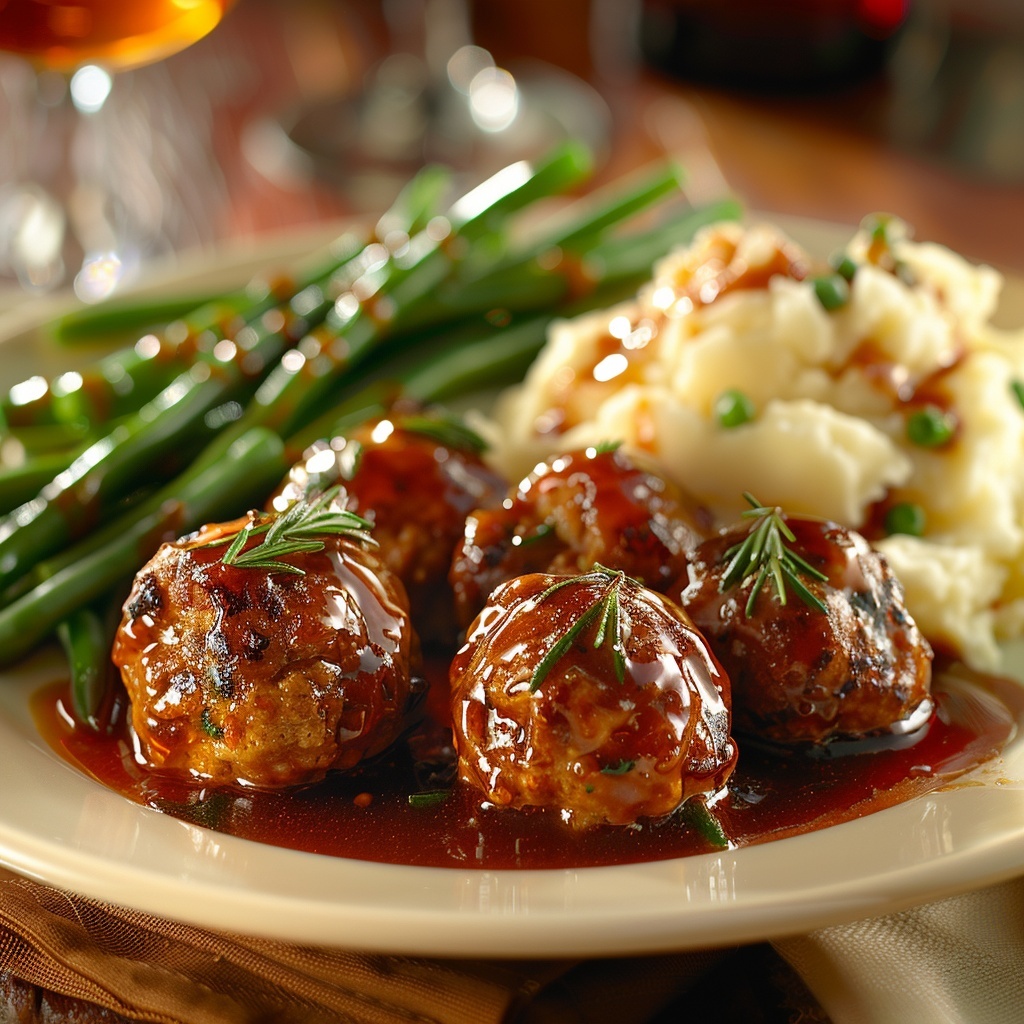
Start by preheating your oven to 400°F and lining a large baking sheet with parchment paper or a silicone mat. This simple step prevents sticking and makes cleanup so much easier – trust me, future you will be grateful. While the oven heats up, get all your ingredients measured and ready on the counter. I like to use small prep bowls for everything, which makes me feel like I’m on a cooking show. Mince your garlic, chop your parsley, and crack those eggs into a small bowl. Having everything ready makes the actual mixing process smooth and stress-free, plus you won’t forget to add something important.
Pro tip: Let your ground turkey sit at room temperature for about 15 minutes before mixing. Cold meat doesn’t combine as evenly, and you’ll get better texture in your finished meatballs.
Step 2: Create The Perfect Binder Mixture
What’s a good binder for turkey meatballs? In a large mixing bowl, combine the breadcrumbs and milk first, stirring them together until the breadcrumbs are fully soaked and mushy. This mixture is called a panade, and it’s the secret weapon for incredibly moist meatballs. Let it sit for about 5 minutes while the breadcrumbs absorb all that liquid and turn into a paste-like consistency. This step is crucial because it creates pockets of moisture throughout your meatballs, preventing them from drying out during cooking. I learned this trick from an Italian cookbook my mom gave me, and it’s been a game-changer. The panade also helps bind everything together so your meatballs don’t fall apart.
Step 3: Mix In The Flavor Boosters
To your breadcrumb mixture, add the beaten eggs, grated Parmesan, minced garlic, chopped parsley, oregano, basil, salt, pepper, and onion powder. Stir everything together with a fork until it’s completely combined and you’ve got a fragrant, herb-flecked mixture that already smells amazing. The cheese adds saltiness and umami, while the herbs bring freshness and depth. Don’t skimp on the garlic – three cloves might seem like a lot, but it mellows beautifully during cooking. This aromatic base will flavor every bite of your meatballs, so make sure everything is evenly distributed. I sometimes close my eyes and just smell this mixture because it reminds me of my grandmother’s kitchen on Sunday afternoons.
Step 4: Gently Incorporate The Turkey
Add the ground turkey to your bowl and here’s where you need to be gentle. Using your hands (yes, get in there!), mix everything together until just combined. The key word here is “just” – overworking the meat makes tough, dense meatballs that taste like hockey pucks. I use a light folding motion, almost like I’m mixing whipped cream, turning the mixture over on itself until I don’t see any more streaks of unmixed ingredients. The mixture should look cohesive but not pasty or sticky. If you’re squeamish about touching raw meat, you can use a large spoon or spatula, but hands really do give you the best feel for when it’s properly mixed. The whole process should take less than a minute.
Pro tip: Wet your hands with cold water before mixing. This keeps the meat from sticking to your fingers and makes the whole process much more pleasant.
Step 5: Shape The Meatballs
Now comes the fun part – rolling the meatballs. Grab a small handful of mixture (about 2 tablespoons worth) and roll it between your palms into a smooth ball about 1½ inches in diameter. Place each finished meatball on your prepared baking sheet, spacing them about an inch apart so they cook evenly. Try to make them all roughly the same size so they finish cooking at the same time – nobody wants some burnt and some raw. I usually get about 22-24 meatballs from this recipe. If you want them all perfectly uniform, use a cookie scoop or ice cream scoop to portion them out first, then roll them smooth. The rolling motion packs the meat just enough to hold together but not so much that they get tough.
Step 6: Bake To Golden Perfection
Slide your baking sheet into the preheated oven and bake for 20-25 minutes, until the meatballs are golden brown on the outside and cooked through to an internal temperature of 165°F. You’ll see them puff up slightly and develop these gorgeous caramelized spots where they touch the pan. About halfway through cooking, I like to rotate the pan for even browning, especially if your oven has hot spots like mine does. The smell that fills your kitchen during this time is absolutely intoxicating – garlic, herbs, and that slightly nutty aroma of browning meat. When they’re done, the meatballs should be firm to the touch and any juices running out should be clear, not pink.
Pro tip: Don’t move them around or flip them during baking. Let them develop that nice crust on the bottom, which adds texture and flavor.
Step 7: Optional – Simmer In Sauce
If you’re making turkey meatballs in sauce, this is where the magic happens. After baking, transfer your meatballs to a large pot of your favorite marinara or tomato sauce. Let them simmer gently for another 15-20 minutes, which allows them to soak up the sauce flavors while keeping them incredibly moist and tender. The meatballs will finish cooking in the sauce and release their delicious flavors into it, creating this beautiful back-and-forth of taste. I love watching them bob around in the bubbling red sauce, knowing that each minute makes them more delicious. This method is especially great for italian turkey meatballs served over pasta. The sauce keeps them from drying out and adds another layer of flavor that makes them taste like they’ve been cooking all day.
Timing Breakdown For Turkey Meatballs
Here’s what to expect time-wise when making these meatballs:
- Prep Time: 15 minutes (mixing, chopping, measuring)
- Shaping Time: 10 minutes (rolling the meatballs)
- Baking Time: 20-25 minutes
- Optional Simmering Time: 15-20 minutes (if finishing in sauce)
- Total Time: 45 minutes to 1 hour 10 minutes (depending on method)
- Resting Time: 5 minutes (before serving)
The beauty of this recipe is that most of the time is hands-off. Once they’re in the oven, you can make your side dishes, set the table, or just sit down with a glass of wine. If you’re making them for turkey meatballs crockpot style, you can brown them first (optional) and then let them cook on low for 4-6 hours with sauce. This is perfect for busy days when you want to come home to dinner already made.
My Secret Trick For The Juiciest Meatballs
Want to know the real game-changer? Add a tablespoon of mayonnaise to your meat mixture. I know it sounds weird, but hear me out! The mayo adds moisture and fat that turkey naturally lacks, and it completely disappears into the mixture – nobody will ever guess it’s there. This trick came from my friend’s Italian grandmother, who swore by it for all her meatballs.
Another secret is to slightly undercook them in the oven if you’re planning to simmer them in sauce afterward. Take them out when they’re just barely done (about 160°F internally), and let them finish cooking in the sauce. This prevents that dreaded dry meatball syndrome that happens when turkey gets overcooked.
Finally, resist the urge to use extra-lean turkey (99% lean). Yes, it’s healthier, but it makes cardboard-dry meatballs. Stick with 93% lean or even 85% lean if you can find it. That little bit of fat makes all the difference in flavor and texture. You’re still eating way healthier than beef meatballs, so don’t stress about those few extra fat grams.
Fascinating Turkey Meatball Facts
Did you know that ground turkey wasn’t widely available in American supermarkets until the 1980s? Before that, you had to ask the butcher to grind it specially for you. The rise in popularity of ground turkey coincided with the low-fat diet craze of the ’90s, and suddenly everyone was looking for alternatives to beef.
Turkey meat has been eaten for thousands of years, but the domestic turkey we know today was bred from wild turkeys by indigenous peoples in Mexico over 2,000 years ago. Spanish explorers brought them to Europe in the 1500s, and they eventually made their way back to North America with European settlers. Isn’t it wild that turkeys basically took a round trip across the ocean?
Modern food personalities have really elevated turkey meatballs. Turkey meatballs giada style often include lemon zest and fresh herbs, while turkey meatballs jamie oliver versions might feature harissa or other global spices. Turkey meatballs nigella takes sometimes lean Middle Eastern with cumin and coriander. These different approaches show just how versatile this humble dish can be.
Essential Equipment For Making Meatballs
You don’t need fancy equipment for this recipe, but a few key tools make life easier:
- Large mixing bowl: Big enough to mix everything without spilling
- Baking sheet: A rimmed half-sheet pan works perfectly
- Parchment paper or silicone mat: For easy cleanup and preventing sticking
- Measuring cups and spoons: For accurate ingredient amounts
- Box grater or microplane: For grating Parmesan and garlic
- Meat thermometer: To check that internal temperature (super important for food safety)
- Cookie scoop: Optional but great for uniform sizing
- Large pot or Dutch oven: If you’re simmering them in sauce
I also love having a small bowl of water nearby for wetting my hands while shaping. Some people like using disposable gloves for mixing the meat, which definitely keeps your hands cleaner. A bench scraper is handy for dividing the mixture into equal portions before rolling if you’re obsessive about uniformity like I sometimes am.
How To Store Your Turkey Meatballs
Proper storage is key to keeping your meatballs delicious and safe to eat. Once your meatballs have cooled completely to room temperature, transfer them to an airtight container and refrigerate within two hours of cooking. They’ll stay fresh in the fridge for 3-4 days, making them perfect for meal prep. I like to store them in glass containers with tight-fitting lids, and I always keep them in the sauce if I’ve made them that way – the sauce keeps them moist and adds even more flavor as they sit. When reheating refrigerated meatballs, you can microwave them for 1-2 minutes, warm them in a pan with a little sauce, or heat them in a 350°F oven for about 10 minutes until warmed through.
Freezing meatballs is absolutely the way to go if you want to make big batches. After cooking and cooling, arrange the meatballs in a single layer on a baking sheet and freeze them for about an hour until they’re solid. This flash-freezing method prevents them from sticking together in one giant clump. Once frozen solid, transfer them to freezer bags or containers, removing as much air as possible. Label them with the date, and they’ll keep beautifully for up to 3 months in the freezer. You can freeze them plain or in sauce – both methods work great. When I’m feeling ambitious, I make triple batches and freeze them in meal-sized portions so I can pull out just what I need for dinner. It’s like having a homemade frozen dinner that actually tastes good.
Thawing frozen meatballs should be done safely to avoid any food safety issues. The best method is to transfer them from the freezer to the fridge the night before you plan to use them, letting them thaw slowly overnight. If you’re in a hurry, you can use the defrost setting on your microwave, or better yet, just cook them from frozen. Frozen meatballs can go straight into simmering sauce – just add an extra 10-15 minutes to the cooking time. I do this all the time when I forget to thaw them, and they come out perfectly. You can also reheat frozen meatballs in the oven at 350°F for about 20-25 minutes until they’re heated through. Never leave them sitting out on the counter to thaw because bacteria love hanging out in that temperature danger zone.
Expert Tips And Advice For Better Meatballs
Always taste-test your seasoning before cooking all the meatballs. Take a tiny piece of the mixture and cook it in a small pan, then taste it and adjust the salt, herbs, or garlic as needed. This saves you from ending up with a whole batch of underseasoned meatballs. It seems fussy, but it takes two minutes and can save your dinner.
Don’t crowd the baking sheet. Give your meatballs breathing room so hot air can circulate around them. Overcrowding creates steam, and you’ll end up with meatballs that are more steamed than baked. If you need to, use two baking sheets instead of cramming everything onto one.
Let your meatballs rest for about 5 minutes after cooking before serving or adding to sauce. This allows the juices to redistribute throughout the meat, making every bite more flavorful and moist. I know it’s tempting to dive right in, but patience pays off here.
Consider making a test meatball first. Roll one meatball before you do the whole batch and cook it quickly in a pan. This lets you check if the seasoning is right and if the texture holds together properly. If it falls apart, add another egg or a bit more breadcrumbs to your mixture.
Use a light hand when mixing and shaping. The more you handle the meat, the tougher your meatballs will be. Think gentle, quick movements rather than vigorous stirring and pressing. Your meatballs should feel tender, not compressed and dense.
What goes best with turkey meatballs? Classic pairings include spaghetti or any pasta, but they’re also amazing with zucchini noodles, mashed potatoes, rice, polenta, or a simple green salad. For sides, try roasted vegetables, garlic bread, or sautéed greens. The possibilities are endless!
Beautiful Ways To Present Your Meatballs
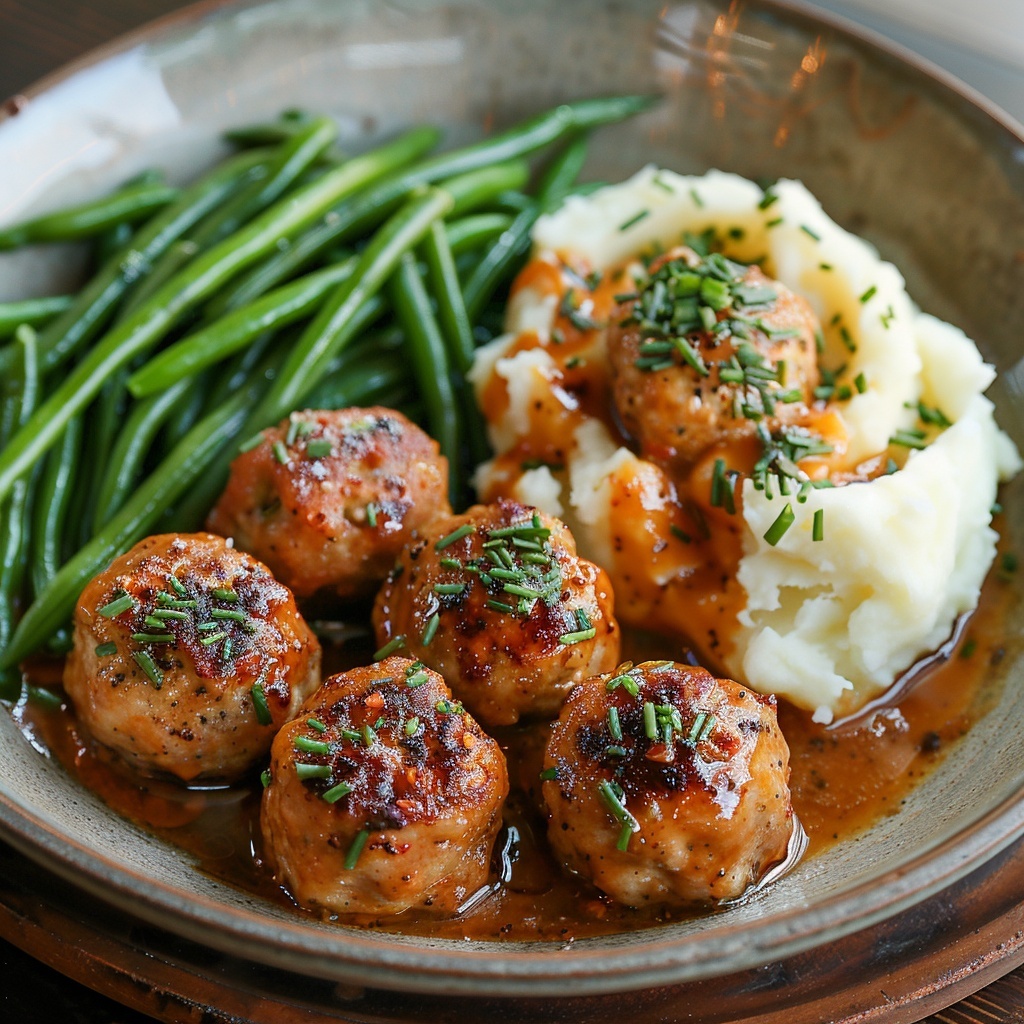
Presentation can turn a simple dinner into something special. Here are some ideas that always impress:
- Classic Italian style: Serve over a bed of spaghetti with plenty of marinara sauce, topped with fresh basil and extra Parmesan
- Meatball sub bar: Set out toasted sub rolls, various cheeses, and toppings so everyone can build their own sandwich
- Appetizer style: Thread onto small skewers with cherry tomatoes and fresh mozzarella balls, drizzled with balsamic glaze
- Bowl style: Layer over rice or quinoa with roasted vegetables and a drizzle of tahini sauce
- Rustic family style: Serve straight from a cast-iron skillet with crusty bread for dipping in the sauce
- Elegant plating: Arrange three meatballs on a white plate with a swoosh of sauce, garnished with microgreens and a sprinkle of Parmesan
Don’t forget garnishes! Fresh herbs like parsley, basil, or oregano add color and freshness. A sprinkle of red pepper flakes gives a nice pop of color and heat. Freshly grated Parmesan or a drizzle of good olive oil takes things up a notch. Even just a lemon wedge on the side can brighten up the whole plate.
Healthier And Creative Turkey Meatball Variations
Variation 1: Paleo Turkey Meatballs Without Breadcrumbs
For those following a paleo or grain-free lifestyle, turkey meatballs paleo style are incredibly satisfying. Replace the breadcrumbs with finely chopped mushrooms or almond flour, which provides binding without the grains. The mushrooms add an earthy flavor and extra moisture that turkey loves. Skip the Parmesan or use nutritional yeast instead for a cheesy flavor without dairy. Use coconut aminos instead of Worcestershire sauce if you’re being strict about ingredients. These meatballs are just as tender and flavorful as the original, proving that healthy eating doesn’t mean sacrificing taste. I make these for my friend who’s gluten-free, and she swears they’re even better than regular meatballs. The almond flour gives them a slightly nutty flavor that pairs beautifully with tomato sauce.
Variation 2: Greek-Inspired Turkey Meatballs
Transform your basic meatballs into a Mediterranean feast by adding Greek flavors. Mix in fresh dill, mint, and oregano instead of Italian herbs, and add crumbled feta cheese to the mixture. Include some finely minced red onion and a bit of lemon zest for brightness. Serve these with tzatziki sauce, cucumber salad, and warm pita bread for an amazing Greek-inspired meal. The feta adds salty pockets of flavor throughout, and the fresh herbs make every bite taste like summer in Santorini. These are lighter and brighter than Italian-style meatballs, perfect for warm weather dinners. My kids love wrapping these in pita with lettuce and tomatoes like a gyro.
Variation 3: Asian-Style Turkey Meatballs
Give your meatballs an Asian twist by adding fresh ginger, minced green onions, and a splash of soy sauce or tamari to the mixture. Replace the Italian herbs with cilantro, and add a bit of sesame oil for that distinctive nutty flavor. Use panko breadcrumbs for a lighter texture. Serve these with a sweet and sour sauce, teriyaki glaze, or spicy sriracha mayo. They’re amazing over rice or noodles, or as appetizers at parties. The ginger adds a warm, spicy note that cuts through the richness of the meat, and the green onions provide little bursts of sharpness. I like to garnish these with sesame seeds and more chopped green onions for a restaurant-quality look.
Variation 4: Buffalo Turkey Meatballs
For game day or whenever you’re craving something spicy, buffalo-style meatballs are incredible. Add buffalo sauce (Frank’s RedHot is my favorite) directly into the meat mixture, along with a bit of ranch seasoning. After baking, toss them in more buffalo sauce for an extra kick. Serve with celery sticks, carrot sticks, and blue cheese or ranch dressing for dipping. These are always the first thing to disappear at parties. The heat from the buffalo sauce is addictive, and the cooling ranch or blue cheese balances everything perfectly. You can adjust the heat level by using more or less sauce – I make a mild version for my kids and a nuclear version for my husband.
Variation 5: Swedish-Style Turkey Meatballs
Swedish meatballs are traditionally made with beef and pork, but turkey works beautifully. Add a pinch of nutmeg and allspice to your mixture for that distinctive Swedish flavor. After baking, make a creamy sauce with beef broth, heavy cream, and a touch of soy sauce, then simmer the meatballs in it. Serve over egg noodles or mashed potatoes with lingonberry jam on the side. The warming spices make these feel cozy and special, perfect for cold weather dinners. The creamy sauce is rich and comforting, clinging to every meatball and making them incredibly tender. My Swedish neighbor approved these, which I consider the ultimate compliment.
Variation 6: Mexican-Inspired Turkey Albondigas
Turn your meatballs into Mexican albondigas by adding cumin, chili powder, and fresh cilantro to the mixture. Mix in some cooked rice directly into the meatballs for traditional texture and extra heartiness. Simmer them in a tomato-based broth with vegetables like carrots, potatoes, and zucchini for a complete soup meal. The rice inside the meatballs soaks up the flavorful broth and makes them incredibly satisfying. This is comfort food at its finest – warming, filling, and full of bold flavors. I make a huge pot of this when anyone in my family is feeling under the weather because it’s basically a hug in a bowl. Top with avocado, lime, and more cilantro for freshness.
Common Mistakes To Avoid When Making Turkey Meatballs
Mistake 1: Using Turkey That’s Too Lean
One of the biggest mistakes people make is buying the leanest ground turkey possible, thinking it’s healthier. While 99% lean turkey sounds great for your waistline, it makes meatballs that are dry, crumbly, and frankly kind of sad. Turkey doesn’t have the natural fat content that beef does, so when you remove even more fat, you’re left with nothing to keep things moist and flavorful. Stick with 93% lean or even 85% lean ground turkey if you can find it. That small amount of fat makes a huge difference in texture and taste. If you only have extra-lean turkey, add a tablespoon of olive oil to your mixture to compensate for the missing fat.
Mistake 2: Overmixing The Meat
Getting aggressive with mixing your meatball mixture is a fast track to tough, dense, rubber-ball-textured meatballs. When you overwork ground meat, you develop the proteins too much, which creates a tight, springy texture instead of tender meatballs. Mix just until everything is combined and you don’t see streaks of unmixed ingredients anymore, then stop. Your hands should be in that bowl for less than a minute. If you’re someone who likes to really thoroughly mix things, resist that urge here. Gentle folding motions are your friend, treating the mixture like it’s delicate because it is.
Pro tip: If you think you might have overmixed, let the mixture rest in the fridge for 30 minutes before shaping. This can help relax the proteins slightly.
Mistake 3: Skipping The Panade
Not using a panade (that mixture of breadcrumbs and milk) is a rookie mistake that leads to dry meatballs every single time. The panade acts like a moisture reservoir inside your meatballs, keeping them juicy even if they cook a bit longer than planned. Some people just dump dry breadcrumbs into their mixture and wonder why their meatballs turn out like sawdust. Always soak your breadcrumbs in milk first and let them sit for at least five minutes until they’re mushy and fully hydrated. This simple step is the difference between meatballs that make you close your eyes in happiness and ones that make you reach for a glass of water.
Mistake 4: Making Meatballs Different Sizes
Rolling meatballs in random sizes seems harmless, but it causes uneven cooking that leaves some meatballs overdone and others undercooked. Those tiny ones will be dried out and hard while the huge ones are still raw in the middle. Take the time to portion your mixture evenly – use a cookie scoop or ice cream scoop for consistency, or weigh each portion on a kitchen scale if you’re really particular. Aim for about 1½ inches in diameter for standard meatballs. They should all look like siblings, not distant cousins. Consistent sizing means everything finishes cooking at the same time, and you don’t have to worry about food safety issues.
Mistake 5: Cooking At The Wrong Temperature
Cooking meatballs at too low a temperature makes them steamed and pale instead of nicely browned and flavorful. Too high, and the outside burns before the inside cooks through. The sweet spot is 400°F, which gives you enough heat to develop a nice golden crust while cooking the interior properly. Also, not checking the internal temperature is risky with poultry – you need to hit 165°F for food safety. Invest in a good instant-read thermometer and actually use it. Guessing when turkey is done leads to either dangerously undercooked meat or hockey pucks that nobody wants to eat. Temperature matters more than you think.
Frequently Asked Questions About Turkey Meatballs
Are turkey meatballs actually healthy?
Yes, turkey meatballs healthy versions are genuinely better for you than traditional beef meatballs in several ways. Ground turkey is lower in saturated fat and calories while still providing plenty of protein – about 25 grams per serving. Turkey contains important nutrients like selenium, B vitamins, and zinc that support your immune system and energy levels. Of course, the healthiness depends on what else you add – loading them with cheese and frying them in oil changes the equation. But when you bake them and use reasonable amounts of binders and seasonings, turkey meatballs are a nutritious option that fits well into most healthy eating plans. They’re especially good if you’re watching your cholesterol or trying to reduce red meat consumption.
What’s a good binder for turkey meatballs?
The best binder for turkey meatballs is a panade, which is breadcrumbs soaked in milk until they form a paste. This classic technique keeps meatballs moist and helps everything hold together without making them tough. Eggs are also essential binders, with proteins that coagulate during cooking to create structure. For gluten-free options, try almond flour, crushed pork rinds, or ground flaxseed mixed with water. Paleo folks often use finely minced mushrooms or mashed sweet potato, which add moisture and binding power naturally. Some people swear by adding a tablespoon of gelatin powder, which melts during cooking and creates incredible juiciness. Whatever binder you choose, make sure it adds moisture, not just structure, because turkey needs all the help it can get staying juicy.
Can I make turkey meatballs ahead of time?
Absolutely, and making them ahead actually makes your life so much easier. You can shape raw meatballs and refrigerate them on a covered baking sheet for up to 24 hours before cooking, which actually helps them hold together better. Or cook them completely, let them cool, and store them in the fridge for 3-4 days or freeze them for up to 3 months. I regularly make double batches on Sunday and freeze half for quick weeknight dinners later. When you’re ready to use them, frozen cooked meatballs can go straight into simmering sauce or be reheated in the oven. Having premade meatballs in your freezer is like having a secret weapon against the “what’s for dinner?” panic that hits at 5 PM on busy weekdays.
Why are my turkey meatballs falling apart?
Meatballs fall apart for a few common reasons that are easy to fix. Not using enough binder (eggs and breadcrumbs) means there’s nothing holding the meat together, so make sure you’re following the recipe ratios. Handling them too roughly when shaping or moving them can also cause breakage – be gentle and let them set for a few minutes after rolling before transferring to the pan. Sometimes the mixture is too wet from adding too much milk or not squeezing moisture from vegetables like zucchini. If your mixture seems loose, add more breadcrumbs or another egg. Finally, trying to flip or move them before they’ve had time to develop a crust on the bottom causes them to stick and break. Patience is key here.
What goes best with turkey meatballs?
Turkey meatballs are incredibly versatile and pair well with so many sides and dishes. The classic choice is spaghetti or any pasta with marinara sauce, but they’re equally delicious with zucchini noodles if you’re watching carbs. Mashed potatoes, rice, or polenta make excellent bases that soak up the sauce beautifully. For lighter options, serve them over a big salad, with roasted vegetables, or alongside sautéed greens like spinach or kale. They’re amazing in sub sandwiches with melted cheese, or as appetizers with various dipping sauces. I love making them for meal prep and eating them different ways throughout the week – over pasta one night, in a sandwich the next, then with rice and veggies. Their mild flavor profile means they adapt to almost any cuisine or side dish you can imagine.
How do I keep turkey meatballs moist?
Keeping turkey meatballs moist requires a few key techniques that work together. First, use ground turkey that’s 93% or 85% lean rather than the extra-lean stuff – you need some fat for juiciness. Always include a panade (milk-soaked breadcrumbs) which acts as a moisture reservoir throughout cooking. Don’t overbake them – pull them out as soon as they hit 165°F internally. If you’re simmering them in sauce afterward, slightly undercook them in the oven first and let them finish in the sauce. Adding grated vegetables like zucchini or finely minced mushrooms introduces extra moisture naturally. Some cooks swear by adding a tablespoon of mayo to the mixture for added fat and moisture. Finally, let them rest for 5 minutes after cooking so the juices redistribute instead of running out when you cut into them.
Can I use ground turkey breast instead of regular ground turkey?
You can, but I wouldn’t recommend it unless you make some adjustments to compensate for the lack of fat. Ground turkey breast is extremely lean (99% fat-free), which means meatballs made from it will be quite dry and can taste a bit bland. If you only have ground turkey breast available, add extra moisture and fat to your mixture – try an additional egg, a tablespoon of olive oil or mayo, and make sure your panade is extra wet. You might also add more flavorful ingredients like Parmesan cheese, which adds both fat and taste. Consider finishing them in a flavorful sauce rather than serving them plain. With these modifications, you can make it work, but regular ground turkey (which includes some dark meat) will always give you better results with less fussing.
What sauces work best with turkey meatballs?
Turkey meatballs are like a blank canvas that tastes great with almost any sauce. Classic marinara or tomato sauce is the traditional choice for italian turkey meatballs, providing acidity and richness that complements the mild turkey. Creamy sauces like Swedish cream sauce or mushroom gravy work beautifully, adding richness that turkey sometimes lacks. Asian-inspired teriyaki, sweet and sour, or peanut sauce give them a completely different flavor profile. Buffalo sauce with ranch or blue cheese is perfect for game day appetizers. Mediterranean options like tzatziki, tahini sauce, or lemon-herb sauce bring brightness and freshness. Even simple brown gravy or a light lemon-butter sauce can be delicious. The mild flavor of turkey means it won’t compete with bold sauces, so feel free to experiment with whatever sounds good to you.
How many meatballs does this recipe make?
This recipe yields approximately 20-24 medium-sized meatballs, depending on how large you roll them. If you’re using a standard cookie scoop (about 2 tablespoons), you’ll get right around 22 meatballs that are about 1½ inches in diameter. For smaller appetizer-sized meatballs, you can make 30-36 pieces using a smaller scoop or about 1 tablespoon of mixture each. Larger meatballs for subs or sandwiches (about 2 inches across) will give you 16-18 pieces. The recipe as written serves 4-6 people as a main course when paired with pasta or other sides. I usually plan on 4-5 meatballs per person for a main dish, or 3-4 per person if there are substantial sides. It’s easy to double or triple the recipe if you’re feeding a crowd or want extras for freezing.
Can I cook turkey meatballs in a slow cooker?
Yes, turkey meatballs crockpot style are perfect for busy days when you want dinner ready when you get home. You can add raw meatballs directly to your slow cooker with sauce, though I prefer to brown them quickly in a pan first for better flavor and texture. Place the meatballs in your slow cooker, cover with your favorite sauce, and cook on low for 4-6 hours or high for 2-3 hours. The slow, gentle heat keeps them incredibly tender and allows them to absorb all those sauce flavors. This method is especially forgiving because the sauce keeps everything moist, so there’s less risk of drying them out. Just be aware that they won’t develop that nice browned crust you get from baking, but the trade-off is incredible tenderness and hands-off convenience. My favorite lazy Sunday move is to toss everything in the crockpot after church and come home to amazing smells.
Your New Favorite Weeknight Dinner
There you have it – everything you need to know to make absolutely incredible turkey meatballs that’ll have everyone asking for seconds. These aren’t sad, dry diet food. They’re juicy, flavorful, and versatile enough to work for everything from quick weeknight dinners to fancy dinner parties. I’ve made these hundreds of times over the years, tweaking and perfecting until I got them just right.
The beauty of this recipe is that it’s forgiving and adaptable. Forgot an ingredient? There’s probably a substitute. Want to try a new flavor profile? Go for it. Need to make them ahead? No problem. They work with your schedule and your taste preferences, not against them. That’s the kind of recipe that earns a permanent spot in your rotation.
Whether you’re making turkey meatballs and spaghetti for Tuesday dinner, prepping a batch for the freezer, or experimenting with new flavor combinations, this basic recipe gives you a solid foundation. The techniques you’ve learned here – the panade, gentle mixing, proper sizing – will serve you well for any meatball recipe you make in the future.
So grab that pound of ground turkey and get rolling. Your kitchen is about to smell amazing, and your family is about to be very happy. Don’t forget to make extra – these disappear faster than you’d think possible. Trust me, I’ve watched three teenage boys demolish a double batch in one sitting. That’s when you know you’ve got a winner on your hands. Happy cooking, and enjoy every delicious bite!
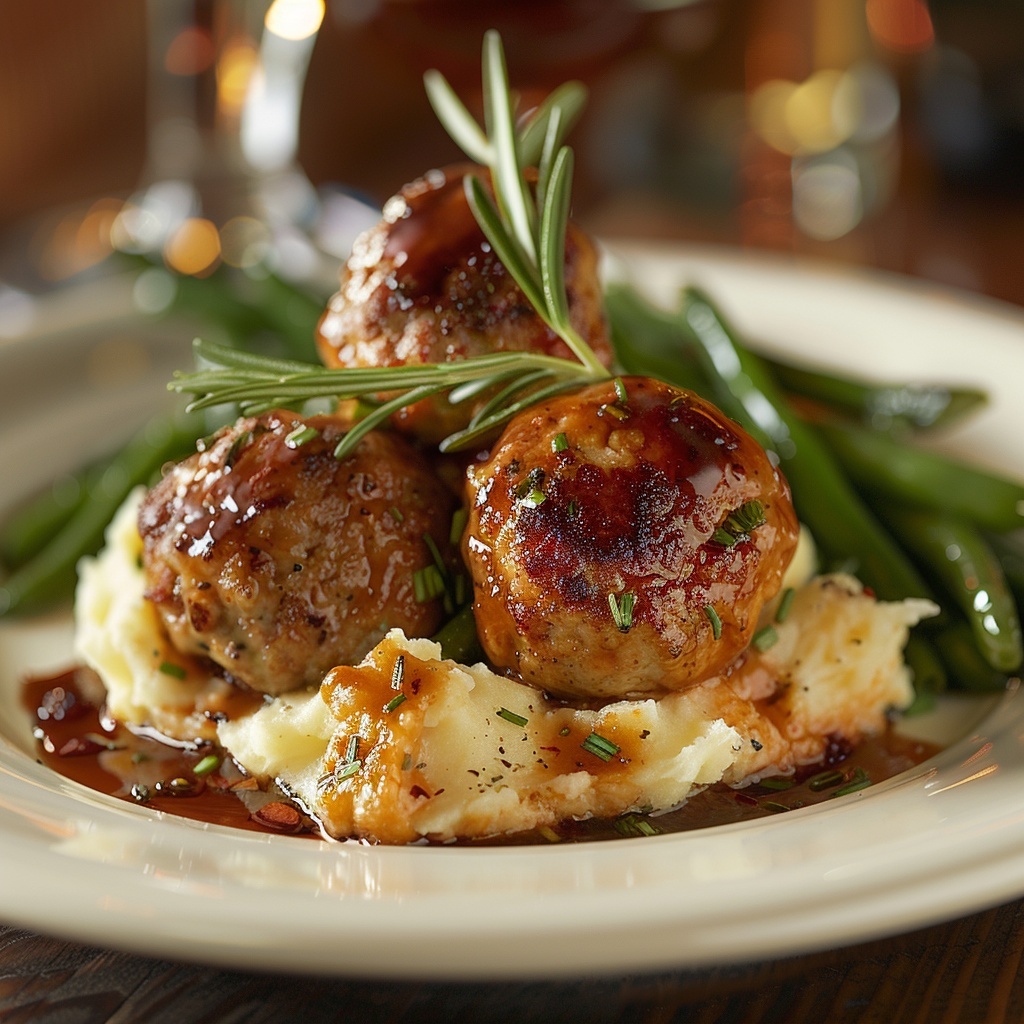
Turkey Meatballs
Ingredients
Equipment
Method
- Preheat your oven to 400°F and line a large baking sheet with parchment paper or a silicone mat.
- In a large mixing bowl, combine the breadcrumbs and milk, stirring until the breadcrumbs are fully soaked. Let it sit for about 5 minutes.
- Add the beaten eggs, grated Parmesan, minced garlic, chopped parsley, oregano, basil, salt, pepper, and onion powder to the breadcrumb mixture. Stir until combined.
- Gently add the ground turkey to the mixture and mix until just combined; do not overwork the meat.
- Roll the mixture into meatballs about 1½ inches in diameter and place them on the prepared baking sheet.
- Bake in the preheated oven for 20-25 minutes until golden brown and cooked through (internal temperature should reach 165°F).
- (Optional) For additional flavor, transfer baked meatballs to a pot of simmering marinara sauce and let them simmer for 15-20 minutes.