
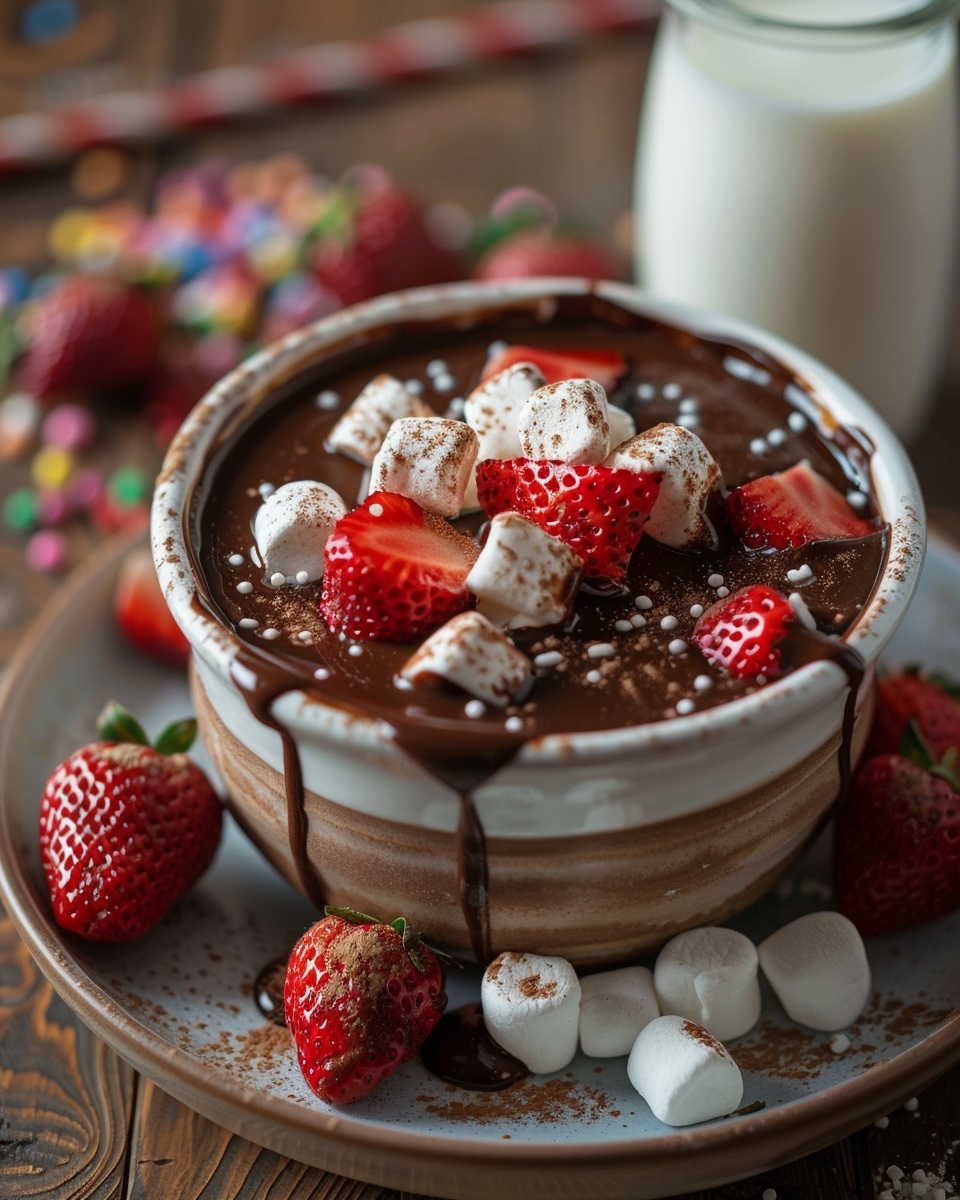
Introduction
I’ll never forget the first time I made chocolate fondue for my husband on Valentine’s Day. We were broke college students, and I wanted to do something special without spending a fortune. I melted some chocolate chips in a small pot, cut up some strawberries, and called it a date night. He loved it. That simple dessert became our tradition, and now I make it every year with better chocolate and fancier dippers.
Valentine’s Day calls for something sweet and romantic. It’s the one day when chocolate isn’t just allowed—it’s expected. But instead of buying another box of store-bought truffles, why not make Valentine’s chocolate fondue? It turns dessert into an experience. You and your partner can dip strawberries, chat, laugh, and enjoy each other’s company. It works for a party too. Everyone gathers around the fondue pot, trying different combinations and having fun.
I’m Sarah, and I’ve been creating desserts for nearly 15 years. I love recipes that look impressive but don’t require a culinary degree. Chocolate fondue fits that description perfectly. It’s easy to make, hard to mess up, and always gets compliments. I’ve taught dozens of friends how to make it, and they all say the same thing: “I can’t believe it’s this simple.”
In this article, I’ll walk you through everything you need to know about making the perfect Valentine’s chocolate fondue. You’ll learn which chocolate types work best and why quality matters. I’ll share preparation tips that save time and stress. And I’ll cover the most common mistakes people make so you can avoid them. By the end, you’ll feel confident making this romantic dessert for any special occasion.
Why Valentine’s Chocolate Fondue is a Must-Try Dessert
The Magic of Chocolate Fondue
Chocolate fondue feels special. There’s something about warm, melted chocolate that makes any moment feel more indulgent. Maybe it’s the glossy appearance or the rich aroma that fills the room. Or maybe it’s because you get to eat dessert with your hands, which always makes food taste better.
The romantic angle is obvious. You’re sharing food, feeding each other, and taking your time. It’s not a rushed dessert you gobble down in three bites. Chocolate fondue encourages you to slow down and enjoy the moment. That’s what Valentine’s Day should be about anyway.
But here’s what really makes chocolate fondue amazing: its versatility. You’re not stuck with one flavor or texture. Fresh strawberries give you something juicy and tart. Marshmallows add a soft, sweet contrast. Pretzels bring in a salty crunch. Pound cake or brownies make it extra decadent. You can even get creative with cookies, dried fruit, or graham crackers. Everyone finds something they like.
I once served chocolate fondue at a small gathering with six different dippers. My friend who doesn’t like fruit went straight for the pretzels. Another friend made little strawberry-marshmallow combos. Someone else stacked pound cake and banana slices. The variety kept everyone interested and gave us something to talk about between bites.
What Kind of Chocolate is Best for Fondue?
This question comes up every time I mention making fondue. People assume any chocolate works, but that’s not quite true. The type of chocolate you choose affects both flavor and texture.
High-quality chocolate makes a huge difference. Skip the generic chocolate chips if you can. They often contain stabilizers that prevent smooth melting. Look for real chocolate bars or high-quality baking chocolate instead. The ingredient list should be short: cocoa, cocoa butter, sugar, and maybe vanilla or lecithin.
Now let’s talk about chocolate types:
- Dark chocolate offers a rich, intense flavor with less sweetness. It pairs beautifully with fresh fruit because the tartness balances the cocoa. Look for dark chocolate with 60-70% cocoa content. Anything higher than 70% might taste too bitter for some people.
- Milk chocolate is sweeter and creamier. Kids love it, and many adults prefer its softer flavor. It goes well with salty dippers like pretzels or potato chips. Yes, potato chips in chocolate fondue are incredible.
- Semi-sweet chocolate sits right in the middle. It has enough cocoa to taste sophisticated but enough sugar to please most palates. This is my go-to choice when I don’t know everyone’s preferences. It’s the safest bet for mixed groups.
You can also mix chocolate types. I sometimes combine dark and milk chocolate for a custom flavor. Start with equal parts and adjust based on taste. This gives you control over sweetness and intensity.
Pay attention to cocoa content percentages on the package. Higher percentages mean more cocoa and less sugar. A 55% chocolate tastes much sweeter than a 70% chocolate. For fondue, I recommend staying between 50-70% cocoa content. This range gives you great flavor without being too bitter or too sweet.
One more thing about chocolate quality: you’ll taste the difference. Cheap chocolate can taste waxy or artificial. Good chocolate tastes smooth and complex. You don’t need to spend a fortune, but buy the best chocolate your budget allows. Your taste buds will thank you.
Setting the Mood with Presentation
Chocolate fondue tastes good no matter how you serve it. But presentation takes it from good to memorable. I learned this lesson when I served fondue in a regular bowl at a party. It was fine, but not special. The next time, I used a fondue pot with long forks and arranged the dippers on a wooden board. People actually took photos before eating. Same chocolate, different experience.
The fondue pot itself matters. A traditional ceramic pot with a tea light underneath keeps chocolate warm throughout your meal. Electric fondue pots offer more temperature control. If you don’t have either, a small slow cooker on the warm setting works great. I’ve even used a heated serving dish in a pinch.
Make your presentation match the Valentine’s theme. Heart-shaped plates add a festive touch without much effort. Red napkins, pink serving platters, or rose petals scattered on the table create ambiance. Even simple white dishes can look romantic with the right lighting.
Here are some presentation ideas I’ve used successfully:
- Arrange dippers by color on a large platter—strawberries, orange slices, pineapple, and kiwi create a rainbow effect
- Use small individual bowls so each person has their own chocolate portion (less double-dipping, which some people appreciate)
- Stick fondue forks into a foam block covered with decorative paper for easy access
- Label dippers with small signs if you’re serving a variety—it helps shy guests know what they’re trying
- Light a few candles near the fondue station to create a warm glow
Don’t stress about making everything perfect. The goal is creating a cozy, inviting setup that encourages people to relax and enjoy themselves. I once served fondue on mismatched plates because I ran out of matching ones, and nobody cared. The chocolate was good, the company was great, and that’s what mattered.
Think about the flow of your fondue station too. Put the chocolate in the center where everyone can reach it easily. Arrange dippers around the pot in a circle. Have extra napkins within arm’s reach because chocolate drips. These small details make the experience smoother and more enjoyable for everyone.


Preparing Your Valentine’s Chocolate Fondue
Once you’ve decided on your presentation style, it’s time to actually make the chocolate fondue. This is where a lot of people get nervous, but I promise it’s easier than you think.
Step-by-Step Guide to Making Fondue
The basic process involves melting chocolate and combining it with cream. That’s it. No complicated techniques or special equipment required. I make this in a regular saucepan on my stovetop, and it comes out perfect every time.
Start by chopping your chocolate into small, even pieces. Smaller pieces melt faster and more uniformly. I usually break or chop a chocolate bar into chunks about the size of chocolate chips. This takes maybe three minutes, and it prevents hot spots that can burn the chocolate.
Pour heavy cream into your saucepan—about one cup of cream for every eight ounces of chocolate. Place it over medium-low heat. The key word here is low. High heat is chocolate’s enemy. It causes the chocolate to seize up into a grainy, clumpy mess that no amount of stirring will fix.
Heat the cream until you see tiny bubbles forming around the edges. Not a rolling boil, just gentle bubbles. Remove the pan from heat and add your chopped chocolate. Let it sit for a minute without touching it. This gives the chocolate time to start melting from the residual heat.
After a minute, start stirring gently with a wooden spoon or silicone spatula. The chocolate will gradually incorporate into the cream, creating a smooth, glossy mixture. Keep stirring until everything is completely combined and you don’t see any chunks. This usually takes two to three minutes of patient stirring.
Can I Just Melt Chocolate for Fondue?
Technically, yes. You can melt chocolate by itself. But should you? Not really. Here’s why.
Plain melted chocolate becomes too thick and clumpy for dipping. It hardens quickly and doesn’t coat your dippers nicely. I learned this the hard way during my early fondue attempts. I melted chocolate chips in the microwave, thinking I was being efficient. The chocolate was stiff and weird. Strawberries came out with a thick, uneven coating that tasted waxy.
Adding cream or butter solves this problem completely. The fat from dairy keeps the chocolate smooth and flowing. It prevents something called seizing, which happens when chocolate gets too hot or comes into contact with small amounts of water. Seized chocolate looks curdled and grainy—basically ruined.
Heavy cream is my first choice because it has high fat content and adds a luxurious texture. Whole milk works in a pinch, but the fondue will be slightly thinner. Some people use half-and-half as a middle ground. Butter is another option, especially if you want a richer flavor. Use about two tablespoons of butter per eight ounces of chocolate.
The cream also helps maintain the right consistency as the fondue sits in your pot. Without it, the chocolate cools and thickens too quickly. Your guests end up with hard chocolate chunks instead of smooth dipping sauce. Not exactly the romantic vibe you’re going for on Valentine’s Day.
By the way, if you accidentally let your chocolate get too thick, you can thin it out by stirring in a little more warm cream. Add it one tablespoon at a time until you reach the consistency you want. I keep a small pot of warm cream on the stove just in case I need to make adjustments.
Getting the Right Consistency
The perfect chocolate fondue flows like thick honey. It should coat your dipper generously without being so thin that it drips everywhere. Think of ganache consistency—smooth, pourable, but substantial.
If your fondue seems too thick, add more cream gradually. If it’s too thin, melt in a bit more chocolate. I usually keep extra chopped chocolate nearby for this purpose. The beauty of fondue is that you can adjust as you go. It’s pretty forgiving.
Temperature plays a huge role in consistency. Keep your fondue warm but not hot. If you’re using a fondue pot with a tea light, that’s usually perfect. Too much heat will cause the chocolate to scorch and develop a burnt taste. Too little heat and it becomes thick and difficult to dip.
Here’s a simple test: dip a strawberry and let the excess drip off. The chocolate should fall off in a smooth stream and leave an even coating on the fruit. If it drips off completely or forms clumps, something’s off with your consistency.
Can You Make Chocolate Fondue in Advance?
Short answer: yes, but with some caveats. I make fondue ahead of time when I’m hosting larger gatherings and need to prep multiple dishes. It saves stress and lets me actually enjoy the party instead of standing over the stove while everyone else has fun.
Make your Valentine’s chocolate fondue according to the recipe, then let it cool to room temperature. Transfer it to an airtight container and refrigerate. It’ll keep for up to three days without any issues. The chocolate solidifies in the fridge, which is completely normal and expected.
When you’re ready to serve, you have a couple reheating options. The stovetop method works best in my experience. Scoop the solidified fondue into a saucepan and warm it over low heat, stirring constantly. Add a splash of cream if it seems thicker than you remember. This gentle reheating brings back that smooth, flowing texture.
The microwave works too, though you need to be more careful. Use short intervals—fifteen to twenty seconds at a time—and stir between each interval. Microwaves create hot spots that can burn chocolate before you realize what’s happening. Patience is essential here.
Funny enough, reheated fondue sometimes tastes even better than fresh. The flavors have time to meld together. My husband actually prefers leftover fondue reheated the next day, which works out great because I often make extra.
One challenge with advance preparation is that chocolate can develop a thin white film called bloom. This happens when fat or sugar crystals rise to the surface during temperature changes. It looks weird but doesn’t affect taste or safety. The bloom disappears once you reheat the fondue anyway.
Don’t try to keep fondue warm for hours before serving. It’ll get crusty around the edges and lose its silky texture. Make it fresh or make it in advance and reheat it—those are your best options. The middle ground just creates mediocre fondue.
Pairing Ideas for Dipping
This is the fun part. Choosing dippers lets you customize your fondue experience based on what you and your Valentine enjoy. I always put out more variety than I think we’ll need because trying different combinations is half the fun.
Fresh fruit is the classic choice for good reason. Strawberries are the Valentine’s Day standard—they’re sweet, juicy, and look beautiful dipped in chocolate. Leave the stems on for easy holding. Bananas offer a creamy texture that complements chocolate perfectly. Cut them into thick slices so they don’t fall off the fork. Pineapple chunks bring tropical sweetness and a slight acidity that cuts through rich chocolate. Apple slices stay crisp and add a refreshing crunch. Orange segments work surprisingly well, especially with dark chocolate.
Baked goods make fondue more substantial. Pound cake cubes are absorbent and soak up chocolate beautifully. Brownies create chocolate-on-chocolate decadence. Shortbread cookies add buttery richness. Angel food cake provides a light, airy contrast. I sometimes serve Christmas sugar cookies left over from holiday baking—they work great year-round for dipping.
Salty options create that addictive sweet-and-salty combination. Pretzels are my personal favorite. The salt crystals against smooth chocolate taste incredible. Potato chips might sound strange, but trust me on this. Ridged chips hold more chocolate. Bacon is another savory option that chocolate lovers adore. Cook it extra crispy, cut it into bite-sized pieces, and watch it disappear.
Marshmallows are a must-have at my house. The soft, pillowy texture against warm chocolate reminds me of s’mores. Large marshmallows work better than small ones because they’re easier to spear with fondue forks.
Here’s the thing about dippers—you don’t need to overthink it. Put out what you enjoy eating. I’ve served fondue at casual gatherings where we dipped graham crackers and at fancier dinners with dried apricots and biscotti. Both were hits because people liked the food.
Want something similar for other holidays? The dipping concept works year-round. I make fondue for Halloween parties using Halloween cupcakes cut into quarters as dippers. For summer cookouts after making Fourth of July burgers, I set up a dessert fondue station with seasonal fruit. Even Easter ham dinners end with chocolate fondue and spring berries at my house.
Consider dietary restrictions if you’re serving guests. Some people can’t have nuts, so skip the nut-covered options or label them clearly. Fresh fruit works for most diets. Keep a few gluten-free dippers available if needed.
The best approach is putting out six to eight different dippers and letting people create their own favorite combinations. This variety keeps things interesting and ensures everyone finds something they love dipping into that warm, silky chocolate.


Avoiding Common Chocolate Fondue Mistakes
I’ve made plenty of fondue disasters over the years. There was the time I scorched an entire batch because I got distracted by a phone call. Another time, my chocolate separated into a greasy mess that looked more like an oil spill than dessert. These failures taught me valuable lessons that I’m going to share with you so you don’t waste good chocolate like I did.
What Are Common Chocolate Fondue Mistakes?
The biggest mistake people make is using cheap, low-quality chocolate. I get it—chocolate can be expensive, and you’re melting it anyway, so why does quality matter? Well, inferior chocolate contains fillers, stabilizers, and hydrogenated oils that don’t melt smoothly. You end up with a grainy, waxy texture that no amount of stirring will fix. I once grabbed a bag of bargain chocolate chips from the discount bin, thinking I was being smart. The fondue tasted artificial and left a weird film in my mouth. My husband politely ate one strawberry and suggested we order pizza instead.
Stick with real chocolate that lists cocoa butter as an ingredient. Check the label before buying. Real chocolate contains cocoa solids, cocoa butter, sugar, and maybe vanilla or lecithin. If you see palm oil, vegetable oil, or artificial flavoring high on the ingredient list, put it back. Those additives don’t belong in fondue. The taste difference between real chocolate and chocolate-flavored coating is enormous, especially when chocolate is the star of your dessert.
Understanding basic nutrition basics can help you make better ingredient choices too. Quality chocolate contains beneficial compounds from cacao, while heavily processed versions lose those natural properties. You don’t have to buy the most expensive artisan chocolate, but invest in something decent. Your Valentine’s dessert deserves it.
Another common error is overheating the chocolate. High heat causes chocolate to seize, which means it suddenly clumps up and becomes grainy instead of smooth. This happens because the proteins in chocolate coagulate when exposed to excessive heat, similar to scrambled eggs. I’ve watched people crank their burner to high, trying to speed up the melting process. Five minutes later, they’re staring at a ruined pot of chocolate wondering what went wrong.
Always use low heat. Always. I can’t stress this enough. Patience is your friend when making fondue. If you’re using a double boiler, make sure the water underneath barely simmers. For stovetop methods, medium-low heat is your maximum setting. The chocolate should melt gradually and gently. Rushing this step almost guarantees disaster.
Here’s what to do if your chocolate does seize up: don’t panic. Sometimes you can save it by adding warm cream one tablespoon at a time while stirring vigorously. The liquid helps relax the proteins and bring everything back together. This doesn’t work every time, but I’ve rescued several batches this way. If the chocolate is completely ruined—like, really grainy and separated—you’re better off starting over. Painful, I know, but trying to fix hopeless chocolate wastes more time than beginning fresh.
Water is chocolate’s secret enemy. Even a single drop can cause problems. Make sure all your utensils are completely dry before using them. Steam from a double boiler can create condensation that drips into your chocolate, so keep the heat low enough that you don’t get excessive steam. I wipe down my spatula and bowl with a dry towel before starting, just to be safe.
Skipping emulsifiers or fat is another mistake that leads to thick, unworkable fondue. Some people try melting plain chocolate without adding cream, butter, or any kind of fat. The result is chocolate that’s too thick for dipping and hardens almost immediately. I covered this earlier, but it’s worth repeating because I still see people trying to skip this step.
Cream provides the fat needed to keep chocolate flowing smoothly. The ratio matters too. Too much cream makes your fondue soupy and thin. Too little leaves it thick and paste-like. The standard ratio is one cup of cream to eight ounces of chocolate, but you can adjust slightly based on your chocolate’s cocoa content. Higher cocoa percentages sometimes need a bit more cream.
Not stirring constantly during melting causes hot spots and uneven texture. Chocolate at the bottom of your pan can burn while chocolate on top remains solid. Stir gently but continuously once you add the chocolate to warm cream. Use a figure-eight pattern to ensure everything gets incorporated evenly. This takes maybe three minutes of your time and prevents so many problems.
Using the wrong type of fondue pot or warming method creates temperature issues. If your heat source is too strong, the chocolate scorches. If it’s too weak, the chocolate cools and thickens before your guests finish dipping. Tea light candles under ceramic pots usually provide just the right amount of gentle heat. Electric fondue pots with temperature controls are even better because you can dial in the exact setting you need.
By the way, if you don’t own fondue equipment, a small slow cooker on the warm setting works perfectly. I’ve also used a heat-proof bowl placed over a warming tray. Get creative with what you have. The key is maintaining consistent gentle heat throughout your meal.
Not preparing your dippers properly leads to messy, frustrating dipping experiences. Wash and thoroughly dry fresh fruit. Moisture on strawberries causes chocolate to slide right off instead of coating the fruit. Cut items into bite-sized pieces that are easy to spear with fondue forks. Giant chunks of cake fall apart. Tiny pieces are hard to manage. Find that middle ground where items are substantial enough to hold together but small enough to eat in one or two bites.
Forgetting to account for chocolate’s temperature sensitivity ruins your timing. Making fondue three hours before serving means it’ll be cold and solid by the time guests arrive. Keeping it on high heat for extended periods causes it to scorch or develop an unpleasant burnt taste. Make your fondue shortly before serving, or prepare it in advance and reheat it properly. Timing matters more than people realize.
One mistake I made early on was not making enough fondue. Eight ounces of chocolate seems like a lot until you have four people enthusiastically dipping everything in sight. The pot empties fast. For two people, eight ounces is plenty. For four to six people, double the recipe. You can always save leftovers, but running out of chocolate halfway through kills the mood.
Here’s something people rarely think about: serving fondue too hot burns mouths. I learned this after biting into a chocolate-covered marshmallow that was basically molten lava inside. Let dipped items cool for a few seconds before eating. Warn your guests, especially kids, that the chocolate is hot. A burned tongue puts a damper on any romantic evening.
Not having backup supplies nearby creates unnecessary stress. Keep extra cream, chocolate, and dippers within reach. If your fondue gets too thick, you can thin it out immediately. If you run out of strawberries, you’ve got more fruit ready to go. This preparation lets you relax and enjoy the experience instead of running back and forth to the kitchen.
Ignoring chocolate types and their flavor profiles means missing opportunities for amazing taste combinations. Dark chocolate with raspberries tastes completely different from milk chocolate with pretzels. Both are delicious, but they create distinct experiences. Experiment with different chocolates and dippers to find your favorites. That’s part of the fun.
Last mistake worth mentioning: taking fondue too seriously. Yes, technique matters. Yes, quality ingredients improve results. But fondue is supposed to be fun and relaxing. If your chocolate isn’t perfectly smooth or your presentation isn’t Instagram-worthy, so what? You’re sharing warm chocolate with someone special. That’s what counts. I’ve had imperfect fondue experiences that created better memories than flawless ones because we laughed at the mishaps and enjoyed ourselves anyway.
If you’re looking for more special occasion recipes beyond Valentine’s Day, I’ve gathered plenty of ideas over the years. Check out holiday and event recipes that work year-round for celebrations both big and small. Fondue adapts beautifully to any festive gathering where you want something interactive and memorable.
Making chocolate fondue isn’t complicated, but avoiding these common mistakes ensures your Valentine’s chocolate fondue turns out beautifully every time. Learn from my errors so you don’t have to make them yourself. Your first batch might not be perfect, and that’s completely okay. Each time you make fondue, you’ll get better at reading the chocolate’s consistency and adjusting on the fly.
Conclusion
The beauty of Valentine’s chocolate fondue isn’t just the taste—it’s the experience of slowing down, sharing something sweet, and creating a moment that feels special. Quality chocolate, gentle heat, and a variety of dippers are really all you need to pull off this romantic dessert. Don’t overthink it, have fun with the process, and remember that even imperfect fondue shared with someone you care about beats store-bought candy any day.
FAQ Section
What kind of chocolate is best for fondue?
High-quality chocolate with real cocoa butter works best for smooth, delicious fondue. Look for dark chocolate with 60-70% cocoa content, or semi-sweet chocolate if you prefer something sweeter. Avoid chocolate chips with stabilizers since they don’t melt as smoothly. Milk chocolate works great for a sweeter fondue that pairs well with salty dippers. You can also mix different chocolate types to create a custom flavor profile that matches your preferences.
Can I make chocolate fondue in advance?
Yes, you can make fondue up to three days ahead and store it in an airtight container in the refrigerator. When you’re ready to serve, reheat it gently on the stovetop over low heat, stirring constantly. Add a splash of warm cream if the consistency seems thicker than before. You can also reheat it in the microwave using fifteen-second intervals, stirring between each one. The flavors actually improve slightly after sitting, so advance preparation often yields even better results.
Can I just melt chocolate for fondue?
You shouldn’t melt chocolate alone because it becomes too thick and clumpy for dipping. Plain melted chocolate hardens quickly and doesn’t coat dippers nicely. Adding heavy cream or butter keeps the chocolate smooth and flowing at the right consistency. Use about one cup of cream per eight ounces of chocolate for best results. The fat in dairy prevents seizing and maintains that silky texture throughout your meal.
What are common chocolate fondue mistakes?
The most common mistakes include using low-quality chocolate with fillers and stabilizers, overheating the chocolate which causes it to seize and become grainy, and skipping the cream or butter that keeps it smooth. Other errors involve getting water in the chocolate, not stirring enough during melting, and using heat sources that are too hot or too cold. Making these mistakes results in chocolate that’s thick, clumpy, or burnt instead of silky and delicious. Following proper technique with quality ingredients prevents most problems.
How do I fix chocolate fondue that’s too thick?
Add warm heavy cream one tablespoon at a time, stirring well after each addition until you reach the desired consistency. Make sure the cream is warm so it incorporates smoothly without cooling the chocolate too much. If you don’t have cream, whole milk or even a small amount of melted butter works in a pinch. Keep your fondue over gentle heat while making these adjustments. The chocolate should flow like thick honey when it’s the right consistency for dipping.
What dippers work best with chocolate fondue?
Fresh strawberries are the classic choice, but bananas, pineapple chunks, apple slices, and orange segments all work beautifully. Pound cake cubes, brownies, marshmallows, and cookies provide different textures and flavors. Pretzels and potato chips offer an addictive sweet-and-salty combination that many people love. The best approach is offering six to eight different options so everyone finds something they enjoy. Mix fruits, baked goods, and salty items for maximum variety.
How long does chocolate fondue stay good in the refrigerator?
Properly stored chocolate fondue lasts three to four days in an airtight container in the refrigerator. The chocolate will solidify completely, which is normal and expected. When you’re ready to use it again, reheat it gently over low heat on the stovetop. You might need to add a bit of cream to restore the original consistency. Don’t keep fondue at room temperature for more than two hours because the cream can spoil.
Can I use chocolate chips instead of chocolate bars?
Real chocolate bars melt much more smoothly than most chocolate chips, which contain stabilizers that prevent melting. If you must use chocolate chips, look for high-quality brands that list cocoa butter as the first fat ingredient. Avoid chips that contain palm oil or other vegetable oils. Better yet, buy a good chocolate bar and chop it into small pieces yourself. The extra two minutes of prep time makes a noticeable difference in texture and taste.
What temperature should I keep chocolate fondue at while serving?
Chocolate fondue should stay warm but not hot—around 120-140°F is ideal. This temperature keeps it flowing smoothly without scorching or burning. A fondue pot with a tea light candle usually maintains the perfect temperature automatically. If using an electric fondue pot, set it to the lowest warming setting. The chocolate should be just warm enough to coat your dippers nicely without being hot enough to burn anyone’s mouth.
How much fondue do I need per person?
Plan on about two to three ounces of chocolate per person for a dessert portion. For two people, eight ounces of chocolate with one cup of cream makes plenty. For four to six guests, double that recipe to sixteen ounces of chocolate. If fondue is your main dessert at a party, you might want to increase these amounts slightly. It’s better to have leftovers than to run out, and leftover fondue reheats beautifully for another occasion.
Valentine's Chocolate Fondue
Ingredients
Equipment
Method
- Chop the chocolate into small, even pieces.
- Pour the heavy cream into a saucepan and place it over medium-low heat.
- Heat until small bubbles form around the edges, but do not bring to a rolling boil.
- Remove the pan from heat and add the chopped chocolate; let it sit for 1 minute.
- Stir gently with a wooden spoon or silicone spatula until the mixture is smooth and glossy.
- If the fondue is too thick, gradually stir in warm cream to reach desired consistency.
- Serve immediately with dippers.