
Introduction
I’ll never forget the first time I walked into my grandmother’s kitchen on a cold Sunday afternoon. The smell of Meatloaf Classic baking in the oven hit me like a warm hug. That savory aroma mixed with a hint of tomato and spices made my mouth water instantly. She’d pull that beautiful loaf from the oven with its caramelized glaze on top, and we’d all gather around the table like it was a holiday feast.
That’s the magic of meatloaf. It’s not fancy or complicated, but it holds so many memories for so many people. This humble dish has been on American dinner tables for generations. It brings families together without breaking the bank or requiring hours of prep work.
Today, I want to share everything I’ve learned about making the perfect Meatloaf Classic. We’ll explore its rich history and what makes it such a beloved comfort food. I’ll walk you through the best ingredients and techniques that turn simple ground meat into something special. Whether you’re a first-time cook or looking to perfect your recipe, this guide covers it all. By the end, you’ll understand why this dish has stood the test of time and how to make it shine in your own kitchen.
What Makes Meatloaf Classic So Special?
There’s something about a good meatloaf that feels like home. Maybe it’s the way it fills your kitchen with those comforting smells. Or how one dish can feed your whole family without a fuss. Whatever the reason, this recipe has earned its place as an American classic.
The History of Meatloaf Classic
Meatloaf didn’t start in America, which might surprise you. The idea of mixing ground meat with fillers and baking it dates back centuries. Ancient Romans had a version with bread soaked in wine. Germans brought their own take when they immigrated to the United States in the 1800s.
But the traditional meatloaf recipe we know today really took off during the Great Depression. Families needed to stretch their food budgets, and meatloaf was perfect for that. You could use less expensive cuts of meat and bulk it up with breadcrumbs, oats, or crackers. Nothing went to waste.
The post-World War II era saw meatloaf become a true American staple. Cookbooks featured it prominently. TV dinners included it. Mom made it every week. The recipe evolved with regional twists and personal touches, but the core stayed the same: homemade meatloaf was simple, filling, and reliable.
By the 1950s and 60s, nearly every household had their own version. Some families topped theirs with ketchup. Others used tomato sauce or brown gravy. The beauty of this dish is that it adapts to what you have on hand. That flexibility helped it survive changing food trends and economic ups and downs.
Why Meatloaf Classic is a Family Favorite
I make meatloaf at least twice a month, and there’s good reason for that. First, it’s incredibly budget-friendly. Ground beef costs less than most cuts of meat, and you’re stretching it with other ingredients. A single loaf can feed six people easily, with leftovers for sandwiches the next day.
The best meatloaf recipe for beginners is also surprisingly forgiving. Unlike a steak that can overcook in seconds, meatloaf gives you more wiggle room. The mixture holds together well, and the long baking time means you’re less likely to mess it up. I’ve taught several friends to cook using meatloaf as their starting point.
Here’s what makes it work so well for families:
- One pan does all the work – less cleanup after dinner
- Kids usually love it because the flavors are mild and familiar
- You can prep it ahead and refrigerate until baking time
- Leftovers taste great cold or reheated
- It pairs with almost any side dish you can think of
Another reason families keep coming back to this dish is its comfort factor. When life gets stressful or the weather turns cold, meatloaf feels like a solution. It’s hearty and satisfying without being heavy. The texture is tender, and the flavors are warm and savory.
I also love that meatloaf doesn’t demand your constant attention. Once you mix the ingredients and shape the loaf, it bakes on its own. You can help kids with homework, fold laundry, or just relax. That hands-off cooking time makes busy weeknights so much easier.
What Are the Key Ingredients in a Traditional Meatloaf?
Understanding classic meatloaf ingredients helps you build a solid foundation for any recipe. The basic components haven’t changed much over the decades because they work so well together.
Ground meat forms the base. Most people use ground beef with about 80-85% lean meat. Too lean and your loaf will be dry. Too fatty and it’ll shrink too much. Ground beef gives you the best flavor, but some cooks mix in ground pork or veal for extra richness.
Binder ingredients hold everything together. Breadcrumbs are most common, but crushed crackers or oats work great too. You need something that absorbs moisture and creates structure. I usually use plain breadcrumbs because they let the other flavors shine through.
Eggs act like glue in your mixture. They bind the meat and fillers together so your loaf doesn’t fall apart when you slice it. Most recipes call for one or two eggs depending on how much meat you’re using.
Liquid keeps the meatloaf moist. Milk is traditional, but beef broth, tomato juice, or even water can work. The liquid soaks into your breadcrumbs and prevents a dry, crumbly texture.
Aromatics and seasonings bring the flavor. Diced onions are essential in my book. Garlic adds depth. Salt and pepper are obvious, but don’t skip them. Many recipes include Worcestershire sauce for that savory umami kick. Some add mustard, herbs, or even hot sauce depending on their taste.
Topping gives you that signature glazed finish. A simple mixture of ketchup and brown sugar is classic. Some people prefer barbecue sauce or tomato paste. This layer caramelizes in the oven and adds a sweet-tangy contrast to the savory meat.
Here’s a quick reference table for basic proportions:
| Ingredient | Amount (for 2 lbs meat) |
|---|---|
| Ground beef | 2 pounds |
| Breadcrumbs | 3/4 cup |
| Eggs | 2 large |
| Milk or broth | 1/2 cup |
| Onion (diced) | 1 medium |
| Salt | 1 teaspoon |
| Pepper | 1/2 teaspoon |
These ingredients create the foundation, but don’t be afraid to adjust based on what you like. The beauty of meatloaf is that it welcomes experimentation while staying true to its comforting roots.


How to Make the Perfect Meatloaf Classic
Now that you understand what goes into this dish, let’s get our hands dirty and actually make one. I’ve made plenty of meatloaves that turned out dry, dense, or just plain boring. But after years of trial and error, I’ve figured out exactly what works. The good news? Once you nail down these techniques, you’ll be making Meatloaf Classic like a pro every single time.
Step 1: Choosing the Right Ingredients
Here’s the thing about ingredient quality—it really does matter, but you don’t need to break the bank either. When I’m at the grocery store picking out meat for ground beef meatloaf, I look for that sweet spot of 80/20 or 85/15. That first number is your lean meat percentage, and the second is fat. You need that fat for flavor and moisture. I learned this the hard way when I tried making a “healthy” version with 93% lean beef. The result was basically a brick.
Funny enough, my butcher once told me that the meat labeled “ground chuck” usually hits that perfect ratio naturally. It comes from the shoulder area and has just enough marbling to keep things juicy. Ground round works too, though it’s a bit leaner. Some folks swear by mixing different meats—like half beef and half ground pork—and honestly, that combination does create an incredibly tender texture. The pork adds this subtle sweetness that pairs beautifully with the meatloaf seasoning blend.
When it comes to your binder, freshness counts more than you’d think. Stale breadcrumbs absorb liquid differently than fresh ones, which can throw off your entire texture. I usually make my own by tossing a few slices of bread in the food processor. Takes maybe thirty seconds, and you get better control over the coarseness. If you’re using store-bought, go for the plain variety—those Italian-seasoned ones can overpower your carefully balanced flavors.
Your aromatics deserve attention too. A crisp, firm onion will release moisture as it cooks, keeping everything tender. I dice mine pretty fine, maybe a quarter-inch, because nobody wants to bite into a huge chunk of onion in their meatloaf. Fresh garlic beats the jarred stuff every time. Those three cloves you mince up will perfume the whole loaf with flavor that powder just can’t match.
One ingredient people often overlook is the liquid component. Whole milk gives you the richest result because of the fat content, but I’ve successfully used everything from almond milk to leftover coffee (yes, really—the coffee adds depth without tasting like coffee). The key is making sure whatever liquid you choose is at room temperature. Cold milk straight from the fridge can firm up the fat in your meat, making it harder to mix evenly.
Step 2: Mixing and Shaping Your Meatloaf
This step is where most people mess up, including my past self. The number one rule for perfect meatloaf texture tips? Don’t overmix. Treat that meat mixture like you’re handling something delicate, because you kind of are. When you work ground meat too much, you develop the proteins and create a dense, tough texture. Think of the difference between a tender hamburger and a hockey puck—same concept applies here.
What I do is break the meat into chunks in a large bowl, then add all my other ingredients on top. Before I even start combining things, I use a fork to lightly break up the eggs and distribute them a bit. Then I use my hands—there’s really no better tool—and fold everything together with a gentle touch. My method involves spreading my fingers wide and lifting from the bottom, kind of like you’re folding cake batter. You want to see the ingredients just come together with maybe a few small streaks of unmixed meat still visible. That’s your cue to stop.
By the way, if you’re wondering how to shape meatloaf evenly, here’s my trick: I don’t use a loaf pan anymore. I shape mine freeform on a rimmed baking sheet lined with parchment paper. This allows the fat to drain away from the meat instead of sitting in it, and you get this beautiful caramelization on all sides. Plus, you’re not stuck with that weird waterlogged bottom piece nobody wants to eat.
When shaping, I pat the mixture into a loaf that’s roughly 9 inches long, 5 inches wide, and about 3 inches tall. These dimensions aren’t random—they give you a shape that cooks evenly all the way through. If your loaf is too wide and flat, the edges dry out before the center cooks. Too tall and narrow, and you’ll wait forever for the middle to reach a safe temperature while the outside turns to leather.
Here’s a question I get asked constantly: How do I prevent my meatloaf from being too dry or too dense? The answer comes down to three things. First, don’t use meat that’s too lean—we covered that already. Second, make sure you’re adding enough moisture-holding ingredients like breadcrumbs soaked in milk. Third, and this is crucial, don’t pack the mixture too tightly when shaping. You want it to hold together, sure, but it should feel slightly loose, almost like it might fall apart but doesn’t. That looseness translates to tenderness after baking. If you’ve ever made a Creamy Chicken Alfredo and noticed how the texture comes out better when you don’t compress the chicken, it’s the same principle—gentle handling preserves tenderness.
One more tip for texture: let your mixed meat rest in the fridge for about 20 minutes before shaping if you have the time. This allows the breadcrumbs to fully hydrate and helps all the flavors meld together. It also firms up the fat slightly, making the mixture easier to shape without falling apart.
Step 3: Baking Your Meatloaf Classic
Getting the oven-baked meatloaf temperature right is simpler than you might think, but there’s definitely a science to it. I preheat my oven to 350°F, which is that Goldilocks zone where the outside develops a nice crust without burning before the inside cooks through. Some recipes call for higher temperatures, but I’ve found those tend to cause the exterior to overcook while you’re waiting for the center to finish.
The meatloaf cooking time guide I follow is about 55 to 65 minutes for a 2-pound loaf. But here’s what matters more than time: internal temperature. You absolutely need a meat thermometer for this—guessing doesn’t work. You’re looking for 160°F in the very center of the loaf. At that temperature, the meat is fully cooked, safe to eat, and still juicy. If you push it to 170°F or beyond, you’ll have that dry, crumbly texture we’re trying to avoid.
I insert my thermometer horizontally from the side, aiming for the thickest part of the loaf. Make sure you’re not hitting the bottom of the pan, which will give you a false reading. When it hits 155°F, I usually pull it out and tent it with foil—the temperature will coast up those last five degrees while it rests, and you’ll have perfect results every time.
Someone asked me recently: Should I cover my meatloaf while it bakes? Generally, no. You want that exposed surface so it can develop a caramelized crust, especially where your glaze is. However, if you notice the top browning too quickly—usually after about 40 minutes—you can loosely tent some aluminum foil over it for the remaining baking time. This slows down the browning without steaming the meat, which would make it soggy.
Speaking of glaze, I apply mine in two stages for maximum flavor. About 15 minutes before the meatloaf is done, I brush on half of my ketchup mixture. This first layer gets sticky and caramelized. Then, right when it comes out of the oven, I brush on the rest. That second application stays glossy and gives you both textures—the cooked-down sweetness and the fresh tangy brightness. It’s similar to how you might layer flavors when making something like Baked Chicken Parmesan, where timing your toppings makes all the difference.
After your meatloaf comes out, and I cannot stress this enough, let it rest for at least 10 minutes before slicing. This resting period allows the juices to redistribute throughout the meat instead of running all over your cutting board. I know it’s tempting to dive right in when it smells that good, but patience pays off with cleaner slices and better texture. While it rests, those internal juices thicken slightly, which helps each slice hold together beautifully.
One trick I picked up from making dishes like Beef Lasagna is using a thin metal spatula to gently lift and transfer your slices. Meatloaf, even perfectly made, can be a bit delicate right after cutting. That wide, thin spatula gives you the support you need without the slice falling apart halfway to the plate. And if you’re serving this for a family dinner, presentation matters—nobody wants a pile of crumbled meat, even if it tastes amazing.


Creative Twists on Meatloaf Classic
After you’ve mastered the traditional version, that’s when the real fun begins. I remember the first time I got adventurous with my Meatloaf Classic—I stuffed it with mozzarella and wrapped it in bacon. My husband looked at me like I’d lost my mind, but after one bite? He asked me to never make the plain version again. That’s the beauty of this dish—it’s a blank canvas that welcomes your creativity.
Adding Unique Flavors to Your Meatloaf
Let’s talk about the cheesy meatloaf recipe that changed everything for me. Instead of just mixing cheese into the meat, try creating a cheese layer right through the middle. Here’s how I do it: shape half your meat mixture into a rectangle on your baking sheet, then lay down a thick line of shredded cheddar or mozzarella down the center. Top with the remaining meat and seal the edges completely. When you slice into it, you get this gorgeous melted cheese pull that makes everyone at the table gasp.
Another variation that blew my mind came from my neighbor who’s originally from Greece. She makes what she calls “Mediterranean meatloaf” by mixing in crumbled feta, chopped sun-dried tomatoes, fresh oregano, and a handful of chopped spinach. The feta adds this salty, tangy punch that completely transforms the flavor profile. She serves it with tzatziki sauce instead of ketchup glaze, and honestly, it’s spectacular. Sometimes I’ll toss in some pine nuts for extra texture—they get these little toasted pockets throughout that add a wonderful crunch.
For those who like a bit of heat, spicy meatloaf variations are where it’s at. I’ve experimented with adding everything from diced jalapeños to crushed red pepper flakes. My current favorite involves mixing in some chipotle peppers in adobo sauce—maybe two peppers, finely chopped, plus a tablespoon of that smoky sauce they come in. The smokiness pairs beautifully with beef, and the heat level is just enough to make things interesting without overwhelming anyone. You could also swap your regular ketchup glaze for a mixture of sriracha and honey. That sweet-spicy combo caramelizes into something absolutely addictive.
Bacon makes everything better, and meatloaf is no exception. Beyond just mixing crumbled bacon into the meat, try weaving bacon strips over the top before baking. It’s easier than it sounds—just lay strips across the loaf perpendicular to each other, weaving them over and under like a lattice pie crust. As it bakes, that bacon renders out, crisps up, and basically bastes the meatloaf in its own juices. The result is this incredible crispy-chewy topping that adds both flavor and visual appeal.
Fresh herbs can completely elevate your meatloaf from good to restaurant-quality. I’m talking about fresh parsley, thyme, or rosemary—not the dried stuff sitting in your cabinet since 2019. A quarter cup of chopped fresh parsley brightens everything up. Fresh thyme adds this earthy note that makes the whole dish smell like you’ve been cooking for hours. Rosemary is strong, so go easy—maybe a tablespoon of finely chopped leaves. Just remember to chop herbs super fine so you don’t get these big woody pieces that are unpleasant to bite into.
Here’s something I tried recently that sounds weird but absolutely works: adding a tablespoon of espresso powder to the meat mixture. I know, I know—coffee in meatloaf? But it doesn’t make it taste like coffee. Instead, it deepens all the savory flavors, kind of like how a pinch of cinnamon enhances chocolate. It’s one of those secret ingredients that makes people ask, “What’s in this? It tastes amazing but I can’t quite put my finger on it.”
For a lighter option that aligns with a heart healthy diet, consider using ground turkey or chicken instead of beef, and swapping breadcrumbs for oats. You’ll want to add an extra tablespoon of olive oil to the mixture since poultry is leaner, but the end result can be just as satisfying. I’ve even made a version using half ground turkey and half lean ground beef, which gives you the best of both worlds—the familiar beefy flavor with a lighter texture.
Serving Suggestions for Meatloaf Classic
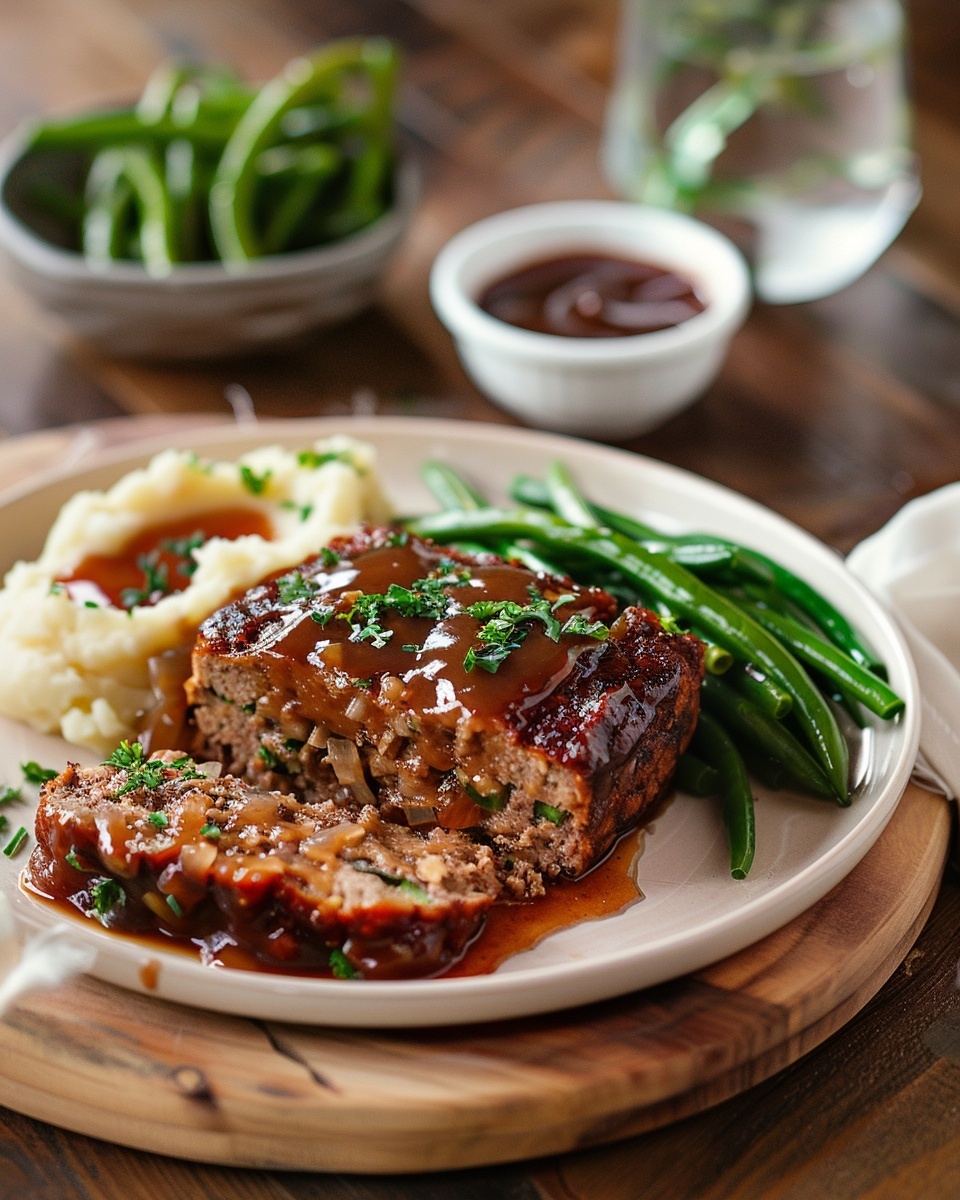
Figuring out what sides go best with a classic meatloaf depends on the vibe you’re going for, but I’ve got some combinations that never fail me. The most traditional pairing in my house is creamy mashed potatoes and green beans. There’s something about that trifecta that just feels right—the rich, savory meat, the smooth buttery potatoes, and the bright snap of the beans. It’s comfort food at its finest.
By the way, if you’re making mashed potatoes, don’t skimp on the butter and cream. I learned from my aunt that the secret to restaurant-quality mashed potatoes is using way more butter than seems reasonable, plus heating your dairy before mixing it in. Cold milk will make your potatoes gluey. Warm cream makes them fluffy and luscious. For two pounds of potatoes, I use a stick of butter and half a cup of heavy cream. Your cardiologist might not approve, but your taste buds definitely will.
Roasted vegetables are another fantastic option for meatloaf dinner ideas. I usually toss whatever’s in season with olive oil, salt, and pepper, then roast them at 425°F until they get those caramelized edges. Carrots, Brussels sprouts, bell peppers, zucchini—they all work beautifully. The roasting brings out their natural sweetness, which balances the savory richness of the meatloaf. Plus, it’s all hands-off cooking once they’re in the oven, which means less stress for you.
Mac and cheese alongside meatloaf might sound like carb overload, but honestly? Sometimes that’s exactly what you need. I’m not talking about the box stuff either—make a simple stovetop version with sharp cheddar and a little bit of gruyere. The creamy, cheesy pasta complements the meatloaf perfectly, especially if you’ve made one of those spicier versions I mentioned earlier. The richness of the mac and cheese actually helps cool down the heat.
For a lighter approach, a simple mixed green salad with a tangy vinaigrette cuts through the richness of the meatloaf beautifully. I make mine with spring greens, sliced red onion, cherry tomatoes, and a dressing of olive oil, red wine vinegar, Dijon mustard, and a touch of honey. That acidic, bright flavor profile cleanses your palate between bites and keeps the meal from feeling too heavy. Sometimes I’ll toss in some toasted walnuts or pecans for crunch.
Cornbread is another side that pairs wonderfully, especially if you’ve made a meatloaf with southwestern flavors. The slight sweetness of the cornbread plays off the savory meat, and the textures work really well together. I like mine with a generous spread of butter and a drizzle of honey. It turns the meal into something that feels like a proper Southern dinner, even if you’re nowhere near the South.
Here are some other best sides for meatloaf that work great:
- Garlic bread for soaking up any extra glaze
- Coleslaw for a crunchy, tangy contrast
- Baked sweet potatoes with butter and cinnamon
- Sautéed mushrooms and onions
- Buttered egg noodles tossed with fresh parsley
- Roasted garlic cauliflower mash for a low-carb option
One combination I stumbled upon by accident has become a family favorite: serving meatloaf slices over a bed of creamy polenta. I know that sounds fancy, but polenta is literally just cornmeal cooked in broth with butter and parmesan stirred in at the end. It’s dead simple and creates this restaurant-style presentation that makes a weeknight dinner feel special. The soft, creamy polenta underneath the sliced meatloaf with that glossy glaze on top? It’s a beautiful thing.
If you’re looking for more inspiration and want to explore different main dish recipes that pair well with similar sides, there are endless possibilities to make your dinner table more exciting without completely reinventing the wheel.
Don’t forget about the leftovers either. Cold meatloaf makes an incredible sandwich the next day. I pile it on toasted bread with lettuce, tomato, and mayo, sometimes with a slice of cheddar. My dad used to eat his meatloaf sandwiches with ketchup and pickles, which I thought was weird until I tried it. Now I get it—that tangy crunch from the pickles is perfect with the rich meat.
So there you have it—meatloaf isn’t just a one-note dish you make the same way every time. It’s adaptable, forgiving, and ready for whatever creative spin you want to put on it. Whether you stick with the traditional version that’s been comforting families for generations or venture into cheesy, spicy, or herb-filled territory, you’re working with a solid foundation that’s hard to mess up. The key is making it your own and serving it with sides that make the whole meal feel complete. Trust your instincts, experiment with flavors you love, and don’t be afraid to break the rules a little. That’s how the best recipes are born.
FAQ Section
Can I freeze leftover meatloaf?
Absolutely, and it freezes beautifully. Let your cooked meatloaf cool completely, then wrap individual slices or the whole loaf tightly in plastic wrap followed by aluminum foil. Properly wrapped meatloaf can last up to three months in the freezer. I usually slice mine before freezing so I can pull out individual portions as needed. When you’re ready to eat it, thaw overnight in the refrigerator and reheat gently in the oven or microwave. The texture holds up remarkably well.
How do I reheat meatloaf without drying it out?
The trick to reheating meatloaf is adding moisture and using low heat. Place your slices in an oven-safe dish and add a few tablespoons of beef broth or water around them—not on top, just in the dish. Cover tightly with foil and reheat at 250°F for about 20 minutes. The steam created keeps everything moist while the low temperature prevents overcooking. For the microwave, cover your plate with a damp paper towel and heat in 30-second intervals. Don’t rush it with high heat or you’ll end up with rubber.
Is it possible to make meatloaf gluten-free?
Yes, it’s super easy to make gluten-free meatloaf. Simply replace regular breadcrumbs with gluten-free breadcrumbs, crushed gluten-free crackers, or rolled oats that are certified gluten-free. The proportions stay exactly the same as a traditional recipe. I’ve made it with almond flour before too, using about half the amount since it’s denser than breadcrumbs. Just make sure to check that all your other ingredients, like Worcestershire sauce, are also gluten-free since some brands contain hidden gluten.
What’s the secret to a flavorful meatloaf glaze?
The secret is balancing sweet, tangy, and savory elements, then applying it in stages. My go-to ratio is two parts ketchup to one part brown sugar with a splash of apple cider vinegar and a dash of Worcestershire sauce. Mix it smooth, then brush half on about 15 minutes before the meatloaf finishes baking so it caramelizes. Apply the remaining glaze right when it comes out of the oven for a glossy finish. That two-layer approach gives you complexity—both cooked-down sweetness and fresh bright flavor in every bite.
Can I make meatloaf ahead of time?
Making meatloaf ahead is actually a great strategy for busy weeknights. Mix and shape your loaf, place it on your baking sheet, then cover it tightly with plastic wrap and refrigerate for up to 24 hours before baking. This resting time allows the flavors to meld together beautifully. You can also freeze the uncooked shaped loaf for up to two months. When you’re ready to cook it from frozen, add about 15-20 minutes to the baking time and check the internal temperature carefully.
Why does my meatloaf fall apart when I slice it?
This usually happens for one of three reasons: not enough binder, not enough eggs, or cutting it too soon. Make sure you’re using the right proportions of breadcrumbs and eggs—they act as glue holding everything together. Also, letting your meatloaf rest for at least 10 minutes after baking is crucial. During that rest, the juices redistribute and the structure firms up significantly. If you’re still having trouble, try adding an extra egg or increasing your breadcrumbs by a quarter cup.
What meat combination works best for meatloaf?
The classic combination that many chefs swear by is half ground beef and half ground pork. The beef provides that robust meaty flavor while the pork adds tenderness and a subtle sweetness. Some people add ground veal to create a “meatloaf mix,” which makes an incredibly tender result. If you’re using all beef, stick with 80/20 ground chuck. For a lighter option, try half ground beef and half ground turkey, though you’ll want to add a tablespoon of olive oil to compensate for the leaner meat.
How do I know when my meatloaf is done without a thermometer?
While a meat thermometer is really the most reliable method, you can check doneness by pressing the center of the loaf with your finger. If the juices run clear and not pink or red, and the meat springs back rather than feeling mushy, it’s likely done. Another old-school method is inserting a knife into the center and holding it there for five seconds—if it comes out hot to the touch on your wrist, the meatloaf is cooked through. That said, I strongly recommend getting an instant-read thermometer since they’re inexpensive and take the guesswork out completely.
Can I cook meatloaf in a slow cooker?
You definitely can, though the texture will be different since you won’t get that caramelized exterior. Shape your meatloaf to fit your slow cooker, place it on a foil sling for easy removal, and cook on low for 6-8 hours or high for 3-4 hours. The internal temperature should still reach 160°F. One trick is to finish it under the broiler for 5 minutes to get some color and caramelization on top. Slow cooker meatloaf tends to be incredibly moist and tender, though some people miss that crispy glazed crust you get from oven baking.
What can I substitute for breadcrumbs in meatloaf?
There are tons of options depending on what you have on hand. Crushed crackers—saltines, Ritz, or even club crackers—work perfectly and add a nice buttery flavor. Quick-cooking oats are another great choice that adds texture and holds moisture well. I’ve used crushed corn flakes for a slightly sweet, crunchy element. For a low-carb version, try almond flour or crushed pork rinds. Even cooked rice or quinoa can work as a binder, though you’ll need slightly more since they don’t absorb as much liquid as breadcrumbs.
Meatloaf Classic
Ingredients
Equipment
Method
- Preheat your oven to 350°F (175°C).
- In a large bowl, break the ground beef into chunks and add breadcrumbs, diced onion, eggs, milk, salt, and pepper.
- Use a fork to lightly break the eggs and distribute before gently mixing everything together by hand.
- Shape the mixture into a freeform loaf on a lined baking sheet, about 9 inches long, 5 inches wide, and 3 inches tall.
- Brush half of the ketchup and brown sugar mixture on top of the meatloaf.
- Bake in the preheated oven for 55 to 65 minutes, or until the internal temperature reaches 160°F (71°C).
- About 15 minutes before it's done, brush on the remaining glaze.
- Once out of the oven, let the meatloaf rest for at least 10 minutes before slicing.
Nutrition
Notes
Feel free to experiment with seasonings; adding herbs or swapping the glaze will personalize your meatloaf.
Leftover meatloaf makes great sandwiches the next day; consider adding pickles for a complementary crunch.