
Introduction
I still remember the first time I came home from school on a cold Tuesday afternoon and smelled chili mac bubbling away on the stove. My mom had thrown together ground beef, tomatoes, macaroni, and cheese in one pot. The whole house smelled amazing. That single dish turned a regular weeknight into something special. Since then, I’ve been hooked on comfort food that warms you from the inside out.
Chili mac holds a special place in my heart because it delivers everything you want in one bowl. It’s hearty enough to fill up hungry kids after soccer practice. It’s easy enough to make on a busy weeknight. And it’s versatile enough to customize based on what’s in your pantry or who you’re feeding.
This guide will walk you through everything you need to know about this classic comfort dish. You’ll learn how to make easy chili mac and cheese from scratch in under 30 minutes. I’ll share variations like vegetarian chili mac for plant-based eaters and chili mac with leftover chili when you have extras from taco night. We’ll also answer common questions like whether chili mac is really a Midwest thing and how it differs from goulash. By the end, you’ll have all the tools to make this dish your own.
What is Chili Mac?
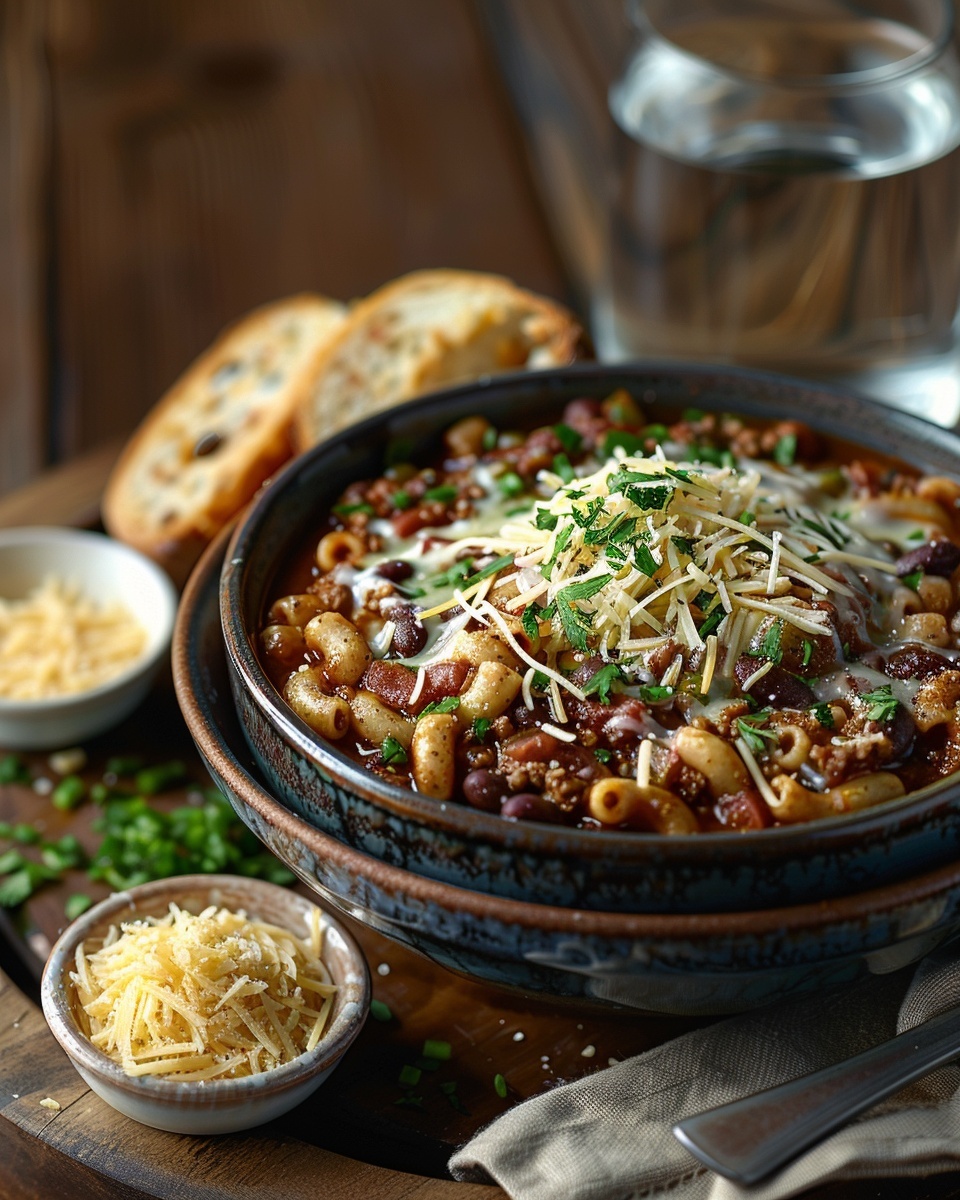
At its core, chili mac combines three simple elements: chili, macaroni pasta, and cheese. Think of it as the perfect marriage between two comfort food classics. You get the spicy, savory goodness of chili mixed with tender pasta and melted cheese that brings everything together.
The beauty of this dish lies in its simplicity. Most versions start with ground beef browned in a skillet or pot. You add onions, garlic, and your favorite chili seasonings like cumin and chili powder. Tomatoes and tomato sauce create the base. Then you stir in cooked elbow macaroni and top it with shredded cheddar cheese. Some people make it as a chili mac casserole that bakes in the oven. Others prefer an easy chili mac skillet recipe that comes together in one pan on the stovetop.
You might wonder about the difference between this dish and others that seem similar. What’s the difference between goulash and chili mac? This question comes up a lot because both dishes feature ground beef, tomatoes, and macaroni. The main difference is in the seasoning and origin. Goulash typically uses paprika and has Hungarian roots. It often includes more vegetables like bell peppers. Chili mac uses traditional chili spices like cumin, chili powder, and sometimes cayenne pepper. It has a distinctly American Southwest flavor profile that sets it apart.
Another question people ask: Is chili mac a Midwest thing? While this dish is popular across the United States, it does have strong ties to Midwestern cooking. Many families in states like Ohio, Michigan, and Wisconsin grew up eating it as a regular weeknight meal. The combination of affordable ingredients and one-pot convenience made it perfect for busy farming families. That said, you’ll find versions of this dish everywhere from Texas to Tennessee. Military families also embraced it because it’s easy to make in quantity and feeds a crowd without breaking the bank.
Some people grew up eating Kraft chili mac from a box. The packaged version introduced many kids to this flavor combination. While convenient, homemade versions give you more control over ingredients and taste far better. You can adjust the spice level, add extra vegetables, or skip ingredients like beans if you prefer chili mac no beans.
Why You’ll Love This Dish
I make chili mac at least twice a month because it checks every box for busy weeknight cooking. It comes together in one pot, which means less cleanup after dinner. Most recipes take 30 minutes or less from start to finish. You probably already have most ingredients in your pantry right now.
The hearty nature of this dish means everyone leaves the table satisfied. My teenage son can eat two bowls and still have room for seconds. The combination of protein from the meat, carbs from the pasta, and richness from the cheese creates a filling meal that sticks with you. On cold winter nights, nothing beats a steaming bowl of easy chili mac and cheese.
Customization is another huge advantage. You can easily adapt the basic recipe to fit different dietary needs and preferences. For meatless Monday, try vegetarian chili mac using black beans or plant-based crumbles instead of ground beef. Got leftover chili from last night’s dinner? Turn it into chili mac with leftover chili by simply adding cooked pasta and cheese. This flexibility means you can make the dish work for your family.
The convenience factor cannot be overstated. You can make this on the stovetop as an easy chili mac skillet recipe when you need dinner fast. Prep it ahead as a chili mac casserole that bakes while you help kids with homework. Even throw everything into a chili mac slow cooker in the morning and come home to dinner ready to eat. These options make it perfect for different schedules and cooking styles.
If you’re new to cooking or intimidating by complicated recipes, this dish is your friend. The steps are straightforward. Brown meat, add seasonings and tomatoes, stir in pasta, top with cheese. That’s it. No fancy techniques required. No expensive ingredients needed. Just simple, honest cooking that produces delicious results every single time.
Many home cooks appreciate how budget-friendly this meal is too. Ground beef costs less than steak or chicken breasts. Pasta is cheap and shelf-stable. A can of tomatoes and basic spices round out the recipe. You can feed a family of four for under ten dollars. When grocery prices keep climbing, meals like this become even more valuable.
The dish also reheats beautifully, making it perfect for meal prep or leftovers. I often double the recipe and pack individual portions for lunches throughout the week. Just add a splash of water or broth when reheating to loosen the sauce. The flavors actually improve after sitting overnight as the spices blend together.


How to Make Chili Mac: Step-by-Step Guide
Now that you understand why this dish works so well, let’s get into the kitchen and actually make it. I’ll walk you through several methods so you can pick the one that fits your schedule.
Classic Stovetop Method
The stovetop version is my go-to when I need dinner on the table fast. Start by grabbing your largest skillet or a Dutch oven. Heat it over medium-high heat and add about a pound and a half of ground beef. Break it up with a wooden spoon as it browns. This takes maybe five minutes. Once the meat loses its pink color, drain off most of the fat but leave a tablespoon or so for flavor.
Toss in a diced onion and cook until it gets soft and translucent. Add three or four minced garlic cloves. The smell at this point is already incredible. Now comes the seasoning. I use two tablespoons of chili powder, a tablespoon of cumin, a teaspoon of paprika, and half a teaspoon of cayenne if I want some kick. Salt and pepper too, obviously. Stir everything together and let those spices toast for about thirty seconds. This step makes a huge difference in the final flavor.
Pour in a can of diced tomatoes with their juices and a can of tomato sauce. Some people add a cup of beef broth at this point for extra richness. Bring everything to a simmer and let it bubble away for ten minutes. Meanwhile, cook your elbow macaroni according to the package directions. I usually use about two cups of dry pasta. Drain it when it’s done.
Here’s where you combine everything. Add the cooked pasta right into your chili mixture. Stir it all together. Now sprinkle two cups of shredded cheddar cheese on top. I like sharp cheddar because it has more personality than mild. Put a lid on the skillet and let it sit off the heat for a couple minutes. The cheese melts into a gorgeous gooey layer. When you serve it, that first scoop with the stretchy cheese is pure comfort food magic.
By the way, if you’re making chili mac with leftover chili, the process gets even simpler. Just heat up your leftover chili in a pot. Cook your pasta separately. Combine them together and add fresh cheese on top. This shortcut saves time and uses up those containers taking up space in your fridge. I actually prefer using leftover chili sometimes because the flavors have already had time to develop overnight.
Slow Cooker Option
Funny enough, I resisted trying chili mac slow cooker style for years because I thought pasta would get mushy. Turns out I was wrong. The trick is adding the pasta during the last thirty minutes of cooking rather than at the beginning.
In the morning before work, brown your ground beef in a skillet and drain it. This extra step prevents greasy results. Transfer the meat to your slow cooker. Add your diced onions, garlic, tomatoes, tomato sauce, spices, and a cup of beef broth. Give it a good stir. Set your slow cooker on low and let it work its magic for six to eight hours.
About half an hour before dinner time, cook your macaroni on the stove until it’s just barely tender. Drain it and stir it into the slow cooker. Add your cheese too. Put the lid back on for those final thirty minutes. The pasta finishes cooking in the sauce and absorbs all those amazing flavors without turning to mush.
This method creates incredibly deep, rich flavors because everything simmers together for hours. The spices meld in a way that quick cooking just can’t match. When I open the slow cooker after a long day, the aroma that hits me rivals anything from a restaurant. It’s similar to how a beef lasagna develops layers of flavor when it bakes low and slow.
The slow cooker method also means you can prep everything the night before. Brown your meat, chop your vegetables, and measure your spices. Store them in containers in the fridge. In the morning, dump everything in the slow cooker and turn it on. Takes maybe five minutes of actual work.
Vegetarian Twist
My daughter went vegetarian last year, which forced me to get creative with vegetarian chili mac. Here’s the thing: you need to replace the meat with something that provides substance and protein. Black beans work beautifully. So do pinto beans or kidney beans. I usually use two cans of beans, drained and rinsed.
Start by sautéing onions, bell peppers, and garlic in olive oil. Add extra vegetables like diced zucchini or corn for more texture and nutrition. Then add your spices, tomatoes, and beans. Let everything simmer together for fifteen minutes. The beans soak up the spices and become little flavor bombs.
Lentils make another excellent protein substitute. Brown or green lentils hold their shape better than red ones. Use about a cup of dry lentils and add an extra cup of vegetable broth. They’ll need to simmer for twenty-five minutes until tender. Lentils give the dish a hearty, almost meaty texture that satisfies even confirmed carnivores.
You can also try plant-based ground meat alternatives. Brands like Beyond or Impossible work well in this recipe. Cook them exactly like you would regular ground beef. My kids honestly can’t tell the difference when everything’s mixed together with pasta and cheese. The strong chili spices mask any subtle flavor differences.
For the cheese in vegetarian versions, I stick with regular cheddar. But if you’re going fully vegan, nutritional yeast mixed with cashew cream creates a surprisingly good cheese sauce. It won’t stretch and melt exactly like real cheese, but the flavor hits that savory, slightly tangy note you’re looking for.
Exploring Variations
Once you master the basic recipe, the variations become endless. That’s what keeps this dish interesting even after making it dozens of times.
The chili mac casserole version turns everything into a baked dish that feeds a crowd. Mix your cooked chili, cooked pasta, and half the cheese together in a large baking dish. Top with the remaining cheese and bake at 350 degrees for twenty-five minutes until everything bubbles and the cheese browns on top. Sometimes I add crushed tortilla chips or breadcrumbs on top for crunch. This presentation looks more impressive when you have guests over, kind of like how a traditional meatloaf classic becomes more elegant when you glaze and bake it properly.
The chili mac recipe pioneer woman inspired version includes bacon and uses a combination of different cheeses. Ree Drummond’s approach adds Monterey Jack along with cheddar for extra creaminess. She also stirs in sour cream at the end, which adds tanginess and makes the sauce incredibly smooth. I tried her method last month and the sour cream really does elevate things.
For those who prefer chili mac no beans, simply leave them out. Some people have strong feelings about beans in chili, and that’s totally fine. The dish works perfectly well without them. You might want to add a bit more meat or vegetables to make up for the bulk that beans provide. Extra diced tomatoes or some sliced mushrooms work nicely.
I’ve also experimented with different pasta shapes beyond elbow macaroni. Shells catch the sauce in their little pockets. Rotini spirals hold onto the meat and cheese. Even small penne works. Just avoid anything too large or delicate. You want sturdy pasta that can stand up to the hearty sauce, similar to choosing the right pasta for creamy chicken alfredo where texture matters.
Another variation I love involves adding a can of green chiles and using pepper jack cheese instead of cheddar. This creates a Southwestern flavor profile with extra heat. Top it with sliced jalapeños, cilantro, and a dollop of sour cream when serving. Suddenly you’ve transformed the basic dish into something with restaurant-quality flavor complexity, almost as sophisticated as shrimp scampi but without the fancy price tag.
Some families add unexpected ingredients that become their signature touch. I know someone who stirs in a spoonful of cocoa powder for depth. Another friend adds a splash of Worcestershire sauce. My neighbor puts in a can of corn because her kids love the sweetness. These personal touches make the recipe your own.


Common Questions About Chili Mac
Every time I share this recipe with friends or mention it online, certain questions pop up repeatedly. Let me clear up some of the confusion around this dish because honestly, some of these myths have been floating around for way too long.
Why was chili mac discontinued? This question always makes me chuckle because the dish itself was never discontinued. What people are usually remembering is specific store-bought versions like certain frozen dinners or the boxed Kraft chili mac mix that came and went from shelves over the years. Hormel used to make a canned version called Chili Mac that some grocery stores stopped carrying in certain regions. Kraft had their own spin on it too that occasionally disappears from certain markets depending on demand. Here’s the thing though: these packaged versions come and go based on sales numbers and regional preferences. The actual homemade dish never went anywhere. It’s been a staple in American kitchens for decades and continues strong today. If you’re missing a particular brand you grew up with, making it from scratch actually tastes better anyway and lets you control exactly what goes into your food.
Is chili mac a Midwest thing? We touched on this earlier, but it’s worth expanding. Yes, the Midwest embraced this dish wholeheartedly, especially during the mid-twentieth century when one-pot meals became essential for busy farming families. States like Ohio, Indiana, Michigan, and Wisconsin all claim strong traditions around it. However, I’ve found versions of this dish in Texas diners, Tennessee potlucks, and California school cafeterias. Military families spread it across the country as they moved from base to base. Church cookbooks from the 1970s and 80s from all over America include at least one version. So while it might have Midwestern roots or strong associations with that region, calling it exclusively Midwestern wouldn’t be accurate. It’s become part of the broader American comfort food landscape, right up there with meatloaf and mac and cheese as dishes that transcend regional boundaries.
What is a chili mac? Sometimes people ask this because they genuinely haven’t encountered it before, which amazes me every time. At its simplest, chili mac combines chili and macaroni pasta with cheese melted throughout or on top. Think of it as a hybrid dish that takes the best elements from chili con carne and macaroni and cheese, then smashes them together into something that exceeds the sum of its parts. The ground beef provides protein and heartiness. The tomatoes and spices bring that signature chili flavor. The pasta adds comforting carbs that soak up all the sauce. And the cheese ties everything together with creamy, melty goodness. You can make it saucy or thick, spicy or mild, with beans or without. The core concept stays the same: pasta meets chili meets cheese in the most delicious way possible.
Tips for Perfect Chili Mac Every Time
After making this dish countless times, I’ve picked up tricks that make the difference between good and absolutely incredible. Small adjustments can elevate your easy chili mac and cheese from basic weeknight dinner to something people request by name.
First tip: don’t overcook your pasta. I know this sounds obvious, but it matters more here than in other pasta dishes. Cook your macaroni just until it’s al dente, maybe even slightly underdone. It’ll continue cooking when you mix it with the hot chili sauce. Mushy pasta ruins the texture of the whole dish. I set my timer for two minutes less than the package suggests, then taste-test. You want a little firmness in the center of each piece.
Second, layer your cheese instead of just dumping it all on top at once. I stir about half the cheese directly into the chili-pasta mixture while it’s still hot. This creates creaminess throughout the entire dish. Then I sprinkle the remaining cheese on top and let it melt into that gorgeous layer everyone fights over. This double-cheese method ensures every single bite has that cheesy goodness rather than just the top portions.
Here’s something I learned from my mom: add a splash of the pasta cooking water to your chili before combining everything. That starchy water helps the sauce cling to the pasta better and creates a silkier texture overall. Just reserve about half a cup before you drain your macaroni. Stir a few tablespoons into your chili and see how it transforms the consistency.
Don’t skimp on the spices. I’ve tasted versions where people got timid with the chili powder and cumin, and they end up bland and disappointing. You need bold seasoning to stand up to all that pasta and cheese. Taste your chili mixture before adding the pasta and adjust the seasonings. It should taste slightly overseasoned on its own because the pasta and cheese will mellow everything out. By the way, toasting your spices in the pan for thirty seconds before adding liquids makes an enormous difference in depth of flavor.
For extra richness, I sometimes add a tablespoon of butter at the very end. Just stir it through right before serving. It adds a subtle smoothness and makes the whole dish feel more luxurious. You could also try a dollop of cream cheese, which melts into the sauce and creates this velvety texture that takes things to another level.
Temperature matters too. Serve this dish hot, straight from the stove or oven. It loses something when it sits and cools down. The cheese firms up, the sauce thickens too much, and it just doesn’t have that same appeal. If you’re making it ahead, undercook it slightly and reheat gently with a splash of broth or milk to loosen everything back up.
Now let’s talk about what to serve alongside your chili mac casserole or skillet version. Honestly, this is such a complete dish that it doesn’t need much. But a simple green salad with vinaigrette cuts through the richness perfectly. The acidity and crunch provide nice contrast. I often throw together mixed greens, cherry tomatoes, cucumber, and a quick dressing of olive oil, vinegar, salt, and pepper. Takes five minutes and makes the meal feel more balanced.
Garlic bread is another classic pairing that I can’t resist. Something about the buttery, garlicky bread with the spicy, cheesy pasta just works. I buy a French baguette, slice it, spread butter mixed with minced garlic and parsley on each piece, and broil it for a few minutes. The crispy edges are perfect for scooping up extra sauce from the bottom of your bowl.
If you’re thinking about nutrition and creating more balanced dietary patterns, adding vegetables directly to the dish helps. I’ve stirred in diced bell peppers, corn, black beans, or even spinach. These additions boost the nutritional value without changing the fundamental character of the recipe. Kids often don’t even notice extra vegetables when everything’s coated in that flavorful sauce.
For drinks, I usually stick with simple options. Ice-cold milk for kids. Beer for adults if it’s a casual weekend dinner. Iced tea works great too. Nothing fancy needed because the food itself is the star.
One trick for meal prep: portion this into individual containers with tight lids. Each container becomes a grab-and-go lunch. Add a small container of extra cheese and some hot sauce on the side so you can customize when you reheat. I’ve taken these to work countless times and gotten envious looks from coworkers eating sad desk salads.
When you’re serving a crowd, keep the easy chili mac skillet recipe warm in a slow cooker set to the warm setting. Transfer everything after cooking and it’ll stay perfect for hours during a party or game day gathering. Set out toppings like sour cream, chopped green onions, sliced jalapeños, extra shredded cheese, and crushed tortilla chips so people can customize their bowls.
Final tip: trust your instincts and adjust recipes to your taste. Every family has different preferences for spice levels, cheese types, and ingredient combinations. The versions I’ve shared give you solid foundations, but the best chili mac and cheese tasty enough to become your signature dish is the one you’ve adapted to fit your family’s preferences. Whether you’re exploring more comfort food recipes for your weekly main dish rotation or just looking for something warm and satisfying tonight, this recipe has room for creativity and personalization.
Making this dish has taught me that comfort food doesn’t have to be complicated or require fancy ingredients. Sometimes the simplest combinations create the most memorable meals. Every time I make chili mac, whether it’s the stovetop version on a busy Tuesday or the slow cooker method for a lazy weekend, I’m reminded why this dish has stuck around for generations. It’s honest, filling, delicious food that brings people together around the table. Give it a try with the tips I’ve shared, make it your own, and I guarantee it’ll become a regular in your cooking rotation too.
Frequently Asked Questions
What’s the difference between goulash and chili mac?
The main difference comes down to seasoning and cultural origin. Goulash uses paprika as its primary spice and has Hungarian roots, often including bell peppers and sometimes sour cream. Chili mac relies on traditional chili spices like cumin, chili powder, and cayenne for a Southwestern American flavor profile. While both dishes feature ground beef, tomatoes, and macaroni, the taste is distinctly different. Goulash tends to be sweeter and milder, while chili mac brings more heat and that recognizable chili flavor.
Why was chili mac discontinued?
The dish itself was never discontinued. What people remember are specific packaged versions like certain Hormel canned products or boxed Kraft chili mac mixes that were pulled from some markets based on regional sales. Food manufacturers constantly adjust their product lines based on demand and profitability. Some stores stopped carrying particular brands while others still stock them. The homemade version has been continuously popular in American kitchens for decades and remains easy to make from scratch with better flavor than any packaged version.
What is a chili mac?
Chili mac is a comfort food dish that combines chili, macaroni pasta, and cheese into one hearty meal. It typically includes ground beef, tomatoes, chili seasonings like cumin and chili powder, elbow macaroni, and shredded cheddar cheese. You can make it as a stovetop skillet meal, baked casserole, or slow cooker dish. The combination creates a filling, flavorful dinner that’s especially popular in American home cooking. It’s basically the perfect marriage between chili con carne and macaroni and cheese.
Is chili mac a Midwest thing?
While chili mac has strong associations with Midwestern cooking, especially in states like Ohio, Michigan, and Wisconsin, it’s not exclusively a Midwest dish. The one-pot convenience made it popular with farming families in that region during the mid-twentieth century. However, the dish spread across America through military families, school cafeterias, and church cookbooks. You’ll find versions in Texas, Tennessee, California, and everywhere in between. It’s become part of the broader American comfort food tradition rather than remaining strictly regional.
Can I make chili mac ahead of time?
Absolutely. You can prepare the entire dish up to two days ahead and store it covered in the refrigerator. If you’re making a chili mac casserole, assemble everything but wait to add the final cheese topping until just before baking. For stovetop versions, store the completed dish in an airtight container and reheat gently on the stove with a splash of broth or milk to restore the creamy texture. The flavors actually improve overnight as everything melds together. Just avoid freezing it with the pasta already mixed in, as pasta doesn’t freeze well and can become mushy when thawed.
What’s the best cheese for chili mac?
Sharp cheddar is my top choice because it has bold flavor that stands up to the chili spices. Medium cheddar works too if you prefer milder taste. For extra creaminess, try combining cheddar with Monterey Jack or Colby Jack. Pepper Jack adds nice heat if you like things spicy. Avoid pre-shredded cheese if possible because it contains anti-caking agents that prevent smooth melting. Block cheese that you shred yourself melts better and creates that stretchy, gooey texture everyone loves. Whatever you choose, use at least two cups for a standard recipe serving four to six people.
How do I make vegetarian chili mac?
Replace the ground beef with two cans of beans like black, pinto, or kidney beans, or use cooked lentils for a meaty texture. Plant-based ground meat alternatives like Beyond or Impossible also work perfectly. Sauté extra vegetables like bell peppers, zucchini, or mushrooms to add substance and nutrition. Use vegetable broth instead of beef broth. Everything else stays the same: tomatoes, spices, pasta, and cheese. The bold chili seasonings ensure the vegetarian chili mac is just as flavorful and satisfying as the meat version. My daughter prefers the black bean version and doesn’t miss the beef at all.
How long does chili mac last in the fridge?
Properly stored in an airtight container, chili mac keeps well in the refrigerator for three to four days. Make sure to cool it completely before covering and refrigerating to prevent condensation that can make it watery. When reheating, add a splash of milk, broth, or water because the pasta absorbs liquid as it sits and the dish can dry out. Heat it gently on the stovetop over medium-low heat or in the microwave in short intervals, stirring between each. If it smells off or shows any signs of mold, throw it out.
Can I use different pasta shapes?
Definitely. While elbow macaroni is traditional, shells, rotini, penne, or cavatappi all work beautifully. Shells are great because they catch the sauce in their pockets. Rotini spirals hold onto the meat and cheese nicely. Just avoid delicate pasta like angel hair or very large shapes like rigatoni that don’t integrate as well with the sauce. Stick with sturdy, medium-sized shapes that can stand up to the hearty chili. Cook whatever shape you choose just until al dente so it doesn’t turn mushy when combined with the hot sauce.
What can I serve with chili mac?
Since chili mac is already a complete meal with protein, carbs, and cheese, it doesn’t need much on the side. A simple green salad with vinaigrette provides freshness and cuts through the richness. Garlic bread or cornbread makes a nice accompaniment for soaking up extra sauce. Steamed broccoli or roasted vegetables add nutrition if you want more veggies. For gatherings, set out toppings like sour cream, sliced green onions, jalapeños, extra cheese, and crushed tortilla chips so everyone can customize their bowls. Keep sides simple and let the main dish shine.
Chili Mac
Ingredients
Equipment
Method
- Brown ground beef in a large skillet or Dutch oven over medium-high heat for about 5 minutes, breaking it up as it cooks.
- Drain excess fat, leaving about 1 tablespoon for flavor.
- Add diced onion and cook until soft and translucent.
- Stir in minced garlic, chili powder, cumin, paprika, cayenne, salt, and pepper; toast spices for about 30 seconds.
- Pour in diced tomatoes, tomato sauce, and optional beef broth; bring to a simmer for 10 minutes.
- Cook elbow macaroni according to package directions; drain.
- Combine cooked pasta with the chili mixture; stir well.
- Sprinkle shredded cheddar cheese over the top and cover the skillet; let it sit off the heat for a few minutes to melt the cheese.