
Introduction
I still remember the first time I made stuffed shells in my tiny college apartment. The kitchen was barely big enough for two people, but there I was, determined to recreate my grandmother’s recipe. I burned the sauce, overstuffed half the shells until they split, and somehow managed to undercook the pasta. The kitchen looked like a cheese bomb had exploded. But when I finally sat down to eat, something magical happened. Despite my rookie mistakes, those shells tasted like home.
That night started my love affair with stuffed shells. I’ve been making them for over fifteen years now, and I still get excited every time I pull a bubbling pan from the oven. There’s something deeply satisfying about stuffing those pasta shells with creamy filling, covering them in sauce, and watching them transform into golden, cheesy perfection.
What I love most about stuffed shells is how forgiving they are. You can make them fancy for dinner parties or simple for busy weeknights. You can pack them with vegetables for a lighter meal or load them with meat for something hearty. I’ve made beef stuffed shells for my protein-loving husband, stuffed shells with spinach when I’m craving greens, and even stuffed shells taco style when we want Mexican flavors with an Italian twist.
The possibilities are endless. Want something rich and indulgent? Try cheesy stuffed shells or stuffed shells with cream cheese. Need a healthier option? Healthy stuffed shells loaded with vegetables work beautifully. Feeding picky eaters? Stuffed shells with chicken or stuffed shells with sausage usually win everyone over.
In this guide, I’m sharing everything I’ve learned about making perfect stuffed shells. You’ll discover multiple recipes to suit any taste or dietary need. I’ll walk you through classic fillings and creative variations. You’ll learn my best tips for avoiding common mistakes. And if you’ve ever wondered about things like whether you need eggs in the filling or if you have to pre-cook the pasta, I’ve got you covered.
Whether you’re making stuffed shells for the first time or the hundredth time, this guide will help you create a dish your family will request again and again. Trust me, once you master stuffed shells, they’ll become a regular in your dinner rotation.
What Goes Inside Stuffed Shells?
The filling is where stuffed shells really shine. This is your chance to get creative and make the dish your own. But before we explore fun variations, let’s start with the foundation that makes stuffed shells so beloved.
Classic Ricotta Filling
The traditional filling is simple but incredibly delicious. It starts with ricotta cheese, which gives you that creamy, slightly grainy texture that defines classic Italian comfort food. I mix it with shredded mozzarella for stretch and melt, plus grated Parmesan for a sharp, salty kick. Fresh herbs like parsley and basil add brightness. A pinch of garlic powder, salt, and pepper rounds everything out.
Here’s my go-to ratio for classic filling:
- 2 cups ricotta cheese
- 1 cup shredded mozzarella
- 1/2 cup grated Parmesan
- 2 tablespoons fresh parsley, chopped
- 1 egg (or skip it for eggless versions)
- 1 teaspoon garlic powder
- Salt and pepper to taste
The egg in traditional recipes acts as a binder. It helps everything stick together so your filling doesn’t fall apart when you bite into a shell. But here’s a secret many people don’t know: you don’t actually need it. I make stuffed shells ricotta no egg all the time for friends with egg allergies or those following vegan-adjacent diets.
For eggless stuffed shells, I add an extra tablespoon of grated Parmesan and make sure to really pack the filling into the shells. The cheese melts and binds everything together as it bakes. You can also add a tablespoon of cream cheese to help with binding. Some people use a flax egg or chia egg as a substitute, but I find that unnecessary. The filling holds together just fine without any egg replacement.
The beauty of ricotta filling is how easy it is to customize. Want more herbs? Add fresh basil or oregano. Like things spicy? Mix in red pepper flakes. Craving extra cheese? Go wild with more mozzarella. This base recipe is incredibly flexible.
Adding Proteins
While cheese-only stuffed shells are delicious, adding protein takes them to another level. Meat makes the dish heartier and more filling. It also changes the whole character of your meal.
Beef stuffed shells are my husband’s favorite. I brown a pound of ground beef with onions and garlic, then drain the fat. I season it with Italian herbs, salt, and pepper. Once it cools slightly, I mix it right into my ricotta filling. The beef adds a rich, savory flavor that pairs beautifully with marinara sauce. This version feels like a cross between lasagna and traditional stuffed shells. It’s perfect for feeding hungry teenagers or anyone who loves a meaty, substantial dinner.
The key with beef is draining it well. Too much grease makes your filling oily and can leak into your sauce. I also break up the meat into small pieces as it cooks. Large chunks don’t distribute evenly in the filling, and you might end up with some shells that are mostly cheese and others that are mostly meat.
Stuffed shells with sausage bring amazing flavor with less work. Italian sausage already contains fennel, garlic, and other seasonings. I remove the casings and cook the sausage until it’s crumbly and browned. Sweet Italian sausage makes the dish milder and family-friendly. Hot Italian sausage adds a spicy kick that I personally love. The fennel flavor in sausage gives your shells that authentic Italian restaurant taste.
I use about 3/4 pound of sausage mixed with my standard ricotta filling. This gives you plenty of meat flavor without overwhelming the cheese. Some people use all sausage and no extra seasoning, which works great too. The sausage is so flavorful that it carries the whole dish.
Stuffed shells with chicken offer a lighter alternative to beef or sausage. I usually cook chicken breasts, shred them, and season with Italian herbs. You can also use rotisserie chicken to save time. This is my favorite option when I want protein without the heaviness of red meat. The mild chicken flavor lets the cheese and herbs shine through.
One trick I learned: mix the shredded chicken with a bit of cream cheese or sour cream before adding it to the ricotta. This keeps the chicken moist and prevents dry, stringy filling. Chicken can dry out in the oven, so that extra moisture makes a big difference.
Each protein brings something different to stuffed shells. Beef makes them hearty and rich. Sausage adds bold Italian flavors. Chicken keeps things lighter while still satisfying. I keep all three options in my regular rotation depending on what my family is in the mood for.


Creative Twists on Stuffed Shells
Beyond the classic meat and cheese combinations, there’s a whole world of stuffed shell possibilities waiting for you. I love experimenting with different flavors and ingredients, and some of my best discoveries happened by accident.
Vegetarian Options
My sister went vegetarian about five years ago, which forced me to rethink how I made stuffed shells for family gatherings. That’s when I discovered that stuffed shells with spinach might actually be better than the original. I know that sounds bold, but hear me out.
Fresh spinach works beautifully in the filling. I sauté about two cups of chopped spinach with minced garlic until it wilts down. Then I squeeze out as much water as possible. This step is crucial because spinach holds a ton of moisture that will make your filling watery if you don’t remove it. I let it cool, then mix it into my ricotta base with extra mozzarella and Parmesan. The spinach adds this earthy flavor that balances the richness of the cheese. Plus, you get nutrients and that gorgeous green color speckled throughout.
Here’s the thing about spinach stuffed shells: they’re easier to eat than the heavy meat versions. I don’t feel like I need a nap after dinner. They’re satisfying without being overwhelming, which makes them perfect for warmer months when you still want comfort food but nothing too heavy.
Mushrooms are another vegetable that transforms stuffed shells. I dice baby bellas or cremini mushrooms really small, then sauté them until they release their moisture and turn golden brown. The umami flavor they add is incredible. Mixed with ricotta, a little thyme, and a splash of white wine in the pan, mushrooms create this sophisticated filling that tastes like something from an upscale Italian restaurant. My friend who claims she hates mushrooms ate three servings before I told her what was in them.
Zucchini might seem like an odd addition, but it’s surprisingly perfect. I shred it on a box grater, salt it, and let it sit for fifteen minutes. Then I squeeze out the water just like with spinach. Mixed into the cheese filling with some lemon zest and fresh basil, zucchini adds moisture and a subtle sweetness. This version reminds me a bit of shrimp scampi with its bright, fresh flavors, though obviously without the seafood.
You can also combine vegetables. My current favorite is spinach and sun-dried tomatoes. The tangy tomatoes cut through the richness of the cheese, and they look beautiful when you slice into a shell. Roasted red peppers work wonderfully too, especially with a little goat cheese mixed into the ricotta.
Unique Flavor Combinations
This is where things get really fun. Stuffed shells taco style happened one night when I had leftover taco meat in the fridge and cooked shells I needed to use. I thought, why not? I mixed seasoned ground beef with Mexican cheese blend, salsa, and a bit of sour cream. Instead of marinara, I covered them with enchilada sauce and topped with more cheese. My kids went absolutely crazy for them.
The taco version opens up so many possibilities. You can add black beans, corn, diced jalapeños, or chopped cilantro to the filling. Top them with avocado and more sour cream after baking. They taste like a mashup between stuffed shells and enchiladas. If you love fusion food or dishes like chili mac that combine different culinary traditions, this version will blow your mind.
I’ve also done buffalo chicken stuffed shells that taste like buffalo wings in pasta form. I mix shredded chicken with cream cheese, buffalo sauce, ranch seasoning, and blue cheese crumbles. They’re ridiculously good for game day or casual get-togethers.
Stuffed shells with cream cheese deserve their own mention because cream cheese changes everything. It makes the filling incredibly smooth and creamy, almost like a cheesecake texture but savory. I use it as a partial replacement for ricotta, about half and half. The cream cheese also helps bind everything together if you’re making eggless stuffed shells. The texture becomes silkier and more luxurious. Sometimes I add cream cheese to my standard ricotta filling just because I love that extra creaminess. It’s particularly good in creamy chicken alfredo inspired stuffed shells, where I skip the marinara entirely and use alfredo sauce instead.
Funny enough, I once made pesto stuffed shells using basil pesto mixed into the ricotta with pine nuts and extra Parmesan. They were amazing but insanely rich. I served smaller portions than usual, and everyone still felt satisfied.
Healthy Stuffed Shells
Let me be honest: traditional stuffed shells aren’t exactly diet food. But you can make smarter choices that lighten them up without sacrificing too much flavor.
The easiest swap is using part-skim ricotta and mozzarella instead of full-fat versions. You’ll save calories and fat without dramatically changing the taste. I’ve done blind taste tests with my family, and nobody could tell the difference once everything was baked with sauce and melted cheese on top.
Whole wheat pasta shells are another simple upgrade. They add fiber and nutrients while giving the dish a slightly nutty, heartier flavor. I actually prefer whole wheat shells now because they have more texture and don’t get as mushy if you accidentally overcook them a bit. They pair especially well with vegetable-heavy fillings.
Loading up on vegetables is the best way to create healthy stuffed shells that actually fill you up. When you pack shells with spinach, mushrooms, zucchini, or other veggies, you’re adding volume and nutrition without many calories. You can eat more shells and still keep the meal relatively light.
I’ve also experimented with replacing some of the cheese with silken tofu. Before you roll your eyes, try it. Blended silken tofu mixed with nutritional yeast, garlic, and herbs creates a surprisingly cheese-like filling that’s lower in fat and calories. I usually do a mix of half tofu, half ricotta as a compromise. My health-conscious friends love this version.
Another trick is being mindful of your sauce. A simple marinara made from tomatoes, garlic, and herbs is much lighter than cream-based or meat sauces. You can also use less cheese on top. I know, that feels wrong when making cheesy stuffed shells, but you really don’t need a thick blanket of mozzarella. A light sprinkle still gets golden and bubbly without adding hundreds of extra calories.
The filling-to-pasta ratio matters too. Instead of cramming tons of filling into each shell, use a moderate amount. This creates a better balance and naturally reduces calories per serving. It’s similar to how properly portioned meatloaf classic satisfies you without feeling overly heavy.
Common Mistakes When Making Stuffed Shells
I’ve made every possible mistake with stuffed shells over the years, so let me save you from my disasters.
The biggest mistake is overfilling the shells. I know it’s tempting to pack them full, but stuffed shells need room to expand as they bake. When you overfill, the shells split open and your beautiful filling oozes everywhere. Fill each shell about three-quarters full. Use a spoon or a piping bag to get the filling in there neatly without forcing too much.
Undercooking the pasta is another common problem. The shells need to be cooked until they’re bendable but still firm. If they’re too hard, they won’t soften properly in the oven and you’ll bite into crunchy pasta. If they’re too soft, they’ll tear when you try to fill them. I cook mine for about one minute less than the package directions suggest, then drain and rinse with cold water immediately to stop the cooking.
By the way, always rinse your shells in cold water after draining. This stops them from sticking together in a giant pasta blob. Nothing’s more frustrating than trying to separate shells that have fused into one mass.
Skimping on seasoning is a mistake I see all the time. Cheese needs salt to taste good. Ricotta especially can be bland if you don’t season it properly. Taste your filling before you start stuffing shells. It should be flavorful on its own. Remember, the pasta shells themselves have no flavor, so your filling needs to carry the whole dish.
Not using enough sauce is problematic too. The shells need moisture to cook properly and stay tender. I always put sauce on the bottom of the pan before arranging the shells, then cover them generously with more sauce. Exposed pasta will dry out and get hard during baking.
Forgetting to cover the pan with foil for the first part of baking causes the cheese on top to brown too quickly while the inside stays cold. I cover my shells with foil for the first twenty-five minutes, then remove it for the last ten to fifteen minutes to brown the cheese. This ensures everything heats through evenly.
Finally, not letting the dish rest after baking is a rookie move. I used to pull the pan from the oven and immediately serve, which resulted in a soupy mess on everyone’s plates. Let your stuffed shells rest for ten minutes after baking. The filling will set up, the sauce will thicken slightly, and your servings will hold together beautifully instead of sliding apart.


Step-by-Step Guide to Quick and Easy Stuffed Shells
If you’re new to making stuffed shells, the process might seem intimidating. All those shells to fill, the sauce, the cheese—it can feel overwhelming. But here’s the thing: stuffed shells are actually one of the easiest pasta dishes you can make. There’s no tricky technique to master. You just cook, fill, cover, and bake. Once you do it one time, you’ll wonder why you ever thought it was complicated.
Let me walk you through exactly how to make quick and easy stuffed shells from start to finish. This is my weeknight method when I need dinner on the table without spending hours in the kitchen.
First, preheat your oven to 350°F. While it’s heating, bring a large pot of salted water to a boil. The salt matters more than you think—it’s your only chance to season the pasta itself. I use about a tablespoon of salt for a big pot of water.
Now, about cooking the shells. People always ask: do you have to cook pasta shells before stuffing them? Yes, absolutely. I’ve tried no-boil methods and they never work as well. The shells stay too firm and chewy. You need to boil them first, but not all the way. Cook them for about eight to nine minutes, just until they’re bendable but still have a firmness to them. They’ll finish cooking in the oven, so you don’t want them fully done at this stage.
Here’s a tip I learned the hard way: handle the shells gently when draining. I used to dump them aggressively into a colander and wonder why half of them broke. Now I drain them carefully, rinse with cold water, and lay them out on a clean kitchen towel or lightly oiled baking sheet so they don’t stick together. This makes filling them so much easier.
While the pasta cools for a few minutes, make your filling. For a basic version, combine two cups of ricotta, one and a half cups of shredded mozzarella, half a cup of grated Parmesan, two tablespoons of chopped fresh parsley, one teaspoon of garlic powder, half a teaspoon of salt, and a quarter teaspoon of black pepper. Mix everything together in a bowl. If you’re adding cooked beef, sausage, or vegetables, fold them in now. The whole mixing process takes maybe three minutes.
Spread about one cup of your favorite marinara sauce across the bottom of a 9×13 inch baking dish. This prevents sticking and gives the shells moisture to cook in. Then comes the fun part: filling the shells. I use a regular spoon, scooping up about two tablespoons of filling and pushing it gently into each shell. Some people use a piping bag, which is faster and neater, but honestly a spoon works perfectly fine. Just don’t overstuff them.
Arrange the filled shells in the baking dish seam-side up. They can touch each other—that’s totally fine. Once all your shells are snuggled in the pan, pour the remaining sauce over the top. I usually use about three cups of sauce total for one box of shells. Then sprinkle another cup of shredded mozzarella over everything because we’re making cheesy stuffed shells and there’s no such thing as too much cheese on top.
Cover the dish tightly with aluminum foil. This is crucial for the first part of baking. The foil traps steam and heat, which helps the shells finish cooking and keeps everything moist. Bake covered for twenty-five minutes.
After twenty-five minutes, remove the foil and bake for another ten to fifteen minutes until the cheese on top is melted, bubbly, and starting to turn golden in spots. That’s when you know it’s ready. The whole thing smells absolutely incredible by this point.
Let the dish rest for ten minutes before serving. I cannot stress this enough. Those ten minutes let everything set up properly. The filling firms up, the sauce thickens slightly, and you’ll be able to serve nice, intact portions instead of a cheesy puddle.
That’s it. From start to finish, this takes about an hour, and most of that is hands-off baking time. The actual work is maybe twenty minutes. For healthy stuffed shells, remember you can use part-skim cheeses and load up on vegetables in the filling without changing the basic process at all. Making mindful choices about portions and ingredients can support healthy weight management while still enjoying comforting meals like this.
Cheesy Stuffed Shells Recipe
This is my go-to recipe when I want maximum cheese factor with minimum fuss. It’s crowd-pleasing, reliable, and absolutely delicious.
Ingredients
- 1 box (12 oz) jumbo pasta shells
- 2 cups ricotta cheese (whole milk or part-skim)
- 2 cups shredded mozzarella cheese, divided
- 3/4 cup grated Parmesan cheese, divided
- 1 large egg (optional, can be omitted)
- 2 tablespoons fresh parsley, finely chopped
- 1 teaspoon garlic powder
- 1/2 teaspoon dried basil
- 1/2 teaspoon salt
- 1/4 teaspoon black pepper
- 3 to 4 cups marinara sauce (store-bought or homemade)
Instructions
Preheat your oven to 350°F. Bring a large pot of salted water to a boil and cook the shells according to package directions minus one minute. They should be al dente. Drain and rinse with cold water, then set aside on a towel.
In a large mixing bowl, combine the ricotta, one cup of mozzarella, half a cup of Parmesan, the egg if using, parsley, garlic powder, basil, salt, and pepper. Mix until everything is well blended and smooth. Taste it and adjust the seasoning if needed. It should taste good on its own.
Spread one cup of marinara sauce in the bottom of a 9×13 inch baking dish. Take each shell and fill it with about two tablespoons of the cheese mixture. Don’t pack it too tight. Place each filled shell seam-side up in the prepared dish. Repeat until all shells are filled and arranged.
Pour the remaining marinara sauce over the shells, making sure they’re mostly covered. Sprinkle the remaining mozzarella and Parmesan over the top. I like to be generous here because that top layer of cheese gets beautifully golden and crispy.
Cover the dish with foil and bake for twenty-five minutes. Remove the foil and bake for an additional twelve to fifteen minutes until the cheese is melted and bubbling. Let it rest for ten minutes before serving.
Substitutions and Variations
This recipe is incredibly flexible. For stuffed shells ricotta no egg, simply leave out the egg and add an extra tablespoon of Parmesan to help bind everything. For a gluten-free version, use gluten-free jumbo shells, which work exactly the same way.
Want to make it dairy-free? Use cashew ricotta or tofu-based ricotta, dairy-free mozzarella shreds, and nutritional yeast instead of Parmesan. I’ve tried this for vegan friends and it’s surprisingly good.
If you’re making stuffed shells with chicken, add one and a half cups of cooked, shredded chicken to the cheese mixture. For beef stuffed shells, brown a pound of ground beef with Italian seasoning, drain it well, and mix it into the filling. The recipe works with pretty much any protein you want to add.
Funny enough, this same base recipe is what I use for all my variations. Whether I’m making stuffed shells with spinach or trying something wild like buffalo chicken shells, the foundation stays the same. I just swap or add ingredients to the filling and sometimes change the sauce.
By the way, this recipe doubles beautifully. I often make two pans at once and freeze one for later. Unbaked stuffed shells freeze incredibly well. Just assemble everything, cover tightly with plastic wrap and then foil, and freeze for up to three months. When you’re ready to cook, bake from frozen but add an extra twenty minutes to the covered baking time.
If you’re looking for more inspiration for satisfying dinners, check out other main dish recipes that can become staples in your weekly rotation alongside stuffed shells.
Frequently Asked Questions
What goes inside stuffed shells?
The most traditional filling is a mixture of ricotta cheese, mozzarella, Parmesan, herbs, and seasonings. Many people add an egg to help bind everything together. Beyond the classic cheese filling, you can add cooked ground beef, Italian sausage, shredded chicken, or vegetables like spinach, mushrooms, and zucchini. The filling is really where you can get creative and make the dish your own. Think of the cheese mixture as your base, then customize it with whatever proteins or vegetables you enjoy.
What are some common mistakes when making stuffed shells?
The most common mistake is overcooking the pasta shells, which makes them tear when you try to fill them. Another big one is overfilling the shells, causing them to split open during baking. Not using enough sauce is problematic because the shells can dry out in the oven. Many people also forget to season their filling properly, resulting in bland shells. Finally, not letting the dish rest after baking leads to runny servings that don’t hold their shape on the plate.
Do you have to cook pasta shells before stuffing them?
Yes, you need to boil the shells before filling them. Raw shells won’t cook properly in the oven—they’ll stay hard and chewy. Cook them just until they’re bendable but still firm, usually about one to two minutes less than the package directions. They’ll finish cooking in the oven while baking. Some people try no-boil methods, but they never work as well. The texture ends up wrong and the shells don’t get tender enough.
How to make quick and easy stuffed shells?
The quickest method is to boil your shells, mix a simple ricotta filling while they cool, stuff them with a spoon, cover with jarred marinara sauce, top with cheese, and bake. You can have the whole thing assembled in about twenty minutes of active work. Using pre-shredded cheese, jarred sauce, and a simple three-cheese filling keeps things fast. If you want to add protein, rotisserie chicken or pre-cooked sausage saves time compared to browning meat from scratch.
Can I make stuffed shells ahead of time?
Absolutely! Stuffed shells are perfect for making ahead. You can assemble the entire dish, cover it tightly, and refrigerate for up to twenty-four hours before baking. You can also freeze assembled unbaked shells for up to three months. If baking from the fridge, add about five extra minutes to the covered baking time. From frozen, add twenty to twenty-five extra minutes. This makes them ideal for meal prep or busy weeknights when you need dinner ready to just pop in the oven.
What sauce is best for stuffed shells?
Classic marinara is the most popular choice because its bright tomato flavor balances the rich cheese filling. I usually use about three to four cups for one box of shells. Some people prefer meat sauce for a heartier dish. Alfredo sauce works beautifully for a creamy variation. You can even use pesto thinned with a bit of cream. Whatever sauce you choose, make sure you use enough—the shells need moisture to stay tender while baking.
How do I keep stuffed shells from getting watery?
The key is removing excess moisture from any vegetables you add to the filling. Spinach, zucchini, and mushrooms all release water when cooked. Squeeze cooked spinach and salted zucchini in a towel to remove as much liquid as possible. Cook mushrooms until their moisture evaporates. Also, make sure to drain any cooked meat thoroughly. Using good-quality ricotta that isn’t too watery helps too. Finally, letting the dish rest for ten minutes after baking allows excess moisture to be reabsorbed.
How many stuffed shells should I make per person?
I typically plan on three to four shells per person as a main course. If you’re serving stuffed shells with a salad and bread, three shells per person is usually enough. For teenage boys or people with bigger appetites, plan on four to five. One twelve-ounce box of jumbo shells usually yields about twenty to twenty-four usable shells after accounting for a few that break during cooking. So one box can feed five to six people comfortably.
Can I use small shells instead of jumbo shells?
Technically you could, but it’s much more work and doesn’t give you the same experience. Jumbo shells are specifically designed to be stuffed. Small shells are too tiny to fill easily, and you’d need to stuff dozens of them. If you can’t find jumbo shells, consider making lasagna or baked ziti instead, which use smaller pasta shapes mixed with the same filling ingredients. The jumbo shells really make stuffed shells special.
What should I serve with stuffed shells?
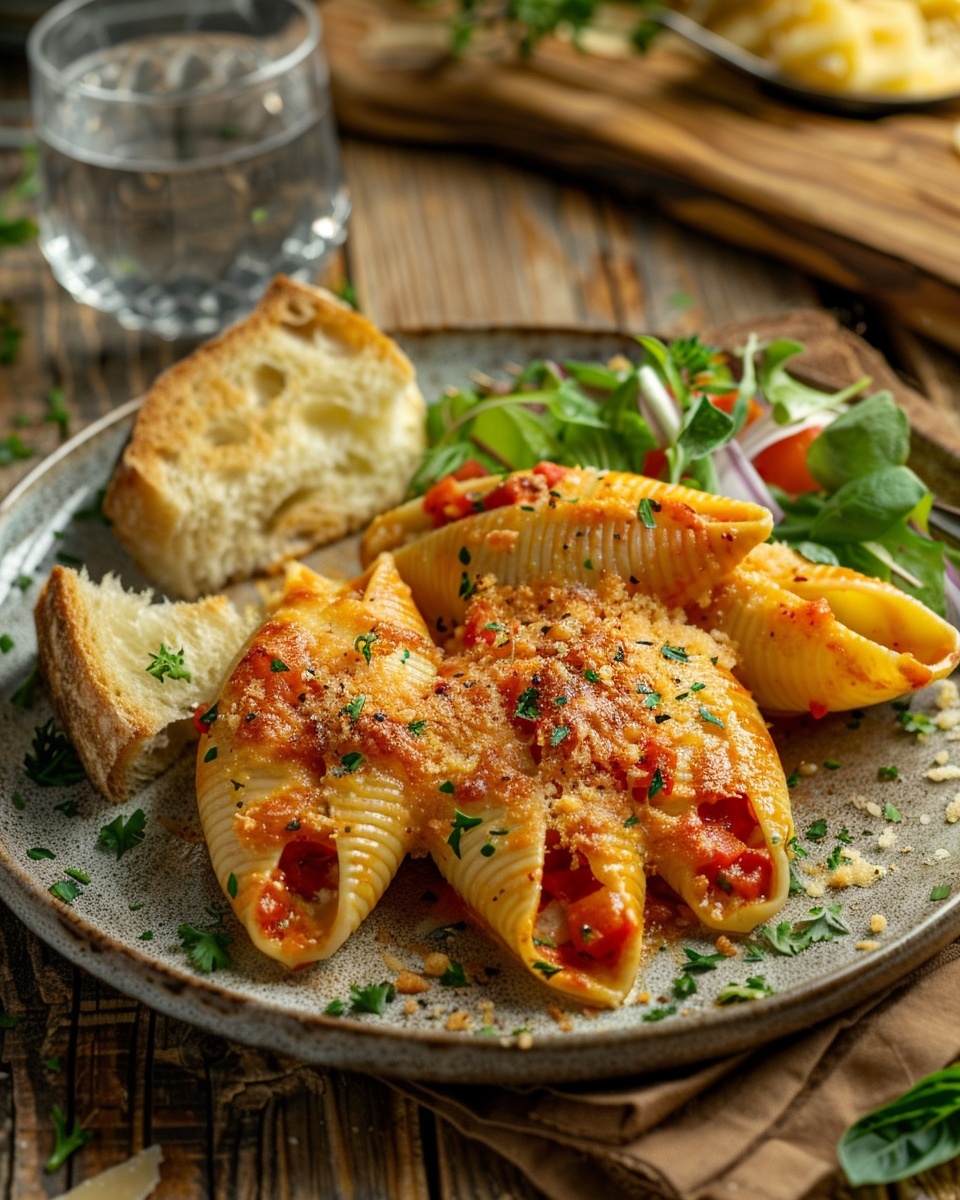
Stuffed shells are pretty rich and filling on their own, so I usually serve them with lighter sides. A crisp green salad with Italian dressing is perfect. Garlic bread or breadsticks are classic accompaniments. Roasted or steamed vegetables like broccoli, green beans, or asparagus add freshness and nutrition. Sometimes I just serve them with a simple side salad and call it dinner. The shells are substantial enough that you don’t need much else to make a complete meal.
Making stuffed shells doesn’t have to be complicated or time-consuming. Start with the basic recipe I’ve shared, get comfortable with the process, then branch out into fun variations like stuffed shells taco or stuffed shells with sausage. Every time you make them, you’ll get a little faster and more confident. Before you know it, stuffed shells will become one of those recipes you can make without even looking at the instructions, and your family will be asking for them over and over.
Stuffed Shells
Equipment
Method
- Preheat your oven to 350°F.
- Bring a large pot of salted water to a boil and cook the shells according to package directions minus one minute until al dente.
- Drain and rinse the shells with cold water, then set aside on a towel.
- In a large mixing bowl, combine the ricotta, one cup of mozzarella, half a cup of Parmesan, the egg (if using), parsley, garlic powder, basil, salt, and pepper. Mix until well blended and smooth.
- Spread one cup of marinara sauce in the bottom of a 9x13 inch baking dish.
- Fill each shell with about two tablespoons of the cheese mixture, placing each filled shell seam-side up in the dish.
- Repeat until all shells are filled and arranged in the dish.
- Pour the remaining marinara sauce over the shells, ensuring they're mostly covered.
- Sprinkle the remaining mozzarella and Parmesan over the top.
- Cover the dish with foil and bake for twenty-five minutes.
- Remove the foil and bake for an additional twelve to fifteen minutes until the cheese is melted and bubbling.
- Let it rest for ten minutes before serving.