
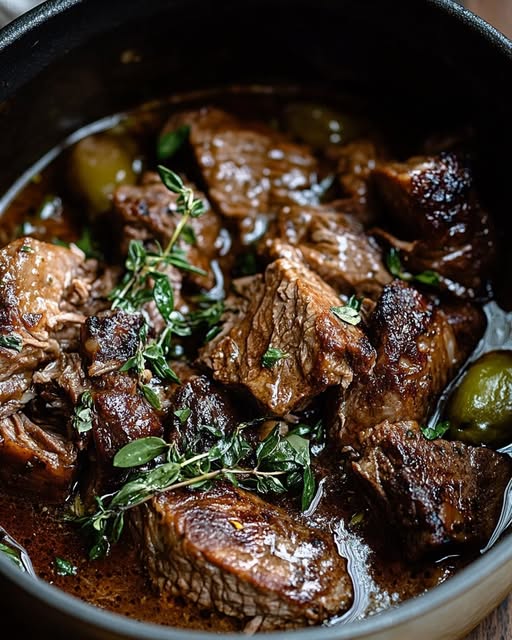
Belgian Beer Bliss: My Cozy Carbonnade Flamande au Bœuf
There’s something magical about a dish that makes your whole house smell like a warm, welcoming Belgian pub. That’s exactly what happens when this Beef Carbonnade Stew starts bubbling away in your oven. It’s a hug in a pot, a rich, savory-sweet masterpiece that turns simple beef and onions into pure comfort. I first made this for a chilly Friendsgiving, and let’s just say the empty pot was the star of the show. It’s now my go-to for any occasion that calls for something special, but wonderfully simple.
A Little Story on This Beef Carbonnade Stew
Carbonnade Flamande is the heart and soul of Belgian home cooking. Born in the Flanders region, it’s a working-class hero of a dish. For generations, it’s been a clever way to make tougher, cheaper cuts of beef melt-in-your-mouth tender. The secret weapon? A good, dark Belgian ale. The beer adds a deep, malty flavor that you just can’t get from wine or broth. While every family has their own tweak (some add a slice of pain d’épices or gingerbread!), the core of beer, beef, and sweetly cooked onions is sacred. My version stays true to that soul, with a little fresh herb garden flair.
Why You’ll Fall in Love With This Stew
You will adore this recipe because it does all the work for you. After about 30 minutes of simple prep, the oven takes over for three glorious hours. You get to enjoy the incredible aromas while you tidy up or relax. The result is fork-tender beef in a silky, deeply flavorful sauce. It’s impressively delicious but deceptively easy. Plus, it feeds a crowd and tastes even better the next day. What’s not to love?
When to Make Your Belgian Beef Stew
This is your secret weapon for cozy gatherings. It’s perfect for:
- A comforting Sunday family dinner.
- A stress-free dinner party centerpiece (make it ahead!).
- Game day feasting (it pairs perfectly with fries!).
- Any cold, rainy day that needs a flavor boost.
Gathering Your Ingredients
Here’s what you’ll need for this authentic Belgian beef stew:
- 1 kg (about 2.2 lbs) beef chuck roast (paleron) – or any slow-cook beef.
- 4 onions, finely sliced – they will sweeten and melt.
- 1 tbsp butter – for richness.
- 1 tbsp oil – for searing (I used grape seed).
- 1 tbsp vinegar – for a touch of brightness.
- 1 tbsp brown sugar – balances the beer’s bitterness.
- 1 tbsp toasted flour – for a nutty thickener.
- 1 tbsp capers – for a salty, briny finish.
- 4 tbsp fresh herbs – like parsley, chives, tarragon, chervil.
- 400 ml Belgian dark ale – I used Chimay Grande Réserve.
- 1 bay leaf & a few thyme sprigs – classic aromatics.
- Salt & pepper – for seasoning.
- A little extra water – if needed.
No Worries! Handy Substitutions
Don’t stress if you’re missing an item. Cooking is about flexibility!
- Beer: Any dark, malty ale or stout works. Avoid hoppy IPAs.
- Beef Cut: Brisket, short ribs, or stewing beef are great.
- Toasted Flour: Just toast all-purpose flour in a dry pan until beige, or use regular flour.
- Fresh Herbs: Use 2 tbsp of a hearty dried herb mix like Herbes de Provence.
- Vinegar: Apple cider or red wine vinegar are fine substitutes.
Let’s Cook This Carbonnade Flamande!
Ready to fill your kitchen with the best smells? Follow these steps.
Step 1: Get Your Oven Ready
Start by preheating your oven to 150°C (300°F). This low and slow temperature is the key to tender beef. It gently coaxes all the collagen in the meat to break down. This transforms it into that fall-apart texture we’re dreaming of. While it heats, get your beef and onions ready.
Step 2: Prep Your Stars
Cut your beef into slices about 2 cm thick. Pat them dry and season well with salt. This helps create a beautiful crust. Next, finely slice your onions. Don’t rush this—even slices cook evenly. Finally, chop your fresh herbs. You’ll love the pop of green color at the end.
Step 3: Sear the Beef to Perfection
Heat the oil in a heavy pot or Dutch oven over high heat. Add the beef slices in a single layer. Do not crowd the pan! Work in batches. We want a deep brown sear, not steam. That crust is packed with flavor for your stew. Once seared, move the beef to a plate and cover it with foil. Pro tip: Let the pan get really hot before adding the meat. It should sizzle loudly.
Step 4: Caramelize Those Onions
Lower the heat to medium-low. Add the butter to the same pot. Toss in all your sliced onions. Now, be patient. Cook them slowly for at least 15 minutes, stirring now and then. You want them soft, golden, and sweet, not just translucent. This sweetness is the soul of your Carbonnade Flamande. When done, put them in a bowl.
Step 5: Create a Flavorful Foundation
Return all the seared beef to the pot. Sprinkle the toasted flour over it. Toss everything until the flour coats the meat and disappears into the juices. This little step is a flavor magician. It will thicken your sauce beautifully and give it a lovely, nutty depth. Then, move the beef back to its plate.
Step 6: Build Your Stew in Layers
This is the fun part! In your empty pot, start layering like you’re building a flavor lasagna. Add a layer of beef, then a layer of those gorgeous onions, then a sprinkle of fresh herbs. Repeat until everything is snug in the pot. This helps the flavors mingle evenly throughout the long cook.
Step 7: The Big Pour and Into the Oven
Now, pour the vinegar over everything. It will sizzle and wake up all the flavors stuck to the pot. Add the brown sugar, thyme, bay leaf, salt, and pepper. Gently pour in the dark beer. Scrape any precious meat juices from the plate into the pot. Add just enough water so the liquid barely covers the ingredients. Cover with a tight lid and place it in the preheated oven.
Step 8: The Patient Wait
Let your Belgian beef stew cook undisturbed for 3 hours. Go read a book, take a walk, or fold laundry. The oven is doing all the work. You’ll know it’s done when you poke a piece of beef with a fork and it offers no resistance. It should literally fall apart.
Step 9: The Finishing Touches
Carefully remove the pot from the oven. Fish out and discard the thyme stems and bay leaf. Give the stew a gentle stir. The sauce will be rich and glossy. Serve it sprinkled with the remaining fresh herbs and those salty little capers. The capers are my secret—they cut through the richness perfectly.
Your Carbonnade Flamande Timeline
Good things take time, and this stew is worth every minute.
- Prep Time: 30 minutes (mostly slicing and searing).
- Cook Time: 3 hours (hands-off in the oven).
- Total Time: About 3 hours 30 minutes.
- Servings: Cozy dinner for 4 to 6 hungry people.
The Chef’s Secret for the Best Carbonnade
My one non-negotiable tip? Use toasted flour. It takes two minutes. Just put regular flour in a dry pan over medium heat. Stir it constantly until it turns a light tan color and smells like toasted nuts. This deepens the flavor of your entire stew and gives the sauce an incredible color and body. It’s a tiny step with a huge payoff.
A Fun Fact About Your Beer
Did you know the beer you choose truly defines your stew? In Belgium, many cooks use the local beer from their town or even their own homebrew. The yeast and malt profile of a dark Trappist ale like Chimay or a Flanders brown ale adds complex fruity and caramel notes. It’s not just liquid; it’s a primary ingredient. So, choose a beer you’d enjoy drinking!
What You’ll Need to Make It
- A heavy, oven-safe pot or Dutch oven (with a tight lid).
- A sharp chef’s knife and cutting board.
- Tongs for turning the beef.
- Measuring spoons and cups.
- A few bowls for holding prepped ingredients.
Keeping Your Leftover Beef Stew
Let the stew cool completely to room temperature. Do not leave it out for more than two hours. Transfer it to an airtight container. You can keep it in the refrigerator for up to 4 days.
For longer storage, this stew freezes beautifully. Portion it into freezer-safe containers or bags, leaving some space for expansion. It will keep its best quality for about 3 months. Thaw overnight in the fridge before reheating.
To reheat, warm it gently on the stove over low heat. Add a tiny splash of water or beer if the sauce seems too thick. Stir occasionally until heated through. The flavors will have melded even more, making it taste better than the first day!
My Best Tips for Stew Success
- Dry your beef before searing for the best crust.
- Don’t skip searing! It builds the foundational flavor.
- Be patient with the onions. True caramelization is key.
- If the sauce is too thin after cooking, simmer it on the stove uncovered for a few minutes.
- Serve with mashed potatoes, egg noodles, or true Belgian-style fries!
Making It Look as Good as It Tastes
Presentation is the final joy! Serve your stew in a shallow bowl over a mound of creamy mashed potatoes. Let the rich sauce pool around. Top with that final sprinkle of bright green herbs and capers. For a Belgian pub feel, serve it in the Dutch oven at the table with a pile of crispy fries on the side and glasses of the same beer you cooked with.
Try These Tasty Recipe Twists
Love the base recipe? Mix it up next time!
- Carbonnade with Gingerbread: Add a slice of spiced gingerbread (pain d’épices) in the layers for a deeper, spiced sweetness.
- Chicken Carbonnade: Use chicken thighs instead of beef and a lighter beer for a poultry twist.
- Vegetarian “Carbonnade”: Swap beef for thick slices of Portobello mushrooms and carrots. Use vegetable broth with your beer.
- Slow Cooker Carbonnade: Do all searing and sautéing on the stove, then transfer everything to a slow cooker on Low for 8 hours.
- Carbonnade with Prunes: Add a handful of pitted prunes in the last hour of cooking for a sweet, fruity note.
- Smoky Carbonnade: Add a few slices of crispy, chopped bacon at the searing stage for a smoky undercurrent.
Common Mistakes to Avoid
Steer clear of these pitfalls for the perfect stew every time.
Mistake 1: Crowding the Pan When Searing
This is the biggest mistake! If you put all the beef in at once, the pan temperature drops. The meat steams and boils in its own juice instead of getting a proper, flavorful sear. You end up with gray, tough beef. Always work in batches. Give each piece its own space to sizzle and brown beautifully. The crust equals flavor.
Mistake 2: Rushing the Onions
If your onions are just soft and translucent, you’re only halfway there. For a true Carbonnade Flamande, you need them golden and caramelized. This takes low heat and at least 15 minutes. That natural sweetness is what balances the bitter beer and savory beef. It’s not an extra step; it’s the soul of the sauce.
Mistake 3: Using the Wrong Beer
A hoppy, bitter IPA will make your stew taste unpleasantly bitter. The goal is a rich, malty, slightly sweet backbone. Always choose a dark ale, a brown beer, a stout, or a Belgian dubbel. These beers have caramel and toasty notes that meld perfectly with the beef. When in doubt, cook with a beer you enjoy drinking.
Mistake 4: Not Braising in the Oven
You might be tempted to simmer it on the stovetop. The oven provides gentle, consistent, all-around heat. This prevents hot spots and ensures the stew cooks evenly without you having to stir it. The steady, low temperature is what breaks down the tough meat fibers without drying them out. Trust the oven method.
Your Carbonnade Flamande Questions, Answered
Can I make Carbonnade Flamande in a slow cooker?
Absolutely! For a slow cooker version, follow steps 1 through 6 on your stove. After layering everything in the pot, transfer it all to your slow cooker insert. Add the liquids and seasonings. Cook on Low for 7-8 hours or on High for 4-5 hours. The result will be just as tender, though the sauce might be a bit thinner. You can thicken it at the end by simmering it in a pan.
What is the best cut of beef for this Belgian stew?
The best cuts come from the shoulder or front leg of the cow. These muscles work hard, so they have lots of connective tissue. That tissue melts during slow cooking, making the meat tender and flavorful. My top picks are beef chuck roast (also called paleron or blade roast), brisket, or short ribs. Avoid lean cuts like sirloin, as they will dry out.
Do I have to use Belgian beer? What’s a good substitute?
While a Belgian dark ale is traditional, you can use other beers. Look for dark, malty, and not too bitter. A good brown ale, a porter, or a stout from any region will work wonderfully. Guinness is a fantastic and easy-to-find option. The key is to avoid very hoppy beers, as they can make the stew taste unpleasantly bitter.
Why do you add vinegar and sugar to the stew?
These two ingredients create a beautiful balance. The brown sugar enhances the natural sweetness of the caramelized onions. It also counters any slight bitterness from the beer. The vinegar adds a necessary touch of acidity. It brightens the rich, heavy flavors and helps cut through the fat. Together, they create a complex, well-rounded sauce that isn’t just one-note savory.
How can I thicken my Carbonnade sauce if it’s too thin?
If your stew is done but the sauce is runny, don’t worry. Remove the beef and onions to a plate with a slotted spoon. Simmer the sauce on the stovetop over medium heat. Let it bubble and reduce until it thickens to your liking. This concentrates the flavor, too! You can also make a slurry: mix 1 tbsp of flour with 2 tbsp of cold water. Whisk this into the simmering sauce and cook for 2 more minutes.
Can I prepare this beef carbonnade stew ahead of time?
Yes, and it might even taste better! Stews are famous for improving overnight. The flavors have more time to marry and deepen. Simply let it cool completely after cooking. Store it covered in the refrigerator. The next day, gently reheat it on the stove over low heat. You may need to add a splash of water or beer as it reheats.
What should I serve with Carbonnade Flamande?
The classic Belgian way is with a huge pile of crispy frites (French fries) for dipping in the sauce. Mashed potatoes are another wonderful, comforting choice. It also pairs beautifully with buttery egg noodles, creamy polenta, or a simple crusty baguette to soak up every last drop. Don’t forget a glass of the beer you cooked with!
How do I know when the beef is perfectly cooked?
After about 2.5 hours, start checking. Take a piece of beef and try to pull it apart gently with two forks. If it offers no resistance and shreds easily, it’s done. The meat should be incredibly tender, not chewy or stringy. If it’s still a bit tough, return it to the oven and check every 20 minutes.
What’s the purpose of the toasted flour?
Toasting flour does two great things. First, it cooks out the raw flour taste. This gives your sauce a deeper, nuttier flavor. Second, it changes the starch in the flour. This helps it thicken the stew more effectively without getting gluey. It’s a simple trick that adds a layer of professional flavor. You can toast a big batch and keep it in a jar for all your stews.
Can I freeze leftover Carbonnade?
This stew freezes like a dream! Let it cool completely. Portion it into airtight containers or heavy-duty freezer bags. Leave about an inch of space for expansion. Label with the date. It will keep well for up to 3 months. To serve, thaw it overnight in the refrigerator. Reheat gently on the stove, adding a little liquid if needed.
Ready for Your Own Taste of Belgium?
So there you have it—my tried-and-true path to the coziest, most flavorful Beef Carbonnade Stew. It’s a recipe that asks for a little patience but rewards you with so much warmth and joy. Whether it’s for a quiet family night or a table full of friends, this dish never fails to impress. Put on some music, pour yourself a little beer, and enjoy the process. You’re about to make something truly special. Bon appétit, or as they say in Flanders, smakelijk!
Beef Carbonnade Stew
Ingredients
Equipment
Method
- Preheat the oven to 150°C (300°F).
- Cut the beef into slices about 2 cm thick, pat dry, and season well with salt.
- Finely slice the onions and chop the fresh herbs.
- Heat oil in a heavy pot or Dutch oven over high heat and sear the beef in batches, then cover with foil.
- Lower the heat to medium-low and add butter, then cook the onions slowly for at least 15 minutes until soft and golden.
- Return the seared beef to the pot, sprinkle with toasted flour, and toss to coat the meat.
- Layer the beef and caramelized onions in the pot, alternating with fresh herbs.
- Pour vinegar over the layers, add brown sugar, thyme, bay leaf, salt, and pepper, then pour in the beer. Add just enough water to cover the ingredients.
- Cover with a tight lid and place in the oven for 3 hours.
- Once cooked, remove the pot, discard thyme stems and bay leaf, stir gently, and serve with reserved herbs and capers.