
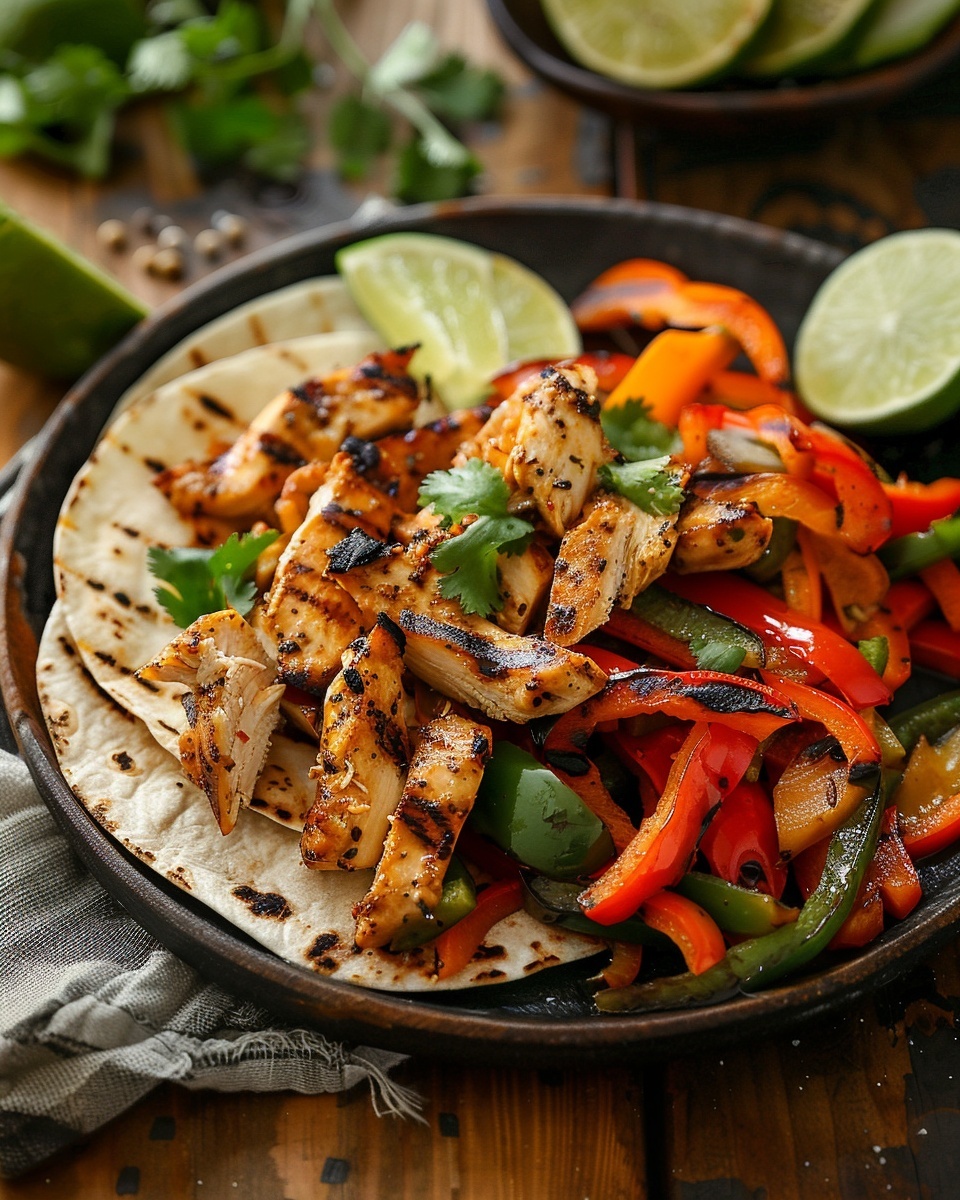
Introduction
I still remember the first time I ordered chicken fajitas at a small Mexican restaurant in Texas. The sizzling platter arrived at my table with steam rising into the air, and the smell of charred peppers and perfectly seasoned chicken made my mouth water instantly. That moment changed everything for me. I fell in love with Mexican cuisine right then and there.
Since that day, I’ve been on a mission to recreate that magic at home. Chicken fajitas have become my go-to meal when I want something quick, delicious, and crowd-pleasing. They work for busy weeknights, weekend gatherings, or even meal prep for the week ahead. The best part? They’re way easier to make than most people think.
In this guide, I’ll show you exactly how I make amazing chicken fajitas in my own kitchen. You’ll learn the secrets behind proper seasoning and marinating, the cooking techniques that make restaurant-quality results possible, and some creative ideas for using up any leftovers. Trust me, once you master this dish, it’ll become a regular in your dinner rotation.
What Makes Chicken Fajitas So Special?
The first time I tried making restaurant style chicken fajitas at home, they turned out bland and boring. The chicken was dry, the vegetables were soggy, and the whole thing lacked that wow factor I loved from restaurants. I was frustrated but determined to figure out what I was doing wrong.
After many attempts and some research, I finally cracked the code. Great chicken fajitas aren’t just about throwing ingredients together. They’re about understanding three key elements: flavor, texture, and presentation.
The flavor comes from a combination of the right spices and proper marinating time. The texture depends on cooking at high heat to get those beautiful char marks without drying out the meat. And the presentation? Well, that sizzle when the fajitas hit the table makes all the difference in the experience.
What I love most about chicken fajitas taste is how balanced it is. You get savory from the seasoned meat, sweetness from the caramelized peppers and onions, and a bit of smokiness from the high-heat cooking. Each bite should be juicy and packed with flavor.
Another reason I keep coming back to this dish is that you can easily make healthy chicken fajitas. Chicken breast is lean protein, and when you load up on colorful bell peppers and onions, you’re getting plenty of vitamins and fiber. Skip the sour cream and cheese, or use them sparingly, and you have a nutritious meal that doesn’t feel like diet food.
So what’s the secret to good fajitas? It really comes down to two things: seasoning and cooking technique. Your chicken needs to be well-marinated or generously seasoned before it hits the pan. And you need to cook everything over high heat to get that signature char and caramelization. Don’t crowd the pan, and don’t be afraid of a little smoke in your kitchen. That’s when you know you’re doing it right.
Choosing the Right Ingredients
I learned the hard way that you can’t cut corners with ingredients if you want authentic, restaurant-quality results. Fresh ingredients make an enormous difference in how your chicken fajitas turn out.
Let’s start with the star of the show: the chicken. I prefer boneless, skinless chicken breasts for traditional fajitas. They cook quickly and slice beautifully into strips. Make sure you trim off any excess fat or tendons. Some people like chicken thighs because they’re juicier and harder to overcook, which is totally fair. I use thighs when I’m cooking for a crowd and need a more forgiving option.
You can also make shredded chicken fajitas if you want to switch things up. I’ll sometimes use leftover rotisserie chicken or slow-cook chicken breasts until they’re tender enough to shred. This method works great for meal prep because the shredded chicken reheats better than sliced chicken.
The vegetables are just as important as the chicken. I always use fresh bell peppers in multiple colors. Red, yellow, and orange peppers are sweeter than green ones, so I like mixing them for the best flavor and visual appeal. The peppers should be firm with smooth, shiny skin. Avoid any with soft spots or wrinkles.
Onions are non-negotiable in my kitchen. I use yellow or white onions most of the time. They have the right balance of sweetness and sharpness. Red onions work too if you prefer a milder, slightly sweeter taste. Cut them into strips similar in size to your peppers so everything cooks evenly.
Now let’s talk about chicken fajitas seasoning. You can buy pre-made fajita seasoning packets, but I prefer making my own blend. Here’s what goes into mine:
- Chili powder for that base Mexican flavor
- Cumin for earthiness and warmth
- Paprika for color and mild sweetness
- Garlic powder and onion powder for savory depth
- A pinch of cayenne if you like heat
- Salt and black pepper to taste
- A small amount of sugar to balance and help with caramelization
The chicken fajitas marinade is where you can really boost the flavor. My basic marinade includes lime juice, olive oil, minced garlic, and my seasoning blend. The acid from the lime helps tenderize the chicken while adding brightness. The oil helps the spices stick and keeps the meat moist during cooking.
I let my chicken marinate for at least 30 minutes, but two to four hours is ideal. If you’re really pressed for time, even 15 minutes is better than nothing. Just don’t go longer than eight hours, or the acid will start to make the chicken mushy.
Finally, don’t forget about the tortillas. Flour tortillas are traditional for Mexican chicken fajitas, but I also love corn tortillas for a gluten-free option. Warm them up before serving. I like to char mine slightly over an open flame on my gas stove, but you can also wrap them in foil and heat them in the oven.
Fresh ingredients, the right cuts of meat, homemade seasoning, and a good marinade set the foundation for outstanding chicken fajitas. Get these basics right, and you’re already halfway to an amazing meal.


The Secret to Flavorful Chicken Fajitas: Marinades and Seasonings
Once you’ve gathered all your fresh ingredients, the next step is where the real magic happens—building layers of flavor through the right marinade and seasoning blend.
Here’s the thing about chicken fajitas marinade: it’s not just about taste. Sure, it makes your chicken more flavorful, but it also changes the texture in a way that dry seasoning alone can’t achieve. The acid in a marinade breaks down the proteins in the meat just enough to make it tender without turning it mushy. I think of marinades as both a flavor delivery system and a texture improver rolled into one.
My basic go-to marinade is ridiculously simple. I combine the juice of two limes, about a quarter cup of olive oil, three cloves of minced garlic, a tablespoon of cumin, a tablespoon of chili powder, and a teaspoon each of paprika and salt. Sometimes I’ll add a splash of soy sauce if I’m feeling adventurous—it adds this deep umami flavor that works surprisingly well with the other ingredients. Mix it all in a bowl or a zip-top bag, add your chicken, and let it sit in the fridge.
Funny enough, I used to think you needed fancy ingredients or complicated recipes to make a good marinade. Turns out, simplicity wins every time. The lime juice brightens everything up, the garlic adds punch, and the spices give you that authentic Mexican flavor profile we’re after.
Another marinade variation I love uses orange juice instead of lime. It’s slightly sweeter and gives the chicken a different kind of brightness. I’ll mix orange juice with a bit of lime juice, olive oil, cumin, oregano, and smoked paprika. The combination reminds me of flavors I’ve tasted in Yucatan-style dishes, and it pairs beautifully with grilled peppers.
Now, let’s tackle an important question: Should I marinate my chicken before making fajitas? My answer is always yes, and here’s why. When you marinate chicken, the flavors penetrate deep into the meat rather than just sitting on the surface. This means every bite has that seasoned, zesty taste rather than bland chicken with flavorful edges. Plus, the marinade keeps the chicken moist during cooking, which is especially important if you’re using lean chicken breast.
I aim for at least thirty minutes of marinating time, though longer is better. If I’m planning ahead, I’ll marinate my chicken in the morning before work, and by dinner time, it’s absolutely perfect. The flavors have had hours to work their magic. Just remember not to go overboard—leaving chicken in an acidic marinade for more than eight hours can start to make the texture weird and almost mealy.
By the way, if you’re really in a rush and can’t marinate, don’t panic. A dry rub with chicken fajitas seasoning can still give you great results. The trick is to be generous with it and let the seasoned chicken sit for at least ten minutes before cooking. This gives the salt time to start working on the meat’s surface.
Speaking of seasoning, I’ve tried both store-bought packets and homemade blends. The store-bought stuff is convenient—no question about it. I keep a few packets in my pantry for emergencies. But homemade seasoning just tastes fresher and lets you control the salt and heat levels. My blend includes two tablespoons of chili powder, one tablespoon each of cumin and paprika, two teaspoons of garlic powder, one teaspoon of onion powder, half a teaspoon of cayenne (more if you like spice), and salt and pepper to taste. I make a big batch and store it in a jar, which saves time on busy nights.
The beauty of making your own seasoning is customization. My husband prefers less heat, so sometimes I’ll make a milder version without cayenne. Other times, when it’s just me, I’ll add extra chili powder and some crushed red pepper flakes because I like the burn. Much like how I adjust seasonings when making chili mac, knowing your audience makes all the difference.
Cooking Methods for Perfect Chicken Fajitas
After you’ve marinated your chicken and prepped your vegetables, it’s time to decide how you’re going to cook everything. I’ve tried pretty much every method out there, and each one has its advantages.
The stovetop method is my weeknight favorite because it’s fast and gives you excellent control. I heat a large cast-iron skillet or heavy pan over high heat until it’s smoking hot. Then I add a little oil and cook the chicken in batches—this is crucial. If you crowd the pan, the chicken will steam instead of getting those beautiful brown edges we’re after. Each batch takes about four to five minutes per side depending on thickness. Once the chicken is cooked through, I set it aside and cook the peppers and onions in the same pan, scraping up all those flavorful browned bits.
Grilling is my summer method. There’s something about cooking mexican chicken fajitas outdoors that just feels right. I get my grill screaming hot—we’re talking 450 to 500 degrees. The chicken goes directly on the grates, and I leave it alone for about six minutes before flipping. Those grill marks aren’t just pretty; they add a smoky, charred flavor that’s hard to replicate indoors. For the vegetables, I use a grill basket or thread them onto skewers so they don’t fall through the grates.
But here’s where I’m going to share something that surprised me: chicken fajitas oven recipes work incredibly well, especially when you’re cooking for a crowd. I arrange marinated chicken strips and sliced vegetables on a large sheet pan, drizzle everything with a bit of oil, and roast at 425 degrees for about twenty minutes, stirring halfway through. The oven’s dry heat caramelizes the vegetables beautifully, and everything cooks evenly without constant attention. It’s basically the lazy person’s method, and I mean that as a compliment. When I’m already juggling side dishes like stuffed shells for a big family dinner, this hands-off approach is a lifesaver.
No matter which method you choose, the key question remains: What is the secret to tender fajita chicken? It comes down to two factors. First, proper marination does most of the heavy lifting by breaking down tough protein fibers. Second, cooking temperature matters more than you’d think. For stovetop and grilling, you want high heat to quickly sear the outside while keeping the inside juicy. Don’t overcook it—chicken breast is done at 165 degrees internal temperature, and it’ll continue cooking a bit after you remove it from heat.
I always let my chicken rest for five minutes after cooking before slicing it. This lets the juices redistribute throughout the meat instead of running out all over your cutting board. It’s the same principle I use when making meatloaf classic—patience during the resting period pays off in moisture and tenderness.
One more tip: slice your chicken against the grain. Look at the direction the muscle fibers run and cut perpendicular to them. This shortens the fibers and makes each bite more tender. I can’t tell you how many times I’ve eaten tough fajitas at restaurants simply because someone sliced the chicken the wrong way.
Healthy Twists on Classic Chicken Fajitas
One of the reasons I make chicken fajitas so often is how easily they fit into healthier eating patterns. You don’t have to sacrifice flavor to make healthy chicken fajitas—you just need to make a few smart swaps.
First, the tortilla choice makes a big difference. Whole wheat or whole grain tortillas add fiber and have a nuttier flavor that I actually prefer to plain white flour tortillas. Corn tortillas are naturally gluten-free and lower in calories if that matters to you. I’ve also experimented with lettuce wraps when I’m watching my carb intake, and while they’re not the same as a warm tortilla, they work surprisingly well.
Loading up on vegetables is the easiest way to boost nutrition without even noticing. Beyond the standard peppers and onions, I’ll often add sliced mushrooms, zucchini, or even some spinach at the end of cooking. The vegetables add volume to your meal, meaning you feel satisfied with less meat and fewer tortillas. Sometimes I’ll make the vegetables the star and use chicken almost like a garnish.
For toppings, I’ve learned to be strategic. Full-fat sour cream and loads of cheese can quickly turn a healthy meal into a calorie bomb. I use Greek yogurt instead of sour cream—it has the same tangy creaminess but with way more protein. A little bit of sharp cheese goes a long way if you sprinkle it on top rather than mixing it in. Fresh salsa, pico de gallo, and guacamole are all relatively healthy toppings that add tons of flavor.
Here’s something I do that might sound weird but trust me on this: I add black beans to my fajitas sometimes. It stretches the meal, adds fiber and plant-based protein, and makes the whole thing more filling. It’s similar to how I bulk up shrimp scampi with extra vegetables when I want a lighter version of a classic dish.
The cooking method also impacts how healthy your fajitas turn out. Grilling or using the oven means you can use less oil than stovetop cooking. When I do use the stovetop, I measure my oil instead of just pouring it in—a tablespoon is usually enough for the whole meal if you’re using a non-stick pan.
The best part about all these healthy modifications? Nobody at my dinner table has ever complained that the fajitas taste like diet food. The bold seasonings, the satisfying combination of protein and vegetables, and the interactive nature of building your own fajita all work together to create a meal that feels indulgent even when it’s actually pretty nutritious.


Creative Ways to Use Leftover Chicken Fajitas
Here’s the thing about making a big batch of chicken fajitas—I almost never regret it. Not only do they feed everyone at dinner, but the leftovers transform into completely different meals over the next couple of days. I actually plan for extras now because I know exactly how versatile they are.
The most obvious option for leftover chicken fajitas is turning them into a loaded salad. I’ll take a base of mixed greens or romaine, pile on the cold or reheated fajita chicken and vegetables, and add black beans, corn, and cherry tomatoes. A simple lime-cilantro dressing or even just a squeeze of fresh lime with a drizzle of olive oil brings everything together. Sometimes I’ll crush a handful of tortilla chips on top for crunch. It’s basically a deconstructed fajita bowl, and it feels like a completely new meal.
Breakfast burritos are another game-changer in my house. I scramble a couple of eggs, warm up the leftover fajita mixture, and wrap everything in a flour tortilla with a bit of cheese and salsa. My kids request these every weekend now. The combination of eggs and seasoned chicken hits differently in the morning—it’s hearty and flavorful without being heavy. If I’m meal-prepping, I’ll make five or six of these, wrap them individually in foil, and freeze them. They reheat beautifully in the microwave for those mornings when nobody has time to think.
Quesadillas are ridiculously easy with leftover fajitas. I spread the chicken and vegetables on a tortilla, add cheese, fold it in half, and cook it in a dry skillet until crispy and golden. Cut into wedges and serve with sour cream or guac, and you’ve got a five-minute lunch that tastes like you actually tried.
One creative use that surprised me was adding leftover fajitas to soup. I had some chicken broth that needed using, so I threw in the fajita leftovers, a can of diced tomatoes, black beans, and some cumin. Twenty minutes later, I had this incredible tortilla soup situation happening. Topped with crushed chips, avocado, and a squeeze of lime, it tasted like something I’d order at a restaurant.
Pasta might sound weird, but hear me out. I’ve tossed leftover fajita chicken and peppers with penne, a bit of cream, and some Mexican cheese blend to create this fusion dish that my family inhales. It’s not authentic anything, but it works. The smoky, seasoned chicken plays nicely with the creaminess, and the peppers add color and texture.
If you’re not into cooking leftovers from scratch, there’s no shame in starting with convenience items. I’ve noticed that stores like chicken fajitas woolworths and similar grocery chains often carry pre-marinated chicken or even complete fajita kits. These can be lifesavers on busy weeks when you want that homemade taste without all the prep. I’ll sometimes grab one of these kits, cook it according to the package, and purposely make extra for the leftover transformations I just mentioned.
By the way, here’s a tip that’s saved me countless times: whenever I make my homemade chicken fajitas seasoning, I make a double or triple batch and store the extra in an airtight jar. This way, I can quickly season leftover chicken, add it to scrambled eggs, sprinkle it on roasted vegetables, or use it to flavor rice. The seasoning blend lasts for months in the pantry, and having it ready to go means I can recreate that fajita flavor anytime without measuring out eight different spices.
I also freeze leftover fajita filling in portion-sized containers. When frozen properly, the chicken and vegetables keep for up to three months. I’ll pull out a container, thaw it in the fridge overnight, and use it for any of the applications I mentioned above. It’s basically homemade fast food.
One thing I’ve learned through trial and error: don’t add fresh toppings like lettuce, tomatoes, or avocado until you’re ready to eat. The cooked chicken and peppers store great, but those fresh elements get soggy and sad in the fridge. Keep them separate and assemble everything right before serving.
Honestly, the flexibility of fajita leftovers is one reason I keep coming back to this recipe. Unlike some dishes that taste worse the next day, properly stored fajitas maintain their flavor and just need a quick reheat. I store the chicken separately from the peppers and onions when I can because they reheat at different rates, but even mixed together, they work fine.
Exploring Global Fajita Variations
Once you’ve mastered the classic Mexican chicken fajitas recipe, the world of flavor possibilities opens right up. I love experimenting with different cultural twists on this basic concept.
The Asian-inspired version is my husband’s favorite. I marinate the chicken in soy sauce, ginger, garlic, and a touch of sesame oil instead of the traditional lime and cumin. I’ll use red peppers and snap peas instead of the usual mix, and serve everything in warm tortillas with a drizzle of sriracha mayo. It’s like a fusion food truck came to my kitchen.
Mediterranean fajitas work surprisingly well too. I season the chicken with oregano, lemon juice, garlic, and a bit of za’atar if I have it. Instead of the typical fajita vegetables, I’ll add artichoke hearts, sun-dried tomatoes, and spinach. A dollop of tzatziki on top instead of sour cream completes the transformation. It’s still built on the same technique—seasoned protein, sautéed vegetables, warm flatbread—but the flavor profile is completely different.
For a Caribbean vibe, I’ll use jerk seasoning on the chicken and add pineapple chunks to the pepper and onion mix. The sweetness from the caramelized pineapple plays beautifully against the heat from the jerk spices. A little mango salsa on top, and you’ve got vacation vibes on a Tuesday night.
These variations remind me that the fajita format is really just a framework. Seasoned protein plus vegetables plus warm bread equals satisfaction, no matter which cultural flavors you’re channeling. When I’m exploring different variations like these, I often browse through the main dish section for inspiration from other cuisines that might translate well to the fajita treatment.
Funny enough, playing with these variations has made me better at improvising in the kitchen overall. I’ll look at what vegetables need using in my fridge and what proteins are on sale, then create a fajita-style meal around whatever I have. It’s become my default “clean out the fridge” dinner.
Making Fajitas More Sustainable
I’ve been thinking more about the environmental impact of my cooking choices lately, and fajitas actually fit pretty well into a more sustainable eating pattern. Chicken has a lower carbon footprint than beef, and when you load up on seasonal vegetables, you’re supporting local agriculture and reducing transportation emissions. The USDA recommends sustainable eating practices that include choosing a variety of protein sources and filling half your plate with vegetables—which is basically what a well-made fajita does naturally.
I try to buy chicken from farms that practice better animal welfare when my budget allows. The meat tastes better anyway, and I feel good about where it came from. For vegetables, I hit up the farmers market when it’s in season. Those locally-grown peppers have so much more flavor than the ones that traveled thousands of miles to reach my grocery store.
Using every bit of what I buy matters too. I save vegetable scraps in the freezer to make stock later. Leftover fajita chicken gets repurposed instead of tossed. Even the marinade serves double duty—after I remove the chicken, I’ll boil it and use it to flavor rice or quinoa that I serve alongside the fajitas.
Batch cooking fajitas is more energy-efficient than cooking multiple small meals throughout the week. One session of cooking yields several meals worth of food, which means less energy used overall. Plus, there’s something satisfying about eating well while being mindful of the bigger picture.
Serving Suggestions and Side Dishes
While the fajitas themselves are the star, the sides and accompaniments complete the experience. Over the years, I’ve figured out which combinations work best.
Mexican rice is a classic pairing that I make often. I toast white rice in a bit of oil until it’s golden, then cook it in chicken broth with tomato sauce, cumin, and garlic. It’s simple but adds substance to the meal. Black beans or refried beans work great too—I keep canned versions on hand for convenience.
A simple corn salad has become one of my go-to sides. I mix canned or frozen corn with diced red onion, cilantro, lime juice, and a pinch of chili powder. It takes maybe five minutes to throw together and adds brightness and crunch to the plate.
For a lighter option, I’ll make a quick cabbage slaw with shredded cabbage, lime juice, and a touch of honey. The crunch and acidity cut through the richness of the fajitas perfectly. Sometimes I’ll add this directly into my fajita wrap for extra texture.
Toppings matter more than people realize. I set out small bowls of fresh salsa, guacamole, sour cream, shredded cheese, pickled jalapeños, and lime wedges. Letting everyone build their own fajitas exactly how they like them makes the meal interactive and fun. My kids love having control over their dinner, and it means everyone ends up happy.
Drinks are worth considering too. I’ll make agua fresca with watermelon or cucumber in the summer, or serve Mexican Coke if I’m feeling indulgent. Beer works for the adults, obviously, but a simple lime sparkling water feels festive and pairs nicely with the flavors.
The presentation really does matter when you’re going for that restaurant style chicken fajitas experience. I heat up a cast-iron skillet until it’s smoking, add the cooked fajitas right before serving, and bring it to the table still sizzling. That sound and the rising steam create excitement that a regular plate just can’t match. My family actually applauds sometimes when I bring it out, which never gets old.
Making chicken fajitas at home has become more than just a dinner option for me—it’s a reliable, flexible, crowd-pleasing meal that works for busy weeknights and special occasions alike. The techniques I’ve shared work, the variations keep things interesting, and the leftovers extend the value of your effort across multiple meals. Give yourself permission to experiment with different marinades, cooking methods, and flavor profiles until you find what works for your family. That’s the real secret to great home cooking—making recipes your own.
Frequently Asked Questions About Chicken Fajitas
What do you put in a chicken fajita?
The essential ingredients for chicken fajitas include sliced chicken breast or thighs, bell peppers (usually a mix of colors), and sliced onions. You’ll need a seasoning blend with chili powder, cumin, paprika, garlic powder, and salt. Warm flour or corn tortillas are necessary for serving. Popular toppings include sour cream, guacamole, salsa, shredded cheese, and fresh cilantro. Lime wedges for squeezing over everything are the perfect finishing touch.
What’s the secret to good fajitas?
The secret to good fajitas comes down to proper seasoning and high-heat cooking. Your chicken needs to be well-marinated or generously seasoned before cooking so flavors penetrate the meat. Cook everything over high heat to get char marks and caramelization on both the chicken and vegetables. Don’t crowd your pan or the ingredients will steam instead of sear. Finally, slice your chicken against the grain after letting it rest for maximum tenderness.
Should I marinate my chicken before making fajitas?
Yes, marinating your chicken makes a significant difference in both flavor and texture. A marinade with lime juice, oil, garlic, and spices penetrates the meat and tenderizes it while adding depth of flavor. I recommend marinating for at least thirty minutes, though two to four hours is ideal. If you’re really pressed for time, a generous dry rub applied fifteen minutes before cooking works as a backup option. Just avoid marinating for more than eight hours as the acid can make the texture mushy.
What is the secret to tender fajita chicken?
Tender fajita chicken comes from two main factors: proper marination and correct cooking temperature. The acid in your marinade breaks down tough protein fibers, making the meat more tender. When cooking, use high heat to quickly sear the outside while keeping the inside juicy—chicken is done at 165 degrees internal temperature. Let the cooked chicken rest for five minutes before slicing, and always cut against the grain to shorten the muscle fibers.
Can I make chicken fajitas in the oven?
Absolutely, and the oven method is fantastic for feeding a crowd. Arrange marinated chicken strips and sliced vegetables on a large sheet pan, drizzle with oil, and roast at 425 degrees for about twenty minutes, stirring halfway through. The oven’s dry heat caramelizes everything beautifully and requires minimal hands-on attention. This method is perfect when you’re juggling multiple dishes or don’t want to stand over the stove.
How long do leftover chicken fajitas last in the fridge?
Properly stored leftover chicken fajitas will keep in the refrigerator for three to four days. Store the chicken and vegetables in an airtight container, and if possible, keep fresh toppings separate. I recommend storing the chicken separately from the peppers when you can since they reheat at different rates. For longer storage, you can freeze the cooked fajita filling for up to three months in portion-sized containers.
What’s the difference between fajitas and tacos?
Fajitas specifically refer to grilled meat served with sautéed peppers and onions, traditionally brought to the table on a sizzling platter for you to assemble yourself. Tacos are a broader category that can include any filling wrapped in a tortilla. Fajitas are more about the interactive experience and the specific combination of charred vegetables with seasoned meat. The term “fajita” originally referred to the cut of beef used, though now it describes the whole style of preparation.
Can I use chicken thighs instead of chicken breast?
Yes, chicken thighs work wonderfully for fajitas and are actually more forgiving than breasts. They contain more fat, which keeps them juicy even if you slightly overcook them. The flavor is richer and more pronounced too. I use thighs when cooking for a crowd because they’re harder to mess up. Just trim any excess fat before marinating, and adjust cooking time slightly since thighs can take a minute or two longer than breast meat.
What vegetables can I add besides peppers and onions?
While bell peppers and onions are traditional, you can add mushrooms, zucchini, cherry tomatoes, or even poblano peppers for more heat. I’ve successfully used asparagus, snap peas, and corn as well. The key is cutting everything into similar-sized pieces so they cook evenly. Add harder vegetables like mushrooms at the same time as peppers, but throw in quicker-cooking items like spinach or tomatoes near the end.
How do I prevent my chicken from drying out?
To prevent dry chicken, don’t skip the marinade—the oil and acid keep the meat moist during cooking. Use a meat thermometer and remove the chicken from heat at exactly 165 degrees internal temperature. Don’t overcook it, and remember it will continue cooking slightly while resting. Let the chicken rest for five minutes before slicing, which allows juices to redistribute throughout the meat. Finally, avoid cooking on medium heat, which dries out the outside before the inside is done—use high heat for a quick sear instead.
Chicken Fajitas
Ingredients
Equipment
Method
- Combine lime juice, olive oil, minced garlic, and seasonings to create the marinade in a bowl or zip-top bag.
- Add the chicken to the marinade, ensuring it's well coated, and marinate for at least 30 minutes.
- Heat a large cast-iron skillet or heavy pan over high heat until smoking.
- Add oil to the pan and cook the chicken in batches for 4-5 minutes per side until cooked through.
- Remove the chicken and allow it to rest before slicing against the grain.
- In the same pan, add the sliced bell peppers and onions, cooking until soft and slightly charred.
- Warm the tortillas over an open flame or in the oven.
- Serve the sliced chicken with the cooked vegetables and toppings, allowing everyone to build their own fajitas.