
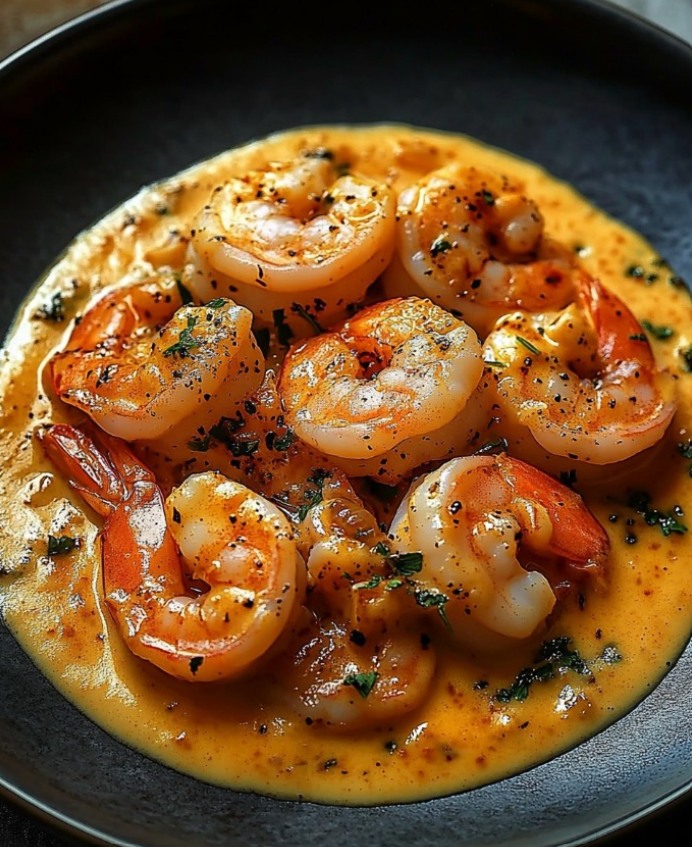
Why Coconut Garlic Shrimp Will Become Your New Favorite Dish
Let me tell you a little story. Last summer, I hosted a dinner party for my closest friends. I wanted to serve something that felt exotic yet comforting, and that’s when I stumbled upon this Coconut Garlic Shrimp recipe. It was love at first bite—for me and everyone else at the table! The creamy coconut milk, zesty garlic, and tender shrimp came together in a way that made us all say, “Wow, this is restaurant-worthy!” Whether you’re cooking for family or impressing guests, this dish is sure to steal the show.
A Little Background on Coconut Garlic Shrimp
This dish draws inspiration from Southeast Asian cuisine, where coconut milk and curry pastes are staples. Traditionally, these flavors are used in curries with chicken, beef, or vegetables. But when shrimp enters the picture, magic happens. The sweetness of the shrimp pairs beautifully with the rich, nutty coconut milk and the bold kick of curry paste. Over the years, I’ve tweaked this recipe to make it simpler while keeping its authentic charm. Trust me, it’s as easy to make as it is delicious!
Why You’ll Love This Recipe
First off, this Coconut Garlic Shrimp is packed with flavor. The citrusy zing of lemon, the warmth of ginger, and the creaminess of coconut milk create layers of taste that dance on your tongue. Secondly, it’s quick—ready in under 30 minutes. And finally, it’s versatile. You can serve it over rice, with crusty bread, or even on its own for a low-carb option. Plus, it smells amazing while cooking. Your kitchen will feel like a tropical getaway!
Perfect Occasions to Make Coconut Garlic Shrimp
This dish is perfect for weeknight dinners when you want something fast but fancy. It’s also a great choice for date night or small gatherings. Imagine serving this vibrant curry alongside candles and soft music—it’s romantic and impressive without requiring hours in the kitchen. Bonus: it’s a crowd-pleaser for potlucks or holiday meals too!
Ingredients You’ll Need
- 500 g of peeled shrimp
- Juice and zest of 1 lemon
- 2 cloves of garlic, thinly sliced
- 1 tablespoon of coconut oil or olive oil
- 1 medium onion, finely chopped
- 1 tablespoon of red or yellow curry paste (your choice)
- 400 ml of coconut milk (about 1 cup)
- 1 teaspoon of freshly grated ginger
- 1 teaspoon of turmeric powder
- Salt and pepper to taste
- A handful of fresh cilantro, chopped, for garnish
- Basmati or jasmine rice, cooked, to serve
Substitution Options
If you don’t have shrimp, try using chicken breast or tofu for a different protein option. Swap lemon for lime if that’s what you have on hand. For a dairy-free version, ensure your curry paste doesn’t contain hidden dairy ingredients. If you’re out of fresh ginger, ground ginger works in a pinch (use half the amount). And instead of cilantro, parsley makes a fine substitute.
Step 1: Prepare the Shrimp
Start by tossing your shrimp with the lemon juice and zest. Let them sit for about 10 minutes while you prep the other ingredients. This step not only infuses the shrimp with bright citrus notes but also helps tenderize them slightly. Pro tip: Pat the shrimp dry before adding them to the pan later; this prevents excess moisture from watering down your sauce.
Step 2: Sauté the Aromatics
Heat your oil in a large skillet or wok over medium heat. Add the chopped onion and let it soften until translucent—this should take about 3-4 minutes. Then toss in the garlic and ginger. The aroma at this stage is heavenly! Be careful not to burn the garlic, as it can turn bitter quickly. Stir frequently to keep everything golden and fragrant.
Step 3: Build the Sauce
Now comes the fun part—adding the curry paste and turmeric. Stir these into the sautéed aromatics until they coat everything evenly. Pour in the coconut milk next, stirring gently to combine. Let the sauce simmer for 5 minutes so the flavors meld together. You’ll notice the sauce thickening slightly and becoming irresistibly creamy. Chef’s tip: Taste the sauce now and adjust the seasoning if needed.
Step 4: Cook the Shrimp
Drain any excess marinade from the shrimp and add them to the simmering sauce. Cook for 5-7 minutes, stirring occasionally, until the shrimp are pink and opaque. Don’t overcook them—they become rubbery if left too long. Season with salt and pepper to finish. At this point, your kitchen will smell so good, you might find yourself sneaking a bite straight from the pan!
Step 5: Serve and Enjoy
Spoon the Coconut Garlic Shrimp over steamed basmati or jasmine rice. Sprinkle generously with chopped cilantro for a pop of color and freshness. Serve immediately while it’s hot and enjoy every flavorful bite. Pair it with a crisp white wine or a cold beer for an extra touch of indulgence.
Timing Breakdown
- Prep Time: 15 minutes
- Cooking Time: 15 minutes
- Total Time: 30 minutes
Chef’s Secret
To elevate this dish, toast your curry paste briefly in the pan before adding the coconut milk. This unlocks deeper flavors and adds complexity to the sauce. Just be sure to stir constantly to avoid burning.
Extra Info
Did you know that turmeric has anti-inflammatory properties? That’s one more reason to love this dish! Plus, shrimp is a fantastic source of lean protein and omega-3 fatty acids, making it both nutritious and delicious.
Necessary Equipment
- Large skillet or wok
- Wooden spoon or spatula
- Measuring spoons
- Sharp knife for chopping
- Cutting board
Storage Tips
Leftovers can be stored in an airtight container in the fridge for up to 3 days. Reheat gently on the stovetop or in the microwave, adding a splash of water or coconut milk to loosen the sauce. Freezing isn’t ideal for this dish because shrimp can become mushy upon thawing. However, if you must freeze, do so without the shrimp and add fresh shrimp when reheating.
For best results, store the rice separately from the shrimp mixture. This prevents the rice from absorbing all the sauce and losing its texture. Label your containers with dates to keep track of freshness.
If you plan to pack this for lunch, layer the rice at the bottom of your container and top it with the shrimp curry. Keep it chilled until ready to eat, then reheat in the office microwave. The flavors intensify overnight, making it even tastier the next day!
Tips and Advice
- Use high-quality curry paste for the best flavor.
- Don’t skip the lemon zest—it adds brightness to the dish.
- Adjust the spice level by choosing mild or hot curry paste.
- Always pat shrimp dry before cooking to avoid soggy textures.
- Garnish generously with cilantro for a fresh finish.
Presentation Ideas
- Serve in individual bowls with a sprig of cilantro on top.
- Add edible flowers for a gourmet touch.
- Use colorful plates to highlight the vibrant orange sauce.
- Pair with a side salad dressed in lime vinaigrette.
- Offer naan bread or roti for scooping up the sauce.
Healthier Alternatives
Here are six variations to make this dish healthier or suit dietary preferences:
- Zucchini Noodles: Replace rice with spiralized zucchini for a low-carb option.
- Light Coconut Milk: Use light coconut milk to reduce calories without sacrificing flavor.
- Vegetarian Version: Substitute shrimp with chickpeas or paneer.
- Gluten-Free Option: Ensure your curry paste is gluten-free and serve with quinoa instead of rice.
- Spice It Up: Add chili flakes or fresh chilies for an extra kick.
- Herb Boost: Mix in spinach or kale for added nutrients.
Mistake 1: Overcooking the Shrimp
Overcooked shrimp becomes tough and chewy, ruining the texture of your dish. To avoid this, cook the shrimp just until they turn pink and opaque. They only need 5-7 minutes in the sauce. Pro tip: Remove the pan from heat slightly early, as residual heat will continue cooking the shrimp.
Mistake 2: Skipping the Lemon Zest
The lemon zest adds a burst of citrus flavor that complements the richness of the coconut milk. Many people forget to include it, which leaves the dish feeling flat. Always zest your lemons before juicing them—it’s easier and ensures you don’t miss this key ingredient.
Mistake 3: Not Toasting the Curry Paste
Failing to toast the curry paste means missing out on deeper, more complex flavors. Take an extra minute to sauté the paste with the aromatics before adding liquid. Your taste buds will thank you!
Mistake 4: Using Old or Low-Quality Ingredients
Curry paste and coconut milk vary greatly in quality. Cheap versions often lack depth and authenticity. Invest in reputable brands for the best results. Remember, quality ingredients = quality dish.
Mistake 5: Overloading the Pan
Crowding the pan leads to steaming rather than searing, which affects texture and flavor. Cook in batches if necessary, ensuring each piece of shrimp gets enough space to brown nicely.
Can I Use Frozen Shrimp?
Absolutely! Just thaw frozen shrimp completely before using. Pat them dry with paper towels to remove excess moisture, which helps prevent sogginess during cooking.
How Spicy Is This Dish?
The spiciness depends on the curry paste you choose. Red curry paste tends to be hotter than yellow. Adjust according to your preference, or omit the paste entirely for a milder version.
What Rice Works Best?
Basmati or jasmine rice pairs beautifully with this dish due to their fragrant aroma. Both varieties absorb the sauce well and complement the flavors without overpowering them.
Can I Make This Ahead?
Yes, you can prepare the sauce ahead of time and refrigerate it. When ready to serve, reheat the sauce and cook the shrimp fresh to maintain optimal texture.
Is This Dish Kid-Friendly?
Definitely! Kids usually enjoy the mild sweetness of coconut milk and the tender shrimp. For picky eaters, reduce the amount of curry paste or omit it altogether.
Can I Double the Recipe?
Of course! Simply double all the ingredients and use a larger pan to accommodate the increased volume. Cooking times remain the same.
What Can I Add for More Veggies?
Try diced bell peppers, zucchini, or spinach. These veggies blend seamlessly into the sauce and boost the nutritional value of the dish.
Why Does My Sauce Look Watery?
If your sauce seems thin, let it simmer longer to reduce and thicken. Alternatively, mix a teaspoon of cornstarch with water and stir it into the sauce for quick thickening.
Can I Skip the Turmeric?
While turmeric adds earthy notes and vibrant color, you can omit it if unavailable. The dish will still taste great, though slightly less golden.
What If I Don’t Have Fresh Ginger?
Ground ginger is a fine substitute. Use half the amount called for in the recipe, as dried spices are more concentrated than fresh.
How Do I Know When Shrimp Are Done?
Shrimp are done when they turn pink, curl into a C-shape, and become firm to the touch. Avoid overcooking, as they can become rubbery.
This Coconut Garlic Shrimp recipe is a celebration of bold flavors, simplicity, and versatility. Whether you’re whipping it up for a cozy family dinner or impressing guests, it never fails to deliver. With its creamy sauce, zesty undertones, and perfectly cooked shrimp, it’s no wonder this dish has earned a permanent spot in my recipe collection. So grab your ingredients, fire up the stove, and get ready to fall in love with this tropical delight!