
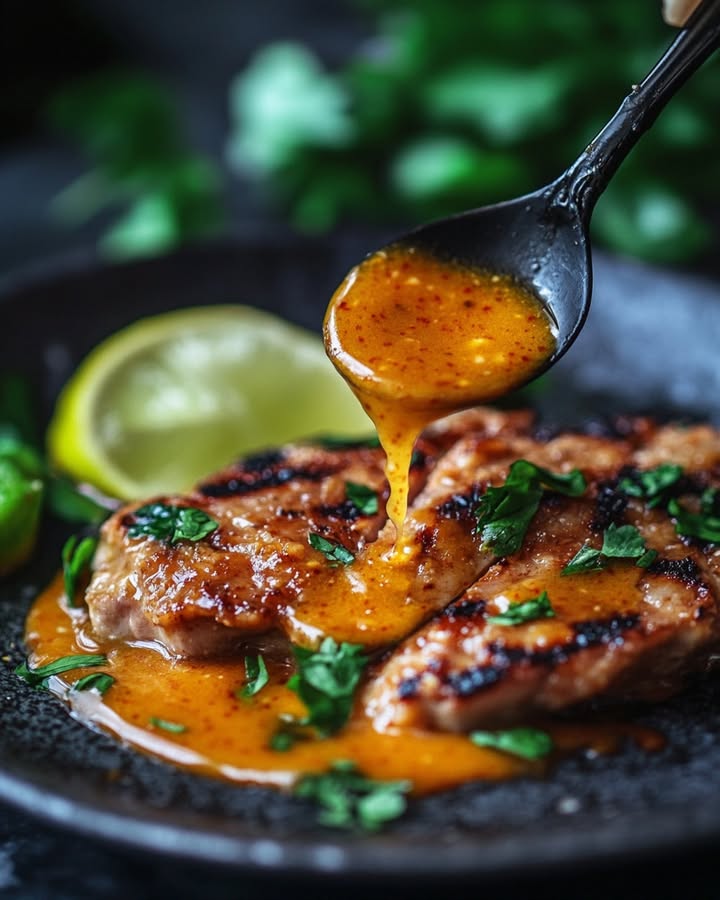
Unlock the Zesty Magic of Trini Chadon Beni Sauce
Have you ever taken a bite of something and instantly been transported? That happened to me the first time I tried grilled fish slathered in a vibrant green sauce in Trinidad. It was tangy, garlicky, and had this incredible fresh herb flavor I couldn’t place. I begged for the secret. Turns out, it was all about the chadon beni. Now, I keep a jar of this magic in my fridge always. It turns Tuesday night chicken into a Caribbean celebration. Let me show you how easy it is to make your own bottle of sunshine.
The Story Behind the Green Gold
Chadon Beni isn’t just an ingredient; it’s a cultural icon in Trinidad and Tobago. Often called “culantro,” it’s the bolder, leafier cousin to cilantro. While cilantro is delicate, chadon beni is robust and packs a serious punch. Traditionally, this sauce (sometimes called “green seasoning”) is the backbone of Trini cooking. Families blend it fresh, and every home cook has their own slight twist—maybe a bit more heat, an extra clove of garlic. My version sticks close to the classic fresh, uncooked style. It celebrates the raw, zesty flavors that make Caribbean food so alive and exciting.
Why This Sauce Will Become Your Kitchen Hero
You will fall in love with this recipe because it’s impossibly fast, bursting with flavor, and incredibly versatile. In just 10 minutes, you create a condiment that can elevate any simple meal. It’s fresh, it’s healthy, and it’s made from real whole ingredients. Once you taste its bright, herby kick, you’ll wonder how you ever lived without it. It’s like a flavor bomb waiting to rescue your dinner!
When to Whip Up Your Batch of Zest
This sauce is your secret weapon for so many occasions! It’s perfect for weekend barbecues, making your grilled steak or shrimp the talk of the party. Bring it to a potluck with a bowl of crusty bread for dipping—it’s a guaranteed conversation starter. I love making a batch on Sunday to use throughout the week. It instantly wakes up leftovers, lunches, and quick weeknight dinners. Think of it as your instant vacation in a jar.
What You’ll Need: Simple, Fresh Ingredients
- 30 Chadon Beni (culantro) leaves, tough stems removed
- Juice of 1 fresh lime
- 1/2 cup water
- 1/2 teaspoon salt
- 1/2 hot pepper (like scotch bonnet or habanero), seeds and membranes removed
- 3 large garlic cloves
No Chadon Beni? No Problem! Try These Swaps
Finding fresh culantro can be tricky outside Caribbean markets. Don’t let that stop you! Here are great substitutes:
Cilantro & Basil Combo: Use 1 cup packed cilantro and 5-6 fresh basil leaves. The basil adds the depth you need.
Extra Herbs: Add a few sprigs of parsley or mint to your cilantro for a more complex flavor.
Pepper Swap: No scotch bonnet? Use a jalapeño for mild heat or a pinch of cayenne pepper.
Crafting Your Flavor Bomb: Step-by-Step
Step 1: Get Your Greens & Aromatics Ready
Start by giving your chadon beni leaves a good rinse under cool water. Shake off the excess and pat them dry with a kitchen towel. This helps the sauce blend smoothly and last longer. Grab your garlic cloves, give them a firm smash with the flat side of your knife—this makes the papery skin pop right off. Then, give them a rough chop. For the hot pepper, carefully slice it in half and use a spoon to scrape out all the seeds and white ribs. This controls the heat while keeping that fantastic fruity pepper flavor. A quick chop, and you’re ready to blend!
Step 2: The Big Blend
Now for the fun part! Tumble all your prepped ingredients into the bowl of your food processor or blender. The vibrant green leaves, the pungent chopped garlic, the fiery pepper, and the cool water all go in together. Don’t forget the star brightener: the juice of a whole, fresh lime. That citrusy zing is what makes this sauce so addictive. Finally, sprinkle in the salt. It’s not just for taste; it helps break down the herbs and pull out all their delicious juices.
Step 3: Pulse to Perfection
Secure the lid on your processor. Start by pulsing a few times to break everything down. Then, let it run for 20-30 seconds. Watch the magic happen as the ingredients transform into a gorgeous, speckled green paste. Pro tip: Want it smoother? Blend a bit longer. Prefer a rustic, chunky texture with little bits of leaf? Pulse just a few more times. You are in complete control of the final texture here. The fresh, sharp aroma that wafts up will make your mouth water instantly.
Step 4: Taste and Tweak Your Masterpiece
Grab a clean spoon and taste your creation. This is your moment to make it yours. Does it need a pinch more salt to make the flavors pop? Could it handle a bit more heat? If so, you can add a tiny piece of the remaining hot pepper or a crack of black pepper. The goal is a perfect balance of herby, garlicky, tangy, and spicy. Chef’s tip: For an even richer flavor, let the sauce sit in the fridge for an hour before this final taste test. The flavors meld and deepen beautifully.
Timing is Everything
Prep Time: 10 minutes
Total Time: 10 minutes
Servings: About 1 cup
Calories: Roughly 15 per tablespoon
A Little Secret from My Kitchen
My absolute secret for the most vibrant, long-lasting green color? A quick blanch! Before blending, dunk your chadon beni leaves in boiling water for just 5 seconds, then immediately into ice water. It locks in that stunning emerald green so your sauce stays gorgeous for days.
Fun Fact: What’s in a Name?
“Chadon Beni” comes from the French words “chardon” (thistle) and “bénit” (blessed). Pretty fitting for a herb that’s so blessed delicious, right? In other parts of the world, it’s known as shado beni, recao, or sawtooth coriander. No matter the name, the flavor is unforgettable.
Gear You’ll Need
- A food processor or high-speed blender
- A sharp knife and cutting board
- A citrus juicer or reamer (for the lime)
- Measuring spoons and cups
- A rubber spatula to get every last bit out
- An airtight glass jar or container for storage
Keeping Your Sauce Fresh & Fabulous
To get the longest life from your sauce, transfer it to a super-clean, airtight glass jar. Glass is best because it won’t hold onto flavors. Press the sauce down to remove any air bubbles and pour a tiny, thin layer of olive oil or lime juice on top. This creates a seal that helps prevent oxidation.
Always store the jar in the coldest part of your refrigerator, not in the door. It will keep well for up to a week. You’ll notice the color may darken a bit over time, but the flavor will still be fantastic. Give it a good stir before each use.
This sauce does not freeze well due to the fresh herbs and garlic, which can become bitter and lose their texture when frozen and thawed. It’s so quick to make, it’s best enjoyed fresh within that week!
My Best Tips for Sauce Success
- Wear gloves when handling the hot pepper if you have sensitive skin.
- For a creamier texture, swap the water for a tablespoon of mild oil.
- If your sauce is too thick, simply add water, a teaspoon at a time, until it’s just right.
- Label your jar with the date so you remember when you made it.
How to Serve It Like a Pro
- Drizzle it over grilled shrimp or fish right off the barbecue.
- Use it as a marinade for chicken for at least 30 minutes before cooking.
- Swirl it into mayo or Greek yogurt for an instant zesty dip or sandwich spread.
- Spoon it over roasted vegetables or a simple avocado toast.
- Serve it in a small, colorful bowl alongside a main dish for dipping.
Shake It Up! Healthier & Tasty Variations
1. Avocado Chadon Beni: Blend in half a ripe avocado. It makes the sauce luxuriously creamy and adds healthy fats. Perfect as a salad dressing.
2. Herb Garden Delight: Add a handful of fresh parsley or mint to the blend for an even more complex herbal profile. Great with lamb.
3. Creamy Coconut Version: Replace the water with light coconut milk. This creates a luscious, tropical sauce ideal for curries or as a dip for tropical fruits.
4. Nutty Twist: Add 2 tablespoons of toasted pine nuts or cashews before blending. It adds body and a subtle richness. Fantastic on pasta.
5. Yogurt-Based Sauce: Mix 3 tablespoons of your finished sauce into 1 cup of plain Greek yogurt. This creates a cooling, protein-packed condiment.
6. Oil-Free Herb Paste: Skip the water and just use lime juice. You’ll get a super-concentrated paste perfect for rubbing directly on meat before grilling.
Common Mistakes to Avoid
Mistake 1: Using the Tough Stems
It’s tempting to just throw the whole bunch in the processor. But chadon beni stems can be woody and fibrous. They won’t break down smoothly and can give your sauce a unpleasant, stringy texture. Always take the extra minute to strip the leaves from the tougher central stems. You’ll be rewarded with a much silkier, more enjoyable sauce.
Mistake 2: Skipping the Taste Test
Blending and immediately jarring the sauce is a missed opportunity. Ingredients vary—one lime might be juicier, one pepper might be hotter. Not tasting before you finish means you might end up with a sauce that’s too bland, too salty, or lacking balance. Always, always taste and adjust. That final tweak is what turns good sauce into great sauce.
Mistake 3: Improper Storage
Leaving your sauce in a loosely covered bowl or a plastic container that isn’t airtight is a fast track to spoilage. The fresh herbs and garlic are prone to oxidizing and picking up fridge odors. Always use a clean, airtight glass container. Pressing out air bubbles and adding that thin oil layer on top are crucial steps for maximizing freshness and flavor longevity.
Mistake 4: Blending Into a Brown Puree
If you blend the sauce for too long, the friction from the blades can actually “cook” the herbs and cause them to turn a dull, army-green or brownish color. While it might still taste okay, it loses that beautiful, appetizing vibrancy. Use the pulse function and stop as soon as you reach your desired consistency to keep that gorgeous green hue.
Your Chadon Beni Sauce Questions, Answered
What does chadon beni taste like?
Chadon beni has a bold, unique flavor that’s often described as a more intense, earthy, and citrusy version of cilantro. It lacks the “soapy” note some people detect in cilantro. This sauce combines that deep herbal taste with the sharp punch of raw garlic, the bright acidity of lime, and a building warmth from the pepper. It’s fresh, complex, and incredibly addictive!
Where can I buy chadon beni leaves?
Your best bet is to check Caribbean, Latin American, or Asian grocery stores. It’s often sold in small bunches in the fresh herb section. Sometimes it’s labeled as “culantro,” “recao,” or “shado beni.” If you have a green thumb, you can also find seeds or starter plants online to grow your own—it thrives in warm weather!
How spicy is this sauce?
The spice level is totally in your control! By removing all the seeds and white membranes from the hot pepper, you get flavor without overwhelming heat. Using half a pepper, as in this recipe, creates a gentle, warming kick. If you love heat, leave some seeds in. If you’re sensitive to spice, start with just a quarter of the pepper or use a milder type like a jalapeño.
Can I use a blender instead of a food processor?
Absolutely! A high-speed blender will work, though you might need to stop and scrape down the sides more often to ensure everything gets evenly chopped. A small food processor is ideal for this small-batch recipe, but don’t let the lack of one stop you. A blender will still give you a delicious, if sometimes slightly smoother, result.
Is this sauce the same as “green seasoning”?
They are very close cousins! In Trinidad, “green seasoning” is often a broader herb-and-garlic paste that might include additional ingredients like scallions, thyme, celery, and even onions. It’s frequently used as a marinade. This Fresh & Zesty Chadon Beni Sauce is a simpler, fresher, uncooked version that shines as a finishing condiment. Think of green seasoning as the marinade and this sauce as the tabletop drizzle.
What’s the best way to use it as a marinade?
This sauce makes a fantastic quick marinade for poultry, fish, or shrimp. Simply coat your protein generously with the sauce, place it in a dish, cover, and let it rest in the fridge. For fish and shrimp, 15-30 minutes is plenty. For chicken, you can go for 30 minutes to 2 hours. Any longer with the lime juice’s acidity can start to “cook” the surface of the meat, changing its texture.
Why did my sauce turn brown after a few days?
This is normal and just oxidation, like when a cut apple turns brown. The fresh herbs are exposed to air, even in the fridge. Using an airtight container, pressing out air, and the oil-seal trick will slow this down. The flavor is still good for about a week, even if the color deepens. The quick blanching trick mentioned in the “Chef’s Secret” is the best defense against browning.
Can I make this sauce milder for kids?
Of course! To make a kid-friendly (or heat-averse) version, simply omit the hot pepper entirely. The sauce will still be packed with amazing flavor from the chadon beni, garlic, and lime. You can always serve a spicier version on the side for the adults. You can also reduce the amount of raw garlic to one clove if the flavor is too strong for little palates.
What can I serve with chadon beni sauce?
The possibilities are endless! It’s traditionally served with grilled or fried meats and seafood. Try it with:
– Grilled chicken, steak, or pork chops.
– Pan-seared or baked fish like snapper or salmon.
– Shrimp skewers or grilled prawns.
– As a dip for fried plantains, cassava, or toast.
– Stirred into soups or stews right before serving for a fresh lift.
Can I freeze chadon beni sauce?
I don’t recommend freezing this particular fresh sauce. The texture of the herbs and garlic can become watery and mushy when thawed, and the vibrant flavor can dull. Since it takes only 10 minutes to make from scratch, it’s truly best enjoyed fresh. If you have an excess of fresh chadon beni leaves, you can freeze those whole in a zip-top bag to use in cooked dishes later.
Ready to Add Some Zest to Your Life?
So there you have it—your passport to incredible flavor is just a few pulses away. This Fresh & Zesty Trini Chadon Beni Sauce is more than a recipe; it’s a little jar of joy. It proves that the biggest flavors often come from the simplest, freshest ingredients. I promise, once you try it on your next grilled dinner or as a surprise dip for friends, you’ll be hooked. Now, go grab those herbs and start blending! Your taste buds will thank you.