
Introduction
I’ll never forget the first time I made mashed potatoes for Christmas dinner and watched my grandmother take that first bite. Her eyes lit up, and she smiled in a way that told me I’d done something right. That’s the magic of holiday mashed potatoes. They’re not just a side dish. They’re a warm hug on a plate that brings everyone together.
There’s something special about creamy, buttery mashed potatoes on a holiday table. Maybe it’s how they soak up gravy from the turkey. Or how they balance out the rich flavors of ham and cranberry sauce. Whatever it is, I get excited every single year when it’s time to make them.
In this guide, I’m sharing everything I’ve learned about making the best holiday mashed potatoes. We’ll talk about tips that actually work. I’ll show you how to make holiday mashed potatoes with cream cheese that are so good people will ask for seconds before they finish their firsts. And I’ll answer those questions that keep popping up, like what is the secret to great mashed potatoes and whether you can make them ahead of time.
Why Holiday Mashed Potatoes Are a Must-Have
The Comfort of Mashed Potatoes During the Holidays
Walk into any home on Thanksgiving or Christmas, and you’ll probably find mashed potatoes on the table. They’ve earned their spot as a holiday staple for good reason. While fancy dishes come and go, mashed potatoes stay.
Does Christmas dinner have mashed potatoes? Absolutely. Just like Thanksgiving, Christmas dinner almost always includes a big bowl of fluffy, creamy potatoes. They’re right there next to the roast, the stuffing, and all the trimmings. Some families might skip the green bean casserole or try a new dessert, but mashed potatoes? They’re not going anywhere.
The beauty of mashed potatoes is how they fit with everything. Turkey and gravy? Perfect match. Honey-glazed ham? Even better. Prime rib for Christmas? The potatoes handle that too. They’re like the friend who gets along with everyone at the party.
Mashed potatoes also bring comfort during a time when we need it most. The holidays can be stressful. There’s shopping, cooking, and making sure everything turns out right. But when you sit down and take a bite of warm, creamy potatoes, all that stress melts away for a moment. It reminds you why you went through all the trouble in the first place.
I remember one year when everything went wrong. The turkey was dry, the pie crust burned, and I forgot to buy rolls. But the mashed potatoes? They were perfect. And you know what? That’s what people remembered. They talked about those potatoes for years.
Elevating Your Dish: Adding Cream Cheese, Sour Cream, and More
Good mashed potatoes are great, but amazing mashed potatoes take things up a notch. The secret is in what you add. Plain butter and milk work fine, but if you want people begging for your recipe, you need to get creative with dairy.
Let’s start with holiday mashed potatoes with cream cheese. This is my go-to method now. Cream cheese adds a tangy richness that regular butter can’t match. It makes the potatoes extra smooth and gives them a subtle flavor that people can’t quite put their finger on. They just know these potatoes taste better than usual.
Here’s what cream cheese does: it creates an incredibly silky texture. When you beat it into hot potatoes, it melts completely and coats every bite. The tang balances out the starchiness. You end up with potatoes that taste lighter even though they’re rich and creamy.
Want to go even further? Try holiday mashed potatoes with cream cheese and sour cream. This combination is what I call the holiday special. The sour cream adds another layer of tanginess and makes the potatoes even fluffier. I use about half a block of cream cheese and half a cup of sour cream for five pounds of potatoes. It’s a game changer.
Mashed potatoes with heavy cream take a different approach. Heavy cream makes the potatoes incredibly rich and velvety. If you’ve ever had potatoes that tasted like they came from a fancy restaurant, heavy cream was probably involved. The high fat content creates a luxurious mouthfeel that milk just can’t achieve.
My favorite method combines approaches. I make mashed potatoes with heavy cream and sour cream. Heat the heavy cream with butter until the butter melts. Pour it over your mashed potatoes and mix. Then fold in the sour cream at the end. This gives you richness from the cream and a bright finish from the sour cream.
For garlic lovers, mashed potatoes with heavy cream and garlic are incredible. Simmer whole garlic cloves in heavy cream for about 10 minutes. The garlic gets soft and sweet. Mash the garlic right into the cream, then add it to your potatoes. This method gives you garlic flavor without any harsh bite.
Some people prefer red mashed potatoes with heavy cream. Red potatoes have a different texture than russets. They’re waxier and hold their shape better. When you mash them with the skins on and add heavy cream, you get a more rustic, chunky result. The skins add color and a slightly earthy flavor that works beautifully with rich cream.
If you want something in between, try mashed potatoes with heavy cream and milk. This gives you some of that richness without going overboard. Use about two parts milk to one part heavy cream. It’s a good middle ground when you want creamy potatoes but also plan to serve rich gravy.
Now here’s something most people don’t know about: boiling potatoes in heavy cream. This French technique creates the creamiest potatoes you’ve ever tasted. You cook peeled, cubed potatoes directly in cream instead of water. The potatoes absorb the cream as they cook. When they’re tender, you mash them right in the pot with butter. It uses a lot of cream, but the result is unforgettable. Save this method for special occasions when you really want to impress.
What is the secret to great mashed potatoes? After years of testing, I’ve learned it’s not just one thing. It’s a combination. Use the right potato (russets for fluffy, Yukon golds for buttery). Don’t overwork them or they get gummy. Add your dairy hot, not cold. And most importantly, don’t skimp on fat. Butter, cream, cream cheese, or sour cream make the difference between okay potatoes and ones people remember.
The ina garten make ahead mashed potatoes method deserves mention too. She makes them a day early, stores them in the fridge, then reheats them with extra cream. This saves time on the big day and actually makes the potatoes better. The flavors meld overnight. Just add a splash of hot cream when reheating to bring back that fresh-made texture.


Step-by-Step Guide to Making Perfect Holiday Mashed Potatoes
So now that you know what makes potatoes special, let’s get into the actual how-to part. I’m going to walk you through every step, from picking potatoes at the store to getting them on the table looking like something from a magazine.
Choosing the Right Potatoes
Here’s where a lot of people mess up before they even start cooking. Not all potatoes are created equal, and picking the wrong ones can tank your whole dish.
Russet potatoes are what I reach for most often. They’re high in starch and low in moisture, which means they get incredibly fluffy when mashed. They soak up butter and cream like champions. When you want those classic, cloud-like mashed potatoes that pile high on a plate, russets are your friend. My dad always called them “baking potatoes,” and he was right, but they’re also the mashing MVP.
Yukon Gold potatoes are my second choice, and honestly, some days they’re my first. They have this naturally buttery flavor and golden color that makes your potatoes look richer even before you add anything. They’re waxy enough to stay creamy but starchy enough to mash well. The texture lands somewhere between fluffy and dense. If you’re making holiday mashed potatoes with cream cheese, Yukon Golds work beautifully because their natural butteriness complements that tangy cream cheese.
Funny enough, I used to mix them. Half russets, half Yukon Golds. You get the fluffiness of russets and the buttery taste of Yukon Golds. It’s like having the best of both worlds sitting right there in your pot.
Now, if you want something different that catches people’s eye, try red mashed potatoes with heavy cream. Red potatoes have thin skins that you can leave on. They add these beautiful pink and red flecks throughout your mash. The texture is chunkier, more rustic. I made these one year to go with roast prime rib, and people couldn’t stop talking about how pretty they looked next to the meat. Red potatoes have less starch, so they won’t get as fluffy, but that’s the point. You’re going for a different vibe, something that feels more homestyle and less formal.
Whatever potato you pick, make sure they’re all about the same size. If they’re not, cut the big ones so everything cooks evenly. Nothing worse than biting into a hard chunk because one potato didn’t cook through.
Boiling Techniques for Fluffy Results
Okay, you’ve got your potatoes. Now comes the cooking part, and this is where technique really matters.
Start with cold water. Put your peeled, cubed potatoes in the pot and cover them with cold water by about an inch. Add a generous amount of salt. I’m talking like a tablespoon for a big pot. This is your only chance to season the potatoes from the inside. If you wait until after they’re mashed, the salt just sits on the surface.
Bring everything to a boil, then reduce to a simmer. You want gentle bubbles, not a rolling boil that crashes your potatoes around and makes them waterlogged. They’re done when a fork slides through easily, usually 15 to 20 minutes depending on how big you cut them.
Here’s the thing though. Some people cook their potatoes in chicken broth instead of water. It adds flavor from the inside out. I’ve done this when I’m serving the potatoes alongside holiday stuffing, and it ties everything together nicely. The potatoes pick up that savory depth.
But if you really want to blow minds, try boiling potatoes in heavy cream using that French method I mentioned earlier. Use a wide, shallow pan so the cream doesn’t boil over. Cut your potatoes small, like half-inch cubes. Cover them with heavy cream and add butter, salt, and maybe some garlic. Simmer gently until the potatoes are tender and have absorbed most of the cream. Mash them right in the pan. The result is absurdly rich and creamy. Fair warning though, this method uses a lot of cream and costs more. Save it for when you’re really trying to impress, like Christmas dinner when the whole family’s coming.
After your potatoes are cooked, drain them well. Really well. Shake the colander. Then put them back in the hot pot for a minute to let any remaining water evaporate. Wet potatoes make gluey mashed potatoes. Nobody wants that.
Mixing in Flavor Enhancers
This is where the magic happens. You’ve got perfectly cooked potatoes. Now you’re going to transform them into something people talk about.
Start by mashing or ricing your potatoes while they’re still hot. I use a potato ricer when I want them super smooth. It pushes the potato through tiny holes and breaks up any lumps. A regular masher works fine too if you don’t mind a bit of texture. Whatever you do, don’t use a food processor or blender. I tried that once. Never again. They turn into paste instantly because the blades break down the starch too much.
Once they’re mashed, add your hot butter first. Let it melt in and coat everything. Then add your cream or milk, also heated. Cold dairy cools down your potatoes and makes them harder to mix smoothly. I heat mine in the microwave for about a minute. Easy.
For mashed potatoes with heavy cream and garlic, here’s what I do differently. Peel about six cloves of garlic and drop them into your heavy cream. Simmer them together on low heat for ten minutes. The garlic softens completely and infuses the cream. Mash those garlic cloves right into the cream with a fork, then pour the whole mixture over your potatoes. This gives you this mellow, sweet garlic flavor without any raw bite. It’s the kind of thing that makes people lean in and ask what that amazing flavor is.
By the way, what does Gordon Ramsay put in his mashed potatoes? I’ve watched enough of his videos to know. He uses a ridiculous amount of butter. Like equal parts potato and butter, which sounds insane but tastes incredible. He also pushes his potatoes through a ricer twice for ultimate smoothness. Then he adds hot milk or cream while beating the potatoes over low heat. His technique creates these impossibly silky, rich potatoes. I’ve tried it. It works. But it’s definitely a special occasion thing because of all that butter.
If you’re going with mashed potatoes with heavy cream and milk, use about two-thirds milk and one-third heavy cream. This gives you creaminess without going overboard on richness. It’s perfect when you’re serving them with gravy or alongside something already rich like a Christmas eggnog dessert course later.
Season as you go. Taste after each addition. More salt than you think. A bit of white pepper if you don’t want black specks. Some people add a pinch of nutmeg. I’m not usually a nutmeg person, but my aunt does this and honestly, it adds something special.
Make-Ahead Tips from Experts
Can You Prep Ahead? Absolutely!
Let me answer the question that’s probably on your mind right now: Can I make mashed potatoes the night before Thanksgiving? Yes. Absolutely yes. And you should.
Making mashed potatoes ahead of time is one of the smartest moves you can make. Thanksgiving morning is chaos. You’ve got the turkey, the sides, the timing of everything. If you can knock out the mashed potatoes the day before, you’re giving yourself a huge gift.
The ina garten make ahead mashed potatoes method is legendary for good reason. She makes her potatoes up to a day ahead, stores them covered in the fridge, then reheats them. But here’s her secret: she doesn’t fully finish them the first time. She leaves them slightly under-seasoned and a bit thicker than normal. Then when she reheats them, she adds more hot cream or milk to loosen them up and adjusts the seasoning. This way they taste fresh-made, not reheated.
Here’s exactly how I do it. Make your potatoes completely the day before. Get them to the consistency and flavor you want. Transfer them to a baking dish and smooth the top. Dot the surface with butter pats. Cover tightly with plastic wrap or foil and refrigerate.
On the big day, take them out about an hour before you plan to serve so they’re not ice cold. Heat your oven to 350 degrees. Remove the plastic wrap and pour a little extra heavy cream over the top, maybe half a cup. Cover with foil and bake for about 30 minutes until heated through. Stir everything together and check your seasoning. Add more butter if you want. Nobody ever complained about too much butter in holiday potatoes.
I’ve even made them two days ahead when I was hosting both Thanksgiving and had family arriving early. Worked perfectly. The texture might not be quite as fluffy as fresh-made, but honestly, with all the cream cheese and butter, nobody can tell the difference.
Another trick is using a slow cooker to keep them warm during dinner. Make them a few hours early, transfer to a slow cooker on low, and they’ll stay perfect for hours. Stir occasionally and add a splash of hot milk if they start to stiffen up.
This make-ahead approach gives you time to focus on things that can’t be done early, like making sure your Easter carrot cake is decorated perfectly or getting that turkey carved just right. Work smarter, not harder, especially during the holidays when you’d rather be spending time with family than stressing in the kitchen.


Secrets to Achieving Restaurant-Quality Mashed Potatoes
What Does Gordon Ramsay Put in His Mashed Potatoes?
I’ve spent way too many hours watching Gordon Ramsay videos on YouTube. There’s something hypnotic about the way he cooks, even when he’s yelling at someone. But when it comes to mashed potatoes, the man knows what he’s doing.
Gordon’s approach is all about technique and not being scared of fat. Like I mentioned before, he uses an almost shocking amount of butter. But there’s more to it than that. He starts with really good potatoes, usually Maris Piper or Yukon Golds. He boils them in heavily salted water until they’re just tender, then drains them completely. And I mean completely, letting all that steam escape.
Here’s where it gets interesting. He pushes the potatoes through a ricer, sometimes twice, to get them impossibly smooth. No lumps anywhere. Then he puts the riced potatoes back in the pot over very low heat. This is key because he adds his butter while the pot is still on the stove. The heat helps the butter incorporate completely instead of just sitting there in greasy puddles.
The butter-to-potato ratio is wild. For about two pounds of potatoes, he uses nearly a whole stick of butter. Sometimes more. Then he gradually adds hot milk or cream, beating constantly with a wooden spoon. The motion and the heat create this emulsion that makes the potatoes incredibly silky. It’s the same principle as making a sauce.
What I love about his method is the constant movement. He’s always stirring, always checking the consistency, always tasting. He seasons aggressively with salt and white pepper. Sometimes he adds a touch of nutmeg, though he’s not married to it. The whole process takes longer than you’d think, maybe 30 minutes start to finish, because he’s so particular about each step.
When I tried his technique for the best holiday mashed potatoes at Christmas two years ago, people actually gasped when they tasted them. My brother-in-law, who usually just grunts and eats, actually stopped and asked what I did differently. That’s when you know you’ve made something special.
The downside is you really need to commit. This isn’t a quick side dish. But for a holiday meal when you want everything perfect, Gordon’s method delivers results that taste like they came from a French bistro.
My Personal Touches for Extra Creaminess
After years of making potatoes, I’ve developed my own little tricks that take them from good to unforgettable. These are the things I do that aren’t in any recipe but make all the difference.
First, I always save some butter to add at the very end. After everything else is mixed in and the potatoes are basically done, I drop in a few tablespoons of cold butter cut into cubes. Then I fold it in gently so you get these little pockets of melting butter throughout. It adds this extra richness and makes the potatoes glisten in a way that looks incredible on the table.
Another thing I do is whip some air into them. Once all your dairy is incorporated and you’re happy with the consistency, switch to a hand mixer on low speed. Beat them for maybe 30 seconds. Not too long or they’ll get gluey, but just enough to introduce some air. This makes them lighter and fluffier. It’s subtle, but people always say my potatoes feel different in their mouth, almost cloudlike.
Here’s something I learned from my mom. She used to add a tiny splash of apple cider vinegar at the end. Sounds weird, right? But that little bit of acid brightens everything up. It cuts through the richness and makes the potatoes taste more complex. Use just a teaspoon for a big batch. Too much and you’ll taste it, but the right amount just wakes up all the other flavors.
When I’m making holiday mashed potatoes with cream cheese and sour cream, I let the cream cheese sit out for an hour before I start cooking. Room temperature cream cheese mixes in smoother and doesn’t cool down your potatoes. Same with sour cream. Cold dairy is the enemy of smooth, creamy mashed potatoes.
I also keep a pot of hot milk on the stove while I’m mashing. That way if the potatoes get too thick, I can add more liquid without starting over. Texture is so personal. Some people like them thick enough to hold a spoon upright. Others want them loose and pourable. Having hot milk standing by lets you adjust on the fly.
One year I started adding a spoonful of the turkey drippings to my potatoes. I know it sounds messy, but that savory depth from the drippings connects the potatoes to the rest of the meal in this really satisfying way. Especially good when you’re planning a spread that includes other holiday favorites that all need to work together on one plate.
And here’s my biggest secret: taste as you go, but also let someone else taste. I get so focused on what I’m doing that I lose perspective. My husband has become my official taster. He’ll tell me if they need more salt or if the texture is off. A fresh palate catches things you miss when you’ve been stirring potatoes for 20 minutes straight.
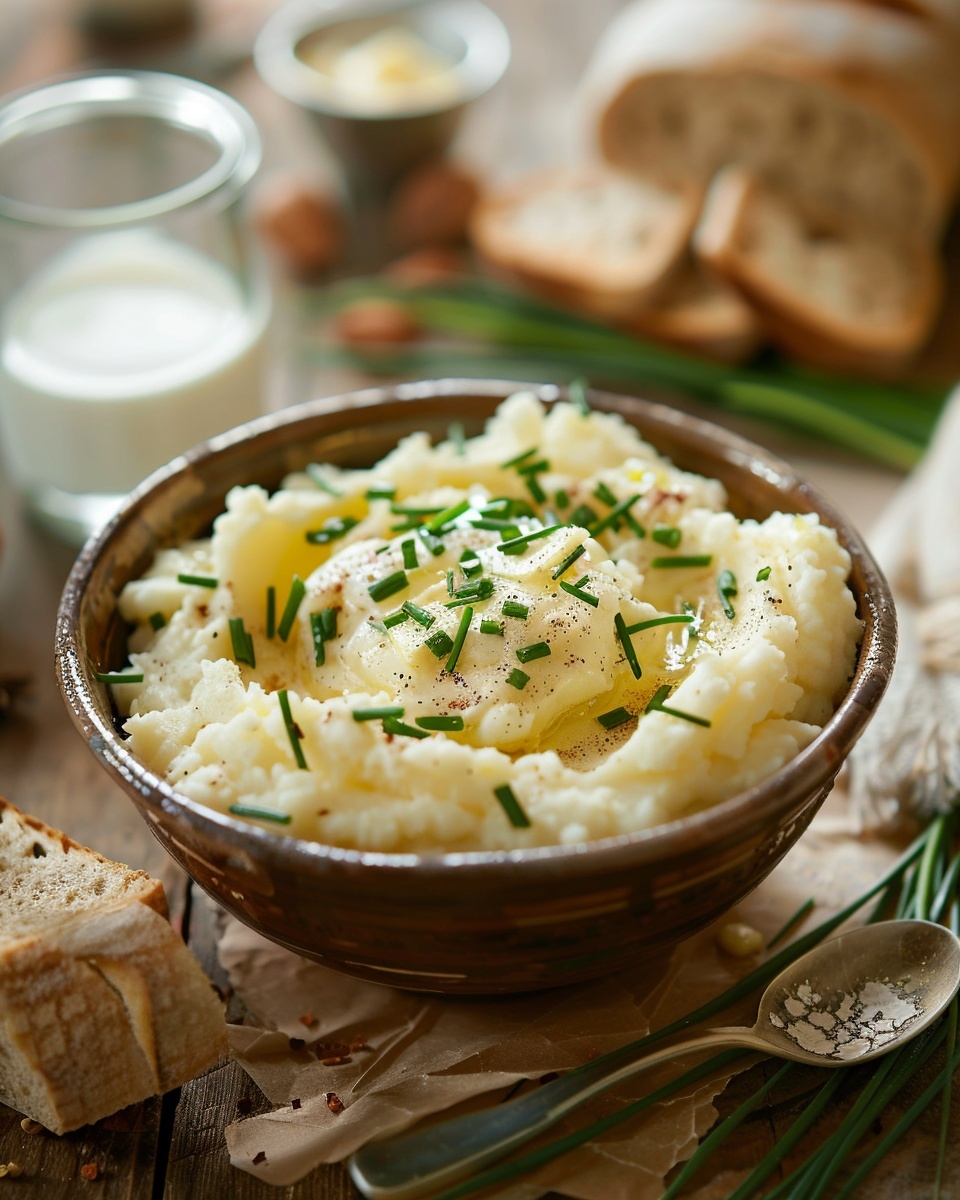
By the way, presentation matters more than people think. I transfer my finished potatoes to a warm serving bowl and use the back of a spoon to create little swirls and peaks on top. Then I drizzle melted butter over those peaks and add a sprinkle of fresh cracked pepper or chopped chives. It takes 30 seconds but makes them look like something from a magazine. People eat with their eyes first, especially during the holidays when everything should feel special.
One last thing about making choices that support both great taste and well-being during the holidays: I always think about balance. Yes, these potatoes are rich and indulgent. That’s the whole point. But choosing quality ingredients and being mindful about portions helps me enjoy them without guilt. The CDC notes that a healthy lifestyle includes room for celebration foods, especially during meaningful gatherings with loved ones. It’s about the overall pattern of what we eat, not stressing over one perfect holiday meal.
FAQ Section: All Your Mashed Potato Questions Answered
What is the secret to great mashed potatoes?
The real secret is actually several things working together. Start with high-starch potatoes like russets or Yukon Golds that naturally mash creamy. Don’t overwork them or they’ll turn gluey. Add hot butter and hot dairy, never cold. Season generously with salt while they’re still hot so the seasoning penetrates. And don’t be afraid of fat because that’s what makes them taste incredible and creates that silky texture everyone loves.
Does Christmas dinner have mashed potatoes?
Yes, mashed potatoes are just as common at Christmas dinner as they are at Thanksgiving. They pair beautifully with traditional Christmas mains like roast beef, prime rib, ham, or turkey. That said, every family is different and you should serve what makes your table happy. Some families do scalloped potatoes or roasted potatoes instead. The beauty of the holidays is making traditions that work for you, whether that means classic holiday mashed potatoes or something completely different.
Can I make mashed potatoes the night before Thanksgiving?
Absolutely, and I highly recommend it. Make them fully the night before, transfer to a buttered baking dish, and cover tightly with plastic wrap or foil. Store in the fridge overnight. About an hour before serving, let them come to room temperature a bit, then reheat covered in a 350-degree oven for 30 minutes. Add a splash of hot cream or milk when reheating to restore that fresh-made texture. They’ll taste just as good as freshly made, and you’ll have way less stress on the big day.
What does Gordon Ramsay put in his mashed potatoes?
Gordon Ramsay uses a generous amount of butter, sometimes equal parts butter to potatoes by weight. He pushes cooked potatoes through a ricer for smoothness, then adds the butter while heating the pot on low. He gradually incorporates hot milk or cream while stirring constantly to create an emulsion. He seasons with plenty of salt and white pepper. The technique and constant motion are just as important as the ingredients for achieving his signature silky texture.
How do you keep mashed potatoes from getting gummy?
Don’t overmix them, that’s the main cause. When you overwork potatoes, you break down the starch cells and release too much starch, which creates that gluey texture. Use a ricer or masher instead of a food processor or blender. Mix just until your dairy is incorporated and stop. Also make sure your potatoes are well-drained before mashing because excess water contributes to gumminess. If you want them extra smooth, push them through a ricer rather than beating them forever with a mixer.
Can you freeze mashed potatoes?
You can freeze them, though the texture won’t be quite as good as fresh. Add extra butter and cream cheese before freezing because they help the potatoes maintain a better texture when thawed. Store in an airtight container or freezer bag for up to two months. Thaw overnight in the fridge, then reheat gently with added dairy. They work better as an ingredient in other dishes after freezing, like shepherd’s pie, rather than as a standalone side. For holiday meals, I prefer making them a day ahead and refrigerating instead of freezing.
Should you rinse potatoes after boiling for mashing?
No, don’t rinse them after boiling. You want to drain them well and even let them dry out a bit by sitting in the hot pot for a minute. Rinsing would cool them down and add water back, which works against what you’re trying to achieve. The goal is to start with the driest, hottest potatoes possible so they absorb your butter and cream properly. Any extra moisture makes them watery and prevents them from getting creamy. Just drain thoroughly and you’re good to go.
Why do you add hot milk to mashed potatoes instead of cold?
Cold milk drops the temperature of your potatoes too quickly, which makes them harder to mix smoothly and can lead to lumps. Hot milk blends in immediately and keeps everything at the right temperature for a silky consistency. The heat also helps the fat molecules in the butter and cream combine with the potato starch to create that rich, smooth texture. It’s a small step that makes a noticeable difference. I just heat mine in the microwave for a minute or warm it in a small pot on the stove.
What’s the difference between mashed potatoes with heavy cream versus milk?
Heavy cream has a much higher fat content, around 36 percent compared to whole milk’s 3 to 4 percent. This makes potatoes made with heavy cream significantly richer and more luxurious. They feel velvety on your tongue and taste more indulgent. Milk makes lighter, fluffier potatoes that aren’t as heavy. For holidays, I usually go with cream or a mix of cream and milk to get richness without going completely overboard, especially if I’m also serving rich gravy.
How much butter and cream per pound of potatoes?
A good starting point is about 4 tablespoons of butter and a half cup of dairy (cream, milk, or a combination) per pound of potatoes. So if you’re making 5 pounds of potatoes, you’d use about 1 and a quarter sticks of butter and 2 and a half cups of dairy. But honestly, this is where personal preference comes in. Taste as you go and add more if you want them richer. For best holiday mashed potatoes, I usually err on the side of more butter and cream because it’s a special occasion and nobody’s counting calories on Thanksgiving.
Making amazing mashed potatoes doesn’t have to be complicated or stressful. Start with good potatoes, don’t be afraid to use plenty of butter and cream, and give yourself permission to make them ahead if that makes your life easier. The holidays are about enjoying time with the people you love, not being chained to the stove while everyone else is having fun. Trust your instincts, taste along the way, and remember that even if they’re not perfect, homemade holiday mashed potatoes made with love will always be better than anything from a box. Now get in that kitchen and make some magic happen.
Holiday Mashed Potatoes
Ingredients
Equipment
Method
- Choose your potatoes; russets are great for fluffiness, while Yukon Golds add creaminess.
- Peel and cube the potatoes into even sizes.
- Place the potatoes in a pot and cover with cold water by about an inch.
- Add a generous amount of salt to the water.
- Bring the pot to a boil, then reduce to a simmer for 15-20 minutes until fork-tender.
- Drain potatoes well, then return them to the pot to allow any remaining moisture to evaporate.
- Mash the potatoes while still hot using a potato ricer or masher.
- Add hot butter and let it melt, followed by warmed cream cheese and sour cream.
- Gradually mix in hot heavy cream until you reach desired consistency.
- Season with salt, white pepper, and optional ingredients to taste.
- Serve warm, and garnish with melted butter if desired.