
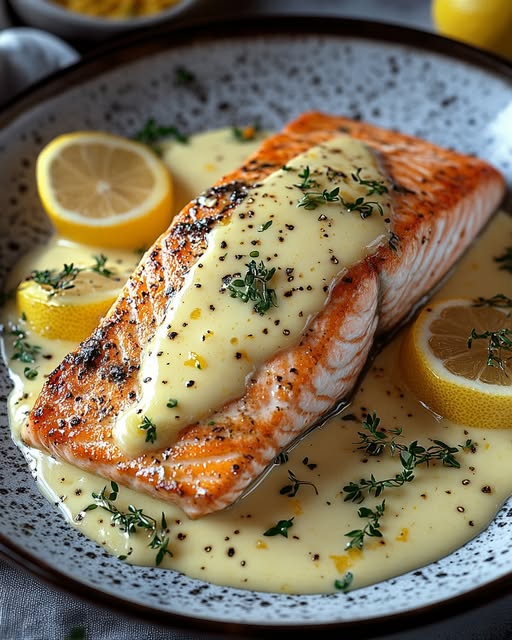
Easy Baked Lemon Butter Salmon: A Gourmet Dish in 25 Minutes
Picture this: It’s a busy Wednesday evening. You’re tired, but you want something special. Something that feels like a treat without keeping you in the kitchen all night. That’s where this Lemon Butter Salmon swoops in to save the day. I perfected this recipe after a small dinner party disaster—my original plan was too fussy! This version is my go-to for impressing guests or just treating my family. It’s the elegant answer to the “what’s for dinner?” question, and I can’t wait for you to try it.
A Little Background on This Classic Combo
The partnership of salmon and lemon is a timeless classic. Think of it as the little black dress of the seafood world. While the exact origin isn’t pinned to one chef, it draws from simple, rustic French techniques where fresh, high-quality ingredients are the stars. My version borrows the richness of a beurre blanc—a classic French butter sauce—and makes it incredibly weeknight-friendly. The creamy lemon butter sauce is a modern twist that feels luxurious. It’s a dish that works just as well for a casual family meal as it does for a fancy date night at home.
Why You’ll Fall in Love With This Lemon Butter Salmon
You’ll love this recipe because it is deceptively simple. The oven does most of the work. The flavors of bright lemon, rich butter, and savory garlic come together in a sauce that makes the salmon sing. It’s a one-pan wonder that cooks quickly. The salmon stays incredibly moist and flaky. Best of all, it makes you look like a kitchen rockstar with minimal effort. Even my friend who “doesn’t cook” has this dish memorized now!
When to Make This Creamy Lemon Butter Salmon
This is your secret weapon for so many occasions! I love it for a quick weeknight dinner that breaks the monotony. It’s perfect for a romantic date night in—light some candles and you’re set. I also make it when I have last-minute guests because it’s impressive and fast. It’s even a hit for holiday meals like Easter or a fancy Mother’s Day brunch. Honestly, any day you want to feel a little pampered is the right day for this dish.
What You’ll Need: The Ingredients List
Gather these simple ingredients for a fantastic meal:
For the Salmon:
- 5 skinless salmon fillets (about 150g each)
- 2 tbsp freshly squeezed lemon juice
- 1 tbsp olive oil
- 1 garlic clove, minced
- 2 tbsp old-fashioned Dijon mustard
- 1/2 tsp ground black pepper
- Salt, to taste
For the Lemon Butter Sauce:
- 1/4 cup unsalted butter
- 1 1/2 tbsp minced garlic
- 1/2 cup heavy cream or half-and-half
- 1 to 2 tbsp freshly squeezed lemon juice (optional, for extra zing)
- 1 tbsp finely chopped parsley
- 1/2 tsp ground black pepper
- Lemon slices, for serving
Smart Swaps: Substitution Options
Don’t stress if you’re missing an ingredient! Here are easy swaps:
- Salmon: Use skin-on fillets if you prefer. Just place them skin-side down. Arctic char or steelhead trout work great too.
- Heavy Cream: Half-and-half is perfect. For a lighter version, use full-fat coconut milk for a dairy-free twist.
- Dijon Mustard: Whole grain mustard adds nice texture. Yellow mustard can work in a pinch, but it’s sweeter.
- Fresh Herbs: No parsley? Use fresh dill, chives, or even a teaspoon of dried Italian herbs in the marinade.
Let’s Get Cooking: Your Step-by-Step Guide
Step 1: Preparing the Salmon
First, preheat your oven to 425°F (220°C). This high heat will give our salmon a beautiful cook. In a medium bowl, whisk together the lemon juice, olive oil, minced garlic, and Dijon mustard. You’ll see it form a lovely, fragrant marinade. Place your salmon fillets in an oven-safe dish. Pour the marinade all over them, making sure each piece is well-coated. Season generously with black pepper and salt. Let them sit for about 10 minutes. This lets the flavors soak right into the fish. Pro tip: If you have time, letting it marinate for 30 minutes in the fridge makes it even better!
Step 2: Baking the Salmon Fillets
Now, pop the dish into your hot oven. Bake for 10 to 15 minutes. The exact time depends on the thickness of your fillets. You’ll know it’s done when the salmon flakes easily with a fork. The internal temperature should reach 145°F (63°C). The smell in your kitchen will be amazing! Once out of the oven, let the salmon rest for a few minutes. This keeps all those tasty juices inside. Chef’s tip: For extra color, broil for the last 1-2 minutes, but watch it closely!
Step 3: Making the Creamy Lemon Butter Sauce
While the salmon bakes, make the magic sauce. Melt the butter in a saucepan over medium-low heat. Add the minced garlic and sauté it until it becomes fragrant. This only takes about 20 seconds—be careful not to burn it! Then, pour in your heavy cream. Bring the mixture to a gentle simmer. Let it bubble softly for a minute or two to thicken slightly. Remove the pan from the heat. Stir in the extra lemon juice if you like it tangy, along with the parsley, pepper, and salt. The sauce will be creamy, pale yellow, and smell like heaven.
Step 4: The Grand Finale – Assembly
This is the fun part! Carefully transfer the baked salmon fillets to your serving plates. Use a spoon to generously drape that luscious lemon butter sauce over each piece. Garnish with a few fresh lemon slices on the side. The contrast of the pink salmon with the creamy yellow sauce and green parsley is just beautiful. Serve it immediately while everything is warm and perfect.
Timing is Everything
This recipe is a champion of efficiency.
- Prep Time: 10 minutes
- Cook Time: 15 minutes
- Resting Time: 5 minutes
- Total Time: 25-30 minutes
Chef’s Secret for the Best Sauce
My secret is all in the butter. Use cold, cubed butter and whisk it into the warm cream off the heat. This helps create a smoother, more emulsified sauce that clings to the salmon beautifully. Also, always use fresh lemon juice. The bottled stuff just doesn’t give the same bright, clean flavor.
A Fun Fact About Salmon
Did you know the pink-orange color of salmon flesh comes from their diet? They eat tiny crustaceans like krill, which contain a pigment called astaxanthin. Farmed salmon often has this pigment added to their feed to get that signature color we all love!
Tools You’ll Need
- Oven-safe baking dish or skillet
- Medium mixing bowl and whisk
- Small saucepan
- Measuring spoons and cups
- Citrus juicer (a fork works in a pinch!)
- Chef’s knife and cutting board
Storing Your Leftover Lemon Butter Salmon
Let any leftovers cool completely to room temperature. Do not leave them out for more than two hours. Transfer the salmon and sauce to an airtight container. They can be stored together.
Place the container in the refrigerator. Your leftover salmon will stay fresh for up to 2 days. The sauce may solidify when cold due to the butter. This is completely normal.
To reheat, gently warm the salmon and sauce in a covered skillet over low heat. You can add a tiny splash of water or cream to help the sauce become creamy again. Avoid microwaving on high, as it can make the salmon rubbery.
My Top Tips & Advice
- Room Temp Salmon: Take the salmon out of the fridge 15 minutes before cooking. This helps it cook more evenly.
- Don’t Skip the Rest: Letting the salmon rest after baking is crucial. It lets the juices redistribute.
- Taste as You Go: Always taste your sauce before serving. You might want an extra pinch of salt or a squeeze of lemon.
- Thick Fillets: If your fillets are very thick, add a few minutes to the baking time. Check with a fork for flakiness.
Presentation Ideas to Impress
- Serve on a bed of creamy mashed potatoes or lemon-herb quinoa.
- Drizzle extra sauce around the plate in a circle for a restaurant-style look.
- Garnish with extra fresh parsley, dill sprigs, or thin lemon twists.
- Add vibrant color with sides like roasted asparagus, green beans, or a simple arugula salad.
Healthier & Creative Recipe Variations
Want to mix it up? Try one of these six delicious twists on the classic:
- Herb-Crusted Lemon Salmon: Before baking, press a mix of panko breadcrumbs, parsley, dill, and lemon zest onto the mustard-coated fillets for a crispy topping.
- Mediterranean Style: Add chopped sun-dried tomatoes, Kalamata olives, and a sprinkle of oregano to the sauce. Serve with a side of feta cheese.
- Spicy Sriracha Honey Glaze: Whisk a tablespoon of sriracha and honey into the marinade. The sweet heat pairs wonderfully with the rich salmon.
- Capers & White Wine Sauce: Deglaze the saucepan with a splash of dry white wine after sautéing the garlic. Stir in capers at the end for a briny kick.
- Dairy-Free Coconut Lemon Sauce: Replace the butter with more olive oil and use full-fat coconut milk instead of cream. Finish with fresh cilantro.
- Sheet Pan Lemon Butter Salmon & Veggies: Add asparagus spears, cherry tomatoes, and sliced zucchini to the baking dish with the salmon. Drizzle everything with the marinade and roast together for a complete meal.
Common Mistakes to Avoid
Mistake 1: Overcooking the Salmon
This is the biggest pitfall! Overcooked salmon becomes dry and chalky. It happens because we often get nervous about undercooking fish. Remember, salmon continues to cook a bit after you take it out of the oven. To avoid this, use a fork to check for flakiness at the 10-minute mark. Pull it out just as it begins to flake. An instant-read thermometer is your best friend—aim for 145°F at the thickest part.
Mistake 2: Burning the Garlic
Burnt garlic turns bitter and can ruin your entire sauce. It happens in a flash when the heat is too high. Garlic cooks much faster than onions. Always use medium-low heat when sautéing minced garlic in butter. Stir it constantly. You only need to cook it until it becomes fragrant, which is about 20-30 seconds. If it starts to brown, immediately remove the pan from the heat and pour in your cream.
Mistake 3: Using Cold Salmon Straight From the Fridge
Placing ice-cold salmon in a hot oven leads to uneven cooking. The outside can overcook before the center is done. This simple step makes a huge difference. Take your salmon fillets out of the refrigerator about 15-20 minutes before you plan to cook them. Let them sit on the counter to take the chill off. This helps them cook more evenly from edge to center, resulting in perfectly tender fish.
Mistake 4: Skipping the Resting Time
It’s tempting to serve food right away. But cutting into salmon the second it leaves the oven lets all the precious juices run out onto the plate. Those juices are flavor! Let your baked salmon rest for about 5 minutes after baking. This allows the muscle fibers to relax and reabsorb the juices. This short wait guarantees a moist and flavorful bite every single time.
Your Lemon Butter Salmon Questions, Answered
Can I use frozen salmon for this recipe?
Absolutely! Thaw the salmon completely in the refrigerator overnight first. This is the best method. Pat the thawed fillets very dry with paper towels before marinating. Excess water from freezing can make the salmon steam instead of bake, and it can thin out your marinade. Once they are fully thawed and dry, treat them exactly as you would fresh fillets. The results will still be delicious.
My sauce is too thin. How can I thicken it?
Don’t worry, this is an easy fix. If your creamy lemon butter sauce is too runny, you have a couple of options. First, let it simmer a bit longer on the stove. The heat will help evaporate some of the liquid and naturally thicken the cream. You can also make a quick slurry. Mix a teaspoon of cornstarch with a tablespoon of cold water. Whisk this into the simmering sauce and cook for another minute until thickened. Add this slurry slowly so you don’t over-thicken it.
What’s the best side dish to serve with this?
This salmon is so versatile! For a classic pairing, you can’t beat fluffy mashed potatoes or roasted baby potatoes. They’re perfect for soaking up the extra sauce. For a lighter meal, try steamed broccoli, asparagus, or green beans. A simple arugula salad with a lemon vinaigrette complements the flavors beautifully. For a heartier option, serve it over a bed of pasta, like fettuccine or orzo. You really can’t go wrong.
Can I make this recipe dairy-free?
Yes, you can create a fantastic dairy-free version. For the sauce, replace the butter with a high-quality olive oil or a vegan butter alternative. Instead of heavy cream, use full-fat canned coconut milk. It provides a lovely richness and a slight sweetness that works well with lemon. Just be sure to whisk it well while heating. The final flavor profile will be different but equally delicious, with a subtle tropical note.
How do I know when the salmon is perfectly cooked?
The most reliable method is to use an instant-read meat thermometer. Insert it into the thickest part of the fillet. You’re looking for an internal temperature of 145°F (63°C). If you don’t have a thermometer, use the “flake test.” Gently press a fork down onto the top of the salmon and twist slightly. The fish should easily separate into large, moist flakes. It should still look slightly translucent in the very center when you first take it out, as it will keep cooking from residual heat.
Is it okay to use bottled lemon juice?
While you can use bottled lemon juice in a pinch, I strongly recommend fresh. Freshly squeezed lemon juice has a brighter, cleaner, and more vibrant flavor. Bottled juice often has a flat or slightly metallic taste because of preservatives. That fresh zing is a key part of what makes this sauce so special. If you must use bottled, add a little less at first and adjust to taste.
Can I prepare the marinade ahead of time?
Definitely! You can whisk the marinade ingredients together and store them in an airtight container in the refrigerator for up to 2 days. This lets the garlic and lemon flavors meld even more. When you’re ready to cook, give it a good stir, pour it over your salmon, and proceed with the recipe. It’s a great time-saver for busy nights and can actually improve the flavor.
What kind of baking dish should I use?
Use a glass, ceramic, or metal baking dish that is just large enough to hold the fillets without them touching too much. A cast-iron skillet is an excellent choice because you can make the sauce in it after baking the salmon (just transfer the cooked salmon out first). Avoid using a very large, thin pan, as the marinade might spread out and burn. Lining your dish with parchment paper makes for super easy cleanup.
The sauce separated a bit. What did I do wrong?
Sauce separation, or “breaking,” usually happens if the heat is too high or if you add cold cream to very hot butter too quickly. To fix it, remove the saucepan from the heat immediately. Try whisking in a tablespoon of cold cream or water vigorously. This can sometimes bring it back together. To prevent it, always use medium-low heat and add the cream to the warm, not sizzling hot, butter and garlic mixture.
Can I use this sauce on other proteins?
This creamy lemon butter sauce is incredibly versatile! It’s divine drizzled over grilled or baked chicken breasts. It makes simple white fish like cod or halibut taste amazing. Try it over seared scallops for a real treat. You can even toss it with cooked pasta and vegetables for a quick lemon cream pasta. Once you master this sauce, you’ll want to put it on everything!
Your New Favorite Dinner Awaits
And there you have it—my all-time favorite way to make salmon. This Baked Lemon Butter Salmon recipe proves that you don’t need complicated steps to create something truly special. It’s the dish I rely on to bring a little joy and a lot of flavor to the table, no matter how busy life gets. I hope it finds a regular spot in your kitchen and creates as many happy memories for you as it has for me. Now, go preheat that oven and get ready for some compliments! Happy cooking!
Lemon Butter Salmon
Ingredients
Equipment
Method
- Preheat the oven to 425°F (220°C).
- In a medium bowl, whisk together the lemon juice, olive oil, minced garlic, and Dijon mustard.
- Place salmon fillets in an oven-safe dish and pour the marinade over, ensuring they are well-coated.
- Season the salmon with black pepper and salt, then let it sit for about 10 minutes.
- Bake the salmon for 10 to 15 minutes until it flakes easily with a fork and reaches an internal temperature of 145°F (63°C).
- While the salmon bakes, melt the butter in a saucepan over medium-low heat and add minced garlic, sautéing until fragrant.
- Pour in the heavy cream and bring to a gentle simmer; let it bubble for a minute or two to thicken slightly.
- Stir in optional lemon juice, parsley, and pepper, then remove from heat.
- Transfer the baked salmon to serving plates and drizzle with the lemon butter sauce.
- Garnish with lemon slices and serve immediately.