
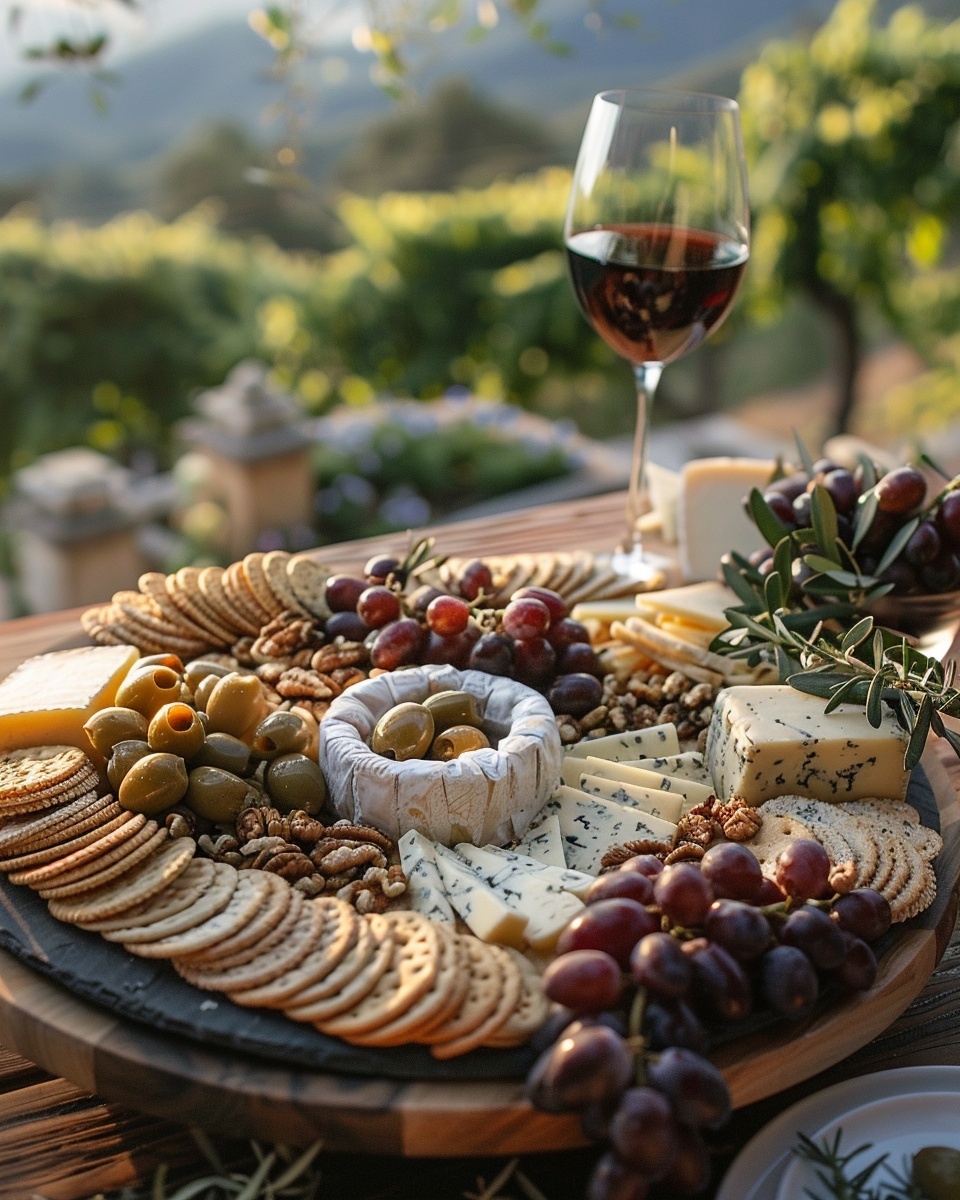
Why I Love Creating a New Year’s Appetizer Platter for Celebrations
Last New Year’s Eve, I watched my guests huddle around the appetizer table for nearly an hour before dinner. They were laughing, chatting, and reaching for one more bite. That’s when it hit me. The New Year’s Appetizer Platter wasn’t just food. It was the heart of the party.
I’ve been hosting New Year’s parties for over a decade now. Each year, I learn something new about what works and what doesn’t. But one thing stays constant. The appetizers set the mood for everything that follows. When guests walk in and see a beautiful spread, their faces light up. They relax. They start mingling. The party kicks off on the right foot.
Think about it. Your guests arrive hungry and excited. They’re dressed up and ready to celebrate. The last thing you want is an awkward silence while everyone waits for the main meal. A well-planned appetizer platter fills that gap perfectly. It gives people something to do with their hands. It sparks conversations. It shows your guests you care about their experience.
This guide will walk you through everything I’ve learned about creating the perfect New Year’s Eve appetizer spread. You’ll discover crowd-pleasing ideas that actually work. You’ll learn tips for balancing flavors and presentation. And you’ll find out how to customize your platter based on your guests’ tastes. Whether you’re hosting five people or fifty, these strategies will help you shine.
What Makes a Great New Year’s Appetizer?
Characteristics of a Memorable Appetizer
I’ve served hundreds of appetizers over the years. Some get demolished in minutes. Others sit untouched all night. The difference comes down to a few key elements that transform good appetizers into memorable ones.
First, balance is everything. Your New Year’s Appetizer Platter needs variety in flavors. I always include something salty, something savory, something creamy, and something with a little kick. This keeps your guests interested and coming back for more. Nobody wants to eat five versions of the same flavor profile.
Texture matters just as much as taste. I mix crunchy crackers with smooth cheese spreads. I pair crispy vegetables with creamy dips. I add nuts for crunch and dried fruits for chewiness. When you bite into different textures, your brain stays engaged. The eating experience becomes more interesting and satisfying.
Presentation can’t be ignored either. We eat with our eyes first. I arrange my platters with color in mind. Bright red tomatoes next to green herbs. Golden cheeses beside dark olives. White crackers creating contrast against colorful spreads. The visual appeal draws people in before they even taste anything.
What are the best appetizers for New Year’s Eve? The answer depends on your crowd, but I always look for options that check three boxes. They need to taste amazing. They should look festive. And they must be easy to eat while standing and holding a drink.
For festive elements, I add touches that scream celebration. Gold and silver serving dishes work wonders. Fresh herbs like rosemary sprigs add elegance. I arrange items in circular patterns or create height with small stands. These small details make your spread feel special and worthy of the occasion.
Temperature variety keeps things interesting too. I serve some items cold, like shrimp cocktail or cheese. I include room temperature options like crackers and cured meats. And I always have at least one warm option, like baked brie or mini meatballs. This range gives guests choices based on what they’re craving.
Crowd Pleasers You Can’t Go Wrong With
After years of experimentation, I’ve identified the reliable champions. These are the appetizers that never fail to impress, regardless of who’s at your party.
Cheese plates remain the ultimate crowd pleaser. I’m not talking about a random block of cheddar on a plate. I mean a thoughtfully arranged selection that offers something for everyone. I typically choose three to five cheeses with different textures and flavors.
Here’s my go-to cheese plate formula:
- One soft cheese like brie or goat cheese
- One hard cheese like aged cheddar or manchego
- One blue cheese for adventurous eaters
- One crowd-friendly option like gouda or havarti
- Fresh and dried fruits for pairing
- Nuts for crunch and richness
- Quality crackers and sliced bread
What appetizer is known as a crowd pleaser? Dips take that title hands down. Everyone loves dipping. There’s something satisfying about scooping up a chip loaded with your favorite flavor. I always include at least two dip options on my New Year’s spread.
My reliable dip choices include:
- Classic hummus with vegetables and pita chips
- Spinach artichoke dip served warm with toasted bread
- Seven-layer dip for a festive, colorful option
- Buffalo chicken dip for spice lovers
- French onion dip with ridged chips
What do you put on a charcuterie board for New Year’s Eve? I build mine around high-quality cured meats as the foundation. Prosciutto, salami, and coppa are my favorites. I fold or roll the meats to create visual interest. Then I fill in the gaps with complementary items.
The beauty of classic options is their flexibility. You can customize them endlessly. If your guests love spicy food, add pepper jack cheese and jalapeño jam. If they prefer mild flavors, stick with cream cheese spreads and sweet fruits. If someone’s vegetarian, load up on plant-based options like roasted vegetables and bean dips.
I always ask about dietary restrictions before planning my platter. This simple step saves headaches later. I make sure to include gluten-free crackers if needed. I keep nuts separate if anyone has allergies. I label items that contain common allergens. Your guests will appreciate the thoughtfulness.
Another tip I’ve learned is to prep most items ahead of time. I cut cheese the morning of the party. I make dips the day before. I arrange non-perishable items on the platter early. This reduces stress and lets me enjoy my own celebration. When guests arrive, I just add the final touches and put everything out.
The key to crowd-pleasing appetizers is knowing your audience while offering variety. I include familiar favorites alongside one or two unique options. This approach makes everyone comfortable while giving adventurous eaters something new to try. Balance tradition with creativity, and your New Year’s Appetizer Platter will be the talk of the party.


Building Your New Year’s Appetizer Platter
Now that we’ve covered the basics, let’s get into the actual construction of your spread. This is where the magic happens, where individual ingredients transform into something that makes your guests stop mid-conversation just to stare.
Must-Have Ingredients for a Stunning Spread
I remember the first time I tried building a proper charcuterie board. I stood in the grocery store for what felt like an hour, completely overwhelmed by choices. How much cheese is too much? Which crackers work best? Should I add fresh or dried fruit?
Here’s what I’ve figured out through trial and error. Start with your proteins. Cured meats are non-negotiable for a reason. They bring that salty, savory element that makes people keep reaching for more. I typically grab three varieties with different flavor profiles. Prosciutto brings delicate, melt-in-your-mouth richness. Salami offers robust, garlicky notes. Coppa or capicola adds a slightly spicy, wine-cured complexity.
For my New Year’s Appetizer Platter, I arrange the meats in little piles or fan them out in ribbons. Some people fold them into quarters or roll them into tubes. Honestly, there’s no wrong way as long as they’re easy to grab.
Cheese comes next, and this is where you can really show off. I go beyond the basic cheddar cube situation. Sharp white cheddar gives you that crumbly, tangy bite. Creamy brie or camembert provides contrast. A good aged gouda brings caramel sweetness. Sometimes I throw in a unexpected choice like drunken goat cheese or truffle-infused options when I’m feeling fancy.
Here’s the thing about fruits and nuts. They’re not just filler. They’re flavor bridges that connect everything else. Fresh grapes add juicy sweetness. Fig jam creates sticky, complex notes that pair beautifully with strong cheeses. Marcona almonds bring buttery crunch. Dried apricots offer chewy tanginess. I scattered pomegranate seeds across my platter last year, and guests actually took photos before eating anything.
Crackers deserve more credit than they get. I mix shapes and flavors now. Water crackers let the cheese shine. Rosemary crackers add herbal notes. Crostini provides sturdy vehicles for heavy toppings. Those thin, crispy flatbreads work great for softer spreads.
Don’t sleep on the little extras either. Cornichons bring briny punch. Olives add Mediterranean flair. Whole grain mustard gives sharp contrast. Honey creates sweet moments between savory bites. I drizzle it right over cheese for dramatic effect, similar to how I prepare my Easter Ham with that perfect glaze.
My personal favorite combination for maximum impact? Creamy brie topped with fig jam and a sprig of fresh rosemary, served with water crackers. It looks elegant and tastes like you spent hours in the kitchen, even though it takes two minutes to assemble.
Top 10 Appetizers That Always Impress
After hosting countless parties, I’ve narrowed down my absolute winners. These aren’t your basic grocery store veggie tray offerings. These are the recipes that earn you compliments and requests for recipes.
Number one on my list? Bacon-wrapped dates stuffed with goat cheese. Sweet meets salty meets creamy in the most addictive way possible. I prep them the night before and pop them in the oven right before guests arrive. Twenty minutes at 375 degrees and you’re golden.
Second, we’ve got smoked salmon on cucumber rounds with dill cream cheese. They’re light, refreshing, and look incredibly sophisticated. Plus, they’re naturally gluten-free, which saves me from making separate options. I use English cucumbers sliced thick enough to hold toppings but thin enough to eat in one bite.
Caprese skewers claim third place. Cherry tomatoes, fresh mozzarella balls, and basil leaves threaded onto small picks, then drizzled with balsamic glaze. The prep takes maybe fifteen minutes, but the presentation screams effort. They add bright color to any spread.
Fourth comes my spin on classic bruschetta. Instead of serving it on bread, I use endive leaves as edible spoons. The slight bitterness of endive balances the sweet tomatoes and garlic perfectly. Vegetarians love this option, and it’s naturally gluten-free too.
Stuffed mushrooms land at number five. I fill button mushrooms with a mixture of cream cheese, parmesan, garlic, and breadcrumbs. They bake until golden and bubbling. The earthy mushroom flavor combined with rich, garlicky filling never fails. For gluten-free guests, I swap regular breadcrumbs for almond flour.
Deviled eggs deserve the sixth spot, though I jazz them up for New Year’s. I top traditional deviled eggs with crispy prosciutto bits or a small dollop of caviar for fancy occasions. Sometimes I add sriracha for heat or truffle oil for depth. The base recipe stays classic because you don’t mess with perfection.
Number seven goes to mini meatballs in a sweet and tangy sauce. I make them bite-sized so people can pop them whole without needing utensils. The sauce combines grape jelly and chili sauce, which sounds weird but creates this glossy, addictive coating. They remind me of the glazes I use for my Fourth of July Burgers, just in appetizer form.
Baked brie wrapped in puff pastry claims eighth place. Cut off the top rind, top it with cranberry sauce and pecans, wrap the whole thing in pastry, and bake until golden. When you cut into it, the cheese oozes out like molten gold. Serve it with apple slices and crackers.
Shrimp cocktail sits at number nine because it’s classic for a reason. I arrange large, perfectly cooked shrimp around a bowl of zesty cocktail sauce. It looks luxurious without breaking the bank. The key is not overcooking the shrimp. Three minutes in boiling water, then straight into an ice bath.
Finally, prosciutto-wrapped asparagus rounds out my top ten. Trim the asparagus, wrap each spear with a thin slice of prosciutto, brush with olive oil, and roast at 400 degrees for twelve minutes. They’re elegant, easy to eat standing up, and provide a vegetable option without feeling like a compromise.
Quick prep tip that changed my life? Batch cooking. I make meatballs and stuffed mushrooms a week ahead and freeze them. The morning of the party, they go straight from freezer to oven. Nobody can tell the difference, and I save myself hours of stress.
Presentation Tips for Your Appetizer Platter
Making It Look as Good as It Tastes
Funny enough, my breakthrough moment with presentation came from watching my niece arrange her Halloween Cupcakes last October. She grouped items by color and height, creating this visual rhythm that drew your eye across the table. I realized the same principles work for savory spreads.
Start with your board or platter selection. Size matters here. Too small and everything looks cramped. Too large and your spread looks sparse. I use a variety of surfaces now. Wooden cutting boards for rustic vibes. Marble slabs for elegance. Even slate tiles work beautifully and you can write on them with chalk.
Begin with your largest items first. Place cheese blocks and bowls of dip before anything else. This creates anchor points that guide the rest of your arrangement. I position them at different spots around the platter, not all clustered together. This forces guests to explore the entire spread.
Work in odd numbers when possible. Three types of cheese look more appealing than two or four. Five small bowls create better visual interest than four. It’s a photography trick that somehow makes everything more pleasing to the eye.
Layer your heights. Stack crackers to create elevation. Prop up some items against others. Use small bowls or ramekins to add dimension. A flat platter is boring. A platter with peaks and valleys tells a story and invites exploration.
Color contrast became my secret weapon. I place red strawberries next to white cheese. Green grapes beside orange cheddar. Purple grapes near yellow cheese. Dark salami against light crackers. The contrast makes each item pop instead of blending into visual noise.
Fill every gap strategically. Those empty spaces between your main items? That’s where nuts, dried fruits, and fresh herbs come in. I tuck rosemary sprigs around cheese. I scatter almonds in corners. I fill odd spaces with clusters of grapes or berries. The goal is abundance without clutter.
Garnishes do heavy lifting for minimal effort. Fresh thyme sprigs add green without taking up space. Edible flowers make everything Instagram-worthy. A light dusting of paprika over cream cheese adds warm color. These tiny touches create a finished, professional look.
For New Year’s specifically, I lean into celebratory elements. Gold-dusted grapes scattered throughout the platter catch light beautifully. Small sparklers stuck in cheese blocks create dramatic moments when lit. Star-shaped cheese cutouts or cookie cutters on crackers tie into the theme. Silver serving utensils add shine and elegance.
By the way, lighting matters more than people realize. I position my appetizer table near a window during day parties or under a statement light fixture at night. Good lighting makes colors richer and textures more visible. It’s the difference between a decent spread and a stunning one.
One trick I borrowed from dessert presentations like Valentine’s Chocolate Fondue displays? Create a focal point. Maybe it’s a spectacular cheese wheel. Perhaps it’s an elaborate garnish. Whatever it is, make sure one element catches the eye first and draws people in. From there, they’ll discover everything else.
The final touch? Step back and look at your platter from a guest’s perspective. Walk around the table. Check for gaps. Adjust colors. Add final garnishes. This thirty-second review catches issues you miss while you’re in the construction zone.
Your New Year’s Appetizer Platter should look abundant, colorful, and inviting. When guests walk up, they should feel excited to dive in. That reaction is what we’re building toward with every ingredient choice and placement decision.


Pairing Drinks with Your New Year’s Appetizer Platter
Beverage Ideas to Complement Your Spread
Here’s something I wish someone had told me years ago. The drinks you serve are just as important as the food. I learned this the hard way at a party where I served heavy, cream-based appetizers alongside equally heavy red wines. Everyone felt sluggish within an hour. Not exactly the energetic celebration vibe I was going for.
The secret to drink pairings isn’t about being a sommelier or mixology expert. It’s about balance and thoughtfulness. When your appetizers are rich and fatty, you need beverages that cut through that richness. When your spread is light and fresh, you want drinks that complement without overpowering.
Let’s start with wine because it’s the easiest crowd-pleaser. Champagne or sparkling wine is my default choice for New Year’s Eve, obviously. But here’s what makes it brilliant beyond tradition. Those bubbles actually cleanse your palate between bites. The acidity cuts through creamy cheeses and fatty meats beautifully. I keep at least two bottles chilled for every five guests.
For white wine lovers, I go with Sauvignon Blanc or Pinot Grigio. These crisp, light wines work wonderfully with seafood appetizers like shrimp cocktail or smoked salmon. They also pair nicely with goat cheese and lighter spreads. The citrus notes in these wines echo the brightness of fresh herbs and lemon garnishes.
Red wine gets trickier. Heavy Cabernets can overwhelm delicate appetizers. Instead, I choose lighter reds like Pinot Noir or Beaujolais. These wines have enough body to stand up to cured meats and aged cheeses without dominating everything else. They’re food-friendly without being bossy about it.
Cocktails bring personality to your party. My signature New Year’s cocktail changes yearly, but I always follow one rule. Keep it simple enough that guests can make their own refills. Nobody wants to play bartender all night when they’re hosting.
Last year, I served a cranberry champagne cocktail that disappeared faster than anything else. Just cranberry juice, a splash of orange liqueur, topped with prosecco, and garnished with frozen cranberries. It looked festive, tasted celebratory, and paired beautifully with both sweet and savory items on my platter.
For something stronger, I mix up a batch cocktail in a large dispenser. Moscow Mules work great because the ginger beer’s spiciness complements rich, fatty foods. Old Fashioneds appeal to whiskey drinkers and have enough complexity to hold their own against bold flavors. The key is making a big batch beforehand so you’re not mixing individual drinks while trying to socialize.
Non-alcoholic options deserve real attention too. Not everyone drinks, and those who do still need alternatives throughout the night. I’ve stopped serving basic sodas and started creating proper mocktails that feel special.
My favorite non-alcoholic pairing is a sparkling water bar. I set out several flavored sparkling waters, fresh fruit slices, herb sprigs, and interesting garnishes. Guests build their own combinations. Cucumber and mint with lime sparkling water tastes incredibly refreshing alongside salty meats and cheeses. Strawberry and basil combinations complement sweeter elements on the platter.
Ginger beer stands alone as a fantastic non-alcoholic choice. It has enough flavor and spice to feel substantial. The ginger notes actually enhance many appetizer flavors, especially anything with Asian-inspired seasonings or spicy elements.
Here’s my practical approach to drink quantities for parties. I plan for each guest to have about two drinks in the first hour, then one per hour after that. So for a four-hour party with ten guests, I’m looking at roughly thirty drinks total. I always have more than I think I’ll need because running out is worse than having leftovers.
Temperature matters more than people realize. Nothing ruins a drink faster than it being too warm or too cold. I chill white wines and champagne to about 45 degrees. Red wines I keep slightly cool, around 60 degrees, not room temperature. Ice buckets stationed near the drinks table let guests keep their beverages at the right temperature.
For large gatherings, I create drink stations instead of one central bar. This prevents bottlenecks where everyone clusters in one spot. One station might have wine and champagne. Another has the batch cocktail and mixers. A third offers non-alcoholic options. People flow naturally between stations and mingle more effectively.
The relationship between everyday nutrition and special occasions is something I think about when planning beverages. Sure, New Year’s is a celebration, but I still want guests to feel good. That’s why I always include substantial non-alcoholic options and plenty of water stations. Hydration keeps energy levels up and helps everyone actually enjoy the evening.
One pairing rule I swear by? Match intensity levels. Delicate flavors need delicate drinks. Bold foods can handle bold beverages. If you’re serving strong blue cheese and spicy salami, a robust red wine or a gin-based cocktail works great. If your spread leans toward fresh vegetables and light cheeses, stick with crisp whites or citrus-forward drinks.
By the way, don’t forget about coffee and tea toward the end of the night. Around 10 PM, I set out a coffee station with cream, sugar, and maybe some flavored syrups. It gives guests a second wind for the countdown and helps them sober up a bit before heading home. Herbal teas offer a calming option for people who want to wind down.
My absolute favorite pairing discovery came from experimentation. Dry rosé champagne with bacon-wrapped dates stuffed with goat cheese is heaven. The wine’s dryness balances the dates’ sweetness. The bubbles cut through the bacon’s saltiness. The whole combination creates this perfect flavor harmony that makes you close your eyes and smile.
The best advice I can give about drink pairings? Taste as you plan. Buy small amounts of different options and sample them with your actual appetizers before the party. You’ll quickly discover what works and what clashes. This hands-on approach beats any pairing chart because you’re working with your specific ingredients and flavors.
Planning drinks doesn’t have to stress you out. Start with champagne for tradition and festivity. Add one white wine and one light red. Mix up one signature cocktail. Stock quality non-alcoholic options. That’s honestly all you need. Variety matters, but so does simplicity. You want choices without overwhelming yourself or your guests.
When you’re looking for more inspiration for seasonal entertaining, checking out other holidays and events recipes can spark ideas that translate beautifully to New Year’s celebrations.
FAQ Section: All Your Appetizer Questions Answered
What are the best appetizers for New Year’s Eve?
The best appetizers combine ease of eating with festive presentation. You want finger foods that don’t require utensils or plates since guests are standing and mingling. My top picks include bacon-wrapped dates, caprese skewers, shrimp cocktail, stuffed mushrooms, and baked brie. These options look elegant, taste amazing, and can be prepped ahead. They also offer variety in flavors and textures, which keeps your spread interesting throughout the night.
What appetizer is known as a crowd pleaser?
Dips are the ultimate crowd pleasers because everyone loves them. Spinach artichoke dip, buffalo chicken dip, and seven-layer dip consistently disappear first at my parties. They’re interactive, shareable, and work with various dippers like chips, crackers, and vegetables. Dips also accommodate different dietary preferences easily. You can make them ahead and keep them warm in a slow cooker, which makes hosting much easier.
What are the top 10 appetizers?
Based on years of hosting, my top ten are bacon-wrapped dates, smoked salmon on cucumber rounds, caprese skewers, bruschetta on endive, stuffed mushrooms, deviled eggs, mini meatballs, baked brie in puff pastry, shrimp cocktail, and prosciutto-wrapped asparagus. These appetizers balance different flavors, textures, and preparation methods. They look impressive but don’t require professional cooking skills. Most importantly, they’ve consistently earned compliments and empty platters at every party I’ve hosted.
What do you put on a charcuterie board for New Year’s Eve?
Start with three types of cured meats like prosciutto, salami, and coppa. Add four different cheeses with varying textures from soft brie to hard aged cheddar. Include fresh and dried fruits like grapes, figs, and apricots. Add nuts for crunch, olives for brine, and crackers for vehicles. Finish with special touches like honey, fig jam, cornichons, and fresh herbs. The goal is creating abundance with complementary flavors and beautiful visual contrast.
How far in advance can I prepare my appetizer platter?
Most components can be prepped one to two days ahead. Cut cheese and store it wrapped in parchment paper in the fridge. Make dips up to three days early and refrigerate in airtight containers. Cook and freeze meatballs or stuffed mushrooms up to a week ahead. However, assemble the actual platter no more than two hours before guests arrive. This keeps everything fresh-looking and prevents items from drying out or getting soggy.
How much food should I prepare per person?
Plan for about eight to ten pieces per person for the first hour, then four to six pieces per hour after that. If appetizers are your only food, double those amounts. For a three-hour party with ten guests, I prepare roughly 150 to 180 pieces total. It sounds like a lot, but people eat more than you think when they’re socializing. Running out feels worse than having leftovers, so I always err on the generous side.
What if I have guests with dietary restrictions?
Always ask about allergies and restrictions when sending invitations. Label items clearly with small cards noting common allergens like nuts, dairy, or gluten. Include naturally gluten-free options like vegetables with hummus and fruit. Offer plant-based choices like stuffed mushrooms and vegetable skewers. Keep nuts separate rather than scattered throughout the platter. Most dietary needs can be accommodated without making separate platters if you plan thoughtfully from the start.
How do I keep hot appetizers warm during the party?
Small warming trays or chafing dishes work perfectly for items like meatballs or baked dips. Slow cookers set on low keep things warm without drying them out. For smaller items, I bake in batches and bring out fresh trays every thirty minutes rather than trying to keep everything warm for hours. Room temperature is actually fine for many appetizers, so don’t stress about keeping absolutely everything hot throughout the entire event.
Can I make a beautiful platter on a budget?
Absolutely, and I do it regularly. Buy cheese blocks and slice them yourself instead of pre-sliced options. Make your own dips rather than buying prepared versions. Choose seasonal fruits and vegetables which cost less. Use a cutting board you already own instead of buying special serving pieces. Focus on abundant arrangement rather than expensive ingredients. Three affordable cheeses arranged beautifully with thoughtful garnishes look more impressive than one fancy cheese sitting alone on a plate.
What’s the biggest mistake people make with appetizer platters?
The biggest mistake is making everything too complicated. People stress about Pinterest-perfect presentations and elaborate recipes, then feel overwhelmed and exhausted before guests even arrive. Simple, high-quality ingredients arranged thoughtfully always beat complicated recipes that stress you out. Your guests want you relaxed and enjoying the party with them. Choose mostly make-ahead options, keep the variety manageable, and focus on flavors over fancy techniques. A happy host makes a better party than a stressed-out one with a perfect platter.
Creating your New Year’s Appetizer Platter should feel exciting, not overwhelming. Trust your instincts, start with familiar favorites, and add one or two adventurous options that push your comfort zone slightly. The beauty of appetizer platters is their flexibility. There’s no single right way to do this. Your platter will reflect your personality, your guests’ preferences, and the mood you want to create. So take these ideas, make them your own, and enjoy watching your guests celebrate around food you thoughtfully prepared. Here’s to a delicious New Year filled with great food and even better company!