
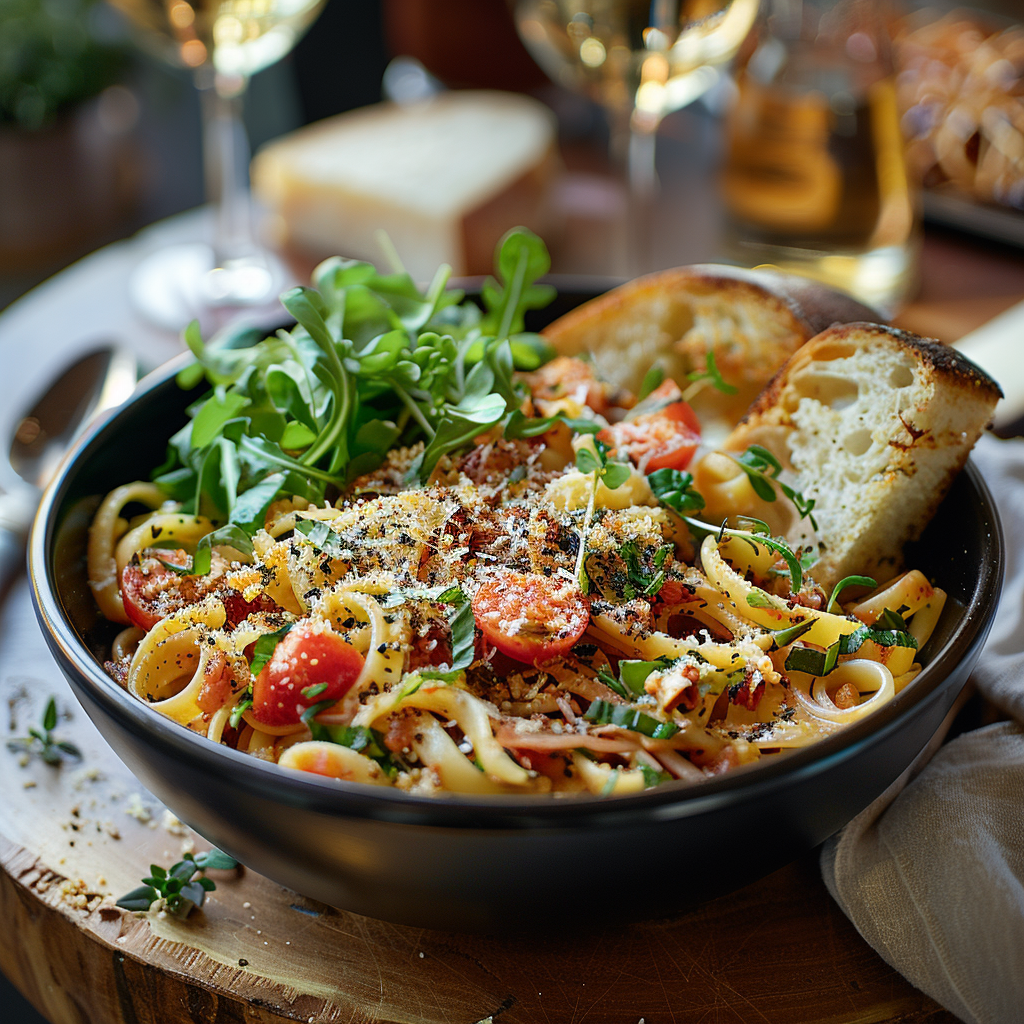
Why One-Pot Pasta is a Game Changer for Busy Cooks
Let me tell you a little story. One evening, after a long day of running errands and shuttling the kids around, I found myself staring into the fridge with that dreaded “What’s for dinner?” question looming over me. That’s when I remembered a friend mentioning something called One-Pot Pasta. Skeptical but desperate, I gave it a try. Fast forward 30 minutes, and my family was devouring a creamy, flavorful pasta dish—all made in one pot! No piles of dishes, no stress, just pure deliciousness. If you’re looking for a recipe that saves time and tastes amazing, you’re in the right place.
A Little History Behind One-Pot Pasta
While One-Pot Pasta feels like a modern miracle, its roots are tied to traditional Italian cooking. Italians have always valued simplicity, letting fresh ingredients shine without overcomplicating things. The modern version we know today gained popularity thanks to chefs who wanted to simplify weeknight dinners. It’s a perfect example of how classic techniques meet contemporary needs. When I first tried this dish, I felt like I was channeling my inner Italian nonna—minus the hours spent stirring sauce!
Why You’ll Love This Recipe
This One-Pot Pasta recipe is a dream come true. First, it’s incredibly easy—perfect for beginners or anyone short on time. Second, it’s packed with flavor. The pasta cooks directly in the sauce, soaking up all the goodness from tomatoes, garlic, and herbs. Plus, cleanup is a breeze since everything happens in one pot. Whether you’re cooking for yourself or feeding a crowd, this dish delivers big on taste without the fuss.
Perfect Occasions to Prepare This Recipe
One-Pot Pasta is versatile enough for any occasion. Need a quick weeknight dinner? Check. Hosting a casual get-together? Done. It’s also great for meal prep since it reheats beautifully. I once made this for a potluck, and everyone kept asking for the recipe. Trust me, it’s a crowd-pleaser!
Ingredients
- 8 oz pasta (penne, fusilli, or spaghetti works well)
- 2 cups vegetable or chicken broth
- 1 can diced tomatoes (14 oz)
- 2 cloves garlic, minced
- 1 tbsp olive oil
- 1 tsp dried basil
- 1 tsp dried oregano
- Salt and pepper to taste
- 1 cup spinach or kale (optional)
- ½ cup grated Parmesan cheese
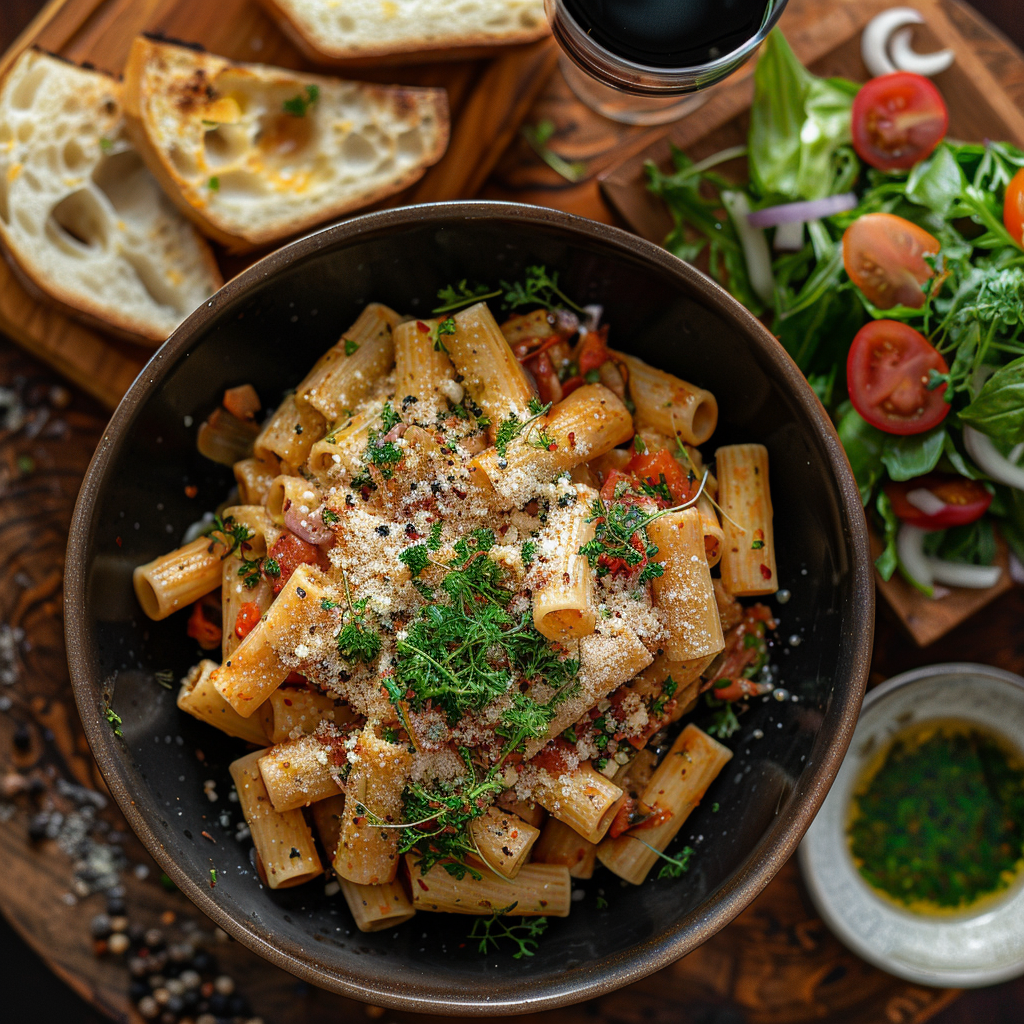
Substitution Options
- Swap vegetable broth for chicken or beef broth for a richer flavor.
- Use gluten-free pasta if you need a gluten-free option.
- Replace spinach with zucchini or mushrooms for added veggies.
- Omit Parmesan for a dairy-free version.
Preparation Section
Step 1: Gather Your Ingredients
Before you start, make sure all your ingredients are prepped and ready to go. Mince the garlic, measure out the broth, and open that can of tomatoes. Having everything within arm’s reach makes the process smoother. Pro tip: Use a large, deep skillet or pot to give the pasta enough room to cook evenly.
Step 2: Sauté the Aromatics
Heat the olive oil over medium heat and toss in the minced garlic. Let it sizzle gently until fragrant—about 30 seconds. Be careful not to burn it; burnt garlic can ruin the dish. The aroma will fill your kitchen, making everyone curious about what’s cooking!
Step 3: Add Liquids and Seasonings
Pour in the broth, diced tomatoes, and dried herbs. Stir everything together and season with salt and pepper. At this stage, the mixture might look a bit watery, but don’t worry—that’s exactly what you want. The liquid will reduce as the pasta cooks, creating a rich, flavorful sauce.
Step 4: Cook the Pasta
Add the dry pasta to the pot, pressing it down so it’s submerged in the liquid. Cover the pot and let it simmer for about 10 minutes. Stir occasionally to prevent sticking. Watch as the pasta transforms from stiff and dry to soft and coated in a luscious sauce. It’s like magic happening right before your eyes!
Step 5: Finish with Greens and Cheese
In the last couple of minutes, stir in the spinach or kale until wilted. Then, sprinkle the Parmesan cheese on top and give it a final stir. The greens add a pop of color and nutrition, while the cheese brings a creamy, indulgent finish. Chef’s tip: For an extra burst of flavor, drizzle a little more olive oil before serving.
Timing
- Prep Time: 10 minutes
- Cooking Time: 20 minutes
- Total Time: 30 minutes
Chef’s Secret
Here’s a little secret: Adding a splash of cream or a dollop of butter at the end makes the sauce even silkier. It’s not necessary, but it’s a trick I use when I want to impress guests—or myself!
Extra Info
Did you know that cooking pasta directly in the sauce helps it absorb more flavor? Unlike traditional methods where pasta is boiled separately, this technique ensures every bite is infused with deliciousness. I learned this the hard way when I accidentally skipped the boiling step once—and ended up loving the result!
Necessary Equipment
- Large skillet or pot with a lid
- Wooden spoon or spatula
- Measuring cups and spoons
- Knife and cutting board for garlic
Storage
Storing One-Pot Pasta is simple. Let it cool completely before transferring it to an airtight container. It keeps well in the fridge for up to 4 days. Reheat individual portions in the microwave or warm it up on the stovetop with a splash of broth to loosen the sauce.
If you’ve made a big batch, consider freezing it. Portion the pasta into freezer-safe containers and label them with the date. It can be frozen for up to 3 months. Just thaw overnight in the fridge before reheating.
For best results, avoid adding fresh greens or cheese until you’re ready to serve. These ingredients lose their texture and flavor when stored for too long.
Tips and Advice
To take your One-Pot Pasta to the next level, toast the pasta briefly in olive oil before adding liquids. This adds a subtle nutty flavor. Also, don’t skimp on seasoning—taste as you go and adjust accordingly. Lastly, experiment with different herbs and spices to match your mood or pantry staples.
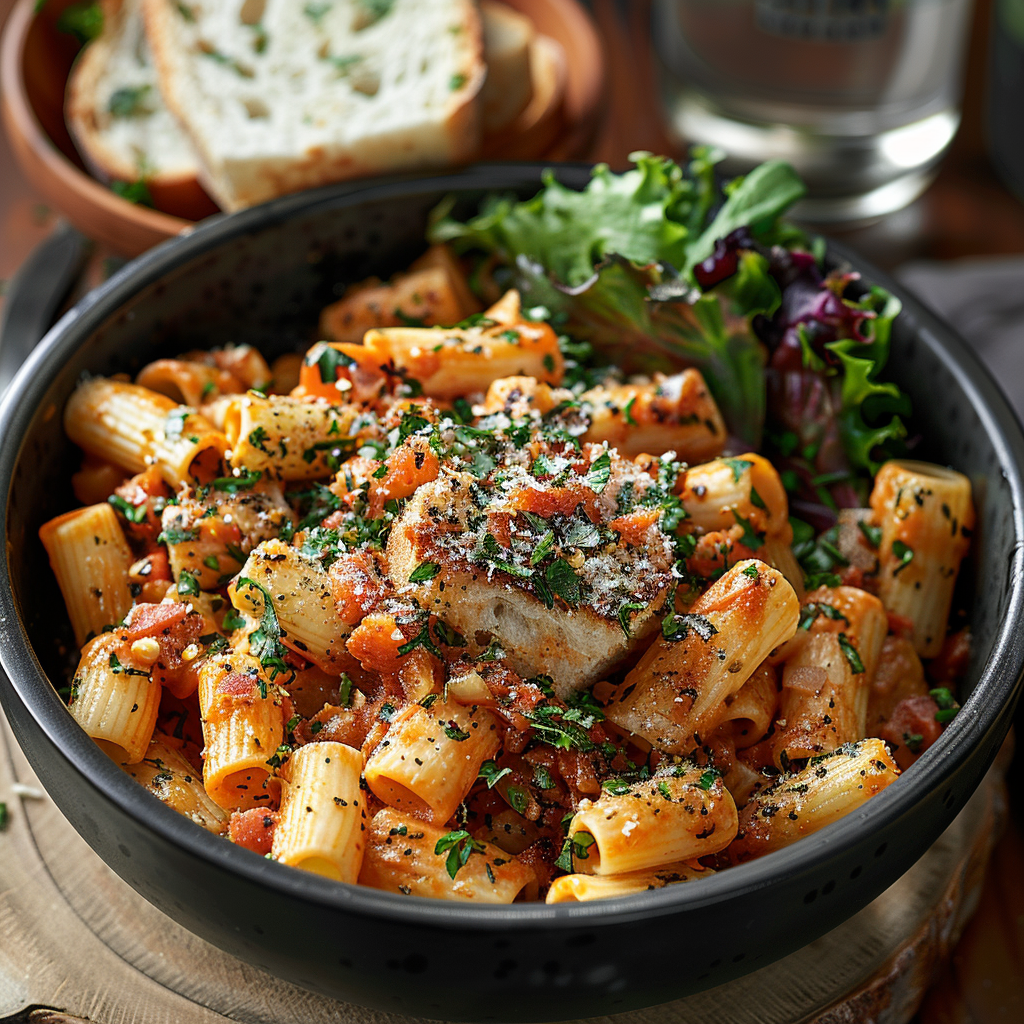
Presentation Tips
- Serve in shallow bowls for a rustic look.
- Garnish with fresh basil leaves or parsley for a pop of green.
- Top with extra Parmesan and a drizzle of olive oil for elegance.
- Add a side of crusty bread or a simple salad for balance.
Healthier Alternative Recipes
If you’re looking to tweak this recipe, here are six variations:
- Zucchini Noodle Version: Swap regular pasta for spiralized zucchini noodles. Add them at the end to soften slightly.
- Vegan Option: Skip the Parmesan and use nutritional yeast instead.
- Protein-Packed: Stir in cooked chicken, shrimp, or chickpeas for extra protein.
- Spicy Kick: Add red pepper flakes or a dash of hot sauce for heat.
- Herb Lover’s Delight: Mix in fresh herbs like thyme or rosemary for bold flavors.
- Mediterranean Twist: Include olives, sun-dried tomatoes, and feta cheese.
Common Mistakes to Avoid
Mistake 1: Overcooking the Pasta
Overcooked pasta turns mushy and ruins the texture of the dish. To avoid this, keep an eye on the pot and taste the pasta frequently during the last few minutes of cooking. Remember, it continues to soften slightly even after removing it from heat.
Mistake 2: Using Too Little Liquid
Not using enough liquid can lead to undercooked pasta or a dry sauce. Stick to the recommended amount of broth and ensure the pasta is fully submerged. If needed, add a splash more broth toward the end.
Mistake 3: Skipping the Stirring
Stirring prevents the pasta from clumping together. Give the pot a good stir every few minutes to distribute the sauce evenly and promote even cooking.
FAQ
Can I use gluten-free pasta?
Absolutely! Gluten-free pasta works just as well in this recipe. Just check the package instructions for cooking times, as some brands may require slight adjustments.
Do I really need to use broth?
Yes, broth adds depth and richness to the dish. Water alone won’t provide the same flavor profile. However, you can mix water with bouillon cubes if you don’t have broth on hand.
Can I freeze leftovers?
Yes, One-Pot Pasta freezes beautifully. Store it in airtight containers and reheat gently with a splash of broth to restore moisture.
What type of pasta works best?
Short shapes like penne, fusilli, or farfalle are ideal because they hold onto the sauce better. Spaghetti can work too, but break it in half before adding it to the pot.
Is this recipe kid-friendly?
Definitely! Kids love the cheesy, comforting flavors of this dish. You can omit spicy elements if they prefer milder tastes.
How do I make it vegan?
Simply skip the Parmesan or replace it with nutritional yeast. Use vegetable broth for a fully plant-based version.
Can I add meat?
Of course! Brown ground beef, sausage, or turkey beforehand and stir it into the pot along with the other ingredients.
Why does my sauce taste bland?
This usually happens when the dish isn’t seasoned properly. Taste as you cook and adjust the salt, pepper, and herbs to suit your preferences.
Can I use fresh tomatoes?
Yes, but you’ll need to chop them finely and possibly increase the broth slightly to compensate for their lower liquid content.
What sides pair well with this dish?
A crisp green salad, roasted vegetables, or garlic bread complement One-Pot Pasta perfectly. They add variety and balance to the meal.
Final Thoughts
One-Pot Pasta has become a staple in my household, and I hope it becomes one in yours too. It’s quick, easy, and endlessly customizable. Whether you stick to the classic version or try one of the healthier alternatives, this dish proves that good food doesn’t have to be complicated. So grab that pot, toss in your ingredients, and enjoy the satisfaction of a homemade meal with minimal effort. Happy cooking!
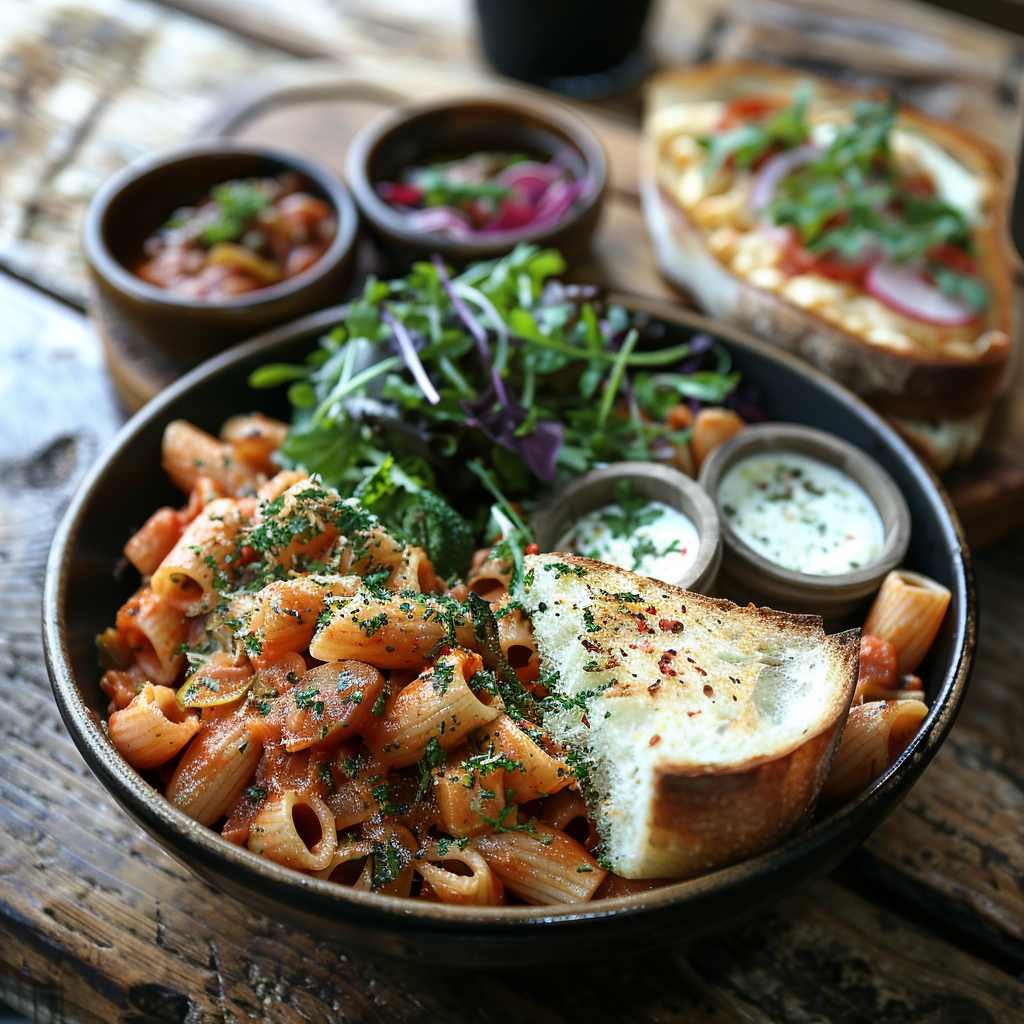
One-Pot Pasta
Equipment
Nutrition
Notes
This dish reheats well and can be stored in the fridge for up to 4 days or frozen for up to 3 months.
Feel free to experiment with different vegetables or proteins to customize the dish to your taste.