
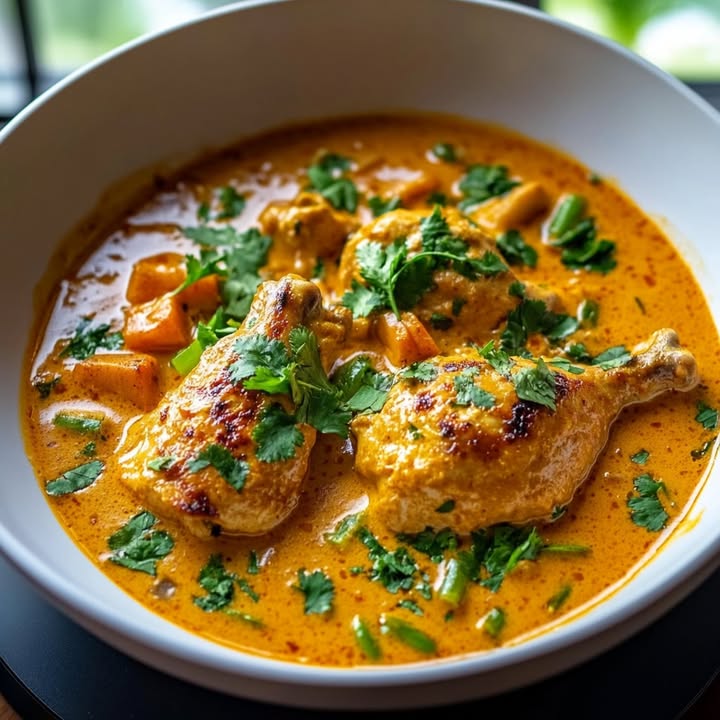
Why Thai Coconut Curry Is a Must-Try Dish
There’s something magical about the way creamy coconut milk mingles with bold curry spices. I remember the first time I made Thai Coconut Curry—it was a rainy Sunday afternoon, and my kitchen smelled like a tropical getaway. My family couldn’t stop raving about how rich and comforting it was. What makes this dish special is its balance of flavors: spicy, sweet, tangy, and savory all come together in one pot. Whether you’re new to Thai cuisine or a seasoned fan, this recipe will win your heart—and your taste buds.
A Little Background on Thai Coconut Curry
Thai curries have been around for centuries, evolving from Indian influences brought by traders. The use of coconut milk gives Thai curries their signature creaminess, while the spices reflect the vibrant flavors of Southeast Asia. Traditionally, this dish would be made with fresh curry paste ground using a mortar and pestle, but modern shortcuts like store-bought paste make it accessible for busy home cooks. I love how this recipe bridges tradition and convenience without sacrificing flavor.
Why You’ll Love This Recipe
This Thai Coconut Curry is a crowd-pleaser for many reasons. First, it’s packed with layers of flavor that dance on your tongue. Second, it’s incredibly easy to make—even if you’re not a pro in the kitchen. Third, it’s versatile! You can tweak the spice level, swap veggies, or even add tofu for a vegetarian twist. Plus, it’s ready in just 30 minutes, making it perfect for weeknight dinners when you want something delicious but don’t have hours to spend cooking.
Perfect Occasions to Make This Dish
Whether you’re hosting a casual dinner party or simply craving a cozy meal, this Thai Coconut Curry fits the bill. It’s great for date nights, family gatherings, or even meal prep. I once served it at a potluck, and everyone kept asking for seconds. Pair it with fluffy rice or warm naan bread, and you’ve got yourself a show-stopping dish that’s as comforting as it is impressive.
Ingredients You’ll Need
- 2 to 3 tablespoons of coconut oil or olive oil
- 1 medium/large yellow or Vidalia onion, finely chopped
- 450g boneless, skinless chicken breast, cut into bite-sized pieces
- 3 garlic cloves, minced or pressed
- 2 to 3 teaspoons ground ginger or 1 tablespoon fresh ginger, finely chopped
- 2 teaspoons ground coriander
- 1 can (400ml) full-fat coconut milk (or light, if preferred)
- 1 to 1½ cups grated carrots
- 1 to 3 tablespoons Thai red curry paste (adjust to taste)
- 1 teaspoon salt (or to taste)
- ½ teaspoon freshly ground black pepper
- 3 cups fresh spinach leaves
- 1 tablespoon lime juice
- 1 to 2 tablespoons brown sugar (optional, adjust to taste)
- ¼ cup chopped fresh cilantro or basil for garnish
- Rice, quinoa, or naan bread for serving (optional)
Substitution Options
If you’re missing an ingredient or want to switch things up, here are some ideas:
- Protein: Swap chicken for shrimp, beef, tofu, or chickpeas.
- Veggies: Use zucchini, bell peppers, or broccoli instead of carrots.
- Greens: Kale works well if you don’t have spinach.
- Herbs: Basil can replace cilantro if you’re not a fan.
- Sweetener: Honey or maple syrup can stand in for brown sugar.
Step-by-Step Preparation
Step 1: Sauté the Aromatics
Heat your oil in a large skillet over medium-high heat. Add the onions and let them soften for about 5 minutes, stirring often. Watch as they turn translucent and release their sweet aroma—this step builds the foundation of flavor. Keep an eye on them so they don’t burn; golden-brown edges are what you’re aiming for.
Pro tip: If your onions start sticking, add a splash of water to deglaze the pan.
Step 2: Cook the Chicken
Toss in the chicken pieces and cook until they’re golden brown and cooked through, about 5 minutes. Stir frequently to ensure even browning. The sizzle of the chicken hitting the hot pan is music to any cook’s ears. Once done, the chicken should look juicy and slightly caramelized.
Pro tip: Pat the chicken dry with paper towels before adding it to the pan for better browning.
Step 3: Add Spices and Garlic
Stir in the garlic, ginger, and coriander. Let these fragrant spices bloom for about a minute, filling your kitchen with their irresistible scent. This quick step unlocks the essential oils in the spices, intensifying their flavor.
Chef’s tip: Don’t walk away during this step—spices can burn quickly if left unattended.
Step 4: Simmer the Curry
Pour in the coconut milk, grated carrots, curry paste, salt, and pepper. Stir everything together and reduce the heat to medium. Let the mixture simmer gently for 5 minutes, allowing the sauce to thicken slightly. The vibrant orange hue of the curry is downright inviting, and the smell? Heavenly.
Pro tip: Taste the sauce early and adjust the seasoning as needed—it’s easier to fix now than later.
Step 5: Finish with Greens and Lime
Add the spinach and lime juice, stirring until the greens wilt, which takes about 1 to 2 minutes. The bright green spinach contrasts beautifully against the rich curry base. Give it a final taste test and tweak the seasoning with brown sugar, more curry paste, or salt if needed.
Chef’s tip: A squeeze of lime juice right before serving adds a burst of freshness.
Timing Breakdown
- Prep Time: 10 minutes
- Cooking Time: 20 minutes
- Total Time: 30 minutes
Chef’s Secret
For an extra layer of flavor, toast your curry paste in the pan for 30 seconds before adding the coconut milk. This technique enhances the depth of the spices and makes the dish even more aromatic.
Fun Fact About Coconut Milk
Did you know that coconut milk is made by grating the flesh of mature coconuts and mixing it with water? It’s naturally rich and creamy, making it a popular dairy-free alternative in many cuisines worldwide.
Necessary Equipment
- Large skillet or frying pan
- Wooden spoon or spatula
- Grater (for carrots)
- Measuring spoons and cups
Storage Tips
Leftover Thai Coconut Curry stores beautifully in the fridge. Transfer it to an airtight container and enjoy within 3 to 4 days. Reheat gently on the stovetop or in the microwave, adding a splash of water or coconut milk to loosen the sauce if needed.
If you want to freeze it, portion the curry into freezer-safe containers. It will keep for up to 3 months. Thaw overnight in the fridge before reheating.
For best results, store the curry separately from rice or bread to prevent sogginess. This ensures every component stays fresh and flavorful.
Tips and Advice
- Use full-fat coconut milk for a richer texture.
- Adjust the curry paste gradually—you can always add more, but you can’t take it out!
- Chop all your ingredients ahead of time; this recipe moves quickly once you start cooking.
Presentation Ideas
- Garnish with fresh cilantro or basil for a pop of color.
- Serve in shallow bowls with a wedge of lime on the side.
- Top with toasted coconut flakes for added crunch.
Healthier Alternatives
Here are six ways to make this recipe healthier:
- Light Coconut Milk: Opt for reduced-fat coconut milk to cut calories.
- More Veggies: Double the amount of spinach or add other greens like kale.
- Lean Protein: Use turkey breast instead of chicken for lower fat content.
- No Added Sugar: Skip the brown sugar entirely for a cleaner flavor profile.
- Whole Grains: Serve with brown rice or quinoa instead of white rice.
- Plant-Based Option: Replace chicken with chickpeas or lentils for a vegan version.
Common Mistakes to Avoid
Mistake 1: Overcooking the Chicken
Overcooked chicken becomes dry and tough, ruining the dish’s texture. To avoid this, cook the chicken only until it’s no longer pink inside. Cut a piece open to check for doneness.
Tip: Remove the chicken from the pan briefly if you’re worried about overcooking, then return it after the sauce has thickened.
Mistake 2: Skipping the Tasting Step
Not tasting as you go can lead to bland or overly spicy curry. Always taste the sauce before adding the final ingredients and adjust accordingly.
Tip: Keep extra curry paste, salt, and lime juice handy for last-minute tweaks.
Mistake 3: Using Old or Low-Quality Curry Paste
Curry paste is the star of the show, so using stale or low-quality paste can dull the flavors. Check the expiration date and choose a reputable brand.
Tip: Store curry paste in the fridge after opening to extend its shelf life.
Frequently Asked Questions
Can I Make This Recipe Vegetarian?
Absolutely! Simply replace the chicken with tofu, tempeh, or additional vegetables like mushrooms or eggplant. The creamy coconut milk pairs wonderfully with plant-based proteins.
Is This Dish Spicy?
The spiciness depends on the amount of curry paste you use. Start with 1 tablespoon and increase gradually based on your tolerance. Remember, you can always add more heat, but you can’t remove it.
What Type of Rice Goes Best with This Curry?
Jasmine rice is traditional, but basmati or brown rice also work beautifully. For a low-carb option, try cauliflower rice.
Can I Use Frozen Spinach Instead of Fresh?
Yes, but thaw and drain it thoroughly to avoid watering down the curry. Squeeze out excess moisture before adding it to the pan.
How Do I Know When the Sauce Is Ready?
The sauce should thicken slightly and coat the back of a spoon. It won’t be super thick, though—coconut milk naturally remains fairly liquid.
Can I Prep This Recipe Ahead of Time?
Definitely! You can chop the veggies and measure the spices beforehand. Store them in separate containers in the fridge until you’re ready to cook.
What Other Proteins Work Well?
Shrimp, beef strips, or even pork tenderloin are excellent alternatives. Just adjust the cooking time based on the protein’s requirements.
Why Does My Curry Taste Bland?
You might need more salt, lime juice, or curry paste. These elements boost the overall flavor profile. Also, ensure your spices aren’t expired.
Can I Freeze Leftovers?
Yes, this curry freezes well. Portion it into small containers for easy reheating later. Avoid freezing rice or bread alongside it.
What Can I Serve Besides Rice?
Quinoa, couscous, or warm naan bread are fantastic options. Even a simple side salad complements the dish nicely.
Final Thoughts
Thai Coconut Curry is a dish that brings people together. Its creamy texture, bold flavors, and ease of preparation make it a standout recipe for any occasion. Whether you’re cooking for yourself or feeding a crowd, this curry promises satisfaction. So grab your apron, gather your ingredients, and get ready to create a meal that’s as delightful to make as it is to eat. Enjoy every bite!
Thai Coconut Curry
Ingredients
Equipment
Method
- Heat oil in a large skillet over medium-high heat and add the chopped onions. Sauté for about 5 minutes until translucent.
- Add the chicken pieces and cook until golden brown and cooked through, about 5 minutes.
- Stir in the garlic, ginger, and coriander, and let the spices bloom for about a minute.
- Pour in the coconut milk, grated carrots, curry paste, salt, and pepper. Stir and let simmer gently for 5 minutes.
- Add the spinach and lime juice, stirring until the spinach wilts within 1 to 2 minutes.