
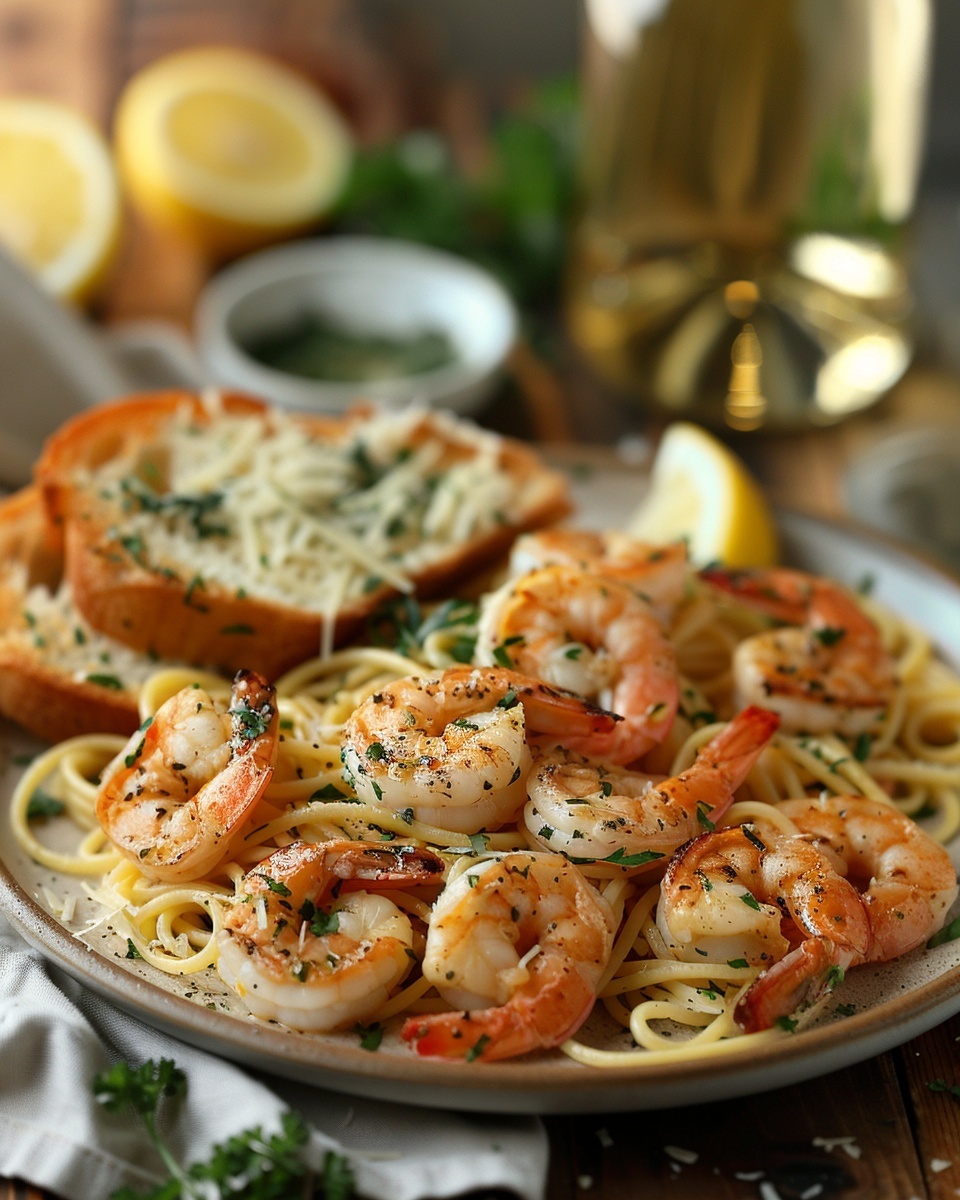
Introduction
I still remember the first time I made shrimp scampi in my tiny apartment kitchen. The smell of garlic and butter filled the air, and I knew I had stumbled onto something special. That simple dish became my go-to recipe whenever I wanted to impress guests or treat myself after a long day. There’s something magical about how a handful of basic ingredients can create such an elegant meal in under 20 minutes. Shrimp scampi has earned its spot as one of my all-time favorite dishes. It works perfectly for busy weeknight dinners when you need something quick but satisfying. At the same time, it’s fancy enough to serve at dinner parties and special gatherings. Your guests will think you spent hours in the kitchen, but you’ll know the truth. This article will walk you through everything you need to know about making the best shrimp scampi. I’ll share the classic recipe, helpful tips I’ve learned over the years, and plenty of variations to keep things interesting. You’ll also find answers to common questions that pop up when people try this dish for the first time. By the end, you’ll feel confident making shrimp scampi any night of the week.What Makes Shrimp Scampi So Special?
The Classic Ingredients
What do you put in shrimp scampi? The beauty of this dish lies in its simplicity. You don’t need a long list of fancy ingredients or hard-to-find items. The classic recipe relies on just a few key components that work together perfectly. First, you need good quality shrimp. I prefer large or jumbo shrimp because they’re easier to cook without overdoing them. Fresh shrimp tastes best, but frozen works great too. Just make sure to thaw them properly before cooking. Garlic is the star of the show. Most recipes call for several cloves, minced or thinly sliced. Don’t be shy with the garlic. It creates that irresistible aroma that makes everyone rush to the dinner table. I usually use at least four or five cloves for a pound of shrimp. Butter gives the sauce its rich, silky texture. Some people use only butter, while others mix in olive oil to balance things out. I like using both because the olive oil adds a nice fruity note and helps prevent the butter from burning. Fresh lemon juice brightens everything up. The acidity cuts through the richness of the butter and makes the shrimp taste even better. I always keep a few lemons on hand because they’re essential for this dish. White wine adds depth and complexity to the sauce. You don’t need an expensive bottle, just something dry that you’d actually drink. The alcohol cooks off, leaving behind a wonderful flavor that takes the dish to the next level. Fresh herbs finish everything off. Parsley is traditional, but I’ve also used basil, oregano, or a mix of different herbs. A sprinkle of red pepper flakes adds a subtle kick if you like a little heat. Salt and black pepper season everything just right. These might seem basic, but they’re important for bringing out all the other flavors.Variations to Suit Your Taste
One of the best things about shrimp scampi is how adaptable it is. You can stick with the classic version or try different variations based on what you’re in the mood for. Shrimp scampi with angel hair pasta is probably the most popular way to serve this dish. The thin pasta soaks up all that garlicky butter sauce without feeling too heavy. I cook the pasta while the shrimp are cooking, then toss everything together in the pan. It’s a complete meal in one bowl. Creamy shrimp scampi takes things in a richer direction. You add heavy cream or half-and-half to the sauce, which gives it a luxurious texture. Some recipes include cream cheese or Parmesan cheese for even more depth. This version feels extra indulgent and comforting. Shrimp scampi with rice offers a different base for all those delicious flavors. The rice absorbs the sauce beautifully, and it’s a great option if you want something a bit heartier than pasta. I sometimes use jasmine rice or even cauliflower rice for a lighter option. Baked shrimp scampi simplifies the cooking process. You arrange everything in a baking dish and let the oven do the work. This method works great when you’re making shrimp scampi for a crowd because you can prepare it ahead of time and just pop it in the oven when guests arrive. The Olive Garden shrimp scampi recipe has inspired many home cooks. Their version includes plenty of garlic butter sauce served over angel hair pasta with tomatoes. It’s become such a popular dish that people try to recreate it at home all the time. The Red Lobster shrimp scampi recipe also has a devoted following. Their take on the classic includes lots of butter and garlic with a touch of lemon. They serve it as part of their seafood combinations, and many people have tried to duplicate it in their own kitchens. The shrimp scampi Pioneer Woman recipe adds her signature touches to the traditional dish. Ree Drummond often includes cherry tomatoes and extra herbs for a fresh, colorful presentation. Her recipes are always reliable and easy to follow. Shrimp scampi Allrecipes offers dozens of user-tested versions with reviews and ratings. The site has become a go-to resource for people looking for tried-and-true recipes with real feedback from home cooks. A shrimp scampi recipe with wine follows the more traditional Italian-American approach. The wine adds acidity and complexity that water or broth just can’t match. You’ll taste the difference in every bite. The possibilities really are endless. You can add vegetables like spinach, asparagus, or sun-dried tomatoes. You can swap linguine for the angel hair pasta or serve it over crusty bread to soak up the sauce. Some people even make it spicy by doubling the red pepper flakes. I’ve experimented with all these variations over the years. Each one has its own appeal, and I choose based on my mood and what I have in the refrigerator. The core flavors remain the same, but small changes can create an entirely different eating experience.


Step-by-Step Guide to Making Perfect Shrimp Scampi
Now that you know all the different ways to enjoy this dish, let’s talk about actually making it. I’ve cooked shrimp scampi hundreds of times, and I’ve learned that a few key decisions and techniques make all the difference between a mediocre meal and something truly memorable.Choosing the Right Shrimp
The shrimp you pick sets the foundation for everything else. I’ve grabbed whatever was on sale at the grocery store before, and yeah, it works in a pinch. But when you want something really special, it pays to be selective. Fresh shrimp from a reliable fish counter is my first choice. They should smell like the ocean, not fishy or like ammonia. That off smell means they’re past their prime. I look for shrimp that are firm to the touch with shiny shells. If you can find wild-caught shrimp, even better. They tend to have more flavor than farm-raised varieties. Here’s the thing though: frozen shrimp can be just as good, sometimes even better. Most shrimp are frozen right on the boat after they’re caught, which locks in their freshness. The “fresh” shrimp at the counter might have been previously frozen and thawed anyway. When I buy frozen, I look for individually quick frozen shrimp without added solutions or preservatives. Those packages that mention sodium tripolyphosphate or other chemicals? I skip those. Size matters more than you might think. I usually go for 16-20 count per pound or 21-25 count. These larger shrimp are easier to cook without turning them into rubbery little erasers. Tiny shrimp cook in seconds, which sounds convenient until you realize you’ve overcooked them while stirring the pasta. Whether you buy shell-on or peeled depends on your patience level. Shell-on shrimp have more flavor, and the shells can be used to make stock. But honestly, on a busy Tuesday night, I reach for the peeled and deveined ones. Life’s too short to spend twenty minutes peeling shrimp when you’re hungry. What makes a scampi a scampi? This question always comes up. Technically, scampi refers to a specific type of crustacean found in the Mediterranean, similar to langoustines. In America though, we use “scampi” to describe the cooking method rather than the seafood itself. The traditional preparation involves sautéing in garlic, butter, white wine, and lemon. So when you make shrimp scampi, you’re really making shrimp prepared scampi-style. It’s kind of like how we call it buffalo chicken even though it’s chicken, not buffalo.Avoiding Common Mistakes
I’ve messed up shrimp scampi in just about every way possible over the years. Each disaster taught me something valuable, so let me save you from repeating my mistakes. Overcooking the shrimp is probably the most common problem. Shrimp cook incredibly fast, usually just two to three minutes total. They’re done when they turn pink and start to curl into a loose C shape. If they curl into tight little circles, you’ve gone too far. The texture changes from tender to tough and chewy. I set a timer now because it’s so easy to get distracted and let them go an extra minute. Using too much wine sounds impossible, but trust me, it’s a real issue. I once dumped half a bottle into the pan because I figured more wine meant more flavor. Wrong. The sauce became too acidic and thin, and the wine flavor overpowered everything else. Now I stick to about half a cup for a pound of shrimp. You want the wine to enhance the dish, not dominate it. Not patting the shrimp dry before cooking creates a watery sauce. Shrimp hold a lot of moisture, especially if they were frozen. I lay them out on paper towels and pat them thoroughly before they go anywhere near the pan. This also helps them get a nice sear instead of steaming. Burning the garlic happens faster than you’d expect. Garlic goes from golden and fragrant to burnt and bitter in about thirty seconds. I add it to the pan after the butter melts but before it gets too hot, and I stir constantly. Some people add the garlic with the wine to prevent burning, which works too. Similar to making a flavorful creamy chicken alfredo, timing with garlic is everything. Crowding the pan makes the shrimp steam instead of sauté. They should lay in a single layer with space between them. If you’re cooking for more than two people, work in batches or use a larger pan. I learned this lesson the hard way when I tried to cook two pounds of shrimp in my small skillet. The temperature dropped, everything released liquid, and I ended up with poached shrimp instead of the beautiful golden ones I wanted. Skipping the pasta water is another mistake I see all the time. When you’re making shrimp scampi with angel hair pasta, save at least a cup of that starchy pasta water before you drain it. Adding a splash to the sauce helps it cling to the pasta and creates a silky texture. It’s the same trick Italian grandmas have used forever, and it works beautifully. Forgetting to taste and adjust seasoning leaves your dish flat. The salt level depends on your shrimp, your butter, and your personal preference. I always taste the sauce before serving and add more salt, pepper, or lemon juice if needed. Sometimes it needs a pinch of sugar to balance the acidity too.Cooking Techniques for Different Styles
Once you’ve mastered the basic stovetop method, you can branch out into different cooking styles. Each approach has its own advantages depending on your situation. Baked shrimp scampi has become my go-to method when I’m hosting people. You arrange the shrimp in a baking dish, pour the garlic butter mixture over them, and bake at 425 degrees for about 10 minutes. No standing over the stove, no constant stirring, no stress. I prep everything an hour ahead, keep it covered in the refrigerator, then just slide it into the oven when guests arrive. The shrimp come out perfectly cooked, and the sauce stays hot in the dish. For shrimp scampi for a crowd, I’ve learned to think ahead about logistics. Making multiple batches on the stovetop gets chaotic and the first batch gets cold while you’re cooking the rest. Instead, I either use the baked method or set up two large skillets on the stove simultaneously. Another trick: double the sauce ingredients because people always want extra to dip their bread in. Funny enough, adjusting recipes for larger groups follows the same principles as scaling up other Italian dishes, like when I make beef lasagna for family gatherings. You need to think about oven space, timing, and keeping things warm. When I’m making a shrimp scampi recipe with wine, I pay extra attention to balance. The wine adds wonderful complexity, but it needs to reduce properly. After adding it to the pan, I let it simmer for about three minutes until it reduces by roughly half. This concentrates the flavor and cooks off the harsh alcohol notes while leaving behind that pleasant acidity. If you add the shrimp too soon, the wine doesn’t have time to mellow out. Temperature control matters more than most recipes let on. I use medium-high heat to get the pan hot initially, then drop to medium once I add the wine and shrimp. Too high and you’ll burn the butter and garlic. Too low and nothing develops any color or depth. You want to hear a gentle sizzle, not violent sputtering or dead silence. The creamy version requires a slightly different approach. When making creamy shrimp scampi, I add the cream after the wine has reduced but before adding the shrimp. This gives the cream time to thicken slightly and meld with the other flavors. Heavy cream works best because it won’t break or curdle like milk might. It’s reminiscent of the sauce in baked chicken parmesan, where that creamy element ties everything together.Exploring Popular Recipes
Pioneer Woman’s Take on Shrimp Scampi
Ree Drummond’s shrimp scampi Pioneer Woman style recipe has its own personality. She’s not precious about traditional methods, which I appreciate. Her version includes halved cherry tomatoes that burst in the heat and release their juices into the sauce. The tomatoes add a pop of color and a sweet-tart element that cuts through the richness. She also loads up on fresh parsley, way more than classic recipes call for. It’s not just a garnish in her version but an actual ingredient. The herbs make the whole dish feel fresher and lighter. Ree often suggests serving it with crusty bread for soaking up the sauce, which honestly might be the best part of the meal. What I like about her approach is that it feels approachable. She doesn’t fuss over getting every detail perfect. Her recipes have a “this is how real people cook” vibe that takes the pressure off. When I’m feeling intimidated by cooking for guests, I think about how she’d just throw some extra butter in the pan and call it good.Allrecipes Community Favorites
The shrimp scampi Allrecipes collection represents thousands of home cooks experimenting and reporting back. I love reading through the reviews because people share what worked and what didn’t in their actual kitchens with their actual ingredients. One popular tip that keeps showing up in the comments: add a tablespoon of capers for a briny punch. I tried it after reading about it in three different reviews, and yeah, it works. The capers add complexity without making the dish taste fishy. Another crowd-sourced gem involves finishing the dish with a pat of cold butter stirred in at the end. This is called mounting the sauce, and it creates a glossy, restaurant-quality finish. Professional chefs do this all the time, but I learned it from an Allrecipes comment. People also debate the pasta choice endlessly in those reviews. While angel hair is traditional, I’ve seen passionate defenses of linguine, spaghetti, and even penne. One reviewer mentioned using orzo, which intrigued me enough to try it. The small pasta absorbed the sauce beautifully and created an almost risotto-like texture. The Allrecipes community also shares practical substitutions for when you’re missing an ingredient. No white wine? Try chicken broth with a splash of white wine vinegar. No fresh parsley? Dried works in a pinch, though you’ll want to use less. These real-world solutions matter when you’re standing in your kitchen at 6 PM and the stores are closed. By the way, that community approach to recipe development reminds me of how comfort food classics evolve. Just like how everyone has their own version of meatloaf classic, shrimp scampi has become a template that home cooks adapt to their tastes and what’s in their pantry. That’s what makes cooking fun instead of stressful.


Is Shrimp Scampi Always Over Pasta?
Here’s the thing that surprised me when I first started cooking: shrimp scampi doesn’t have to be a pasta dish at all. I know, I know. Most restaurant menus and recipe sites make it seem like angel hair pasta is mandatory. But the truth is, that buttery, garlicky sauce works beautifully with all kinds of bases. Is shrimp scampi always over pasta? Absolutely not. The pasta version is popular, sure, but it’s just one option among many. I’ve served this dish over rice, quinoa, polenta, zucchini noodles, and even just with crusty bread. Each version has its own appeal, and choosing the right one often depends on who you’re feeding and what kind of meal you’re going for. Let me tell you about the time I made shrimp scampi with rice for my friend who was trying to cut back on refined carbs. I used brown rice, and the nutty flavor actually complemented the garlic butter sauce in a way pasta never did. The rice soaked up every drop of that delicious sauce, and she went back for seconds. Since then, I’ve made it with jasmine rice for a slightly floral note, and even Spanish rice for a completely different flavor profile. Zucchini noodles have become my go-to when I want something lighter. I spiralize the zucchini, salt them lightly to draw out excess moisture, then quickly sauté them before adding the shrimp and sauce. The whole meal feels fresh and vegetable-forward while still being incredibly satisfying. Plus, it cuts the prep time since zoodles cook in about two minutes. Cauliflower rice is another winner, especially if you’re watching your carb intake. I’ve served this version to guests who didn’t even realize they weren’t eating regular rice until I mentioned it. The mild flavor of cauliflower lets the shrimp and garlic shine through without competing for attention. Sometimes I skip the starch entirely and just serve the shrimp scampi with thick slices of toasted sourdough or ciabatta. You use the bread to soak up the sauce, and honestly, it might be my favorite way to eat this dish. It’s less of a formal dinner and more of a casual, hands-on experience. I set out extra napkins and let people get messy with it. Polenta offers yet another option that feels really special. I make creamy polenta, spoon it into shallow bowls, then top it with the shrimp and sauce. The combination of textures—smooth polenta with tender shrimp and that silky sauce—creates something restaurant-quality. My dad actually requested this version for his birthday dinner last year instead of the traditional pasta. The best part about all these alternatives is how they let you customize the dish for different dietary needs. Gluten-free friends? Rice or zoodles work perfectly. Low-carb? Cauliflower rice or zucchini noodles have you covered. Someone avoiding grains entirely? Just serve it with roasted vegetables and call it a day. I’ve also experimented with less common bases like spaghetti squash and shirataki noodles. The spaghetti squash version turned out surprisingly well, though you need to make sure you roast the squash properly so it’s not too watery. Shirataki noodles were okay but not my favorite—they don’t absorb the sauce the way other options do.Tips for Serving and Storing Shrimp Scampi
The sides you choose can really elevate your shrimp scampi meal from good to memorable. I’ve learned through trial and error which combinations work best. A simple arugula salad with lemon vinaigrette is my standard pairing. The peppery greens and bright dressing cut through the richness of the butter sauce. I dress it right before serving so the arugula stays crisp. Sometimes I throw in some shaved Parmesan and toasted pine nuts for extra flavor. Roasted asparagus is another favorite side, especially in spring when it’s in season. I toss the spears with olive oil, salt, and pepper, then roast them at 400 degrees for about 12 minutes. The slight char and tender-crisp texture complement the shrimp beautifully. Roasted broccoli or green beans work just as well if asparagus isn’t available. Garlic bread feels like overkill when your main dish already has tons of garlic, right? Wrong. I make it anyway because people love having something to mop up the extra sauce. I go easy on the garlic in the bread itself and focus more on butter and herbs. By the way, if you’re already making this alongside other main dish recipes for a larger spread, the garlic bread becomes even more essential. For a lighter option, I sometimes serve sautéed spinach or a caprese salad. The fresh tomatoes and mozzarella in the caprese provide a cool contrast to the hot, buttery shrimp. With sautéed spinach, I keep it simple with just olive oil and a pinch of salt—no need to complicate things when the main dish is already flavorful. Storing leftovers properly makes a huge difference in how they taste the next day. Shrimp can get rubbery if you reheat them incorrectly, so I’ve developed a system that works pretty well. First, I store the shrimp and sauce separately from any pasta or rice. This prevents the starch from absorbing all the liquid and becoming mushy. I use airtight containers and get everything into the refrigerator within two hours of cooking. Properly stored, the shrimp will keep for up to three days, though I try to eat them within two for the best texture. When reheating, I avoid the microwave if possible. It tends to make shrimp tough and overcooked. Instead, I use a skillet over low heat. I add a splash of white wine or chicken broth to loosen up the sauce, then gently warm the shrimp just until heated through. This takes maybe five minutes, but the results are so much better than nuking everything. If you must use the microwave, do it in short 30-second bursts at 50% power, stirring between each interval. This gentler approach helps prevent the shrimp from turning into rubber erasers. I also place a damp paper towel over the dish to create steam and keep things from drying out. Freezing is trickier with shrimp scampi. The texture changes quite a bit when you freeze cooked shrimp, and the sauce can separate when thawed. I generally don’t recommend it, but if you need to, freeze the sauce separately and cook fresh shrimp when you’re ready to eat it. That way you still get the convenience of having the flavored butter ready to go. One trick I learned from a chef friend: if you know you’ll have leftovers, slightly undercook the shrimp initially. They’ll finish cooking when you reheat them, which helps prevent that overcooked texture. It requires a bit of planning, but it works. Here’s something else I’ve noticed—creamy shrimp scampi actually reheats better than the regular version. The cream helps protect the shrimp during reheating and keeps everything moist. The sauce might need a stir to come back together, but overall, it holds up nicely in the fridge. Making smart food choices isn’t just about flavor—it’s about nourishment too. According to the National Institutes of Health, focusing on whole ingredients and balanced nutrition supports better health outcomes, which is why I appreciate that shrimp scampi, when made with quality ingredients and paired with vegetables or whole grains, can be part of a nutritious eating pattern. When I’m planning to serve shrimp scampi for a crowd, I think about make-ahead options. I prep all my ingredients beforehand—peel and devein the shrimp, mince the garlic, measure out the butter and wine, chop the herbs. Everything goes into small containers, and I line them up near the stove. When it’s time to cook, I just work my way through the containers. This setup makes cooking feel less chaotic, especially when you’re trying to talk to guests at the same time. For really large gatherings, I’ve started using the baked method almost exclusively. I can make multiple pans simultaneously, and everything stays warm while people serve themselves. I set out the baking dishes on trivets with serving spoons and let it be a help-yourself situation. People appreciate the casual approach, and I get to actually enjoy the party instead of being stuck at the stove.Frequently Asked Questions (FAQ)
What do you put in shrimp scampi?
The essential ingredients include shrimp, butter, garlic, lemon juice, white wine, and fresh parsley. Many recipes also include olive oil to balance the butter and prevent it from burning. Red pepper flakes add a subtle heat, while salt and black pepper round out the seasoning. Some variations add cream, cherry tomatoes, or additional herbs, but those classic ingredients form the foundation of any good shrimp scampi.What are some common mistakes to avoid when making shrimp scampi?
Overcooking the shrimp is the biggest mistake—they only need two to three minutes and should form a loose C shape when done. Burning the garlic happens fast, so watch it carefully and stir constantly. Not patting the shrimp dry creates a watery sauce, and crowding the pan makes them steam instead of sauté. Also, skipping the pasta water when making it with noodles means you miss out on that silky, restaurant-quality sauce texture.Is shrimp scampi always over pasta?
No, shrimp scampi works beautifully with many different bases. You can serve it over rice, quinoa, polenta, zucchini noodles, or cauliflower rice. Many people enjoy it with just crusty bread for soaking up the sauce. The pasta version is traditional and popular, but the dish is versatile enough to accommodate various dietary preferences and restrictions. Choose your base based on what sounds good to you or what fits your nutritional goals.What makes a scampi a scampi?
Technically, scampi refers to a type of small lobster found in the Mediterranean, similar to langoustines. In American cooking, we use “scampi” to describe the preparation method rather than the seafood itself. The traditional scampi-style preparation involves sautéing in butter, garlic, white wine, and lemon juice. When you make shrimp scampi, you’re preparing shrimp using this classic Italian cooking technique. The name has evolved to represent the style rather than the specific ingredient.Can I make shrimp scampi without wine?
Yes, you can substitute chicken broth or vegetable broth with a splash of lemon juice or white wine vinegar for acidity. The wine adds complexity and depth, but the dish still works without it. Some people use a combination of broth and a bit of vermouth as a replacement. The key is maintaining that balance of richness from the butter and brightness from acidic elements. I’ve made it both ways, and while wine is my preference, the broth version still tastes delicious.How do I prevent my shrimp from getting rubbery?
The secret is quick cooking over medium-high heat and removing them from the pan as soon as they turn pink and curl slightly. Shrimp continue cooking from residual heat even after you remove them from the stove, so slightly undercooking is better than overdoing it. Make sure your pan is hot before adding the shrimp, and don’t overcrowd them. Pat them dry before cooking to ensure they sear properly instead of steaming. If you’re reheating leftovers, use low heat and warm them gently.What size shrimp should I buy for scampi?
Large or jumbo shrimp work best, typically 16-20 count per pound or 21-25 count. These sizes are easier to cook properly without overdoing them. Smaller shrimp cook in seconds, which makes them more likely to become overcooked while you’re managing the other elements of the dish. Larger shrimp also have a better texture and feel more substantial on the plate. You can use smaller shrimp if that’s what you have, but watch them very carefully during cooking.Can I use frozen shrimp for this recipe?
Absolutely—frozen shrimp often work just as well as fresh, sometimes better since they’re frozen right after being caught. Just make sure to thaw them properly by placing them in the refrigerator overnight or running them under cold water for quicker thawing. Never use warm water or leave them out at room temperature. Pat the thawed shrimp very dry before cooking since they hold extra moisture. Look for individually quick frozen shrimp without added preservatives for the best results.What type of wine should I use in shrimp scampi?
A dry white wine works best—Pinot Grigio, Sauvignon Blanc, or Chardonnay are all good choices. Use something you’d actually drink rather than “cooking wine” from the store, which often contains added salt and preservatives. You don’t need an expensive bottle, but it should taste pleasant since the flavor concentrates as it reduces. Avoid sweet wines like Moscato or Riesling, which will make the sauce taste off. About half a cup is sufficient for a pound of shrimp.How can I make shrimp scampi healthier?
You can reduce the butter and increase the olive oil for a better fat profile, or use a mixture of both. Serving it over zucchini noodles, cauliflower rice, or whole grain pasta adds more vegetables and fiber. Load up on extra vegetables like spinach, asparagus, or cherry tomatoes to increase the nutritional value. You can also use less sauce overall and focus on the shrimp and vegetables as the main components. The dish is already pretty healthy compared to many restaurant meals since it’s not fried or heavily processed. If you’ve made it this far, you’re ready to make shrimp scampi that’ll impress anyone at your table. Remember that cooking is about experimenting and making recipes work for your life, not following rigid rules. Start with the basics, then adjust based on what you like and what you have available. The beautiful thing about this dish is that it welcomes your creativity while still delivering those classic flavors everyone loves.Shrimp Scampi
Discover the secrets to making perfect Shrimp Scampi with our easy recipe. Learn tips, variations, and answers to FAQs for a delicious meal tonight.
Ingredients
Equipment
Method
- Pat the shrimp dry with paper towels to remove excess moisture.
- In a large skillet, heat butter and olive oil over medium heat until melted.
- Add minced garlic and sauté for about 30 seconds until fragrant.
- Pour in the white wine and lemon juice, stirring to combine.
- Add the shrimp in a single layer; cook for 2 to 3 minutes until they turn pink and opaque.
- Season with salt, black pepper, and red pepper flakes (if using).
- Garnish with freshly chopped parsley before serving.
Nutrition
Calories: 280kcalCarbohydrates: 3gProtein: 30gFat: 15gSaturated Fat: 7gCholesterol: 200mgSodium: 500mgPotassium: 250mgVitamin A: 10IUVitamin C: 15mgCalcium: 2mgIron: 10mg
Notes
This recipe is highly appreciated for its ease and irresistible taste. A dish that will impress your culinary skills!
Tried this recipe?Let us know how it was!