
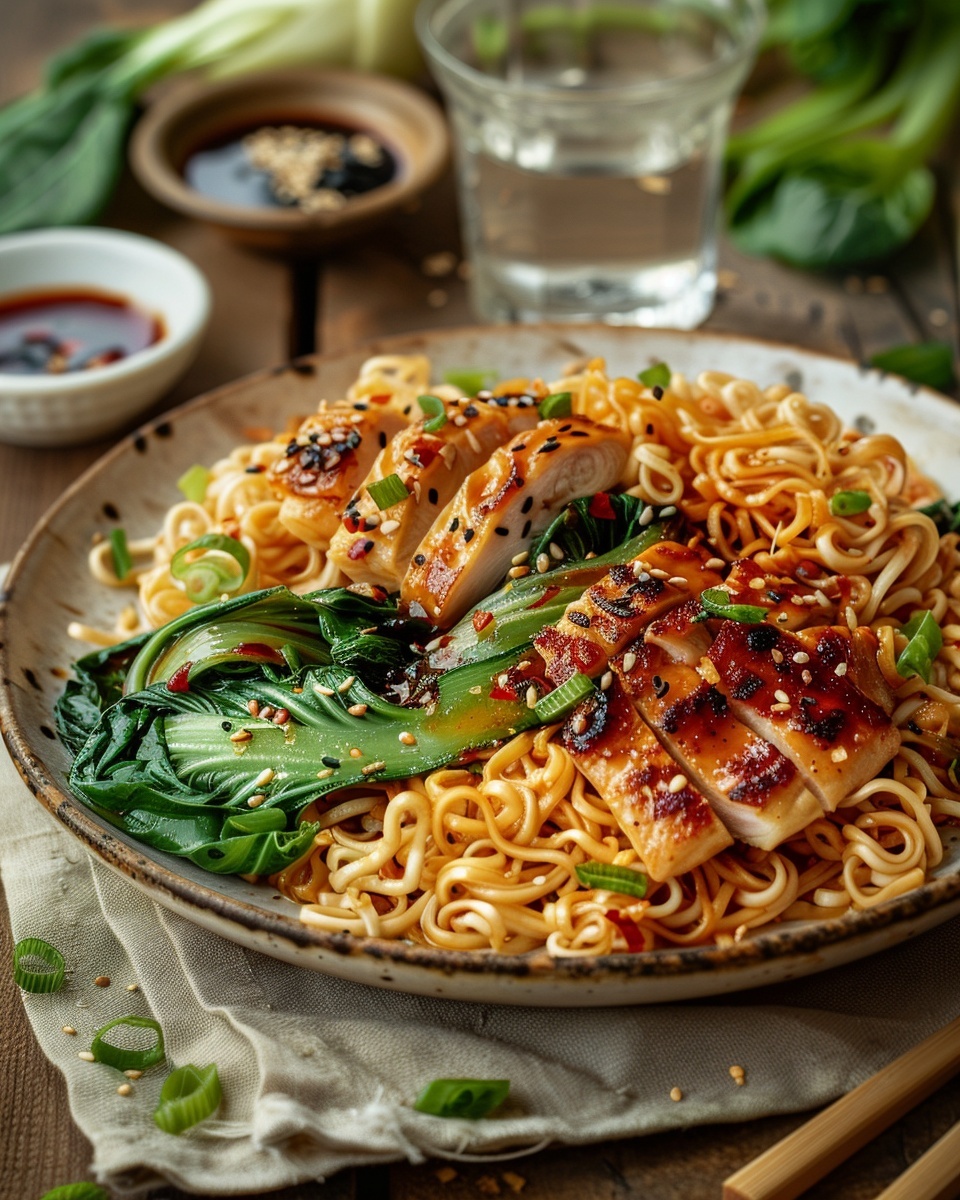
Last Tuesday night, I stood in my kitchen staring at a pack of instant ramen and wondering how I could turn this humble ingredient into something more exciting than the usual soup. My fridge had some leftover vegetables, a bit of protein, and suddenly inspiration hit. Within fifteen minutes, I had created a colorful, sizzling stir fry that tasted better than takeout. That’s when I realized ramen noodles deserve so much more credit than we give them.
Welcome to my kitchen! Today, I’m excited to share with you a delicious and versatile dish that’s perfect for a quick and satisfying meal: Ramen Stir Fry. Whether you’re a college student, a busy professional, or just someone who loves a good, easy-to-make dish, this recipe is for you.
In this article, we’ll explore various ways to make a ramen stir fry, including some creative twists like beef, sausage, and even spam. We’ll also cover some popular variations like chicken and cabbage, and how to add a touch of ginger for extra flavor.
What is Ramen Stir Fry?
Let’s start by understanding what makes a ramen stir fry so special. It’s a simple yet flavorful dish that combines the convenience of instant ramen noodles with a variety of ingredients, creating a hearty and satisfying meal. Think of it as taking those packages of noodles you probably have in your pantry right now and transforming them into restaurant-quality food.
The concept is straightforward. Instead of boiling the noodles in broth and eating them as soup, you cook them briefly and then toss them in a hot pan with your choice of proteins, vegetables, and seasonings. The noodles get slightly crispy on the edges while staying chewy in the center. This cooking method creates entirely different textures and flavors compared to traditional ramen soup.
I remember the first time I tried making a ramen stir fry beef version. I had some thinly sliced steak in the freezer and thought, why not? The result was amazing. The beef cooked quickly in the hot pan, and when I added the noodles with some soy sauce and vegetables, everything came together in minutes. My family couldn’t believe I made it from instant ramen.
The beauty of this dish lies in its versatility. You can use different types of proteins, vegetables, and seasonings to suit your taste and dietary preferences. From beef to chicken, and from cabbage to ginger, the possibilities are endless. This flexibility means you’ll never get bored with the recipe.
One of my favorite things about instant ramen noodle recipes like this is how forgiving they are. Don’t have the exact ingredients? No problem. Swap them out for what you have. The basic technique stays the same, and you can adjust everything else based on your preferences or what’s sitting in your fridge.
When you make a sausage ramen stir fry, you’re adding a smoky, savory element that pairs beautifully with the noodles. I love using smoked sausage or kielbasa because they’re already cooked. You just need to slice them up and get them nice and browned in the pan. The fat from the sausage also helps flavor the noodles as they cook.
A cabbage ramen stir fry brings a fresh, crunchy texture to the dish. Cabbage is affordable, lasts long in the fridge, and adds bulk to your meal without adding many calories. I usually slice it thin so it cooks quickly and stays slightly crisp. The mild flavor of cabbage works well with bolder seasonings and doesn’t overpower the other ingredients.
For those who prefer poultry, chicken ramen noodle recipes are incredibly popular. Chicken cooks fast when you cut it into small pieces or thin strips. I often use chicken thighs because they stay juicy and tender, but breast meat works great too if that’s what you have. Season the chicken well before adding it to the pan for the best results.
The beef ramen noodle recipes I’ve tried over the years have taught me a few tricks. The key is cutting the beef against the grain into thin strips. This makes it tender and helps it cook in just a couple of minutes. You want to use high heat so the beef gets a nice sear on the outside while staying juicy inside.
Now, let me tell you about how to fry ramen noodles with butter. This technique adds richness and helps the noodles get those crispy, golden edges we all love. I usually boil the noodles for just two minutes, drain them well, and then add them to a hot pan with butter. The noodles sizzle and start to crisp up. It’s a simple step that makes a big difference in the final dish.
If you’ve never tried a ramen spam stir fry, you might be surprised at how good it is. Spam has a dedicated following for good reason. It gets crispy when you fry it, has great flavor, and pairs wonderfully with Asian-inspired seasonings. Cut it into cubes, fry until the edges are browned, and mix it with your noodles and vegetables. Don’t knock it until you’ve tried it.
Adding fresh ginger ramen stir fry brings a bright, aromatic quality to the dish. I grate fresh ginger directly into the pan when I’m cooking the aromatics. The warmth and slight spice of ginger complement so many other flavors. It works especially well with soy sauce, garlic, and sesame oil.
When making a sausage and ramen stir fry, think about adding vegetables that complement the richness of the meat. Bell peppers, onions, and snap peas all work beautifully. The vegetables add color, nutrition, and different textures that make each bite interesting.
The best part about all these variations is that they use the same basic cooking method. You heat your pan, cook your protein, add your vegetables, toss in the noodles, and season everything. Once you master the basic technique, you can create countless versions based on what you’re craving or what needs to be used up in your kitchen.
This dish also scales easily. Cooking for one? Use one package of ramen. Feeding a family? Use multiple packages and adjust your other ingredients accordingly. The cooking time stays relatively the same because everything cooks quickly over high heat.
I’ve made ramen stir fry on busy weeknights when I had no energy to cook, and I’ve made it for friends who were impressed by how good something so simple could taste. It works for both situations perfectly.


How to Make a Classic Ramen Stir Fry
Now that you understand the concept and possibilities, let’s actually get into the kitchen and make this happen.
I’ve taught this recipe to at least a dozen friends, and every single one has told me they make it regularly now. The process is straightforward, but there are little tricks along the way that make the difference between okay and outstanding. When I first started experimenting with instant ramen noodle recipes, I made plenty of mistakes—soggy noodles, bland flavors, overcooked vegetables. But I learned from each attempt, and now I can throw together a perfect stir fry without even thinking about it.
Ingredients
Here’s what you need to gather before you start cooking. The beauty is that most of these ingredients are probably already in your kitchen.
For the noodles, grab two or three packages of instant ramen depending on how many people you’re feeding. Here’s the thing—you’re going to throw away those seasoning packets. I know it feels wasteful, but they’re loaded with sodium and we’re building better flavor from scratch. Save them for another use if you want, but don’t use them here.
Your protein choice is up to you. For a ramen stir fry beef, I recommend using flank steak or sirloin sliced thin against the grain. If you’re doing chicken, boneless thighs are my preference because they stay juicy. For a sausage ramen stir fry, grab some smoked sausage or kielbasa. And yes, spam works beautifully if you’re brave enough to try it.
The vegetables are where you can really customize things. I always include garlic and fresh ginger because they’re non-negotiable for flavor. Beyond that, cabbage is fantastic for bulk and crunch. Bell peppers add color and sweetness. Carrots bring texture and slight sweetness. Onions create depth. Use what you have or what sounds good to you.
For the sauce, you’ll need soy sauce as your base. Oyster sauce adds umami and body—don’t skip it. Sesame oil brings that distinct nutty aroma. If you want to learn more about creating similar complex flavors with beef dishes, check out this stir-fried beef noodle recipe that uses comparable techniques.
Optional garnishes include sesame seeds and sliced green onions. They’re not required, but they make the dish look restaurant-quality and add little bursts of flavor.
Steps to Prepare
Alright, let’s walk through this step by step. I’ll share the mistakes I made so you don’t have to.
Start by bringing a pot of water to boil for your noodles. Once it’s boiling, add the ramen and cook for just two minutes. This is crucial—you want them slightly undercooked because they’ll finish cooking in the pan. The first time I made this, I cooked them fully and they turned to mush in the stir fry. Not good.
While the water heats up, do all your prep work. This style of cooking moves fast once you start, so everything needs to be ready. Slice your protein into thin strips. For beef, I cut against the grain to keep it tender. If you’re curious about other ways to prepare spicy beef with noodles, there’s a whole world of flavor combinations to explore.
Chop your vegetables into similar-sized pieces so they cook evenly. I learned this the hard way when I had some pieces burned while others stayed raw. Mince your garlic and grate your ginger. By the way, I use a microplane for the ginger because it creates a paste that distributes evenly through the dish.
In a small bowl, mix your sauce ingredients together. Use about three tablespoons of soy sauce, two tablespoons of oyster sauce, and one teaspoon of sesame oil. That’s your basic formula. You can adjust these ratios based on your taste preferences.
Once your noodles are done, drain them immediately and shake off excess water. Spread them on a plate or cutting board so they don’t stick together in a clump. This step matters more than you’d think.
Now comes the fun part. Heat your largest pan or wok over high heat. And I mean high heat. This isn’t the time to be timid. Add a tablespoon of oil—I prefer vegetable or peanut oil because they handle high heat well without smoking.
When the oil starts shimmering, add your garlic and ginger. They should sizzle immediately. Stir them around for maybe thirty seconds until they smell incredible. This is the aromatic base that flavors everything else.
Toss in your protein next. If you’re making a chicken ramen noodle recipes version, spread the chicken pieces in a single layer. Let them sit undisturbed for a minute so they get a nice sear. Then flip and cook the other side. Remove the cooked protein to a plate once it’s done.
Add a bit more oil if the pan looks dry, then throw in your harder vegetables first—carrots and onions. These need more time to soften. After a minute or two, add softer vegetables like bell peppers. For a cabbage ramen stir fry, I add the cabbage last because it wilts quickly and I prefer it with some bite left in it.
Funny enough, the most common mistake people make is overcrowding the pan. If your pan isn’t big enough, cook in batches. Overcrowding creates steam instead of that nice sear we’re after.
Once your vegetables are tender-crisp, add the drained noodles to the pan. This is where the magic happens. Pour your sauce over everything and use tongs to toss it all together. The noodles will absorb the sauce and get coated in all those flavors.
Add your cooked protein back into the pan and toss everything together for another two minutes. The noodles might start getting slightly crispy on the edges where they touch the hot pan. That’s exactly what you want. Some people specifically ask me how to fry ramen noodles with butter to get this effect, and I’ll tell you the secret right now.
If you want extra crispy noodles, push everything to the sides of the pan and add a tablespoon of butter to the center. Let it melt and foam, then spread your noodles on top of it. Press them down gently and let them sit for a minute or two without stirring. They’ll develop a golden, crispy bottom layer. Then toss everything together one final time.
Here’s something I discovered by accident: if you’re making a ginger ramen stir fry, add an extra spoonful of grated ginger right at the end. The fresh, punchy flavor comes through so much more than if you only add it at the beginning. It’s a game changer.
For those attempting a sausage and ramen stir fry, the process is even easier because the sausage is already cooked. Just brown it to get those crispy edges and render out some fat. That fat becomes part of your cooking oil and adds incredible flavor to everything else.
The whole cooking process from the moment you heat your pan shouldn’t take more than ten minutes. Seriously. That’s why this meal is perfect for weeknights when you’re exhausted but still want real food.
Transfer everything to serving bowls or plates while it’s still hot. Sprinkle those sesame seeds and green onions on top if you’re using them. The visual appeal actually matters—we eat with our eyes first, and those little touches make you feel like you’re eating something special rather than just quick weeknight food.
I remember making this for my partner after a particularly long work day. They walked in, smelled the garlic and ginger, saw the colorful vegetables and crispy noodles, and their whole mood shifted. That’s the power of a good, quick meal made with care. It’s not complicated or fancy, but it’s nourishing and delicious, which is sometimes exactly what we need. The techniques I use here are similar to those in this Cajun shrimp pasta recipe, where bold seasonings and quick cooking produce restaurant-quality results at home.
One last tip: taste as you go. After you add the sauce, grab a noodle and try it. Need more soy sauce? Add it. Want more heat? Sprinkle in some red pepper flakes. The recipe is a guideline, but your taste buds are the final judge. I’ve made this dish a hundred times and it’s slightly different every time based on what I’m craving that day.
The leftovers, if you have any, reheat surprisingly well. Just add a splash of water to the pan when reheating to help steam the noodles back to life. Though honestly, this dish is so good that leftovers are rare in my house.


Creative Variations of Ramen Stir Fry
Now that we’ve covered the basics, let’s get creative with some unique and tasty variations of the ramen stir fry. This is where things get really exciting because you’re not just following a recipe anymore—you’re making it your own.
I’ve spent countless evenings experimenting with different combinations, and honestly, some of my best discoveries happened by accident. Like the time I threw in some leftover kimchi because I had nothing else, and it turned out to be incredible. Or when I used maple syrup instead of sugar in a marinade and everyone asked for the recipe. That’s the beauty of cooking this way—you learn by doing, and even the “mistakes” usually taste pretty good.
Beef Ramen Stir Fry
Let me tell you about my favorite way to make a ramen stir fry beef version that’ll blow your mind. The secret isn’t just about throwing beef into the pan—it’s about treating that beef right before it ever hits the heat.
Here’s what I do: take about half a pound of thinly sliced beef (flank steak or ribeye work beautifully), and put it in a bowl with three tablespoons of soy sauce, two minced garlic cloves, one tablespoon of brown sugar, and a teaspoon of cornstarch. That cornstarch is the secret ingredient most people skip. It helps create a velvety coating on the beef that locks in moisture and creates this gorgeous glaze when it hits the hot pan.
Let that beef sit for at least fifteen minutes, but if you can plan ahead, thirty minutes is even better. I usually prep the beef first thing when I get home, then change out of my work clothes and prep the vegetables. By the time I’m ready to cook, the beef has absorbed all those flavors.
When you’re ready to cook, make sure your pan is scorching hot. I’m talking smoke-point hot. Add your oil, then quickly spread the beef in a single layer. Here’s the hard part—don’t touch it. I know it’s tempting to start stirring immediately, but resist. Let it sit for a full minute so it develops a caramelized crust. That crust is where so much flavor lives.
Flip the pieces and cook for another minute, then remove everything to a plate. The beef will finish cooking when you add it back later, so slight undercooking now prevents tough, chewy meat later. This technique alone has saved so many of my beef ramen noodle recipes from mediocrity.
One trick I learned from my neighbor who grew up in Taiwan: add a splash of rice wine or dry sherry to the marinade if you have it. It adds this subtle depth that’s hard to pinpoint but makes everything taste more complex and restaurant-quality. If you don’t have it, no worries—the recipe still works great without it.
For vegetables, I love pairing beef with broccoli, snap peas, and thinly sliced onions. The slight bitterness of broccoli balances the richness of the beef perfectly. Cut the broccoli into small florets so they cook quickly and evenly.
By the way, if you’re watching your daily nutrient intake, beef provides excellent protein and iron, especially when paired with vitamin-rich vegetables in a dish like this. It’s actually a pretty balanced meal despite coming together in minutes.
Sausage and Cabbage Ramen Stir Fry
Now let’s talk about one of the most underrated combinations: sausage ramen stir fry with cabbage. This version became my go-to during winter because it’s hearty, warming, and uses ingredients that store well, so I always have them on hand.
The beauty of using sausage is that it’s already seasoned and cooked, which means you’re building on existing flavors rather than starting from scratch. I prefer smoked sausage or kielbasa, but Italian sausage works wonderfully too. Even chicken sausage is fantastic if you want something lighter.
Slice your sausage into rounds about a quarter-inch thick. Some people cut them on the diagonal to make them look fancier, which honestly does make a difference in presentation. Start by browning these pieces in your pan without any oil—the sausage will release its own fat as it cooks. Get them nice and crispy on both sides, then remove them to a plate.
Here’s where the cabbage ramen stir fry magic happens. Leave about a tablespoon of that rendered sausage fat in the pan (drain the rest if there’s too much). That fat is pure flavor, and it’s going to coat your vegetables and noodles with smoky, savory goodness.
For the cabbage, I use about a quarter of a medium head, sliced into thin ribbons. Cabbage has this amazing ability to stay slightly crunchy even after cooking, which provides textural contrast against the soft noodles. It also adds volume to your meal without adding many calories, which is great if you’re feeding a crowd or just want leftovers.
Add the cabbage to the hot pan and let it cook for about two minutes. It’ll start to wilt and soften but should still have bite. This is when I add thinly sliced onions and bell peppers if I have them. The sweetness of caramelized onions pairs incredibly well with the smokiness of the sausage.
If you want to take this sausage and ramen stir fry to the next level, add a dash of red pepper flakes or a spoonful of gochugaru (Korean red pepper flakes) for heat. The spiciness cuts through the richness of the sausage and makes every bite more interesting. I learned this trick from a friend who’s obsessed with spicy food, and now I can’t make this version without it.
Sometimes I’ll add a tablespoon of whole grain mustard to the sauce mixture too. It sounds weird, but trust me—the tanginess and slight bitterness of mustard complement smoked sausage perfectly. It’s one of those flavor combinations that just works.
Funny enough, this version is probably the most kid-friendly one I make. My niece, who claims to hate vegetables, devours the cabbage in this dish without complaint. I think the way the cabbage absorbs the sauce and takes on all those savory flavors makes it more appealing than plain steamed cabbage.
Ginger Ramen Stir Fry
Let’s dive into the ginger ramen stir fry, which is hands-down my favorite when I’m feeling under the weather or just need something bright and revitalizing. Ginger has this incredible ability to wake up your taste buds and clear your sinuses while adding layers of flavor that make everything taste more alive.
Fresh ginger is non-negotiable here. I’ve tried using dried ground ginger, and it’s just not the same. You need that sharp, almost spicy freshness that only comes from the real thing. I keep a knob of ginger in my freezer because it’s easier to grate when frozen, and it lasts for months that way.
For this variation, I use about two tablespoons of freshly grated ginger—way more than you’d typically use. I add half of it at the beginning when I’m cooking the aromatics, and the other half right at the end. The ginger you add early mellows and becomes part of the background flavor, while the ginger you add at the end provides that punchy, fresh zing.
Here’s something interesting I discovered: if you want to learn how to fry ramen noodles with butter specifically for a ginger version, brown butter takes it to another level. Let your butter melt and continue cooking until it smells nutty and turns golden brown. Then add your ginger. The combination of brown butter and fresh ginger creates this incredibly complex aroma that makes your whole kitchen smell like a high-end restaurant.
For protein, I usually go with shrimp or chicken in the ginger version because they’re mild enough to let the ginger shine. Shrimp cook in literally two minutes per side, making this one of the fastest variations. Season them with just salt and pepper before cooking—you don’t want to compete with the ginger.
Vegetables that work particularly well with ginger include snap peas, bok choy, carrots, and scallions. I love adding baby corn too if I can find it. The slight sweetness of these vegetables balances the sharpness of the ginger beautifully.
One technique that makes a huge difference: right before serving, add a handful of fresh cilantro and a squeeze of lime juice. I know cilantro is controversial—some people think it tastes like soap—but if you’re one of the people who love it, this combination is transcendent. The cilantro and lime add brightness that makes the whole dish taste fresher and lighter.
When I make this version for friends, I always put extra lime wedges on the table so people can adjust the acidity to their taste. Some people love it super tangy, while others prefer just a hint. If you’re exploring different noodle dishes beyond ramen, the pasta and noodles category has tons of inspiration for expanding your weeknight dinner rotation with similarly quick and satisfying meals.
For the sauce in a ginger-forward version, I use less oyster sauce and more rice vinegar than usual. The acidity of vinegar complements ginger really well. My ratio is typically two tablespoons soy sauce, one tablespoon rice vinegar, one tablespoon oyster sauce, one teaspoon sesame oil, and a tiny drizzle of honey to balance the acidity.
Here’s a pro tip: if you’re making any of these variations for meal prep, store the noodles separately from the sauce and vegetables. Noodles absorb liquid as they sit, so if you mix everything together, your leftovers will be mushy. Keep them separate and combine when you reheat. Add a splash of water or broth when reheating to bring everything back to life.
The other day, I made a hybrid version using elements from all three variations—beef with cabbage, sausage with ginger, all kinds of combinations. That’s what I love about these instant ramen noodle recipes. Once you understand the basic principles, you can mix and match endlessly based on your mood, what’s in season, or what needs to be used up in your fridge.
No matter which variation you choose, remember that the technique stays consistent: high heat, quick cooking, proper prep work, and tasting as you go. Those principles will serve you well no matter what ingredients you’re working with. And don’t be afraid to break the “rules” and try weird combinations. Some of my best dishes came from thinking, “I wonder if this would work?” and just going for it.
If you’re looking to elevate your weeknight cooking beyond basic meals, mastering these ramen stir fry variations is genuinely transformative. You’ll have a repertoire of quick, delicious, customizable dinners that cost a fraction of takeout and taste better too. Plus, there’s something satisfying about turning humble instant ramen into something you’d genuinely be proud to serve to guests.
In conclusion, a ramen stir fry is not just a quick and easy meal—it’s a canvas for creativity and personalization. Whether you stick to the classics or experiment with new flavors, this dish is sure to become a staple in your kitchen. The beauty lies in its flexibility and forgiving nature. You can make it yours, adapt it to what you have on hand, and never get bored. So grab your wok, gather your ingredients, and start creating something delicious. Your future self will thank you for having this skill in your cooking toolkit.
FAQs
What are some popular variations of ramen stir fry?
Some of the most popular variations include beef with marinated steak strips, sausage and cabbage for a heartier meal, ginger-forward versions with shrimp or chicken, and even spam for those who appreciate its crispy texture and savory flavor. You can also make vegetarian versions with tofu and an abundance of colorful vegetables. Each variation follows the same basic cooking technique, so once you master one, you can easily adapt to others based on your preferences and what ingredients you have available.
Can I use different types of proteins in a ramen stir fry?
Absolutely! The versatility of ramen stir fry is one of its greatest strengths. You can use thinly sliced beef, chicken breast or thighs, pork, shrimp, sausage, spam, or even canned tuna in a pinch. For vegetarian options, tofu, tempeh, or even eggs work beautifully. The key is adjusting your cooking time based on the protein—delicate proteins like shrimp cook in just a couple minutes, while chicken might need four to five minutes. Always cook your protein first, remove it from the pan, and add it back at the end to prevent overcooking.
How do I make a vegetarian ramen stir fry?
Making a vegetarian version is simple and just as delicious as meat-based versions. Use firm or extra-firm tofu, pressed and cubed, or tempeh for protein. Load up on vegetables like cabbage, bell peppers, mushrooms, broccoli, snap peas, carrots, and bok choy. For the sauce, most oyster sauce contains seafood, so substitute with vegetarian oyster sauce (made from mushrooms) or hoisin sauce. Add extra aromatics like garlic, ginger, and scallions to build depth of flavor. Sprinkle with sesame seeds and add a drizzle of chili oil for extra richness and heat.
How long does ramen stir fry last in the fridge?
Properly stored ramen stir fry will last three to four days in the refrigerator. Store it in an airtight container and let it cool to room temperature before refrigerating. For best results, store the noodles separately from the sauce if you’re meal prepping, as noodles continue to absorb liquid and can become mushy. When reheating, add a splash of water or broth to the pan and heat over medium heat, stirring frequently. You can also reheat in the microwave in one-minute intervals, stirring between each interval.
Can I make ramen stir fry ahead of time for meal prep?
Yes, ramen stir fry works wonderfully for meal prep with a few adjustments. Cook your protein and vegetables as directed, but slightly undercook the noodles so they don’t get too soft when reheated. Store components separately if possible—noodles in one container, protein and vegetables in another, and sauce in a small container. This prevents the noodles from absorbing too much sauce and becoming soggy. When you’re ready to eat, combine everything in a pan with a splash of liquid and reheat until warmed through. This method keeps textures better than storing everything mixed together.
What’s the best pan to use for making ramen stir fry?
A large wok is ideal because its high, sloped sides make tossing ingredients easy and the shape concentrates heat at the bottom for proper searing. However, a large skillet or sauté pan (at least 12 inches) works great too. The most important factors are size and heat conductivity. You need enough space to spread ingredients in a single layer without overcrowding, which causes steaming instead of frying. Cast iron and carbon steel are excellent choices because they retain heat well. If you’re using a regular nonstick pan, just make sure it’s large enough and can handle high heat safely.
How do I prevent my ramen noodles from sticking together?
The key to preventing sticky noodles is proper handling after cooking. First, don’t overcook them—two to three minutes in boiling water is plenty. Drain them immediately and shake off excess water. Spread them on a plate or cutting board rather than leaving them in a clump. If they start sticking before you’re ready to use them, toss them with a tiny bit of oil. When you add them to the hot pan, use tongs to separate and toss them continuously for the first minute. The high heat and constant movement prevent clumping while helping them develop those delicious crispy edges.
Can I add frozen vegetables to my ramen stir fry?
Yes, frozen vegetables work perfectly and are sometimes more convenient than fresh. The trick is not to thaw them first—add them directly to the hot pan frozen. They’ll release some water as they cook, so be prepared for a bit of steaming before they start to fry. Frozen stir fry mixes, peas, corn, broccoli, and snap peas all work well. Just add them a minute or two before your fresh vegetables would be done, since they need extra time to heat through. Pat them with a paper towel first if they’re covered in ice crystals to reduce excess moisture in your pan.
What can I substitute for oyster sauce in ramen stir fry?
If you don’t have oyster sauce or prefer not to use it, several substitutes work well. Hoisin sauce provides similar sweetness and body, though it’s a bit thicker and sweeter. Use slightly less than the recipe calls for and add a dash of soy sauce to balance it. Worcestershire sauce mixed with soy sauce creates a similar umami depth. For a vegetarian option, mushroom-based vegetarian oyster sauce is widely available and tastes nearly identical. In a pinch, you can mix soy sauce with a tiny bit of sugar and a dash of fish sauce (if not vegetarian) to approximate the sweet-savory profile.
How do I make my ramen stir fry spicier?
There are several ways to add heat depending on your preference. Red pepper flakes are the easiest—just sprinkle them in when you’re cooking the aromatics. Fresh sliced jalapeños or Thai chilies add fresh, bright heat. Sriracha or gochujang (Korean chili paste) can be mixed into your sauce for a more complex, fermented heat. Chili oil drizzled at the end adds heat plus richness. For the spiciest version, use Sichuan peppercorns along with dried chilies for that numbing, tingly sensation. Start with small amounts and taste as you go—it’s easy to add more heat but impossible to remove it once it’s in there.