
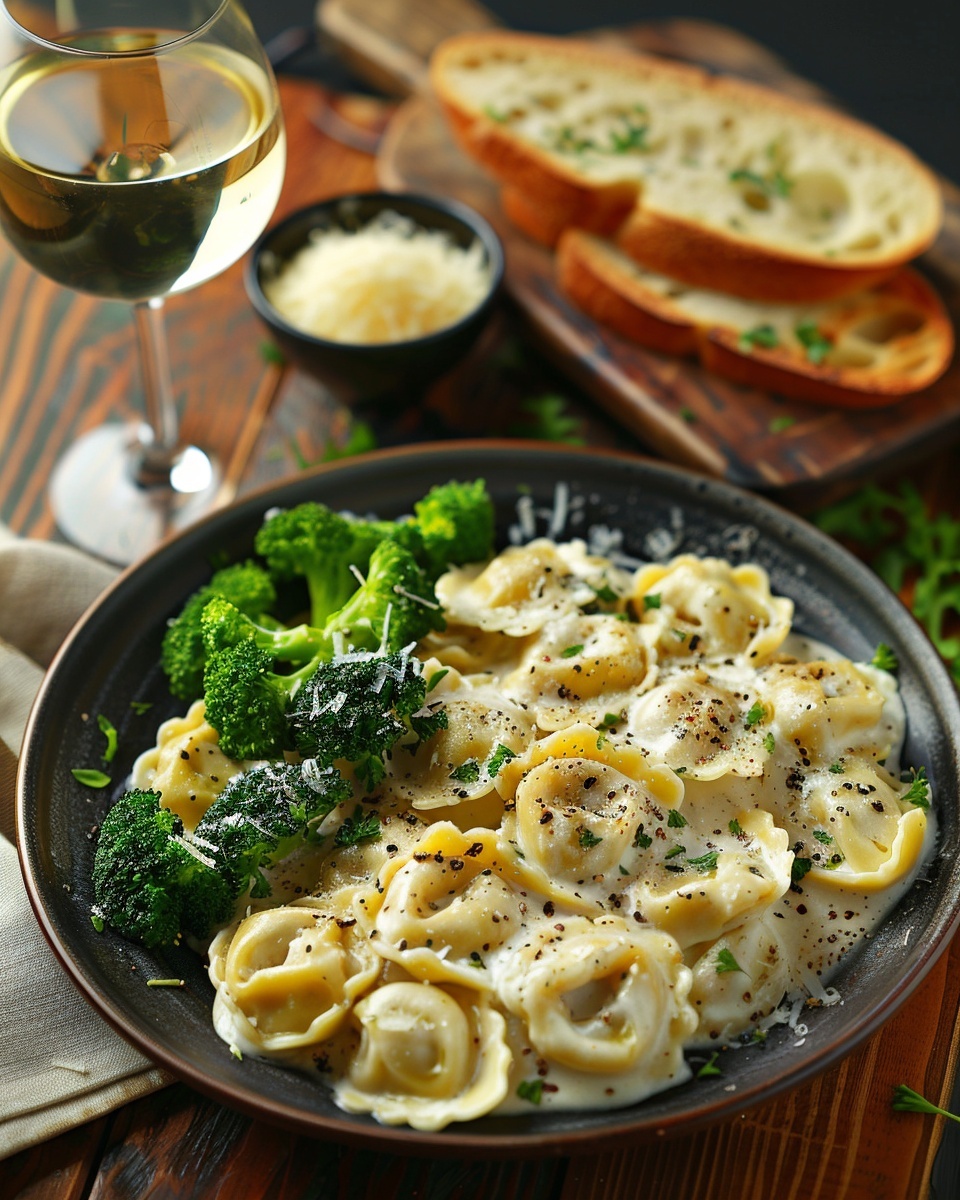
Welcome to My Kitchen: The Magic of Tortellini Alfredo
Last Tuesday night, I stood in my kitchen staring at the fridge with that all-too-familiar question: what’s for dinner? My kids were hungry, my husband was on his way home, and I needed something quick but impressive. That’s when I spotted a package of cheese tortellini and some heavy cream. Twenty minutes later, we were all gathered around the table, twirling forks through the creamiest, most satisfying tortellini alfredo you can imagine. The best part? My picky eight-year-old asked for seconds.
I’m thrilled to share this recipe with you because it has genuinely changed my weeknight dinner routine. There’s something magical about combining pillowy pasta pockets with a silky, rich sauce that makes everyone at the table happy. Whether you’re cooking for your family or hosting friends, this dish never fails to impress.
The beauty of tortellini alfredo lies in its simplicity. You don’t need fancy techniques or hard-to-find ingredients. Just good pasta, butter, cream, and cheese come together to create restaurant-quality comfort food right in your own kitchen. I’ve made this dish dozens of times, and it works every single time.
What Makes Tortellini Alfredo So Special?
Let me tell you why this dish stands out from other pasta recipes. Traditional alfredo sauce paired with tortellini creates a combination that feels both fancy and familiar. The tender pasta pillows filled with cheese or meat provide little flavor bursts in every bite. When you coat them with that creamy, buttery alfredo sauce, magic happens.
The sauce clings to each tortellini piece perfectly. Unlike flat pasta that can get weighed down, tortellini’s unique shape holds just the right amount of sauce. You get that perfect balance with every forkful. The ridges and curves catch the cream, while the filling adds an extra layer of richness.
What really sets tortellini alfredo apart is how it satisfies everyone. Kids love the mild, creamy flavor and fun pasta shapes. Adults appreciate the rich, indulgent taste that feels like a special treat. I’ve served this to toddlers and grandparents alike, and the plates always come back empty.
The texture combination is another reason this dish wins hearts. Soft, tender pasta meets smooth, velvety sauce. When you add freshly grated Parmesan cheese on top, you get little pockets of salty, nutty flavor throughout. It’s comfort food at its finest.
Does tortellini go with alfredo sauce? Absolutely, and they’re actually a match made in heaven. The filled pasta adds substance that turns a simple sauce into a complete meal. You’re not just eating pasta with sauce; you’re enjoying layers of complementary flavors and textures.
Creative Variations of Tortellini Alfredo
Once you master the basic recipe, a whole world of possibilities opens up. I’ve experimented with countless variations over the years, and I’m excited to share what works best.
Tortellini alfredo with sausage is my husband’s favorite version. Brown some Italian sausage (sweet or spicy, your choice) and crumble it into the finished dish. The savory, slightly fennel-flavored sausage adds depth and makes the meal more filling. I usually use about one pound of sausage for every pound of tortellini. The meat’s richness pairs beautifully with the creamy sauce without overwhelming it.
If you’re a seafood lover, tortellini alfredo with shrimp will become your go-to dinner party dish. I sauté jumbo shrimp in garlic butter until they’re just pink, then arrange them on top of the pasta. The sweet, delicate shrimp flavor balances the rich sauce perfectly. This version feels elegant enough for special occasions but remains easy enough for regular weeknights.
Chicken mushroom tortellini alfredo is what I make when I want something hearty and satisfying. Dice up some chicken breast, season it well, and cook until golden. Sauté sliced mushrooms separately (they release water, so don’t crowd the pan), then combine everything with your alfredo tortellini. The earthy mushrooms and tender chicken create a restaurant-worthy meal.
For a lighter option, try tortellini alfredo with peas. The sweet green peas add color, nutrients, and a fresh flavor that cuts through the richness. I usually stir in frozen peas during the last few minutes of cooking. They heat through quickly and maintain their bright color. This version is particularly popular with kids who might not eat their vegetables otherwise.
Want something fancy? Tortellini alfredo with prosciutto and peas takes things up a notch. Crisp up thin strips of prosciutto in a dry pan, then crumble them over your dish. The salty, slightly crispy prosciutto adds amazing texture and sophisticated flavor. Combined with sweet peas, it’s a combination that feels both luxurious and balanced.
Steak tortellini alfredo turns this dish into a steakhouse-quality meal. Grill or pan-sear a good ribeye or sirloin, let it rest, then slice it thin. Fan the slices over your creamy tortellini for a meal that looks like it came from an expensive restaurant. The beef’s savory richness complements the alfredo sauce beautifully.
Choosing the Right Protein for Your Tortellini Alfredo
Picking the right protein can elevate your dish from good to unforgettable. I’ve learned some helpful tips through trial and error that I want to share with you.
Consider the richness of alfredo sauce when choosing your protein. Lighter proteins like shrimp or chicken work well because they don’t make the dish feel too heavy. Richer proteins like sausage or steak should be used in moderation. I typically use slightly less protein when working with fattier meats.
Think about cooking methods too. Grilled proteins add a smoky flavor that contrasts nicely with the creamy sauce. Pan-seared options develop a golden crust that adds texture. If you’re using a crockpot tortellini alfredo recipe, choose proteins that handle long, slow cooking well, like chicken thighs or Italian sausage.
Texture matters more than you might think. Crispy prosciutto provides crunch against the soft pasta. Tender chunks of chicken offer satisfying bites. Sliced steak adds substance without changing the dish’s overall character. Mix textures for the most interesting eating experience.
Flavor intensity is another consideration. Strong-flavored proteins like sausage pair well with bold seasonings. Delicate proteins like shrimp need gentler treatment. When making tortellini alfredo with chicken, I season the chicken well before cooking so it doesn’t taste bland against the rich sauce.
What kind of pasta is best for alfredo? While fettuccine is traditional, tortellini actually works better in many ways. The filled pasta adds extra flavor and substance, turning alfredo from a side dish into a complete meal. The sauce coats each piece perfectly, and you get more satisfaction from every bite.


Understanding Tortellini Alfredo Calories and Nutrition
Now that we’ve covered all those delicious variations, let’s talk about something that might be on your mind: the calorie count. I won’t sugarcoat it—tortellini alfredo calories can be pretty substantial. A typical serving of homemade tortellini alfredo contains somewhere between 600 to 800 calories, depending on how generous you are with the cream and cheese. Restaurant portions? Those can easily climb past 1,200 calories for a single plate.
Here’s the thing, though. I don’t believe in feeling guilty about enjoying good food. When I make this dish, I’m feeding my family something delicious that brings us together. That said, understanding the nutritional breakdown helps you make informed choices about how often to serve it and what to pair it with.
The richness comes primarily from the heavy cream, butter, and cheese in the sauce. A cup of heavy cream alone has about 800 calories, and most recipes use at least that much. The Parmesan cheese adds another 120 calories per ounce, and butter contributes roughly 100 calories per tablespoon. The tortellini itself is actually moderate in calories—around 250 calories per cup of cooked pasta.
I’ve learned to balance this richness in my weekly meal planning. On nights when we have tortellini alfredo, I serve it with a big, crisp salad dressed with lemon vinaigrette. The fresh greens and acidic dressing cut through the cream beautifully. Plus, filling up on vegetables first means we naturally eat smaller portions of the pasta. My kids don’t even realize I’m sneaking in nutrition.
Want to lighten things up without sacrificing flavor? I’ve got some tricks that actually work. You can replace half the heavy cream with whole milk or even half-and-half. Yes, the sauce will be slightly thinner, but if you add an extra tablespoon of Parmesan, you’ll barely notice the difference. This simple swap can cut 200-300 calories from the entire recipe.
Another method I use is adding cauliflower to the sauce itself. I know, I know—it sounds weird. But hear me out. Steam some cauliflower florets until they’re super soft, then blend them into the cream sauce. The cauliflower adds body and creaminess while cutting calories significantly. My family has no idea it’s there, and I feel better knowing they’re getting vegetables with their pasta.
Portion control matters too, though I hate that phrase because it sounds so restrictive. What I actually do is bulk up the dish with additions that make it more filling without adding tons of calories. Tortellini alfredo with peas is perfect for this because peas add volume, fiber, and nutrients for very few calories. A cup of peas has only about 60 calories but makes the dish feel much more substantial.
Adding Vegetables to Your Tortellini Alfredo
Speaking of vegetables, let me share how I’ve transformed this indulgent dish into something that includes actual nutrition. Adding veggies isn’t just about health—it genuinely improves the eating experience by adding color, texture, and fresh flavors that balance the richness.
Peas are my go-to addition. They’re sweet, bright green, and kids actually like them. I keep a bag of frozen peas in my freezer at all times because they’re so convenient. During the last three minutes of cooking the tortellini, I just toss a couple handfuls into the boiling water. They heat through perfectly and maintain their beautiful color. Sometimes I’ll add a full cup of peas for a family-sized recipe.
Here’s my detailed method for tortellini alfredo with peas that works every single time. Start by cooking your tortellini according to package directions. About three minutes before the pasta is done, add one to two cups of frozen peas directly to the pasta water. While that’s finishing, make your alfredo sauce in a large skillet with butter, cream, and Parmesan. Drain the tortellini and peas together, then toss them into the sauce. The peas get coated in that creamy goodness right alongside the pasta. I finish with extra Parmesan, black pepper, and sometimes a squeeze of lemon juice for brightness.
But don’t stop at peas. Spinach is another winner. I buy those big containers of baby spinach and add several handfuls to the hot sauce right before serving. The spinach wilts immediately, turning silky and tender. It adds iron and vitamins without changing the flavor profile much at all. For a similar approach, check out this spinach ricotta pasta recipe that uses greens beautifully.
Broccoli florets work wonderfully too. I steam them separately until they’re just tender but still have a bit of bite, then fold them into the finished dish. The little trees (as my kids call them) catch the sauce in their florets and add a slightly nutty flavor that complements the cheese. Roasted broccoli is even better if you have an extra ten minutes—the caramelized edges add depth.
Cherry tomatoes bring acidity and brightness that cuts through all that cream. I halve them and warm them gently in the sauce, just enough to soften them slightly. They burst in your mouth with fresh tomato flavor that lightens each bite. If you love tomato-based pasta dishes, you might enjoy these Cajun shrimp pasta flavors too.
Roasted red peppers from a jar are my secret weapon. Dice them up and stir them in at the end. They add sweetness, color, and a slight smokiness without any extra cooking required. I always have a jar in my pantry for exactly this purpose.
When choosing vegetables for your pasta, think about cooking times and water content. Zucchini, for example, releases a lot of moisture, which can make your sauce watery. If you use it, sauté it separately first and let it release its liquid before adding it to the pasta. Mushrooms have the same issue—cook them in a separate pan until their water evaporates and they’re golden brown.
Funny enough, my mother-in-law introduced me to adding asparagus to creamy pasta. Cut the spears into one-inch pieces, blanch them quickly, and toss them in. The slight bitterness and firm texture contrast beautifully with the soft tortellini. It feels fancy enough for company but is easy enough for Tuesday night.
Recreating Popular Chain Restaurant Versions
Let’s talk about tortellini alfredo panera for a minute. I’ll admit, I spent a solid year trying to recreate their version at home after my daughter became obsessed with it. Panera’s tortellini alfredo has a particular lightness to the sauce and always includes those perfectly cooked peas and asiago cheese.
The chain restaurant version is good, no question. But here’s what I’ve discovered through countless taste tests: homemade is better, and it costs about a third of the price. Panera charges around twelve to fourteen dollars for a bowl of tortellini alfredo. I can make the same amount at home for under five dollars, and it tastes fresher because you control the quality of every ingredient.
Chain restaurants have consistency going for them. Every Panera location makes their tortellini alfredo roughly the same way. But homemade has customization. You can make your sauce exactly as thick or thin as you like. Want extra garlic? Add it. Prefer more pepper? Go for it. At a restaurant, you get what you get.
I’ve noticed that restaurant versions tend to be saltier than what I make at home. They also use more butter than necessary because butter equals flavor in commercial kitchens. When I recreate these dishes, I cut back on salt and let the Parmesan do the heavy lifting in the flavor department. Better cheese means you need less of everything else.
To make a Panera-style version at home, use asiago cheese instead of or in addition to Parmesan. Asiago has a slightly sharper, more complex flavor. Cook your cheese tortellini until just al dente, add those peas we talked about earlier, and make a cream sauce that’s slightly thinner than you might think—restaurants serve their sauces looser so they don’t thicken up too much before reaching the table.
By the way, if you’re into recreating restaurant favorites at home, you might find inspiration in dishes like this ramen stir fry that brings takeout flavors to your kitchen.
The real advantage of cooking at home is freshness. Restaurant pasta often sits under heat lamps or in warming drawers. Your homemade version goes straight from the pan to the plate. That makes a huge difference in texture and temperature. Nothing beats pasta that’s steaming hot with sauce that’s still bubbling slightly.
I’ve also found that restaurant portions are enormous, which sounds great until you realize you’ve eaten 1,500 calories in one sitting. At home, I plate reasonable portions and save leftovers for lunch the next day. Speaking of leftovers, tortellini alfredo reheats better than you might expect. Add a splash of milk or cream when reheating to bring the sauce back to life.
One more thing about chain restaurants—their pasta dishes rarely include much protein or vegetables. It’s mostly pasta and sauce. When I make it at home, I load it up with additions that make it a complete, balanced meal. For more ideas on creating satisfying pasta dishes with protein, check out these spicy cumin beef noodles that pack incredible flavor.
The bottom line? Enjoy restaurant tortellini alfredo when you’re out and about, but don’t be intimidated by making it at home. Your version will be fresher, healthier, cheaper, and more customized to your family’s tastes. Plus, there’s something deeply satisfying about serving your family a dish they love that you made with your own hands.


Slow Cooker Magic: Crockpot Tortellini Alfredo
Here’s something I wish I’d discovered years earlier: crockpot tortellini alfredo is an absolute game-changer for busy weeknights. I stumbled onto this method completely by accident one Wednesday when I had back-to-back Zoom meetings and knew I wouldn’t have time to cook dinner. I threw everything into my slow cooker in the morning, crossed my fingers, and came home to the most incredible smell wafting through the house.
The convenience factor alone makes this method worth trying. You spend maybe ten minutes in the morning doing minimal prep, then your slow cooker does all the work while you’re at the office, running errands, or helping kids with homework. No standing over a hot stove. No timing anything perfectly. Just set it and forget it, as they say.
Now, I need to be honest with you—crockpot tortellini alfredo requires a slightly different approach than stovetop cooking. You can’t just dump dried tortellini into cream and walk away for eight hours. Trust me on that one. I learned the hard way that tortellini turns to mush if it cooks too long. The trick is adding the pasta during the last 30 to 45 minutes of cooking time.
Let me walk you through my tried-and-true method for perfect slow cooker tortellini alfredo. Start by adding your cream, butter, and minced garlic to the crockpot in the morning. If you’re including protein like diced chicken or crumbled sausage, add it now too. Set your slow cooker to low and let everything cook for about 6 to 7 hours. The low, gentle heat infuses the cream with garlic flavor and cooks your protein through completely.
About 45 minutes before you want to eat, stir in your grated Parmesan cheese until it’s fully melted and incorporated. Then add your refrigerated or frozen tortellini directly to the sauce. Give it a good stir to coat everything. Put the lid back on and let it cook on low for another 30 to 40 minutes, stirring once halfway through. The tortellini will cook perfectly in the hot sauce without becoming mushy.
If you’re adding vegetables like peas or spinach, throw them in during the last 15 minutes. They’ll heat through and brighten up the dish without overcooking. I usually add frozen peas straight from the freezer—no need to thaw them first. They defrost and warm up in no time.
The slow cooking method does something really special to the flavors. Everything melds together in a way that’s different from stovetop cooking. The garlic becomes mellow and sweet rather than sharp. The cream develops a deeper, more complex flavor. It’s hard to explain, but there’s a roundedness to slow-cooked sauces that you don’t get from quick cooking.
One benefit I didn’t expect? The sauce stays at the perfect temperature for serving. With stovetop cooking, everything cools down pretty quickly once you plate it. But with the crockpot, you can leave it on the warm setting and everyone can serve themselves as they’re ready. This is a lifesaver when family members eat at different times or when you’re hosting a casual get-together.
I’ve also found that crockpot tortellini alfredo is more forgiving with ingredient ratios. If your sauce seems too thick after cooking, just stir in a splash of milk or pasta water. Too thin? Let it sit uncovered on the warm setting for 20 minutes and it’ll thicken up. You’ve got flexibility that’s harder to achieve on the stovetop where things happen quickly.
For make-ahead meals, this method is unbeatable. I sometimes prep everything the night before, store it in the fridge in the crockpot insert, then just pop it into the base and turn it on in the morning. Coming home to a hot, ready meal after a long day feels like having a personal chef.
More Creative Variations to Try
By now you’ve got the basics down, so let’s push things further with some combinations that might sound unusual but absolutely deliver on flavor. I love experimenting in the kitchen, and these variations have become regular features in my dinner rotation.
Let’s circle back to tortellini alfredo with prosciutto and peas because this one deserves more attention. The salty, delicate prosciutto brings Italian sophistication to an already elegant dish. Here’s how I do it: Cook your tortellini alfredo as usual, then crisp thin strips of prosciutto in a dry skillet until they’re just starting to get crunchy but not burnt. Crumble them over individual servings along with those sweet peas we keep talking about. The textural contrast is incredible—creamy pasta, tender peas, and crispy meat all in one bite.
The prosciutto adds a level of refinement that makes this feel like something you’d order at a fancy Italian restaurant. I serve this version when we have guests over because it looks impressive on the plate and tastes even better than it looks. A little goes a long way too, so you don’t need much prosciutto to make an impact. Three or four slices is usually enough for a family-sized batch.
Steak tortellini alfredo is what I make when I really want to treat my husband. Grill a nice cut of beef—ribeye works beautifully, but even a good sirloin does the trick—and let it rest while you finish your pasta. Slice the steak against the grain into thin strips and arrange them over bowls of creamy tortellini. The juices from the resting meat mix with the alfredo sauce and create this incredibly rich, steakhouse-quality experience.
The key to getting this right is not overcooking your steak. Medium-rare to medium is perfect because the residual heat from the pasta will warm it through a bit more. Season your steak aggressively with salt and pepper before cooking—you want that crust to provide a bold contrast to the mild, creamy pasta.
For chicken mushroom tortellini alfredo, I’ve developed a technique that maximizes flavor. Instead of just cooking plain chicken and mushrooms separately, I use the same pan for both to build layers of taste. Start by cooking diced chicken thighs (they’re juicier than breasts) in a bit of butter until golden brown. Remove them from the pan, then add sliced mushrooms—baby bellas or cremini work great. Let the mushrooms cook undisturbed for a few minutes so they develop that gorgeous golden color. They’ll pick up all those flavorful brown bits left behind by the chicken.
When the mushrooms are done, add them and the chicken to your finished tortellini alfredo. The earthy mushrooms and savory chicken turn this into a complete, satisfying meal that’s filling without being overly heavy. My teenage son, who’s always starving, says this version keeps him full longer than the plain pasta.
Here’s something fun I tried recently: adding a bit of white wine to the sauce before it reduces. Just a quarter cup adds a subtle brightness and complexity that elevates the whole dish. The alcohol cooks off, leaving behind a sophisticated depth. This works especially well with seafood versions like shrimp or scallops.
Don’t be afraid to mix and match elements from different variations. Maybe you love the idea of sausage but also want vegetables. Combine them! I’ve made tortellini alfredo with Italian sausage, sun-dried tomatoes, and spinach that was absolutely phenomenal. The slightly sweet, intense sun-dried tomatoes balanced the rich sausage perfectly.
If you’re curious about food composition and nutritional values for the various ingredients you’re adding, that database is incredibly helpful for understanding what you’re putting into your dishes. I reference it sometimes when I’m trying to make lighter versions or when family members have specific dietary concerns.
When pairing ingredients, think about balancing richness with freshness. Heavy proteins need bright elements like lemon juice, cherry tomatoes, or fresh herbs. Delicate proteins pair well with bold flavors like capers, olives, or roasted red peppers. The goal is creating contrast so that each bite is interesting rather than monotonous.
Texture variety matters just as much as flavor. Combine soft elements (the pasta, the sauce) with something crispy (toasted pine nuts, crispy pancetta, or breadcrumbs) and something with bite (al dente vegetables or seared protein). Your mouth appreciates the variety, and it makes the eating experience more engaging.
Herbs can completely transform your dish too. Fresh basil brings sweetness and a peppery note. Thyme adds earthiness. Tarragon gives a subtle anise flavor that’s lovely with chicken or seafood. I keep dried Italian seasoning on hand for quick weeknight additions, but fresh herbs take it to another level when I have time to shop for them.
By the way, if you’re looking for more inspiration for comforting pasta and noodle dishes, there are so many options to explore beyond just tortellini alfredo. It’s fun to expand your repertoire while keeping these easy techniques in your back pocket.
Frequently Asked Questions About Tortellini Alfredo
Does tortellini go with alfredo sauce?
Absolutely, and it’s actually one of the best pasta choices for alfredo. The filled pasta pockets add extra flavor and substance that turns a simple cream sauce into a complete, satisfying meal. The ridges and curves of tortellini catch and hold the sauce perfectly, giving you the ideal ratio of pasta to sauce in every single bite. Unlike flat noodles that can sometimes slip away from the sauce, tortellini embraces it.
What kind of sauce goes well with tortellini?
Tortellini is incredibly versatile and pairs well with many sauces beyond alfredo. Marinara or tomato-based sauces work beautifully, especially with cheese-filled tortellini. Brown butter sage sauce is traditional and elegant, letting the pasta filling shine through. Pesto is another fantastic option that coats each piece with herby, garlicky goodness. Broth-based soups also showcase tortellini wonderfully, making them float like little flavor pillows in your bowl.
Can I cook tortellini directly in sauce?
You can, but I recommend a modified approach for best results. If your sauce is thin enough and you have plenty of it, add the tortellini and enough liquid (water, broth, or milk) to keep things from getting too thick. Fresh or frozen tortellini work better for this method than dried because they cook faster and release less starch. Stir frequently and watch the consistency closely, adding more liquid as needed. For the crockpot method, this works perfectly when you add tortellini during the last 30 to 40 minutes of cooking.
What kind of pasta is best for Alfredo?
While fettuccine is the traditional choice, tortellini actually makes a better complete meal because it includes protein and flavor in the filling. Wide, flat noodles like pappardelle and tagliatelle work well because they have enough surface area to hold the thick sauce. Rigatoni and penne are good options too, as their tubes trap the cream inside. Really, any pasta that can catch and hold a thick, creamy sauce will work, but tortellini gives you the most bang for your buck in terms of flavor and satisfaction.
How do I keep my alfredo sauce from separating?
The key is gentle heat and never letting the sauce boil once you’ve added the cheese. Boiling causes the proteins in the cheese to seize up and separate from the fat. Use freshly grated Parmesan rather than pre-grated, which contains anti-caking agents that interfere with smooth melting. If your sauce does start to separate, remove it from heat immediately and whisk in a tablespoon of cold butter or a splash of cold cream to bring it back together.
Can I make tortellini alfredo ahead of time?
You can, though it’s best when freshly made. If you need to prep ahead, cook the sauce and store it separately from the cooked tortellini in the refrigerator for up to two days. When you’re ready to serve, reheat the sauce gently, add a splash of cream or milk to loosen it, then toss in the tortellini and heat through. Alternatively, assemble everything in a baking dish, cover tightly, and refrigerate for up to 24 hours, then bake at 350°F until hot and bubbly.
What’s the best cheese to use for alfredo sauce?
Authentic Parmigiano-Reggiano is worth the splurge because it melts smoothly and has complex, nutty flavors that elevate the entire dish. Pecorino Romano works well too, though it’s saltier and sharper, so use less salt in your recipe. I sometimes combine half Parmesan with half Asiago for a more complex flavor profile. Avoid pre-shredded cheese if possible because the anti-caking additives prevent smooth melting and can make your sauce grainy.
How can I thicken my alfredo sauce if it’s too thin?
The easiest method is simply simmering it longer to reduce and concentrate the sauce, stirring frequently so it doesn’t stick to the bottom. Adding more grated Parmesan will thicken it while boosting flavor. For a quick fix, mix a tablespoon of cornstarch with two tablespoons of cold milk until smooth, then whisk it into the sauce and simmer for a minute. Cream cheese is another great thickener that adds extra creaminess—just cube it and whisk it in until melted.
Can I freeze tortellini alfredo?
You can freeze it, though cream sauces sometimes change texture when thawed and reheated. For best results, slightly undercook the tortellini before freezing so it doesn’t get mushy when reheated. Let everything cool completely, then store in airtight containers for up to three months. Thaw overnight in the refrigerator and reheat gently on the stovetop, adding cream or milk to restore the sauce’s consistency. Honestly though, this dish is so quick to make that I rarely bother freezing it.
What protein works best with tortellini alfredo?
Chicken is the most popular and versatile option because its mild flavor complements rather than competes with the creamy sauce. Shrimp is elegant and cooks quickly, making it perfect for weeknight dinners or special occasions. Italian sausage adds robust flavor and makes the dish more hearty and filling. For something really special, crispy prosciutto or sliced steak elevates it to restaurant quality. Really, you can’t go wrong with any protein as long as you season and cook it properly.
The magic of tortellini alfredo is that it adapts to whatever you need it to be—quick weeknight dinner, impressive date night meal, crowd-pleasing potluck contribution, or comfort food when you’re craving something warm and satisfying. Start with the basic recipe, get comfortable with the technique, then branch out and make it your own. Your family will thank you.
Tortellini Alfredo
Ingredients
Equipment
Method
- Cook the tortellini according to package directions until al dente, then drain.
- In a large skillet, melt the butter over medium heat.
- Stir in the heavy cream and bring to a gentle simmer.
- Gradually whisk in the Parmesan cheese until melted and the sauce is smooth.
- Season with salt and pepper to taste.
- Toss the cooked tortellini in the sauce until evenly coated.
- Serve immediately, topped with additional Parmesan if desired.
Nutrition
Notes
For a lighter version, try reducing the heavy cream or adding vegetables like peas or spinach for extra nutrition.
This dish reheats well; just add a splash of cream or milk when warming it up to restore creaminess.
Experiment with herbs or spices, such as garlic or Italian seasoning, to enhance the flavor further. Enjoy your meal and have fun making this dish your own!