
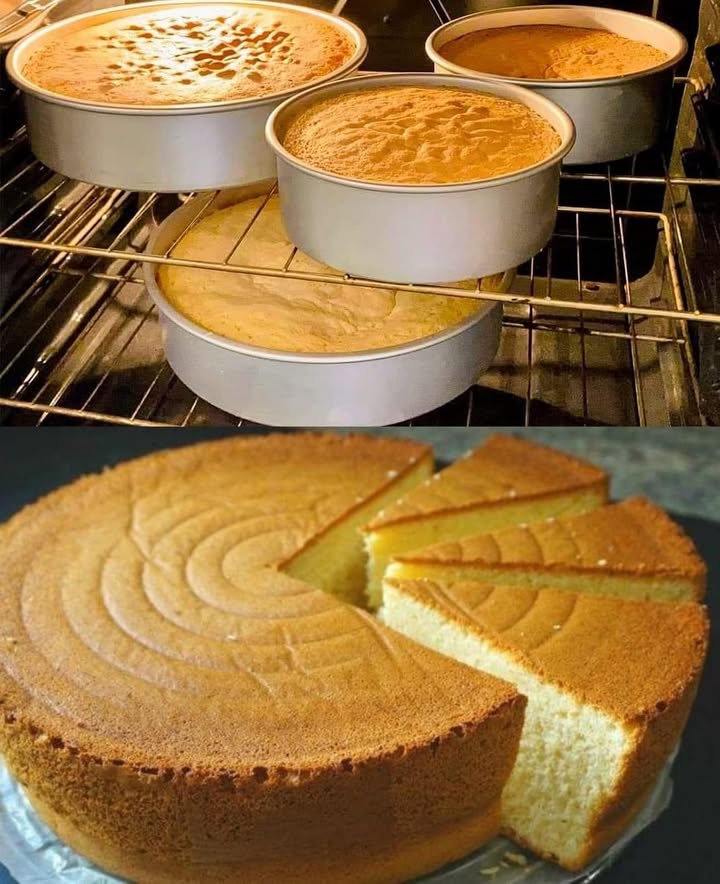
The Magical Fluffy Blender Cake: Your New Kitchen Best Friend
Have you ever had one of those moments where you need a cake, and you need it now? Maybe a surprise guest is coming, or the kids just announced a bake sale for tomorrow. I’ve been there, flour on my nose, feeling the pressure. Then, I discovered this trick: a perfectly fluffy cake made entirely in a blender. It sounds almost too good to be true, but trust me, it’s a game-changer. This recipe is my little kitchen secret for creating something delightful with minimal fuss and maximum “wow” factor.
A Blend of Tradition and Modern Convenience
This fluffy blender cake is a beautiful example of how traditional desserts adapt to our busy lives. The classic method of creaming butter and sugar, then alternating dry and wet ingredients, has been a baking cornerstone for generations. My grandmother would have marveled at the idea of a blender doing all that work! This version honors the soul of a homemade cake—the tender crumb, the warm cinnamon scent—but uses our modern kitchen gadgets to get us there faster. It’s not about replacing tradition, but about making it more accessible for weeknights and last-minute celebrations.
Why You’ll Fall in Love With This Easy Cake
You will adore this recipe for three big reasons: it’s insanely easy, it creates a super moist texture, and it dirties exactly one appliance (plus a pan!). There’s something almost magical about watching simple ingredients whirl together into a smooth, velvety batter. No electric mixer needed, no arm workout. The blender incorporates incredible amounts of air, which is the secret to that light, fluffy lift. Plus, the cinnamon and vanilla make your kitchen smell like a cozy bakery.
Perfect Occasions for Your Blender Masterpiece
This cake is your go-to for so many moments! It’s perfect for a casual weekend breakfast with coffee, an after-school snack that feels like a hug, or a last-minute dessert when friends drop by. I love bringing it to potlucks because it’s always a hit and I can honestly say, “It was no trouble at all!” It’s also a fantastic first baking project to do with children—fewer steps and less mess means more fun.
What You’ll Need: The Simple Ingredients
- 500 grams of all-purpose wheat flour
- 1 teaspoon baking powder
- 1 teaspoon cinnamon powder
- 150 grams of milk cream (heavy cream)
- 350 grams of white sugar
- 200 milliliters of milk, at room temperature
- 4 small eggs
- 1 tablespoon of vanilla extract
- 1 tablespoon and a half of butter (or margarine)
- 1 pinch of salt
No Heavy Cream? No Problem! Handy Substitutions
- Heavy Cream: You can use an equal amount of full-fat plain yogurt or sour cream. The cake will be just as moist with a slight tang.
- Milk: Any milk works—whole, 2%, or even a non-dairy alternative like almond or oat milk.
- Cinnamon: Try a mix of nutmeg and allspice, or simply use extra vanilla for a different flavor profile.
- White Sugar: You can use light brown sugar for a deeper, caramel-like flavor.
Creating Your Fluffy Blender Cake: Step-by-Step
Step 1
Crack those 4 small eggs right into your blender pitcher. The vibrant yellow yolks mixing with the clear whites is the start of something wonderful. This is your wet base that will help emulsify all the other ingredients into a silky smooth mixture. Pro tip: If your eggs are cold from the fridge, let them sit in warm water for a few minutes. Room temperature ingredients blend more evenly.
Step 2
Now, add the warm, earthy cinnamon and that tiny but mighty pinch of salt. Don’t skip the salt! It’s not for taste alone; it strengthens the protein in the flour, giving your cake better structure and enhancing all the other flavors. Think of it as the quiet hero that makes the sweet and spicy notes sing.
Step 3
Pour in the rich, thick heavy cream, the mound of fluffy white sugar, and the 200 ml of milk. Remember, the milk should be at room temperature. Cold milk can cause the butter we add next to solidify into little lumps. We want everything to become friends in this blend, not start a fight!
Step 4
Add the tablespoon and a half of butter (it’s okay if it’s soft or melted) and that glorious tablespoon of vanilla. The vanilla’ sweet aroma will hit you immediately—it’s the smell of homemade goodness. Now, put the lid on securely! Blend everything on high for a full 3 minutes. This aeration time is crucial for building a light texture.
Step 5
After blending, you’ll have a lovely pale liquid. It’s time for the flour. Add the 500 grams of all-purpose flour in 2 or 3 batches. Just pulse the blender a few times after each addition. This prevents the motor from straining and stops flour from exploding out of the top. We’re mixing, not making a snowstorm in the kitchen.
Step 6
Add the teaspoon of baking powder with the last batch of flour. The baking powder is our leavening agent—it creates bubbles that make the cake rise. Put the lid back on and blend just until the batter is smooth and no dry streaks of flour remain. It should look like a thick, pourable, golden-brown cream.
Step 7
Take your cake pan and grease it generously with a little extra butter or baking spray. Then, sprinkle a tablespoon of flour into the pan and shake and tap it until the bottom and sides are evenly coated. Tap out any excess. This buttery, floury barrier is your insurance policy for a clean, easy release later.
Step 8
Pour every last bit of that beautiful batter from the blender into your prepared pan. Gently tap the pan on the counter to release any large air bubbles. Place it in an oven that you’ve preheated to 180°C (350°F). Let it bake for about 45 minutes. The wait is the hardest part as the amazing smell fills your home!
Step 9
After 45 minutes, do the toothpick test: stick it in the center. If it comes out clean, your super moist cake is ready! If not, give it 5 more minutes. Let the cake cool in the pan for 10-15 minutes before running a knife around the edges and turning it out onto a wire rack. Congratulations, you just made a stunning cake with your blender!
Time Investment: Quicker Than You Think!
Prep Time: 10 minutes
Cooking Time: 45 minutes
Cooling Time: 15 minutes (minimum)
Total Time: About 1 hour 10 minutes
My Chef’s Secret for the Fluffiest Cake
Here’s my little secret: don’t open the oven door for at least the first 30 minutes of baking. I know it’s tempting to peek, but that rush of cold air can make a rising cake sink in the middle. Trust the process and the oven light. Let the heat work its magic undisturbed.
A Fun Blender Cake Fact
Did you know the blender method is a close cousin to the “dump cake” technique? Both champion simplicity and minimal cleanup. It’s a testament to the idea that delicious food doesn’t have to be complicated. This method is especially popular in Latin American kitchens for making “queques” or quick breads, proving that great ideas spread far and wide!
Essential Equipment List
- A good-quality blender (at least 6-cup capacity)
- One 9-inch round or bundt cake pan
- Measuring cups and spoons
- A rubber spatula to scrape out the blender
- A wire cooling rack
- A toothpick or thin knife for testing
Storing Your Delicious Creation
Once your cake has cooled completely, it’s time to store it. If you plan to eat it within two days, you can simply cover it with a cake dome or place it under an upside-down bowl on the counter. The sugar and fat in the cake will keep it wonderfully moist at room temperature.
For longer storage, up to 5 days, I recommend wrapping the cooled cake tightly in plastic wrap or aluminum foil and placing it in the refrigerator. The cool environment will prevent spoilage. Before serving, let it sit out for an hour to come back to room temperature for the best texture and flavor.
This cake also freezes beautifully! Wrap the whole cake or individual slices tightly in plastic wrap, then a layer of foil. It will keep for up to 3 months. To thaw, simply leave it on the counter overnight or for several hours. It’s like having instant cake whenever the craving strikes.
My Best Tips and Advice for Success
- Always preheat your oven. A hot start is key for a good rise.
- Use the “fluff and spoon” method for flour: fluff the flour in its bag, spoon it into your measuring cup, and level it off. Don’t scoop directly with the cup, which packs in too much flour.
- If your blender struggles, stop and stir with a spatula between pulses. We don’t want to burn out the motor.
- Let the cake cool significantly before slicing. A warm cake is fragile and can crumble.
Presentation Ideas to Make It Shine
- Dust the top with a shower of powdered sugar for a simple, elegant look.
- Drizzle with a simple vanilla or coffee glaze.
- Serve with a dollop of freshly whipped cream and some berries on the side.
- For a festive touch, sprinkle with colored sprinkles or cinnamon sugar before baking.
6 Fun Variations to Try
1. Lemon Zest Delight: Add the zest of two lemons to the blender with the wet ingredients. The citrus oil will perfume the whole cake beautifully.
2. Chocolate Chip Surprise: After blending, fold in 1 cup of semi-sweet chocolate chips with a spatula for melty pockets of chocolate.
3. Apple Cinnamon Twist: Fold in 1 cup of finely chopped apples for extra moisture and a fruity bite.
4. Nutty Crunch: Sprinkle ½ cup of chopped walnuts or pecans into the greased pan before adding batter for a toasted, nutty bottom layer.
5. Marble Magic: Divide the batter in half. Mix 2 tablespoons of cocoa powder into one half. Layer and swirl the two batters in the pan.
6. Coconut Dream: Replace 50ml of the milk with coconut milk and fold in ½ cup of shredded sweetened coconut.
Common Mistakes to Avoid
Mistake 1: Using Cold Ingredients
Adding cold eggs, milk, or cream straight from the fridge is a common error. Cold ingredients don’t blend as smoothly. They can cause the batter to separate or result in a dense, heavy cake. The butter can also re-solidify into little bits. Always try to use room-temperature dairy and eggs for a perfectly emulsified, smooth batter.
Mistake 2: Overmixing the Flour
Once you add the flour, you need to be gentle. Blending or mixing for too long after the flour is incorporated develops the gluten in the wheat. This can make your cake tough, chewy, and rubbery instead of tender and fluffy. Mix just until you no longer see dry streaks of flour. A few small lumps are okay!
Mistake 3: Not Preheating the Oven
Putting your cake into a cold oven is a surefire way to get poor results. The baking powder activates with heat and moisture. If the oven isn’t hot, the cake will sit and slowly spread instead of rising quickly and setting its structure. Always wait for your oven to reach the full 180°C (350°F) before sliding the pan in.
Mistake 4: Skipping the Pan Prep
Just greasing the pan is often not enough for a moist cake like this. The flour coating after the butter (or using a baking spray with flour) creates a non-stick barrier. Skipping the flour step risks the cake sticking and tearing when you try to remove it. Take that extra 60 seconds to “grease and flour” properly for a perfect release.
Your Fluffy Cake Questions, Answered
Can I use a food processor instead of a blender?
Yes, a food processor can work in a pinch! The principle is the same: it blends and aerates the wet ingredients. However, be extra careful when adding the flour. Pulse very briefly, as food processor blades can overmix the batter even faster than a blender. You may need to stop and scrape the sides down more often.
My cake is browning too fast on top. What should I do?
This happens if your oven runs hot, or the rack is too high. If you see the top getting dark brown after 20-25 minutes, loosely tent a piece of aluminum foil over the top of the cake pan. This will shield it from direct heat and allow the inside to finish cooking without the top burning. Just be gentle when placing the foil so you don’t deflate the cake.
Can I reduce the amount of sugar in this recipe?
You can, but be careful. Sugar doesn’t just add sweetness; it helps with moisture, tenderness, and browning. I wouldn’t recommend reducing it by more than 50 grams. If you take out too much, the texture of the cake can become dry and crumbly, and it won’t get that lovely golden color.
Why did my cake sink in the middle after baking?
A sunken cake usually points to two issues: undermixing or overmixing the batter, or opening the oven door too early. If the batter wasn’t mixed enough, the structure can’t hold. If it was overmixed (especially after adding flour), the gluten weakens the structure. And a draft of cold air from opening the oven can cause a rising cake to collapse. Follow the mixing times and resist peeking!
How do I know for sure when the cake is done?
The toothpick test is your best friend. Insert a toothpick, thin skewer, or even a clean, dry knife into the very center of the cake. If it comes out with wet batter or many sticky crumbs clinging to it, it needs more time. If it comes out clean or with just a few dry crumbs, it’s done. The edges should also be just pulling away from the sides of the pan.
Can I add fruits like bananas or blueberries to this batter?
Absolutely! Mashed bananas (about 2 medium) can be added with the wet ingredients for a banana cake. For berries like blueberries, toss 1 cup of fresh or frozen (don’t thaw) berries in a tablespoon of flour first. This helps prevent them from sinking to the bottom. Gently fold them into the finished batter with a spatula, don’t blend them.
What’s the difference between this and a traditional cake method?
The traditional “creaming method” involves beating butter and sugar for several minutes to incorporate air, then adding eggs, then alternating dry and wet ingredients. The blender method uses the power of the blender’s blades to whip air into the liquid ingredients (eggs, cream, milk) all at once. It’s faster and less technical, but both can yield a fluffy, delicious result.
My blender is very full. Is that okay?
It can be tight, especially when you add the flour. This is why adding the flour in batches is so important. If your blender is struggling or looks dangerously full, stop. You can transfer half the wet mixture to another bowl, mix in half the flour in the blender, then combine everything in a large bowl by hand. Safety first!
Can I make this cake dairy-free?
You can experiment! Use a plant-based milk (like oat or almond) and a thick, full-fat coconut cream in place of the heavy cream. Use a dairy-free margarine or oil for the butter. The flavor will be slightly different, but it should still bake up nicely. Make sure your baking powder is fresh for the best rise.
Is it necessary to let the cake cool before frosting it?
It is absolutely necessary. If you try to frost a warm cake, the heat will melt any buttercream or glaze, making a slippery, runny mess. The cake itself is also very fragile when warm and can tear. Let it cool completely in the pan, then on a wire rack, before you even think about adding a topping. Patience makes for a prettier cake.
Go Ahead, Give Your Blender a Whirl!
So, what are you waiting for? This fluffy blender cake is proof that amazing things can come from the simplest methods. It’s forgiving, fast, and fabulously tasty. The next time you need a dose of homemade comfort without the long clean-up, remember this recipe. Grab your blender, whirl up some happiness, and get ready for the compliments. Happy baking!
Cajun Chicken Alfredo
Ingredients
Equipment
Method
- Crack the 4 small eggs into the blender pitcher.
- Add the teaspoon of cinnamon and a pinch of salt.
- Pour in the heavy cream, white sugar, and room temperature milk.
- Add the butter and vanilla extract, then blend on high for 3 minutes.
- Add the flour in 2-3 batches, pulsing between additions.
- Add the baking powder with the last batch of flour and blend until smooth.
- Grease your cake pan with butter, sprinkle flour inside, and tap out excess.
- Pour the batter into the prepared pan and gently tap it to remove air bubbles.
- Place in a preheated oven at 180°C (350°F) and bake for about 45 minutes.
- Test with a toothpick; cool the cake in the pan for 10-15 minutes before transferring to a wire rack.