
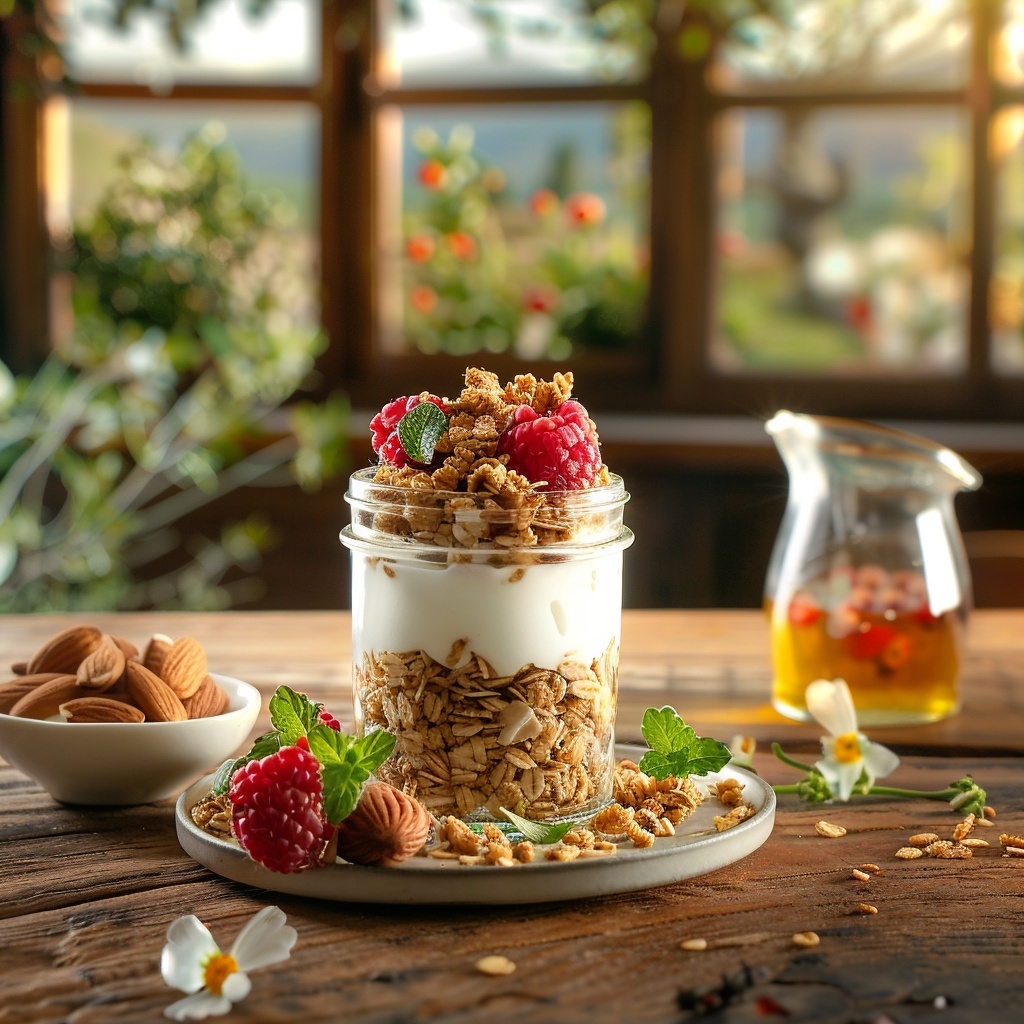
Introduction: My Love for Greek Yogurt Parfaits
I’ll never forget the morning I rushed out of my house with zero time for breakfast and grabbed a parfait from a coffee shop. That first spoonful changed everything. The creamy yogurt, the crunch of granola, and those sweet berries created the perfect bite. I was hooked instantly. Since that day, the Greek yogurt parfait has become my go-to breakfast and snack option.
What makes this simple dish so special? It’s incredibly versatile and packed with nutrition. You can make it sweet or savory, light or filling, simple or fancy. I’ve eaten parfaits for breakfast before big meetings, as post-workout fuel, and even as a healthy dessert after dinner. The best part is how easy they are to customize based on what’s in your fridge.
This article covers everything you need to know about Greek yogurt parfaits. I’ll walk you through the basic components, share why they’re so good for you, and explain how to make them work for your lifestyle. Whether you’re meal prepping for the week or making a quick breakfast, you’ll find practical tips and ideas here.
What is a Greek Yogurt Parfait Made Of?
Let me break down what goes into a typical yogurt parfait. At its core, this dish is beautifully simple. You layer a few key ingredients in a glass or bowl, and you’re done. The magic happens when these components come together.
The base layer is always Greek yogurt. I prefer Greek yogurt over regular yogurt because it’s thicker, creamier, and has more protein. It holds up better when you layer it with other ingredients. You can use plain, vanilla, or any flavored variety you enjoy. Plain Greek yogurt gives you more control over sweetness, which I appreciate.
Next comes the crunch factor: granola. This adds texture and makes each bite more interesting. I usually add granola right before eating to keep it crispy. If you’re making a yogurt parfait recipe make ahead, store the granola separately and add it at the last minute.
Fresh fruit is the third essential component. Berries work wonderfully because they’re sweet, colorful, and packed with antioxidants. A strawberry yogurt parfait is one of my favorites during summer months. But don’t limit yourself to berries. I’ve used sliced bananas, diced peaches, mango chunks, and even pomegranate seeds. Each fruit brings its own flavor profile.
Here’s a quick breakdown of typical parfait layers:
- Bottom layer: Greek yogurt (about 1/2 cup)
- Middle layer: Fresh fruit and granola
- Top layer: More yogurt, fruit, and granola
- Optional toppings: Honey, maple syrup, nuts, seeds, or coconut flakes
The optional toppings take your parfait from good to amazing. I drizzle a small amount of honey over mine for natural sweetness. Chopped almonds or walnuts add healthy fats and extra crunch. Chia seeds boost the fiber content. Hemp hearts provide plant-based protein. The possibilities are endless.
You can also get creative with the yogurt itself. Mix in a spoonful of peanut butter, almond butter, or even cocoa powder before layering. Add a dash of cinnamon or vanilla extract for extra flavor without extra calories. These small tweaks make each parfait feel unique.
Are Greek Yogurt Parfaits Healthy?
This is the question I get asked most often. People see the granola and honey and wonder if parfaits are actually healthy or just disguised desserts. The answer depends on what you put in them, but generally, yes, they’re a nutritious choice.
Greek yogurt itself is a nutritional powerhouse. It contains roughly twice the protein of regular yogurt. A typical serving gives you 15-20 grams of protein, which keeps you full for hours. I noticed a huge difference in my morning hunger levels when I switched from toast to parfaits for breakfast.
Greek yogurt also contains probiotics, which are beneficial bacteria that support gut health. These probiotics help with digestion and may even boost your immune system. I always look for labels that say “contains live and active cultures” to ensure I’m getting these benefits.
The calcium content is another plus. One serving provides about 15-20% of your daily calcium needs. This mineral supports bone health, which becomes increasingly important as we age.
Now let’s talk about Greek yogurt parfait calories. This varies widely based on your ingredients and portion sizes. Here’s a general breakdown:
- Basic parfait (1 cup Greek yogurt, 1/4 cup granola, 1/2 cup berries): 250-300 calories
- With added honey or nuts: 300-400 calories
- Large parfait with extra toppings: 400-500 calories
These calorie ranges make parfaits suitable for most eating plans. They’re filling enough for a complete breakfast but light enough for a snack. The protein and fiber keep your blood sugar stable, which prevents energy crashes.
Many people ask about the Greek yogurt parfait Chick fil a healthy option. The fast-food version contains about 270 calories with 13 grams of protein. It’s not a bad choice when you’re eating out. However, homemade versions give you more control.
Store-bought parfaits often contain more sugar than necessary. The granola might be loaded with honey or chocolate chips. The yogurt could be sweetened with added sugars. When I make parfaits at home, I control every ingredient. I choose low-sugar granola or make my own. I use plain Greek yogurt and add just enough honey to satisfy my sweet tooth.
The health benefits multiply when you choose quality ingredients. Opt for full-fat Greek yogurt if you want maximum satiety. The fat helps your body absorb vitamins from the fruit. Don’t fear the fat in dairy products. Studies show that full-fat dairy may actually support weight management better than low-fat versions.
Pick fresh or frozen fruit over dried fruit. Dried fruit is much higher in sugar and calories per serving. Fresh berries provide more volume, more water content, and fewer calories. They also taste better in my opinion.
Watch your granola portions carefully. Granola is healthy in moderation, but it’s calorie-dense. I measure out 1/4 cup rather than pouring straight from the bag. This keeps my parfait in a reasonable calorie range without sacrificing that satisfying crunch.
The Greek yogurt parfait nutrition profile looks impressive when you add it all up. You get protein from the yogurt, complex carbs from the granola, natural sugars from the fruit, and healthy fats from nuts or seeds. It’s a balanced meal that includes multiple food groups.
For people following specific diets, parfaits adapt easily. Need a low carb yogurt parfait? Skip the granola and use nuts instead. Add extra berries for fiber. Want more protein? Mix protein powder into your yogurt or top with additional nuts. Following a dairy-free diet? Use coconut or almond milk yogurt instead.
The bottom line is this: Greek yogurt parfaits can absolutely be a healthy choice. They offer real nutritional benefits when you build them thoughtfully. I’ve made them a regular part of my routine, and I feel great. They give me sustained energy without weighing me down. That’s exactly what I want from my food.

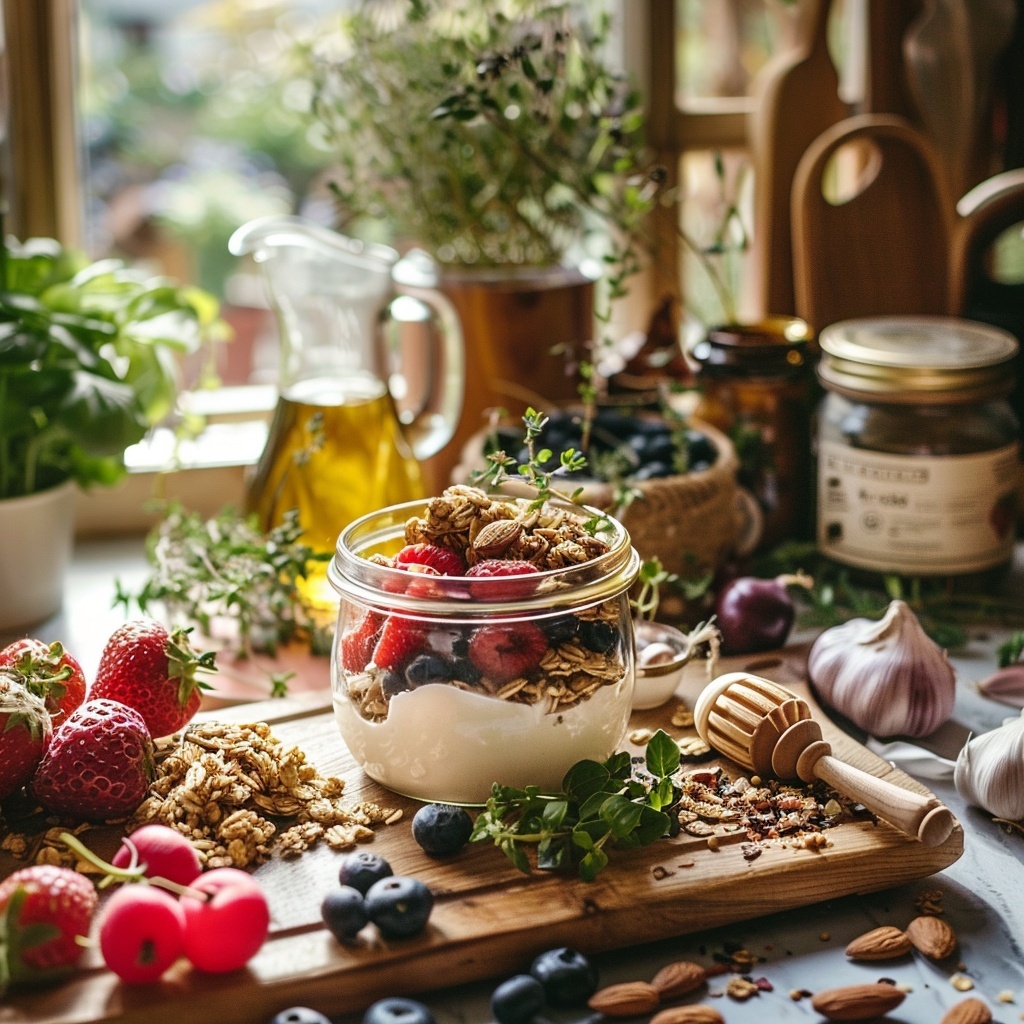

How to Make a Greek Yogurt Parfait at Home
Now that you understand the health benefits, let me show you exactly how I build my parfaits. Making them at home is ridiculously simple once you get the hang of it. I can throw one together in under five minutes on busy mornings, which is about the same time it takes me to make coffee.
First, grab a clear glass or jar. Mason jars work perfectly because you can seal them for transport. Tall drinking glasses show off those beautiful layers. I even use wine glasses when I’m serving parfaits to guests because presentation matters.
Start with about half a cup of Greek yogurt at the bottom. Spread it evenly so you get a nice flat layer. If your yogurt seems too thick to spread smoothly, stir it for a few seconds first. This breaks up the texture and makes layering easier.
Here’s something I learned the hard way: Don’t pack the yogurt down too firmly. You want it to stay soft and creamy. When you press too hard with your spoon, the yogurt becomes dense and loses that light, fluffy quality that makes parfaits so enjoyable.
Next comes your fruit layer. I usually add about a quarter cup of fresh berries or sliced fruit. Place them gently on top of the yogurt without stirring. The visual contrast between white yogurt and colorful fruit is half the appeal. Strawberries, blueberries, and raspberries are my weekly rotation, though I throw in blackberries when they’re on sale.
The granola goes on next. Two tablespoons is usually enough for good crunch without overwhelming the other flavors. Sprinkle it evenly across the fruit layer. Some pieces will sink slightly into the yogurt, which creates interesting texture variations throughout.
Now repeat the process. Another yogurt layer, more fruit, another sprinkle of granola. I typically do two or three layers depending on the size of my container. The top layer should always end with something visually appealing. A few perfect berries arranged in a pattern, a drizzle of honey in a spiral, or a sprinkle of colorful toppings makes the whole thing Instagram-worthy.
By the way, if you’re exploring low carb yogurt parfait recipes, the technique stays the same but your ingredients shift. Replace granola with chopped pecans, walnuts, or almonds. Use lower-sugar fruits like raspberries and blackberries instead of bananas or mangoes. Add unsweetened coconut flakes for texture. I’ve made these for friends following keto diets, and they couldn’t tell they were eating something “diet-friendly.”
Speaking of modifications, people always ask me what can I mix with Greek yogurt to change up the flavor. The options are honestly endless. I stir in a spoonful of almond butter when I want something more filling. Cocoa powder creates a chocolate version that feels like dessert but still counts as breakfast. A teaspoon of instant espresso powder makes a coffee-flavored base that pairs amazingly with chocolate granola. Vanilla extract, cinnamon, pumpkin pie spice, or even a tiny pinch of sea salt can transform the entire experience.
One trick I use for special occasions is swirling in a tablespoon of fruit preserves. You get ribbons of concentrated flavor throughout the yogurt without adding much sugar. Just don’t overmix or you’ll lose those pretty swirls.
The layering technique itself matters more than you’d think. I angle my spoon against the inside of the glass when adding each layer. This prevents the yogurt from smearing down the sides, which keeps those clean, distinct layers visible. Think of it like building a tiny architectural masterpiece in your breakfast bowl.
For anyone making a yogurt parfait recipe make ahead, assemble everything except the granola the night before. Store it covered in the fridge. The fruit will release some juice overnight, which actually flavors the yogurt nicely. Add your granola right before eating so it stays crunchy. This approach has saved me countless mornings when I’m running late.
Greek Yogurt Parfait Variations for Every Occasion
Here’s the thing about parfaits: they’re incredibly adaptable to different situations and dietary needs. I’ve served them at birthday brunches, packed them for picnics, and even brought them to potlucks. Each time, I adjust the recipe slightly based on who’s eating and what the occasion calls for.
When I’m making yogurt parfait recipes for group gatherings, I set up a parfait bar instead of pre-assembling individual servings. Picture this: a large bowl of Greek yogurt in the center, surrounded by smaller bowls filled with different toppings. Granola, multiple fruit options, nuts, seeds, chocolate chips, dried coconut, honey, and maple syrup all laid out buffet-style. Guests build their own combinations, which means everyone gets exactly what they want.
This setup works brilliantly for brunch parties. People love customizing their food, and it takes pressure off me as the host. Plus, dietary restrictions become non-issues. My vegan friends grab the dairy-free yogurt alternative I set out. My gluten-free cousin skips the regular granola and uses the certified gluten-free version. Everyone’s happy, and I didn’t have to make ten different versions.
Funny enough, themed parfaits have become my signature move. During fall, I create pumpkin spice parfaits by mixing canned pumpkin puree and pumpkin pie spice into the yogurt. I top them with cinnamon granola and diced apples. The whole thing tastes like pumpkin pie but provides actual nutrition. Much like a roasted veggie bowl brings autumn vegetables together, these seasonal parfaits celebrate the flavors of each season.
Christmas parfaits get red and green layers using strawberries and kiwi. I add crushed candy canes to the granola for extra festivity. Fourth of July versions feature blueberries and strawberries with white yogurt creating an American flag effect. Kids absolutely lose their minds over these, which makes them perfect for family gatherings.
The greek yogurt granola parfait concept really shines when you match granola flavors to seasonal fruits. Summer calls for lemon-flavored granola with fresh peaches and blueberries. Winter pairs chocolate granola with pomegranate seeds and sliced pears. Spring brings vanilla granola with fresh strawberries and rhubarb compote. Each combination feels completely different even though the basic structure stays the same.
For kid-friendly versions, I get creative with presentation. Layering parfaits in clear plastic cups and adding colorful straws makes them feel like special treats. Mixing in mini chocolate chips or using flavored yogurts increases kid appeal. I’ve hidden vegetables in parfaits by blending spinach into the yogurt with some vanilla and honey. The color turns light green, but kids think it’s mint-flavored and eat it happily.
Savory parfaits are something I discovered recently and now make regularly for lunch. Yes, you read that right. I layer plain Greek yogurt with cucumber, tomatoes, olives, and za’atar seasoning. It’s basically a deconstructed Mediterranean salad but in parfait form. This concept works similarly to how an avocado tuna salad reimagines traditional ingredients in an unexpected format.
Another savory version uses Greek yogurt mixed with ranch seasoning powder as the base. I layer it with crumbled bacon, diced hard-boiled eggs, shredded cheese, and cherry tomatoes. Top it with crushed crackers instead of granola for crunch. It’s essentially a Cobb salad in a jar, and it’s become my favorite packable lunch. The protein content keeps me full until dinner, much like a hearty quinoa bowl provides sustained energy throughout the afternoon.
Dessert parfaits occupy a special category in my repertoire. I make them when I want something sweet but don’t want to derail my healthy eating. Key lime parfait uses lime zest and juice mixed into the yogurt, layered with crushed graham crackers and whipped cream. Cheesecake parfait combines cream cheese with Greek yogurt, vanilla, and a touch of sugar, then layers it with fruit and cookie crumbs.
Finding Greek Yogurt Parfaits Near You
Sometimes you don’t have time to make your own parfait, and that’s completely fine. I’ve searched “greek yogurt parfait near me” more times than I can count when I’m traveling or just need something quick during a busy day.
Most coffee shops now carry some version of yogurt parfaits. Starbucks offers several options that work in a pinch. Local cafes often make their own with house-made granola, which usually tastes better than chain versions. I’ve found amazing parfaits at farmer’s markets too, where vendors use locally-sourced honey and seasonal fruit.
The greek yogurt parfait chick fil a option deserves special mention because it’s probably the most widely available fast-food parfait. I’ve grabbed one countless times when I’m on the road and need something better than a drive-through burger. It comes with Chick-fil-A’s vanilla Greek yogurt, fresh strawberries and blueberries, and granola with crunchy cookie pieces mixed in.
Honestly, it’s not bad for what it is. The yogurt tastes good, the fruit is usually fresh, and the portion size is reasonable. The downside is the granola arrives already mixed with the yogurt in their version, so you lose some of that textural contrast. The sugar content runs higher than what I’d add at home, but it’s still a decent choice compared to most fast-food breakfast options.
McDonald’s and other chains have introduced parfait options too. Quality varies significantly by location. Some places use fresh fruit while others rely on fruit that’s seen better days. The yogurt itself might not always be true Greek yogurt but rather regular yogurt marketed as Greek-style. Reading nutrition labels helps you make informed choices.
Grocery store delis increasingly offer pre-made parfaits in their refrigerated sections. These range from basic to gourmet depending on the store. Whole Foods makes elaborate versions with organic ingredients and house-made granola. Regular supermarkets carry more budget-friendly options from brands like Dannon or Yoplait.
Here’s what I’ve learned from trying dozens of store-bought parfaits: they’re convenient but rarely match the quality of homemade versions. The yogurt-to-topping ratio is usually off. There’s either too much yogurt and not enough crunch, or too much granola that’s gotten soggy. The fruit portions tend to be small. And the price adds up quickly when you’re buying them regularly.
That said, store-bought parfaits serve as excellent inspiration. I’ve discovered flavor combinations I never would have thought of by trying commercial versions. Then I recreate them at home with better ingredients and adjusted ratios. It’s similar to how trying a grilled chicken salad at a restaurant might inspire you to develop your own signature version at home.
My advice is to sample a few store-bought options if you’re new to parfaits. Figure out which flavor profiles you prefer. Notice which textures you enjoy most. Then use those insights to guide your homemade creations. You’ll save money and end up with a better product that’s customized exactly to your tastes. Plus, making your own means you can adjust ingredients based on what’s fresh and in season, creating endless variety in your breakfast routine.


Greek Yogurt Parfait Nutrition Breakdown
Let me get into the specifics of what you’re actually putting into your body when you eat a Greek yogurt parfait. Understanding the Greek yogurt parfait nutrition details helps you make smarter choices and adjust recipes to fit your personal goals. I started tracking this information when I was training for a half-marathon, and the numbers genuinely surprised me in a good way.
Starting with protein, which is the real star of the show here. A standard parfait made with one cup of plain Greek yogurt delivers approximately 15-20 grams of protein depending on the brand. That’s roughly the same amount you’d get from 2-3 eggs or a small chicken breast. The granola adds another 3-4 grams, and if you throw in some nuts or seeds, you’re easily hitting 25 grams total. This protein content is crucial because it triggers satiety hormones that tell your brain you’re full.
The carbohydrates in a typical parfait range from 35-50 grams. Most of these come from the fruit and granola rather than the yogurt itself. Greek yogurt actually contains fewer carbs than regular yogurt because the straining process removes much of the lactose, which is milk’s natural sugar. The carbs you’re getting are primarily complex carbohydrates from the oats in granola and natural sugars from fresh fruit, both of which your body processes differently than refined sugars.
Here’s something interesting I learned from my nutritionist: the combination of protein and carbs in parfaits creates an ideal ratio for muscle recovery after workouts. That’s why I always make one within an hour of finishing a gym session. The carbs replenish glycogen stores while the protein repairs muscle tissue. It’s basically nature’s recovery shake but way more delicious.
Fat content varies dramatically based on which type of Greek yogurt you choose. Full-fat versions contain about 10-15 grams of fat per cup, mostly saturated fat from dairy. Low-fat or nonfat Greek yogurt drops that number to nearly zero. I personally prefer the full-fat version because those healthy fats help my body absorb fat-soluble vitamins like A, D, E, and K from the fruit. Plus, the fat keeps me satisfied longer, which means I’m not raiding the snack drawer by ten o’clock.
The micronutrient profile is where things get really exciting. Calcium leads the pack with about 200-300 milligrams per serving, which is roughly 20-30% of your daily requirement. This mineral doesn’t just build strong bones; it also plays a role in muscle contractions, nerve signaling, and blood clotting. My doctor actually recommended increasing my calcium intake last year, and adding daily parfaits helped me hit my target without taking supplements.
Phosphorus works alongside calcium to maintain bone health, and Greek yogurt provides plenty of it. You’re also getting significant amounts of B vitamins, particularly B12 and riboflavin. B12 supports nerve function and red blood cell formation, while riboflavin helps convert food into energy. People following plant-based diets often struggle to get enough B12, but those who include Greek yogurt have an easier time meeting their needs.
The fruit layer contributes its own nutritional benefits. Berries are loaded with vitamin C, which supports immune function and collagen production. They also contain powerful antioxidants called anthocyanins that fight inflammation and may protect against chronic diseases. One cup of mixed berries delivers roughly 50% of your daily vitamin C requirement. That’s pretty impressive for something that tastes like dessert.
Potassium is another mineral you’re getting from both the yogurt and the fruit. This electrolyte helps regulate fluid balance, muscle contractions, and blood pressure. Bananas get all the attention for potassium, but Greek yogurt actually contains a comparable amount per serving.
Now about fiber, which is the one potential weak spot in parfait nutrition. Greek yogurt itself contains no fiber since it’s an animal product. Your fiber comes entirely from the fruit, granola, and any nuts or seeds you add. A typical parfait provides about 4-6 grams of fiber, which is decent but not exceptional. I boost mine by adding chia seeds or ground flaxseed, which increases the fiber content to 8-10 grams without changing the taste much.
The beauty of understanding these numbers is that you can adjust them based on your specific needs. Training for an athletic event and need more carbs? Add extra fruit and granola. Following a higher-protein diet? Use two-thirds of a cup of yogurt and top with nuts and seeds. Watching your calorie intake? Use less granola and load up on lower-calorie berries like strawberries and raspberries.
Balance is really the key word here. A well-constructed parfait contains all three macronutrients in proportions that support stable energy levels throughout the morning. It’s not a protein bomb like some shakes, nor is it a carb-heavy meal that causes blood sugar spikes. It sits right in that sweet spot where your body gets what it needs without excess of anything.
Tips for Preparing Make-Ahead Parfaits
Here’s where I’m going to save you a ton of time and stress during your busy mornings. Mastering the yogurt parfait recipe make ahead technique has genuinely changed my relationship with breakfast. I used to skip it entirely because I couldn’t spare the time, but now I have nutritious meals ready to grab within seconds of waking up.
The secret to successful meal-prepped parfaits is understanding which components hold up well and which ones need to stay separate until serving time. I learned this through trial and error, including one memorable disaster where I mixed everything together on Sunday night and ended up with soggy mush by Tuesday morning. Learn from my mistakes, folks.
Start by investing in proper containers. Mason jars with tight-sealing lids are my personal favorite because they’re glass, which doesn’t absorb odors or stains, and they stack nicely in the fridge. The half-pint size works perfectly for a standard serving, while pint jars accommodate larger portions if you’re using parfaits as full meals. Some people prefer plastic containers with dividers that keep the granola separate, which definitely works too.
Sunday afternoon is my parfait prep time. I make five at once, which covers my weekday breakfasts. The process takes maybe twenty minutes from start to finish once you get efficient at it. Line up your containers, assembly-line style. Scoop yogurt into each one first, using an ice cream scoop to ensure consistent portions. This is where proper ingredient preparation makes a real difference in the final quality and freshness of your meals.
Add your fruit layer next, but here’s a crucial tip: slightly under-ripe fruit holds up better throughout the week than perfectly ripe fruit. Berries that are just beginning to ripen won’t break down and release as much juice over several days. I’ve also had excellent results with frozen fruit that I let thaw slightly before adding to the jars. The cold fruit actually helps keep everything fresh.
Absolutely do not add granola at this stage. I cannot stress this enough. Granola turns into a sad, soggy mess when it sits in contact with yogurt for more than an hour or two. Instead, portion out your granola into small containers or snack bags. Keep them in your pantry or even in your car if you’re eating on the go. Add the granola right before eating, and your parfait will taste like you just made it fresh.
Another strategy I use is keeping the layers completely separate in different containers. Store a large batch of yogurt in one container, pre-washed fruit in another, and portioned granola in bags. In the morning, I assemble them in just a minute or two. This method takes up more fridge space but gives you maximum flexibility to change up combinations throughout the week.
Proper sealing makes a huge difference in freshness. Press plastic wrap directly onto the surface of the yogurt before putting the lid on. This prevents a watery layer from forming on top, which happens when condensation accumulates. The plastic wrap barrier keeps everything creamy and appealing.
Layering order matters for make-ahead versions. I’ve found that putting a thin layer of granola at the very bottom of the jar, then yogurt, then fruit, then more yogurt works well. That bottom granola layer stays surprisingly crunchy because the yogurt above it is thick enough to act as a barrier. You still want to add more granola on top right before eating, but this gives you some textural variety throughout.
Temperature control is important. Keep your prepped parfaits in the coldest part of your fridge, usually the back of the middle shelf. They’ll stay fresh for up to five days, though honestly, I’ve never had them last that long because they get eaten too quickly. The yogurt itself has a fairly long shelf life thanks to its acidity and probiotic content, which naturally preserves it.
For traveling or commuting with parfaits, invest in an insulated lunch bag with an ice pack. Greek yogurt needs to stay below 40°F to remain safe for consumption. I keep mine in the insulated bag during my commute, then transfer it to the office fridge immediately upon arrival. If you don’t have access to refrigeration, eat your parfait within two hours of removing it from the fridge.
By the way, I’ve started making savory make-ahead parfaits using this same technique. Layer Greek yogurt mixed with herbs, then add chopped vegetables, then more seasoned yogurt. Store the crispy element separately, whether that’s croutons, crackers, or pita chips. These work brilliantly as afternoon snacks or light lunches that feel more substantial than sweet versions.
Batch-preparing your components individually is honestly the most flexible approach. Every Sunday, I make a large batch of homemade granola, wash and portion all my berries, and make sure I have plenty of Greek yogurt on hand. This setup gives me the convenience of grab-and-go meals while maintaining that just-made freshness. If you’re interested in more creative meal prep strategies, you might enjoy exploring other healthy recipes that use similar time-saving assembly techniques throughout the week.
One more time-saving hack: use a piping bag or a large plastic bag with the corner cut off to add yogurt to your jars. This keeps the sides of your containers clean, which matters more than you’d think when you’re trying to see those pretty layers. It’s faster than scooping and creates a more professional-looking result.
The make-ahead method works especially well if you’re feeding multiple people. I make different flavor combinations for different family members, all at once. My daughter gets strawberry with vanilla granola. My husband prefers blueberry with almond granola. I make mine with mixed berries and homemade granola loaded with seeds. Everyone’s happy, and I’m not making breakfast to order every single morning.
Greek yogurt parfaits have become my go-to solution for hectic mornings, unexpected guests, and those days when cooking feels impossible. The satisfaction of opening my fridge to see a row of beautiful, ready-to-eat meals never gets old. It’s like giving a gift to your future self, and that future self is always grateful.
FAQ Section
Are Greek yogurt parfaits healthy?
Yes, Greek yogurt parfaits are genuinely healthy when made with quality ingredients and reasonable portions. They provide substantial protein, probiotics for gut health, calcium for bone strength, and antioxidants from fresh fruit. The key is controlling added sugars by choosing plain yogurt and using minimal sweeteners. Watch your granola portions since it’s calorie-dense, and load up on fresh berries for maximum nutrition with fewer calories. When built thoughtfully, parfaits offer balanced nutrition that keeps you satisfied for hours.
How to make Greek yogurt parfait?
Making a parfait is incredibly simple and takes just minutes. Start by spooning about half a cup of Greek yogurt into a glass or jar. Add a layer of fresh fruit like berries or sliced banana. Sprinkle granola on top for crunch. Repeat the layers until you reach the top of your container. Finish with a drizzle of honey if you want extra sweetness, and add nuts or seeds for more texture. The whole process takes less than five minutes once you have your ingredients ready.
What is a yogurt parfait made of?
A basic yogurt parfait contains three essential components: Greek yogurt as the creamy base, fresh or frozen fruit for natural sweetness and vitamins, and granola for crunch and complex carbohydrates. Most people add optional toppings like honey, maple syrup, nuts, seeds, coconut flakes, or chocolate chips. The beauty of parfaits is their flexibility. You can use any type of fruit, any flavor of granola, and countless topping combinations. Some people even make savory versions with vegetables and herbs instead of sweet ingredients.
What can I mix with Greek yogurt?
The possibilities for mixing ingredients into Greek yogurt are practically endless. For sweet versions, try honey, maple syrup, vanilla extract, cocoa powder, cinnamon, or fruit preserves. Nut butters like almond or peanut butter add richness and extra protein. For savory applications, mix in ranch seasoning, fresh herbs, garlic powder, or za’atar spice blend. Protein powder blends seamlessly if you need an extra protein boost. Even a pinch of sea salt can enhance the overall flavor profile without making it taste salty.
How many calories are in a Greek yogurt parfait?
Calorie content varies widely based on ingredients and portions, but most homemade parfaits contain between 250-400 calories. A basic version with one cup of nonfat Greek yogurt, half a cup of berries, and a quarter cup of granola runs about 250-300 calories. Adding nuts, seeds, honey, or using full-fat yogurt pushes the count toward 400-450 calories. Restaurant and fast-food versions typically fall in the 270-350 calorie range. The calorie count is actually quite reasonable considering how filling and nutritious parfaits are compared to other breakfast options.
Can I make yogurt parfaits the night before?
Absolutely, and I highly recommend it for busy mornings. Assemble your parfait layers in a sealed container and refrigerate overnight. The crucial rule is keeping granola separate until you’re ready to eat to prevent sogginess. Store granola in a small bag or container and add it at the last minute. The yogurt and fruit layers actually taste great after sitting overnight because the fruit releases some juice that flavors the yogurt naturally. Properly stored parfaits stay fresh in the refrigerator for up to five days.
Is the Chick-fil-A Greek yogurt parfait actually healthy?
The Chick-fil-A Greek yogurt parfait is a decent fast-food option with about 270 calories and 13 grams of protein. It contains real Greek yogurt, fresh berries, and granola with cookie pieces mixed in. The sugar content is higher than what most people would add at home, and the granola-to-yogurt ratio isn’t ideal. However, compared to most fast-food breakfast items, it’s a much healthier choice. If you’re in a pinch and need something quick, it works fine. Just don’t expect it to match the quality and nutrition of homemade versions where you control every ingredient.
What’s the best yogurt for parfaits?
Plain Greek yogurt is hands-down the best choice for parfaits because of its thick texture, high protein content, and versatility. Look for brands that contain live and active cultures for probiotic benefits. Full-fat, low-fat, and nonfat all work depending on your dietary preferences, though full-fat keeps you satisfied longest. Brands like Fage, Chobani, and Siggi’s are reliable options with minimal ingredients. Avoid yogurts with added sugars or artificial flavors. If you prefer sweeter yogurt, buy plain and add your own honey rather than buying pre-sweetened varieties.
Can Greek yogurt parfaits help with weight loss?
Greek yogurt parfaits can absolutely support weight loss when incorporated into a balanced diet. The high protein content promotes satiety, which reduces overall calorie intake throughout the day by keeping you full longer. Studies show that people who eat protein-rich breakfasts consume fewer calories at subsequent meals. The key is building your parfait mindfully with controlled portions of granola, plenty of fruit, and minimal added sugars. Using parfaits as meal replacements for higher-calorie breakfast options like pastries or fast food can create the calorie deficit needed for weight loss while still providing satisfying nutrition.
What are good low-carb alternatives to granola in parfaits?
If you’re following a low-carb diet, several delicious alternatives provide crunch without the carbohydrate load of traditional granola. Chopped nuts like almonds, pecans, or walnuts work beautifully and add healthy fats. Unsweetened coconut flakes bring tropical flavor and texture. Seeds such as pumpkin seeds, sunflower seeds, or hemp hearts boost nutrition and crunch. Some people use crushed pork rinds for a truly zero-carb option that sounds weird but actually tastes good. You can also make your own low-carb granola using nuts, seeds, and coconut held together with egg whites and sweetened with a sugar substitute.
There’s something deeply satisfying about creating food that’s both delicious and genuinely good for you, and Greek yogurt parfaits hit that mark perfectly. Try building your own version this week with whatever ingredients you have on hand—you might just discover your new favorite breakfast.
Greek Yogurt Parfait
Ingredients
Equipment
Method
- Spoon about half a cup of Greek yogurt into a clear glass or bowl.
- Layer about a quarter cup of fresh fruit on top of the yogurt.
- Sprinkle two tablespoons of granola over the fruit layer.
- Repeat the layering process: add another layer of Greek yogurt, followed by more fruit, and another sprinkle of granola.
- Finish with a final layer of yogurt topped with a few pieces of fruit or granola and any optional toppings you desire (like a drizzle of honey).