
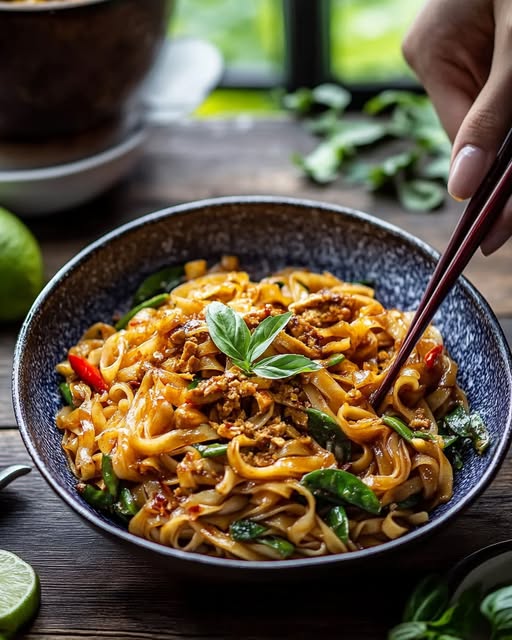
Have you ever ordered takeout and thought, “I wish I could make this at home”? That was me, every single Tuesday night. Then, after one too many soggy noodle deliveries, I decided to take matters into my own kitchen. What I created was a revelation: a Spicy Thai Noodle dish so vibrant, so flavorful, and so much better than what comes in those cardboard boxes. Trust me, once you try these, your favorite takeout spot will get very lonely.
From Takeout Craving to Kitchen Triumph
This recipe was born from pure necessity—the need for a quick, healthy, and explosively tasty dinner on a busy weeknight. I adore the bold flavors of Thai street food, but I wanted something I could whip up with ingredients I could find easily. The magic here is in the balance: the salty-sweet sauce, the fresh crunch of veggies, and that kick of heat that you can totally control. It’s my personal love letter to takeout, but made in my own skillet, exactly how my family likes it.
Why You’ll Absolutely Adore This Spicy Thai Noodle Recipe
This isn’t just another noodle recipe. This is your new secret weapon for dinner wins. First, it comes together in about 30 minutes, which is often faster than delivery! Second, it’s incredibly flexible. Got shrimp instead of chicken? Toss it in. No zucchini? No problem. Finally, the flavor is unreal. It’s fresher, bolder, and more satisfying than anything you can have delivered. You get to be the chef of your own spicy, saucy masterpiece.
Perfect Occasions for These Epic Noodles
This dish is a true crowd-pleaser. I love making a double batch for casual Friday night dinners with friends—it always disappears fast! It’s also perfect for meal prep. Pack the vibrant noodles into containers for a week of exciting lunches. Even a busy Tuesday feels like a special occasion when this is on the table.
What You’ll Need for Your Spicy Thai Noodles
Gather these simple ingredients. The fresh ones make all the difference!
- For the Noodles: 8 ounces of wide rice noodles.
- For the Sauce: 1/3 cup low-sodium soy sauce, 3 tbsp oyster sauce, 1 tbsp Thai fish sauce, 2 tsp honey, 2 tbsp sesame oil, and 1/3 cup water.
- For the Stir-Fry: 8 oz boneless chicken breast (optional), 2 shallots, 3 garlic cloves, 1-2 Fresno or jalapeño peppers, 4 green onions, 1 medium zucchini, 1 red bell pepper, 2 carrots.
- The Fresh Finish: 1 cup of fresh Thai or regular basil.
No Problem! Easy Ingredient Swaps
- Protein: Swap chicken for shrimp, tofu, or thinly sliced beef.
- Noodles: Any rice noodle works, or try soba noodles for a different twist.
- Veggies: Use broccoli, snap peas, or mushrooms. Clean out that fridge!
- Fish Sauce: For a vegetarian version, use more soy sauce or a splash of coconut aminos.
- Spice Level: Remove the pepper seeds for less heat, or add a dab of sriracha for more fire.
Cooking Your Flavor-Packed Spicy Thai Noodles
Let’s get cooking! This process is fast and fun. Just have everything chopped and ready to go before you heat the pan.
Step 1: Prepare the Noodles
Cook your wide rice noodles according to the package directions. This usually just involves soaking them in hot water. Once they’re tender, drain them and give them a quick rinse with cold water to stop the cooking. This prevents them from turning into a sticky clump later. Set your perfectly al dente noodles aside while you work on the sauce and stir-fry.
Step 2: Whisk Together the Sauce
In a small bowl or measuring cup, combine the soy sauce, oyster sauce, fish sauce, and honey. Whisk it until the honey is fully dissolved and the mixture is smooth. Then, add the 1/3 cup of water and whisk again. This extra liquid is key—it will simmer and reduce later, creating a glossy sauce that coats every noodle beautifully. Pro tip: Taste your sauce now! Want it sweeter? Add a touch more honey.
Step 3: Sear the Chicken (If Using)
Heat the sesame oil in a large skillet or wok over medium-high heat. You want the oil to shimmer. Add your chicken strips in a single layer and season with black pepper. Let them sear undisturbed for a minute or two to get a nice golden color. Then, stir and cook until they’re just cooked through. We’re not looking for fully cooked yet, as they’ll finish in the sauce. Remove them to a plate for a moment.
Step 4: Sauté the Aromatics
In that same hot, flavorful oil, add your sliced shallots, minced garlic, chopped chiles, and the white parts of the green onions. The smell that hits you is incredible—sweet, pungent, and spicy all at once. Cook this mixture for 2-3 minutes, stirring often, until the shallots are soft and the garlic is fragrant but not burnt. This base builds the soul of your dish.
Step 5: Cook the Hearty Vegetables
Now, toss in your zucchini ribbons and sliced bell pepper. The colors are so bright and cheerful! Stir-fry them for about 5 minutes. You want them to soften slightly but still keep a bit of a crisp-tender bite. They should be vibrant and inviting, not mushy. This quick cook keeps their texture perfect against the soft noodles.
Step 6: Bring It All Together with Sauce
Pour your pre-mixed sauce into the skillet. If you set chicken aside, add it back in now. Bring everything to a lively simmer. Let it bubble away for about 5 minutes. Watch as the sauce thickens slightly and starts to cling to the chicken and vegetables. The kitchen will smell like your favorite restaurant.
Step 7: The Grand Finale
This is the best part! Add the drained noodles, the carrot ribbons (they’re best added raw for crunch), and most of your fresh basil to the skillet. Use tongs or two big spoons to gently toss and combine everything. Cook for another 3-5 minutes, letting the noodles soak up all that amazing sauce and get perfectly coated. Chef’s tip: The basil will wilt just slightly, releasing its incredible perfume into the whole dish.
Step 8: Serve and Celebrate
Take the skillet right to the table—it’s a beautiful sight! Garnish with the remaining green onion tops and the last of the fresh basil. Serve it hot and watch everyone dig in. The mix of slippery noodles, savory sauce, crisp veggies, and that herbaceous basil is pure magic. Enjoy your homemade victory over takeout!
Timing is Everything: Your 30-Minute Game Plan
This recipe is brilliantly fast. With just 15 minutes of prep for chopping and sauce mixing, and 15 minutes of active cooking time in the skillet, you’re looking at a total of 30 minutes from start to hungry finish. That’s less time than it often takes to decide on, order, and wait for delivery!
Chef’s Secret for the Best Thai Noodles
My secret weapon? Don’t skip the fresh herbs! That cup of Thai basil (or regular basil in a pinch) isn’t just a garnish. Tossing most of it in during the last minute of cooking lets its essential oils bloom in the heat, infusing the entire dish with a sweet, peppery aroma that you simply can’t get from dried herbs. It’s the difference between good and “woah.”
A Little Fun Fact About Fish Sauce
That bottle of fish sauce might seem intimidating, but it’s the umami powerhouse of Southeast Asian cooking. It’s made from fermented anchovies and salt, and while it smells strong on its own, it melts into the background of a dish, adding a deep, savory complexity that makes flavors pop. Think of it like the salt in your favorite chocolate chip cookie—you don’t taste it directly, but you’d miss it if it was gone!
Gear You’ll Need in Your Kitchen
- A large skillet or wok (non-stick or well-seasoned carbon steel works great)
- A sharp chef’s knife and cutting board
- A vegetable peeler (for making carrot ribbons easily)
- A mixing bowl and whisk for the sauce
- Tongs for easy tossing and serving
Storing Your Leftover Spicy Thai Noodles
Let the noodles cool completely before storing. I recommend transferring them to an airtight container. They will keep well in the refrigerator for up to 3 days.
When reheating, add a tiny splash of water or broth to the skillet or microwave-safe bowl. This helps loosen the sauce and rehydrate the noodles gently, preventing them from drying out or becoming gummy. Reheat over medium heat on the stove, stirring often, until piping hot all the way through.
I do not recommend freezing this dish. The texture of the rice noodles and vegetables can become mushy and unappealing after thawing. It’s so quick to make fresh that it’s best enjoyed within a few days.
My Best Tips for Noodle Success
- Prep First: Chop all your veggies and mix your sauce before you turn on the stove. Stir-frying moves fast!
- Don’t Overcook the Noodles: They should be tender but still have a slight chew. They’ll cook more in the sauce.
- Customize the Heat: Start with one chile and taste. You can always add more spice, but you can’t take it away.
- Get Creative: This is a fantastic recipe for using up leftover veggies. Clean out that produce drawer!
Make It Look Fancy: Presentation Ideas
- Serve in a wide, shallow bowl and garnish with lime wedges, extra basil, and a sprinkle of crushed peanuts.
- For a family-style meal, bring the whole skillet to the table with a big serving spoon.
- Portion into lunch containers with a bright, colorful side like a cucumber salad.
Delicious & Healthier Recipe Variations
- Zucchini Noodle Version: Swap the rice noodles for spiralized zucchini. Sauté the “zoodles” for just the last 2 minutes to keep them crisp. A fantastic low-carb option that’s still packed with flavor.
- Tofu Thai Noodles: Use extra-firm tofu, pressed and cubed, instead of chicken. Pan-fry the tofu until golden for a fantastic vegetarian and vegan-friendly protein boost.
- Shrimp & Pineapple Twist: Add juicy shrimp and fresh pineapple chunks with the vegetables. The sweet pineapple balances the spicy sauce beautifully for a tropical feel.
- Peanut Sauce Power: Stir 2-3 tablespoons of creamy peanut butter into the sauce mixture. It creates a rich, creamy, and incredibly satisfying variation that’s always a hit.
- All-Veggie Delight: Simply leave out the meat and double up on your favorite vegetables like broccoli, mushrooms, and baby corn for a hearty, plant-based meal.
- Spicy Thai Noodle Soup: Use the same sauce base but add 4 cups of chicken or vegetable broth. Simmer everything together and serve the noodles, chicken, and veggies in a big, steaming, aromatic bowl of soup.
Common Mistakes to Avoid With Spicy Thai Noodles
Mistake 1: Over-soaking or Overcooking the Rice Noodles
This is the biggest noodle pitfall! Rice noodles can go from perfect to mushy in minutes. Always follow the package instructions carefully, which usually call for soaking in hot water, not boiling. They should be pliable but still have a firm center. They will finish cooking in the sauce. Pro tip: Rinse them with cold water after draining to stop the cooking process immediately.
Mistake 2: Adding the Sauce Too Late or Too Early
Timing the sauce is key for the right texture. If you add it with the raw veggies, they’ll steam and get soggy. If you add it at the very end, the flavors won’t meld. The perfect time is after your aromatics and veggies are just tender. Letting it simmer for those 5 minutes allows it to reduce slightly and cling to every ingredient, creating a cohesive dish.
Mistake 3: Crowding the Pan
If you dump all your chicken and veggies in at once, you’ll steam them instead of giving them a nice sear. They’ll release too much water and become soft. Cook in batches if necessary, especially the chicken. You want that high heat to create little bits of caramelization, which equals big flavor. A little space in the pan makes a huge difference.
Mistake 4: Skipping the Fresh Basil or Adding It at the Wrong Time
That fresh basil is non-negotiable for authentic flavor. But if you stir it in at the very beginning, it will blacken and lose its magic. And if you only use it as a garnish on top, its flavor won’t permeate the dish. The trick is to stir most of it in during the last minute of cooking. This allows the heat to wilt it and release its oils, flavoring the entire skillet.
Your Spicy Thai Noodle Questions, Answered
Can I make this recipe gluten-free?
Absolutely! To make these Spicy Thai Noodles gluten-free, you need to check your sauces. Use tamari or a certified gluten-free soy sauce instead of regular soy sauce. Also, ensure your oyster sauce is a gluten-free version (many brands offer one) or substitute with more gluten-free soy sauce and a pinch of sugar. The rice noodles themselves are naturally gluten-free.
What’s the best substitute for Thai basil?
If you can’t find Thai basil, regular sweet basil is a perfectly fine substitute. The flavor is slightly different—Thai basil has a more licorice-like note—but sweet basil still adds that essential fresh, herbal finish. In a real pinch, you could use a combination of fresh mint and basil for a more complex, bright flavor profile.
How can I make these noodles less spicy for my kids?
It’s easy to control the heat! First, remove all the seeds and white ribs from the chile peppers before chopping—that’s where most of the capsaicin (the heat compound) lives. You can also start with just half a pepper or even omit it entirely. Serve the dish, and then adults can add a drizzle of sriracha or chili crisp to their own bowls.
My noodles turned out sticky. What did I do wrong?
Sticky noodles usually happen for two reasons. First, the noodles were overcooked or soaked for too long before being added to the stir-fry. Second, there wasn’t enough sauce or liquid in the pan when they were combined. Next time, make sure your sauce has that 1/3 cup of water, and don’t be afraid to add an extra splash of water or broth when tossing the noodles if the pan looks dry.
Can I use a different protein, like beef or shrimp?
Yes, this recipe is wonderfully versatile. For shrimp, add them in at the very end with the noodles, as they cook very quickly. For thinly sliced beef or pork, stir-fry it just like the chicken, removing it before cooking the veggies and adding it back with the sauce. For tofu, use extra-firm tofu, press it well, and pan-fry until crispy before proceeding.
Is there a way to make this dish vegetarian or vegan?
Definitely! For a vegetarian or vegan version, omit the chicken and use tofu or just extra veggies. Use a vegan “fish” sauce or substitute with more soy sauce and a squeeze of lime. Check that your oyster sauce is a mushroom-based vegetarian version. The base of the dish—noodles, veggies, and aromatic sauce—is easily plant-based.
How far in advance can I prep the ingredients?
You can do almost all the prep ahead of time to make weeknight cooking super fast. Chop all your vegetables and store them in containers in the fridge for up to 2 days. Mix the sauce and keep it in a jar in the fridge. You can even cook the noodles a day ahead; just toss them with a tiny bit of oil to prevent sticking and store them airtight in the fridge.
The sauce tastes too salty to me. How can I fix it?
If your sauce tastes too salty before you add it, you can balance it by adding a bit more honey or a squeeze of lime juice. If the whole finished dish is too salty, try stirring in a squeeze of fresh lime juice just before serving. The acidity can help cut through the saltiness. Next time, use low-sodium soy sauce and taste the sauce as you mix it.
What type of pan is best for this stir-fry?
A large, wide skillet or a traditional wok is ideal. You want a pan with plenty of surface area so the ingredients can sauté instead of steam. A non-stick skillet is user-friendly, but a well-seasoned carbon steel wok or cast-iron pan will give you the best sear and that classic “wok hei” flavor if you can get it very hot.
Can I add an egg to these noodles?
Of course! Adding egg is a delicious and traditional touch. After cooking the veggies, push everything to the side of the pan. Add a little more oil to the empty space, crack in an egg (or two), and scramble it until just set. Then, mix it into the vegetables before adding the sauce and noodles. It adds wonderful richness.
Spicy Thai Noodles
Ingredients
Equipment
Method
- Cook wide rice noodles according to package directions, then drain and rinse with cold water.
- In a bowl, whisk together soy sauce, oyster sauce, fish sauce, honey, and water until smooth.
- Heat sesame oil in a skillet or wok, add chicken strips (if using), and sear until golden; remove from skillet.
- In the same pan, sauté shallots, garlic, chiles, and green onion whites for 2-3 minutes.
- Add zucchini and bell pepper, stir-fry for about 5 minutes until slightly tender.
- Pour the sauce into the skillet, re-add chicken, and bring to a simmer for 5 minutes.
- Add the noodles, carrot ribbons, and most of the basil to the skillet, tossing to combine and heat through for 3-5 minutes.
- Serve hot, garnished with remaining green onion tops and basil.