
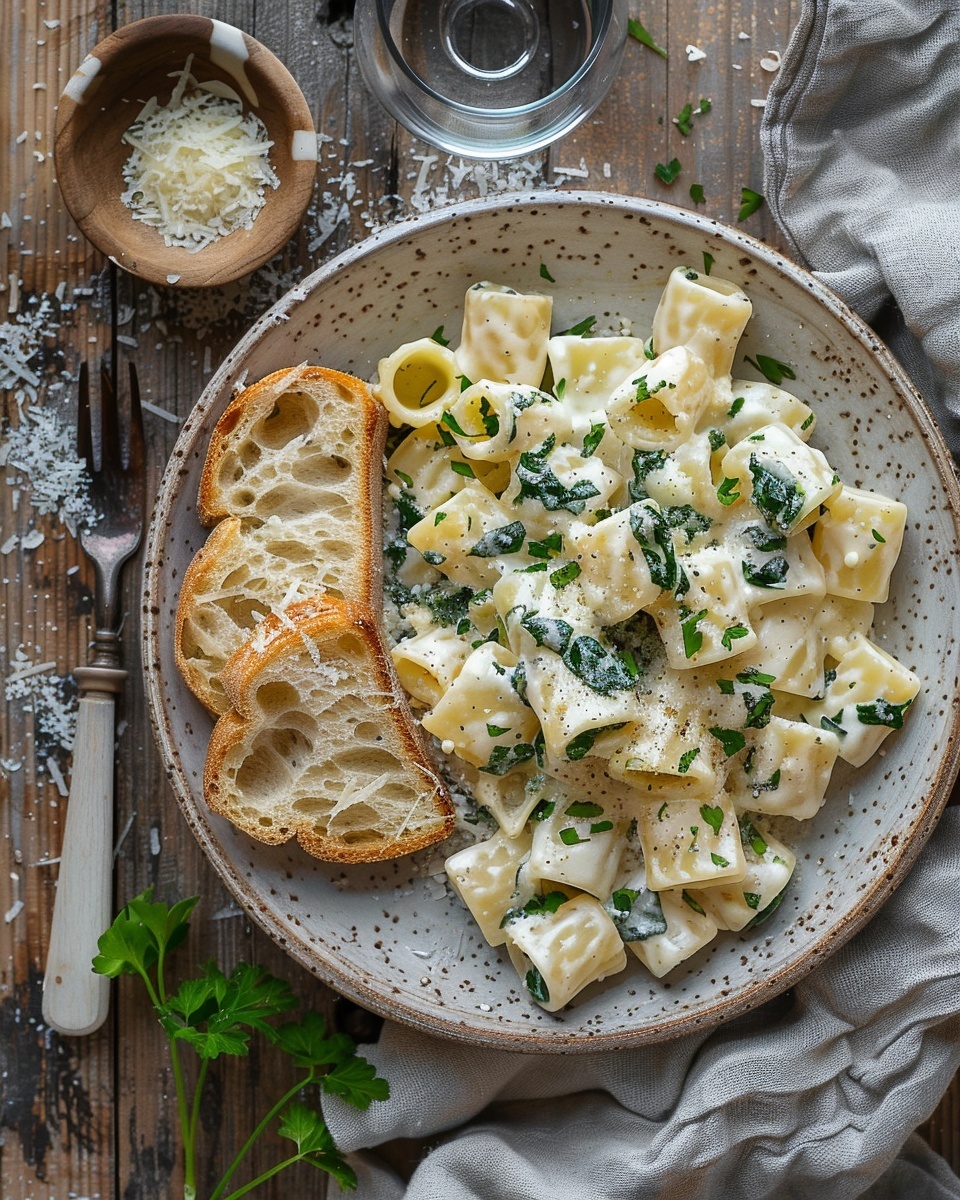
Spinach Ricotta Pasta: A Creamy, Delicious Comfort Food
Last Tuesday night, my daughter asked me for “that green pasta thing” for the third time that week. She was talking about my spinach ricotta pasta, and I couldn’t help but smile. There’s something magical about a dish that wins over even the pickiest eaters. This creamy, comforting meal has become my go-to recipe when I need to put dinner on the table fast without sacrificing flavor or nutrition.
Welcome to my kitchen! Today, I’m excited to share with you a recipe that has saved countless weeknight dinners in my home. Spinach ricotta pasta is not only easy to make but also packed with flavor and nutrients. The best part? You probably have most of the ingredients sitting in your fridge right now.
Whether you’re a seasoned chef or a beginner in the kitchen, this recipe is sure to impress your family and friends. I’ve made this dish for dinner parties, potlucks, and rushed Tuesday evenings. Every single time, it gets rave reviews. The creamy ricotta pairs perfectly with fresh spinach, creating a sauce that clings to every piece of pasta.
Let’s explore the world of creamy, flavorful, and healthy spinach and ricotta pasta. I’ll show you why this dish has earned its place as a family favorite in homes around the world.
Why Spinach and Ricotta Pasta Shells Are So Popular
One of the most beloved variations of spinach ricotta pasta is the classic spinach and ricotta pasta shells. These stuffed shells are a hit at any dinner table, and for good reason. I remember the first time I made them for my in-laws. My mother-in-law, who rarely gives cooking compliments, asked for the recipe before dessert was even served.
The magic happens when you combine the creaminess of ricotta cheese with the freshness of spinach. This creates a perfect balance of flavors that feels indulgent without being heavy. The shells themselves act as little pockets of goodness, holding all that creamy filling inside.
The popularity of this dish lies in its simplicity and flexibility. You can customize it with different sauces and additional ingredients. Some nights I use a simple pasta with ricotta and tomato sauce. Other times, I get fancy with a white wine cream sauce. The base recipe stays the same, but the end result feels completely different.
Here’s what makes spinach and ricotta pasta shells stand out:
- They look impressive but require minimal cooking skills
- You can prepare them ahead and bake them later
- They feed a crowd without breaking the bank
- Kids actually eat their vegetables without complaining
- Leftovers taste even better the next day
For those looking for a healthier option, spinach and ricotta recipes healthy are a great choice. They provide a nutritious and satisfying meal without compromising on taste. Spinach brings iron, vitamins, and fiber to the table. Ricotta offers protein and calcium. Together, they create a meal that nourishes your body while making your taste buds happy.
The Perfect Sauce for Your Spinach Ricotta Pasta
The sauce can make or break your spinach ricotta pasta. I’ve experimented with countless variations over the years. My personal favorite is a rich spinach and ricotta pasta tomato sauce. The acidity of tomatoes cuts through the richness of the cheese perfectly.
Making a simple tomato sauce takes about 20 minutes. I start by sautéing garlic in olive oil until it smells amazing. Then I add crushed tomatoes, a pinch of sugar, and some dried basil. The sugar balances the acidity of the tomatoes. This trick changed my sauce game completely.
Some people prefer a lighter approach with just olive oil and garlic. Others love adding cream for extra richness. My friend Sarah swears by her mushroom spinach ricotta pasta with a creamy mushroom sauce. She sautés sliced mushrooms until golden, then adds heavy cream and parmesan. The earthiness of mushrooms adds another layer of flavor that works beautifully with spinach and ricotta.
Here are my favorite sauce options:
- Classic marinara: Simple, bright, and lets the filling shine
- Creamy tomato: Add a splash of cream to your marinara for richness
- Alfredo: Butter, cream, and parmesan create pure comfort
- Garlic and oil: The lightest option that highlights fresh ingredients
- Pesto cream: Mix pesto with ricotta for an herby twist
Popular Variations Worth Trying
Once you master the basic spinach ricotta pasta, a whole world of variations opens up. I love trying new combinations based on what’s in my kitchen. Last month, I discovered that adding sun-dried tomatoes to the filling adds a sweet and tangy punch.
The ricotta pasta recipe Jamie Oliver style often includes lemon zest in the filling. This brightens everything up and adds a surprising freshness. I tried this technique after watching one of his shows, and now I always keep lemons on hand. Just a teaspoon of zest transforms the entire dish.
If you prefer easier prep work, spinach and ricotta tortellini offers the same flavors in a smaller package. You can buy them fresh or frozen from most grocery stores. Toss them in brown butter with sage for a restaurant-quality meal in 15 minutes.
For a heartier meal, try making a vegetarian pasta bake ricotta style. Layer cooked pasta with ricotta filling, sauce, and mozzarella cheese. Bake until bubbly and golden on top. This approach works great for meal prep. I make two pans on Sunday and have easy dinners ready for the week.
Another elegant option is spinach and ricotta pasta ravioli. Making ravioli from scratch feels intimidating, but it’s actually quite forgiving. The dough is simple flour and eggs. Rolling it thin takes practice, but even imperfect ravioli taste amazing.
Don’t forget about spinach and ricotta lasagne. This classic takes the same filling and transforms it into layers of comfort. I make this for every family gathering. It feeds a crowd and always disappears fast. The leftovers, if there are any, taste incredible reheated the next day.
Making It Your Own
The beauty of spinach ricotta pasta is how personal you can make it. I add a pinch of nutmeg to my ricotta filling. My neighbor Maria adds red pepper flakes for heat. My brother throws in chopped artichoke hearts.
Start with the basic recipe and experiment from there. Try different cheeses mixed with the ricotta. Add fresh herbs from your garden. Swap regular pasta for whole wheat if you want more fiber. Every small change creates a slightly different dish.
This flexibility is why the dish never gets boring. I’ve been making variations of spinach and ricotta pasta for over a decade, and I still discover new combinations that surprise me.


Exploring More Spinach Ricotta Pasta Variations
Now that you’ve got the basics down, let me walk you through some of my absolute favorite twists on this classic. Each variation brings something unique to the table, and I promise you’ll find at least one that becomes your new weeknight staple.
Spinach and Ricotta Pasta Tomato Sauce: The Classic Approach
Here’s the thing about spinach and ricotta pasta tomato sauce – it’s the version my kids request more than any other. The brightness of tomatoes cuts right through the richness of cheese in a way that just works. Last summer, I made this for my book club, and three people texted me the next day asking for the recipe.
I start by heating olive oil in my biggest skillet. Once it’s shimmering, I toss in four cloves of minced garlic. The smell that fills the kitchen at this moment? Pure magic. After about 30 seconds, when the garlic just starts to turn golden, I add a large can of crushed tomatoes. My secret weapon is adding a tablespoon of tomato paste right at the beginning. It deepens the flavor in a way that regular tomatoes alone can’t achieve.
While the sauce simmers, I mix my spinach and ricotta filling separately. I use about two cups of cooked, squeezed-dry spinach mixed with a full container of ricotta. Then comes my special touch – I fold in about half a cup of grated Parmesan and a whole egg. The egg helps bind everything together when it bakes. A generous crack of black pepper and a pinch of nutmeg round out the filling.
The beauty of pasta with ricotta and tomato sauce is how forgiving it is. Burnt the garlic slightly? The tomatoes will balance it out. Sauce too acidic? A pinch of sugar fixes it instantly. Too thick? Splash in some pasta water. This recipe has saved me on nights when my brain was too tired to think straight.
By the way, if you’re looking for more bold pasta flavors, you might enjoy trying something completely different like ramen stir fry for a quick Asian-inspired twist.
Mushroom Spinach Ricotta Pasta: Earthy and Satisfying
Funny enough, I never liked mushrooms until I tried mushroom spinach ricotta pasta at my friend’s dinner party five years ago. She made it look so effortless, and the combination of earthy mushrooms with creamy ricotta completely changed my mind about fungi.
For this version, I use a mix of mushrooms. Baby bellas work great, but if you’re feeling fancy, throw in some shiitake or oyster mushrooms. I slice about eight ounces of mushrooms and cook them in batches. This is crucial – overcrowding the pan makes them steam instead of getting that beautiful golden-brown color we’re after.
Once the mushrooms are perfectly caramelized, I remove them and use the same pan for building my sauce. A knob of butter goes in first, followed by shallots. Shallots have a sweeter, more delicate flavor than onions, and they complement mushrooms beautifully. After the shallots soften, I add the mushrooms back in along with some fresh thyme.
The sauce itself is simple – heavy cream, a splash of white wine, and plenty of freshly grated Parmesan. I let it reduce until it coats the back of a spoon. Then I toss in my cooked pasta, the ricotta-spinach mixture, and those gorgeous mushrooms. Everything gets stirred together until it’s creamy and gorgeous.
My vegetarian neighbor makes this at least twice a month. She told me it’s the only pasta dish that feels hearty enough to satisfy her meat-eating husband. The umami from the mushrooms really does make it feel substantial and satisfying.
Ricotta Pasta Recipe Jamie Oliver Style: Fresh and Zesty
I’ll be honest – I used to think celebrity chef recipes were overhyped. Then I tried a ricotta pasta recipe Jamie Oliver style, and I had to eat my words. His approach adds brightness and freshness that makes the whole dish sing.
The game-changer here is lemon zest. I use a microplane to zest two whole lemons directly into my ricotta mixture. The oils from the zest perfume the cheese in the most incredible way. Then I add fresh basil, lots of it. We’re talking a whole cup of torn basil leaves mixed right into the ricotta along with the spinach.
Jamie’s method also includes a splash of lemon juice in the pasta water. It sounds weird, but it adds this subtle brightness to the noodles themselves. I usually cook rigatoni or penne for this version because the tubes catch all that herby, lemony ricotta.
Another trick I learned from watching his shows is reserving extra pasta water. Like, more than you think you need. The starchy water is what transforms the ricotta from a thick cheese into a silky sauce that coats every piece of pasta. I typically save at least two cups and add it gradually until the consistency looks right.
This version feels lighter and more summery than the tomato-based ones. I make it when my herb garden is overflowing and I need to use up all that fresh basil before it goes bad. If you enjoy experimenting with herbs and spices in your pasta dishes, you might also want to check out these spicy cumin noodles for inspiration on building complex flavors.
Spinach and Ricotta Tortellini: Little Pockets of Heaven
Let me tell you about spinach and ricotta tortellini. These little pasta pillows are absolutely worth the effort if you make them from scratch. But here’s a confession – I usually buy them frozen from Trader Joe’s. Life’s too short to fold hundreds of tiny tortellini on a Tuesday night.
Whether you make them or buy them, the real magic happens in how you serve them. My go-to method is brown butter with sage. I melt about six tablespoons of butter in a light-colored pan so I can watch it carefully. Once it starts smelling nutty and turns golden brown, I throw in fresh sage leaves. They crisp up immediately and smell absolutely divine.
The cooked tortellini go straight from the boiling water into that brown butter. A splash of pasta water helps create a light sauce. Then I finish with lots of Parmesan and a squeeze of lemon. The whole thing takes maybe ten minutes once the water boils.
For something fancier, I make a light cream sauce with garlic and white wine. The tortellini are so flavorful on their own that the sauce doesn’t need to do much heavy lifting. Sometimes I’ll add sun-dried tomatoes or artichoke hearts for extra flavor and texture.
My sister-in-law serves tortellini soup at every holiday gathering. She makes a simple broth with chicken stock, adds the tortellini, and finishes with spinach and a drizzle of good olive oil. It’s elegant, warming, and feels special without being complicated. For more inspiration on working with different pasta shapes and sauces, these Cajun shrimp pasta techniques might give you some ideas.
The beauty of tortellini is their versatility. Toss them in any sauce you’d use for regular pasta. Bake them in a casserole. Skewer them with cherry tomatoes and mozzarella for a fun appetizer. I’ve even thrown leftover tortellini into minestrone soup the next day, and it was phenomenal.
One more thing – if you’re making tortellini from scratch, don’t stress about perfect shapes. My first batch looked like lumpy UFOs, but they tasted incredible. The filling is so good that nobody cares if they’re a little wonky. Plus, homemade pasta has this tender texture that store-bought can never quite match. Just remember to seal the edges really well so they don’t burst open while cooking. I learned that lesson the hard way when my entire first batch exploded and turned the water into cheese soup.


Baked Delights and More Spinach Ricotta Pasta Ideas
Here’s where things get really exciting. Baked pasta dishes have this incredible ability to bring people together. There’s something about pulling a bubbling, golden casserole from the oven that makes everyone gravitate toward the kitchen. These next few variations are my cold-weather favorites, though honestly, I make them year-round because they’re just that good.
Vegetarian Pasta Bake Ricotta: Comfort in Every Bite
My vegetarian pasta bake ricotta has rescued more potluck situations than I can count. Last winter, I volunteered to bring a main dish to our neighborhood gathering. I panicked because I needed to feed about twenty people without spending a fortune. This bake was the answer, and people are still talking about it.
The foundation is simple. I cook about a pound of penne or rigatoni until it’s just slightly underdone – like two minutes less than the package says. While that’s happening, I prepare my ricotta mixture. Two containers of ricotta, two eggs, a cup of shredded mozzarella, half a cup of Parmesan, and plenty of black pepper get mixed together. Then I fold in about three cups of chopped fresh spinach. No need to cook it first; the oven does that work for you.
The vegetables are where you can really make this your own. I usually sauté zucchini, bell peppers, and mushrooms until they’re just softened. My cousin throws in roasted eggplant. My coworker adds broccoli florets. Honestly, whatever vegetables are sitting in your crisper drawer will probably work. Just make sure they’re not too watery, or your bake will get soggy.
Assembly is easy. I mix the slightly undercooked pasta with about three cups of marinara sauce. Half goes into a greased 9×13 baking dish. Then I dollop the ricotta mixture all over, spreading it somewhat evenly. The vegetables get scattered on top of that. The rest of the pasta goes on as the final layer, and I finish with a generous blanket of shredded mozzarella.
Bake it covered with foil at 375°F for about 30 minutes. Then remove the foil and bake another 15 minutes until the cheese on top gets all golden and bubbly. The wait is torture because it smells absolutely incredible. I make myself set a timer for at least ten minutes of resting time before cutting into it. Otherwise, everything slides apart into a saucy mess. Still delicious, just not as pretty.
One thing I learned the hard way – this bake freezes beautifully. I now make two whenever I’m going through the effort. One for dinner, one for the freezer. On those nights when I’m completely exhausted, having a homemade pasta bake ready to pop in the oven feels like a gift from my past self. By the way, this type of make-ahead meal really helps with managing your weekly energy intake since you can control portions and ingredients more thoughtfully than with takeout.
Spinach and Ricotta Pasta Ravioli: Handmade Love
Okay, I’m going to level with you about spinach and ricotta pasta ravioli. Making them from scratch is time-consuming. It’s messy. Your kitchen will look like a flour bomb exploded. But there’s something deeply satisfying about creating these little pasta pillows with your own hands.
I make fresh pasta dough with a ratio that never fails me – 100 grams of flour per egg. So for a batch that serves four people, I use 400 grams of all-purpose flour and four large eggs. Some people add olive oil or salt to their dough. I keep it simple. Just flour and eggs mixed until it comes together, then kneaded for about ten minutes until it’s smooth and elastic.
The dough needs to rest for at least 30 minutes wrapped in plastic. This relaxes the gluten and makes it much easier to roll out. While it rests, I make my filling. I cook about ten ounces of fresh spinach until it wilts, then squeeze out every drop of liquid I possibly can. This step is crucial. Watery filling equals soggy ravioli that burst open.
The squeezed spinach gets chopped fine and mixed with a full container of ricotta, half a cup of grated Parmesan, one egg yolk, nutmeg, salt, and pepper. I taste it at this point, which sounds weird since it has raw egg yolk, but just a tiny taste tells you if it needs more salt or cheese. The filling should taste almost too flavorful on its own because the pasta surrounding it is plain.
Rolling out the dough is where a pasta machine really helps, though I’ve done it with just a rolling pin when my machine broke. You want it thin enough to see your hand through it. I lay out one long sheet and place small mounds of filling about two inches apart. After brushing water around each mound, I lay another sheet on top and press firmly around each filling pocket to seal.
Cutting them out is oddly therapeutic. I use a fluted pastry wheel, but a knife works fine. The important thing is pressing those edges really well so they don’t open during cooking. My first batch, I was too gentle, and they all exploded. It was heartbreaking but hilarious. We ate ricotta soup that night.
Fresh ravioli cook in just three to four minutes in boiling salted water. They’ll float to the top when they’re done. I serve them simply – brown butter with sage, or just good olive oil with Parmesan. Sometimes a light tomato sauce. The ravioli are so good that they don’t need much else. My kids actually helped me make these last month during spring break. Sure, their ravioli were weird shapes and sizes, but they were so proud. And they tasted just as good as my perfectly shaped ones.
Spinach and Ricotta Lasagne: The Ultimate Crowd-Pleaser
If I had to pick one dish to make for the rest of my life, spinach and ricotta lasagne would be a serious contender. This is the recipe I make for every major family gathering. Christmas? Lasagne. Easter? Lasagne. Someone’s birthday? You guessed it.
The beauty of lasagne is how you can build flavors in layers. I start with my tomato sauce, which I make with crushed tomatoes, lots of garlic, fresh basil, and a secret ingredient – a parmesan rind. That rind simmers in the sauce for about 30 minutes and adds this incredible depth of flavor. Just remember to fish it out before assembling.
My ricotta filling for lasagne is richer than what I use for other dishes. Three containers of ricotta, two eggs, a cup and a half of shredded mozzarella, a full cup of Parmesan, and about four cups of chopped cooked spinach all mixed together. The eggs help everything set properly so you get clean slices instead of a runny mess.
I use no-boil lasagna noodles because, frankly, life’s too short to pre-cook noodles. They work perfectly as long as your sauce isn’t too thick. The noodles absorb moisture as they bake, so I make my sauce a bit looser than normal. If it looks slightly watery, that’s exactly right.
Assembly is where I get into a rhythm. Spread about a cup of sauce on the bottom of the pan. Layer of noodles. Half the ricotta mixture spread evenly. More sauce. Another layer of noodles. The rest of the ricotta. More sauce. Final layer of noodles, remaining sauce, and then a generous amount of shredded mozzarella on top.
I bake it covered at 375°F for 40 minutes, then uncovered for another 20 until the cheese is golden and bubbly. The hardest part is letting it rest for at least 15 minutes before cutting. I know the wait is painful, but it lets everything set up properly. Otherwise you’ll have soup instead of distinct layers.
Funny enough, this lasagne actually tastes better the next day. Something magical happens as it sits in the fridge overnight. The flavors meld together and the texture becomes perfect. I often make it the day before a party specifically for this reason. Plus, it’s one less thing to worry about when you’re hosting.
My mother-in-law, who’s Italian and very particular about her pasta, gave this recipe her stamp of approval. That was probably the proudest moment of my cooking life. She even asked if she could bring it to her church potluck. When an Italian grandmother asks for your lasagne recipe, you know you’ve made it.
For anyone looking to explore more hearty, satisfying pasta and noodles dishes, there’s a whole world of possibilities waiting for you beyond just these spinach and ricotta variations.
The real secret to any of these baked pasta dishes is not overthinking them. Yes, there are multiple steps. Yes, it takes time. But none of it is technically difficult. You’re just layering flavors and textures. Trust your instincts, taste as you go, and don’t stress about making it look perfect. Some of the best meals I’ve ever made looked a little rough around the edges but tasted absolutely incredible. Food made with love always tastes better, even if the presentation isn’t Instagram-worthy.
So grab your favorite baking dish, turn on some good music, and get layering. These recipes are forgiving and flexible. Make them your own, and they’ll reward you with comfort, satisfaction, and probably some pretty enthusiastic compliments from whoever you’re feeding. And honestly? There’s not much better than watching people go back for seconds of something you made with your own hands.
Wrapping Up Your Spinach Ricotta Pasta Journey
Whether you’re stuffing shells on a busy Tuesday or crafting homemade ravioli on a lazy Sunday, remember that the best version of any dish is the one you’ll actually make. Start simple, experiment when you feel inspired, and don’t be afraid to make mistakes – that’s where the best learning happens. Your kitchen, your rules, your delicious spinach ricotta pasta waiting to happen.
Frequently Asked Questions
What makes spinach and ricotta pasta shells so popular?
The combination of creamy ricotta and nutrient-rich spinach creates a perfectly balanced filling that appeals to both adults and kids. These shells are also incredibly versatile – you can prepare them ahead, freeze them for later, and customize them with different sauces. They look impressive when served but require minimal cooking skills, making them ideal for both weeknight dinners and special occasions. Plus, they’re budget-friendly and feed a crowd easily.
How can I make a healthier version of spinach and ricotta pasta?
Start by using whole wheat or chickpea pasta for added fiber and protein. You can substitute part-skim ricotta instead of full-fat, and increase the ratio of spinach to cheese in your filling. Add extra vegetables like zucchini, mushrooms, or bell peppers to boost nutrition. Use a lighter tomato-based sauce instead of cream sauces, and go easy on the cheese topping. These small swaps maintain the delicious flavor while cutting calories and adding nutrients.
Can I freeze spinach ricotta pasta dishes?
Absolutely! Most spinach ricotta pasta dishes freeze beautifully. Assemble your dish completely but don’t bake it yet. Cover tightly with plastic wrap and then aluminum foil, and freeze for up to three months. When you’re ready to eat, you can bake it straight from frozen – just add about 20 extra minutes to the cooking time and keep it covered for the first half of baking. Stuffed shells, lasagne, and baked pasta all freeze particularly well.
What’s the best way to prevent watery spinach ricotta filling?
The key is thoroughly squeezing out all moisture from your cooked spinach. I wrap the cooked spinach in a clean kitchen towel and squeeze hard over the sink until no more liquid comes out. If using frozen spinach, thaw it completely first and then squeeze. Also, avoid adding extra liquid ingredients to your filling, and make sure your ricotta isn’t watery to begin with. Some brands are wetter than others, so you might want to drain it in a fine-mesh strainer for 30 minutes before using.
Can I add other vegetables to my spinach and ricotta pasta?
Definitely! This recipe is incredibly flexible. Mushrooms, zucchini, bell peppers, sun-dried tomatoes, artichoke hearts, and roasted red peppers all work beautifully. Just make sure any vegetables you add are cooked first and not too watery. Sauté them to remove excess moisture before mixing into your filling or layering into your baked dish. I love adding whatever seasonal vegetables I have on hand.
How long does leftover spinach ricotta pasta last in the refrigerator?
Properly stored in an airtight container, most spinach ricotta pasta dishes will last three to four days in the refrigerator. Many dishes actually taste better the next day as the flavors have had time to meld together. Reheat individual portions in the microwave, or reheat larger portions covered in the oven at 350°F until warmed through. Add a splash of water or extra sauce if it seems dry.
What’s the difference between ricotta and cottage cheese in pasta dishes?
Ricotta has a smoother, creamier texture and milder flavor that’s traditionally used in Italian pasta dishes. Cottage cheese is lumpier and has a slightly tangy taste. While you can substitute cottage cheese to save money or cut calories, I recommend blending it first to achieve a smoother consistency. The flavor will be slightly different, but it still works well. For the most authentic taste and texture, stick with ricotta.
Do I need to cook no-boil lasagna noodles before assembling?
No, that’s the beauty of no-boil noodles! They’re designed to cook in the oven using moisture from your sauce. Just make sure your sauce is slightly thinner than normal so the noodles have enough liquid to absorb. If your sauce is too thick, the noodles won’t soften properly and will have hard spots. Some people soak them in warm water for a few minutes first, but I’ve never found that necessary as long as there’s enough sauce.
Can I make spinach ricotta pasta dairy-free?
Yes, though it requires some creative substitutions. Use cashew-based ricotta or tofu blended with nutritional yeast, lemon juice, and garlic to mimic ricotta’s flavor and texture. Dairy-free mozzarella shreds work for topping. The texture won’t be exactly the same, but you can still achieve a creamy, satisfying dish. I’ve made a vegan version for my lactose-intolerant friend, and while it’s different, it’s still delicious in its own right.
What’s the best pasta shape for spinach ricotta dishes?
It really depends on your preparation method. Jumbo shells are perfect for stuffing. Rigatoni and penne work great for baked casseroles because their tubes hold the ricotta mixture. For tossed pasta dishes, I prefer wider noodles like pappardelle or fettuccine that can support the creamy sauce. Ravioli and tortellini are obviously ideal when you want individual filled pasta. Short shapes generally work better than long thin pasta like spaghetti for these heavier, cheese-based sauces.
Spinach Ricotta Pasta
Ingredients
Equipment
Method
- Heat olive oil in a skillet and sauté minced garlic until fragrant.
- Add crushed tomatoes and tomato paste, and season with sugar, salt, and pepper; let simmer.
- In a mixing bowl, combine squeezed spinach, ricotta cheese, grated Parmesan, and egg; season with salt and pepper.
- Mix the spinach mixture thoroughly to create the filling.
- Layer half the tomato sauce in a greased baking dish.
- Spoon dollops of the spinach and ricotta mixture over the sauce.
- Add the remaining tomato sauce on top.
- Optionally, sprinkle additional cheese over the top.
- Cover with foil and bake at 375°F (190°C) for 30 minutes; then uncover and bake for an additional 15 minutes until the cheese is bubbly and golden.
- Allow to rest for 10 minutes before serving.